Duvet vs Comforter: Differences and How to Choose

Duvet or Comforter: 7 Key Differences to Help You Decide - Featured Image

A duvet is a two-piece system: a filled insert that slips inside a removable, washable cover. A comforter is a single quilted piece with its fill sewn permanently inside the outer shell, so you use it as-is and wash the whole thing. Neither is automatically warmer or better made — warmth comes from the fill and loft, so the real decision is about laundry habits, how often you like to restyle your bed, and the look you want.

Duvet vs Comforter at a Glance

  Duvet (insert + cover) Comforter
Pieces Two: insert and removable cover One: shell and fill stitched together
Routine laundry Wash the cover with your sheets; insert occasionally Wash the whole piece, often needing a large machine
Restyling Swap covers; keep the same insert Replace the comforter or layer over it
Warmth control Change insert weight and cover fabric by season Fixed warmth unless you add or remove layers
Drape Usually sits closer to the mattress footprint Often cut with more side drop for a fuller look
Daily bed-making Fast — one layer, top sheet optional Fast — one layer, nothing to assemble

What Is a Duvet?

A duvet (sometimes sold as a “duvet insert”) is a soft, flat, quilted bag filled with down, feathers, wool, cotton or synthetic down-alternative fibers. The insert itself is usually plain white or off-white because it isn’t meant to be seen — it lives inside a duvet cover that closes with buttons, ties or a zipper, much like an oversized pillowcase. Most covers and inserts have corner loops and ties so the fill stays aligned instead of sliding into one end.

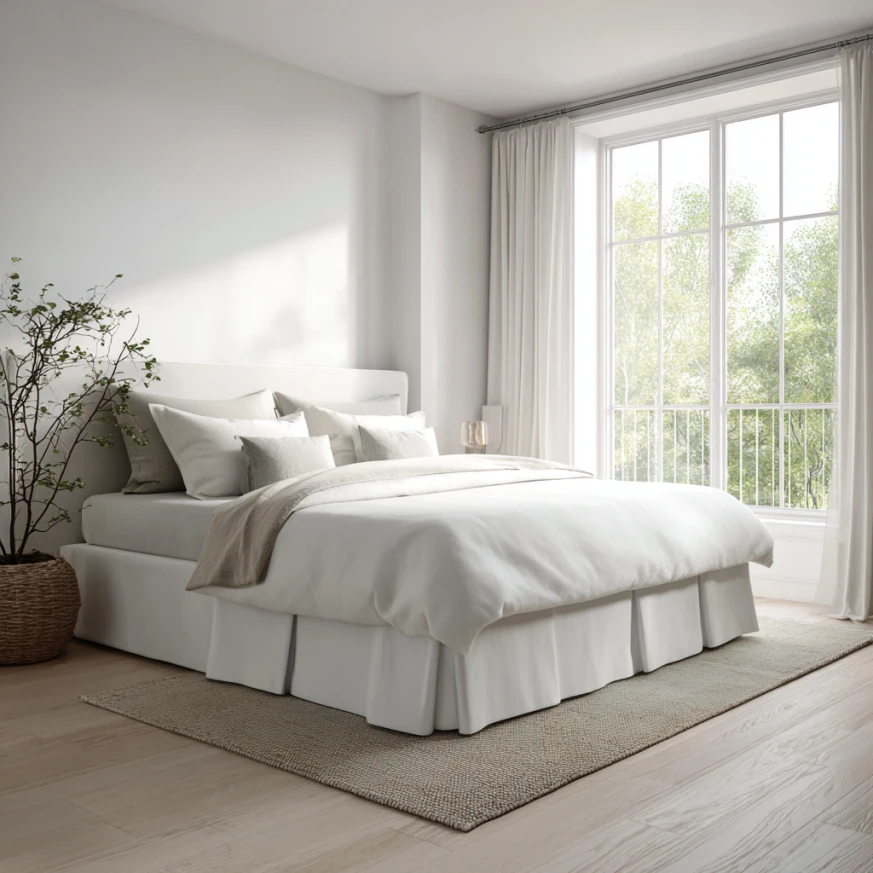
That two-piece design is the whole point: the cover takes the daily wear and goes in the wash, while the insert stays protected. It also means you can change the entire look of the bed without buying new bedding — the same principle behind swapping in seasonal duvet covers for a few weeks a year. white down duvet with removable cotton cover

What Is a Comforter?

A comforter is a single quilted blanket: the fill is sewn between two layers of decorative outer fabric, held in place by box stitching or quilted channels. There’s no cover to buy or wrestle with, and comforters are commonly sold in coordinated sets with shams and sometimes sheets, so the bed looks finished the moment you unwrap it.

The trade-off is laundry and longevity. Because the shell is permanently attached, every wash puts the fill through the machine, and a queen or king comforter may not fit a standard home washer at all. plush comforter in a minimalist bedroom

Where Quilts, Coverlets and Shams Fit In

Quilts and coverlets are thinner: batting stitched between two fabric layers, usually flatter than either a duvet or comforter and often reversible. They work as a light summer top layer or as texture folded at the foot of a duvet-covered bed. Shams are decorative pillow covers, not bed covers — if the terminology gets confusing, our breakdown of a sham versus a duvet cover sorts out which piece does what.

Warmth: It’s the Fill, Not the Format

People often ask which is warmer. The honest answer is that a duvet and a comforter of the same fill, fill weight and shell will feel about the same on the bed. Warmth is set by three things: what’s inside, how much of it there is, and how well the stitching keeps it spread out.

  • Down and feather: the most loft for the least weight, and very good at trapping air. Down’s quality is described by fill power — a lab measure of how many cubic inches of loft one ounce of down produces — so a higher number means less down is needed for the same insulating loft. It is a quality indicator, not a direct temperature rating.
  • Wool: insulates while moving moisture, which suits cool, damp rooms and sleepers who run hot and cold in the same night.
  • Down alternative (polyester microfiber): mimics down’s loft at a lower price, dries faster and is usually machine washable — which is why it dominates comforters.
  • Cotton and cotton blends: heavier and flatter, but breathable for warm climates.

Construction matters just as much. Baffle-box construction (fabric walls between compartments) lets fill expand to full loft; simple box stitching is flatter but keeps fill from migrating; channel quilting lets you shake fill toward or away from you. Any of these beats a thinly stitched piece that clumps after a few washes.

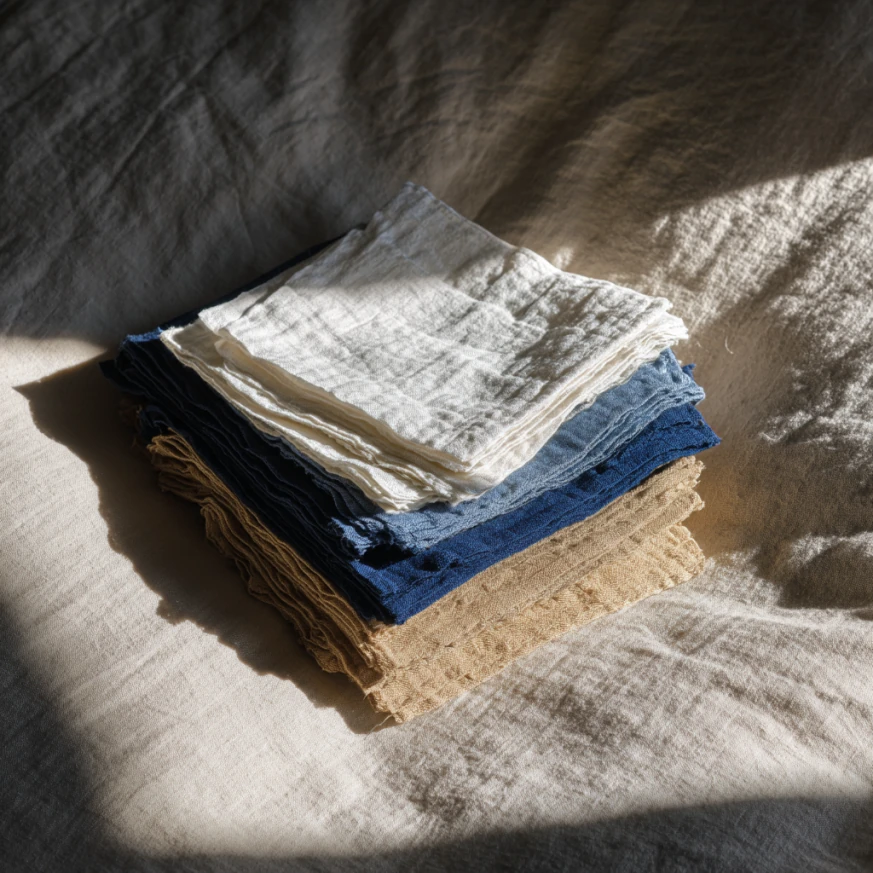
If you shop UK or European bedding, you’ll also see tog ratings, a measure of thermal resistance. Retailers generally position roughly 4.5 tog for summer, around 10.5 for all-year use and 13.5 or higher for winter. US bedding rarely lists tog and instead uses vague labels such as “lightweight,” “all-season” and “winter weight,” which vary a lot between brands — check the fill weight in ounces or grams if it’s published. Duvet Vs. Comforter - materials used for duvets and comforters

Hot Sleepers and Allergy Considerations

For hot sleepers, the duvet system has a practical edge: you can pair a low-loft insert with a breathable percale or linen cover and swap to something warmer in winter. A lightweight, breathable comforter can work just as well — you simply can’t adjust it. Bedding is only part of the picture, though; mattress and room temperature matter too, which is why our guide to cooling mattresses for hot sleepers is worth a look if you overheat every night regardless of the top layer.

On allergies, down-alternative fills are widely marketed as hypoallergenic and are easier to wash frequently, which helps with dust and dander. Tightly woven shells also limit what gets into the fill. If you have a diagnosed feather or down sensitivity, synthetic is the safer pick — but treat broad health claims on bedding packaging with caution and ask a doctor about persistent symptoms.

Size, Fit and Drape

Sizing is where most disappointment happens, and it’s more inconsistent than shoppers expect. Queen duvets and inserts are commonly cut somewhere in the 88–90 inches wide by 90–94 inches long range, with brands varying noticeably, and comforter “queen” labels differ from one brand to the next as well. Two rules help:

  • Match the cover to the insert, not to the bed. Guidance from bedding size guides is that a duvet cover should be the same size as the insert or up to about four inches larger in each direction; too small and the fill bunches, too large and you get cold gaps at the corners.
  • Size up for depth. Thick mattresses, toppers and tall platform beds eat side coverage. If you have a deep mattress or share with a cover-puller, going one size up is the simplest fix.

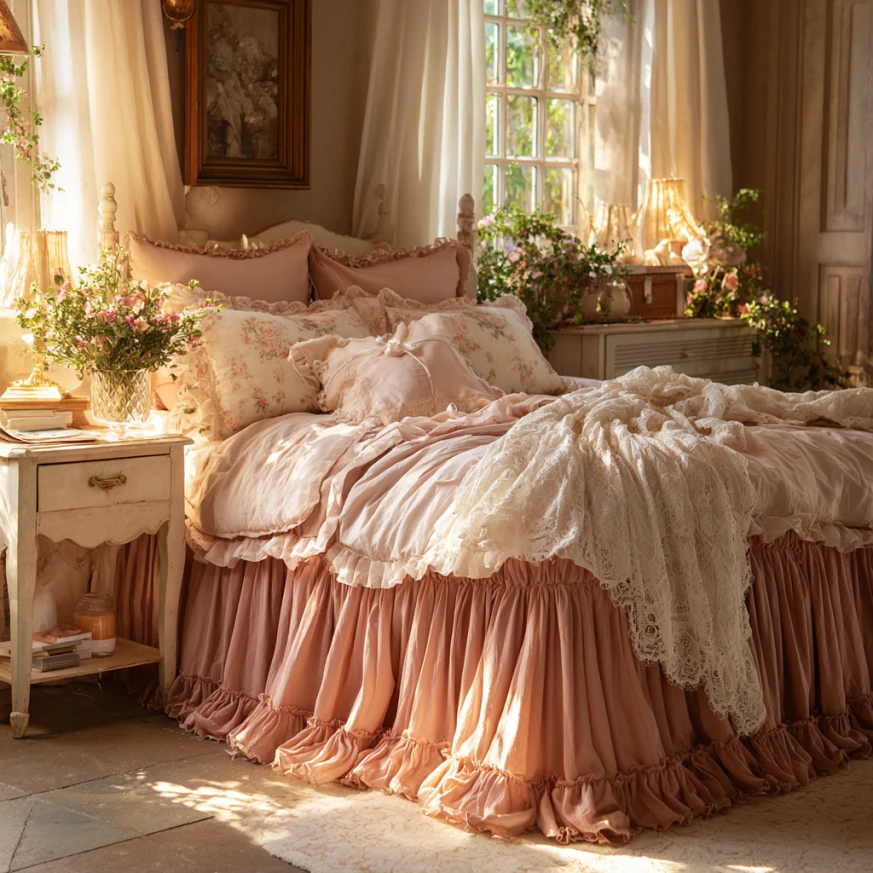
Stylistically, comforters are often cut with more overhang for a soft, draped look, while duvet-covered beds tend to read neater and more tailored within the mattress footprint. Either can look intentional — the mistake is a top layer that stops short of the mattress edge. duvet vs comforter mattress fit and drape - duvet vs. comforter

Care and Cleaning

This is the clearest practical difference. With a duvet, the cover absorbs skin oils, sweat and spills, and it washes like a sheet. With a comforter, the whole piece — fill included — has to go through the machine or to a laundromat or dry cleaner.

Published advice on frequency varies rather than converging on one rule. Duvet covers are generally washed on the same cycle as sheets, roughly every one to two weeks. For the filled layer, one home-and-garden guide reports bedding specialists suggesting washing a duvet insert about every three months and a comforter about every two months, while other bedding sources suggest a couple of times a year for inserts that always live inside a cover. Use those as brackets, wash sooner after spills or illness, and follow the care label above all.

  • Wash filled pieces alone, on a gentle cycle in cool water, with a small amount of mild detergent added to the dispenser rather than poured on the fabric.
  • Dry low and long, with dryer balls, and stop to break up damp clumps. Fill that isn’t bone dry can mildew inside the shell.
  • Air the insert out regularly — draped over a chair or line — to release overnight moisture between washes.
  • Tie the corner loops before stuffing a cover, then shake the whole thing out so the fill sits evenly.
  • Using a top sheet adds a washable barrier and stretches the time between cover washes.

When a comforter or insert is past saving, don’t default to the trash — many textiles can be rehomed, and our guide to where to donate bedding covers who accepts what.

Cost and Long-Term Value

Prices move constantly and vary hugely by fill and brand, so treat any specific figure with suspicion — including ones you’ll see quoted in older articles. What’s reliable is the structure of the spending:

  • Comforters and comforter sets are a single purchase and are usually the cheaper way to get a finished-looking bed today. Restyling means buying another comforter.
  • Duvets cost more up front because you buy two things, but a new look later costs only a cover. A good insert can outlast several cover styles.
  • Either way, spend on the shell and the stitching. Fill retention and seam quality are what you notice in year two, not the pattern you liked in the store.

Down is also the most expensive fill, which is worth knowing if you like the feel of it — the same trade-offs we cover in down versus memory foam pillows apply to bedding fills more broadly.

Style and Seasonal Flexibility

A duvet cover is the cheapest redecorating tool in a bedroom: crisp white percale in summer, brushed cotton or flannel when it gets cold, pattern for a few weeks around the holidays. Comforters lean the other way — the design is fixed, so seasonal change comes from layering quilts, throws and shams on top.

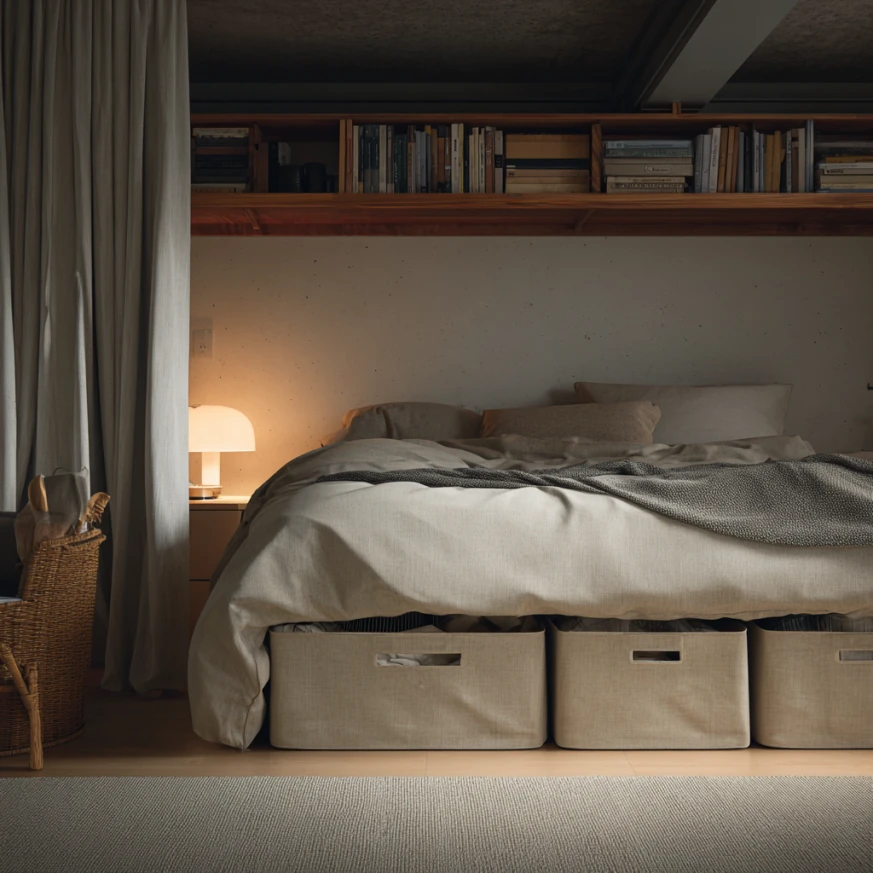
A useful middle path: keep a neutral comforter and put a duvet cover over it. This works as long as the sizes are close, and it gives a one-piece sleeper the washability and restyling of a duvet system without buying an insert. bedroom with seasonal duvet covers and layered decor

Which Should You Choose?

Choose a duvet if you want routine laundry to be easy, you like changing your bedroom’s look, you sleep hot in summer and cold in winter, or you’d rather buy one good insert and keep it for years. The downsides: two pieces to store and manage, and the occasional wrestling match with cover ties.

Choose a comforter if you want bedding that works straight out of the bag, you like matching sets, you’re furnishing a guest room or rental where simplicity wins, or you prefer a softer, draped bed. The downsides: bulky washing and no easy way to change warmth or style.

Edge cases are easy to solve. Hot climate year-round? A light comforter or a low-loft insert with a linen cover. Love a layered, textural bed? Comforter plus quilt. Want one piece but hate laundromat trips? Comforter inside a cover. side-by-side beds showing duvet and comforter for seasonal use

FAQ

What’s the main difference between a duvet and a comforter?

A duvet is an insert used inside a removable cover; a comforter is one quilted piece with the fill sewn in. That single structural difference drives everything else: washing, restyling and how the layer drapes.

Is a duvet warmer than a comforter?

Not inherently. Compare fill type, fill weight and loft rather than the category name. Duvets do make warmth easier to adjust, since you can change inserts and cover fabrics by season.

Can I use a duvet without a cover?

You can, but it isn’t ideal. The insert then takes all the sweat and oils and needs washing far more often, which shortens its life. Inserts are also typically plain white.

Can I put a duvet cover on a comforter?

Yes, and it’s a good trick. Match the sizes closely and use the internal corner ties if either piece has them so the comforter doesn’t shift inside.

Do I need a top sheet with a duvet?

No. Many people skip it European-style because the cover is washable. A top sheet is still useful if you like the crisp feel or want to wash the cover less often.

What size duvet fits a queen bed?

Most queen inserts fall roughly in the 88–90 by 90–94 inch range, but labels vary by brand. Check the actual measurements, and size up if your mattress is deep or topped.

How often should I wash each part?

Wash the duvet cover with your sheets, about every one to two weeks. Wash the insert or a bare comforter a few times a year — more often if there’s no cover, if you sleep without a top sheet, or after a spill — always following the care label.

Updated September 2026.

How to Break In a New Mattress: Timeline and Faster Tips

Break in a New Mattress - break new mattress faster - ways break new

Most new mattresses need roughly two to eight weeks of nightly use before they feel normal, and a firm, stiff or slightly “off” feeling in the first nights is expected rather than a sign of a defect. The fastest way through it is simple: let the mattress fully expand, sleep on it every night instead of switching back to the old bed, keep the room warm during the day so foam layers stay pliable, and rotate it every couple of weeks. If it still feels wrong after a month of consistent use, the problem is usually firmness or support — not break-in — and that’s what your sleep trial is for.

How Long Does It Take to Break In a Mattress?

Break-in is the period during which comfort layers soften slightly under body weight and heat, while your body adapts to a new support surface. Guidance from mattress guides generally puts the window at about 20 to 90 days depending on materials, construction and the base underneath. Most brands quote something in the 30-day range in their own care instructions.

The table below shows the ranges most commonly quoted by manufacturers and mattress guides. Treat them as expectations, not measured results — break-in isn’t a standardised test, and identical models can feel settled at different times depending on body weight, room temperature and how often the bed is used.

Mattress Type Commonly Quoted Break-In Period Why
Memory foam About 30–60 nights Dense viscoelastic foam softens gradually with body heat and pressure
Hybrid About 3–6 weeks Foam comfort layers settle while pocketed coils stay largely unchanged
Innerspring About 2–4 weeks Thin padding compresses quickly; coils do most of the work from night one
Latex About 2–4 weeks Latex is elastic and changes least; most of the adjustment is yours, not the mattress’s

Cozy bedroom scene showing how to break in a new mattress with warmth

A new mattress softens with warmth and consistent use.

Why a New Mattress Feels Firmer at First

Three separate things are usually happening at once, and they get blamed on each other.

The mattress may not be fully expanded yet

Bed-in-a-box models are vacuum-compressed, and manufacturers typically ask for 24 to 72 hours for full expansion, with most of the loft returning within the first several hours. A mattress that hasn’t finished expanding feels denser and firmer than the finished product, so judging comfort on night one is judging the wrong bed. Cool rooms slow expansion down; warmer rooms speed it up.

The comfort layers haven’t settled

Foam and fibre padding are manufactured, compressed, shipped and stored. Repeated loading from your body weight is what relaxes those layers into the shape you’ll actually sleep on. This is the part people mean by “breaking in,” and it’s gradual — you notice it week over week, not night over night.

Your body is adjusting too

If you slept on a sagging bed for years, your muscles adapted to that sag. A supportive surface holds your spine differently, and that can feel stiff or even mildly achy for a week or two before it feels better. Persistent or worsening pain, however, is not break-in — see the troubleshooting section below.

New mattress unboxed—ready to break in - break new mattress featuring ways break new

A freshly unboxed mattress often feels firmer before breaking in.

How to Break In a New Mattress Faster

1. Let it expand completely before you judge it

Unbox promptly, remove all plastic, and give a compressed mattress a full day or more in a ventilated room before deciding anything about the feel. This also overlaps with airing out: new-mattress odour from foams and adhesives is strongest in the first few days and fades with ventilation. If the smell bothers you, our guide to reducing mattress off-gassing covers airing times and certifications such as CertiPUR-US, GREENGUARD Gold and OEKO-TEX.

2. Sleep on it every single night

This is the one step that actually does the work. Alternating with the guest bed or sofa stretches break-in out for months and makes it much harder to tell whether the mattress is improving. Commit to consistent nightly use for at least 30 nights.

3. Apply pressure during the day

Walk slowly across the surface in socks, crawl on hands and knees, or roll from side to side across the areas where you sleep. A few minutes a day works the comfort layers more than sleeping alone does, because you’re loading parts of the mattress your body never touches at night. Don’t jump or let children bounce: sudden point loads can damage foam and coils, and impact damage isn’t covered by warranties.

4. Warm the room by day, cool it by night

Memory foam is temperature-sensitive and feels firmer when cold, so raising the daytime temperature in the bedroom helps the foam relax. Don’t carry that into bedtime, though — sleep experts generally recommend a cool bedroom, with 65 to 68°F (about 18 to 20°C) cited as a comfortable range for most people. Warm the room while you’re out; cool it before you get in. If you run hot regardless, a cooling mattress or breathable bedding matters more than break-in tricks.

5. Check what’s underneath the mattress

A sagging slatted base, a worn box spring, or slats spaced too far apart will make a new mattress feel wrong no matter how long you wait, and it can also affect warranty coverage. Most foam and hybrid mattresses want a solid or closely slatted surface. If your frame is older than the mattress, read our guide to choosing the right bed frame before blaming the bed. For adjustable bases, check mattress and adjustable base compatibility first.

6. Rotate it every couple of weeks at first

Rotating head-to-foot during break-in helps the comfort layers settle evenly rather than only where you lie. NapLab suggests rotating every two weeks during break-in, then every six to 12 months afterwards. Only flip a mattress if it is explicitly designed to be double-sided; most modern models are not.

7. Hold off on the topper — then use one if needed

A topper masks what the mattress is doing, so it’s better to wait out the first few weeks before adding one. After that, a topper is a legitimate fix for a bed that’s slightly firmer than you’d like, and far cheaper than returning. It cannot fix a mattress that lacks support, only one that lacks cushioning.

8. Use a protector from night one

A waterproof protector is worth adding immediately, because retailer warranty pages routinely state that visible staining voids coverage entirely. It’s the cheapest insurance on the bed.

Cross-section showing layers of a new mattress being broken in

Mattress layers influence how quickly a bed breaks in and how it feels.

What Doesn’t Help

  • Jumping or stomping on it. Impact stresses seams, foam and coils and risks voiding the warranty.
  • Heating pads or hairdryers aimed at the surface. Direct heat can damage foam; warm the room instead.
  • Heavy weights left in one spot. Concentrated load creates uneven compression rather than even break-in.
  • Switching beds “just for tonight.” Every skipped night extends the process and muddies your judgement.

When It Isn’t Break-In: Troubleshooting a Mattress That Still Feels Wrong

After 30 nights of consistent use, you should be able to tell the difference between a bed that’s still settling and one that’s the wrong match. Signs it’s a mismatch rather than a timing issue:

  • You wake with new lower-back pain that isn’t easing week to week. Usually a firmness or support mismatch for your sleeping position.
  • You feel pressure at hips and shoulders as a side sleeper. The comfort layer is too thin or too firm for you.
  • You sink and feel “stuck” or misaligned. Too soft for your weight or position.
  • Something feels lumpy, uneven or noisy. That points to a defect or a failing base, not break-in.

Two guides help here: our mattress firmness scale explained for working out where your current bed sits, and the best mattresses for side, back and stomach sleepers for matching firmness to position. If the bed you replaced was old and sagging, our guide on how often to replace a mattress explains what normal wear looks like.

Use the sleep trial properly

Sleep trials exist precisely for this situation. According to the Sleep Foundation, the average at-home trial runs about 90 to 120 nights, and many trials include a mandatory break-in period you must complete before requesting a return — often around 30 nights. That requirement is the reason not to give up in week one: returning too early may not be allowed at all. Check three things in your paperwork before the clock runs out: the trial length, the minimum nights required, and whether return shipping or a fee applies.

Warranty vs. trial

These cover different problems. A trial covers “I don’t like it.” A warranty covers manufacturing defects, and retailer warranty pages commonly set a sagging threshold in the region of 1 to 1.5 inches of permanent body impression before a claim qualifies — thresholds vary by brand, so read your own document. Comfort preference is not a defect, and using an unsupported or incompatible base can affect coverage.

A Realistic Four-Week Plan

  1. Days 1–3: Unbox, remove all packaging, ventilate the room, let it expand fully before the first night.
  2. Week 1: Sleep on it nightly. Expect stiffness. Don’t add a topper yet. Note down how you feel each morning.
  3. Week 2: Add a few minutes of walking or rolling across the surface most days. Rotate head-to-foot. Warm the room during the day.
  4. Week 3: Rotate again. Compare your notes with week one — improvement should be noticeable even if it isn’t finished.
  5. Week 4: Decide. Better and improving means keep going. No change at all, or worsening pain, means check the base, then start the trial return or exchange while you still can.

FAQ

How long does it take to break in a new mattress?

Commonly quoted ranges run from about two weeks to roughly 90 days, with memory foam at the longer end and innerspring and latex at the shorter end. Most people notice clear improvement within the first month of nightly use.

Can I sleep on a mattress-in-a-box the first night?

Usually yes, but manufacturers typically recommend allowing 24 to 72 hours for full expansion, and the mattress will feel firmer and denser until it finishes. If you can wait a night, wait.

Does walking on a new mattress really help?

Gentle, distributed pressure — walking in socks, crawling, rolling — works the comfort layers faster than sleeping alone. It’s widely recommended, though there’s no rigorous published testing that quantifies how many days it saves. Avoid jumping.

Should I put a topper on a new mattress right away?

Wait a few weeks. A topper changes the feel immediately and hides whether the mattress itself is softening. If the bed is still too firm after break-in, a topper is a reasonable fix for cushioning, but not for inadequate support.

Why does my back hurt on a new mattress?

Mild, improving stiffness for a week or two is common when moving from an old, sagging bed to a supportive one. Pain that persists past a month or gets worse suggests the firmness or support is wrong for you, and is worth raising with your doctor as well as acting on within your trial window.

Do latex and innerspring mattresses need breaking in?

Less so. Latex is elastic and changes little, and innerspring coils perform from the first night — most of the adjustment in both cases is your body getting used to a different surface.

The Short Version

Give a new mattress a full expansion period, then 30 nights of uninterrupted use, warmth during the day, pressure from walking or rolling, a rotation every two weeks, and a solid base underneath. That covers everything that genuinely speeds up break-in. If four weeks of that hasn’t helped, stop waiting and use the trial — no amount of patience turns the wrong firmness into the right one.

Updated September 2026.

How a Nighttime Routine Helps You Sleep Faster & Wake Up Refreshed

Nighttime routine with herbal tea and a book beside a softly lit bed


Nighttime Routine: How to Fall Asleep Faster & Wake Refreshed

Nighttime Routines That Help You Sleep Faster

A nighttime routine trains your body and brain to switch into sleep mode. Start with 3–5 simple steps (dim lights, unplug from screens, relax your body, and wind down with calm rituals) and you can fall asleep faster within days—often by the very first week.

Key Takeaways on Nighttime Routine

  • Keep a consistent nighttime routine to reinforce your circadian rhythm.
  • Dim lights and avoid blue light 60–90 minutes before bed to protect melatonin.
  • Use relaxation (breathing, stretching, warm bath) to lower cortisol and calm the mind.
  • Cool bedroom (60–67°F / 16–19°C) plus breathable bedding improves sleep quality.
  • Make it enjoyable: pair tea, journaling, or light reading to ease the transition.
  • Stick with it nightly for 2+ weeks for durable, effortless sleep.

Do you find yourself tossing and turning at night, unable to fall asleep quickly? A consistent nighttime routine might be the missing piece. Your body thrives on habit and rhythm, and a structured pre-bed routine trains your brain to recognize when it’s time to sleep.

In this guide, we’ll explore how a nighttime routine improves sleep, the best habits to include, and step-by-step strategies to help you fall asleep faster and wake up more refreshed.


Why a Nighttime Routine is Essential for Quality Sleep

Answer first: A consistent evening routine helps regulate your circadian rhythm by preparing your brain and body for sleep, so you fall asleep faster and wake fewer times overnight.

Your body has an internal clock (circadian rhythm) that signals when it’s time to be awake and when to wind down. A consistent evening routine helps regulate this rhythm by preparing your brain and body for sleep.

The Benefits of a Nighttime Routine:

✅ Reduces stress & anxiety – Helps calm racing thoughts before bed.
✅ Increases melatonin production – Supports a natural sleep cycle.
✅ Prevents sleep disruptions – Reduces nighttime wake-ups.
✅ Helps you fall asleep faster – Establishes a reliable signal for sleep.

⏳ Read More: The Ultimate Sleep Hack


The Best Nighttime Habits for Better Sleep

Answer first: Layer a few science-backed habits—light control, device curfew, body relaxation, and a cool bedroom—to get the biggest payoff with minimal effort.

1. Dim the Lights 60–90 Minutes Before Bed

💡 Why? Artificial light, especially blue light, suppresses melatonin and delays sleep.
💡 How? Use warm-toned lighting, candles, or Himalayan salt lamps to create a relaxing atmosphere.

2. Avoid Screens & Blue Light Exposure

📱 Why? Blue light from phones and TVs tricks your brain into thinking it’s still daytime.
📱 How? Use blue light filters, wear blue light-blocking glasses, or stop screen use 1 hour before bed.

🔵 Read More: How Sleep Science & Technology Can Help

3. Take a Warm Bath or Shower

🛁 Why? Helps lower your body temperature, signaling to your brain that it’s time for sleep.
🛁 How? Take a bath 90 minutes before bed to maximize relaxation benefits.

4. Practice Relaxation Techniques (Meditation, Deep Breathing, or Stretching)

🧘 Why? Reduces cortisol levels and promotes deep relaxation.
🧘 How? Try the 4-7-8 breathing technique, progressive muscle relaxation, or bedtime yoga.

🧘 Read More: Sleep Like a Pro

5. Read a Book (But Avoid Thrillers!)

📖 Why? Reading a physical book (not an e-book) helps your brain transition into sleep mode.
📖 How? Choose a light, enjoyable book rather than something too stimulating.

6. Drink a Sleep-Boosting Herbal Tea

🍵 Why? Herbal teas like chamomile, valerian root, and lemon balm promote relaxation.

🍵 How? Drink your tea 30 minutes before bed for best results.

🍵 Read More: 10 Sleep Hacks to Try Tonight

7. Keep a Gratitude or Sleep Journal

📓 Why? Writing down thoughts helps clear your mind and reduces bedtime anxiety.
📓 How? Write down three things you’re grateful for or a short reflection on your day.

8. Set Your Room to the Ideal Sleep Temperature

🌡️ Why? A cool room (60–67°F or 16–19°C) helps regulate melatonin and improve sleep quality.
🌡️ How? Use breathable bedding, a fan, or adjust your thermostat.

🌙 Read More: Genius Sleep Fixes


How to Create Your Personalized Nighttime Routine

Answer first: Build a 30–60 minute sequence of 3–5 steps you’ll actually stick with, then repeat it nightly at the same time.

A successful nighttime routine doesn’t have to be long or complicated. Start with a simple 3–5 step process that works for you.

Example Nighttime Routine (30–60 Minutes Before Bed)

🕰️ 9:00 PM – Dim the lights & reduce screen time.
🛁 9:15 PM – Take a warm shower or practice deep breathing.
📖 9:30 PM – Read a book or journal to clear your mind.
🍵 9:45 PM – Sip herbal tea while relaxing in bed.
😴 10:00 PM – Lights out, sleep time!

🔄 Read More: Why You Should Never Hit the Snooze Button


How Long Does It Take for a Nighttime Routine to Work?

Answer first: Many people feel improvements in a few nights, but consistency over 2–4 weeks locks in lasting results.

Most people see improvements in their sleep within a few nights of following a nighttime routine. However, for long-term benefits, consistency is key.

Timeline for Sleep Improvement:

📅 Week 1: You may still wake up at night but fall asleep faster.
📅 Week 2: Your sleep will feel deeper, and you’ll wake up more refreshed.
📅 Week 3–4: Your circadian rhythm fully adjusts, making sleep effortless.

⏳ Read More: Say Goodbye to Insomnia


FAQ

Quick answers to common questions about building a nighttime routine.

What is the best time to start a nighttime routine?
Begin 60–90 minutes before your target bedtime. Keeping this timing consistent helps your brain associate the sequence with sleep.
Can a nighttime routine help with insomnia?
Yes. While it’s not a cure for clinical insomnia, a predictable wind‑down reduces arousal, supports melatonin, and often shortens sleep onset latency.
Do I need to follow the same nighttime routine on weekends?
As closely as possible. A similar schedule on weekends prevents circadian drift and Monday “social jet lag.”
What if I can’t avoid screens before my nighttime routine?
Use blue-light reduction settings, enable dark modes, wear blue-light filtering glasses, and keep screens at the lowest brightness.

Final Thoughts: Stick to Your Nighttime Routine & Sleep Better Tonight

Creating a consistent nighttime routine is one of the best ways to fall asleep faster, reduce stress, and wake up feeling fully rested. Even small changes—like dimming the lights, avoiding screens, and practicing relaxation techniques—can make a big difference.

✅ Start with 3–5 simple steps that you enjoy.
✅ Stay consistent for at least two weeks to see results.
✅ Customize your routine to fit your lifestyle & needs.

🌙 Try it tonight and wake up feeling refreshed tomorrow! 😴✨


Related reading from Cozy Bed Quarters

Other reading we found popular


Space-Saving Bedroom Ideas for a Stylish, Organized Space

Space-saving bedroom ideas with compact storage furniture and a tidy, organized layout


Space-Saving Bedroom Ideas: 15 Genius Hacks for Small Spaces

Looking for space-saving bedroom ideas that actually work? In this guide, you’ll get 15 creative, tested solutions that transformed my tiny bedroom into a cozy, functional oasis — without sacrificing style or comfort. These space-saving bedroom ideas combine practicality with style, helping you make the most of every square inch.

Key Takeaways on Space-Saving Bedroom Ideas

  • Maximize floor space with multi-functional furniture like Murphy beds and storage ottomans.
  • Use vertical storage such as floating shelves and pegboards to make the most of your walls.
  • Think outside the box — over-door organizers, wall-mounted lighting, and fold-out desks can free up valuable room.
  • Hidden storage solutions keep your bedroom clutter-free while still accessible.
  • These space-saving bedroom ideas work for any small space — from studio apartments to compact guest rooms.

15 Space-Saving Bedroom Ideas That Changed My Room

Bright small bedroom with compact desk and nightstand showing space-saving bedroom ideas in action

When I first moved into my tiny apartment, my bedroom felt like a storage closet with a bed squeezed in. But necessity is the mother of invention, so I got creative. These space-saving bedroom ideas proved to be game changers.

1. The Murphy Bed Miracle

Installing a Murphy bed completely changed how I used my bedroom. During the day, it folded neatly against the wall, leaving enough space for morning yoga or a small desk setup. At night, it transformed into a comfortable sleeping space. This solution is perfect if you want to turn your bedroom into a multi-purpose room without sacrificing comfort. Just make sure to keep the space in front clear so you can fold it down easily. Among space-saving bedroom ideas, this one is a classic for good reason.

2. Floating Shelves For The Win

Floating shelves let you store and display items without bulky furniture eating up floor space. I added them above my desk, over my bed, and even in awkward corners. They’re perfect for books, plants, or decorative items, and they give your bedroom a clean, modern look. Always install them into studs for safety, especially if you plan to store heavier objects. This is one of those space-saving bedroom ideas that works in almost any room.

3. Behind-the-Door Organizer

The back of a bedroom door is often wasted space, but adding an over-the-door organizer gave me storage for shoes, scarves, small bags, and other accessories. It’s an inexpensive upgrade that keeps frequently used items within reach and prevents clutter from spilling into the main room — a true hidden gem among space-saving bedroom ideas.

4. Bed Risers With Built-in Outlets

Bed risers lifted my bed several inches, creating extra storage underneath for bins and boxes. The built-in outlets were a lifesaver for charging my phone and laptop without stretching cords across the room. This small tweak maximized my under-bed space while making my setup more functional.

5. Pegboard Wall Organizer

A pegboard turned one of my walls into a fully customizable storage system. I used hooks for jewelry, shelves for small plants, and baskets for stationery. The beauty of a pegboard is its flexibility — you can rearrange it as your needs change, and it’s a great way to keep items visible yet organized.


Multi-Functional Furniture: The Heart of Space Efficiency

Modern murphy-style wall bed folding down between tall built-in storage cabinets

Multi-purpose furniture is the secret weapon of any small space. These space-saving bedroom ideas maximize function without wasting a single inch.

6. Fold-Out Desk

A fold-out desk gave me the workspace I needed without permanently taking up valuable square footage. I mounted it to the wall, and when I’m not working, I simply fold it up to reclaim the space. This is especially helpful for bedrooms doubling as home offices.

7. Hidden Storage Beds

When a Murphy bed isn’t an option, a storage bed is the next best thing. Mine has built-in drawers that hold extra bedding, seasonal clothes, and even books. It keeps essentials close but out of sight, making my bedroom feel less cluttered. This is a must-have for anyone serious about space-saving bedroom ideas.

8. Convertible Seating

Convertible furniture like an ottoman with hidden storage or a bench that opens up is perfect for small bedrooms. They provide seating when needed, but more importantly, they offer hidden storage for blankets, pillows, or even shoes.

9. Modular Wardrobes

My small closet couldn’t handle all my clothes, so I added a modular wardrobe. This customizable system fit perfectly into my space, and I could adjust the shelves and rods as my storage needs changed.


Vertical Space: Your Secret Weapon

Lofted bed above a living area with tall bookshelves and ladder access

Walls and ceilings can offer more storage than you think. These vertical space-saving bedroom ideas add style and storage in equal measure.

10. Floor-to-Ceiling Curtains

Hanging curtains from the ceiling creates the illusion of higher ceilings and a more open space. I took it a step further by placing storage bins behind them, keeping clutter hidden but accessible.

11. Corner Shelving

Those awkward corners in your bedroom can actually be storage goldmines. Installing corner shelves turned mine into a display for plants and decorative pieces, which made the room look intentional and well-designed.

12. Vertical Mirrors

Adding vertical mirrors not only reflects light but also creates a sense of depth in a small room. It’s a quick visual trick that makes your bedroom feel larger and brighter.


Outside-the-Box Thinking

Some of the most creative space-saving bedroom ideas come from thinking beyond standard furniture arrangements.

13. Wall-Mounted Lighting

Swapping a bedside lamp for a wall-mounted light fixture freed up valuable nightstand space. It also gave my bedroom a more modern, streamlined look without sacrificing lighting quality.

14. Over-Bed Storage Units

The space above your bed can hold more than just a headboard. I installed cabinets there, perfect for storing lightweight items like extra bedding or seasonal decorations. Just avoid storing anything too heavy for safety reasons.

15. Compact Laundry Basket

A slim, collapsible laundry basket replaced my bulky hamper. It takes up very little space when not in use and can be tucked away in a closet or under the bed.


FAQ

What is the best way to save space in a small bedroom?
Use multi-functional furniture, maximize vertical storage, and incorporate hidden storage solutions to free up floor space.
Do space-saving bedroom ideas work for rented apartments?
Yes, most solutions like floating shelves, fold-out desks, and over-door organizers are renter-friendly and removable.
How can I make my small bedroom look bigger?
Use light colors, vertical mirrors, and keep clutter to a minimum to create the illusion of a larger space.

Other reading we found popular

Top Luxury Mattresses: Premium Comfort & Sleep Technology

Top Luxury Mattress


Top Luxury Mattresses 2025: Expert Guide & Picks

If you’re comparing top luxury mattresses, this guide distills what truly sets them apart—premium materials, advanced cooling, and craftsmanship—so you can match the right bed to your sleep style without second-guessing.

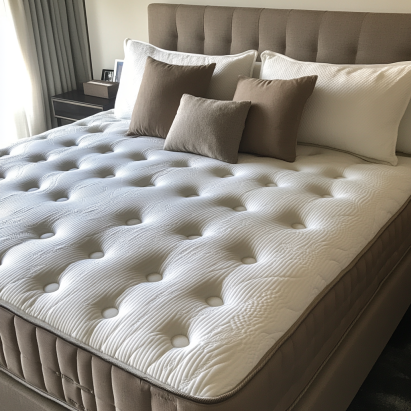
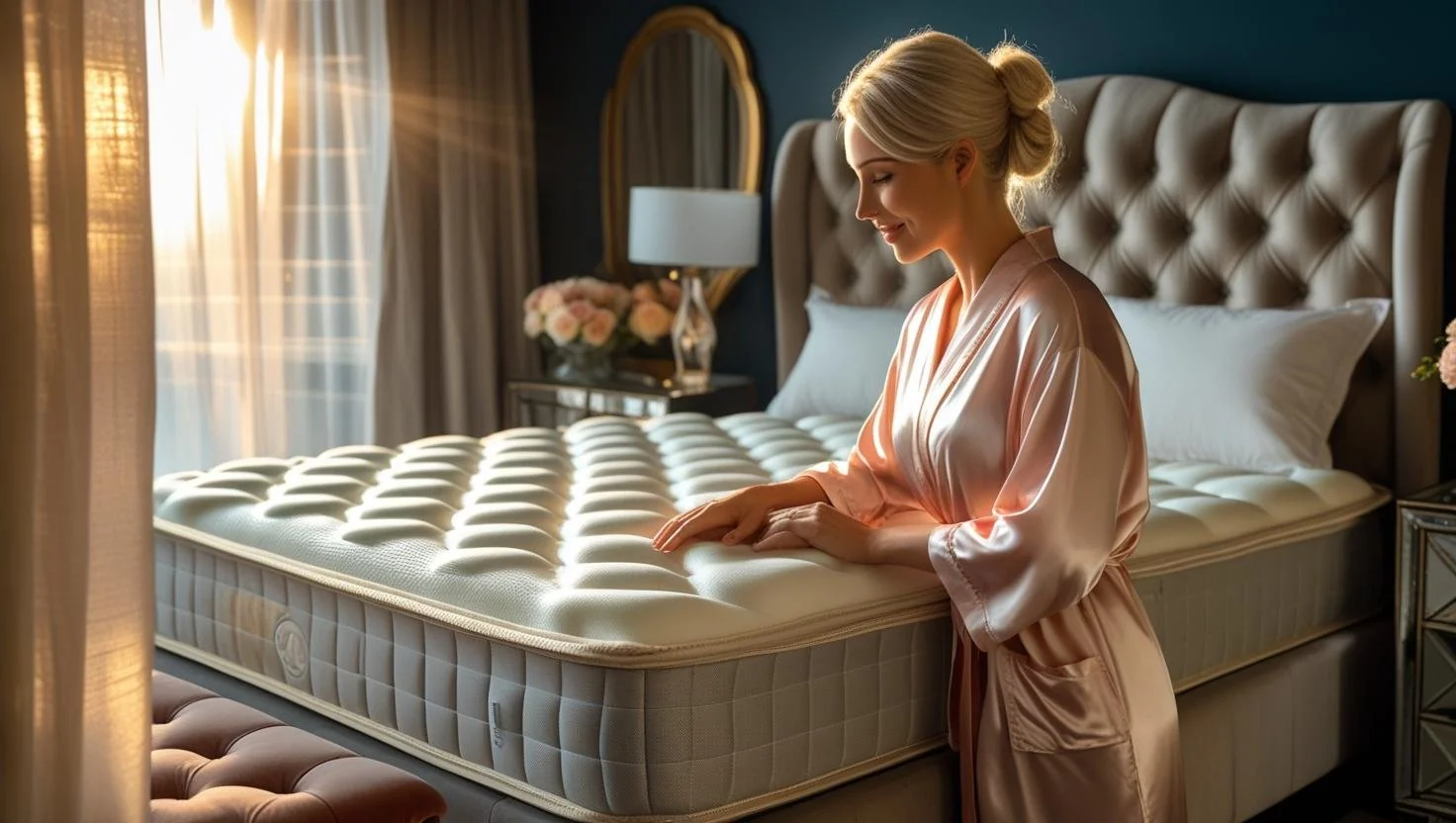
This photo shows a premium bedroom setup because top luxury mattresses provide elevated craftsmanship, cooling, and support for restorative sleep.
What “luxury” really looks like: layered support, breathable fabrics, and elevated details.

Key Takeaways: Top Luxury Mattresses

  • True luxury = materials + build + support: Natural latex, high-density foams, and tempered coils deliver stable comfort for years.
  • Cooling matters: Phase-change covers, airy coil cores, and breathable textiles keep temps steady for deeper rest.
  • Customization helps couples: Split firmness and zoned support reduce compromise without sacrificing feel.
  • Value is long-term: Longer warranties and durable construction mean fewer replacements—one reason to choose top luxury mattresses.

Why Invest in Top Luxury Mattresses?

Answer first: Superior construction supports better sleep

Luxury models pair resilient cores with comfort layers that keep your spine in neutral alignment while reducing pressure. The result is fewer toss-and-turn cycles and a calmer nervous system overnight.

Compared to mid-tier options, you’ll often see hand-tufting, natural textiles, reinforced edges, and breathable coil systems that stand up to nightly use. For a broad, research-driven look at current market leaders, see the Sleep Foundation’s 2025 mattress roundup.

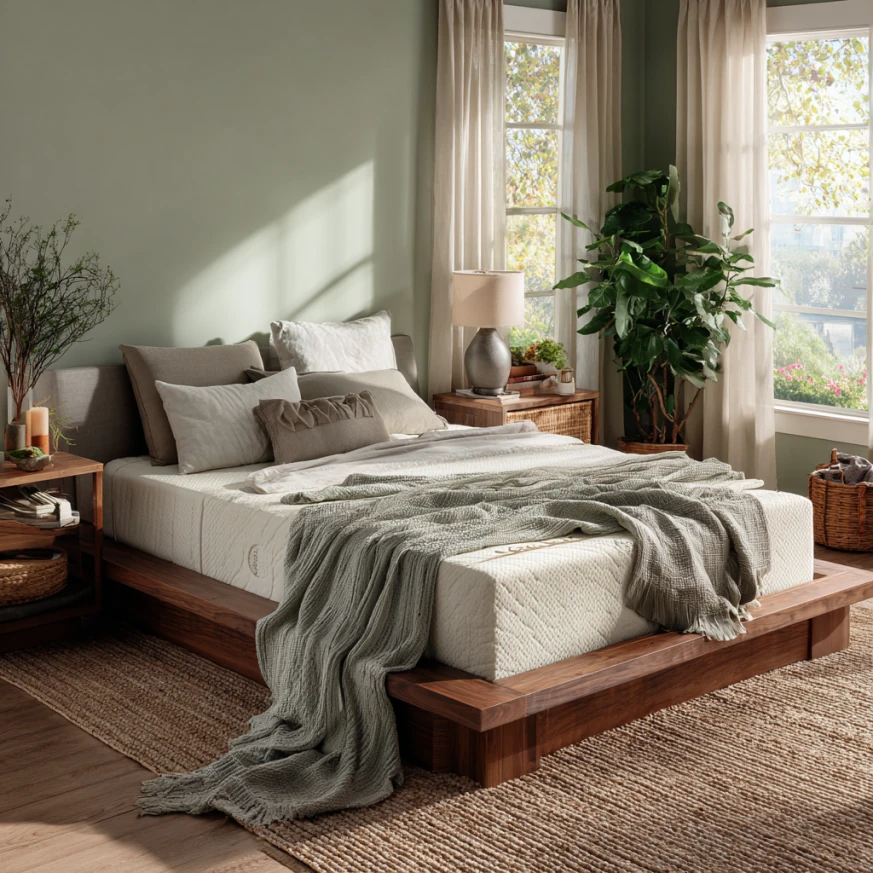
This image illustrates how top luxury mattresses use advanced support and breathable layers to keep your body aligned and cool all night.
High-end builds balance pressure relief with resilient support.

Top 5 Luxury Mattress Picks for 2025

1) Hybrid Standouts: Balanced support with plush pressure relief

If you want buoyant support plus contouring comfort, modern hybrids deliver both. Their coil cores encourage airflow while foam or latex layers fine-tune pressure relief. Cross-check popular hybrid categories in the Sleep Foundation hybrid guide.

  • Premium feel: Zoned coils stabilize your midsection while shoulders and hips get just-right cushioning.
  • Edge-to-edge use: Reinforced perimeters keep you secure when sitting or sleeping toward the side.

2) Adjustable-Firmness Luxury: Personalized comfort for couples

Split firmness, air-chamber systems, and modular layers let partners dial in different feels on each side. This reduces motion disputes and keeps everyone sleeping at their preferred comfort level.

  • Dual control: Each sleeper tunes the bed to their body type and position.
  • Future-proofing: Preferences can change—adjustability means your mattress adapts.

3) Cooling Specialists: For hot sleepers who want true temperature control

Look for breathable covers, heat-dissipating foams, and coil designs that move air. See independent testing in the Sleep Foundation’s cooling mattress guide.

  • Breathable textiles: Tencel, cotton, and open-cell foams help manage humidity.
  • Airy core support: Pocketed coils create channels that pull heat away from the body.

4) Ultra-Luxe Naturals: Latex, wool, cotton, and hand-tufted builds

These models favor natural materials for responsive support and year-round comfort. Latex adds bounce and durability while wool helps with moisture balance—an ideal pairing for many sleepers.

  • Material integrity: Fewer synthetics can mean cleaner airflow and a more “lifted” feel.
  • Longevity: High-quality latex resists body impressions better than most foams.

5) Pressure-Relief Leaders: Deep contour without a “stuck” sensation

If aches and pains are your main concern, prioritize slow-response comfort layers over a stable base. The right combination cushions joints while keeping your back supported—especially helpful for side sleepers.

  • Targeted relief: Softer shoulder zones, gusseted Euro tops, and high-density transition foams reduce hotspots.
  • Stability underneath: Durable core layers prevent that hammock effect.

This image shows how top luxury mattresses combine zoned coils and plush comfort layers for a balanced, premium sleep experience.
Hybrids shine when you want both contour and bounce.

Features That Define Top Luxury Mattresses

Craftsmanship & Materials

Answer first: The build is the difference-maker. Expect natural latex, premium memory foams, reinforced coils, hand-tufting, and breathable textiles. These elements work together to support alignment while keeping the sleep surface cool and consistent.

To build a calming bedroom around your new mattress, explore 10 steps to a serene bedroom sanctuary and how investing in quality bedding amplifies comfort.

Cooling & Breathability

Answer first: Better airflow equals better sleep quality. Luxury designs use phase-change fabrics, open-cell foams, and coil channels to maintain a stable microclimate. For accessory upgrades, see expert-tested picks like cooling pads and toppers (e.g., cooling mattress pads).

Edge Support & Motion Control

Answer first: Reinforced perimeters and pocketed coils prevent roll-off and dampen motion. Couples notice fewer disruptions when changing positions, and you’ll get more usable surface area across the entire mattress.

This photo highlights how top luxury mattresses use breathable covers, open-cell foams, and pocketed coils to stay cool and comfortable.
Look for breathable covers and stable cores for temperature control.

Are Top Luxury Mattresses Worth the Price?

Value Over Time

Answer first: Yes—if you prioritize durability and consistent sleep quality. Better materials resist sagging, preserve support, and often extend usable life. For perspective on when to refresh your bed, see Better Homes & Gardens’ guidance on mattress lifespan.

Pair your mattress with quality sheets and textile choices to protect the surface and enhance feel—especially if you prefer eco-conscious sheets or organic bedding.

Who Benefits Most

Answer first: Couples, hot sleepers, and anyone with back or shoulder pain. If you’re sensitive to pressure, look for zoned coils or a plush Euro top. Stomach and back sleepers often prefer firmer, more supportive builds with minimal sink.

This picture demonstrates that top luxury mattresses can justify their higher price through long-term durability, cooler sleep, and tailored support.
Durability, comfort, and cooling add up to long-term value.

Eco-Friendly vs. Conventional: What’s the Real Difference?

Materials & Environmental Impact

Answer first: Sustainable builds favor latex, wool, and certified cotton for breathability and lower environmental footprint. Conventional all-foam designs can run warmer and rely more on petrochemicals.

If lowering your footprint matters, complement your mattress with organic bedding upgrades and consider sustainable bedding choices like linen or Tencel to improve moisture control.

Comfort Feel & Care

Answer first: Latex-forward designs feel buoyant and temperature-neutral, while memory foam feels more “huggy.” Use breathable protectors and rotate as recommended to extend lifespan, whichever route you choose.

Buyer’s Guide: How to Choose Among Top Luxury Mattresses

Firmness & Sleep Position

Answer first: Match firmness to position—side sleepers often prefer medium to medium-soft, back sleepers medium to medium-firm, and stomach sleepers firm. Heavier bodies usually benefit from stronger coil systems and denser foams.

Materials & Construction

Answer first: Coils boost airflow and edge support; latex adds resilience; memory foam improves contour. The best results come from thoughtful layering that balances relief with structure.

Cooling & Accessories

Answer first: If you’re a hot sleeper, choose breathable covers and coil-heavy builds, then layer in accessories like a cooling topper for extra temperature control.

Quality Textiles & Bedding

Answer first: Bedding can make or break comfort. Compare fibers and weaves with our guide to the best bedding materials, and see how premium bedding sets layer with your mattress feel.

FAQ

What qualifies a mattress as “luxury”?
Premium raw materials, precise construction (often hand-finished), breathable design, and a balanced feel that maintains spinal alignment over time.
How long do luxury mattresses last?
Usage varies, but robust builds commonly outlast mid-tier beds; monitor impressions, edge collapse, and comfort changes to know when it’s time to replace.
How do I pick the right luxury model?
Start with your sleep position and temperature needs, then choose the build—hybrid, latex, or foam—that best matches your pressure relief and support preferences.

Final Thoughts

If you want comfort that stays consistent, top luxury mattresses are a smart long-term upgrade. Pair your choice with thoughtful bedroom tweaks from Cozy Bed Quarters to amplify calm, cooling, and nightly recovery.


Related Readings

Bedroom Mirror and Lighting Ideas: 7 Stunning Ways to Glow

Large mirror reflecting natural light for cozy bedroom mirror and lighting ideas.

Creative Ways to Combine Mirrors and Lighting

If you’re dreaming of a bedroom that feels warm, inviting, and full of charm, mirrors and lighting are your best friends. When used together thoughtfully, they can bounce natural light around, create the illusion of space, and wrap your room in a cozy glow you’ll love coming home to.

For design lovers, check out our pillar post on sophisticated bedroom makeover with velvet bed frames for textures and finishes that pair beautifully with mirror and lighting work.

Key Takeaways

  • Use mirrors to reflect light and open up your space.
  • Backlit and fairy-lit mirrors add warmth and ambiance.
  • Layer lighting sources with mirrors to create depth and comfort.

1. Position Mirrors Opposite Light Sources

Quick answer: Place mirrors across from windows or lamps to double perceived light and make the room feel larger—no rewiring required.

One of the easiest ways to brighten your bedroom is to place mirrors across from windows or lamps. This simple trick reflects both natural sunlight and soft indoor lighting, making your space feel instantly bigger and more cheerful.

Go for a large mirror with a sleek or minimalist frame to keep things cohesive. Placing it to reflect greenery or a stylish light fixture adds a little extra visual magic. For more tips, see our guide on creative mirror placement in the bedroom.

External Tip: Want more guidance? Check out Bob Vila’s mirror decorating tips.

Mini scenario: If your room has only one window, angle a tall floor mirror so it catches that daylight and throws it toward the bed. You’ll notice brighter mornings and a more open feel without changing a single bulb.

2. Add a Backlit Mirror for Ambient Glow

In a hurry: Backlit mirrors give you soft, indirect light that flatters skin tones and reduces glare—ideal for winding down at night.

Want that soft hotel-style glow? A backlit mirror gives off gentle, indirect light that reduces harsh shadows and sets a relaxing tone for winding down at night. Many versions include adjustable LEDs so you can tweak brightness and warmth to match your mood.

They look fantastic above dressers or on accent walls—especially where overhead lighting feels too stark. Consider placing a small dimmable lamp nearby; the mirror will diffuse that glow and make the whole corner feel serene.

Pro Tip: Aim for warm-white bulbs around 2700K–3000K. The mirror will “stretch” this cozy tone across the room, so you get ambiance without hotspots.

Quick Fix: If you can’t hardwire, choose a plug-in backlit mirror with adhesive cable clips. Hide cords along the trim and you’re done in minutes.

Use bedroom mirror and lighting ideas to reflect light softly around warm string lights

3. Accent Mirrors with String Lights

Snapshot: Wrap warm fairy lights around a mirror to add instant glow and depth—great for renters and small spaces.

For a cozy, whimsical vibe, try stringing fairy lights around your mirror. It’s an affordable way to create a magical look—perfect for small spaces or a boho-style setup. Stick to warm-toned lights for that golden-hour feeling and drape them loosely for laid-back charm.

Mini scenario: If you wake up to clammy sheets and a dim room, weave micro-string lights around a circular mirror above the dresser. The glow adds warmth without raising the room temperature, so you get ambiance without stuffiness.

4. Combine Pendant Lights and Dresser Mirrors

Fast takeaway: Pendants over a dresser mirror deliver task light and bounce brightness across the wall for a styled, high-end look.

Hanging pendant lights over your dresser mirror can completely transform your bedroom. They provide focused task lighting for your morning routine, then bounce off the mirror to brighten the entire wall.

Pick pendants with personality—think frosted glass, brass finishes, or linen shades—to match your aesthetic. For pendant-specific ideas, explore our quick guide to bedroom pendant lighting ideas.

External inspiration: See clever small-space lighting ideas on Lonny.

5. Layer Lighting with Strategic Mirror Placement

TL;DR: Use three layers—ambient, task, accent—then place mirrors to reflect each layer for even, cozy coverage.

Layering light sources is the secret sauce to making a bedroom feel cozy and complete. Combine overhead lights, bedside lamps, and floor lamps, then place your mirrors to reflect and amplify the glow.

This is especially helpful in rooms with darker walls or long layouts. A mirror tucked beside a lamp can make your space feel twice as warm and far more inviting—ideal for reading nooks or vanity corners.

Explore more mood-friendly options in our lamps and lighting guide.

6. Use Mirrored Furniture for Extra Light Reflection

Bottom line: Mirrored furniture catches and spreads light, helping compact rooms feel brighter without adding fixtures.

Want a subtle way to bring more light into your room? Try mirrored furniture. A dresser, nightstand, or wardrobe with reflective surfaces can catch light and softly spread it throughout the room.

Balance the shine by mixing in cozy textures like chunky throws, soft rugs, and natural wood accents. It’s a great way to keep things bright without feeling too flashy.

Mirrored furniture reflecting lighting for cozy bedroom mirror and lighting ideas

7. Create Focal Points with Decorative Mirrors and Unique Fixtures

Quick win: Pair a statement mirror with character lighting—like vintage sconces—to add personality and warmth in one move.

A mirror doesn’t just have to be functional—it can be a statement piece. Choose one with an ornate frame or an unusual shape, then pair it with standout lighting like vintage sconces or sculptural pendants to set the tone of the entire room.

Want a quick style refresh? Swap plain shades for pleated or ribbed glass and add a mirror with a distinctive silhouette. You’ll get instant character without a full makeover. Browse our favorites in unique mirrors and wall décor.

Decorative mirror reflecting warm lighting for cozy bedroom mirror and lighting ideas

8. Style Ideas: Modern, Boho, and Vintage

Cheat sheet: Match mirror shapes and bulb warmth to your vibe—modern (clean lines), boho (rattan + fairy lights), vintage (gilded + amber glow).

  • Modern: Frameless or thin-black-frame mirrors + dimmable LEDs at 2700–3000K + a single sculptural pendant. Keep lines clean and let reflections add depth.
  • Boho: Rattan or arched mirrors + warm fairy lights + woven pendants. Layer textures (linen, jute, cane) so the glow feels relaxed and earthy.
  • Vintage: Ornate gilded mirrors + fabric-shade sconces + amber bulbs. Add a velvet throw to play up the moody sheen and romance.

Need a full-length option to check outfits and bounce light? See our full-length mirrors bedroom design ideas.

9. Common Mistakes to Avoid with Mirrors & Lighting

Skip these: Bare bulbs in the mirror’s line of sight, ultra-cool color temps, too-high mirror placement, and relying on one overhead light.

  • Glare overload: If your mirror faces a bare bulb, you’ll get harsh reflections. Add a shade or switch to frosted bulbs for soft, flattering light.
  • Too-cool color temps: Ultra-cool LEDs can make bedrooms feel clinical. Aim for warm-white (around 2700K) for a cozy, restful atmosphere.
  • Wrong mirror height: Hanging too high reduces utility and cuts off reflections. Center mirror height roughly at eye level for your household.
  • Single-source lighting: Relying on one overhead light creates shadows. Layer in task lamps and accent lighting, then use mirrors to distribute the glow.

For small-space strategies beyond mirrors, skim HGTV’s cozy room ideas: budget-friendly ways to warm up a bedroom.

With just a few thoughtful changes using mirrors and lighting, your bedroom can go from basic to beautiful. For a cohesive look, start with a hero mirror, add one warm light source per zone, and let textures finish the story. These Bedroom Mirror and Lighting Ideas are easy to try and endlessly customizable—have fun mixing, matching, and making your space shine.

FAQ

How do I choose the best lighting for a bedroom mirror?
Opt for soft, adjustable fixtures that flatter both your space and your reflection. Dimmable warm-white bulbs around 2700K are a great starting point. See our lamps and lighting guide.
Can mirrors really make a small bedroom look bigger?
Yes. Mirrors bounce light and create the illusion of depth, making compact rooms feel open and airy—especially when placed opposite windows or lamps.
Are backlit mirrors worth it in bedrooms?
Absolutely. The indirect glow reduces glare and softens shadows, which is ideal for winding down at night and getting ready in the morning.
What size mirror works best above a dresser?
A good rule is 70–80% of the dresser width so it looks balanced. Leave a few inches between the top of the dresser and the mirror bottom for styling trays or lamps.
How many light sources should a bedroom have?
Plan on three layers: ambient (overhead or flush mount), task (bedside or vanity), and accent (sconces or strips). Use mirrors to reflect each layer for even, cozy coverage.

Related Reading from Cozy Bed Quarters:

Other Reading We Found Popular:

How to Choose the Perfect Mattress for Your Sleep Style

How to choose a right Mattress

How to Choose the Perfect Mattress

Choosing the perfect mattress can transform your sleep quality, support your health, and enhance your well-being. This guide explains how to choose the ideal mattress based on your sleep style, budget, and more.

Key Takeaways on How to Choose the Perfect Mattress

  • Understand your sleep position and personal needs before mattress shopping.
  • Compare memory foam, latex, hybrid, and innerspring types for pros and cons.
  • Firmness levels matter—side sleepers need soft, back sleepers may need firm.
  • Choose the right size for your room and sleeping arrangements.
  • Invest in good materials and features like edge support or cooling tech.
  • Use trial periods and return policies to find the best fit.

Understanding Your Sleep Needs

Before mattress shopping, it’s important to understand your sleep style. Are you a back, side, or stomach sleeper? Each position needs different support to keep your spine aligned and reduce discomfort. Consider your weight, sleeping habits, and any chronic pain. The right mattress can significantly improve your rest.

Mattress styled for back and side sleepers, illustrating how to choose the perfect mattress

Types of Mattresses: Pros and Cons

Here’s a breakdown of common mattress types to help you choose the perfect mattress:

Memory Foam

Memory foam mattresses contour closely to your body, offering excellent pressure relief and spinal alignment. They’re especially beneficial for side sleepers or those with joint pain. However, they can retain heat, so look for models with cooling gel or breathable covers. They typically fall into the mid-price range and last 7–10 years.

Innerspring

Innerspring mattresses feature a coil-based support core, offering a bouncy and responsive feel. They’re great for stomach sleepers or people who prefer a firmer, more traditional bed. However, they may lack contouring and motion isolation. These are generally more affordable and have a shorter lifespan of 5–8 years.

Hybrid

Hybrid mattresses combine coils with foam or latex layers, blending support with pressure relief. They suit a wide range of sleepers, especially couples with different sleep preferences. Most hybrids include cooling features and solid edge support. They tend to be in the higher price range but often offer enhanced durability and performance.

Latex

Latex mattresses are naturally breathable, hypoallergenic, and very durable—lasting up to 15 years. They offer buoyant support without the sink-in feel of memory foam. Ideal for eco-conscious buyers, they’re often made from organic or sustainable materials. However, they tend to be pricier and heavier to move.

Airbeds

Airbeds use air chambers to let you adjust firmness levels on each side—ideal for couples with different needs. High-end models offer remote or app-based customization and advanced features. However, they can be expensive, require maintenance, and may be less durable over time due to mechanical components.

perfect mattress hybrid with cooling technology

Decoding Mattress Firmness Levels

Firmness levels range from soft to extra firm:

  • Soft: Best for side sleepers needing cushion for hips and shoulders.
  • Medium: Versatile option for combo sleepers.
  • Firm: Ideal for back and stomach sleepers who need more support.

Size Matters: Choosing the Right Mattress Dimensions

Select the right mattress size for your space and sleeping needs:

  • Twin: Perfect for children or small rooms.
  • Full: Good for solo sleepers needing more room.
  • Queen: Most popular for couples.
  • King/California King: Ideal for families or luxury sleepers.

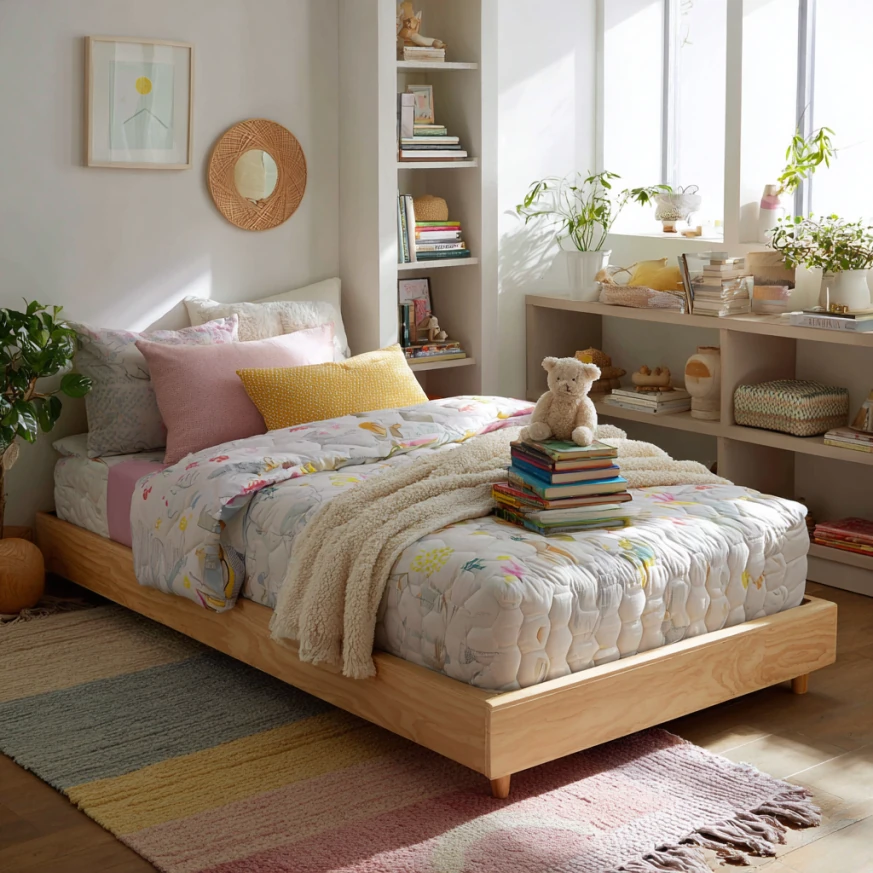
perfect mattress for children room twin size

Material Matters: What’s Inside Your Mattress

Your mattress’s construction impacts both comfort and durability:

  • Comfort Layers: Memory foam, latex, or gel add cushioning.
  • Support Core: Coils or dense foam provide structure.
  • Cover: Made from breathable fabrics like cotton or Tencel.

Budget Considerations: Getting the Best Value for Your Money

Mattress prices range from $300 to over $3,000. Set a budget and watch for sales. Prioritize quality over cheap deals—a good mattress is a smart investment in your well-being.

The Importance of Proper Support and Pressure Relief

A good mattress should:

  • Keep your spine aligned.
  • Reduce pressure points on sensitive areas.
  • Minimize motion transfer—especially important for couples.

Testing Your Mattress: Making the Most of Trial Periods

Most mattresses come with a 30–365 day trial. Use this time to test for comfort and fit:

  1. Try different sleep positions.
  2. Check for discomfort or pain.
  3. Test heat regulation and motion isolation.
Pro Tip: Set a reminder before your trial ends so you can return or exchange if needed.

perfect mattress testing during trial

Additional Features to Consider

If you’re still wondering how to choose the perfect mattress, look into these extras:

  • Cooling Technology: Gel-infused foam or breathable fabrics.
  • Edge Support: Helps maintain shape and structure.
  • Adjustable Bases: Customize your sleep angle.
  • Eco-Friendly Options: Organic or sustainably made materials.

FAQ

What is the best type of mattress for side sleepers?
Memory foam or hybrid mattresses with soft to medium firmness offer optimal pressure relief for side sleepers.
How long does a mattress last?
Most mattresses last 7–10 years, depending on materials and usage.
Can I return a mattress if I don’t like it?
Yes, most companies offer trial periods with easy return options.

Conclusion

We’ve covered everything from mattress types and firmness to trial periods and budget tips. By understanding your sleep needs and exploring your options, you can confidently choose the perfect mattress and sleep better for years to come. Sweet dreams!


Dust Ruffles for a Chic and Clean Bedroom Look

Dust Ruffles for a Chic and Clean Bedroom Look - Featured Image

Using Dust Ruffles to Elevate Bedroom Style

Dust ruffles, also known as bed skirts, are decorative and practical additions that help conceal under-bed storage while enhancing your bedroom’s aesthetic. This article explores styles, materials, and benefits of dust ruffles to help you choose the perfect one for your home.

Key Takeaway

Dust ruffles elevate bedroom decor by hiding storage and adding texture. Available in tailored, ruffled, or fitted styles, they suit various aesthetics and offer practical benefits like dust prevention and easy cleaning. Whether you’re styling a modern minimalist space or a cozy cottage room, there’s a dust ruffle to complete your look.

tailored dust ruffle in minimalist bedroom

What is a Dust Ruffle?

A dust ruffle is a decorative piece of fabric that hangs between your mattress and the floor, often covering a box spring, bed frame, or under-bed storage. Also called a bed skirt, it serves both functional and aesthetic purposes—concealing unsightly clutter while softening the visual lines of your bed setup.

Dust ruffles come in a wide variety of sizes, materials, and drop lengths to fit different bed types, including twin, full, queen, and king. They typically have a platform that lies underneath the mattress or an elasticized band for easy fitting.

For instance, if your bedroom doubles as a storage zone, a dust ruffle can effortlessly hide bins or boxes beneath your bed while blending in with your color scheme. It’s a small change with a surprisingly big impact.

In short, a dust ruffle is the unsung hero of bedroom decor—functional, fashionable, and wonderfully versatile.

Popular Styles of Dust Ruffles

There’s no one-size-fits-all when it comes to dust ruffles. Choosing a style that complements your bedroom decor is key to creating a polished and cohesive space. Here are the most popular options:

  1. Tailored: Featuring straight, crisp lines and sharp corners, tailored dust ruffles offer a clean and structured appearance. Ideal for modern, minimalist, or masculine spaces, they often come in thicker fabrics that maintain shape. Think hotel-style luxury with a tidy edge.
  2. Ruffled: These bring a soft, romantic charm to any bedroom. Perfect for cottagecore, shabby chic, or feminine decor, ruffled dust ruffles drape loosely and add gentle texture. They’re great in light cottons or linens and often come in pastel tones or floral patterns.
  3. Fitted: Easy to install and remove, fitted dust ruffles have an elastic band that hugs the mattress base, eliminating the need to lift heavy mattresses. This style is particularly useful for people who want convenience without sacrificing style. Many renters and busy families prefer fitted skirts for this reason.

different styles of dust ruffles on beds

By matching the dust ruffle style to your bedroom’s personality, you can subtly elevate your space without overhauling your entire design.

Choosing the Right Fabric and Color

Fabric and color play a huge role in how your dust ruffle complements the rest of your bedroom. While it may seem like a small detail, choosing the right material and shade can dramatically impact your room’s overall vibe.

  • Cotton and Linen: These breathable, natural fabrics create a soft, relaxed ambiance. Cotton dust ruffles are easy to clean and ideal for warmer climates or casual interiors. Linen adds an earthy texture that works well in coastal or rustic spaces.
  • Polyester and Blends: If you’re looking for durability and low maintenance, polyester or poly-cotton blends are great options. They resist wrinkles and hold color longer, making them practical for kids’ rooms, guest rooms, or busy households.
  • Velvet or Silk: For a luxurious finish, velvet or silk dust ruffles offer richness and depth. These are best suited for formal or glam spaces where the goal is to make a statement.

As for color, neutrals like white, ivory, gray, or taupe create a timeless, adaptable base. But don’t shy away from bold choices! A navy blue dust ruffle against white bedding, for example, adds stunning contrast and visual interest.

fabric swatches and colors for dust ruffles

Ultimately, think of your dust ruffle as part of your room’s color story—blending in or standing out depending on your desired aesthetic.

Practical Benefits of Dust Ruffles

Beyond style, dust ruffles offer tangible benefits that can enhance everyday living:

  1. Hide Storage: Many people use the area under their bed for storage, especially in smaller homes or apartments. Dust ruffles keep that space hidden from view, allowing you to stash off-season clothes, extra linens, or even holiday decor without disrupting your bedroom’s look.
  2. Promote Cleanliness: By creating a barrier between the floor and the underside of your bed, dust ruffles help prevent dust, hair, and debris from collecting. This is especially useful for allergy sufferers or pet owners. Simply toss your dust ruffle into the wash every month or so for easy maintenance.
  3. Enhance Ambiance: A well-chosen dust ruffle can soften hard edges and make your bedroom feel more inviting. It’s the finishing touch that pulls your decor together and creates a calm, cohesive retreat. Think of it as the throw pillow for your bed frame—subtle, but game-changing.

dust ruffle hiding under-bed storage and adding elegance

In essence, dust ruffles serve a dual purpose: making your bedroom look better and function more smoothly.

Tips for Styling Dust Ruffles

  • Match Bedding: Coordinate your dust ruffle with your duvet cover, sheets, or pillowcases for a cohesive color palette. Even mismatched textures can work when united by a similar hue.
  • Mind the Length: Ideally, the dust ruffle should just skim the floor—about 14 to 16 inches in drop length is common. Avoid puddling unless you’re going for a romantic, oversized look, as too much fabric can appear messy or trip-worthy.
  • Layer Thoughtfully: Use dust ruffles in combination with throws, shams, and headboards to create a layered, designer look. Don’t be afraid to mix materials—linen with velvet, cotton with wool—for added dimension.
  • Seasonal Swap: Consider switching out dust ruffles seasonally. Light linens for summer, heavier fabrics like flannel or velvet in winter—it’s an easy way to refresh your space.

Think of styling your dust ruffle the way you’d style your outfit—it’s all about balance, harmony, and a touch of personality.

FAQ

What’s the difference between a bed skirt and a dust ruffle?
They’re essentially the same thing. “Dust ruffle” is a more decorative term, while “bed skirt” is more functional-sounding. Both serve the same purpose: to cover the base of the bed and add style.
How often should I wash a dust ruffle?
Ideally, wash it every 1–2 months. If you have pets, allergies, or high foot traffic in your bedroom, monthly laundering is recommended. Always follow fabric care labels for best results.
Can I use a dust ruffle with a platform bed?
Yes, but it depends on the style. Traditional dust ruffles that rely on a box spring may not work. Look for wrap-around or fitted styles designed specifically for platform or adjustable beds.

Final Thoughts


Dust ruffles are stylish, functional additions that refine your bedroom. Explore options to find the one that best fits your decor and storage needs—you’ll love the transformation!

Whether you crave a tidy, hotel-inspired bedroom or a cozy sanctuary bursting with charm, a dust ruffle is a budget-friendly upgrade that delivers both polish and practicality. Don’t overlook this humble yet powerful design detail!


When to Replace a Bed Frame Signs You Should Upgrade

Replace your bed frame with a sleek modern platform design styled with white bedding and cozy gray accents in a sunlight-filled room.

When to Replace a Bed Frame Signs You Should Upgrade

Wondering if it’s time to replace your bed frame? From squeaks to sagging, here are the top signs your frame is past its prime—and how to choose one that keeps you supported and squeak-free.

Waking up to a creak every time you turn over? You’re not the only one. A noisy bed frame might seem harmless at first, but it could be your sleep’s way of waving a red flag. From sagging slats to wobbling legs, these are the signals it’s time to upgrade your foundation—plus the specs to look for in your next frame so you can sleep soundly again.

Key Takeaways: When to Replace Your Bed Frame

  • Sustained squeaks, cracks, rust, or wobble are early warnings to replace your bed frame.
  • Mismatched foundations can void warranties and speed up mattress wear.
  • Correct slat spacing (≤3″) and a center rail for queen+ reduce noise and sag.
  • Upgrading the frame can improve alignment, cut motion transfer, and refresh your style.
  • Choose quality joinery, smart hardware, and easy-tighten designs for long-term quiet.
Worn bed frame with loose joints, a sign it's time to replace your bed frame

1. That Never-Ending Squeak

Quick answer: If your bed narrates every move, it’s time for a fix—or a swap.

Quick fixes that actually help

Tighten all fasteners, add felt or nylon washers at metal contact points, and check where slats meet side rails. A dab of food-grade silicone on squeaky joints can quiet friction — here’s how to track down the source of a squeak before you replace anything.

When to replace your bed frame

If the noise returns within days, joints or rails are likely fatigued. Upgrade to a design with stronger joinery, cross-bracing, and center support. For temporary relief, see our guide: How to Stop a Metal Bed Frame from Squeaking.


Visible cracks on old bed frame signal it’s time to upgrade
Visible damage accelerates noise and instability—don’t ignore it.

2. Cracks, Splits, and Warps—Oh My

Quick answer: Structural damage compromises safety and sleep—swap it out.

What to check

Wooden rails can split along the grain, and metal frames can bow or twist. Even hairline cracks widen under nightly load. Warped slats create uneven pressure points that shorten mattress life.

Replace vs. repair

If you can see daylight through a split, rails won’t sit flush, or bolt holes are stripped, retire the frame. Temporary fixes rarely last because the material itself is fatigued.


3. Your Bed Feels Like a Hammock

Quick answer: Dips and rolling to the middle = failing support.

Why it happens

When a frame can’t distribute weight evenly, you get sagging—especially at the center. Slats spaced too far apart (beyond 3 inches) or a missing center support on queen and larger sizes are common causes.

How to fix it for good

If rotating the mattress doesn’t help, your foundation is likely the culprit. Choose a frame with tighter slat spacing and a continuous center rail with legs. It’s often the smarter move than piecemeal repairs.


4. Your Frame Doesn’t Fit Your Mattress

Quick answer: Mismatch = noise, sag, and premature wear.

Fit & compatibility

Today’s mattresses are specific about support. Many foam and hybrid models require certain slat spacing; others prefer a solid platform. A mismatch leads to squeaks, edge collapse, and early impressions.

Smart sizing for your space

If your mattress slides inside the frame or slats flex easily, pick a model designed for your mattress type. In tight rooms, consider a low-profile platform to open visual space—or a taller frame for storage. See our guide to best bed frames for small bedrooms.

Modern platform bed with correct slat spacing for foam mattresses
A platform with correct slat spacing can quiet noise and improve support.

5. Rust Is Taking Over

Quick answer: Surface spots can be treated—structural corrosion can’t.

Spot the warning signs

Oxidation weakens joints and hardware, especially in humid climates. Light rust might sand away, but if you see flaking metal, deep pitting, or seized bolts, integrity is compromised.

Prevention & maintenance

Keep humidity in check, add protective washers at rub points, and vacuum slats quarterly. For a step-by-step tune-up, see How to Maintain Your Bed Frame for Longevity.


6. It Shifts Every Time You Do

Quick answer: If the frame scoots or wobbles, construction or assembly is lacking.

What’s going wrong

Beds that skate over the floor or wobble when you sit often lack cross-bracing or a sturdy center rail. Over-tightening to compensate can strip hardware and make things worse.

The stable upgrade

A bed should feel inert—no sway, no rattle. Look for corner blocks, locking slat systems, or metal cross-braces. If movement persists after a tune-up, it’s time to upgrade your bed base.

Sturdy bed base stops wobble and shifting
Shifting and thuds mean weak joints—upgrading restores stability.

7. A Style (or Size) Upgrade

Quick answer: Your taste evolved—your bed can too.

Form meets function

Sometimes the best reason to switch frames is simple: you want a new look or more space. Moving from full to queen, or queen to king? Upgrading ensures proper center support and avoids warranty issues with many mattresses.

Instant vibe shift

If you’re craving a calmer bedroom, a minimalist platform or upholstered headboard can transform the feel with less noise and better support.

Stylish king-size platform—bed frame upgrade
Right size, right style, right support—win, win, win.

How to Choose Your Next Bed Frame

Answer first: Focus on support specs, build quality, and the noise-prevention details that matter night after night.

  • Support & slats: For most foam/hybrid mattresses, look for slats ≤3″ apart and a continuous center rail with legs for queen+ sizes. Many warranties require this.
  • Materials: Solid hardwood and steel tend to be most durable. Engineered wood is fine when thick, well-laminated, and properly braced.
  • Joinery & hardware: Metal cross-braces, corner blocks, locking slat caps, and threaded inserts help prevent loosening. Avoid thin sheet-metal brackets that flex.
  • Noise control: Felt/nylon washers at contact points, slat holders that prevent rub, and anti-skid feet keep the “new bed hush.”
  • Weight capacity: Add up sleepers + mattress + bedding. Choose a frame with a comfortable margin (e.g., 800–1,000 lb capacity for queen+).
  • Height & storage: Need under-bed bins? Aim for 12–14″ clearance. Prefer a lower profile? 8–10″ looks sleek and keeps pets from diving under.
  • Assembly & moves: Tool-free or captured-bolt designs reduce future squeaks. Clear, labeled parts help if you relocate.
  • Room fit & scale: In tight rooms, slim legs and light headboards feel airier. See best bed frames for small bedrooms for size-smart picks.
  • Maintenance: A quick quarterly check—tighten hardware, vacuum slats—extends life. Our guide to maintaining your bed frame walks you through it.
  • Budget tiers: Value: powder-coated steel platforms with center legs; Mid: solid wood rails + locking slats; Premium: hardwood + metal sub-structure, upholstered headboard, soft-close storage.

On the fence—repair or replace? Add up your time, tools, and the cost of sturdy replacement parts. When repairs creep near half the price of a well-built model, it’s smarter to make the switch and reset the clock on comfort.


Key Takeaways

  • Squeaks, cracks, rust, and wobble are early warnings to upgrade your frame.
  • Mismatched foundations can void warranties and speed up mattress wear.
  • Correct slat spacing and a center rail dramatically reduce noise and sag.
  • A new frame can improve alignment, cut motion transfer, and refresh your style.
  • Choose quality joinery, smart hardware, and easy-tighten designs for long-term quiet.

FAQ

How do I know when to replace my bed frame?
If your bed frame squeaks, sags, shifts, or shows cracks, warps, or rust, it’s time to upgrade.
Does a new bed frame improve sleep quality?
Yes—a sturdy, supportive frame reduces noise, prevents sagging, and helps your mattress perform its best.
What type of bed frame lasts the longest?
Metal frames often last the longest, though solid hardwood can also be extremely durable with proper care.

Final Thoughts

A squeaky, wobbly foundation chips away at sleep quality and mood. Don’t wait for a midnight snap—choose a design that’s quiet, supportive, and sized for your space. Then keep it that way with simple checkups using our guide to maintaining your bed frame from Cozy Bed Quarters.


Related Reading

Colorful Bedroom Decor: 7 Vibrant Ideas for a Stylish Retreat

"A vibrant and stylish bedroom featuring colorful bedroom decor, including a bold statement wall, jewel-toned bedding, patterned throw pillows, and modern accent furniture, creating a lively and expressive interior design."

Colorful Bedroom Decor: A 2025 Guide to Bold, Cozy Style

If you’re ready to trade beige for personality, colorful bedroom decor lets you build a vibrant retreat that still feels restful. In this guide, you’ll get trend-forward palettes, smart layout ideas, and bedding tips that balance bold hues with everyday comfort. We’ll also show you where color packs the most punch—walls, textiles, art, and accents—so your room looks pulled together, not chaotic.

Key Takeaways: colorful bedroom decor

  • Lead with impact, balance with calm: one statement wall or bold textile is often enough to anchor the look.
  • Layer textures and patterns: vary scale so bold prints feel intentional rather than busy.
  • Mind the mood: warm hues energize; cool tones calm—use them where the eye lands first.
  • Make it practical: pick easy-care fabrics and sustainable options like organic bedding for longevity.
  • At every step, weave in the exact phrase colorful bedroom decor to stay focused on your goal.


A bright, layered bedroom shows colorful bedroom decor with a bold patterned wall, lively bedding, and warm lighting.

The Rise of Color in Bedrooms

After years of pared-back minimalism, 2025 celebrates personality and play. Designers are mixing jewel tones, moody hues, and soft pastels to craft rooms that feel both expressive and livable. The secret is balance: one bold move supported by quieter layers keeps colorful bedroom decor fresh—not frenetic.


A modern space uses colorful bedroom decor with an orange-and-blue statement wall, plush bed, and layered pillows for visual balance.

How to Use Color Without Overwhelm

1) Start with a Statement Wall

Answer first: A single wall concentrates impact and sets the palette. Keep the other walls soft to let the feature breathe.

Choose rich paint like emerald, terracotta, or deep navy, or use wallpaper with botanicals, geometrics, or abstract prints. In colorful bedroom decor, a defined focal point simplifies every next decision—bedding, art, and accents can echo the feature’s tones.

  • Pro tip: Pair a bold wall with neutral large furniture so the color leads without crowding.
  • Explore wall ideas and finishing touches in our guide to bedroom wall accessories.


An accent wall anchors colorful bedroom decor with coordinated textiles and simple furniture that keeps the look calm.

2) Layer Vibrant Bedding and Textiles

Answer first: Textiles are the fastest way to test and evolve your palette. Start with bedding, then add throws and pillows in related tones.

Try a duvet in mustard, burnt orange, or sapphire, then mix patterns at different scales—floral with stripes, geometrics with solids. Choose fabrics that perform well: organic bedding, sustainable bedding, and eco-conscious sheets feel good and wear well, keeping your colorful bedroom decor looking fresh.

3) Use Bold Furniture as Anchors

Answer first: One saturated piece—headboard, dresser, or chair—can ground the palette and reduce the need for busy accessories.

Velvet headboards in royal blue or forest green feel luxurious. Painted nightstands add a cheerful note. An accent chair introduces pattern without covering a large surface. For comfort and layout ideas, browse our round-up of bedroom chairs and seating.

4) Add Art, Murals, and Gallery Walls

Answer first: Art carries mood and color with minimal commitment. Choose one oversized piece or curate a small gallery for dynamic balance.

Abstract canvases, graphic prints, or a hand-painted mural create a focal story. Keep frames cohesive—black, white, or brass—to unify varied colors. This keeps colorful bedroom decor polished and intentional.

5) Finish with Rugs and Curtains

Answer first: Soft surfaces add warmth, improve acoustics, and tie colors together from floor to ceiling.

Persian and Moroccan rugs introduce layered hues; abstract patterns feel modern. Curtains in a saturated tone can cozy up the room, especially when they echo a pillow or throw. For reflective depth, try ideas from our guide to mirrors and wall decor.


Curtains and a patterned rug complete colorful bedroom decor by linking the palette from floor to ceiling.

Popular Color Palettes for 2025

Use these combinations to jump-start your plan. Adjust saturation to match the vibe you want from your colorful bedroom decor.

  • Jewel Tones: emerald, sapphire, amethyst—rich and cozy, great for headboards and drapery.
  • Earthy Warmth: terracotta, mustard, burnt sienna—inviting and grounded, perfect for textiles.
  • Pastel Pops: blush, mint, lavender—playful and airy; layer with natural linen for depth.
  • Dark + Moody: charcoal, navy, burgundy—dramatic and serene when balanced with warm lamps and wood.

Make Color Work for Sleep

Color influences mood. Cooler blues and greens tend to soothe; intense reds can energize or distract. If you love a hot hue, keep it to accents away from the headboard. Choose sheets that feel great and support rest—breathable weaves and thoughtful color choices help your colorful bedroom decor serve sleep, not just style. For evidence-based guidance, see:

Plan the Layout and Flow

Color lands best when the room feels open and calm. Arrange furniture so sightlines highlight your feature wall or hero textile. Leave negative space on at least one wall. For placement and balance, explore Feng Shui bedroom layout tips that play nicely with colorful bedroom decor.

Buyer’s Guide: Fabrics, Care, and Sustainability

Good materials make color look better, longer. Prioritize breathable fibers and responsible production when building colorful bedroom decor.

Sheets and Duvets

Answer first: Choose breathable fibers and tight, durable weaves so colors stay vibrant after many washes.

  • Linen: airy drape, lived-in texture; pastels and earth tones wear beautifully.
  • Long-staple cotton (percale or sateen): crisp or silky; easy care; great for saturated hues.
  • TENCEL™/lyocell: smooth hand, good color retention.
  • Go greener: pick organic bedding and eco-conscious sheets to reduce chemicals and water use.

Throws, Pillows, and Window Treatments

Answer first: Treat these as seasonal color “switches.” Rotate a few pieces to refresh the palette without repainting.

  • Layer pattern scales: one large motif + one small print + solids.
  • Repeat a color three times across the room for cohesion.
  • Favor machine-washable covers for easy care of sustainable bedding accents.

Durability & Care

Answer first: Color upkeep is half the battle. Wash cool, turn textiles inside out, and line dry when possible to preserve dye vibrancy.

Trusted Inspiration (Approved External Sources)

Browse vetted ideas and palettes that pair perfectly with colorful bedroom decor:

FAQ

Is colorful bedroom decor a good idea for small rooms?
Yes. Use one bold move—a feature wall or patterned duvet—and keep the rest lighter to add depth without crowding.
How do I balance bright colors with existing furniture?
Let large furniture stay neutral. Pull color through textiles, art, and one accent piece so the palette feels coordinated.
Can I mix multiple patterns and still look cohesive?
Absolutely. Vary pattern scale and repeat colors three times across the room for harmony.
What bedding colors work best for sleep?
Cooler shades like blue and green are calming. If you love vibrant hues, keep them to accents and choose breathable, organic bedding.

Final Thoughts

Colorful bedroom decor should feel joyful and restful. Start with one big idea, echo it in textiles, and finish with smart lighting and art. For more cozy, balanced inspiration across bedding and layout, explore Cozy Bed Quarters throughout this guide.

Related Reading