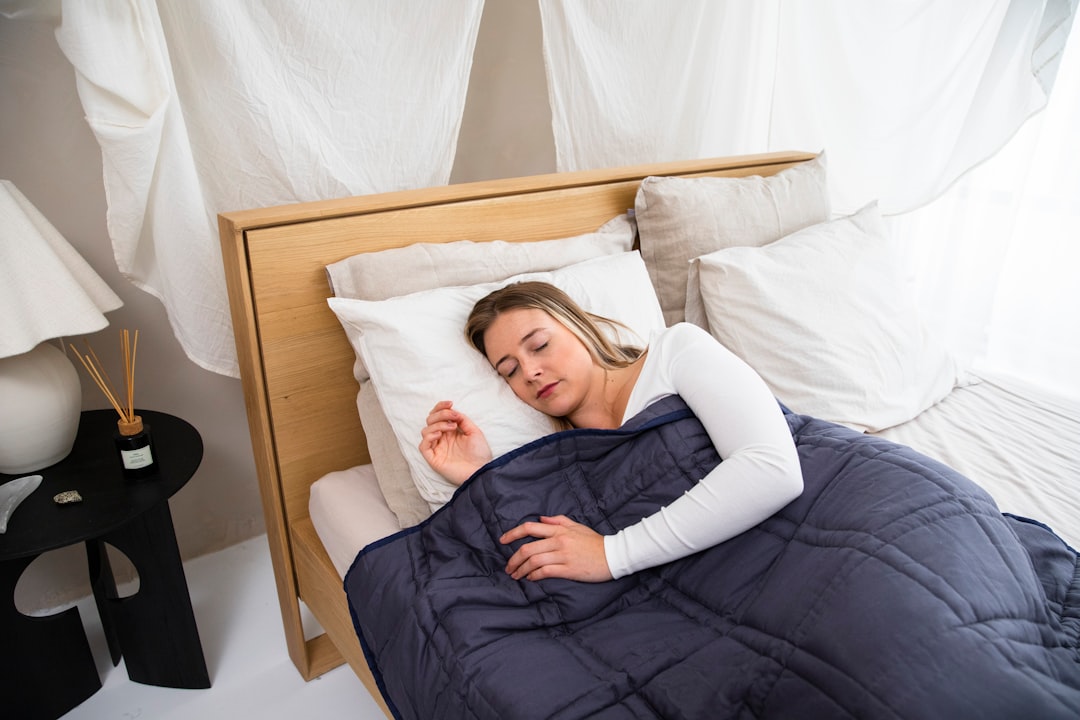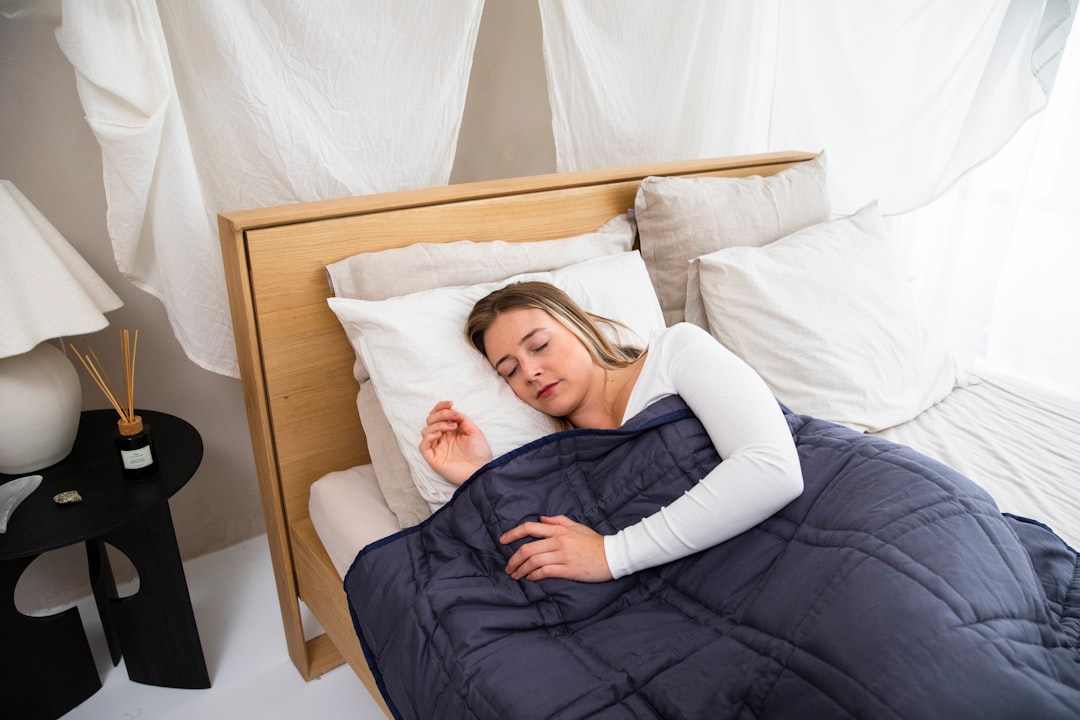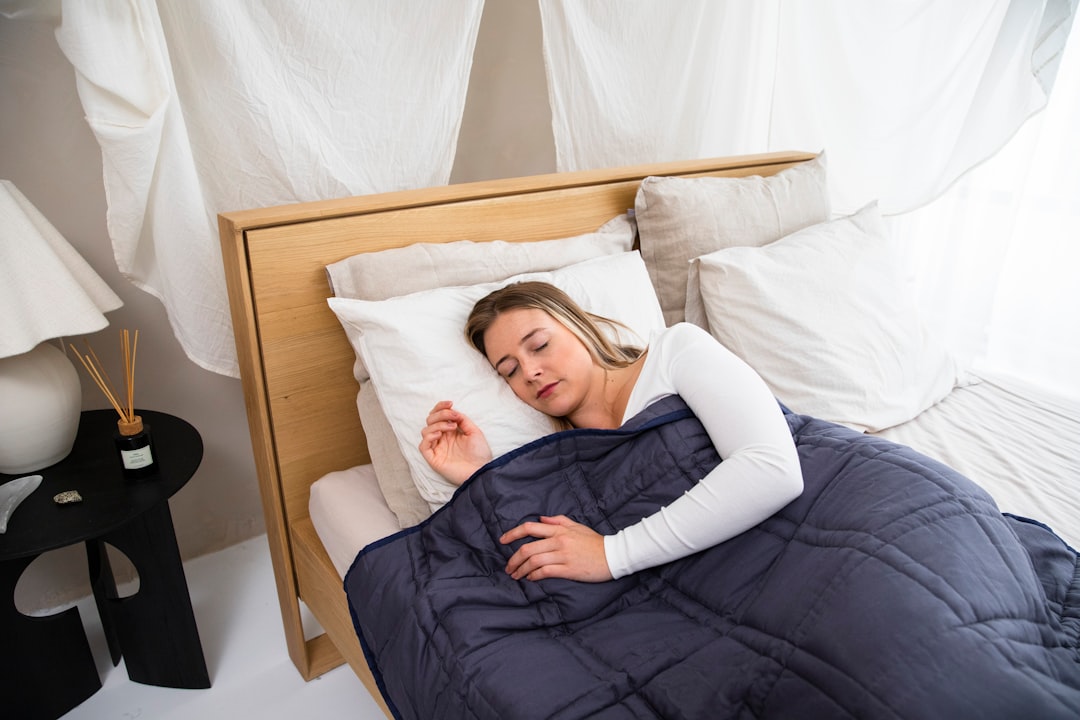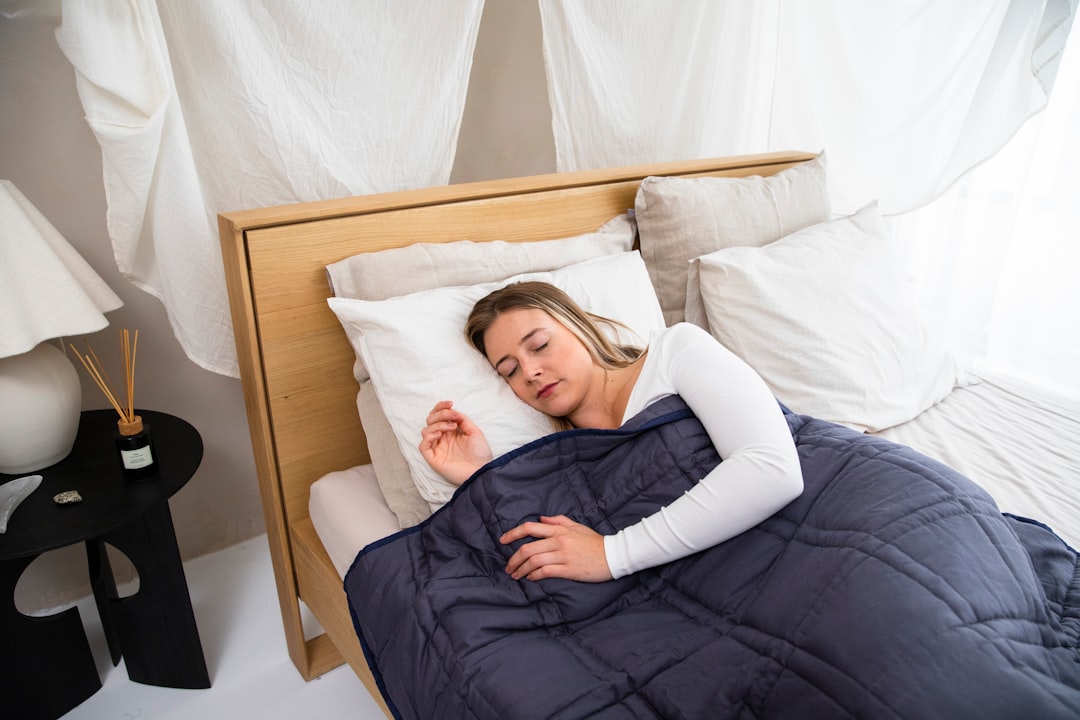
Dust Ruffles for a Chic and Clean Bedroom Look

Dust Ruffles for a Chic and Clean Bedroom Look - Featured Image

Using Dust Ruffles to Elevate Bedroom Style

Dust ruffles, also known as bed skirts, are decorative and practical additions that help conceal under-bed storage while enhancing your bedroom’s aesthetic. This article explores styles, materials, and benefits of dust ruffles to help you choose the perfect one for your home.

Key Takeaway

Dust ruffles elevate bedroom decor by hiding storage and adding texture. Available in tailored, ruffled, or fitted styles, they suit various aesthetics and offer practical benefits like dust prevention and easy cleaning. Whether you’re styling a modern minimalist space or a cozy cottage room, there’s a dust ruffle to complete your look.
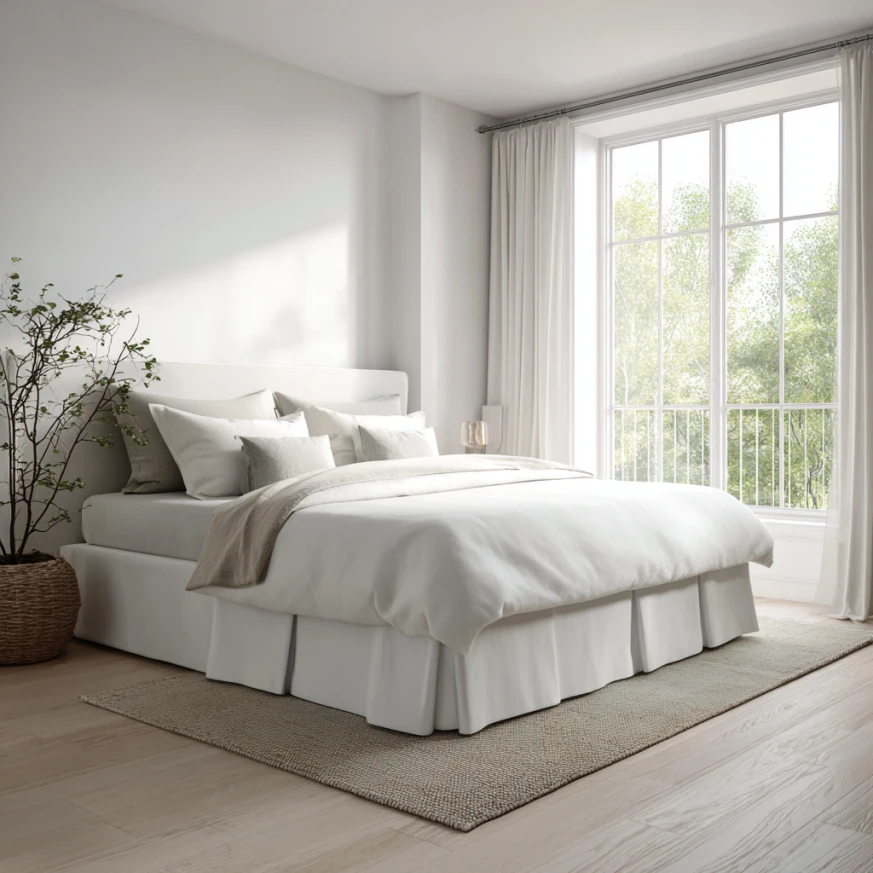
tailored dust ruffle in minimalist bedroom

What is a Dust Ruffle?

A dust ruffle is a decorative piece of fabric that hangs between your mattress and the floor, often covering a box spring, bed frame, or under-bed storage. Also called a bed skirt, it serves both functional and aesthetic purposes—concealing unsightly clutter while softening the visual lines of your bed setup.

Dust ruffles come in a wide variety of sizes, materials, and drop lengths to fit different bed types, including twin, full, queen, and king. They typically have a platform that lies underneath the mattress or an elasticized band for easy fitting.

For instance, if your bedroom doubles as a storage zone, a dust ruffle can effortlessly hide bins or boxes beneath your bed while blending in with your color scheme. It’s a small change with a surprisingly big impact.

In short, a dust ruffle is the unsung hero of bedroom decor—functional, fashionable, and wonderfully versatile.

Popular Styles of Dust Ruffles

There’s no one-size-fits-all when it comes to dust ruffles. Choosing a style that complements your bedroom decor is key to creating a polished and cohesive space. Here are the most popular options:

  1. Tailored: Featuring straight, crisp lines and sharp corners, tailored dust ruffles offer a clean and structured appearance. Ideal for modern, minimalist, or masculine spaces, they often come in thicker fabrics that maintain shape. Think hotel-style luxury with a tidy edge.
  2. Ruffled: These bring a soft, romantic charm to any bedroom. Perfect for cottagecore, shabby chic, or feminine decor, ruffled dust ruffles drape loosely and add gentle texture. They’re great in light cottons or linens and often come in pastel tones or floral patterns.
  3. Fitted: Easy to install and remove, fitted dust ruffles have an elastic band that hugs the mattress base, eliminating the need to lift heavy mattresses. This style is particularly useful for people who want convenience without sacrificing style. Many renters and busy families prefer fitted skirts for this reason.

different styles of dust ruffles on beds

By matching the dust ruffle style to your bedroom’s personality, you can subtly elevate your space without overhauling your entire design.

Choosing the Right Fabric and Color

Fabric and color play a huge role in how your dust ruffle complements the rest of your bedroom. While it may seem like a small detail, choosing the right material and shade can dramatically impact your room’s overall vibe.

  • Cotton and Linen: These breathable, natural fabrics create a soft, relaxed ambiance. Cotton dust ruffles are easy to clean and ideal for warmer climates or casual interiors. Linen adds an earthy texture that works well in coastal or rustic spaces.
  • Polyester and Blends: If you’re looking for durability and low maintenance, polyester or poly-cotton blends are great options. They resist wrinkles and hold color longer, making them practical for kids’ rooms, guest rooms, or busy households.
  • Velvet or Silk: For a luxurious finish, velvet or silk dust ruffles offer richness and depth. These are best suited for formal or glam spaces where the goal is to make a statement.

As for color, neutrals like white, ivory, gray, or taupe create a timeless, adaptable base. But don’t shy away from bold choices! A navy blue dust ruffle against white bedding, for example, adds stunning contrast and visual interest.
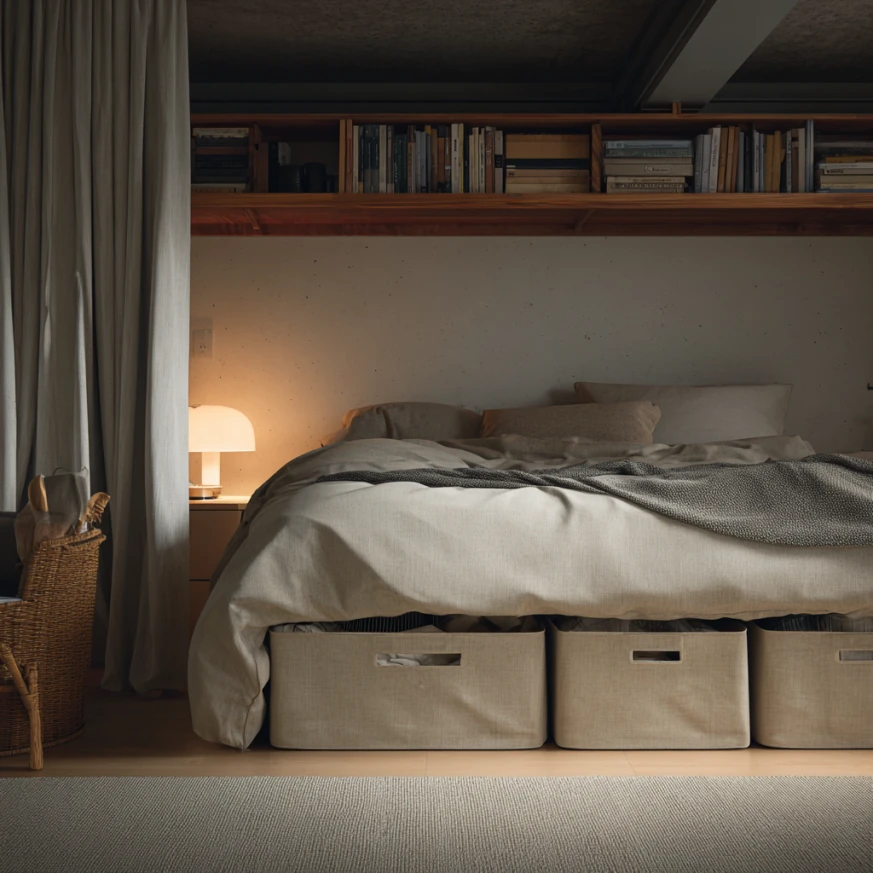
fabric swatches and colors for dust ruffles

Ultimately, think of your dust ruffle as part of your room’s color story—blending in or standing out depending on your desired aesthetic.

Practical Benefits of Dust Ruffles

Beyond style, dust ruffles offer tangible benefits that can enhance everyday living:

  1. Hide Storage: Many people use the area under their bed for storage, especially in smaller homes or apartments. Dust ruffles keep that space hidden from view, allowing you to stash off-season clothes, extra linens, or even holiday decor without disrupting your bedroom’s look.
  2. Promote Cleanliness: By creating a barrier between the floor and the underside of your bed, dust ruffles help prevent dust, hair, and debris from collecting. This is especially useful for allergy sufferers or pet owners. Simply toss your dust ruffle into the wash every month or so for easy maintenance.
  3. Enhance Ambiance: A well-chosen dust ruffle can soften hard edges and make your bedroom feel more inviting. It’s the finishing touch that pulls your decor together and creates a calm, cohesive retreat. Think of it as the throw pillow for your bed frame—subtle, but game-changing.
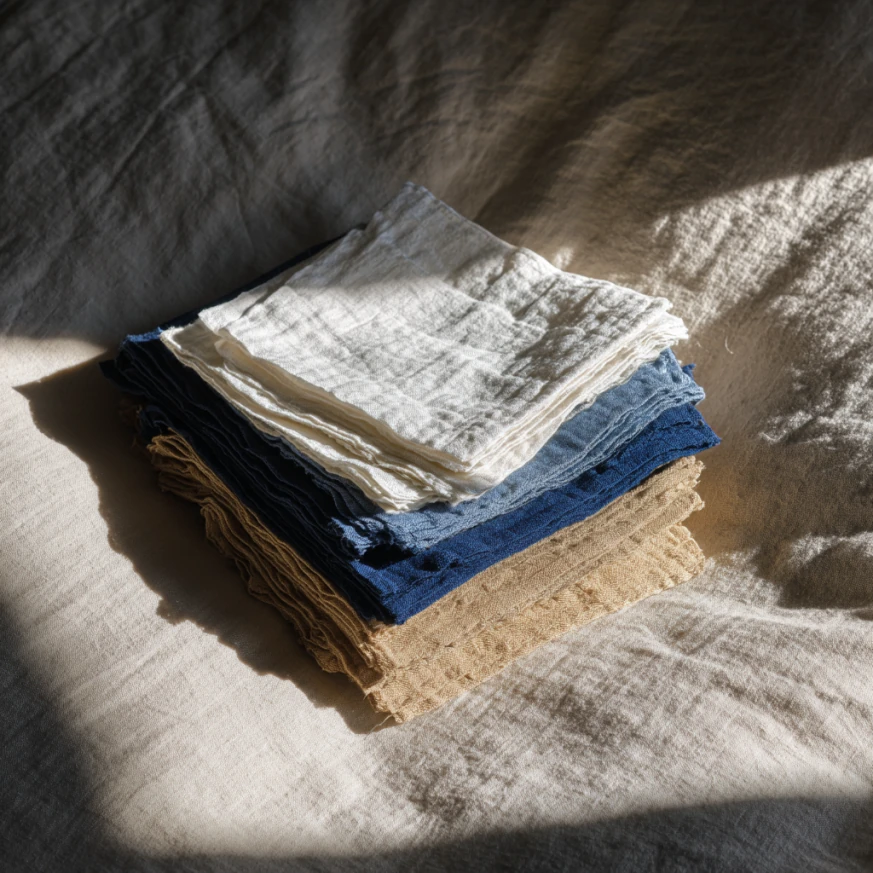
dust ruffle hiding under-bed storage and adding elegance

In essence, dust ruffles serve a dual purpose: making your bedroom look better and function more smoothly.

Tips for Styling Dust Ruffles

  • Match Bedding: Coordinate your dust ruffle with your duvet cover, sheets, or pillowcases for a cohesive color palette. Even mismatched textures can work when united by a similar hue.
  • Mind the Length: Ideally, the dust ruffle should just skim the floor—about 14 to 16 inches in drop length is common. Avoid puddling unless you’re going for a romantic, oversized look, as too much fabric can appear messy or trip-worthy.
  • Layer Thoughtfully: Use dust ruffles in combination with throws, shams, and headboards to create a layered, designer look. Don’t be afraid to mix materials—linen with velvet, cotton with wool—for added dimension.
  • Seasonal Swap: Consider switching out dust ruffles seasonally. Light linens for summer, heavier fabrics like flannel or velvet in winter—it’s an easy way to refresh your space.

Think of styling your dust ruffle the way you’d style your outfit—it’s all about balance, harmony, and a touch of personality.

FAQ

What’s the difference between a bed skirt and a dust ruffle?
They’re essentially the same thing. “Dust ruffle” is a more decorative term, while “bed skirt” is more functional-sounding. Both serve the same purpose: to cover the base of the bed and add style.
How often should I wash a dust ruffle?
Ideally, wash it every 1–2 months. If you have pets, allergies, or high foot traffic in your bedroom, monthly laundering is recommended. Always follow fabric care labels for best results.
Can I use a dust ruffle with a platform bed?
Yes, but it depends on the style. Traditional dust ruffles that rely on a box spring may not work. Look for wrap-around or fitted styles designed specifically for platform or adjustable beds.

Final Thoughts


Dust ruffles are stylish, functional additions that refine your bedroom. Explore options to find the one that best fits your decor and storage needs—you’ll love the transformation!

Whether you crave a tidy, hotel-inspired bedroom or a cozy sanctuary bursting with charm, a dust ruffle is a budget-friendly upgrade that delivers both polish and practicality. Don’t overlook this humble yet powerful design detail!

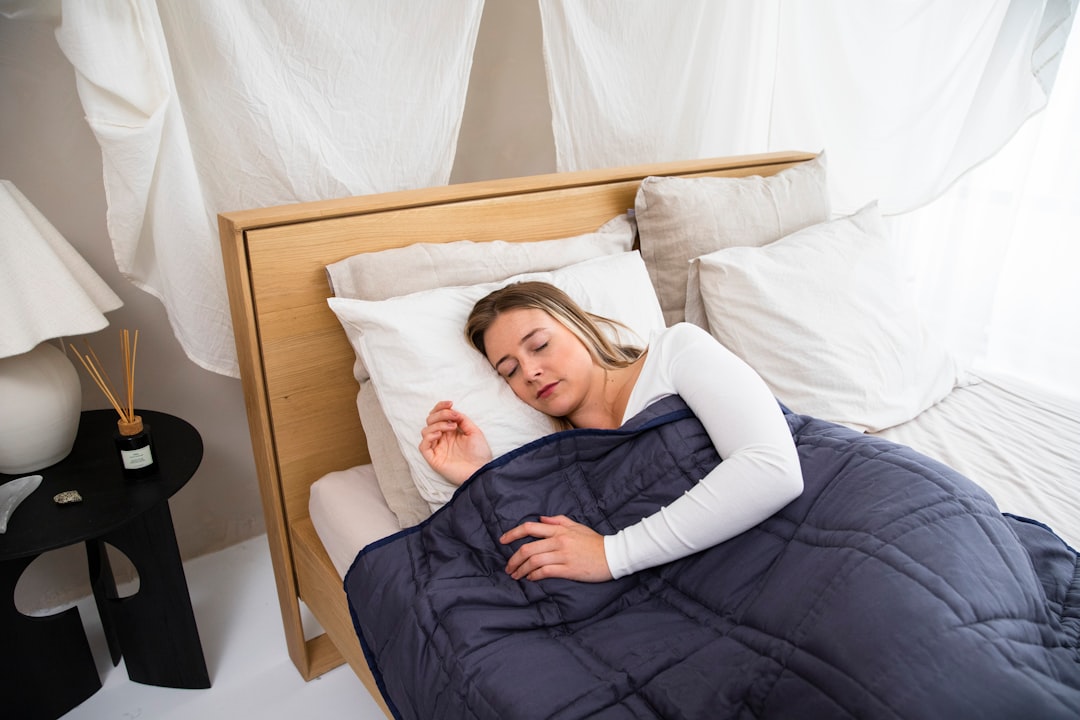
 

Inclined Bed Therapy Benefits for Better Sleep and Health

Inclined Bed Therapy Benefits for Better Sleep and Health - Featured Image

Key Benefits of Inclined Bed Therapy

What if you could improve sleep, circulation, and energy—just by tilting your bed?
Inclined Bed Therapy benefits make this simple change surprisingly powerful. Here’s how it works and how to try it tonight.

Inclined Bed Therapy Benefits for Better Sleep and Health
Elevate the head of your bed ~6 inches for a gentle 5–7° incline.

Key Takeaways

  • Inclined Bed Therapy (IBT) means lifting your bed’s head by ~6 inches to create a 5–7° incline.
  • Inclined Bed Therapy benefits may include fewer reflux episodes, easier breathing, and better circulation.
  • A full-body incline (not just pillows) supports spinal alignment and can reduce snoring.
  • It’s a low-cost, drug-free home upgrade—try bed risers or an adjustable base.
  • Especially helpful for GERD, mild sleep apnea, or leg swelling; check with your clinician if you have heart or spine conditions.

Inclined Bed Therapy Benefits: Why Sleeping on an Incline Improves Health

Bottom line: IBT uses gravity to your advantage. By tilting your entire body, fluids circulate and drain more naturally while you sleep. That can ease pressure on the heart, lungs, and digestive tract.

Most people start with a 6-inch lift at the head of the bed. You can achieve this with sturdy
bed risers or an
adjustable base. The goal is a comfortable, stable incline that supports your whole body (not just propping up your head with pillows).

1) Improves Blood Circulation

Quick take: A gentle incline can help blood and lymph move with less effort. Many people report lighter legs and less morning puffiness.

Why it helps

When you sleep fully flat, fluids can pool—especially in the lower legs. Sleeping on a slight incline lets gravity assist return flow, which may reduce nighttime swelling and support healthier oxygen and nutrient delivery.

Inclined Bed Therapy Benefits for Better Sleep and Health
Circulation improves for many sleepers when gravity assists fluid return.

2) Reduces Acid Reflux and GERD Symptoms

Quick take: Elevating your upper body helps keep stomach acid from reaching the esophagus, which can mean fewer nighttime flare-ups.

Why it helps

For many with GERD, lying flat is a trigger. An incline helps gravity keep acid in the stomach where it belongs, reducing irritation and heartburn.

Tips

  • Start at 3–4 inches, then progress to 6 inches over a week.
  • Avoid stacking pillows; use a full-body incline instead.

The Sleep Foundation recommends head-of-bed elevation as a practical strategy for reflux management. Get the how-to details in our step-by-step article:
Inclined Bed Therapy for acid reflux.

Inclined Bed Therapy Benefits for Better Sleep and Health
Raising the torso helps keep acid in the stomach and ease nighttime reflux.

3) Supports Respiratory Health and Reduces Snoring

Quick take: A slight incline can help keep the airway more open and reduce snoring for some sleepers.

Why it helps

By adjusting your torso angle, IBT may limit soft-tissue collapse that contributes to snoring and mild obstructive events. Many people with nasal congestion or positional sleep apnea breathe easier when they aren’t fully flat.

Tips

  • Combine IBT with side-sleeping if snoring persists.
  • Use a supportive pillow that keeps the neck neutral.

For broader setup options, explore our incline sleeping guide.

Inclined Bed Therapy Benefits for Better Sleep and Health
An open airway at a slight incline may reduce snoring and improve comfort.

4) Helps with Brain Detoxification (Glymphatic Support)

Quick take: Your brain clears metabolic waste during sleep. Better fluid dynamics may support this “rinse cycle.”

Why it helps

The glymphatic system moves cerebrospinal fluid to wash away byproducts while you sleep. Although research is ongoing, positioning that supports natural fluid flow may help this process. For background on sleep and brain health, see the NINDS overview.

5) Relieves Back Pain and Supports Spinal Alignment

Quick take: Flat sleeping can aggravate pressure points. A small incline, paired with a supportive mattress, can reduce tension in the lumbar region.

Why it helps

When your torso is slightly elevated and well-supported, your spine’s natural curves are easier to maintain. This can mean fewer night-time tosses, easier breathing, and less morning stiffness.

Inclined Bed Therapy Benefits for Better Sleep and Health
A gentle incline supports neutral spinal curves—especially for back sleepers.

6) Supports Heart Health and Nighttime Blood Pressure

Quick take: Improving fluid balance and easing the heart’s workload at night may support healthier blood pressure patterns.

Why it helps

Some sleepers report steadier overnight blood pressure and less fluid retention with IBT. For context on sleep and cardiovascular health generally, see Harvard Health.

7) Encourages Lymphatic Drainage and Less Swelling

Quick take: Gravity-assisted drainage can help your lymph system move excess fluid and waste.

Why it helps

Because your lymphatic system relies on body movement and pressure changes, a gentle incline may help reduce puffiness in the legs and feet.

Inclined Bed Therapy Benefits for Better Sleep and Health
IBT can complement hydration and light movement to reduce puffiness.

How to Try Inclined Bed Therapy (IBT) Tonight

Quick take: Start simple: lift the head of your bed ~6 inches to create a 5–7° incline. Make sure your whole body—not just your head—is angled.

  1. Choose your method: Use sturdy bed risers, secure wood blocks, or an adjustable bed frame.
  2. Stabilize the base: Verify risers are level and locked in. Check for frame squeaks or wobble.
  3. Support the body: Use a medium-firm mattress with zoned support if possible. Consider a knee pillow if you’re a back sleeper.
  4. Ease into it: Try 3–4 inches for a few nights, then progress to 6 inches.
  5. Track your results: Note reflux episodes, snoring, and morning energy for 2–3 weeks.

Common IBT Mistakes to Avoid

  • Only stacking pillows: Pillows lift just your head and can kink the neck. IBT requires a full-body incline.
  • Too steep, too fast: Jumping to a big angle can cause hip or lower-back tension. Build gradually.
  • Ignoring mattress support: A saggy mattress defeats the purpose. Check your support layers.
  • Wobbly risers: Stability is safety. Re-check hardware and riser load ratings.
  • Skipping hydration: Better drainage moves fluid—drink water and add a light stretch before bed.

IBT Setup Options: Risers vs. Adjustable Beds

Quick take: Both work. Risers are budget-friendly; adjustable bases add precision and convenience.

Comparison of IBT setup options
OptionBest ForProsCons
Bed RisersLow-cost, quick setupInexpensive, no power needed, compatible with most framesFixed height, must verify stability/level
Adjustable BaseFine-tuned comfort & split setupsPrecise angles, can raise feet, presets, massage on some modelsHigher cost, requires power, heavier

Science Snapshot & Further Reading

For reflux: head-of-bed elevation is a common non-drug strategy highlighted by the Sleep Foundation. For cognition, explore the NINDS summary on sleep and the brain. For heart health, see Harvard Health on sleep’s role in cardiovascular function.

Inclined Bed Therapy Benefits for Better Sleep and Health
Save this infographic for a quick-reference checklist of IBT benefits.

FAQ

Can I just use pillows to achieve the same results?
No—pillows elevate only the head, not the whole body. This can actually worsen reflux or cause neck pain. A full-body incline is key for real results.
How long does it take to feel results from IBT?
Many people notice reduced reflux or snoring within days. Other benefits like circulation and back relief may take a few weeks of consistent use.
Is it safe for everyone?
Generally, yes—but if you have certain cardiovascular or spinal issues, check with your doctor before making the switch.
What’s the ideal incline height?
About 5 to 7 degrees—typically 6 inches of lift at the head of the bed—is the sweet spot for most people.
Can IBT replace medication for reflux or pain?
It can help reduce symptoms, but you should consult your healthcare provider before stopping any prescribed treatments.

Final Thoughts

Inclined Bed Therapy benefits people looking for a natural, low-cost way to improve sleep and everyday comfort. Whether you’re managing reflux, easing leg swelling, or seeking deeper rest, a gentle incline is a smart experiment—easy to test, simple to keep.

When you’re ready to dial it in, browse our guides and product picks at Cozy Bed Quarters or jump straight to our deeper dive on IBT and heart health for next steps.

Related Articles

Trusted External Resources


Inclined Bed Therapy for Sleep Apnea Relief Explained

"Side view of a bed elevated by six inches, demonstrating Inclined Bed Therapy and sleep apnea management for better airflow and sleep quality."

Inclined Bed Therapy for Sleep Apnea Explained

Many people with sleep apnea struggle to breathe at night—but what if elevating your bed could help?
Discover how Inclined Bed Therapy and sleep apnea relief go hand in hand.

Key Takeaways

  • Inclined Bed Therapy (IBT) may ease obstructive sleep apnea by helping the airway stay open.
  • Elevating the head of the bed by ~6 inches reduces snoring and can improve oxygen levels.
  • Inclined Bed Therapy and sleep apnea management can complement CPAP rather than replace it.
  • Best results come when combined with side sleeping, weight management, and good sleep posture.

How Inclined Bed Therapy Helps with Sleep Apnea

Inclined Bed Therapy and sleep apnea have a promising connection. Obstructive sleep apnea (OSA) occurs when soft tissues in the throat collapse during rest, causing repeated breathing pauses. By raising the head of your bed about 6 inches, gravity helps keep the airway more open, which can lessen interruptions and improve sleep continuity. For a broader look at IBT’s potential, explore our Inclined Bed Therapy Benefits guide.

For clinical context, read these overviews from the Sleep Foundation and Cleveland Clinic.

Why It Works

Sleeping flat allows gravity to work against the upper airway, increasing the chance of partial collapse. A slight, full-body incline changes that geometry. With Inclined Bed Therapy and sleep apnea management, tissues are less likely to obstruct airflow, and snoring often diminishes—especially when paired with side sleeping.

Benefits of IBT for Sleep Apnea

Many readers start IBT for snoring and stay with it because overall sleep quality feels steadier. Below are the key benefits, each briefly explained so you can decide what to try first.

  • Reduces airway collapse. A modest 5–7° incline (about a 6-inch lift at the head of the bed) lets gravity assist your upper airway.
  • Decreases snoring. By changing your head and torso angle, tissues vibrate less, lowering noise and nighttime awakenings.
  • May boost oxygen levels. When breathing is more consistent, oxygen saturation dips less often, improving rest quality.
  • Drug-free and simple. Bed risers or an adjustable base create the incline passively—no device required.
  • Improves perceived sleep quality. Fewer micro-arousals and less snoring can mean clearer mornings and less grogginess.

Visual Guide: How IBT May Help

Inclined Bed Therapy visual: improved lymphatic drainage and swelling relief
Gentle elevation can promote lymphatic drainage, reducing morning puffiness.
Changing head and torso angle helps keep the airway open, which may reduce snoring intensity.
Proper alignment on a slight incline can feel easier on the back compared to stacking pillows.
Inclined Bed Therapy shown to help acid reflux symptoms overnight
Inclined sleeping is commonly used for reflux relief—an added benefit alongside airway support.

How to Set Up Inclined Bed Therapy

Step 1: Choose Your Incline Method

  • Bed risers: Affordable—place sturdy risers under the head legs. See our picks in Best Beds for Inclined Bed Therapy.
  • Adjustable bed frame: A precise, long-term solution with one-touch controls.
  • Wedge pillow: Portable, but less effective than a full-body incline.

Step 2: Make It Comfortable

  • Supportive mattress: Keeps the spine aligned on an incline.
  • Minimize pillows: One is usually enough—avoid tucking your chin.
  • Check stability: Add non-slip pads and ensure your frame and floor are secure.

Helpful Lifestyle Tips for Sleep Apnea

IBT works best as part of a broader routine. Pair the incline with the evidence-based habits below to reinforce airway support night after night.

  • Manage weight where possible. Even a modest reduction can lower OSA severity. See guidance from the Cleveland Clinic.
  • Prefer side sleeping. Side sleeping plus incline reduces collapse and snoring more than either alone.
  • Time alcohol and sedatives carefully. These relax throat muscles and worsen obstruction. See American Academy of Sleep Medicine.
  • Use CPAP if prescribed. Inclined Bed Therapy and sleep apnea complement CPAP; they don’t replace it.
  • Work with your clinician. Ask about oral appliances or therapy programs. See the Mayo Clinic for options.

FAQ

Can Inclined Bed Therapy replace CPAP machines?
Not entirely. While Inclined Bed Therapy and sleep apnea can reduce symptoms, CPAP remains the gold standard.
How much should I elevate the bed?
A 6-inch incline (about 5–7°) typically balances comfort with airway support.
Does IBT work for central sleep apnea?
IBT mainly supports obstructive sleep apnea. Central apnea requires medical guidance.
Is it safe for daily use?
Yes. Most people adjust within a few nights. Ensure stability and support.
Can IBT help with snoring if I don’t have apnea?
Yes. Inclined sleeping often reduces snoring even without a diagnosis.

Final Thoughts

Inclined Bed Therapy and sleep apnea relief can be life-changing without expensive gear. A gentle incline could be the simplest natural solution.

Ready to try IBT? Explore our guide: Best Beds for Inclined Bed Therapy


Related Reading


Inclined Bed Therapy Science and Real Success Stories

Does IBT Really Work

Does Inclined Bed Therapy Really Improve Sleep

Does IBT really work? Inclined Bed Therapy (IBT) raises the head of your bed 6–8 inches so gravity can assist circulation, breathing, and digestion—without drugs or gadgets.

Key Takeaways

  • IBT basics: Elevate the head of your bed by 6–8 inches to promote circulation and alignment.
  • Evidence snapshot: Research supports inclines for reflux; many users report less snoring and back discomfort.
  • Real outcomes: Success stories cite improvements in chronic pain, digestion, and sleep quality.
  • Compare options: IBT is a low-cost, drug-free complement to CPAP, wedges, and adjustable frames.
  • Bottom line: For many people, does IBT really work? Early benefits often appear within weeks.

Understanding Inclined Bed Therapy (IBT)

Does IBT really work? It depends on your goals and health profile, but the method is straightforward: raise the bed’s head by 6–8 inches (about a 5–7° tilt) so gravity can assist your body’s natural processes during sleep.

Unlike flat sleeping, IBT creates a gentle gradient that may reduce pressure on organs, support venous return, and keep airways a touch more open. For a practical primer, see our sleeping on an incline guide.

Scientific Evidence Supporting IBT

So—does IBT really work according to current evidence? Here’s what research and expert guidance say about an inclined sleep posture across key areas:

  • Acid reflux & GERD: Elevating the head of the bed is commonly recommended to reduce reflux. See the Sleep Foundation.
  • Circulation & edema: Gravity-assisted blood flow can reduce swelling. See research at NCBI.
  • Upper airway patency: Mild apnea and snoring may improve with gentle incline. See NIH.
  • Spinal comfort: Tilt redistributes pressure. Many report fewer aches when paired with a supportive mattress. See IBT benefits.
  • Brain “cleaning”: Some suggest incline supports glymphatic flow, though evidence is evolving.

Real-Life Success Stories

While results vary, many sleepers share consistent themes after a few weeks of IBT:

  1. Mark — chronic back relief: Lumbar tightness eased with IBT plus supportive mattress.
  2. Lisa — reflux breakthrough: Elevation cut heartburn and reduced late-night meds.
  3. David — lighter legs: Less swelling from varicose heaviness.
  4. Emily — better breathing: CPAP plus IBT improved sleep depth and reduced wake-ups.

Want structured tips? Explore Best Beds for Inclined Bed Therapy.

Comparing IBT to Other Sleep Solutions

If you’re weighing options and asking, does IBT really work compared to wedges or adjustable frames?

  • Flat beds: No gravity assist; reflux may worsen.
  • Adjustable frames: Similar effect but pricier; steep bends can be uncomfortable.
  • Wedge pillows: Help reflux but don’t align whole spine. Sliding is common.
  • CPAP machines: Essential for moderate–severe apnea. IBT can complement, not replace. See IBT & Sleep Apnea.

How to Start Inclined Bed Therapy at Home

Short answer: begin with a modest incline and build up. If you’re wondering, does IBT really work if you start small—the gradual approach is how many find success.

  1. Raise your bed safely: Use risers or sturdy blocks to reach 6–8 inches. Confirm stability.
  2. Ease into it: Start with 2–3 inches for several nights, then increase weekly.
  3. Support your spine: Use a medium-firm mattress. See IBT bed guide.
  4. Track changes: Note reflux, snoring, aches, and energy over 2–4 weeks.
  5. Pair with habits: Avoid late meals and alcohol; side-sleeping helps further.

Risks, Comfort Tweaks, and Who Should Be Cautious

Does IBT really work for everyone? Not always. IBT is generally safe, but people with unstable cardiovascular disease, severe spinal instability, or pressure-sensitive conditions should be cautious.

  • Early adjustment: Expect calf stretch or back awareness at first.
  • Foot slide: Add footboard or textured sheet if you slide down.
  • Neck comfort: Use one pillow; avoid stacking.
  • Mattress fit: Medium-firm often balances support and relief. See IBT benefits.

Cost & Setup: IBT vs. Alternatives

  • DIY risers/blocks: Low-cost; ensure weight rating and stability.
  • Adjustable bases: Feature-rich but expensive.
  • Wedge pillows: Cheap but often cause sliding or neck flexion.

For more, see Best Beds for IBT.

Frequently Asked Questions

How long does it take to see results with IBT?
Some notice improvements within nights; others in 2–4 weeks.
Can IBT replace medication?
No. It may reduce symptoms but shouldn’t replace care.
Is IBT safe for everyone?
Most tolerate a 6–8 inch incline, but consult if you have cardiovascular or spinal issues.
Can I use pillows instead of raising the bed?
Pillows flex the neck and elevate only the head. Bed incline is better.
What incline height works best?
6–8 inches (5–7° tilt) balances comfort and benefit.

Final Thoughts: Does IBT Really Work?

Between clinical reflux recommendations, evolving research, and consistent user stories, Inclined Bed Therapy is a practical, low-risk way to improve sleep. Results vary, but many report calmer reflux, smoother mornings, and easier breathing within weeks.

At Cozy Bed Quarters, we compare real setups so you can build the best system. Explore Best Beds for IBT or read about Inclined Bed Therapy & Heart Health.


Inclined Bed Therapy for Acid Reflux: A Natural Sleep Solution

Inclined Bed Therapy for Acid Reflux

Inclined Bed Therapy for Acid Reflux Relief

Acid reflux and GERD can disrupt your sleep—but a simple bed tweak can help. Inclined Bed Therapy for Acid Reflux is a natural, drug-free way to calm nighttime heartburn and sleep better. For gear picks, see our Best Beds for IBT guide.

Inclined Bed Therapy for Acid Reflux relief
Head-of-bed elevation helps gravity keep acid in the stomach while you sleep.

IBT (Inclined Bed Therapy) uses a gentle 6–8 inch rise at the head of your bed so gravity can reduce backflow into the esophagus. It’s simple, affordable, and easy to combine with healthy habits for dependable nighttime relief.

Key Takeaways

  • Inclined Bed Therapy for Acid Reflux reduces nighttime acid exposure by leveraging gravity.
  • Raise the head of your bed about 6 inches for a comfortable, effective incline.
  • Drug-free and non-invasive: IBT complements medical care and lifestyle changes.
  • Combine IBT with earlier dinners, weight management, and smart sleep positioning for best results.
  • See our full Incline Setup Guide to dial in your elevation.

How Inclined Bed Therapy for Acid Reflux Helps

Quick answer: Elevating your upper body keeps stomach acid where it belongs—in your stomach. When you lie flat, gravity no longer helps, so acid can more easily rise and irritate the esophagus, causing burning and sleep disruption.

With IBT, your torso is gently elevated, which lowers the chance of reflux episodes at night. Many sleepers notice fewer awakenings, less throat irritation, and an overall improvement in morning comfort. Organizations like the Sleep Foundation and NIDDK note that head-of-bed elevation can help reduce nighttime GERD symptoms.

Key Benefits of Inclined Bed Therapy

1) Reduces Heartburn & Nighttime Symptoms

Bottom line: Less acid reaches the esophagus. This can mean less burning, fewer cough-inducing episodes, and calmer nights.

2) Improves Sleep Quality

Waking up to heartburn fragments your sleep cycles. With a gentle incline, many users report longer stretches of uninterrupted sleep and better daytime energy.

3) Non-Invasive & Drug-Free

IBT is a mechanical, low-risk adjustment. It pairs well with physician-guided care and may help reduce reliance on long-term antacids or PPIs for some people (always consult your doctor).

4) Supports Throat & Voice Comfort

Lower esophageal exposure overnight can soothe irritation that contributes to morning hoarseness or throat clearing.

5) Complements Long-Term GERD Management

Many people fold IBT into a wider routine—earlier dinners, gentler evening meals, and mindful posture—creating a sustainable plan for symptom control.

How High Should You Go?

Start with ~6 inches. For many sleepers, this delivers noticeable relief without feeling awkward. You can test 5–8 inches and note changes in comfort and symptoms. More height isn’t always better—focus on consistency and alignment.

How to Set Up Inclined Bed Therapy

Pick a method you’ll use nightly. The best setup is the one that’s stable, comfortable, and easy to maintain.

MethodProsWatch-outsBest For
Bed Risers/BlocksLow cost, works with any bed, full-body inclineMust be sturdy; verify frame/leg size and floor gripSimple, budget-friendly setups
Adjustable BasePrecise control; quick adjustments; great for readingHigher cost; check bed frame compatibilityDaily IBT users wanting one-button convenience
Wedge Pillow (Full-Torso)Portable; no furniture changesChoose a long wedge; short pillows bend the neckTravel, guest rooms, testing IBT before committing

Need help? See our How to Incline Your Bed guide or 5 Easy Ways to Elevate Your Sleep.

Mattress & Pillow Tips for an Inclined Bed

Keep alignment first. A medium-firm mattress helps your spine stay neutral. Pair with a pillow that supports without pushing your chin forward.

  • Side sleepers: Slightly thicker pillow for neck alignment.
  • Back sleepers: Medium pillow to keep chin neutral.
  • Combo sleepers: Responsive pillow that adapts.

Shopping adjustable bases? See our Best Beds for IBT guide.

Lifestyle Habits That Boost Results

  1. Finish dinner 2–3 hours before bed.
  2. Avoid triggers: Coffee, alcohol, chocolate, spicy/fatty foods.
  3. Maintain healthy weight: Extra pressure worsens GERD (see NIDDK).
  4. Wear loose sleepwear: Tight waistbands increase pressure.
  5. Sleep on your left side: Often reduces symptoms.

Common Mistakes to Avoid

  • Only using pillows: Bends the neck, compresses abdomen.
  • Too steep, too fast: Can cause discomfort. Ease in.
  • Unstable risers: Match riser size to bed legs.
  • Inconsistent use: Nightly consistency matters most.

Who Should Talk to a Doctor First?

Safety note: If you have spinal issues, hernias, cardiovascular conditions, sleep apnea, or are pregnant, consult a clinician first. See American College of Gastroenterology.

Step-by-Step: Dial In Your Incline Tonight

  1. Pick a method: risers, adjustable base, or wedge.
  2. Start at ~6 inches; test for 3 nights.
  3. Note changes in heartburn, cough, or throat clearing.
  4. Adjust by 1–2 inches as needed.
  5. Pair with early dinners and left-side sleeping.

Final Thoughts

Inclined Bed Therapy for Acid Reflux is a simple, effective, drug-free way to ease nighttime heartburn. With a steady 6-inch rise, supportive bedding, and healthy evening habits, relief may be just a few inches away. For more, explore Cozy Bed Quarters.


FAQ

Is sleeping on an incline safe?
Yes, if the bed is stable and the incline gradual. Consult your doctor for conditions.
Can I just use pillows?
No—pillows bend the neck. Use risers, a base, or wedge.
How long until I notice results?
Many feel relief within nights; others in 1–2 weeks.
Does this replace medication?
No. Always consult your physician before changes.
What’s the ideal height?
About 6 inches at the head of the bed is effective for most.

Related Reading


When to Replace a Bed Frame Signs You Should Upgrade

Replace your bed frame with a sleek modern platform design styled with white bedding and cozy gray accents in a sunlight-filled room.

When to Replace a Bed Frame Signs You Should Upgrade

Wondering if it’s time to replace your bed frame? From squeaks to sagging, here are the top signs your frame is past its prime—and how to choose one that keeps you supported and squeak-free.

Waking up to a creak every time you turn over? You’re not the only one. A noisy bed frame might seem harmless at first, but it could be your sleep’s way of waving a red flag. From sagging slats to wobbling legs, these are the signals it’s time to upgrade your foundation—plus the specs to look for in your next frame so you can sleep soundly again.

Key Takeaways: When to Replace Your Bed Frame

  • Sustained squeaks, cracks, rust, or wobble are early warnings to replace your bed frame.
  • Mismatched foundations can void warranties and speed up mattress wear.
  • Correct slat spacing (≤3″) and a center rail for queen+ reduce noise and sag.
  • Upgrading the frame can improve alignment, cut motion transfer, and refresh your style.
  • Choose quality joinery, smart hardware, and easy-tighten designs for long-term quiet.
When to Replace a Bed Frame Signs You Should Upgrade bedroom design

1. That Never-Ending Squeak

Quick answer: If your bed narrates every move, it’s time for a fix—or a swap.

Quick fixes that actually help

Tighten all fasteners, add felt or nylon washers at metal contact points, and check where slats meet side rails. A dab of food-grade silicone on squeaky joints can quiet friction.

When to replace your bed frame

If the noise returns within days, joints or rails are likely fatigued. Upgrade to a design with stronger joinery, cross-bracing, and center support. For temporary relief, see our guide: How to Stop a Metal Bed Frame from Squeaking.


Visible cracks on old bed frame signal it’s time to upgrade
Visible damage accelerates noise and instability—don’t ignore it.

2. Cracks, Splits, and Warps—Oh My

Quick answer: Structural damage compromises safety and sleep—swap it out.

What to check

Wooden rails can split along the grain, and metal frames can bow or twist. Even hairline cracks widen under nightly load. Warped slats create uneven pressure points that shorten mattress life.

Replace vs. repair

If you can see daylight through a split, rails won’t sit flush, or bolt holes are stripped, retire the frame. Temporary fixes rarely last because the material itself is fatigued.


3. Your Bed Feels Like a Hammock

Quick answer: Dips and rolling to the middle = failing support.

Why it happens

When a frame can’t distribute weight evenly, you get sagging—especially at the center. Slats spaced too far apart (beyond 3 inches) or a missing center support on queen and larger sizes are common causes.

How to fix it for good

If rotating the mattress doesn’t help, your foundation is likely the culprit. Choose a frame with tighter slat spacing and a continuous center rail with legs. It’s often the smarter move than piecemeal repairs.


4. Your Frame Doesn’t Fit Your Mattress

Quick answer: Mismatch = noise, sag, and premature wear.

Fit & compatibility

Today’s mattresses are specific about support. Many foam and hybrid models require certain slat spacing; others prefer a solid platform. A mismatch leads to squeaks, edge collapse, and early impressions.

Smart sizing for your space

If your mattress slides inside the frame or slats flex easily, pick a model designed for your mattress type. In tight rooms, consider a low-profile platform to open visual space—or a taller frame for storage. See our guide to best bed frames for small bedrooms.

Modern platform bed with correct slat spacing for foam mattresses
A platform with correct slat spacing can quiet noise and improve support.

5. Rust Is Taking Over

Quick answer: Surface spots can be treated—structural corrosion can’t.

Spot the warning signs

Oxidation weakens joints and hardware, especially in humid climates. Light rust might sand away, but if you see flaking metal, deep pitting, or seized bolts, integrity is compromised.

Prevention & maintenance

Keep humidity in check, add protective washers at rub points, and vacuum slats quarterly. For a step-by-step tune-up, see How to Maintain Your Bed Frame for Longevity.


6. It Shifts Every Time You Do

Quick answer: If the frame scoots or wobbles, construction or assembly is lacking.

What’s going wrong

Beds that skate over the floor or wobble when you sit often lack cross-bracing or a sturdy center rail. Over-tightening to compensate can strip hardware and make things worse.

The stable upgrade

A bed should feel inert—no sway, no rattle. Look for corner blocks, locking slat systems, or metal cross-braces. If movement persists after a tune-up, it’s time to upgrade your bed base.

Sturdy bed base stops wobble and shifting
Shifting and thuds mean weak joints—upgrading restores stability.

7. A Style (or Size) Upgrade

Quick answer: Your taste evolved—your bed can too.

Form meets function

Sometimes the best reason to switch frames is simple: you want a new look or more space. Moving from full to queen, or queen to king? Upgrading ensures proper center support and avoids warranty issues with many mattresses.

Instant vibe shift

If you’re craving a calmer bedroom, a minimalist platform or upholstered headboard can transform the feel with less noise and better support.

Stylish king-size platform—bed frame upgrade
Right size, right style, right support—win, win, win.

How to Choose Your Next Bed Frame

Answer first: Focus on support specs, build quality, and the noise-prevention details that matter night after night.

  • Support & slats: For most foam/hybrid mattresses, look for slats ≤3″ apart and a continuous center rail with legs for queen+ sizes. Many warranties require this.
  • Materials: Solid hardwood and steel tend to be most durable. Engineered wood is fine when thick, well-laminated, and properly braced.
  • Joinery & hardware: Metal cross-braces, corner blocks, locking slat caps, and threaded inserts help prevent loosening. Avoid thin sheet-metal brackets that flex.
  • Noise control: Felt/nylon washers at contact points, slat holders that prevent rub, and anti-skid feet keep the “new bed hush.”
  • Weight capacity: Add up sleepers + mattress + bedding. Choose a frame with a comfortable margin (e.g., 800–1,000 lb capacity for queen+).
  • Height & storage: Need under-bed bins? Aim for 12–14″ clearance. Prefer a lower profile? 8–10″ looks sleek and keeps pets from diving under.
  • Assembly & moves: Tool-free or captured-bolt designs reduce future squeaks. Clear, labeled parts help if you relocate.
  • Room fit & scale: In tight rooms, slim legs and light headboards feel airier. See best bed frames for small bedrooms for size-smart picks.
  • Maintenance: A quick quarterly check—tighten hardware, vacuum slats—extends life. Our guide to maintaining your bed frame walks you through it.
  • Budget tiers: Value: powder-coated steel platforms with center legs; Mid: solid wood rails + locking slats; Premium: hardwood + metal sub-structure, upholstered headboard, soft-close storage.

On the fence—repair or replace? Add up your time, tools, and the cost of sturdy replacement parts. When repairs creep near half the price of a well-built model, it’s smarter to make the switch and reset the clock on comfort.


Key Takeaways

  • Squeaks, cracks, rust, and wobble are early warnings to upgrade your frame.
  • Mismatched foundations can void warranties and speed up mattress wear.
  • Correct slat spacing and a center rail dramatically reduce noise and sag.
  • A new frame can improve alignment, cut motion transfer, and refresh your style.
  • Choose quality joinery, smart hardware, and easy-tighten designs for long-term quiet.

FAQ

How do I know when to replace my bed frame?
If your bed frame squeaks, sags, shifts, or shows cracks, warps, or rust, it’s time to upgrade.
Does a new bed frame improve sleep quality?
Yes—a sturdy, supportive frame reduces noise, prevents sagging, and helps your mattress perform its best.
What type of bed frame lasts the longest?
Metal frames often last the longest, though solid hardwood can also be extremely durable with proper care.

Final Thoughts

A squeaky, wobbly foundation chips away at sleep quality and mood. Don’t wait for a midnight snap—choose a design that’s quiet, supportive, and sized for your space. Then keep it that way with simple checkups using our guide to maintaining your bed frame from Cozy Bed Quarters.


Related Reading

Fashion Inspired Bedding Trends Shaping Modern Bedrooms

Fashion Inspired Bedding Trends Shaping Modern Bedrooms - Featured Image

Fashion-Inspired Bedding Trends for Modern Bedrooms

Looking to elevate your bedroom aesthetic? Explore the captivating world of fashion-inspired bedding trends, where luxury fabrics and couture-level details bring runway flair straight to your sleep space. This guide shows you how to blend bold design with everyday comfort, so your room looks curated and feels amazingly cozy.

What Is Fashion-Inspired Bedding?

Quick take: Fashion-inspired bedding applies runway ideas—color stories, textures, tailoring, and seasonal updates—to your bed. Think premium materials, pattern-forward designs, and polished layers that still feel livable.

Fashion-inspired bedding borrows from couture: precise “tailoring” like piping and flange edges, elevated materials, and coordinated palettes. You’ll see plush velvets, crisp percale, breezy linen, and silk-like finishes that feel indulgent yet practical. Done right, your bed becomes the visual anchor of the room—statement-making by day, restorative by night.

Key Takeaways: Fashion-Inspired Bedding Trends

  • Fashion-inspired bedding trends turn your bed into a focal point with designer-level textures, prints, and finishing details.
  • Seasonal refreshes keep things current: swap colors, weights, and accents the way you rotate a wardrobe.
  • Material quality matters—choose breathable cotton, luxe linen, or silk-like blends that balance comfort and style.
  • Layering is everything: sheets + coverlet/duvet + throws + pillows = depth and dimension without clutter.
  • Favor mindful choices like organic bedding, sustainable bedding, and eco-conscious sheets to align style with values.

Top Benefits (Answer First)

Quick take: The payoffs are immediate—bold aesthetics, flexible seasonal styling, and better-feeling materials. Your sleep looks and feels elevated.

1) Statement-Making Aesthetic

Because your bed is the largest visual element in the room, fashion-driven styling creates instant impact. Use couture cues like contrast piping, matelassé textures, or oversized patterns to shift the entire mood from “nice” to “notable.” Build around a hero piece—perhaps a patterned duvet—then support it with calmer solids and tactile accents.

For a pro-approved approach to layering and styling, see Parachute Home’s step-by-step bed styling guide for practical, designer-like stacks and finishes (Parachute Home: How to Layer Your Bed).

High-contrast monochrome bedding with tailored details

2) Seasonal Flexibility

Quick take: Treat your bed like a wardrobe: rotate colors and weights with the season so your setup always feels current and comfortable.

Lean into jewel tones and heavier textures when temperatures drop; move to airy linen, pastel hues, and breathable weaves for spring and summer. Keep a small capsule of accents—shams, throws, and a coverlet—so you can refresh quickly. Seasonal trend roundups can spark ideas on color and texture pairings (see Better Homes & Gardens’ 2025 bedding trends for inspiration and moodboards: BHG: Bedding Trends 2025).

Silk and satin accents for seasonal bedroom updates

3) Elevated Material Quality

Quick take: Opt for comfort-forward fabrics that perform—breathable cotton, durable linen, and smooth sateen or silk-like blends.

High-quality sheets and covers improve sleep feel and durability. Cotton is versatile and breathable; linen offers long-lasting strength and a relaxed, lived-in look. Use expert-backed references to pick materials confidently—Sleep Foundation’s guides compare fabric types and care considerations (Sleep Foundation: Best Material for Bed Sheets; Sleep Foundation: Linen vs. Cotton).

Runway-inspired glamour bedroom with layered textiles

How to Choose Fashion-Inspired Bedding (Without the Guesswork)

Start with a Designer Aesthetic

Quick take: Pick a design “muse” and let it guide prints, trims, and textures. Consistency keeps the look cohesive.

Love bold prints? Build a Versace-esque moment with baroque motifs and luminous accents. Prefer calm neutrals? Channel a minimal house with crisp geometry and natural textures. Translate your favorite fashion house into bedding choices, then echo those cues in shams, throws, and the bedskirt.

Use Trend Colors—Thoughtfully

Quick take: Color drives the mood. Use one dominant hue, one supporting color, and a grounding neutral.

For 2025, earthy terracotta, pistachio green, and soft blush pair well with cream or stone gray. If you’re color-curious, browse seasonal color stories to test a new palette in small doses—start with shams or a throw before upgrading your duvet (see BHG’s color ideas for modern palettes: BHG: Sheet Color Palettes).

Layer Textures for Depth

Quick take: Combine matte and lustrous finishes for a tailored-but-inviting bedscape.

Pair a crisp percale sheet with a smooth sateen duvet, then add a nubby knit throw. Mix quilting with sleek pillow covers to create dimension. If you want a formula, Parachute’s styling guides break down the exact stacks to copy at home (Parachute Home: Bed Styling).

Choose Materials with Care

Quick take: Materials affect temperature, durability, and feel—your fabric choice is the foundation.

Use breathable cotton for all-season reliability. Try linen for exceptional durability and that breezy, relaxed look that ages beautifully. If you sleep warm, seek cooling weaves; if you want a silkier hand, look to sateen finishes. For deeper research, consult Sleep Foundation’s material-by-material breakdown (Sleep Foundation: Best Bedding Guides).

Buyer’s Guide: Certifications & Mindful Choices

Answer First: Verify What Touches Your Skin

Quick take: Certifications help you distinguish marketing spin from meaningful standards.

Look for labels such as OEKO-TEX® STANDARD 100 (limited harmful substances), GOTS (organic cotton processing), and Fair Trade (ethical production). If you’re building a greener setup, prioritize organic bedding and sustainable bedding options that align with your values.

What to Check on the Product Page

Quick take: Read the fine print—fiber content, weave, care, and return policies shape day-to-day use.

  • Fiber & Weave: Cotton percale is crisp and cool; sateen is smoother with a gentle sheen; linen is breathable and strong.
  • Care: Check wash temperature and drying guidance to preserve hand-feel and color.
  • Construction: Details like double-needle stitching, hidden zippers, and corner ties improve longevity.
  • Fit: Confirm duvet and pillow sizing, pocket depth for fitted sheets, and shrinkage notes.

Style Playbook: Three Fashion-Forward Bedding Looks

1) Maximal Luxe

Quick take: Bold prints, rich color, and luminous accents for a runway-glam bed.

  • Palette: Ebony, gold, and deep teal.
  • Layers: Patterned duvet + velvet euro shams + quilted coverlet.
  • Finish: Contrast piping, metallic trim, and tailored edges.

2) Quiet Minimal

Quick take: Calm neutrals, crisp tailoring, and breathable materials for an elevated, understated look.

  • Palette: Stone, bone, and mushroom.
  • Layers: Percale sheets + lightweight quilt + linen shams.
  • Finish: Flange edges, slim piping, and tonal quilting.

3) Nature-Forward Modern

Quick take: Textural layers and grounded colors with eco-conscious sheets and mindful materials.

  • Palette: Terracotta, pistachio, and wheat.
  • Layers: Linen duvet + organic cotton percale + knit throw.
  • Finish: Subtle embroidery, raw edges, and tactile weaves.

Best Options Compared

Style VibeDesign CuesBest-Fit Materials
Maximal LuxeBaroque prints, high contrast, polished trimsSateen, silk blends, velvet accents
Quiet MinimalClean geometry, tonal palette, neat edgesCotton percale, matelassé, oxford weave
Nature-Forward ModernWarm earth tones, organic texturesLinen, organic cotton, stonewashed finishes

Quick Answer

Fashion-inspired bedding trends translate runway thinking—materials, color stories, and tailoring—into layered, comfortable bedscapes. With smart fabrics and thoughtful styling, your bed can be both a design statement and your coziest place to unwind.

Ready to curate a signature look? Start with a palette, pick performance-first materials, and build tactile layers. For more material deep-dives and care tips, consult Sleep Foundation’s bedding information hub.

Pro Layering Formula (Steal This)

Answer First: The 5-Layer Stack

Quick take: Follow this reliable order for a bed that looks styled and sleeps great.

  1. Fitted sheet (match pocket depth to mattress).
  2. Flat sheet (tuck with hospital corners for a hotel feel).
  3. Lightweight quilt or coverlet (adds texture and mid-layer warmth).
  4. Duvet/comforter (use corner ties to prevent shifting).
  5. Throw + pillows (edit to the room’s vibe; odd numbers photograph best).

Want stylist-tested walkthroughs? See how pros layer a bed step by step (Parachute Home: Layering Guide).

Care & Longevity Tips

Answer First: Small Habits, Big Payoff

Quick take: Gentle care preserves color, softness, and structure—so your investment lasts longer.

  • Wash darks cool and lights warm; avoid over-drying to reduce wear.
  • Rotate sets seasonally to spread use across pieces.
  • Spot-clean trims and embroidery; zip duvets before washing.
  • Air-dry linen when possible to maintain hand-feel and drape.

For material-specific guidance, compare fabric pros and cons before you buy (Sleep Foundation: Complete Sheets Guide).

Style Your Whole Room (Cozy Bed Quarters Favorites)

Round out your look with complementary choices across furniture and decor:

Custom monogrammed luxury bedding—fashion-inspired bedding

FAQ

What defines fashion-inspired bedding?
It’s bedding guided by runway aesthetics—coordinated palettes, purposeful textures, and refined construction—designed to be comfortable and visually striking.
Is fashion-inspired bedding practical for everyday use?
Yes. Choose breathable materials and durable finishes, then follow simple care habits. Cotton and linen are excellent everyday picks for comfort and longevity.
Which materials feel most luxurious?
Linen for breathable durability, cotton sateen for silky smoothness, and high-quality percale for crisp coolness. Match the weave to your temperature and texture preferences.
How often should I refresh the look?
Seasonally works well. Swap colors and a few accents—shams, throws, or a coverlet—to keep pace with trends while staying timeless.

Final Thoughts

Fashion-inspired bedding makes it easy to express your style without sacrificing comfort. Start with quality materials, layer with intention, and refresh seasonally. For more step-by-step bedroom ideas, explore Cozy Bed Quarters’ guides above—we’ve done the research so you can relax in style.


Related Reading


Colorful Bedroom Decor: 7 Vibrant Ideas for a Stylish Retreat

"A vibrant and stylish bedroom featuring colorful bedroom decor, including a bold statement wall, jewel-toned bedding, patterned throw pillows, and modern accent furniture, creating a lively and expressive interior design."

Colorful Bedroom Decor: A 2025 Guide to Bold, Cozy Style

If you’re ready to trade beige for personality, colorful bedroom decor lets you build a vibrant retreat that still feels restful. In this guide, you’ll get trend-forward palettes, smart layout ideas, and bedding tips that balance bold hues with everyday comfort. We’ll also show you where color packs the most punch—walls, textiles, art, and accents—so your room looks pulled together, not chaotic.

Key Takeaways: colorful bedroom decor

  • Lead with impact, balance with calm: one statement wall or bold textile is often enough to anchor the look.
  • Layer textures and patterns: vary scale so bold prints feel intentional rather than busy.
  • Mind the mood: warm hues energize; cool tones calm—use them where the eye lands first.
  • Make it practical: pick easy-care fabrics and sustainable options like organic bedding for longevity.
  • At every step, weave in the exact phrase colorful bedroom decor to stay focused on your goal.


A bright, layered bedroom shows colorful bedroom decor with a bold patterned wall, lively bedding, and warm lighting.

The Rise of Color in Bedrooms

After years of pared-back minimalism, 2025 celebrates personality and play. Designers are mixing jewel tones, moody hues, and soft pastels to craft rooms that feel both expressive and livable. The secret is balance: one bold move supported by quieter layers keeps colorful bedroom decor fresh—not frenetic.


A modern space uses colorful bedroom decor with an orange-and-blue statement wall, plush bed, and layered pillows for visual balance.

How to Use Color Without Overwhelm

1) Start with a Statement Wall

Answer first: A single wall concentrates impact and sets the palette. Keep the other walls soft to let the feature breathe.

Choose rich paint like emerald, terracotta, or deep navy, or use wallpaper with botanicals, geometrics, or abstract prints. In colorful bedroom decor, a defined focal point simplifies every next decision—bedding, art, and accents can echo the feature’s tones.

  • Pro tip: Pair a bold wall with neutral large furniture so the color leads without crowding.
  • Explore wall ideas and finishing touches in our guide to bedroom wall accessories.


An accent wall anchors colorful bedroom decor with coordinated textiles and simple furniture that keeps the look calm.

2) Layer Vibrant Bedding and Textiles

Answer first: Textiles are the fastest way to test and evolve your palette. Start with bedding, then add throws and pillows in related tones.

Try a duvet in mustard, burnt orange, or sapphire, then mix patterns at different scales—floral with stripes, geometrics with solids. Choose fabrics that perform well: organic bedding, sustainable bedding, and eco-conscious sheets feel good and wear well, keeping your colorful bedroom decor looking fresh.

3) Use Bold Furniture as Anchors

Answer first: One saturated piece—headboard, dresser, or chair—can ground the palette and reduce the need for busy accessories.

Velvet headboards in royal blue or forest green feel luxurious. Painted nightstands add a cheerful note. An accent chair introduces pattern without covering a large surface. For comfort and layout ideas, browse our round-up of bedroom chairs and seating.

4) Add Art, Murals, and Gallery Walls

Answer first: Art carries mood and color with minimal commitment. Choose one oversized piece or curate a small gallery for dynamic balance.

Abstract canvases, graphic prints, or a hand-painted mural create a focal story. Keep frames cohesive—black, white, or brass—to unify varied colors. This keeps colorful bedroom decor polished and intentional.

5) Finish with Rugs and Curtains

Answer first: Soft surfaces add warmth, improve acoustics, and tie colors together from floor to ceiling.

Persian and Moroccan rugs introduce layered hues; abstract patterns feel modern. Curtains in a saturated tone can cozy up the room, especially when they echo a pillow or throw. For reflective depth, try ideas from our guide to mirrors and wall decor.


Curtains and a patterned rug complete colorful bedroom decor by linking the palette from floor to ceiling.

Popular Color Palettes for 2025

Use these combinations to jump-start your plan. Adjust saturation to match the vibe you want from your colorful bedroom decor.

  • Jewel Tones: emerald, sapphire, amethyst—rich and cozy, great for headboards and drapery.
  • Earthy Warmth: terracotta, mustard, burnt sienna—inviting and grounded, perfect for textiles.
  • Pastel Pops: blush, mint, lavender—playful and airy; layer with natural linen for depth.
  • Dark + Moody: charcoal, navy, burgundy—dramatic and serene when balanced with warm lamps and wood.

Make Color Work for Sleep

Color influences mood. Cooler blues and greens tend to soothe; intense reds can energize or distract. If you love a hot hue, keep it to accents away from the headboard. Choose sheets that feel great and support rest—breathable weaves and thoughtful color choices help your colorful bedroom decor serve sleep, not just style. For evidence-based guidance, see:

Plan the Layout and Flow

Color lands best when the room feels open and calm. Arrange furniture so sightlines highlight your feature wall or hero textile. Leave negative space on at least one wall. For placement and balance, explore Feng Shui bedroom layout tips that play nicely with colorful bedroom decor.

Buyer’s Guide: Fabrics, Care, and Sustainability

Good materials make color look better, longer. Prioritize breathable fibers and responsible production when building colorful bedroom decor.

Sheets and Duvets

Answer first: Choose breathable fibers and tight, durable weaves so colors stay vibrant after many washes.

  • Linen: airy drape, lived-in texture; pastels and earth tones wear beautifully.
  • Long-staple cotton (percale or sateen): crisp or silky; easy care; great for saturated hues.
  • TENCEL™/lyocell: smooth hand, good color retention.
  • Go greener: pick organic bedding and eco-conscious sheets to reduce chemicals and water use.

Throws, Pillows, and Window Treatments

Answer first: Treat these as seasonal color “switches.” Rotate a few pieces to refresh the palette without repainting.

  • Layer pattern scales: one large motif + one small print + solids.
  • Repeat a color three times across the room for cohesion.
  • Favor machine-washable covers for easy care of sustainable bedding accents.

Durability & Care

Answer first: Color upkeep is half the battle. Wash cool, turn textiles inside out, and line dry when possible to preserve dye vibrancy.

Trusted Inspiration (Approved External Sources)

Browse vetted ideas and palettes that pair perfectly with colorful bedroom decor:

FAQ

Is colorful bedroom decor a good idea for small rooms?
Yes. Use one bold move—a feature wall or patterned duvet—and keep the rest lighter to add depth without crowding.
How do I balance bright colors with existing furniture?
Let large furniture stay neutral. Pull color through textiles, art, and one accent piece so the palette feels coordinated.
Can I mix multiple patterns and still look cohesive?
Absolutely. Vary pattern scale and repeat colors three times across the room for harmony.
What bedding colors work best for sleep?
Cooler shades like blue and green are calming. If you love vibrant hues, keep them to accents and choose breathable, organic bedding.

Final Thoughts

Colorful bedroom decor should feel joyful and restful. Start with one big idea, echo it in textiles, and finish with smart lighting and art. For more cozy, balanced inspiration across bedding and layout, explore Cozy Bed Quarters throughout this guide.

Related Reading

Duvets vs Comforters Why Duvets Are Preferred in 2025

"A woman happily wrapped in a thick duvet, illustrating the plush and cozy benefits in the ongoing choice between duvets vs. comforter for the best bedding experience."

Why Duvets Are Replacing Comforters in 2025

In the debate of Duvets vs Comforter, duvets are pulling ahead in 2025. They’re easier to wash, simpler to style, and better for sustainable, long-term comfort. Below, you’ll find clear definitions, head-to-head comparisons, eco-friendly guidance, and expert-backed resources—so you can pick the bedding system that fits your sleep, your style, and your values.

Key Takeaways: Duvets vs Comforter

  • Duvets simplify laundry because you wash the removable cover most of the time.
  • Swapping a duvet cover is the fastest way to refresh your bedroom’s look.
  • Duvets make temperature control easier with interchangeable inserts.
  • Over the long term, duvets are often more sustainable and cost-effective.
  • At a glance—Duvets vs Comforter: choose a duvet for flexibility; choose a comforter for a one-piece solution.

Introduction

Shoppers weighing Duvets vs Comforter want three things: comfort, convenience, and durability. In 2025, the duvet system checks those boxes for most sleepers: it cleans up easily, adapts to seasons, and lets you change your look without replacing everything. This guide defines each option, explains the biggest differences, and shows when each choice makes sense.

Duvets vs Comforter side-by-side on a bed — visual comparison

Duvets vs Comforter: What’s the Difference?

Core definitions—duvet uses a cover; comforter is all-in-one.

Duvet: A plush, quilted insert (down, down alternative, wool, or other fills) designed to go inside a separate duvet cover. You typically wash the cover regularly and refresh or wash the insert less often.

Comforter: A quilted blanket with a fixed outer shell that you wash as one piece. No separate cover needed, but it’s bulkier to launder.

For material basics and how fabric choices affect feel and performance, see our internal guides:
From Cotton to Silk: A Guide to Bedding Materials and
Does Thread Count Really Matter?.

Duvets vs Comforter: Why Duvets Lead in 2025

1) Easier cleaning—wash the cover, not the whole insert.

Answer first: with a duvet, routine laundry is simpler. You remove and wash the cover weekly or bi-weekly and refresh the insert only as needed, which saves time and wear on the fill. That’s the main maintenance advantage in the Duvets vs Comforter comparison.

Duvet care tips

  • Wash the duvet cover weekly or bi-weekly.
  • Air or sun the insert seasonally to keep loft and freshness.
  • Choose a machine-washable insert if your washer capacity allows.

Helpful external resources:
How to Put On a Duvet Cover — Sleep Foundation and
How to Wash a Duvet — Parachute Home.

2) Customization & style—change covers, change the room.

Answer first: duvet systems make redesigns easy. Swap covers to shift palettes, textures, or patterns with minimal cost and no bulky storage. That versatility is why many stylists prefer duvets for fast seasonal refreshes.

Trends we’re seeing in 2025

  • Organic cotton, bamboo lyocell, and linen for breathable comfort
  • Botanical prints, quiet geometry, or tonal wovens for subtle depth
  • Neutral foundations with one bold accent color for balance

More styling help:
Investing in Quality Bedding and
Temperature-Regulating Bedding.

Modern bed with a duvet and comforter side-by-side illustrating differences

3) All-season comfort—swap inserts to match the weather.

Answer first: duvets give you adjustable warmth. Use a lightweight insert for summer, a lofty down or wool for winter, or an all-season option for year-round balance. Comforters are one-temperature by design, so dialing in warmth is less flexible.

Insert options at a glance

  • Lightweight: hot sleepers, summer, warmer homes
  • All-season: moderate climates or mixed preferences
  • Winter weight: colder climates or extra-cozy feel

Sizing and weight references:
Duvet Insert Size & Weight Guide — Parachute Home.

4) Long-term value—replace the cover, keep the core.

Answer first: although a duvet + cover can cost more up front, you usually replace the cover—not the insert—when you want a new look. Over time, that can be more economical than cycling through full comforters.

5) Sustainability—lower impact materials and fewer replacements.

Answer first: choosing organic or recycled covers and quality inserts reduces resource use and extends product life. You’ll launder less bulk and create less waste compared to replacing entire comforters every few years.

Learn more about eco-friendly bedding choices:
Benefits of Organic Bedding.

Eco-conscious bedding setup with organic duvet cover and natural textures

When a Comforter Still Makes Sense

Choose a comforter if you want a single, simple piece.

Answer first: comforters excel when you want a one-and-done bed layer and don’t mind washing a bulkier item a few times a year. They also work well for layered looks with quilts or coverlets.

  • You prefer a true all-in-one piece with no cover.
  • You don’t mind laundering the whole comforter.
  • You like a quilted, layered aesthetic (comforter + quilt + throw).

Care cadence perspective:
How Often Should You Wash a Comforter? — Better Homes & Gardens.

Eco-Friendly vs Conventional Bedding (What Changes for Duvets vs Comforters)

Materials & processes—organic fibers curb chemicals and water use.

Answer first: organic cotton, linen, bamboo lyocell, and recycled fills typically lower pesticide use and can reduce water impact versus conventional cotton or polyester blends. That’s meaningful if you’re building a lower-impact sleep setup.

  • Conventional cotton: comfortable and common but historically water- and pesticide-intensive.
  • Organic cotton/linen/hemp: breathable, durable, and often longer-lasting, which helps offset cost.
  • Recycled/poly down-alt: hypoallergenic options with improving handfeel and loft.

Comfort & performance—breathability and moisture control matter.

Answer first: eco-forward fabrics often breathe better and wick moisture more effectively. Pair a breathable cover with the right insert weight to fine-tune temperature.

Deep dive on fabric feel and performance:
Guide to Bedding Materials.

Sustainable bedding materials arranged with a duvet insert and cover

Buyer’s Guide: Picking the Right Duvet System

Start with sleep climate—then choose fill and weight.

Answer first: identify whether you sleep hot, neutral, or cool. Hot sleepers usually prefer lightweight or breathable fills; cold sleepers benefit from higher-loft down or dense wool.

  • Fill power (down): higher = loftier and warmer.
  • Down-alt microfibers: easy-care, hypoallergenic, consistent loft.
  • Wool/bamboo blends: moisture-balancing for mixed climates.

Cover construction—closures, ties, and weave.

Answer first: look for corner ties/loops to prevent shifting, sturdy zippers or button closures, and a weave that matches your feel preference (percale = crisp, sateen = silky, linen = airy).

Useful buying research:
Best Duvet Inserts — Sleep Foundation.

Budget & longevity—buy once, buy right.

Answer first: prioritize the insert; you can rotate covers for style. Quality inserts last longer and reduce replacement waste, supporting a more eco-conscious approach to bedding.


FAQ: Duvets vs Comforter

What’s the main difference between a duvet and a comforter?
A duvet uses a removable cover; a comforter has a sewn-on shell. With a duvet you mostly wash the cover, not the whole insert.
Are duvets easier to wash?
Yes. You launder the cover regularly and clean the insert less often, which simplifies care and extends the insert’s life.
Can I use a duvet without a cover?
It’s possible but not recommended. A cover protects the insert, improves hygiene, and adds style flexibility.
Are duvets more sustainable than comforters?
Often. You replace covers rather than entire pieces, and many covers/inserts now use organic or recycled materials.

Final Thoughts on Duvets vs Comforter

In 2025, many sleepers choose duvets for easier maintenance, flexible warmth, and sustainable style. Comforters still fit one-piece simplicity lovers—but if you value adaptability, a duvet system is hard to beat. For more bedding insights and product guidance curated for real-world sleep needs, explore Cozy Bed Quarters.

Team duvet or team comforter? Tell us in the comments!


Related Reading

From Cozy Bed Quarters

Trusted External Resources

Adjustable Bed Bases: Are They Worth the Investment?

Adjustable bed baseswith ergonomic lumbar support for reading in bed.

Are Adjustable Bed Bases Worth the Investment

Adjustable Bed Bases are transforming bedrooms by delivering a customizable, high-comfort sleep experience for people seeking better rest, relief from pain, and lifestyle flexibility. If you’re curious about adjustable bed bases, their benefits, and whether they’re truly worth the investment, this guide covers everything you need to know, including expert insights, pros and cons, and real-life use cases.

Key Takeaways

  • Adjustable bed bases can significantly improve comfort, sleep quality, and alleviate back pain or snoring.
  • These bases offer features like head and foot elevation, massage, and smart technology for a tailored rest experience.
  • Cost, weight, and compatibility are key considerations, but health and lifestyle benefits may outweigh drawbacks for many users.
  • Choosing the right adjustable bed base can enhance your sleep environment and overall well-being.
  • Internal links help you explore related bedding, mattress, and sleep health topics for a well-rounded decision.

What Are Adjustable Bed Bases?

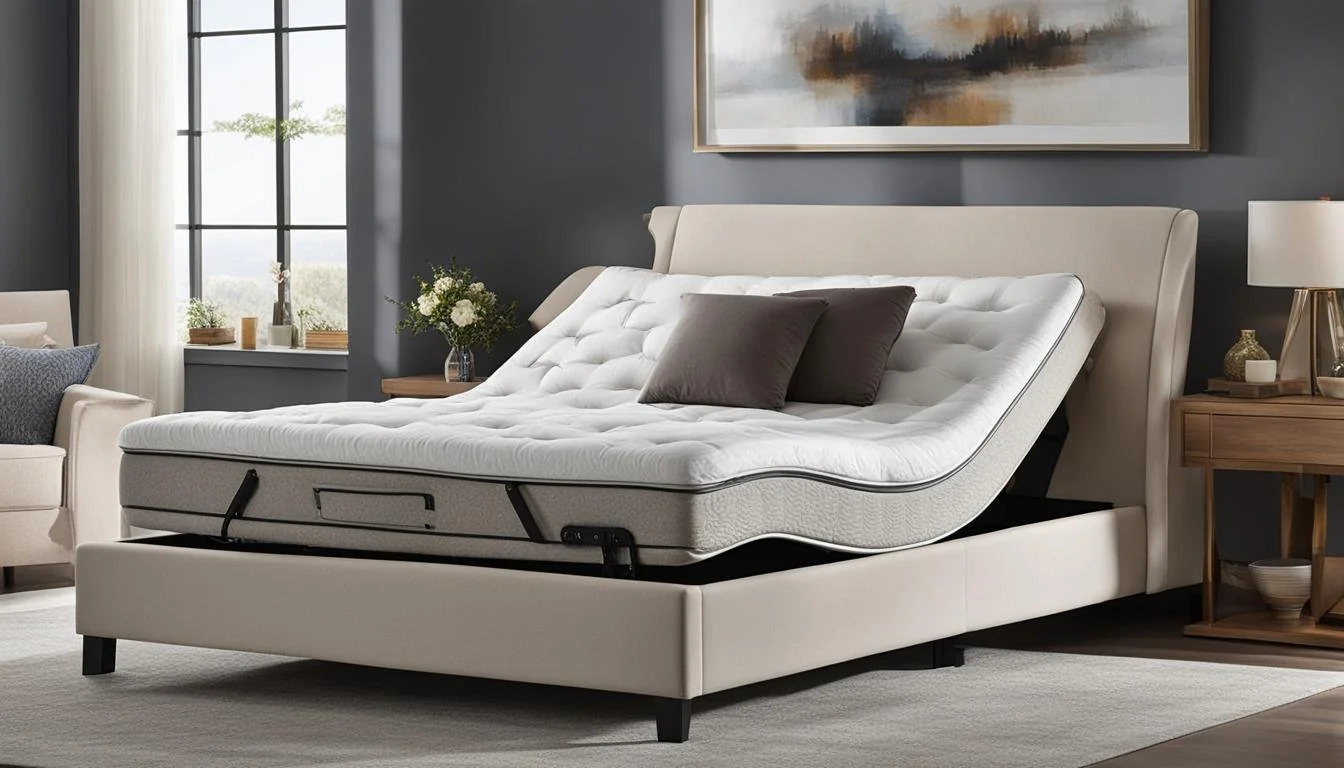
Adjustable Bed Bases, sometimes called adjustable frames or power bases, are innovative bed supports that allow you to raise or lower the head and foot sections of your mattress with just the push of a button or an app. The focus keyword, Adjustable Bed Bases, describes these smart foundations designed for all types of sleepers—side, back, or stomach—and can often be paired with most modern mattresses. Unlike a standard flat frame, adjustable bases offer dynamic positioning, making them a top choice for people with back pain, snoring, acid reflux, and those who simply want maximum comfort in bed.

Major Benefits of Adjustable Bed Bases

Choosing an Adjustable Bed Base can provide a surprising range of health and lifestyle benefits. From reducing snoring to easing chronic pain and offering a more luxurious bedtime routine, the potential advantages are impressive. Let’s break down the top benefits of adjustable bed bases using up-to-date sleep science and real user experiences.

1. Improved Sleep Quality

A leading reason people invest in adjustable bed bases is the opportunity to achieve truly restorative sleep. By elevating your head and/or feet, you can relieve pressure points and find the perfect position that works for your body. Many modern adjustable bed bases also feature memory presets and massage functions that help you wind down at night. According to the Sleep Foundation, sleeping with your upper body slightly elevated may dramatically improve conditions like acid reflux and sleep apnea, helping users wake up feeling more refreshed and pain-free.

This image shows Adjustable Bed Bases with smart features and easy controls.

2. Relief from Back Pain and Joint Discomfort

For those suffering from chronic back pain or stiffness, adjustable bed bases can make a huge difference. Elevating your knees or head can take pressure off your lower back and promote spinal alignment. Many orthopedic specialists recommend adjustable bases for individuals with arthritis, sciatica, or recovery from surgery. Brands like Tempur-Pedic Ergo Smart Base, Saatva Lineal, and Leggett & Platt Prodigy 2.0 are especially popular for back pain relief. Always consult your healthcare provider for tailored advice, but thousands of users have reported fewer aches and easier mornings after switching to an adjustable setup.

Looking for more solutions? Explore our mattress compatibility guide for adjustable beds.

3. Reduction in Snoring and Sleep Apnea Symptoms

Snoring and obstructive sleep apnea can disrupt not only your sleep, but also your partner’s. Adjustable Bed Bases let you elevate your upper body, keeping airways open and reducing the risk of nighttime breathing problems. Many advanced bases now come with “anti-snore” presets, and some even have sensors that automatically adjust your position when snoring is detected. According to Harvard Medical School, a slight incline of the torso can prevent airway collapse and help mitigate sleep apnea symptoms, making this feature a potential game-changer for millions.

For more on how sleep position impacts health, check out our adjustable beds guide.

4. Enhanced Comfort for Reading, Working, or TV

Adjustable Bed Bases aren’t just for sleeping! Enjoy reading, watching TV, or working in bed without straining your back, neck, or shoulders. By fine-tuning your position, you can get better lumbar support, ease tension, and stay comfortable for hours. Some high-end models also feature under-bed lighting, USB charging ports, and Bluetooth speakers for a truly modern bedroom experience. Models like the Reverie 9T, Purple PowerBase, and GhostBed Adjustable Base stand out for their tech-forward design and all-in-one functionality.

A couple enjoys Adjustable Bed Bases while relaxing and watching TV.

Curious how bed size influences comfort? Dive into our article on the future of adjustable beds.

Additional Features to Look For

  • Wireless remote and smartphone app controls
  • Programmable memory positions
  • Zero-gravity mode for pressure relief
  • Massage functionality with variable intensity
  • USB ports and smart home compatibility
  • Under-bed LED lighting for nighttime safety

Pros and Cons of Adjustable Bed Bases

ProsCons
Customizable sleep positions for comfort and pain reliefHigh initial cost (typically $500–$3,500+)
Improved breathing for snoring and sleep apneaHeavy and not easy to move
Supports back, joint, and circulation healthMay not fit all bed frames or headboards
Enhanced lifestyle with tech and massage featuresCan be noisy when adjusting; some require regular maintenance
Pairs well with smart home ecosystemsWarranty coverage may be limited

A quick comparison of pros and cons for Adjustable Bed Bases.

Looking for smart alternatives? Discover how adjustable bed technology is revolutionizing sleep.

Are Adjustable Bed Bases Worth the Cost?

The price of adjustable bed bases ranges from $500 for entry-level models up to $3,500+ for premium smart bases. While the upfront investment is higher than a standard frame, many users find the improved sleep quality, pain relief, and versatility to be more than worth the cost—especially for those with chronic health concerns. Consider your needs, budget, and how often you’ll use the features. If you primarily want simple support and don’t experience pain or sleep issues, a traditional frame may suffice. But for anyone seeking true sleep customization and long-term health benefits, adjustable bed bases offer compelling value.

For more tips on maintaining your sleep environment, see how to keep your mattress fresh and clean and space-saving bed frame solutions.

Adjustable Bed Bases represent a smart investment for anyone who values comfort, health, and convenience in the bedroom. By supporting better posture, breathing, and relaxation, these high-tech bases are helping people sleep—and live—better than ever. If you’re ready to elevate your rest, adjustable bed bases could be the upgrade your nightly routine needs.

FAQ

Are adjustable bed bases compatible with all mattresses?

Most modern foam, latex, and hybrid mattresses work well with adjustable bed bases. Traditional innerspring mattresses may not be as flexible, so check with your mattress manufacturer to confirm compatibility.

Can adjustable bed bases help with acid reflux or snoring?

Yes, elevating the upper body with an adjustable base can reduce acid reflux and ease snoring or sleep apnea by keeping airways open while you sleep.

How long do adjustable bed bases last?

Most adjustable bed bases last 8–15 years, depending on build quality and usage. Regular maintenance, like tightening bolts and keeping electronics clean, can extend their lifespan.

Are adjustable bed bases noisy?

Most modern adjustable bed bases are designed to operate quietly, but some noise may occur when adjusting. Higher-end models tend to be quieter due to improved motors and construction.

Do I need special sheets or bedding for an adjustable bed base?

Standard fitted sheets usually work, but deep-pocket sheets or those with extra elastic corners may stay in place better when the bed is adjusted.

Learn more about eco-friendly bedding choices for adjustable bed bases and how to organize your sleep space for relaxation.

Related reading from Cozy Bed Quarters

Other reading we found popular