Eco Friendly Bed Frame: Sizes, Weight Limits and What to Check

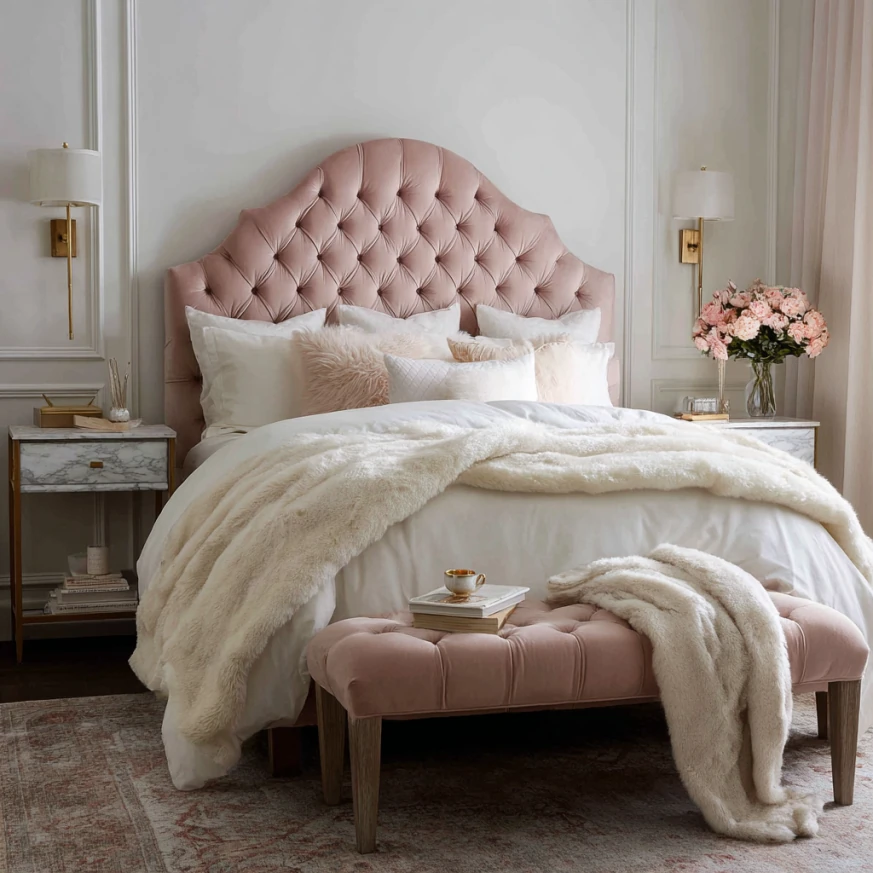
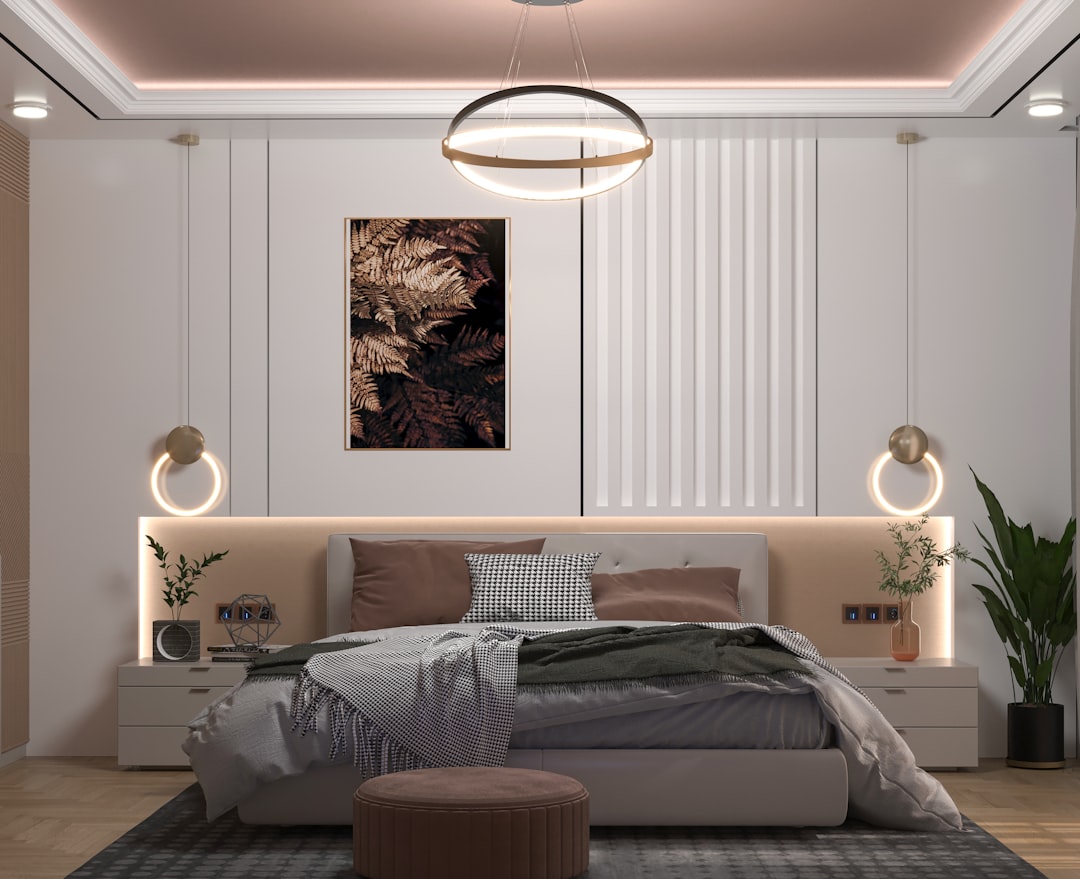
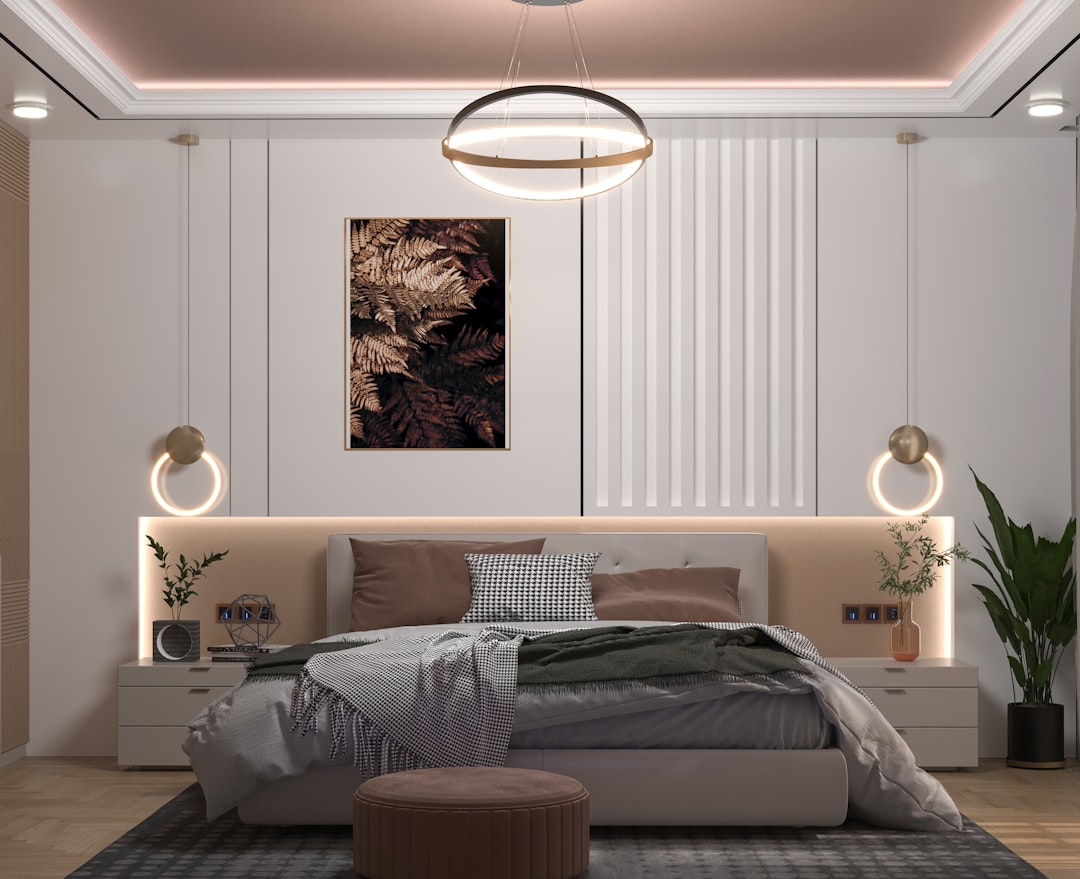
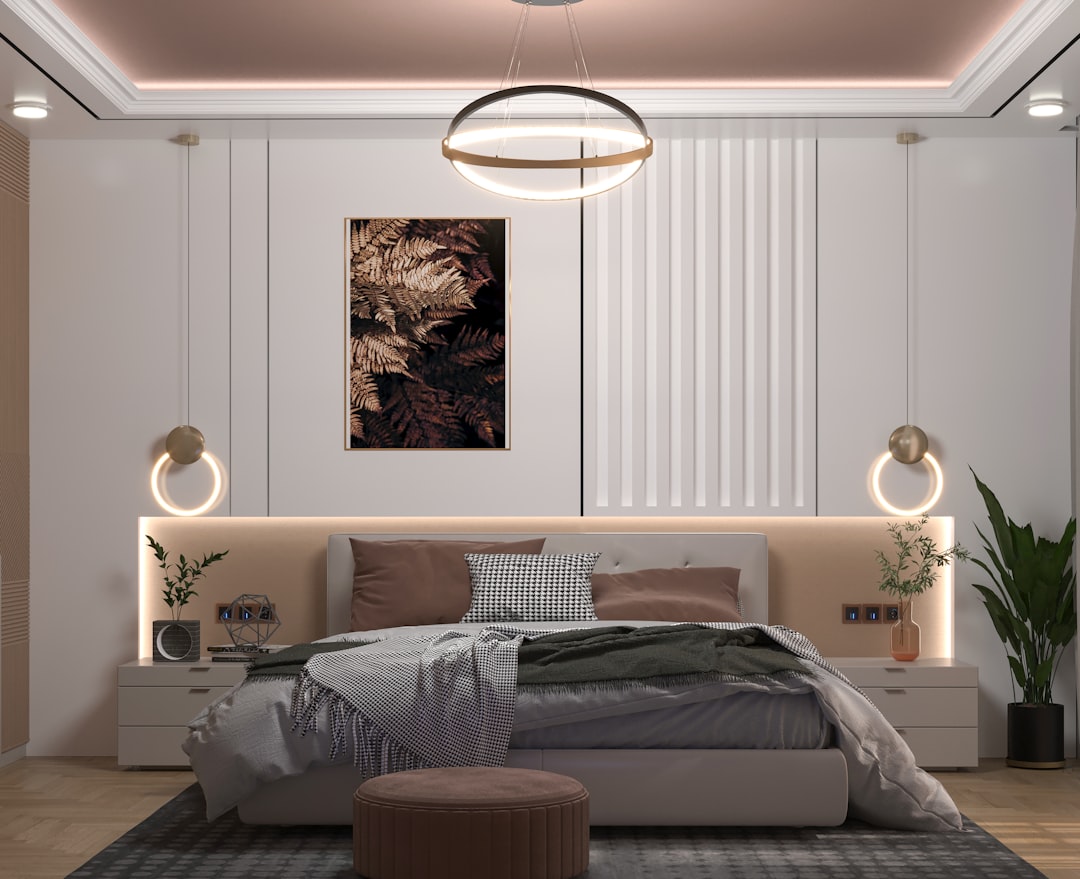
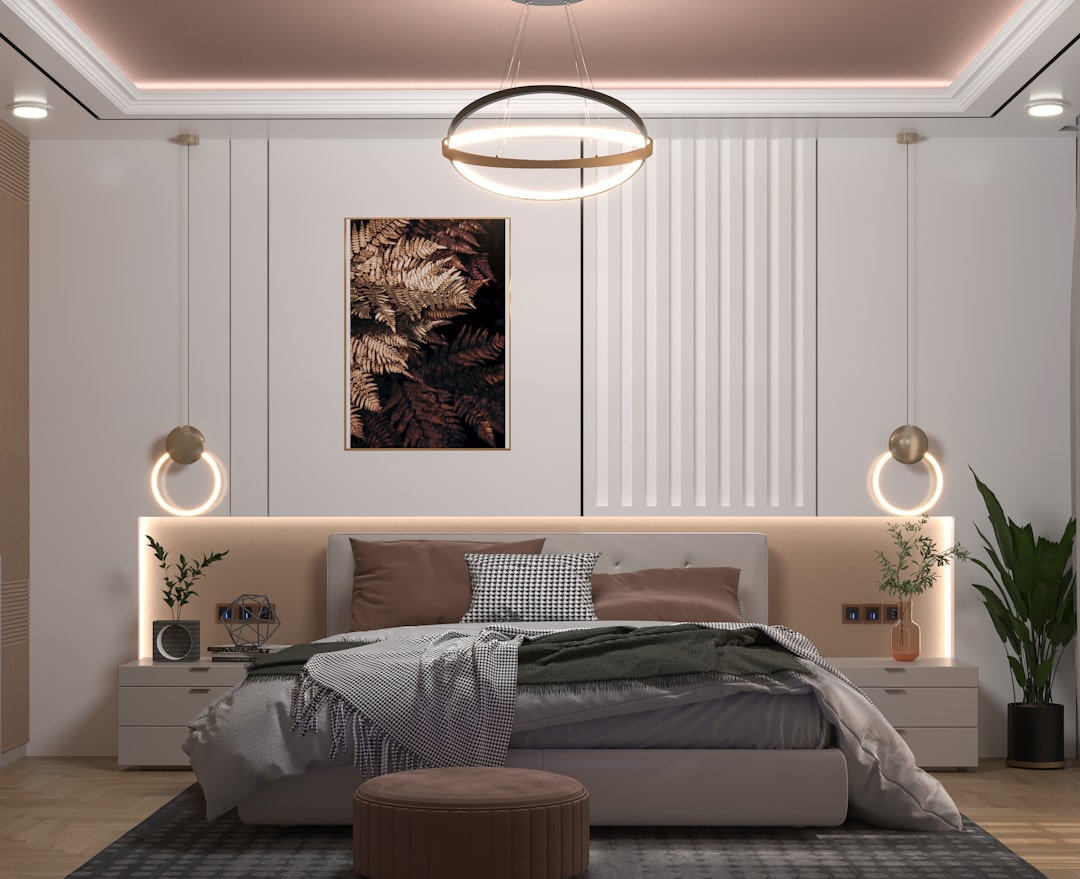
Eco friendly bed frame made of reclaimed wood in a cozy, sunlit bedroom with sustainable decor.

An eco friendly bed frame is one you can trace and repair: solid or reclaimed wood carrying an FSC chain-of-custody claim, recycled-content steel, or bamboo, finished with low-emission coatings and joined so parts can be replaced instead of thrown out. If you want one shortcut, look for two things on the spec sheet: solid wood (not particleboard or MDF) and a third-party emissions certification such as GREENGUARD Gold. The rest of this page is about making it fit your room, your mattress and your body weight.

What Makes an Eco Friendly Bed Frame Actually Eco Friendly

Four claims on an eco friendly bed frame listing are worth checking, and only four. The rest is marketing.

  • Where the wood came from. FSC chain-of-custody certification tracks material from forest to finished shelf through an unbroken chain, and a product can only be labeled FSC-certified when every company along that chain is certified too. A brand saying “sustainably sourced” with no certificate number is telling you nothing verifiable.
  • What’s inside the panels. Hardwood plywood, MDF and particleboard sold in the US must meet EPA formaldehyde emission standards under TSCA Title VI, and since March 2019 those products and finished goods containing them have had to be labeled as compliant. Compliant is the legal floor, not a green badge.
  • What it off-gasses. UL’s GREENGUARD program caps total VOC emissions at 500 µg/m³; GREENGUARD Gold tightens that to 220 µg/m³ and adds health-based limits across more than 360 individual VOCs. There’s a third tier, Formaldehyde-Free, which meets Gold limits plus a very low formaldehyde emission factor.
  • Whether it can be fixed. Bolt-together and joinery-based frames can be tightened, re-slatted and moved. Frames glued around cam-lock fittings in particleboard usually cannot survive two moves.

Honest caveat: none of these certifications measures carbon footprint. FSC covers forest management, GREENGUARD covers indoor air. A frame can hold both and still ship 8,000 miles. If that matters to you, buy from a maker who states where the frame was built.
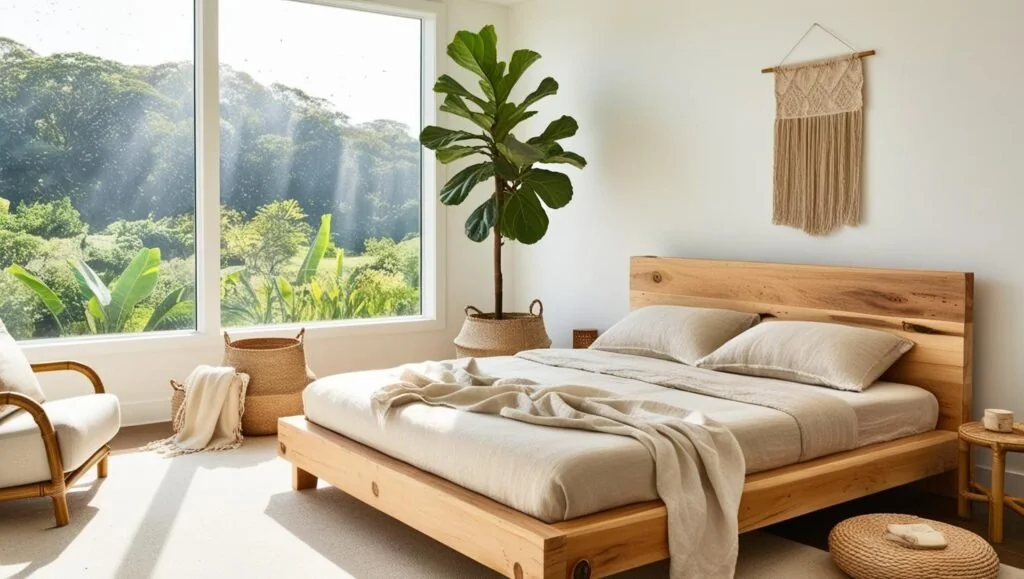
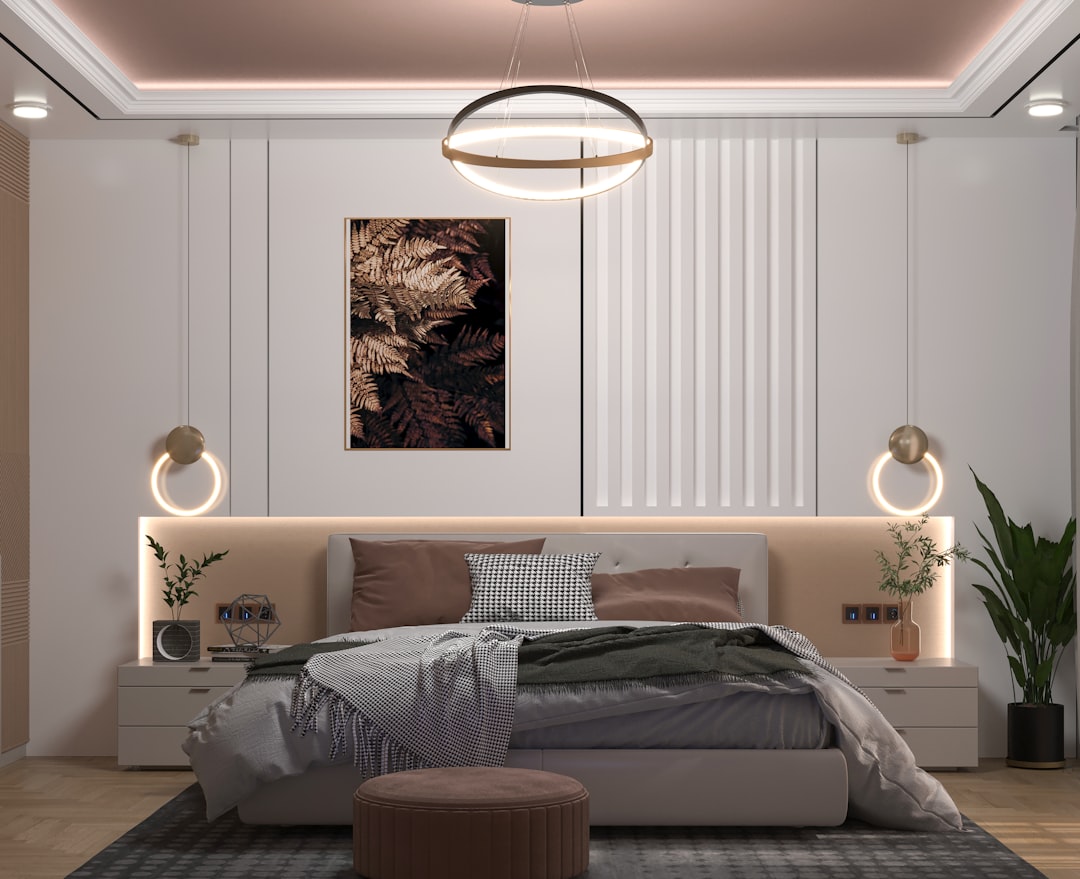
Eco friendly bed frame in reclaimed wood with low platform and visible grain in a sunlit bedroom

Materials Compared: Hardwood, Reclaimed, Bamboo, Recycled Steel

Every eco friendly bed frame material trades something away. Pick the compromise you can live with, not the one with the best story.

Material What you gain What you give up Noise risk End of life Best for
Solid hardwood (FSC oak, maple, walnut, ash) Highest published load ratings; joints re-tighten; surface repairable Heaviest to carry; priciest tier; needs a certificate number to mean anything Low if joinery is tight Repairable for decades, then compostable or resellable Couples, heavier sleepers, anyone keeping the frame 15+ years
Reclaimed timber No new tree felled; grain and nail holes you can’t fake Supply is inconsistent, so sizes and finishes are limited; “reclaimed” is an unregulated word Low Already a second life; still repairable People who want character and don’t need a matching set
Bamboo (laminated strand or ply) Grass, not timber, so regrowth is fast; light to move It’s laminated, so the adhesive matters more than the bamboo; ask for emissions data Low to medium Recyclable only as wood waste; glue lines complicate it Smaller rooms, renters, light to average combined weight
Recycled-content steel Steel is recycled endlessly without losing strength; slim profile saves floor space Squeaks are the number one complaint; bolts loosen; cold, hard look High unless bolts are washered and re-torqued Genuinely recyclable at any scrap yard Budget buyers, frequent movers, humid climates
Engineered board (MDF, particleboard) with veneer Cheapest; uses mill residue Sags, strips out at the fittings, rarely survives disassembly Medium, and gets worse Landfill in most areas Short-term or guest-room use only

Where the evidence is thin: lifespan. You’ll see “20 to 30 years” quoted everywhere for solid wood, and nobody has run that test. The only lifespan number anyone commits to in writing is the warranty — read it, and check whether frame, slats and hardware are covered separately. Our wood vs metal bed frame comparison goes further on finish and maintenance.

What about cardboard and other low-impact oddities?

Honeycomb cardboard frames are real, low-carbon and fine for a spare room or student let. They’re also humidity-sensitive and unforgiving if you sit on one edge. Strength numbers and catches are in our cardboard bed frame guide.

Sizes and Dimensions: Mattress, Frame and Room

An eco friendly bed frame is sold by mattress size, but the frame itself is bigger, and that difference is what wrecks a layout. Start with mattress dimensions, then find the frame’s exterior dimensions in the spec table, then check the room.

Size Mattress (inches) Mattress (cm) Room minimum Realistically suits
Twin 38 x 75 96.5 x 190.5 7 x 10 ft (2.1 x 3.0 m) One child or a compact guest room
Twin XL 38 x 80 96.5 x 203 7 x 10 ft (2.1 x 3.0 m) Adults over 6 ft sleeping solo
Full 54 x 75 137 x 190.5 9 x 10 ft (2.7 x 3.0 m) One adult who sprawls; tight for two
Queen 60 x 80 152.5 x 203 10 x 10 ft (3.0 x 3.0 m) Most couples; the default size
King 76 x 80 193 x 203 12 x 10 ft (3.7 x 3.0 m) Couples with kids or dogs in the bed
California King 72 x 84 183 x 213.5 12 x 12 ft (3.7 x 3.7 m) Tall sleepers; narrower but 4 in longer than king

Two things people get wrong. Twin, full and queen are all 75 to 80 in long, so going full to queen buys width, not legroom. And a California king is narrower than a king by 4 in (10 cm); it only wins on length.

Clearance and walkway numbers

  • Beside the bed: allow at least 24 in (61 cm) of clear floor on each side you walk down. Thirty inches (76 cm) is where a nightstand plus a person stops feeling like a squeeze.
  • At the foot: the same 24 in (61 cm) minimum if the room’s main path runs past the end of the bed.
  • Against a wall: one side can go to zero for a solo sleeper, but making a bed jammed into a corner is miserable. Leave 12 in (30 cm) if you can.
  • Door swing: check the arc of the bedroom and closet doors before you commit to a king.
  • Under the bed: Thuma publishes 9 in (23 cm) of clearance under The Bed, which swallows flat under-bed bins but not tall tubs. If storage is the point, measure your boxes first and shop by clearance, not looks.

Will it fit through the door and up the stairs?

Flat-pack eco frames usually arrive in cartons close to the length of the longest rail, which for a queen or king means a box in the 80 in (203 cm) region. Measure three things: the narrowest doorway on the route, the diagonal of any stair turn or landing, and ceiling height above the stairs. Interior bedroom doors are commonly around 30 to 32 in (76 to 81 cm) wide, so width is rarely the problem; the half-landing turn usually is. Frames that break down into rails, slats and legs without glue are the ones that survive apartment stairwells, which is one practical reason to favor a knock-down eco friendly bed frame over a welded or glued one.

Weight Limits, Slats and Center Support

This is the number most eco friendly bed frame listings bury. Published capacity is the total load — both sleepers plus the mattress, and mattresses are not light. A king latex or hybrid can clear 100 lb (45 kg) on its own.

  • Thuma’s The Bed is published at a weight capacity of 1,500 lb (about 680 kg) and up, with slats spaced just under 3 in (7.6 cm) apart.
  • Avocado states its frames are built from solid North American hardwoods with traditional joinery rather than engineered wood or glued composites, and says even its lightest-duty frame supports 900 lb (about 408 kg); its low-profile City Bed Frame is listed at 1,000 lb (454 kg) and GREENGUARD Gold certified.
  • Center support: at queen and larger, you want a center rail with at least one leg reaching the floor. Several mattress makers require it for the warranty to stand, and Avocado’s guidance for third-party bases is five to six legs including a center leg at queen, king and Cal king.

Slat spacing and your mattress warranty

All-foam and latex mattresses need slats no more than about 3 in (7.6 cm) apart, which matches what Thuma specifies. Wider gaps let foam bulge between the slats, which shows up as body impressions and is the classic reason a sag claim gets refused. If your frame has 5 in gaps, a sheet of bed slat conversion boards or a bunkie board fixes it for very little money and no new frame.

Metal frames need a warning: capacity is usually fine, noise is not. Bolted steel joints work loose as the frame flexes, and that’s where squeaks start. Our guide to stopping a metal bed frame from squeaking covers the washer-and-torque fixes before you spend anything.
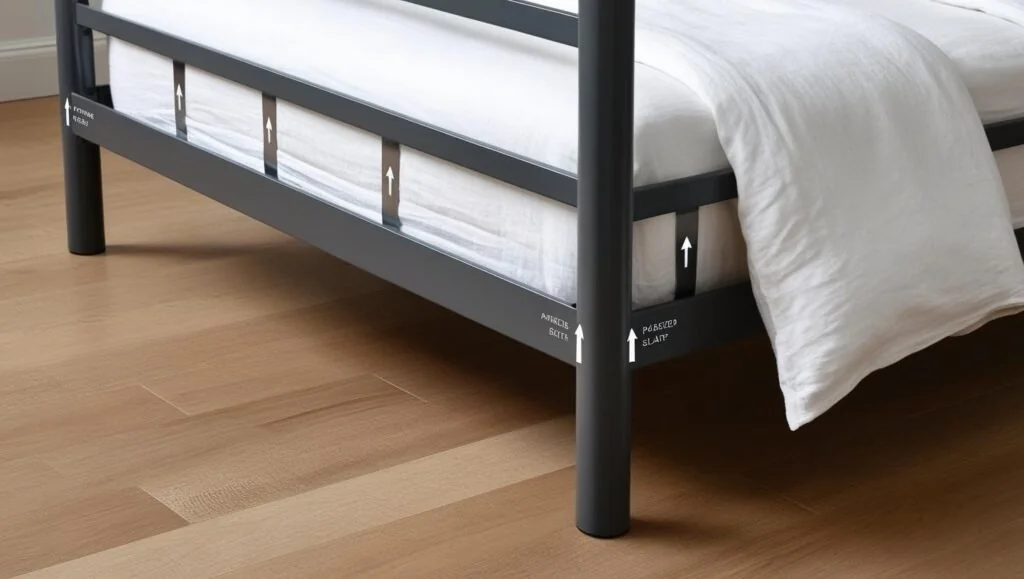
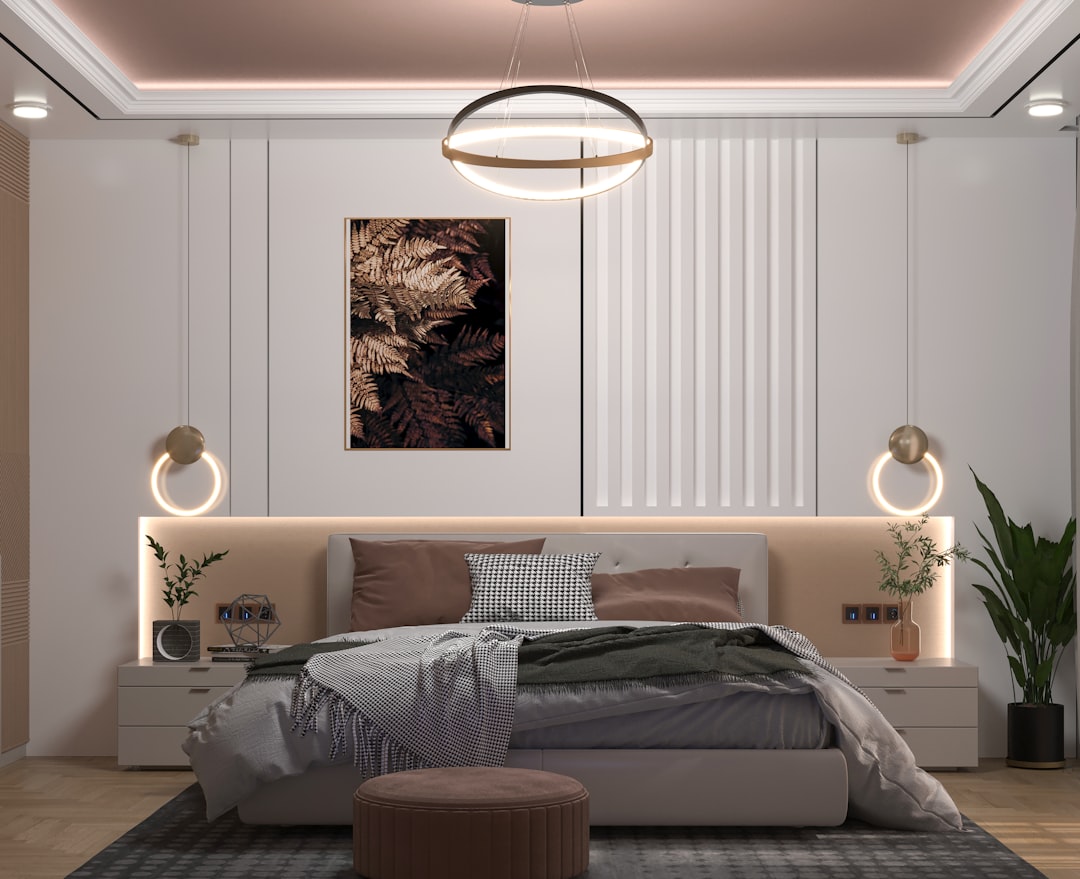
Reclaimed wood bed frame rails and slats spaced under three inches apart for foam mattress support

Certifications Decoded (and Which Ones Are Just Noise)

FSC

Forest Stewardship Council chain-of-custody certification verifies that certified material is identified and kept separate from ineligible material all the way from the forest to the market. Ask for the certificate code. A retailer who can’t produce one is selling you a vibe. Read the standard directly at FSC’s chain of custody page.

GREENGUARD and GREENGUARD Gold

UL’s program tests finished products in chambers for chemical emissions. Standard certification allows total VOC emissions of 500 µg/m³; Gold allows 220 µg/m³ and applies health-based limits for over 360 VOCs, which is why it’s the tier aimed at nurseries, schools and healthcare settings. GREENGUARD-certified furniture also complies with the BIFMA X7.1 standard, and the criteria have underpinned the LEED credit for low-emitting furniture since 2002.

TSCA Title VI / CARB Phase 2

This is a legal requirement in the US, not a green upgrade. Since March 2019, composite wood products and finished goods containing them must be labeled TSCA Title VI compliant. Useful to check on cheap frames; meaningless as a selling point on a solid wood one. The background is on the EPA’s formaldehyde standards page.

OEKO-TEX

Relevant to upholstered headboards, webbing and any fabric on the frame. Irrelevant to bare wood or steel. Don’t let it stand in for an emissions test on the frame itself.

What’s noise

“Eco-conscious”, “green materials”, “responsibly made”, “natural finish” and leaf icons are unregulated. So is “non-toxic” — there is no test behind the phrase. Treat it as a prompt to ask which finish was used, not as an answer.

Finishes, Glues and Off-Gassing

The frame is mostly inert; the coating is what you breathe. Water-based polyurethane, hardwax oil and plant-oil blends cure with far less solvent than traditional oil-based lacquer. Even a low-VOC finish smells for a while, so unbox and air a new frame for two or three days with a window cracked before the mattress goes on, especially in a nursery.

Oiled finishes are repairable — spot-sand and re-oil a ring mark, which you can’t do with factory lacquer. And on a cushioned headboard, ask what the foam is; a certified hardwood frame with a mystery-foam headboard has moved the problem, not solved it. If you’re rebuilding the whole setup, pair the frame with one of the eco-friendly organic mattress brands rather than dropping a conventional mattress onto a certified base.

Matching Bedding, Mattress Height and Sheets

Sheets are sized to the mattress, never the frame, so a queen takes queen sheets however chunky the rails are. Two fit details matter:

  • Pocket depth. Measure mattress height. Standard fitted sheets handle roughly 12 to 14 in (30 to 36 cm); deep-pocket versions reach about 18 in (46 cm). A tall hybrid plus a topper needs the deep version or the corners pop off nightly.
  • Drop length. On a platform frame 9 to 13 in (23 to 33 cm) tall, an oversized duvet pools on the floor. Size the duvet to the mattress and skip the bed skirt.

If you’re buying new sheets at the same time, the fiber choice matters more for comfort than for footprint — a bamboo vs cotton comparison covers how those two behave after twenty washes.

What to Measure Before You Buy

  1. Room: wall-to-wall length and width, then mark the frame’s exterior footprint on the floor with painter’s tape. Live with the tape for a day.
  2. Walkways: confirm 24 in (61 cm) minimum on every side you use.
  3. Delivery route: narrowest door, stair turn diagonal, elevator depth, ceiling height over the stairs.
  4. Mattress: length, width and height, plus its own weight if it’s latex or a hybrid.
  5. Under-bed: the height of the storage bins or vacuum head you actually own.
  6. Headboard clearance: distance from floor to window sill, radiator or wall-mounted outlet, so a 35 in (89 cm) headboard doesn’t block them.
  7. Total load: both sleepers plus the mattress, compared against the published capacity.

What an Eco Friendly Bed Frame Costs

No dollar figures here: eco friendly bed frame prices move with hardwood costs and constant promo cycles, and a number I can’t verify today is worse than none. What’s stable is the ranking — certified solid-hardwood frames from small North American workshops at the top, upcycled-rubberwood and bamboo platforms in the middle, recycled steel well below both. Read what’s excluded, too. Slats, center rails and headboards are often separate line items, which is how a mid-priced frame becomes a top-tier one at checkout.

The cheapest low-impact option nobody advertises is reuse: a second-hand solid wood frame plus new hardware beats any new purchase on footprint. Check joints for movement, look for woodworm holes, budget for new bolts.

Who Each Option Suits — and Who Should Skip It

  • Solid FSC or reclaimed hardwood: right if you’re staying put, sleep two and want one frame for 15 years. Wrong if you move yearly — repeated disassembly wears joinery.
  • Bamboo: right for light weight and small rooms. Wrong if nobody will say what adhesive holds the laminate together.
  • Recycled steel: right for tight budgets if you accept maintenance. Wrong if you or your partner wake at the slightest noise.
  • Tool-free joinery: right if stairwells and future moves are in your life. Wrong if you need a non-standard size.
  • Skip anything that won’t publish weight capacity, slat spacing and exterior dimensions. That silence is the review.
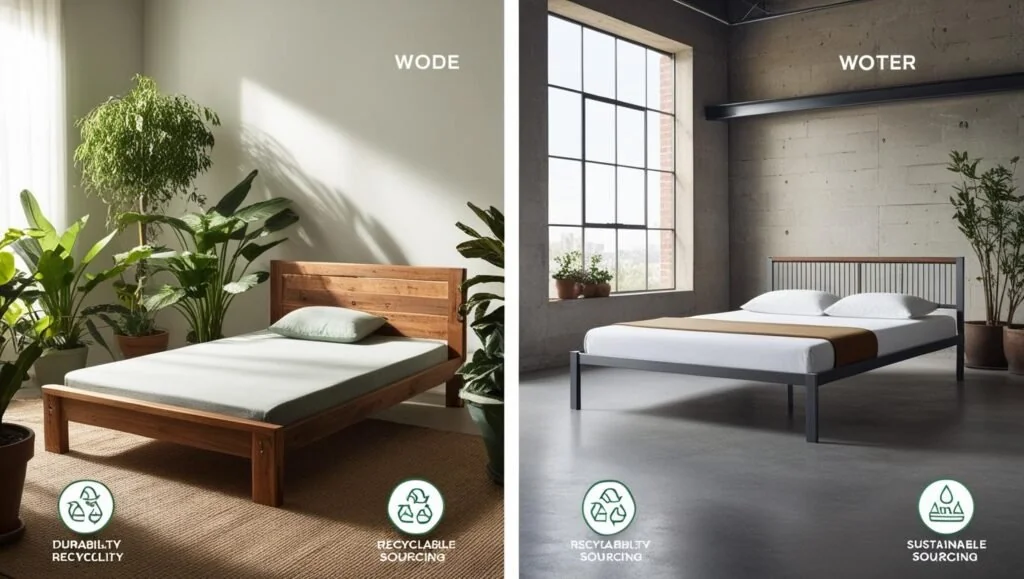
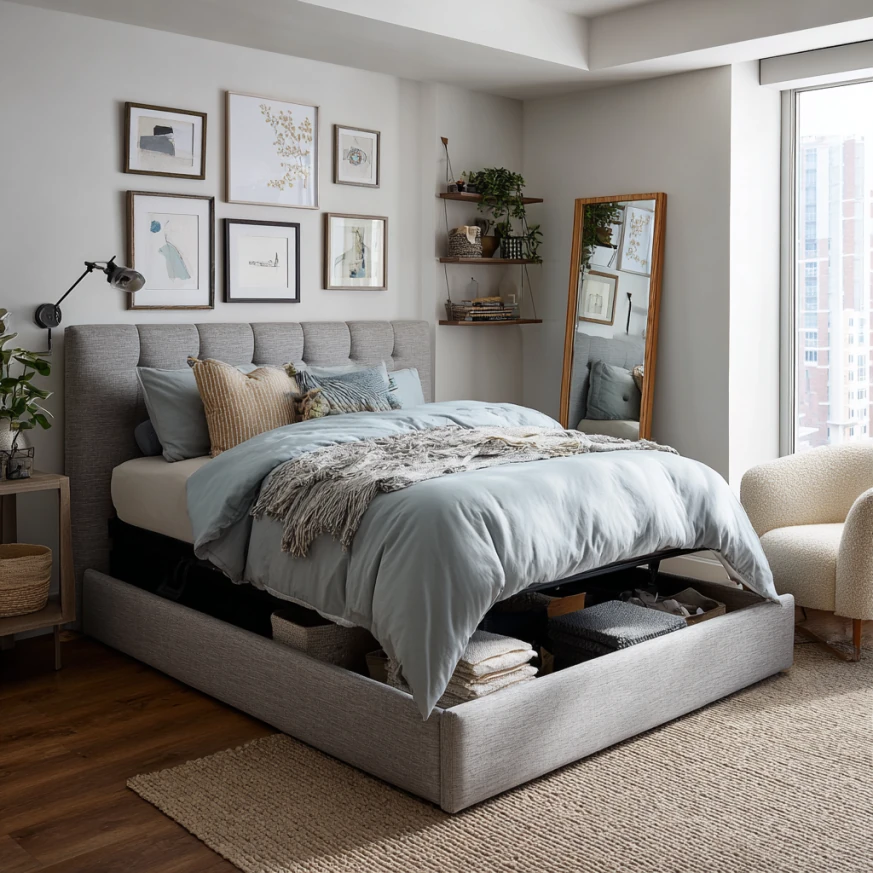
Side-by-side wood and recycled metal eco friendly bed frame styles showing profile height differences

FAQ

Is bamboo really better than FSC hardwood?

Not automatically. Bamboo regrows in a few years versus decades for hardwood, which is a genuine advantage, but a bamboo frame is laminated strips held together with adhesive, and that adhesive is the part with an emissions profile. An FSC-certified hardwood frame with a hardwax oil finish is the safer bet on indoor air; bamboo wins on renewability and weight.

Do I need a box spring with a platform eco friendly bed frame?

No. A slatted platform with gaps of about 3 in (7.6 cm) or less is a complete support system for foam, latex and hybrid mattresses. Adding a box spring on top just raises the bed by 8 to 9 in (20 to 23 cm) and makes getting in and out awkward.

Will a new frame void my mattress warranty?

It can. Most warranties specify maximum slat spacing and require a center support with a leg to the floor at queen and larger — Avocado, for example, asks for five to six legs including a center leg on third-party bases. Photograph your assembled frame before the mattress goes on; it’s the evidence you’ll need if you ever claim.

What does GREENGUARD Gold actually test?

Chemical emissions from the finished product in a test chamber. Gold caps total VOCs at 220 µg/m³ against 500 µg/m³ for standard certification, and adds health-based limits for more than 360 individual compounds. It says nothing about forestry, labour or carbon.

How do I dispose of my old frame responsibly?

Steel goes to any scrap yard and recycles without losing strength. Solid wood can be resold, donated to a reuse charity or cut down for other projects. Particleboard and MDF are the hard case — many municipal programs won’t take them because of the resins, so check your local waste authority first.

Is “non-toxic finish” a regulated claim?

No. There is no standard behind the phrase. Ask which product was used — water-based polyurethane, hardwax oil, plant-oil blend — and whether the finished frame carries an emissions certification. A brand that can answer both questions in writing is the one to trust.

If you want the shorter shortlist version of all this, our sustainable bed frames guide covers the picks; this page is the spec sheet behind them.

Updated September 2026.

Sustainable Bed Frames: What to Check Before You Buy (and What to Skip)

Cozy bedroom with sustainable wooden bed frame, organic bedding, and woman sipping tea in morning light.

Sustainable bed frames are built from responsibly harvested or reclaimed wood, recycled metal, or fast-growing bamboo, finished with low-emission coatings, and put together so you can repair them instead of replacing them. The greenest frame is almost always the one that outlives three cheap ones, so joinery and hardware matter as much as the material label. Look for a real certification code, solid slats no more than about three inches apart, and bolts you can tighten with a wrench.

What actually makes a bed frame sustainable

Four things, in rough order of importance:

  • Where the material came from. Certified or reclaimed wood, recycled steel, or bamboo instead of virgin timber of unknown origin.
  • What’s holding it together. Panel products bonded with formaldehyde resins off-gas; solid wood joined with mechanical fasteners doesn’t have much to release.
  • What’s on the surface. Water-based or hardwax-oil finishes release far less than conventional solvent-heavy lacquers.
  • How long it survives. A frame you can take apart, move, tighten and refinish keeps working for decades. A frame with stripped cam locks and swollen fiberboard is landfill in five years.

Packaging and shipping distance count too, but they’re rounding errors next to a frame that has to be replaced twice.

Bedroom with a solid wood platform bed showing how sustainable bed frames use low-emission finishes

Materials compared: wood, bamboo, metal and the stuff to avoid

Material Why it works Watch out for
Solid hardwood (oak, maple, ash, walnut) Heavy, stiff, takes screws repeatedly, can be sanded and refinished many times Price; unverified sourcing; “hardwood solids” that turn out to be thin rails with panel infill
Reclaimed wood No new trees felled, dense old-growth timber, character you can’t fake Old lead paint or wood preservatives on salvage from pre-1978 buildings; ask what was stripped and sealed
Bamboo (grass, not timber) Regrows in a few years, strong laminated panels, light to move Adhesive-heavy laminations; check the glue and finish, and whether it’s bamboo throughout or a veneer
Recycled or recyclable steel Very long service life, no off-gassing, fully recyclable at end of life Powder coating quality; thin tube gauge that flexes and squeaks; welds vs. bolted joints
Plywood (marine or Baltic-style, thick ply) Dimensionally stable, strong for slats and panels, efficient use of a log Resin type; ask for a low-emission spec, not just “eco plywood”
Particleboard and MDF Cheap, flat, easy to ship Swells permanently if it ever gets damp, fasteners strip, rarely worth repairing

Engineered panels aren’t automatically toxic. Composite wood sold in the US has to meet federal formaldehyde limits under TSCA Title VI: EPA sets caps of 0.05 ppm for hardwood plywood, 0.09 ppm for particleboard and 0.11 ppm for MDF (0.13 ppm for thin MDF), the same limits California adopted. The durability argument against fiberboard is stronger than the chemistry one.

Certifications worth checking on sustainable bed frames

FSC labels aren’t all the same

The Forest Stewardship Council uses three on-product labels, and the difference matters when you’re comparing sustainable bed frames. FSC 100% means every fiber came from FSC-certified forests, FSC Recycled means 100% recycled fiber, and FSC Mix blends certified, recycled and “controlled” wood. A legitimate claim comes with a licence code that looks like FSC-C123456. If a listing just says “FSC wood” with no code, email and ask for it.

GREENGUARD Gold

This one is about what the finished piece emits into your bedroom air. The Gold tier applies stricter limits than standard GREENGUARD and is built around sensitive users like children and the elderly, which is why it shows up on nursery furniture. It’s a chamber test of the product, not a claim about forests, so it answers a different question than FSC does.

Certifications that don’t apply

CertiPUR-US and GOTS get quoted on bed frame pages constantly, and neither covers frames. CertiPUR-US is a foam program; GOTS is for textiles. If a frame page leans on those badges, it’s borrowing credibility from the mattress aisle.

Close-up of FSC-certified solid wood joinery and slats on a bed frame

The 10-minute pre-purchase check

Run through this before you click buy. It filters out most disappointments.

  1. Joinery. Mortise-and-tenon, dowelled, or bolted metal-to-metal beats staples and cam locks. Bed rails should attach with steel hardware (barrel nuts, hook plates or through-bolts), not particleboard dowels.
  2. Slat spacing and thickness. Plenty of foam, latex and hybrid warranties require gaps of roughly three inches or less. Slats under about half an inch thick bow; look for solid wood or thick plywood slats that are screwed or webbed in place, not loose.
  3. Centre support. Any queen or king frame needs a centre rail with at least one, usually two, legs to the floor. No centre leg on a king is a sagging mattress waiting to happen.
  4. Stated weight capacity. Look for a number that covers two sleepers plus the mattress. A latex or thick hybrid queen mattress alone can run well over 100 lb.
  5. Replacement parts. Can you buy a single slat, one bolt kit, one rail? Brands that sell spares expect the frame to last.
  6. Finish disclosure. “Natural finish” means nothing. You want water-based lacquer, hardwax oil, plant oil/wax, or bare wood.
  7. Real dimensions. Outside footprint, not mattress size. US mattresses run twin 38×75 in, full 54×75, queen 60×80, king 76×80, California king 72×84 — a frame usually adds 2 to 5 inches per side, more with a thick headboard.
  8. Under-bed clearance. Measure your storage bins before you fall for a low platform. Around 11 to 13 inches of clearance fits most rolling underbed boxes; 7 inches fits almost nothing.
  9. Assembly method. Flat-pack isn’t the enemy — flat-pack that can only be assembled once is. Frames designed to be taken apart repeatedly survive moves.
  10. Warranty length and what it covers. Frame structure for 10+ years is a signal. One year is a signal too.

Cost: what you actually pay over time

Most sustainable bed frames cost more on day one, especially solid hardwood and recycled steel. The maths only works out if you keep it, so the honest comparison is cost per year of use, not sticker price. A frame you keep for 20 years at a higher upfront price beats four flat-pack replacements plus four trips to the kerb.

Cheaper routes to the same outcome:

  • Secondhand solid wood. Estate sales, restore shops and marketplace listings are full of hardwood frames. Check rails and hardware, then sand and oil.
  • Unfinished furniture. Buying raw and applying your own hardwax oil skips factory coatings entirely and costs less.
  • Platform instead of bed plus box spring. One purchase, less material, and most modern mattresses are designed for a slatted platform anyway.
  • Repair first. A wobbly frame is usually loose bolts, a missing slat, or a stripped hole that a dowel and glue will fix in an afternoon.

If storage is driving the upgrade, compare designs before you commit — our roundup of king-size bed frames with storage covers drawer and lift-up layouts and the clearance each one needs.

Greenwashing red flags

  • “Eco wood,” “sustainable materials,” or “responsibly sourced” with no certification code or species named.
  • Bamboo or walnut described as a “finish” — that’s veneer over a core, and the core is what matters.
  • Carbon claims with no scope or verifier attached.
  • “Non-toxic” with no emissions testing named.
  • A five-year frame sold as the planet-friendly option. Longevity is the whole argument for sustainable bed frames.

When the frame arrives

Even the low-emission finishes used on sustainable bed frames have a smell for the first few days. Unbox in a garage or spare room if you can, wipe surfaces with a damp cloth, and run a window open with cross ventilation for two or three days. Any smell that’s still strong after a couple of weeks is worth raising with the seller. The same airing-out approach applies to whatever you put on top of it — see how to reduce mattress off-gassing.

Then tighten every bolt after a week, and again after a month. Wood moves as it acclimatises, and most “this frame squeaks” complaints are loose hardware.

Building the rest of the bed around it

A frame is the part you’ll keep longest, so it’s a sensible starting point. After that, the two choices with the biggest effect on air quality and comfort are the mattress and the bedding. Organic cotton, linen and hemp sheets are the straightforward swaps — the trade-offs between them are covered in our guide to sustainable bedding materials, and there’s a wider list of swaps in sustainable sleep products for an eco-friendly bedroom.

Want specific frame styles rather than criteria? Our sustainable bed frames guide walks through eco-friendly picks by design.

FAQ

What’s the most sustainable bed frame material?

Reclaimed solid wood, because no new tree is cut and the timber is usually denser than what’s harvested today. Certified solid hardwood and recycled steel come next. Bamboo is renewable and fine, but check the adhesives in laminated panels.

Do sustainable bed frames off-gas?

Solid wood with an oil or water-based finish releases very little, and mostly in the first few days. Frames built from composite panels release more, though panels sold in the US have to meet federal formaldehyde limits. Ventilation for the first week handles most of it.

How long should a good frame last?

Solid wood and steel frames with bolted joints routinely stay in service for decades and can be repaired when something loosens. Fiberboard frames with cam-lock hardware usually don’t survive more than a move or two.

Is a platform bed better than a bed frame with a box spring?

For most modern foam, latex and hybrid mattresses, yes — less material, one purchase instead of two, and the slatted deck gives the airflow those mattresses want. Traditional innersprings are the exception and may still want a foundation. Our overview of mattress types explains which pairs with what.

Can I use my old mattress on a new slatted frame?

Usually, as long as slat gaps meet your mattress warranty (commonly three inches or less) and the frame has centre support in queen and king sizes. A sagging older mattress won’t be rescued by a new frame, though.

Is metal or wood greener?

Steel takes a lot of energy to make but is endlessly recyclable and effectively never wears out; certified or reclaimed wood stores carbon and is renewable. Either beats a frame you throw away in five years, which is the real comparison.

Updated September 2026.
Bedding Ceremony: History, Traditions & Modern Meaning

Bedding Ceremony

A bedding ceremony was the wedding custom of escorting newlyweds to their marriage bed in front of witnesses — usually family, friends and neighbours — so the community could see the marriage carried through to its final stage. It was practised across much of Europe from the early Middle Ages into the eighteenth century, and in parts of the Baltic region into the nineteenth, in forms that ranged from a quiet priestly blessing of the bed to a noisy procession with music, wine and thrown stockings. It existed because marriage was treated as a public contract as much as a private bond: witnesses helped secure legitimacy, inheritance and alliance, while a blessing asked God’s favour on the couple’s new household.

One correction up front, because it shapes everything below: in most times and places the crowd did not stay to watch. The usual pattern was symbolic — the couple were placed in the same bed, the bed was blessed, the curtains were drawn, and the guests left. Every article in our bedding-ceremony series is linked further down this page.

Key Takeaways: The Bedding Ceremony

  • Definition: putting the newlywed couple into the marital bed before witnesses, to establish that the marriage had been completed.
  • Purpose: proof, blessing and community witness — legitimacy, inheritance and alliance depended on a marriage being unquestionable.
  • Reality check: the ritual was usually symbolic; witnessed consummation is reported, but it was the exception, not the rule.
  • Legal weight varied enormously: in some German-speaking lands it carried real legal force; elsewhere it was custom and celebration.
  • Decline: church reform, marriage registration and rising expectations of privacy moved the wedding night behind a closed door; nothing survives today in its historic form.

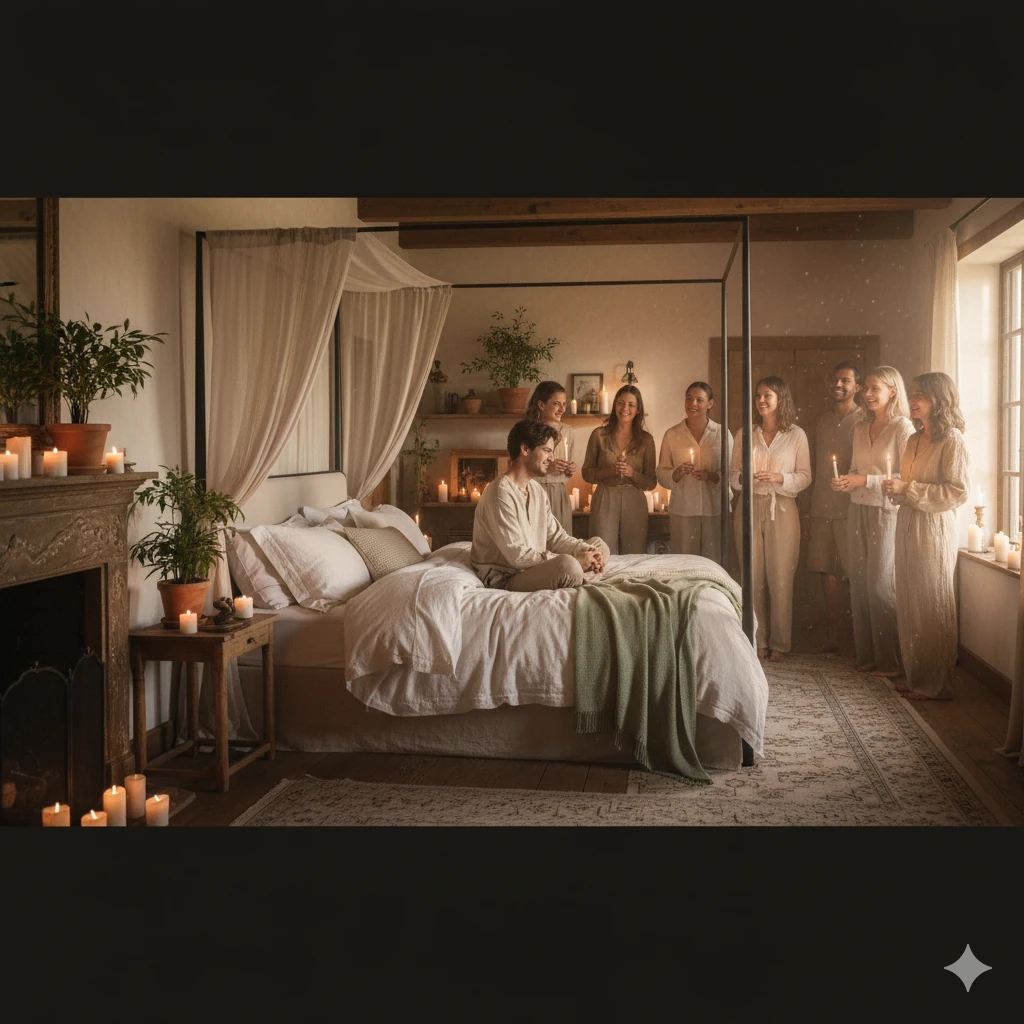
This image illustrates The Bedding Ceremony with onlookers gathered around the couple, and the alt text intentionally includes the exact focus keyword: The Bedding Ceremony.

What a bedding ceremony actually was

In short: a witnessed transition from wedding feast to marriage bed, meant to establish consummation — usually symbolically rather than literally.

The standard description of the custom is simple: the couple were put together in the marital bed before numerous witnesses, thereby completing the marriage. The purpose was to establish consummation — either by witnessing it or, far more often, symbolically, with the company leaving beforehand — and the ritual’s legally binding nature varied greatly from place to place and across time.

That variation matters. A bedding in a fifteenth-century German princely household and one in a seventeenth-century English market town shared a shape but not a legal meaning: the first could be evidence in court, the second was mostly neighbourly celebration with a blessing attached.

How the ceremony worked, step by step

In short: feast, procession, undressing, blessing, wine, a little rowdy play, then privacy.

No single script existed, but the recurring elements are well attested. A typical late-medieval or early-modern bedding ran roughly like this:

  1. The feast ends. Guests move from the wedding meal toward the bedchamber, often in procession.
  2. The couple are prepared separately. In many places bride and groom were dressed for bed by their own family or community before being led to the bedroom.
  3. The bed is blessed. A priest blessed the bed and the couple — a rite centuries older than the medieval wedding party.
  4. Wine is shared. The newlyweds drank sweet, spiced wine after the blessing.
  5. Play and prediction. Groomsmen and bridesmaids sat on the sides of the bed and threw the couple’s stockings at them; a hit was taken to mean the thrower would marry soon.
  6. The curtains are drawn. The bed hangings were closed and the couple left alone; in some regions they were expected to rejoin the party afterwards.

Noise was part of it. In sixteenth-century German lands the bedding was performed to pipes and drums, after which guests carried on celebrating loudly enough that the couple could not be overheard. The racket did a job: it announced publicly that this marriage had reached its final stage.

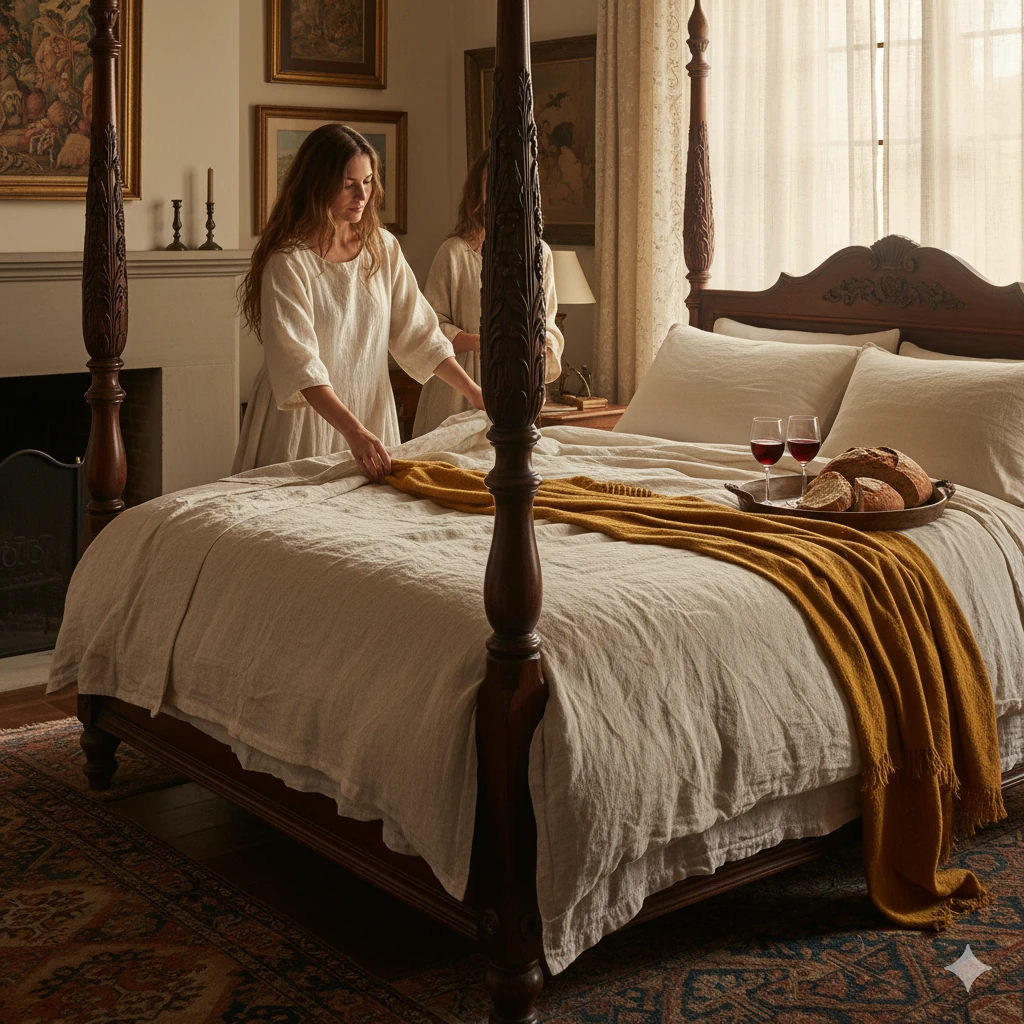
A stylized historical scene shows a family blessing the couple during The Bedding Ceremony, and this complete sentence includes the exact focus keyword: The Bedding Ceremony.

The legal purpose: proof in a world without paperwork

In short: before reliable registration, witnesses were the record — and a contested marriage could undo an inheritance or a treaty.

Canon law wrestled for centuries with what actually made a marriage. Gratian’s twelfth-century synthesis held that marriage is begun by betrothal or consent and completed by intercourse, blending consent theory with a role for consummation. Later rulings pushed consent to the centre — Pope Alexander III’s decisions in the 1170s are the usual milestone — yet the practical problem remained: how do you prove any of it years later? As one university survey of the period puts it, from 1215 onward canon law was shaped between the competing requirements of consent and publicity.

In German-speaking lands the bedding was not merely evidence; it was part of the legal act. The ceremonial Beilager — with related terms Bettleite and Bettsetzung — involved ritually covering bride and groom in the marriage bed in public, a process that had legal force and therefore required witnesses. The oldest surviving Saxon lawbook, the Sachsenspiegel of 1220, tied a wife’s new legal standing to the moment she entered her husband’s bed, and a senior witness or relative established the couple’s consent before the transfer of guardianship from father to husband.

That is why consummation disputes mattered so much at the top of society. When Henry VIII sought his annulment, the central question was whether Catherine of Aragon’s first marriage — to Arthur, Prince of Wales, at St Paul’s Cathedral on 14 November 1501 — had been consummated. Catherine swore it had not; testimony was gathered in Zaragoza in 1531, and the question is still debated — a reminder of how thin and contradictory the evidence can be even for Europe’s best-documented couples.

The religious purpose: blessing the bedchamber

In short: the church’s contribution was a prayer over the bed, a rite far older than the rowdy wedding-night custom attached to it.

The blessing of the bedchamber has a deep liturgical history. A study of north-western Europe between roughly 950 and 1200 traces the rite to earlier evidence, including the Bobbio Missal — a late seventh- or early eighth-century book from south-western France containing a rubric for blessing the couple’s bedchamber — and an account of a bishop invited into a bedchamber to read prayers for a couple. Both early texts describe a domestic setting: the priest came to the house.

The prayer asked for peace, long life and children in the new household — and it placed the church’s authority over the most private room in the house. The prayer text, benedictio thalami, is still reproduced from the Roman Ritual in Catholic wedding resources today, even though the household ritual around it has vanished.

A historic painting evokes The Bedding Ceremony as part of marriage customs, and the alt text purposefully uses the exact focus keyword: The Bedding Ceremony.

A dated timeline: earliest evidence to disappearance

In short: liturgy first, legal weight second, spectacle third, disappearance last — spread over more than a thousand years.

Date What happened
Late 7th–early 8th c. The Bobbio Missal includes a rubric for blessing the couple’s bedchamber — among the earliest liturgical evidence.
c. 950–1200 Bedchamber blessings are documented across north-western Europe as a recognisable liturgical family.
12th century Gratian frames marriage as begun by consent and completed by intercourse, giving the wedding night doctrinal weight.
1170s Alexander III’s rulings push consent to the heart of canonical marriage.
From 1215 Canon law develops between the demands of consent and publicity, encouraging visible, witnessed weddings.
1220 The Sachsenspiegel links a wife’s legal position to entering her husband’s bed; the German Beilager carries legal force and needs witnesses.
1501 Catherine of Aragon marries Arthur, Prince of Wales; their wedding night is litigated three decades later.
1545–1563 Trent’s Tametsi decree makes public, priest-celebrated weddings compulsory for Catholics, reducing the bedding’s evidential job.
1599 At Coburg, a Lutheran superintendent preaches at the ritual nuptial bed of Duke Johann Casimir and Margaret of Brunswick-Lüneburg.
1625–1649 Charles I bars his bedroom door; despite the royal snub the custom remains common for roughly another century across all classes.
18th century The public bedding fades among European elites and, gradually, below them.
19th century The public rite of Bettleite is still practised in the Baltic area — among the last documented survivals.

Treat the tidiness with caution. Court records and princely accounts survive far better than village practice, so “first evidence” means first surviving mention, not first occurrence.

How it varied by class and region

In short: the higher the stakes, the more formal the bedding; the further east and north, the longer it lasted.

By class

  • Royal and princely households: the most documented and legally serious version. Dynastic nuptials were staged with deliberate pomp, and the bedding could form part of the legal machinery transferring guardianship and sealing an alliance.
  • Nobility and gentry: an audience of relatives and household members; witnesses mattered because property settlements did.
  • Townspeople and villagers: the celebratory end of a long wedding day — procession, music, wine, stocking-throwing and jokes, with the blessing giving it respectability.

By region

  • England: blessing, spiced wine, stocking-throwing and drawn bed curtains; royal refusals did not kill it off quickly.
  • German-speaking lands: Beilager, Bettleite and Bettsetzung — public covering of the couple in bed, with genuine legal consequence and loud, theatrical sixteenth-century staging.
  • Baltic region: the longest documented persistence, with the public rite surviving into the nineteenth century.
  • Catholic versus Protestant Europe: Trent’s insistence on public church weddings gave Catholics an alternative to bodily proof, while Lutheran courts kept a version of the bed ritual and attached preaching to it.

This cultural collage shows variations that relate to The Bedding Ceremony, and the full-sentence alt text includes the exact focus keyword: The Bedding Ceremony.

Fact versus fiction

In short: the custom was real; the leering crowd of modern fiction is mostly not.

Fiction: everyone watched. Consummation was established far more often symbolically, with witnesses leaving first. According to the Germanisches Nationalmuseum, summarised in recent coverage of the ritual, the point was to establish that bride and groom had entered the same bed and been placed under one blanket; what followed was private. Images support that reading: a fifteenth-century manuscript in Heidelberg University Library shows a couple lying in bed apparently still dressed, surrounded by relatives while a bishop spreads a blanket over them.

Fact: witnessed consummation is reported — occasionally. Accounts differ, and we will not pretend otherwise. Popular histories repeat anecdotes of observed royal wedding nights, and some scholars allow that witnessing happened in particular high-stakes cases. What the sources do not support is that it was the normal European practice.

Fiction: it was legally required everywhere. It was not. Binding force varied greatly by place and period, and canon law increasingly located the marriage in consent rather than in the bedroom.

Fact: popular drama borrowed something real. Game of Thrones put the bedding on screen in its third season, when Joffrey attempts to force one on Sansa and Tyrion; as Mental Floss explains, the underlying tradition of publicly escorting a couple to their marriage bed, with priests blessing bed and marriage, is genuinely medieval. The show’s coercive framing is drama; historically the tone ran closer to a noisy, bawdy send-off with a prayer at the start of it.

Where the evidence is thin. Claims that bloodied sheets were routinely displayed as proof of virginity across medieval Europe are common online; we found no reliable documentation for that as a general European norm in the sources consulted here, so we will not assert it. Likewise, the popular claim that garter and bouquet tosses descend directly from stocking-throwing is plausible in shape — the thrown stocking predicted the thrower’s own marriage — but we found no sourcing that establishes a direct line of descent.

Is anything like it practised today?

In short: not in its historic form anywhere we can document — but several living customs rhyme with parts of it.

No mainstream Western wedding tradition now requires witnesses at the marriage bed. What survives are fragments:

  • The bedchamber blessing as text. The Roman Ritual’s prayer for blessing the bedroom is still printed and occasionally used, detached from any audience.
  • Yichud in Jewish weddings. After the ceremony the couple withdraw briefly in seclusion. It is a distinct tradition with its own religious logic rather than a descendant of the European bedding, but it preserves a similar idea: a marked, witnessed-then-private transition into married life.
  • Send-offs and sparkler exits. The modern departure from the reception is the skeleton of the old procession: the community escorting the couple from public life into private life.
  • Private first-night rituals. A quiet toast after guests leave, an exchange of letters, a few minutes of stillness before sleep.

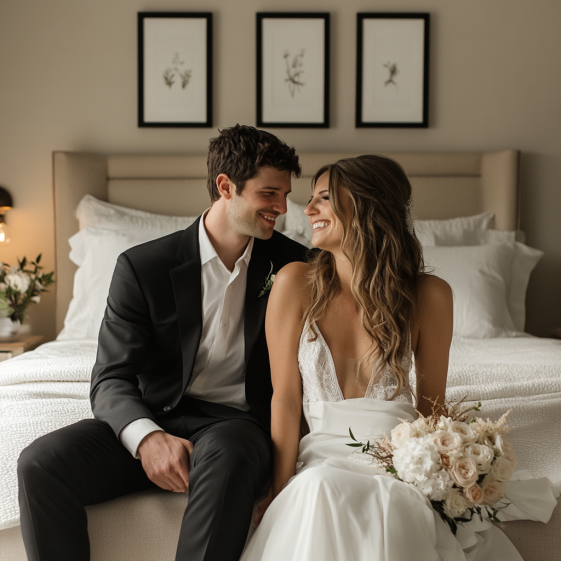
A modern couple create a private moment inspired by The Bedding Ceremony, and the alt text intentionally includes the exact focus keyword: The Bedding Ceremony.

From public ritual to private bedroom: practical tips

In short: borrow the meaning — blessing, gratitude, belonging — and leave the audience in the fifteenth century.

  • Keep the blessing, lose the crowd. A blessing over the home, the bedroom or the couple can be offered at the ceremony or rehearsal instead.
  • Make the send-off the ritual. The procession was the emotional heart of the old custom; a warm, well-planned exit does the same work.
  • Design the room for rest. Low light, breathable bedding, clear surfaces — an emotional day deserves a room that helps you sleep at the end of it.

Bedding Ceremony: History, Traditions & Modern Meaning

The legacy of the bedding ceremony

In short: the custom disappeared, but the instinct behind it did not. It belonged to a world where marriage meant property, lineage and neighbourhood knowledge, and where the only durable record was what people had seen. Once church registration, civil law and the modern idea of private life took over those jobs, the ritual had nothing left to do. What stayed is the impulse underneath it: to be blessed, to be witnessed, and to be sent off into a shared life. The legacy is less about a bed than about belonging.

The complete bedding ceremony series

Every article in the series, grouped by what it covers.

Start here: what happened and why

Medieval and Renaissance evidence

How the custom changed and ended

Across cultures

Modern practice and bedtime rituals

FAQ: The Bedding Ceremony

What was a bedding ceremony?

The custom of placing newlyweds together in the marital bed before witnesses, completing the marriage in the eyes of the community and, in some places, the law.

Did people really watch the couple have sex?

Usually not. The purpose was normally met symbolically, with witnesses leaving beforehand; being seen together in the same bed was the point. Observed consummation appears in some accounts, but was not the rule.

Was the bedding ceremony legally binding?

Sometimes. Its binding force varied greatly by place and period. In German-speaking lands the Beilager had genuine legal force and required witnesses; elsewhere it was custom rather than law.

When did bedding ceremonies stop?

There is no single end date. Charles I refused his own bedding in the seventeenth century, yet the custom continued widely for roughly another hundred years, and a related public rite persisted in the Baltic region into the nineteenth century.

Why did they disappear?

Public church weddings made bodily proof less necessary, marriage law leaned harder on consent, and expectations of privacy rose. Together those changes left the ritual without a function.

Was the Game of Thrones bedding scene accurate?

The tradition it borrows is real: couples were publicly escorted to the marriage bed, often with a blessing. The coercive, humiliating tone of the screen version is dramatic invention rather than a documented norm.

Is anything like it practised today?

Not in its historic form. Related ideas survive in the Catholic blessing of the bedchamber, in the brief post-ceremony seclusion of yichud in Jewish weddings, and in the ordinary wedding send-off.

Final Thoughts

The bedding ceremony is easy to sensationalise and far more interesting when you don’t. Strip away the fiction and you find a practical answer to a real problem: how a community without paperwork could know a marriage had truly happened, and bless the household it had just created. At Cozy Bed Quarters we keep reaching the same conclusion — the bed has always been more than furniture.

Sources consulted

Updated September 2026.

The Art of Bedding Rituals: A Historical Perspective on Bedding

art of bedding rituals in nuptial bedding ceremony

Art of Bedding Rituals

Discover the art of bedding rituals and how symbolic practices from around the world can transform your bedroom into a haven of comfort, connection, and rest.

Key Takeaways: art of bedding rituals

  • The art of bedding rituals carries deep cultural, emotional, and symbolic significance across history.
  • From wedding night ceremonies to seasonal bed changes, each ritual marks a meaningful moment.
  • Create personalized bedding rituals to uplift your sleep space and well-being.
  • Simple elements like scent, color, and texture turn your bedroom into a peaceful retreat.

Understanding the Art of Bedding Rituals

What Are Bedding Rituals?

The art of bedding rituals is more than making the bed—it’s a symbolic act marking life events or seasonal transitions. Historically, these practices represented purity, renewal, or blessings. Today, they guide us to build intentional, serene spaces that nurture relaxation and well-being.

Historical Context of Bedding Rituals

historical art of bedding rituals with cultural traditions

Across cultures, the art of bedding rituals has long been woven into religious and social customs. In medieval Europe, guests blessed a newlywed couple’s bed. In China, symbolic colors and objects encouraged fertility and prosperity. Such traditions reflect how closely our sleeping spaces connect to values and stories.

Wedding Night Bedding Ceremony

Traditions Around the World

Answer-first: wedding bedding customs often symbolize prosperity, fertility, and communal blessings; details differ by region.

  • Europe: Families escorted couples to their bridal bed and sang blessings.
  • China & East Asia: Red textiles and pomegranates invoke fortune and fertility.
  • Middle East & North Africa: Perfumed oils and ornate linens mark a harmonious start.

For a concise, high-authority overview of cross-cultural marriage rites, see Encyclopaedia Britannica: Marriage rituals.

Modern Bedding Rituals

Creating a Special Ambience

Answer-first: choose breathable layers, set a calming mood, and add meaningful objects to anchor your ritual.

  • Comfort first: Use breathable sheets and supportive pillows.
  • Set the mood: Light candles safely, diffuse calming essential oils, or play ambient music.
  • Mark the moment: Incorporate heirlooms or keepsake decor that carries personal meaning.

For lighting ideas that support relaxation, explore cozy bedroom lighting.

Seasonal Bedding Rituals

art of bedding rituals in seasonal bedroom changes

Answer-first: rotate materials, colors, and layers to sync comfort and mood with the season.

  • Spring & Summer: Cotton or linen with airy, floral, or pastel palettes.
  • Autumn: Add flannels, knits, and warm tones like rust or ochre.
  • Winter: Lean into plush duvets, wool blankets, and rich hues.

For practical swaps and materials, see our guide to bedding materials & benefits.

Cultural Significance of Bedding Rituals

Symbolism in Bedding Traditions

Answer-first: symbolism spans fertility, protection, prosperity, and harmony—choose meanings that align with your values.

The art of bedding rituals invites you to connect personal beliefs to daily practices—through colors, motifs, and heirloom textiles that stand for what matters most.

The Role of Community

Answer-first: communities once prepared ceremonial bedding; you can adapt that spirit with shared stories and heirlooms.

For more historical context, see our piece on the evolution of nuptial bedding ceremonies.

How to Create Your Own Bedding Ritual

Personalize Your Space

Answer-first: anchor the ritual with textures, colors, and objects that evoke calm and joy.

  • Choose fabrics and palettes that soothe you.
  • Include objects that reflect meaningful memories or heritage.
  • Set small habits: make the bed with intention; refresh linens weekly.

Practical Tips for a Relaxing Bedding Ceremony

Answer-first: a clean, softly lit, clutter-free space helps your ritual stick.

  • Wash bedding regularly for hygiene and comfort.
  • Keep the area serene and uncluttered.
  • Use dimmable lighting or soft lamps to promote wind-down.

Want more wind-down ideas? Read our bedtime rituals for improved sleep.

Eco-Friendly vs Conventional Bedding Rituals

Answer-first: sustainable materials add comfort and meaning while lowering environmental impact.

Conventional blends are accessible but can involve heavier processing. Eco-friendly options—organic cotton, linen, TENCEL™, or bamboo—support breathability and durability with fewer chemical inputs. In the art of bedding rituals, choosing organic sheets, natural dyes, and heirloom pieces amplifies intention. Even gradual swaps—like air-drying linens or rotating older sheets as throws—can align your ritual with eco-conscious values.

Final Thoughts on the Art of Bedding Rituals

The art of bedding rituals encourages you to slow down, tend your space, and bring deeper meaning to rest. Whether drawn from ancient customs or your own creativity, these rituals can transform your bedroom into a sanctuary of comfort and calm—one Cozy Bed Quarters tweak at a time.

FAQ

Why is the art of bedding rituals important?
It fosters intention, relaxation, and connection while honoring personal and cultural traditions.
How can I start my own bedding ritual?
Choose soothing bedding, add meaningful elements, and follow a simple nightly routine.
Do seasonal bedding rituals make a difference?
Yes—adapting textures and colors enhances comfort and mirrors the season’s mood.
Can bedding rituals improve sleep quality?
Absolutely. A calm, personalized sleep space signals your body to wind down and rest better.


Custom Comfort Mattresses and Sham vs Comforter Guide

custom comfort mattress


Custom Comfort Mattresses and Sham vs Comforter Guide

Custom comfort mattresses give you personalized support, cooling, and durability that standard beds can’t match. If you struggle with soreness, overheating, or restless nights, a custom design may be the upgrade you need in 2025.

Key Takeaways: Custom Comfort Mattresses

  • Custom comfort mattresses match support to your sleep position and body type.
  • They help reduce tossing and turning for deeper, more restorative sleep.
  • Cooling materials and airflow layers curb overheating for hot sleepers.
  • Premium construction extends lifespan, improving long-term value.
  • Options include firmness, materials, split designs, and custom sizing.

Why Standard Mattresses May Not Suffice

Standard mattresses are built for the “average” sleeper, but real bodies vary widely. Side sleepers need extra shoulder and hip cushioning, while back sleepers benefit from firmer spinal support. Custom comfort mattresses adapt to your body instead of forcing you into a one-size-fits-all design.

The Sleep Foundation emphasizes that matching mattress firmness to sleep position improves spinal health and long-term comfort.

Tailored designs fine-tune pressure relief and support where you need them most.

Benefits of Custom Comfort Mattresses

The right mattress addresses the root causes of poor sleep—pressure, overheating, and motion transfer. By targeting these issues, custom comfort mattresses help you wake up more refreshed and pain-free.

Enhanced Spinal Alignment

Targeted support zones and personalized firmness options keep your spine in neutral alignment. This reduces morning stiffness and next-day soreness. See our guide:
Best Bed Types for Back Pain Relief.

Reduced Tossing and Turning

When pressure points are minimized, you move less at night. Better contouring spreads body weight evenly, reducing restlessness. According to the
Sleep Foundation, sleep surface quality is a key factor in limiting disruptions.

Temperature Regulation

Cooling features like open-cell foams, breathable covers, and airflow layers help hot sleepers stay comfortable. If you often wake up overheated, start with our
Best Cooling Mattresses shortlist.

Durability and Longevity

Custom builds use premium foams, natural latex, and reinforced edges that resist sagging. While upfront prices are higher, many custom beds last years longer, saving money in the long run.

durability of custom comfort mattresses premium materials
Quality materials and thoughtful construction add years to your mattress lifespan.

Customization Options Available

Brands now offer features that let your bed adapt to changing needs. Custom comfort mattresses often include:

  • Adjustable firmness systems for precision comfort.
  • Material choices: memory foam for contouring, latex for buoyant support, or hybrid blends.
  • Split designs for couples—see our Adjustable Beds Guide.
  • Custom sizing for unique frames and room layouts.

For safety, many shoppers also look for certifications. The Sleep Foundation recommends checking certifications like GREENGUARD Gold and OEKO-TEX to ensure low chemical emissions and eco-conscious sourcing.

custom comfort mattresses with split adjustable features for couples
Split and modular builds let partners personalize their side without compromise.

Eco-Friendly vs. Conventional Mattresses

If sustainability matters to you, eco-friendly custom mattresses may be the best investment. Conventional models often rely on petroleum-based foams and chemical treatments, while eco-conscious alternatives use:

  • Organic cotton covers for breathability.
  • Natural latex from renewable sources.
  • Plant-based foams with lower carbon impact.
  • Biodegradable materials that reduce landfill waste.

According to Architectural Digest, certifications like GOTS and GOLS indicate higher standards for organic and sustainable bedding.

Cost Considerations

While custom comfort mattresses are usually more expensive upfront, they often last longer and deliver better overall sleep. Many brands also provide trials and warranties for added peace of mind.

  • Price: Standard = lower upfront; Custom = higher upfront, better lifetime value.
  • Support: Standard = one-size-fits-most; Custom = tuned to your body.
  • Longevity: Standard = softens sooner; Custom = materials hold shape longer.
Standard vs. Custom Comfort Mattresses (2025 Comparison)
Factor Standard Mattress Custom Comfort Mattress
Price Lower upfront, but may need replacing sooner Higher upfront, often longer lifespan
Support One-size-fits-most Tailored to body type and position
Durability Foams/springs soften within years Premium latex, foams, reinforced edges
Sleep Quality Can cause pressure points Better alignment and motion isolation
Couples’ Options Same feel for both partners Split firmness and modular choices

cost value comparison custom comfort mattresses
Think beyond sticker price: comfort, durability, and sleep quality all define value.

Is a Custom Mattress Right for You?

If you wake sore, run hot, or struggle to get comfortable, a custom comfort mattress could be the solution. Side sleepers, couples, and people with chronic pain often see the biggest benefits. For targeted options, explore our
Best Memory Foam Mattresses for Side Sleepers.

Final Thoughts

Choosing a custom comfort mattress is a supportive step toward healthier, more restorative sleep. When your bed matches your body, you wake recharged and ready. For more sleep upgrades, visit Cozy Bed Quarters.

FAQ

What is a custom comfort mattress?
A mattress tailored to your preferences—firmness, materials, and support zones—so alignment and comfort fit you, not the average sleeper.
Are custom mattresses more expensive?
Yes, but longer lifespans and better sleep often offset the upfront cost over time, especially with warranties and trials.
How do I choose the right custom mattress?
Start with your sleep position and comfort needs. Consider materials (latex vs. memory foam), certifications, and whether a trial is included.
Can custom mattresses accommodate couples?
Absolutely. Split firmness and modular designs let each partner personalize support without compromise.

custom comfort mattresses comparison standard vs custom
A restful sleep environment starts with the right mattress choice.

Related Reading


The Timeless Elegance of Four Poster Beds: A Historical Journey

four poster bed decorated with fairy lights for cozy bedroom


Four Poster Bed: The Complete Buyer’s & Styling Guide

Thinking about a four poster bed for your bedroom? A four poster bed adds instant architectural drama and a cozy, cocoon-like feel while offering privacy, warmth, and a focal point for any room. This guide walks you through what it is, how to choose the right size and style, and how to dress it so your space feels luxurious, restful, and uniquely you.

Key Takeaways: four poster bed

  • A four poster bed adds instant architectural drama and a cozy, cocoon-like feel.
  • Picking the right scale (post thickness, height, and canopy) keeps the room feeling open.
  • Materials set the mood: warm wood for classic character, metal for modern minimalism.
  • Style it with breathable, organic bedding and layered textures for hotel-level comfort.
  • Routine dusting, joint checks, and fabric care keep your investment looking new for years.

What Is a Four Poster Bed?

A four poster bed has four vertical posts—one at each corner—that frame the mattress and can support a canopy or drapery, tracing back to historic designs for privacy and warmth. Today, it’s beloved for anchoring a room and creating a restful “room within a room.” For a deeper dive into eras and silhouettes, see our overview of styles in Four-Poster Beds: History, Styles & Modern Design (Cozy Bed Quarters).

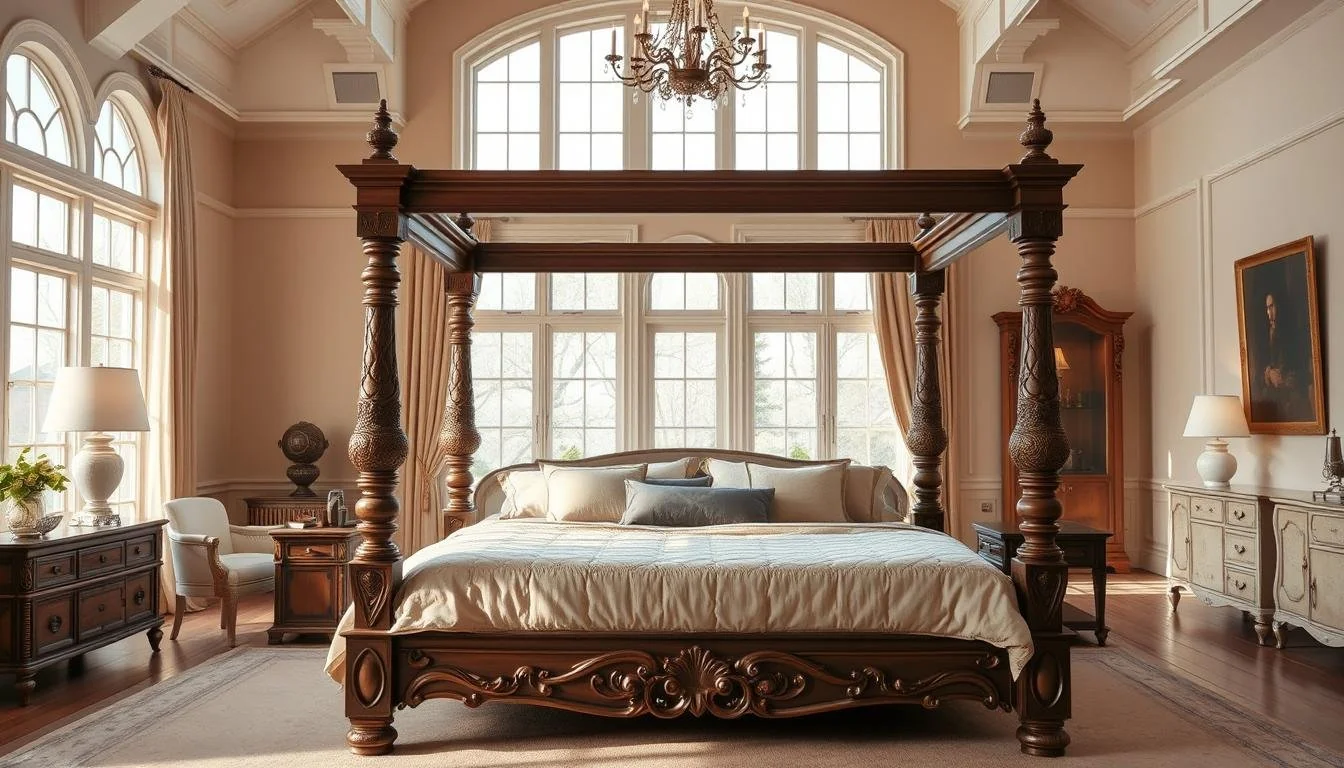
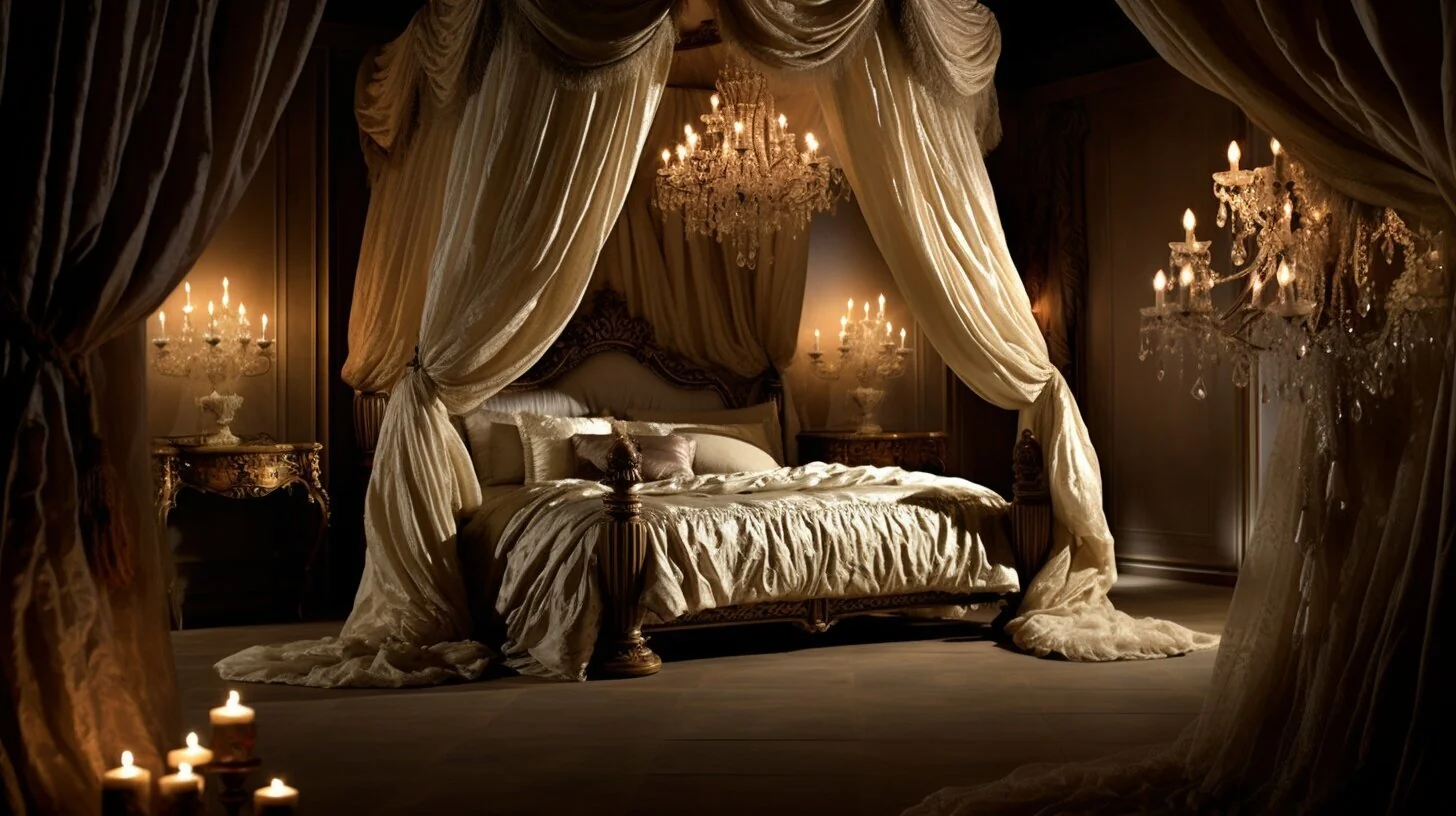
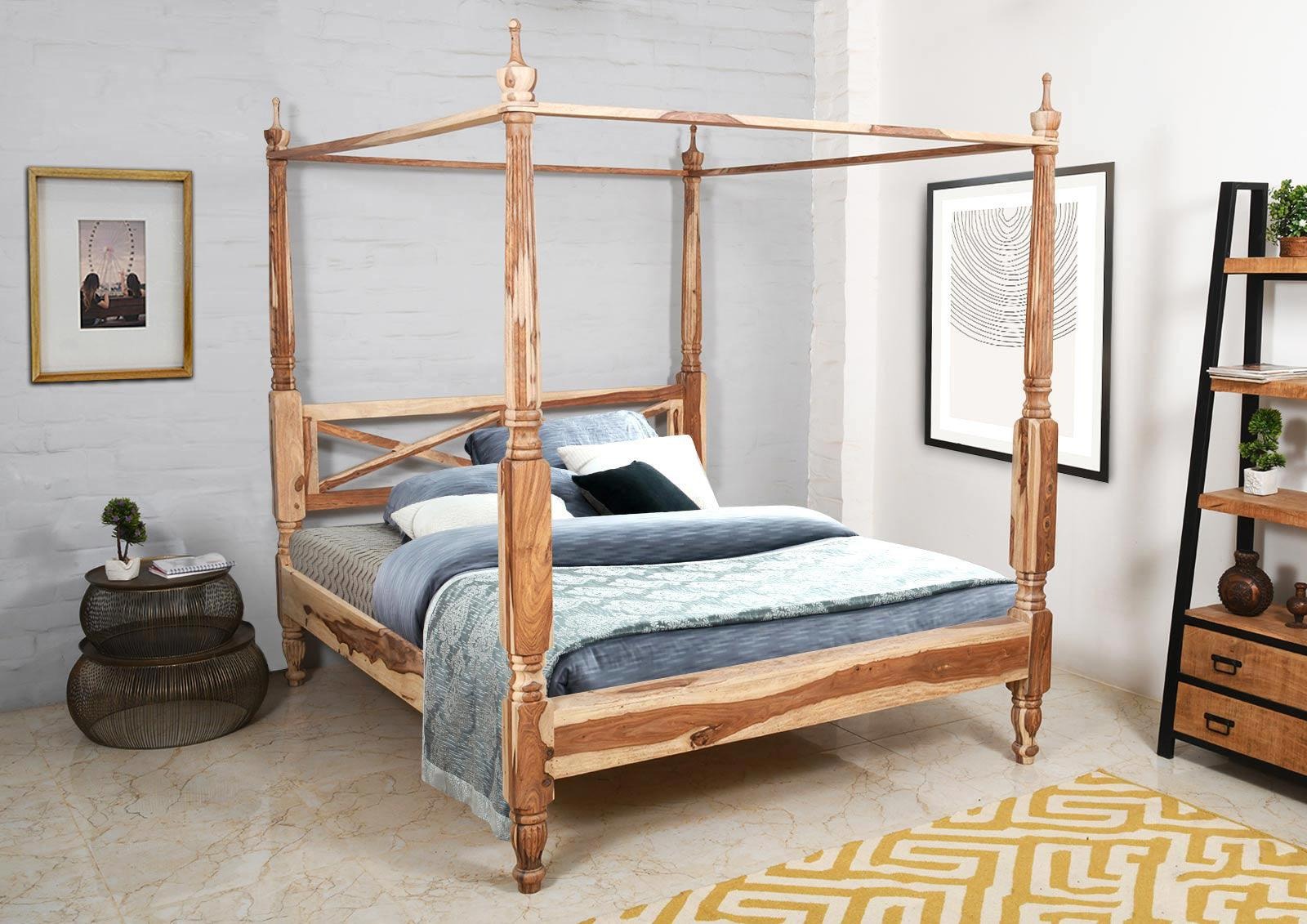
A four poster bed with classic carved wood frame creates a cozy focal point in the bedroom.
A classic carved wood four poster bed as a bedroom focal point

Why Choose a Four Poster Bed?

A four poster bed turns the bed into a true focal point while softening acoustics and light, making low ceilings feel taller and large rooms more intimate. If you’re torn between canopy and open posts, our guide to comparisons can help: King Canopy Beds vs. Four Poster Beds (Cozy Bed Quarters).

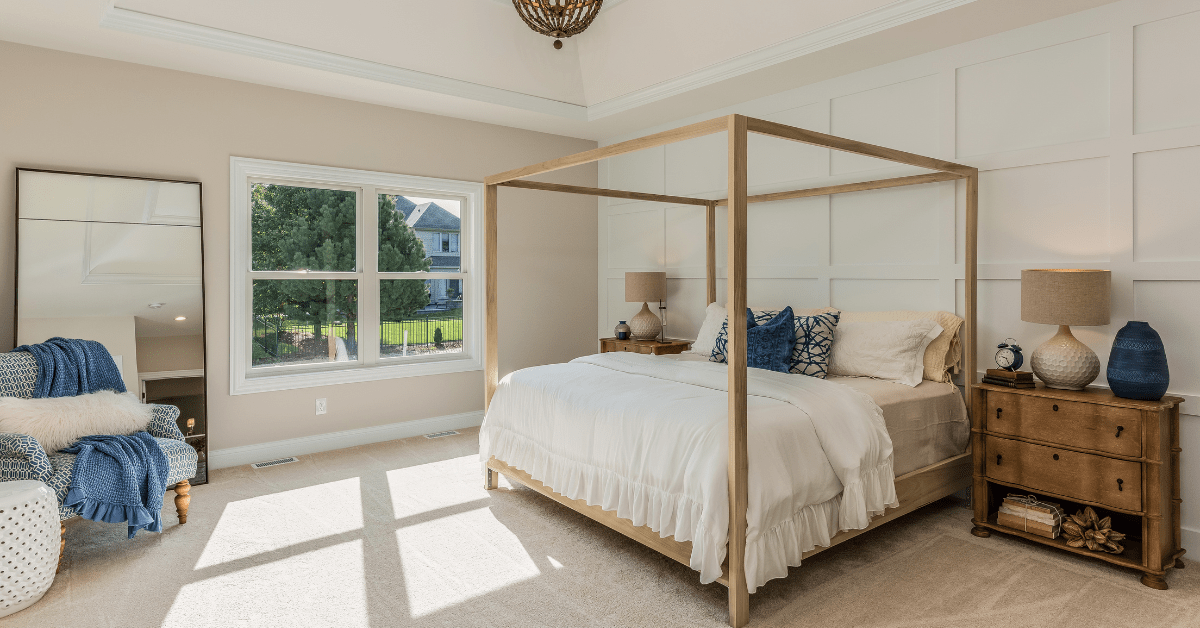
A modern four poster bed with slim posts adds height and elegance to a small bedroom.
Modern four poster bed with slim frame in an elegant small bedroom

Materials: From Rustic to Refined

Wood builds warmth and timelessness; metal reads sleek and modern. Oak, cherry, and pine deliver grain and durability for a four poster bed. Wrought iron or powder-coated steel keep lines lean and airy. Upholstered headboards add softness and noise dampening, especially when paired with organic bedding, sustainable bedding, and eco-conscious sheets for a healthier sleep surface.


Explore designs and finishes here: Four Poster Beds Design (Cozy Bed Quarters).

Sizing & Proportions (So Your Room Still Breathes)

Scale the four poster bed to the room—slim posts and lower canopy for compact spaces; bolder in larger rooms—with at least 24–30 inches of clearance on walkways. For typical frame dimensions by mattress size, see the Sleep Foundation’s guidance on bed frames and sizes: What Is the Size of a Queen Bed Frame? and Types of Bed Frames (Sleep Foundation).

Popular Styles (Traditional, Modern & Everything Between)

Your four poster bed can lean ornate, minimalist, or transitional—traditional with carved posts, modern with clean lines, or canopy-ready for seasonal drapes.

  • Classic four-poster: Carved or turned posts, rich wood stains, and heirloom vibes. See Four-Poster Bed History (Cozy Bed Quarters).
  • Modern minimal: Straight posts in matte black, brass, or natural oak; ideal for smaller rooms.
  • Canopy-ready frames: Add breezy sheers seasonally and remove them when you want the structure to shine—start here: Four Poster Canopy Bed (Cozy Bed Quarters).
  • Metal & mixed materials: Combine wood warmth with metal structure for a tailored, transitional look.

How to Style Your Four Poster Bed (Layer Like a Pro)

Keep the palette cohesive, layer textures, and balance vertical lines with plush, breathable bedding like organic cotton or linen for dimension and comfort. For styling visuals and easy, real-world layering techniques, see Parachute Home’s design guides: Types of Beds and How to Make a Bed (Parachute Home). Prefer a trend-forward take? Better Homes & Gardens explains how canopy looks are resurging and how to make them work—even with standard ceiling heights: Canopy Beds Are Back (BHG).


Soft linens and layered textures on a four poster bed create a welcoming retreat.
Layered soft linens and textures on a four poster bed for a cozy retreat

Room-by-Room Ideas

A four poster bed works beyond primary suites—scale and styling adapt it to guest rooms, kids’ spaces, or lofts for luxury and functionality.

  • Primary bedroom: Tall posts and an upholstered headboard feel luxurious; go with richer textiles.
  • Guest room: Choose a streamlined profile and neutral palette that welcomes varied tastes.
  • Kids’ room or teen space: Opt for shorter posts or a metal frame for durability and playful curtains.
  • Loft or high-ceiling rooms: A canopy layer helps visually “lower” soaring ceilings for intimacy.

Need inspiration across aesthetics? Browse our curated design gallery: Dreamy Four-Poster Bed Designs (Cozy Bed Quarters).

Care & Maintenance (Keep It Looking New)

Dust posts weekly, tighten hardware quarterly, and treat wood/metal per finish; vacuum upholstered headboards and wash/steam drapes seasonally. Want to pair your bed with healthier fabrics? See our internal guide to greener linens: Eco-Conscious Bedding (Cozy Bed Quarters).

Regular care and dusting keep a four poster bed looking timeless and elegant.
A well-maintained, timeless four poster bed with elegant wood details

Customization & DIY (Make It Yours)

Swap finials, paint posts, or add canopy rails for personalization—start with a solid frame and upgrade textiles seasonally for fresh looks without major cost.

Buying Checklist (Before You Click “Add to Cart”)

Confirm clearance, ceiling height, doorways, then weigh materials, finish, and coordination with your room’s flooring, windows, and lighting.

  1. Scale: Post thickness and height relative to ceiling and room size.
  2. Material & finish: Stain vs. paint; wood vs. metal; ease of care.
  3. Headboard style: Wood, upholstered, or mixed materials.
  4. Canopy options: Fixed rails vs. removable; drapery weight and opacity.
  5. Noise & stability: Look for robust joinery and center supports.
  6. Textiles: Choose breathable, organic bedding or sustainable bedding for comfort and wellness.


For more historical context and decision frameworks, see Choosing a Four-Poster Canopy Bed (Cozy Bed Quarters).

FAQ

What size four poster bed should I choose?
Match the frame to room size and ceiling height. Most primary bedrooms fit queen or king; small rooms do best with slimmer posts. Confirm walkways of 24–30 inches and that post height clears the ceiling comfortably.
Are four poster beds practical or purely decorative?
They’re both. A four poster bed adds presence and can support light-blocking or gauzy curtains for comfort while remaining sturdy for everyday use.
Can I use a four poster bed in a small room?
Yes—choose thin posts, an open frame, and a light palette. Skip heavy drapes and keep textiles airy to maintain sightlines.
What materials work best?
Solid wood offers warmth and long-term durability; metal frames keep things streamlined. Mixed materials combine both vibes and can be easier to style.
How do I maintain a four poster bed?
Dust posts weekly, tighten hardware quarterly, and follow finish-specific care. Wash or steam canopy drapes seasonally.

Final Thoughts

A four poster bed brings timeless elegance and everyday comfort to almost any bedroom. When you scale it to your space and layer textiles thoughtfully, the result feels tailored and tranquil. For more inspiration and detailed style breakdowns, explore our hub: Four Poster Beds Design (Cozy Bed Quarters).


Four-Poster Beds: History, Styles & Modern Design

Four-Poster Bed History: A Journey Through Time
Eco-Conscious Bedding: Reduce Your Environmental Impact


Parachute Home: Types of Beds (frames & styles)
Sleep Foundation: Types of Bed Frames
Better Homes & Gardens: Canopy Beds Are Back—How to Make Them Work

More Expert Insights

Four-poster beds add a sense of grandeur and timeless charm to any bedroom, combining luxurious design with modern versatility. Whether you love airy linens, cozy curtains, or a minimalist frame, four-poster beds make an instant statement while staying practical year-round. In this guide, you’ll learn the origins, the many styles available, how to style them beautifully, and how to choose a poster bed that suits your space and lifestyle.

Answer first: Four-poster beds began as practical, prestigious furniture for nobility, then evolved into an accessible, stylish staple for modern homes. Early versions featured tall wood posts and heavy curtains to block drafts and create privacy—useful in large, chilly rooms. Over centuries, the design shifted from ornate, carved frames to lighter silhouettes, keeping the drama while adding comfort and versatility.

Answer first: Today’s four-poster beds retain their iconic silhouette but use streamlined proportions and materials that fit real-life spaces. Designers now embrace slim posts, lower overall heights, and sustainable options like bamboo or reclaimed wood—plus powder-coated metal for a crisp, modern look.

Answer first: Four-poster beds draw the eye up, add architecture to plain rooms, and instantly create a focal point. Keep the palette cohesive and layer textures—like linen, bouclé, or matelassé—to shift the look from airy minimal to plush and luxurious.

Prioritize clear walkways, low visual clutter, and vertical accents that echo the bed’s lines. Some designs include built-in drawers or shelves for bonus storage. For more space-savvy ideas, see bed designs from around the world for compact-friendly inspiration.

Answer first: From romantic canopies to bare, architectural frames, four-poster beds adapt to any mood. Choose one approach and repeat it across textiles and decor to keep the look cohesive.

For upscale silhouettes and layout ideas, browse King-Size Canopy Bed Elegance.

Answer first: Shop broad selections online, browse boutique makers for craftsmanship, or hunt antiques for character and history. Each path offers unique value depending on your style and budget.

Joseph Rett is the founder of Cozy Bed Quarters, a Phoenix-based sleep and bedding resource. With years of experience researching sleep science and bedding products, Joseph helps people create comfortable, sustainable sleep spaces. Living in Arizona’s desert climate has given him unique insights into temperature-regulating bedding and cooling sleep solutions.

Four Poster Beds Design remains a timeless statement of luxury, craftsmanship, and comfort. From its medieval roots to its sleek 2026 interpretations, these beds continue to captivate homeowners eager to elevate their spaces. In this article, we’ll delve into their fascinating evolution, modern trends, key takeaways, and more.

In medieval times, beds were simple boards with rough mattresses, surrounded by curtains for warmth. By the 13th century, canopies and testers allowed for hanging curtains, elevating the look and function. By the 15th century, crafted primarily from oak and adorned with ornate carvings, they became status symbols flaunting wealth through expensive fabrics like silk and brocade.

Today, while the essence remains, looks have evolved. Minimalist silhouettes, sleek metal frames, and contemporary materials redefine the classic form, making it accessible and stylish for modern homes. Whether you want rustic, industrial, or ultra-modern, there’s a design to fit your style.

Pro Tip: Look for models with built-in storage or removable canopies for extra functionality and flexibility in smaller bedrooms.

Historically, these beds were more than just sleeping spots; they were statements of power and refinement. Heraldic carvings, expensive draperies, and personalized embellishments showcased the owner’s taste and lineage. Even today, owning a well-crafted version signals a love for timeless design and luxury.

Picking the perfect model depends on your space, taste, and lifestyle. Do you crave a romantic, draped look with flowing curtains? Or do you prefer a minimalist, bare-frame design that acts as a striking centerpiece? Consider the room’s size, ceiling height, and existing decor to ensure it complements rather than overwhelms the space.

Whether you’re drawn to the historical charm or the modern sleekness of this timeless design, one thing is certain: it elevates any bedroom into a luxurious retreat. Embrace the rich legacy and find the perfect option to transform your space into a cozy, stylish sanctuary. With so many options available, from storage beds to sleigh beds and minimalist metal frames, there’s a style ready to match your taste and needs.

Four Poster Beds Design dates back to the 15th century, evolving from earlier canopy beds. Made mainly of oak, they featured ornate carvings and expensive fabrics, becoming symbols of nobility and wealth.

Yes! While traditional carved wooden designs are cherished, modern homeowners love sleek metal and upholstered Four Poster Beds Design for their stylish versatility. For more modern styles, check out modern bedroom inspirations.

Absolutely. Many contemporary designs feature minimalist frames or come in compact sizes, perfect for smaller spaces without losing their dramatic flair. Explore space-saving ideas for small bedrooms.

Classic oak or mahogany offers timeless appeal, while metal and glass deliver a chic, modern twist. Upholstered designs provide extra comfort and elegance. You can learn more about traditional wood craftsmanship here.

Joseph Rett is the founder of Cozy Bed Quarters, a Phoenix-based sleep and bedding resource. With years of experience researching sleep science and bedding products, Joseph helps people create comfortable, sustainable sleep spaces. Living in Arizona’s desert climate has given him unique insights into temperature-regulating bedding and cooling sleep solutions.

Bed Frame Material Types: Pros, Cons, and How to Pick the Right One

Bed Frame

The five bed frame material types you’ll actually run into are solid wood, metal, upholstered, engineered wood (MDF or particleboard) and bamboo or rattan. Solid hardwood and welded steel last the longest, upholstered frames are the quietest and softest to lean against, and engineered wood is the cheapest but the first to wobble. Pick based on how often you move, how much weight the bed carries, and whether squeaks drive you up the wall.

Bed frame material types at a glance

Material Typical lifespan Noise risk Weight of frame Best for
Solid hardwood (oak, maple, walnut, acacia) 15+ years, often decades Low if joints are bolted Heavy — 80–150 lb for a queen Long-term homes, heavier sleepers, refinishing later
Softwood (pine, poplar) 5–12 years Medium — dents and loosens Light to medium Budget solid wood, guest rooms, painted looks
Steel or iron 15+ years Highest — bolts loosen, joints rub Light to medium, ships flat Renters, movers, allergy-prone rooms
Upholstered over a wood frame 8–15 years (fabric usually fails first) Lowest Heavy and awkward Reading in bed, quiet rooms, soft headboards
Engineered wood / MDF 3–7 years Medium to high Medium First apartments, kids’ rooms, tight budgets
Bamboo / rattan 8–15 years Low to medium Light Warm climates, Japandi and coastal rooms

Solid wood

Hardwood is the default answer for “buy once.” Oak, maple, ash, walnut and acacia handle years of sitting on the edge, kids jumping, and two adults plus a mattress that might weigh 100–150 lb on its own. The giveaway for quality: metal-to-metal bolted joints or bed-rail hooks, not staples and cam locks.

Softwoods like pine and poplar cost less and weigh less, but they dent under a fingernail and the screw holes wallow out faster. That’s fine for a spare room and annoying in a primary bedroom.

Wood moves with humidity, so a frame that was silent in August can tick and creak in January when the heat dries the air out. A wax stick or a few felt pads between rail and slat usually fixes it, but if the noise persists it’s worth tracking down the squeak’s source.

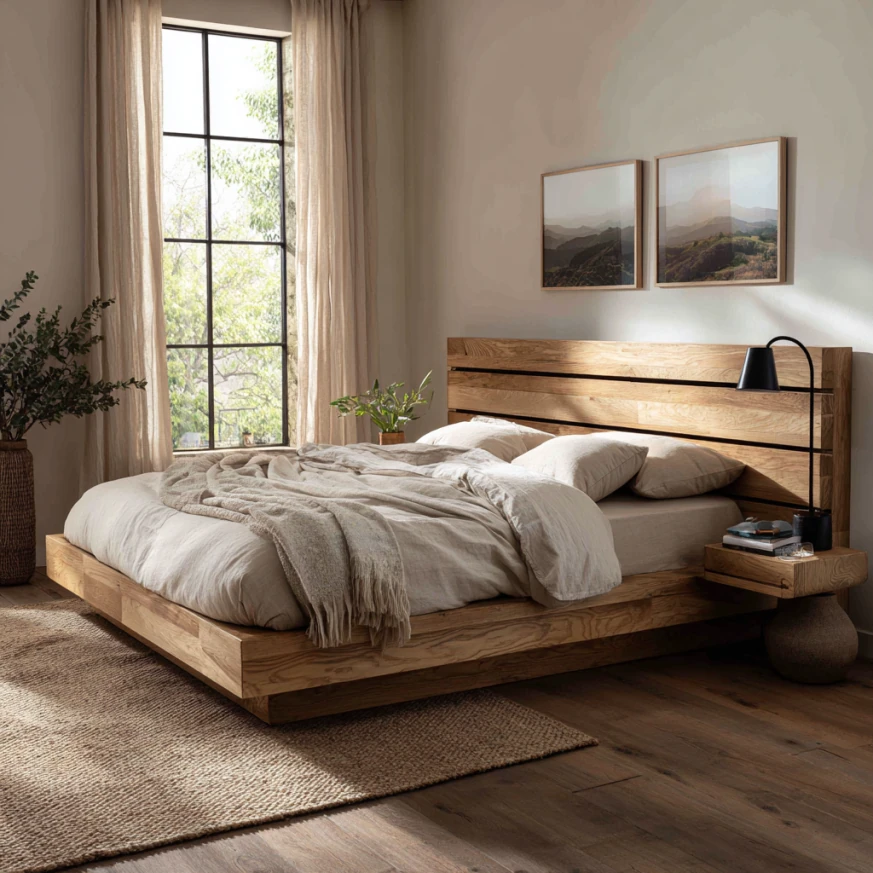
Solid oak slatted headboard illustrating bed frame material types in a modern rustic bedroom

Metal

Steel frames give you the most support per pound. Welded corners are far stronger than bolt-together ones, and powder coating keeps rust off in humid rooms. They break down flat, which matters if you’ve ever tried to get a headboard up a narrow stairwell.

The trade-off is noise. Every bolted connection is a place for metal to rub metal at 2 a.m. Nylon washers, thread-locker on the bolts, and a re-tightening session twice a year handle almost all of it. Our breakdown of metal bed frame pros and cons goes deeper on squeak-proofing and weight ratings.

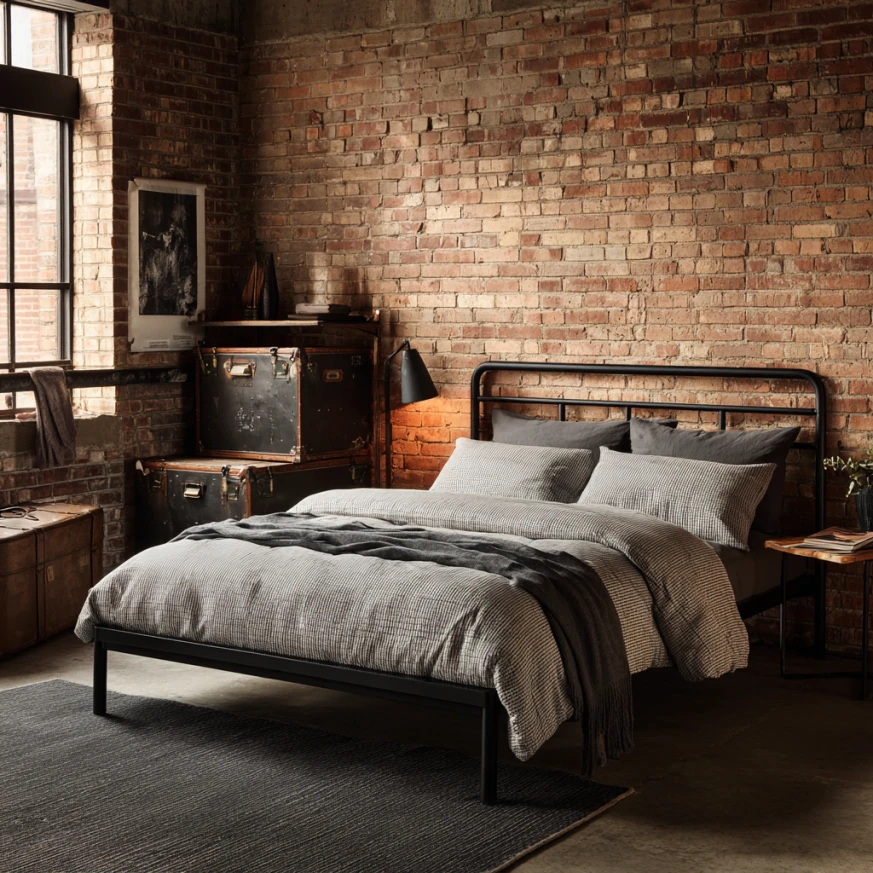
Sleek black metal bed frame in an industrial loft bedroom

Upholstered

An upholstered frame is a wood or metal skeleton wrapped in foam and fabric. It’s the quietest option, the kindest to your back if you sit up and read, and the easiest to bang into in the dark without bruising a shin.

Fabric choice decides how it ages:

  • Performance polyester or poly blends — best with pets and kids; most spills blot off.
  • Velvet — rich looking, shows crush marks and pet hair, needs a brush attachment weekly. See our guide to modern velvet upholstered beds for care specifics.
  • Linen and linen blends — breathable, wrinkles, and pilling is common on cheap weaves.
  • Leather and faux leather — wipes clean, but faux leather peels after a few years in a sunny room.

Check whether the headboard cover is removable or the legs unbolt. If neither, a stain is permanent and a move is a two-person job.

Tufted upholstered bed frame with fabric headboard in a boutique-style bedroom

Engineered wood (MDF, particleboard, plywood)

Flat-pack frames are usually MDF or particleboard with a veneer or laminate skin. They look convincing and ship cheap. They also swell permanently if a drink soaks in, and the cam-lock hardware loosens with every disassembly — most of these frames don’t survive two moves.

Plywood is the exception. Layered plywood with a real wood veneer is genuinely strong and is what a lot of good platform beds use for the slat deck.

If off-gassing worries you, look for a compliance stamp. EPA rules under TSCA Title VI require hardwood plywood, MDF and particleboard — plus finished goods made from them — to be labeled as compliant with federal formaldehyde emission standards. The label is typically a stamp or sticker on the box or the underside of a panel. Airing a new flat-pack frame out for a day or two before you make the bed doesn’t hurt either.

Flat-pack engineered wood bed frame with veneer finish in a small bedroom

Bamboo and rattan

Bamboo is a fast-growing grass, and laminated bamboo panels are stiff and light. Rattan and cane show up mostly as headboard inserts. Both suit warm, humid climates and airy rooms, and both scratch more easily than oak.

Woven cane can loosen and sag over the years; it can be re-webbed, but that’s a specialist job. FSC certification does cover bamboo, so a certified label is worth looking for if sourcing matters to you.

Light bamboo bed frame with cane headboard in a minimalist Japandi bedroom

How to choose among bed frame material types for your situation

  • You move every year or two: steel, or solid wood with bed-rail hooks. Avoid cam-lock MDF.
  • Two people over 200 lb combined weight, or you sit on the edge daily: hardwood or welded steel with a center support leg (or two on a king).
  • Light sleeper who hates noise: upholstered first, then solid wood.
  • Allergies: a slatted metal or wood frame with clear floor underneath is easiest to vacuum. Fabric headboards and tight-to-the-floor storage bases collect more dust. Mites care more about your room’s climate than your frame, though — the Asthma and Allergy Foundation of America points to keeping indoor humidity under 50% and washing bedding in hot water.
  • Small bedroom: a low platform or a frame with visible legs. Seeing floor under the bed makes a room read larger than a box-to-the-floor base does.
  • Renting furnished-ish and on a budget: engineered wood is fine, just don’t expect it to outlast the lease.

Still torn between the two big contenders? Our wood vs metal bed frame comparison walks through it step by step.

Modern bed styles and the materials that suit them

Platform beds

A slat deck replaces the box spring. Deck height runs roughly 6 to 18 inches; add your mattress and aim for a top-of-mattress height around 24 to 25 inches so your feet sit flat on the floor. Works in every material, but slat quality decides everything — thin, springy slats sag under foam mattresses.

Low-profile wood platform bed frame with wide slats in a bright bedroom

Sleigh beds

Curved head and footboards, usually solid or engineered wood, sometimes upholstered. They eat floor space: the footboard adds roughly 6 to 12 inches beyond the mattress length, so measure before you commit in a room under about 11 by 12 feet. They also limit you to mattresses of standard depth — a 14-inch pillow top can swallow the headboard curve.

Curved wooden sleigh bed frame with layered bedding in a spacious bedroom

Canopy beds

Four posts and top rails, most often slim steel or wood. Modern versions are skinny matte-black tubing rather than heavy carved posts. You need ceiling clearance — most canopy frames stand 76 to 88 inches tall, so an 8-foot ceiling leaves very little air above the rails. More on proportions in our canopy bed styles guide.

Slim black metal canopy bed frame with sheer drapes in a modern bedroom

Floating beds

A recessed base makes the bed look like it hovers, often with an LED strip underneath. The hidden base is doing all the work, so check the stated weight rating and whether there’s a center pedestal. Wall-mounted versions need blocking or studs — that’s a job for someone who knows what’s behind the drywall.

Floating bed frame with recessed base and LED underlighting in a minimalist bedroom

Storage beds

Side drawers need 24 to 30 inches of clearance to open fully — measure the gap to your dresser first. Gas-lift ottoman bases need nothing at the sides but demand headroom and a mattress light enough to lift; heavy hybrids make the lift feel stiff. Drawer boxes in solid wood or plywood survive; MDF drawer bottoms bow.

Upholstered storage bed frame with side drawers in a compact guest room

Support: the part that outweighs the material

A great hardwood frame with bad slats still sags. Before you buy, check:

  1. Slat spacing. Most foam and hybrid mattress warranties want gaps of about 3 inches or less. Wider gaps let the foam settle between boards.
  2. Center support. Queen, king and California king frames should have a center rail with at least one leg to the floor; kings often need two or three.
  3. Slat thickness and material. Solid pine, poplar or birch slats beat particleboard strips, which bow within a year.
  4. Hardware type. Bolts into metal inserts stay tight. Screws straight into MDF strip out.
  5. Room clearance. Frames sit about 2 to 5 inches wider and longer than the mattress, so a 60 × 80-inch queen mattress can need a 65 × 85-inch footprint. Sizing details are in our queen mattress bed frame guide.

Eco-friendly vs conventional choices

  • Renewable stock: bamboo regrows in a handful of years; oak and walnut take decades. Reclaimed lumber skips new harvesting entirely.
  • Emissions: composite panels use resin adhesives, which is why the federal labeling rule exists. Solid wood and steel avoid the question.
  • Lifespan is the real footprint: one hardwood frame that lasts 25 years beats four MDF frames in seven.
  • Labels worth checking: FSC for wood and bamboo sourcing, GREENGUARD Gold for low chemical emissions.

FAQs about bed frame material types

What’s the most durable bed frame material?

Kiln-dried hardwood with bolted joints, or welded steel. Both regularly pass 15 years with basic care.

Which bed frame is quietest?

Upholstered, because foam and fabric pad every contact point. Solid wood is next. Bolt-together metal is the noisiest.

Do upholstered frames attract bed bugs or dust mites?

Seams and tufting give bugs more hiding spots than a smooth metal rail, so inspect and vacuum edges. Mite levels track your room’s humidity and bedding routine more than the frame itself.

Can I put any mattress on any frame?

Almost — as long as the slat gaps meet the mattress warranty and there’s proper center support. Foam mattresses are the fussiest about spacing.

Is engineered wood ever worth buying?

Yes, for short-term needs or kids’ rooms. Buy the version with plywood slats and metal-insert hardware, keep it dry, and don’t plan on moving it twice.

How much should the frame cost relative to the mattress?

Prices swing constantly, so skip the ratio rules. Spend where it shows: joints, slats and center support first, decorative detail second.

Updated September 2026.