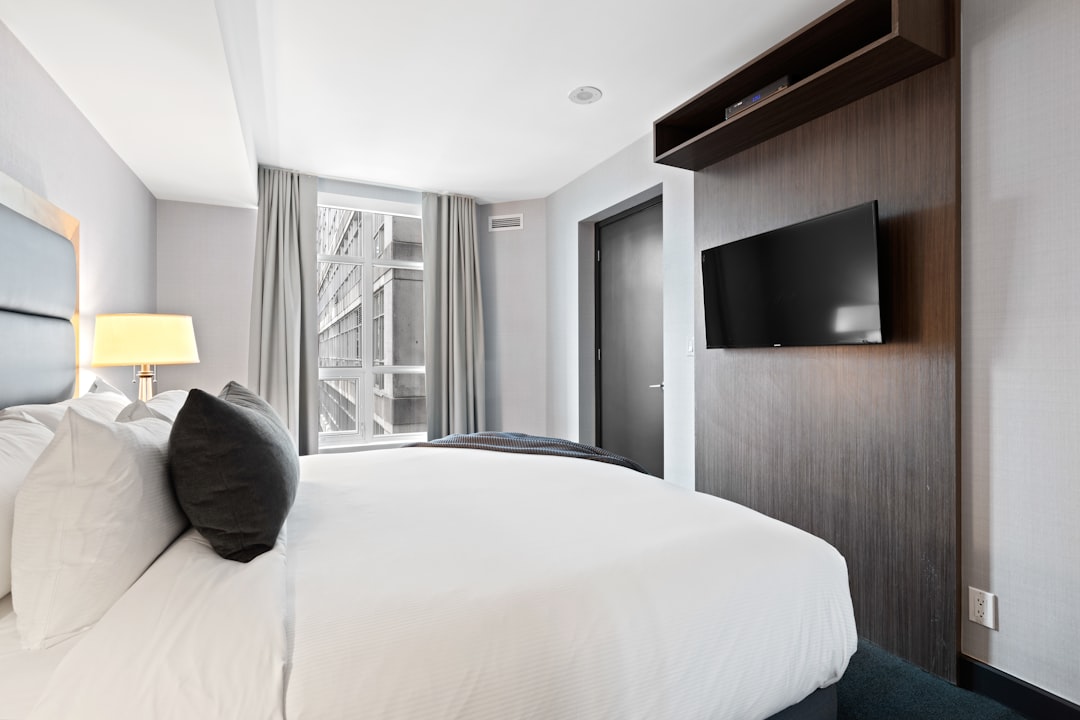
Mattress Protectors: Benefits and Buying Guide

Mattress Protectors: Benefits and Buying Guide - Featured Image

Mattress Protectors: Key Benefits and How to Choose the Right One

Key Takeaways

  • Mattress protectors shield against spills, stains, allergens, and bed bugs, ensuring a longer mattress life.
  • Choose from encasement, fitted, or elastic strap types with features like waterproofing and cooling technology.
  • Look for breathable materials like organic cotton and eucalyptus, and ensure a proper fit for your mattress.
  • Popular options include Coop Sleep Goods Ultra Tech Waterproof ($59) and Avocado Organic ($219).
  • Preserve mattress warranties by preventing stains and wear.

Mattress protectors offer essential protection from stains, moisture, and allergens—ensuring mattress longevity and sleep hygiene. Discover how to choose the best sleep surface shield for your needs in 2026.

Key Takeaways on Mattress Protectors

  • Mattress protectors shield against moisture, stains, allergens, dust mites, and bed bugs.
  • Choose between encasement, fitted, or elastic strap types.
  • Waterproof and hypoallergenic features improve sleep quality and hygiene.
  • Preserves mattress warranties by preventing stains and wear.
  • Look for breathable materials, warranty coverage, and sleep trials.

Mattress protectors are essential accessories for ensuring the longevity and cleanliness of your mattress. In this comprehensive buying guide, we’ll explore the benefits, types, and smart shopping tips for choosing the best sleep surface shield for your needs. You may also like our guides on choosing pillows for comfort, mattress toppers, and bedding accessories.

Whether you’re outfitting a new bed or looking to upgrade your current sleep setup, investing in the right protective accessories is key. Beyond just keeping your mattress clean, the right choice can influence how long it lasts, how healthy your sleeping conditions are, and how much comfort you experience every night. Many people overlook this essential piece of bedding, but understanding the details can make a significant difference in your sleep quality and mattress performance over time.

Why Use a Mattress Protector?

Using a sleep surface shield offers numerous benefits, including protecting your mattress against stains, dirt, moisture, and allergens, leading to a longer-lasting mattress and a healthier sleep environment. Expert opinions in 2026 highlight that a good protector can extend mattress life by up to 5 years.

sleep surface shield benefits

  • Protects against stains, dirt, moisture, and allergens
  • Extends the lifespan of your mattress
  • Promotes a healthier sleep environment by reducing allergens
  • Preserves your mattress warranty

Types of Mattress Protectors

There are several types of sleep surface shields to choose from, each offering unique benefits and features. In 2026, the most popular models include encasement protectors for full coverage and fitted protectors for easy setup.

sleep surface shield types

Waterproof Mattress Protectors: Protecting Your Mattress from Spills and Bedwetting

Waterproof sleep surface shields are a popular choice, especially for households with children or pets. Coop Sleep Goods Ultra Tech Waterproof ($59) is a top pick in 2026 for its excellent spill protection and breathability.

Choosing the Right Waterproof Mattress Protector

When selecting a waterproof sleep surface shield, consider fit, material, and ease of cleaning. In 2026, many options like the Utopia Bedding model ($28.99) offer deep pockets up to 22 inches, ensuring a snug fit on most mattresses.

Hypoallergenic Mattress Protectors

If you suffer from allergies or have sensitivities, hypoallergenic protectors like the Avocado Organic ($219) are recommended for their use of natural materials and excellent allergy protection.

hypoallergenic sleep surface shield

Protecting Your Mattress Warranty

Did you know that stains and other damage can void your mattress warranty? In 2026, using a protector is crucial for maintaining warranty coverage, especially for high-end mattresses.

protecting mattress warranty

Top Mattress Protector Brands

When it comes to choosing a sleep surface shield, several brands stand out in 2026. Notable mentions include Purple Waterproof ($149) and Brooklyn Bedding Luxury Cooling ($96.75 on sale), both praised for their advanced features and comfort.

top sleep surface shield brands

Smart Shopping Tips

  1. Consider your specific needs such as waterproofing or cooling features.
  2. Research customer reviews to gauge product performance.
  3. Compare prices to find the best value within your budget.
  4. Use sleep trials to test comfort and fit.
  5. Check warranty and return policies to ensure satisfaction.

sleep surface shield shopping tips

FAQ

What is a mattress protector?

A sleep surface shield is an accessory that helps safeguard your mattress from damage and allergens.

How does a sleep surface shield benefit sleepers?

Mattress protectors prevent moisture buildup, reduce allergens, mitigate stains, and protect the mattress warranty, leading to better sleep hygiene.

What are the different types of sleep surface shields?

Types include encasement, fitted, and elastic strap protectors, each offering different levels of protection and ease of use.

How do I choose the right sleep surface shield?

Consider protection level, material, size, durability, warranty, sleep trials, and cost when choosing a protector.

Are there waterproof sleep surface shields available?

Yes, waterproof sleep surface shields are popular for their ability to protect against spills and bedwetting.

What are hypoallergenic sleep surface shields?

Hypoallergenic sleep surface shields are designed to reduce allergens and create a healthier sleep environment.

Can a sleep surface shield protect my mattress warranty?

Absolutely! Using a sleep surface shield can help protect your mattress warranty from being voided by stains or damage.

Which are some top sleep surface shield brands?

Top brands include Coop Sleep Goods, Purple, and Avocado, known for their quality and reliability.

What are some smart shopping tips for sleep surface shields?

Research customer reviews, compare prices, and utilize sleep trials to find the best fit for your needs.

How can I protect my mattress for a better sleep experience?

Invest in a high-quality sleep surface shield and follow proper care instructions for optimal protection.

To explore more about bedroom style, see our article on
bold bedroom decor ideas or for layered bed styling check out
maximalist bedding.

Interested in a complete bedding upgrade? Don’t miss our recommendations on
bed accessories and
Ashley furniture bedding sets.

Source Links


About the Author

Joseph Rett is the founder of Cozy Bed Quarters, a Phoenix-based sleep and bedding resource. With years of experience researching sleep science and bedding products, Joseph helps people create comfortable, sustainable sleep spaces. Living in Arizona’s desert climate has given him unique insights into temperature-regulating bedding and cooling sleep solutions.

Selecting Perfect Bed Linen: Fabrics, Fit & Features Explained

Selecting Perfect Bed Linen: Fabrics, Fit & Features Explained - Featured Image

Selecting Perfect Bed Linen: 8 Expert Tips for Comfort & Style in 2026

Selecting perfect bed linen begins with understanding your sleep requirements and ends with the details that enhance nightly comfort. This 2026 guide offers quick takeaways, fabric insights, sizing advice, and trusted resources—updated for 2026—to help you make informed decisions.

Key Takeaways

  • Choose fabric wisely: Belgian or French flax linen leads for breathability and durability.
  • Ensure proper fit: Measure mattress depth; opt for standard or deep pockets as needed.
  • Quality over thread count: Long-staple cotton and weave quality matter most.
  • Look for smart features: Envelope pillowcases and duvet ties simplify usage.
  • Shop with confidence: Prioritize ethical sourcing and generous return policies.
  • Updated focus keyword: Use “selecting perfect bed linen” as your decision-making guide.
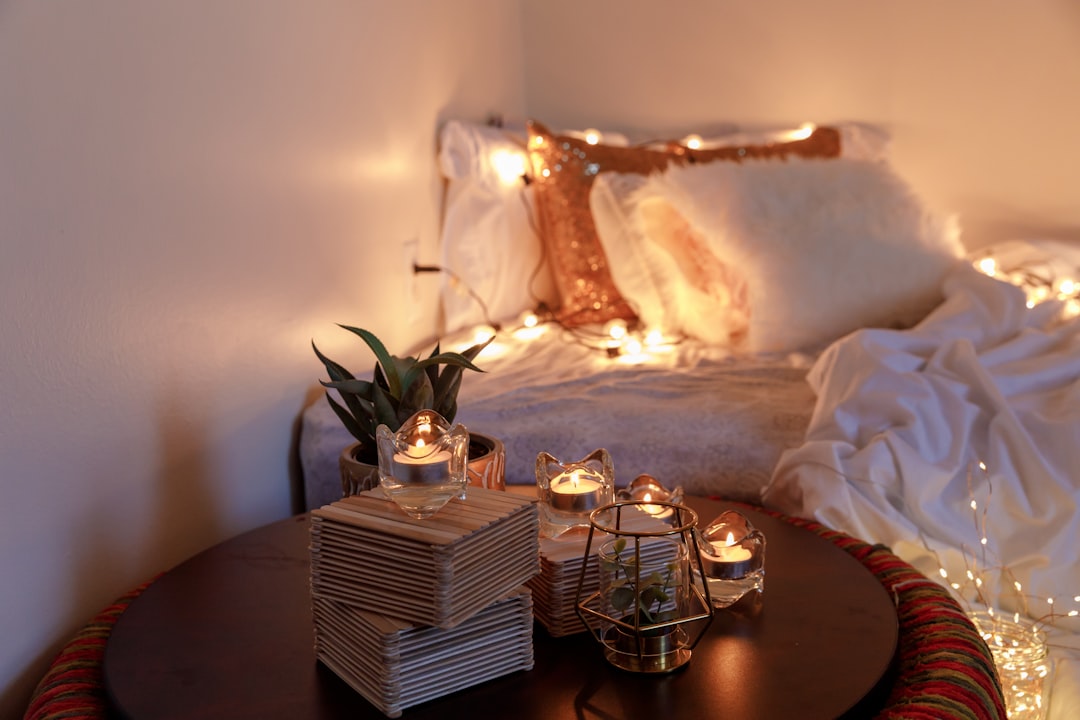
Selecting perfect bed linen in a calm, light-filled bedroom

A serene bedroom shows how the right fabric and fit elevate both comfort and style.

Why the Right Bed Linen Matters

The ideal sheets influence temperature control, skin comfort, and relaxation. Experts recommend a cool room—about 60–67°F—enhanced by breathable weaves and moisture-wicking fibers (National Sleep Foundation guidance; CDC sleep tips).

Mini-scenario: If you wake up sweaty at 3 a.m., Belgian flax linen or percale cotton can keep you cooler. If you’re often cold, opt for cotton flannel or sateen.

Top Fabric Options for Bed Linen

The perfect fabric varies by feel, breathability, and care requirements.

  • Cotton: Soft, breathable, durable. Long-staple varieties like Egyptian cotton offer superior quality.
  • Linen: Sourced from Belgian or French flax, it’s cool and softens with each wash—ideal for hot climates.
  • TENCEL™ Lyocell: Smooth, breathable, and great for sensitive skin. Produced sustainably from wood pulp.

Compare textures and durability in our guide to bedding materials and their benefits.

For those valuing certifications, explore our overview of bedding certifications and labels for a confident purchase.
Swatches that help with selecting perfect bed linen by fabric type

Fabric swatches help you decide between crisp percale, smooth sateen, airy linen, or silky TENCEL™.

How to Ensure the Perfect Fit

Measure your mattress’s length, width, and depth before purchasing. Standard pockets fit mattresses up to ~14 inches; deep-pocket sheets (15″+) are ideal for pillow-top users. Verify dimensions on the label—sizes can vary by brand. For more, see our bedding size chart guide.

Mini-scenario: If your fitted sheet keeps slipping off, opt for deep pockets or add corner straps—a simple fix to avoid nightly adjustments.
Fitted sheet snugly placed for selecting perfect bed linen fit

A fitted sheet that fits well stays put—even on plush pillow-top mattresses.

Extra Features That Add Value

Small details enhance daily use and durability.

  • Reinforced corners: Keep fitted sheets secure.
  • Envelope pillowcases: Stop pillows from slipping out.
  • Duvet ties or hidden zippers: Keep the insert in place and offer a neat look.
  • Subtle embroidery or piping: Adds style without discomfort.

Mini-scenario: If you move around a lot in your sleep, elastic corners and duvet ties can prevent bunched bedding.

Close-up finishes that matter when selecting perfect bed linen

Thoughtful construction details elevate comfort and make beds easier to maintain.

Helpful Shopping Tips

Shop smart with these strategies.

  • Feel before you buy: Touch swatches in-store to assess texture.
  • Check for sleep trials and returns: Many brands offer 30–60 nights to test your sheets.
  • Rethink thread count: Focus on fiber quality and weave over high numbers. Check our ultimate guide to thread counts.
  • Laundry strategy: Most homes benefit from weekly sheet washing; adjust if you have allergies, pets, or sweat heavily. Quick tips here: how to wash your sheets.

For sustainable options, explore materials and labels in our eco-friendly sleep choices guide.

Trusted Brands (What Readers Love)

Readers consistently recommend Brooklinen, Saatva, Cozy Earth, and Avocado for their quality and service. Long-staple cotton offers durability, linen promises airflow, and TENCEL™ ensures a silky, cool touch. For assurance, look for certifications, transparent sourcing, and fair return policies.

FAQ

What is the best fabric for bed linen?

Cotton, linen, and TENCEL™ offer excellent choices—select based on temperature and texture. Cotton is breathable; linen is the coolest and softens over time; TENCEL™ is silky, suitable for sensitive skin.

How do I choose the right sheet size?

Measure all dimensions, especially depth. If your mattress is 15″ or deeper, deep-pocket sheets will prevent corners from slipping off.

How often should I wash my bed linen?

Weekly is standard for most households; wash more often if you have allergies, pets, or sweat at night. See the National Sleep Foundation’s tips.

What bedroom temperature pairs best with breathable sheets?

Most adults sleep best at 60–67°F. Pair a cool room with breathable sheets for fewer disruptions (NSF temperature guidance).

Conclusion

When selecting perfect bed linen, match fabric to your temperature needs, confirm pocket depth, and prioritize feel and construction over marketing claims. Opt for features that ease your routine, and rely on reputable certifications for peace of mind. Sleep well—and for more bedding insights, explore Cozy Bed Quarters for buyer-friendly guides.

Related Reading

About the Author

Joseph Rett is the founder of Cozy Bed Quarters, a Phoenix-based sleep and bedding resource. With years of experience researching sleep science and bedding products, Joseph helps people create comfortable, sustainable sleep spaces. Living in Arizona’s desert climate has given him unique insights into temperature-regulating bedding and cooling sleep solutions.

7 Dynamic Decor Themes for Canopy Beds: Styling Your Dream Space

7 Dynamic Decor Themes for Canopy Beds: Styling Your Dream Space - Featured Image

7 Dynamic Decor Themes for Canopy Beds: Styling Your Dream Space

Key Takeaways

  • Canopy beds are making a comeback in 2026 with designs that blend comfort, style, and modernity.
  • Lush drapery and layered textures create cozy, retreat-like spaces.
  • Current trends emphasize warm, grounding colors and tactile, durable fabrics.
  • Choose frames that range from minimalist iron to dramatic statement pieces.
  • Expert designers recommend proportionate headboards for both function and style.

Decor Themes for Canopy Beds: Transform Your Bedroom with Style

Looking for the best decor themes for canopy beds? From whimsical kids’ setups to elegant and minimalist designs, this guide offers stylish ideas to transform any bedroom into a dreamy retreat.

Whimsical Canopy Beds for Children

Canopy beds bring a magical touch to kids’ bedrooms, transforming them into fairy-tale hideaways. Soft pastels like lilac, blush pink, or mint green create a calming and dreamy vibe. Add twinkling string lights or glow-in-the-dark stars to make bedtime exciting.

Let your child choose their favorite theme—whether it’s “enchanted forest,” “underwater adventure,” or “royal palace.” Complete the look with wall decals, plush toys, and matching bedding sets. For more inspiration, explore our guide on unique canopy beds for kids.

Whimsical decor themes for canopy beds in a children's bedroom

Bohemian Canopy Bed Vibes

Boho decor themes for canopy beds embrace a free-spirited, artistic energy. Think macramé canopies, earthy tones, and layered fabrics. Adding string lights or fairy bulbs creates a warm, inviting glow.

Rattan headboards, potted plants, and Moroccan-style pillows enhance the eclectic look. Don’t be afraid to mix patterns and textures—this is the hallmark of boho design. Need more ideas? Check our boho bedroom ideas guide for fabric and color inspiration.

Bohemian decor themes for canopy beds with macramé and earthy tones

Vintage Elegance with Canopy Beds

Vintage canopy beds bring timeless sophistication to the bedroom. Wrought iron frames or distressed wooden posts pair beautifully with lace or velvet curtains. Floral bedding in muted rose or lavender enhances the nostalgic feel.

Add antique-inspired decor—such as a tufted bench, ornate mirrors, or crystal chandeliers—to complete the look. For a regal twist, use brocade drapes with gold tassels and jewel-toned pillows.

Vintage decor themes for canopy beds with lace curtains and antique furniture

Modern Minimalist Canopy Beds

Minimalist bedrooms shine with simple, elegant canopy bed designs. Choose sleek black or white frames with clean geometric lines. Pair them with sheer white drapes for a soft, airy look.

Stick to monochromatic bedding and minimal decor—a single piece of wall art or a potted plant often does the trick. The goal is a calm, clutter-free aesthetic. For more inspiration, explore our minimalist bedroom ideas.

Serene Pastel Canopy Bedrooms

Pastel colors like soft pink, mint, or powder blue create a peaceful ambiance for canopy beds. Sheer curtains in pastel shades can reflect natural light beautifully.

Layer different fabrics—velvet throws, linen sheets, or quilted blankets—for a cozy and inviting feel. Add soft lighting, lavender sachets, and nature-inspired artwork for a spa-like vibe.

Creative Styling: Florals, Curtains, and Lights

Want to make your canopy bed stand out? Combine floral prints, flowing curtains, and LED string lights for a romantic and personalized touch. Use floral bedding or drapes to match your favorite blooms. Light-filtering fabrics and fairy lights add a magical ambiance to the bedroom, especially at night.

Creative decor themes for canopy beds with floral prints and string lights

Versatile Frames for Canopy Beds

The right canopy bed frame sets the tone for your decor theme. Rustic wooden frames add warmth, while sleek metal frames give a modern, industrial edge. For a luxurious feel, opt for upholstered or tufted headboards with velvet drapes.

  • Rustic Frames: Reclaimed wood, natural tones, cottage-style charm.
  • Modern Frames: Clean lines, black or brass finishes, minimal fabrics.
  • Luxurious Frames: Velvet panels, ornate carvings, rich materials.

Versatile decor themes for canopy beds with different frame styles

Canopy beds are versatile and stylish, offering endless decor possibilities. Whether you prefer whimsical kids’ themes, boho vibes, or vintage elegance, the right canopy bed setup can transform your bedroom into a personal sanctuary.

FAQ

How do I choose the best decor theme for a canopy bed?
Start by considering your bedroom’s overall aesthetic—boho, vintage, minimalist—and select fabrics, frames, and accessories that match.
Are canopy beds good for small bedrooms?
Yes! Choose lightweight fabrics and minimalist frames to avoid overwhelming smaller spaces.
What accessories go well with canopy beds?
String lights, sheer curtains, floral bedding, and soft rugs complement canopy bed designs beautifully.

Find more ideas on unique canopy beds or explore king-size canopy bed elegance. For external inspiration, see this Glaminati canopy bed guide.

Explore more about canopy bed style options in our [INTERNAL_LINK: Canopy Bed Frame Inspirations] and discover [INTERNAL_LINK: Luxurious Bedroom Retreats].

About the Author

Joseph Rett is the founder of Cozy Bed Quarters, a Phoenix-based sleep and bedding resource. With years of experience researching sleep science and bedding products, Joseph helps people create comfortable, sustainable sleep spaces. Living in Arizona’s desert climate has given him unique insights into temperature-regulating bedding and cooling sleep solutions.

Temperature-Regulating Bedding: Sleeping Cool and Comfortable

Temperature-Regulating Bedding: Sleeping Cool and Comfortable - Featured Image

Temperature-Regulating Bedding: Best Sheets to Stay Cool in 2026

Key Takeaways

  • Temperature-regulating bedding enhances sleep by effectively managing heat and moisture.
  • Bamboo, linen, and lyocell fabrics provide superior cooling performance.
  • Focus on breathable weaves rather than high-thread-count for optimal airflow.

Tired of waking up drenched in sweat? Temperature-regulating bedding keeps you cool, dry, and comfy all night. Discover the best sheets for hot sleepers and tips to choose your perfect set.

Why Temperature-Regulating Bedding Matters

Good sleep starts with the right temperature. Bedding that regulates heat and moisture can prevent overheating, improve comfort, and help you fall asleep faster and stay asleep longer. It’s especially essential for hot sleepers or those experiencing night sweats.

Top Temperature-Regulating Sheets for 2026

Temperature-regulating bedding displayed on a cozy bed

ettitude Bamboo Lyocell Sheet Set

For the best overall cooling performance, the ettitude Bamboo Lyocell Sheet Set is a top pick, priced between $179-$229 for a queen size. These sheets combine sustainability with superior cooling.

Silk & Snow Percale Sheets

For a crisp, affordable option, Silk & Snow’s Percale Sheets are now priced at $125. They offer great airflow and cooling with their percale weave.

Sleep Number True Temp Sheet Set

The innovative Sleep Number True Temp Sheets use 37.5 technology to regulate temperature, available at $149.99. They are perfect for advanced heat control.

More Cool Contenders

  • Pact Organic Cool Air Percale: $160; GOTS certified, great value.
  • Brooklinen Classic Core Sheet Set: $189; tested high for breathability.
  • Cariloha Classic Bamboo: $194-$299; bamboo viscose for effective cooling.
  • LUXOME Luxury Set: $170; bamboo viscose with a 400TC.
  • Sijo LuxeWeave Linen: $185; organic French flax cooling.
  • Slumber Cloud Essential Sheet Set: Features NASA-developed fibers for superior temperature regulation.

Breathable temperature-regulating bedding spread across a cool bed

What to Look for in Cooling Bedding

Material Matters

Look for natural fibers like bamboo viscose, cotton, linen, or lyocell. These materials offer excellent moisture management and breathability.

Weave Wonders

Percale weaves are light and crisp, making them ideal for airflow. Sateen is smoother but tends to retain a bit more heat—better suited for cooler months.

Thread Count Truth

Don’t fall for the myth that higher is always better. For breathable bedding, a thread count between 200–400 is optimal for air circulation and softness.

Cooling Doesn’t Mean Cold

Temperature-regulating bedding balances body heat without making you feel chilly. It keeps you comfortable—never too hot, never too cold.

Extra Cozy Picks

  • Saatva Linen Sheet Set: Stylish, breathable, and ideal for warm sleepers.
  • Parachute Percale Sheets: Durable and smooth with excellent airflow.

Closeup of cooling temperature-regulating bedding with eucalyptus fibers

Real-Life Scenario: Imagine This…

You slip into bed after a sweltering summer day. Your sheets feel fresh, breathable, and cool. No sweat. No tossing. Just effortless, uninterrupted sleep. That’s the magic of the right bedding.

Peaceful sleep using temperature-regulating bedding for hot summer nights

FAQ

What is temperature-regulating bedding?
Temperature-regulating bedding uses breathable materials to manage body heat and moisture, keeping you cool and dry while you sleep.
Are bamboo sheets better for hot sleepers?
Yes, bamboo sheets are highly breathable and moisture-wicking, making them an excellent choice for people who sleep hot or sweat at night.
Do cooling sheets really work?
Yes. Cooling sheets made from materials like bamboo, Tencel, or eucalyptus are designed to improve airflow and pull heat away from the body.

Final Thoughts: Sleep Cooler, Sleep Better

Investing in temperature-regulating bedding is one of the easiest ways to improve your sleep. Whether you’re battling hot summer nights or dealing with night sweats, the right sheets can make all the difference. Explore more of our top picks and stay comfy year-round.

Check out our related guides like Best Mattress for Hot Sleepers or How to Regulate Sleep Temperature. For more on sustainable options, visit our [INTERNAL_LINK: Eco-Friendly Bedding Guide].

About the Author

Joseph Rett is the founder of Cozy Bed Quarters, a Phoenix-based sleep and bedding resource. With years of experience researching sleep science and bedding products, Joseph helps people create comfortable, sustainable sleep spaces. Living in Arizona’s desert climate has given him unique insights into temperature-regulating bedding and cooling sleep solutions.

Navigating the World of Organic and Eco-Friendly Mattresses

Navigating the World of Organic and Eco-Friendly Mattresses - Featured Image

Organic and Eco-Friendly Mattresses: 7 Proven Benefits

Meta description: Organic and Eco-Friendly Mattresses deliver safer, cooler sleep with certified materials like latex, cotton, and wool—cutting VOCs and shrinking your footprint.

Key Takeaways

  • Certifications Matter: Look for GOLS, GOTS, OEKO-TEX, GREENGUARD Gold, and MADE SAFE for trusted safety and sustainability.
  • Material Choices: Organic latex, cotton, Tencel, and wool enhance breathability and durability.
  • Healthier Sleep: Reduced VOCs and fewer flame-retardant chemicals mean cleaner air.
  • Comfort Guaranteed: Latex and hybrid mattresses offer superior support and pressure relief.
  • Eco-Friendly Upgrade: Pair with a sustainable wood bed frame for a complete eco-friendly bedroom.

organic and eco-friendly mattresses key takeaways summary

At a glance: what to look for in organic and eco-friendly mattresses.

Welcome to the world of organic and eco-friendly mattresses, where comfort and sustainability meet. With so many choices, picking the perfect bed can feel overwhelming—this guide makes it simple.

Popular organic and eco-forward brands include Avocado, Birch, Happsy, My Green Mattress, PlushBeds, and WinkBeds.

Why Choose Organic and Eco-Friendly Mattresses?

Choose organic and eco-friendly mattresses to reduce chemical exposure, sleep cooler, and minimize your environmental footprint—without compromising comfort or support.

These mattresses replace high-VOC foams and chemical flame barriers with natural latex, wool, and cotton, resulting in a cleaner sleep surface with a lower environmental impact.

Mini-scenario: Sensitive to odors? A latex-and-wool hybrid with GOTS/GOLS certifications can minimize off-gassing during the first nights.

Materials That Make a Difference

Materials drive feel, durability, and temperature. Here’s what to expect:

  • Organic latex: Buoyant, pressure-relieving, and long-lasting. Great for back and combo sleepers.
  • Organic cotton: Breathable covers and batting that wick moisture without synthetics.
  • Wool: Natural temperature and moisture regulator; often used as a flame barrier.
  • Tencel/lyocell: Silky plant-based fibers that cool and soften the surface.
  • Recycled steel coils: Zoned support and airflow in eco-focused hybrids.

Mini-scenario: Hot sleeper? A latex hybrid with a breathable cotton cover and wool layer often sleeps cooler than dense polyurethane foam.

Learn more about mattress materials and types if you’re comparing foam vs. latex vs. hybrid builds.

Certifications: What Each Label Really Means

Trust—but verify. Look for these third-party standards when you shop:

  • GOLS (latex) / GOTS (textiles): Confirms organic sourcing and responsible processing for latex, cotton, and wool.
  • USDA Organic: Validates agricultural inputs grown without most synthetic pesticides or GMOs.
  • OEKO-TEX Standard 100: Tests finished textiles for harmful substances.
  • GREENGUARD Gold: Ensures low emissions, verified by My Green Mattress and others.
  • MADE SAFE: Certifies non-toxic materials, used by Avocado and My Green Mattress.
  • CertiPUR-US (polyfoam): Ensures foam is made without certain harmful chemicals and meets low-emission criteria.

For deeper background, see the Non-Toxic Mattress 2025 guide and the National Sleep Foundation resources on safer sleep environments.

certifications for organic and eco-friendly mattresses

Labels to look for when comparing organic and eco mattress options.

Comfort & Performance: How They Sleep

Latex responds quickly and supports neutral spinal alignment, while wool and cotton manage moisture for a drier, cooler feel.

  • Pressure relief: Latex contours without the slow “sink” of memory foam.
  • Motion isolation: Latex comfort layers and pocketed coils limit partner transfer.
  • Edge support: Reinforced coils or firmer latex rails help if you sit or sleep near the edge.

Mini-scenario: Side sleeper with shoulder pressure? Choose a medium model with plush latex on top and zoned coils beneath.

Cost, Value & Longevity

Organic models often cost more upfront but can last longer—especially latex builds, which resist sagging.

  • Best value: Start with a latex hybrid; it balances price, airflow, and support. Brands like Happsy offer budget-friendly options under $1,000.
  • Warranty & trials: Look for at least a 10–25-year warranty and 100-night or longer trials. Avocado offers 100 nights with a 10-year warranty.
  • Total upgrade: Pair your mattress with a sustainable wood bed frame to avoid particleboard and added resins.

Mini-scenario: Budget-minded? A thinner latex hybrid can deliver certified materials at a lower price than all-latex designs.

Organic vs. Conventional: Quick Compare

  • Materials: Organic uses latex, cotton, wool; conventional relies on polyurethane foams and synthetic blends.
  • Emissions: Certifications aim to limit VOCs; conventional beds may off-gas more.
  • Temperature: Latex and wool breathe; dense foams can trap heat.
  • Durability: Latex resists impressions; lower-density foams may compress faster.

Explore our broader primer on green mattresses and eco-friendly sleep to see how the rest of your bedroom impacts air quality.

How to Shop: A Simple Checklist

Use this 5-step process to buy with confidence:

  1. Set your feel: Choose plush for side sleepers, medium for combo, firm for back/stomach.
  2. Verify labels: Confirm GOLS/GOTS, OEKO-TEX, GREENGUARD Gold, or MADE SAFE on the product page.
  3. Check construction: Prefer breathable covers, wool fire barriers, and pocketed coils for airflow.
  4. Review policies: Look for 100-night+ trials, free returns, and robust warranties.
  5. Finish the ecosystem: Add breathable sheets and a nontoxic frame; see our eco-friendly bedding options.

Authority and certification resources: American Academy of Sleep Medicine and CertiPUR-US consumer guidance.

organic and eco-friendly mattresses bedroom setup

A cohesive eco bedroom pairs an organic mattress with a sustainable frame.

Conclusion: Make the Switch to Organic and Eco-Friendly Mattresses

Switching to organic and eco-friendly mattresses delivers cleaner materials, lasting comfort, and a lighter footprint—an upgrade you’ll feel every night. For more guides and comparisons, explore Cozy Bed Quarters.

organic and eco-friendly mattress in a modern bedroom

Your bed, but better for you—and for the planet.

FAQ

What makes a mattress organic or eco-friendly?

Third-party certifications and materials. Look for GOLS/GOTS for organics, OEKO-TEX for substance testing, USDA for organic inputs, and CertiPUR-US for foam safety.

Are organic mattresses firmer than regular beds?

Not necessarily. Latex and hybrids span plush to firm. Pick firmness by sleep position and body type.

Do organic mattresses last longer?

Often, yes. Natural latex is resilient and may outlast many conventional foams.

Will I sleep cooler on an organic mattress?

Typically. Breathable covers, wool, and latex promote airflow and moisture control, which reduces heat buildup.

How do I verify claims before buying?

Check the product page for certification numbers, read the warranty, and confirm home trial and return terms.

Related Reading

Suggested URL slug: organic-and-eco-friendly-mattresses-benefits

About the Author

Joseph Rett is the founder of Cozy Bed Quarters, a Phoenix-based sleep and bedding resource. With years of experience researching sleep science and bedding products, Joseph helps people create comfortable, sustainable sleep spaces. Living in Arizona’s desert climate has given him unique insights into temperature-regulating bedding and cooling sleep solutions.

The Science Behind Mattress Firmness and Sleep Quality

The Science Behind Mattress Firmness and Sleep Quality - Featured Image

The Science Behind Mattress Firmness and Sleep Quality

Key Takeaways:

  • Medium-firm mattresses (6-6.5 on firmness scale) consistently enhance sleep quality and spinal alignment.
  • Recent studies show 35% of sleepers prefer medium-firm mattresses, highlighting their versatility.
  • Firmness impacts back pain relief and overall sleep efficiency, supported by data from over 10,000 mattress owners.

How Mattress Firmness Affects Your Sleep Quality and Comfort

Mattress Firmness and Sleep Science

Understanding how mattress firmness affects sleep quality is key to improving your rest. This article explores scientific findings and expert insights to help you choose the right mattress for better sleep and comfort.

The Effects of Mattress Firmness on Sleep

Medium-firm mattresses, rated 6-6.5 on the firmness scale, consistently outperform softer and firmer options in enhancing sleep quality, according to recent studies. A 2025 polysomnography study showed medium-firm mattresses reduce sleep latency to 7.71 minutes and increase total sleep time. [1]

Jerry, CEO of SKYKINE, stated that medium-firm is the “sweet spot” for most sleepers, aligning comfort with support based on large-scale data. [2]

Factors to Consider when Choosing Mattress Firmness

  • Sleep Position: Side sleepers may prefer softer options; back sleepers often benefit from medium-firm for lumbar support.
  • Body Weight: Heavier individuals may need firmer support; lighter individuals often prefer a softer surface.
  • Personal Preference: Ultimately, what feels most comfortable to you matters most.

mattress and sleep

FactorsRecommended Firmness
Side SleepersMedium to Medium-Soft
Back SleepersMedium-Firm
Heavier IndividualsFirmer
Lighter IndividualsSofter

Choosing the Right Mattress Firmness for Your Needs

Selecting the perfect mattress firmness requires a balance of personal preference, sleep position, and body weight. Helix Midnight Luxe (around $1,099) and Leesa Sapira Chill Hybrid (approximately $1,299) are popular medium-firm options that offer excellent support and cooling features.

“When it comes to choosing the right mattress firmness, it’s all about finding the balance between support and comfort.” – Sleep Expert

Choosing the Right Mattress Firmness

The Impact of Mattress Firmness on Back Pain

Back pain continues to be a significant factor affecting sleep quality. Medium-firm mattresses are recommended for their balance of support and cushioning, which helps maintain spinal alignment. For additional comfort, consider a mattress with bed bug prevention features to ensure a peaceful night’s rest.

The Role of Mattress Characteristics in Sleep Quality

Beyond firmness, features like air overlay systems and temperature regulation play crucial roles in enhancing sleep quality. Sleepy’s Memory Foam, for example, has shown improvements in sleep metrics and is considered a comfortable option.

Mattress CharacteristicEffect on Sleep Quality
Air overlay systemsImproved support and pressure relief
Temperature regulationEnhanced sleep environment

The Optimal Mattress Firmness for Sleep Quality

A medium-firm mattress is often the best choice for a balance of comfort and support, relieving pressure points and supporting the spine. Products like the Helix Midnight Luxe and Leesa Sapira Chill Hybrid are top picks in this category.

best mattress firmness

The Science Behind Sleep Disorders and Mattress Firmness

Research from 2024-2026 continues to support medium-firm mattresses for reducing sleep disturbances and alleviating back pain. A focus on spinal alignment and pressure relief remains crucial for achieving restorative sleep.

Mattress Firmness and Overall Wellbeing

Sleep quality directly impacts health, mood, and productivity. Choosing the right mattress firmness is central to achieving restorative sleep and overall wellbeing. Explore more on the impact of sleep on health.

sleep disorders and mattress firmness

FAQ

Is mattress firmness related to sleep quality?
Yes. A medium-firm mattress improves comfort and sleep quality.
Can mattress firmness alleviate back pain?
Yes. Proper firmness improves spinal alignment and reduces back pain.
How do I choose the right mattress firmness?
Consider your sleep position, body weight, and personal preferences.
What other mattress characteristics should I consider?
Look for air overlay systems and temperature regulation features.
What is the optimal mattress firmness for sleep quality?
Medium-firm mattresses are generally best for sleep support and comfort.
Can mattress firmness affect sleep disorders?
It can help manage sleep disorders by improving support and comfort.
How does mattress firmness impact overall wellbeing?
Better sleep from proper firmness supports mental and physical health.

Source Links

About the Author

Joseph Rett is the founder of Cozy Bed Quarters, a Phoenix-based sleep and bedding resource. With years of experience researching sleep science and bedding products, Joseph helps people create comfortable, sustainable sleep spaces. Living in Arizona’s desert climate has given him unique insights into temperature-regulating bedding and cooling sleep solutions.

Bedding Thread Count Explained for Soft Durable Sheets

Bedding Thread Count Explained for Soft Durable Sheets - Featured Image

Title: Bedding Thread Count Explained for Soft Durable Sheets
Current Content:

Bedding Quality Thread Count: The Truth You Need to Know

Key Takeaways

  • Thread count is one factor; fiber quality, weave type, and craftsmanship matter more.
  • Optimal thread counts vary: 300-400 for Egyptian cotton, 300-500 for bamboo.
  • High thread counts can reduce breathability; balance is key for comfort.

Bedding quality thread count matters—but not in the way most people think. While many shoppers assume that a higher thread count automatically means better sheets, the reality is far more nuanced. In truth, softness, durability, and breathability depend just as much—if not more—on factors like fiber type, weave style, and manufacturing quality. Choosing sheets that truly feel luxurious means looking beyond flashy numbers to understand what those numbers really mean. This guide unpacks the truth about thread count, so you can confidently select bedding that delivers comfort, longevity, and real sleep-enhancing performance. For a deeper dive, explore our ultimate guide on how to clean a bed mattress.

Key Takeaways

  • Thread count refers to threads per square inch but isn’t the sole indicator of sheet quality.
  • Material, weave, and fiber origin affect softness, breathability, and durability more than high numbers.
  • Ideal thread count varies by fabric—300–500 is often a sweet spot for natural fibers like cotton.

What Is Thread Count?

Thread count is the number of threads woven both vertically (warp) and horizontally (weft) into one square inch of fabric. It’s long been used as a shorthand for sheet quality—but unfortunately, it doesn’t tell the whole story. The idea that “higher is better” is a myth that leaves many buyers with stiff, unbreathable sheets that cost more than they should.

Instead of focusing solely on numbers, savvy shoppers consider the type of fiber used, the weave, and whether the threads are single- or multi-ply. For example, a 400 thread count sheet made from extra-long staple Egyptian cotton will outperform and outlast a 1000 thread count sheet made from short-staple or synthetic blends. In other words, quality beats quantity every time.

So while thread count can give you a general sense of density, it’s just one part of the equation. True bedding quality thread count is about context—not just the count itself. For more insight, check out our guide on how to choose the best organic bed sheets.

Interested in creating a more sustainable bedroom? Read this guide to eco-friendly bed frames to complement your bedding choices.

Infographic chart showing bedding quality thread count and fabric performance ranges

The Significance of Thread Count in Bedding Quality

Thread count plays a role in how your sheets feel and perform, but it interacts with other factors like fiber type, weave structure, and finishing techniques. Here’s how to evaluate its real impact. For a related read, don’t miss our article on cooling sheets for hot sleepers.

Softness and Feel

Softness isn’t just about numbers. A thread count of 300–500 made from high-quality long staple cotton—like Egyptian or Supima—delivers a silky, breathable finish. Go much higher, and you might sacrifice comfort for density. Sheets above 600 often use multi-ply yarns, which feel bulkier and less breathable.

Ever stayed in a luxury hotel and wondered why their sheets feel perfect? It’s likely because they use quality fibers in the optimal thread count range. Brands like Brooklinen and Parachute Home also use this principle—premium cotton and the sweet spot of 300–500. According to the Sleep Foundation, sheets within this range tend to balance comfort and durability best.

Side-by-side close-up of sateen and percale cotton weaves showing bedding quality thread count differences

Durability

Durability comes down to fiber strength and weave tightness. Long-staple cotton fibers resist pilling, fraying, and tearing far better than short-staple cotton. Even at a 250 thread count, good cotton can outlast a cheap 800 count sheet. This is why investment-grade bedding often lists fiber origin up front.

Want your bedroom setup to last? Pairing high-quality sheets with a sustainable wood bed frame can enhance durability and eco-conscious living.

Breathability and Temperature Control

Overheating at night? Ultra-high thread count sheets can be the culprit. More threads often mean denser weaves, trapping body heat and moisture. For cool sleepers or summer nights, a 300–400 thread count in percale or bamboo viscose offers a cool, dry feel. It’s like flipping to the cool side of the pillow—every night. Learn more in our guide on bamboo vs. cotton sheets.

For comparison: a 300 thread count bamboo sheet breathes like linen but feels like silk, making it a top choice for hot climates or night sweats.

Weave Type

The type of weave changes the game. Sateen, with its tight one-yarn-under and three-yarn-over pattern, creates a luminous sheen and drapes beautifully. It feels luxurious, but can retain more heat. Percale, by contrast, uses a balanced one-over-one-under weave for a matte finish and crisp feel, ideal for warmer temperatures or minimalist preferences.

Think of sateen as your cozy winter sweater, and percale as your breathable summer T-shirt.

Marketing Gimmicks

Don’t fall for inflated thread counts. Some brands twist low-quality fibers into multi-ply yarns to artificially inflate the number—an 800 thread count that’s actually four 200-thread plies. This doesn’t improve comfort or durability; in fact, it can do the opposite. Stick with single-ply yarns and trusted certifications.

When in doubt, look for transparency in labeling and avoid buzzwords without substance. The Consumer Reports guide on thread count is a helpful resource.

Ideal Thread Count by Material

Different fabrics perform best at different thread counts. Here’s a quick-reference guide to help you choose:

MaterialIdeal Thread Count
Egyptian Cotton300–400
Pima Cotton200–400
Bamboo Viscose300–500
Linen80–140
Microfiber (Synthetic)200–300

Visual comparison of materials and ideal bedding quality thread count values for each type

How to Choose High-Quality Bedding

Don’t let thread count be your only guide. The best bedding choices come from a holistic view of materials, manufacturing, and personal needs. For more insight, visit our guide on choosing the right bed sheets.

  • Fiber Origin: Look for extra-long staple (ELS) cotton like Egyptian or Supima for unmatched softness and longevity.
  • Certifications: OEKO-TEX ensures the sheets are free from harmful chemicals, while GOTS covers organic integrity and sustainability. These labels mean you’re getting a safe, ethical product.
  • Weave Preference: If you run hot, go for crisp percale. Want cozy luxury? Sateen’s your friend.
  • Finish and Stitching: Inspect for double-stitched hems and clean, tight seams—a sign of craftsmanship that lasts through washes.

Thinking beyond thread count? Discover how cardboard bed frames are reshaping the idea of sustainable living.

Some Common Thread Count Myths You Should Not Believe

  • Myth: “Higher is always better.”
    Truth: After 600, benefits plateau or even decline. More isn’t always more.
  • Myth: “Thread count is the only factor in comfort.”
    Truth: Comfort relies just as much on fiber type, weave, and finish. Focus on feel, not just figures.

Understanding these myths helps you shop smarter and get better value for your money. Informed buyers sleep better—literally!

Final Thoughts

Understanding bedding quality thread count helps you make better choices. Don’t be misled by inflated numbers or clever marketing. Instead, look at the big picture: fiber quality, weave, certifications, and construction. When you shop with care, you’ll end up with sheets that feel better, last longer, and help you sleep soundly. And if you’re wondering about the environmental impact of your choices, check out our article on organic vs. synthetic bedding.

For a comprehensive overview of sustainable bedroom design, check out this article from The Roundup.

Looking for durability and eco-conscious choices? See what experts recommend in this piece from BigBeds.com.

Explore this insightful blog on Yawnder.com to learn how to find the right eco-friendly frame for your needs.

FAQ

Is a higher thread count always better?
No. Thread counts above 600 often do not improve comfort and may reduce breathability due to denser weaves that trap heat.
What’s the best thread count for hot sleepers?
Look for bamboo viscose or percale cotton sheets with a 300–400 thread count for optimal airflow and cooling comfort.
What materials feel softest at lower thread counts?
Egyptian and Pima cotton feel luxuriously soft even at 300 thread count due to their long staple fibers and smooth finish.

Related Reading from Cozy Bed Quarters

Other Reading We Found Popular

About the Author

Joseph Rett is the founder of Cozy Bed Quarters, a Phoenix-based sleep and bedding resource. With years of experience researching sleep science and bedding products, Joseph helps people create comfortable, sustainable sleep spaces. Living in Arizona’s desert climate has given him unique insights into temperature-regulating bedding and cooling sleep solutions.