Fold Away Beds with Mattresses for Small Spaces

A fully extended fold away bed with mattress in a warm, inviting guest room. The bed is dressed with plush bedding and a throw pillow, with a reading lamp and framed artwork in the background, creating a welcoming space for overnight guests.

Discover the ultimate guide to choosing a fold away bed with mattress—ideal for small spaces, guest rooms, and flexible living. Explore options that blend style, comfort, and practicality with real-world examples and top recommendations.

Back to Folding Bed Guide

Fold Away Beds With Mattresses for Easy Sleep

  • Fold away beds save space without compromising sleep quality—ideal for apartments, studios, and multipurpose guest rooms.
  • Top styles include Murphy beds, cabinet beds, and ottoman sleepers, offering something for every décor and budget.
  • Comfort-enhancing features like memory foam mattresses, breathable covers, and reinforced frames improve sleep quality.
  • Most models are highly portable and quick to set up, making them great for spontaneous guests or daily use.
  • Helpful guides, expert reviews, and style tips empower you to choose the right fold away bed for your lifestyle.

In short: You don’t have to sacrifice comfort to save space. Fold away beds are a smart solution for modern living.

What Is a Fold Away Bed with Mattress?

A fold away bed with mattress is a multi-functional piece of furniture designed to collapse into a compact unit when not in use. These beds are engineered to free up space while still delivering a comfortable night’s sleep. Unlike the old-fashioned rollaway cots from decades past, today’s designs are sleek, modern, and far more comfortable. Think of them as the Swiss Army knife of the sleep world—versatile, reliable, and compact.

For example, cabinet beds can look like a stylish credenza during the day and convert into a full-sized bed at night. Murphy beds are wall-mounted and fold vertically, while ottoman beds disguise themselves as functional seating. According to Architectural Digest, investing in multi-use furniture is one of the top strategies for optimizing small-space interiors.

Fold away bed folded in cabinet for compact storage

Bottom line? A fold away bed with mattress is your best friend when balancing style, space, and sleep comfort.

Top Benefits of Fold Away Beds

Fold away bed open in modern living room

1. Comfortable and Supportive Sleep

Gone are the days of lumpy sofa beds or deflating air mattresses. Today’s fold away beds come equipped with 4″ to 6″ thick memory foam or hybrid mattresses that provide genuine back support. Many mimic the feel of traditional beds, ensuring that guests (or even you, if it’s a daily sleeper!) wake up refreshed and ache-free.

Real talk: I once hosted my in-laws on a folding cabinet bed—and they slept so well they asked where they could buy one for their own home. That’s the kind of sleep quality we’re talking about here.

2. Saves Space in Style

One of the biggest advantages of fold away beds is how seamlessly they blend into your existing décor. You can find options in wood finishes, neutral upholstery, or sleek metal styles. Whether you’re outfitting a coastal-themed guest room or a modern studio, there’s a design that fits.

Looking for multi-functionality? Explore folding couch beds—perfect for daytime lounging and nighttime sleeping.

3. Easy to Use and Move

Most fold away beds come with features like lockable casters, folding frames, and lightweight builds, making them simple to roll out and store away. You don’t need to be an engineer to use one—they’re made for everyday people and spontaneous overnight situations.

Wrap-up: Fold away beds marry functionality and style, making them an essential solution for space-conscious living without compromising comfort.

How to Choose the Right Fold Away Bed

  1. Measure Your Space: Determine how much room you have both for the open bed and the storage footprint. Murphy beds need vertical wall space, while ottoman beds fit easily into compact floor plans.
  2. Assess Comfort Needs: Choose a bed with a minimum 4″ memory foam for occasional use—or up to 6″ for frequent sleeping. If you’re buying for daily use, spring-supported frames or hybrid mattresses are worth the investment.
  3. Evaluate Storage Features: Cabinet beds often include drawers or hidden compartments—great for storing linens, pillows, or seasonal bedding.
  4. Match Your Aesthetic: Select finishes and upholstery that complement your room’s palette. Oak wood cabinets feel warm and rustic; tufted ottomans add softness and charm.
Fold up bed with mattress unfolded for sleeping

And don’t forget: The right bedding matters too! Brush up with our guide on fitted vs. flat sheets to make sure your setup feels just right.

Wrap-up: Choosing the right fold away bed is about balancing size, sleep quality, and style. A little planning goes a long way.

Best Options Compared

Fold away bed comparison of cabinet, Murphy, and ottoman models
ModelTypeKey Features
Atlantic Furniture NantucketMurphy BedSturdy wood build, twin/full options, wall-mounted, ideal for long-term daily use
Night & Day Cube CabinetCabinet BedQueen-size tri-fold memory foam, compact cube design, drawers included
HomCom Folding OttomanOttoman Bed3-in-1 seat/sleeper/storage combo, compact for dorms or studios

Final note: No matter your budget or space, there’s a high-quality fold away bed option ready to meet your needs.
Quick Answer

A fold away bed with mattress is a modern solution for cozy, space-conscious homes. Whether it’s a Murphy wall bed, a discreet cabinet model, or an ottoman that moonlights as a sleeper, these beds offer comfort and convenience without the bulk. They’re easy to set up, stylishly designed, and perfect for both daily use and occasional guests.

Looking to maximize comfort in tight spaces? A fold away bed with mattress is your go-to for flexible living. Choose from Murphy, cabinet, or ottoman styles to fit your aesthetic and room size—and enjoy restful sleep without sacrificing floor space.

FAQ

Are fold away beds comfortable enough for adults?
Absolutely. Many modern designs use memory foam or hybrid mattresses with reinforced frames to support adult sleepers comfortably—night after night.
Can I use a standard mattress on a fold away bed frame?
Yes, especially for Murphy and cabinet beds. Just make sure the thickness and dimensions align with the manufacturer’s specifications so the bed can still fold properly.
Do fold away beds require tools to set up?
Most require minimal assembly. You may need to attach caster wheels or brackets. Murphy beds often need wall anchoring and are best installed by two people or a pro.

Want cozy updates? Join our newsletter for sleep tips, compact living inspiration, and smart product finds delivered to your inbox.

Thuma Bed Frame Review: 7 Reasons It’s Worth the Hype

Full size Thuma bed frame in a warm, inviting guest bedroom setup

The Thuma Bed Frame blends minimalist design, eco-friendly materials, and whisper-quiet stability—an attractive platform for sleepers who want sustainability without sacrificing style.

Thuma Bed Frame: A Minimalist Platform That Puts Sleep First

In a sentence: the Thuma Bed Frame delivers serene style and sturdy, quiet sleep.

If your current base creaks or wobbles, upgrading to the Thuma Bed Frame can be a clear quality-of-life win. This low-profile platform relies on tight joinery and felt-lined contact points, so movements are dampened and nights stay blissfully quiet. Its repurposed wood build offers warm, modern character that works in Scandinavian, boho, or transitional bedrooms.

This photo shows the Thuma Bed Frame in a walnut finish styled with white bedding, demonstrating the Thuma Bed Frame in a minimalist bedroom.

Key Takeaways: Thuma Bed Frame

  • Tool-free assembly uses Japanese-inspired joinery; most setups take well under 20 minutes.
  • Repurposed wood and a low-VOC finish support a sustainable bedding approach.
  • Felt-lined slats and cushioned joints keep the Thuma Bed Frame whisper-quiet.
  • Platform design means no box spring is needed; slats support foam and hybrid mattresses.
  • Durable construction aims to be a “buy-it-once” piece for eco-conscious homes.

Built for Ease: Assembly, Materials, and Noise Control

Bottom line: the Thuma Bed Frame assembles fast, feels solid, and stays quiet night after night.

The Thuma Bed Frame arrives in modular panels that slide together without metal fasteners. That means setup is quick and repeatable for moves. The frame’s repurposed wood construction gives each piece subtle variation, while felt-lined slats and cushioned contact points minimize friction. If you’re sensitive to squeaks, this design is a standout compared with budget frames that rely on multiple screws.

Platform support is designed to replace a box spring—an approach broadly recommended for platform bases. For context, Sleep Foundation notes that platform beds do not typically require a box spring, and slats can provide strong, breathable support for foam and latex mattresses

This image illustrates the Thuma Bed Frame in a minimalist room where the Thuma Bed Frame anchors a quiet, modern look.

Comfort & Support: How the Platform Slats Perform

Quick take: closely spaced slats create a stable, breathable base for most foam and hybrid mattresses.

A platform’s slat spacing matters. Narrow gaps help prevent sagging while allowing airflow that keeps foam cooler. Sleep Foundation’s guidance explains that slats offer strong support for memory foam and latex when spacing is appropriately narrow
(source).
Parachute’s bed guides also emphasize pairing the right frame style with your mattress and room layout
(source).

In daily use, the Thuma Bed Frame feels planted and quiet, especially for couples and combo sleepers. The platform height also supports easy entry and exit compared to very low futon setups. If you’re choosing between bases, Better Homes & Gardens clarifies that platform beds don’t require a separate foundation
(source).

This angle shows the pillowboard against the wall, highlighting how the Thuma Bed Frame provides a comfortable backrest for reading.

Design Choices: Sizes, Aesthetics, and the Pillowboard

TL;DR: the Thuma Bed Frame’s warm wood finish and modular pillowboard fit modern spaces without visual bulk.

The Thuma Bed Frame favors clean lines and rounded edges that reduce visual weight in smaller rooms. The optional pillowboard sits between the wall and mattress, giving you a soft, washable backrest for reading. This pairs nicely with eco-conscious sheets and organic bedding for an all-around greener sleep setup.

If you’re exploring similar silhouettes before you commit, compare platform designs and buying criteria in Platform Beds: Benefits, Styles, and Buying Guide and weigh materials with Wood vs Metal Bed Frames.

This wide shot places the Thuma Bed Frame at center stage, showing how the Thuma Bed Frame anchors a calm, minimalist bedroom.

Durability & Value: Is the Thuma Bed Frame Worth It?

Short answer: yes—if you want a quiet, long-lasting platform with timeless style.

Priced around $1,095 for a queen, the Thuma Bed Frame isn’t a bargain buy, but its durable construction aims to outlast disposable frames. Real wood, replaceable modules, and a squeak-resistant build contribute to long-term value. When you factor in the lifespan of quality platforms, the cost per year often undercuts cheaper frames that need replacing every few cycles.

Still price-sensitive? See our internal roundups for strong alternatives—such as Best Queen Size Bed Frames or space-saving picks in
Best Folding Bed Frames for Apartments.

Drawbacks to Consider

Reality check: premium price and limited stylistic variations may not suit every shopper.

  • Minimalist look only: If you want ornate details or built-in storage, you’ll need another model.
  • Higher upfront cost: Quality materials and joinery command a premium.
  • Stock timing: Popular finishes can sell through quickly during peak seasons.

Eco Angle: How Thuma Fits a Greener Bedroom

Summary: repurposed wood, simple packaging, and long service life support a lower-waste sleep setup.

Sustainability rarely comes from one feature alone. The Thuma Bed Frame uses repurposed wood to reduce demand for new materials, ships efficiently in modular cartons, and aims for longevity so you buy less often. Round out your eco-plan with breathable, sustainable bedding and organic bedding made from natural fibers, which pair well with the frame’s airflow-friendly slats.

Who Should Buy the Thuma Bed Frame?

Bottom line: buy if you want quiet stability, minimal maintenance, and a refined, wood-forward look.

Choose the Thuma Bed Frame if creaks wake you, you prefer streamlined assembly, or you want a low-profile platform that plays well with foam and hybrid mattresses. Skip it if you need integrated drawers, an upholstered aesthetic, or a very tall bed height out of the box.

FAQ: Thuma Bed Frame

Does the Thuma Bed Frame need a box spring?
No. It’s a platform design, so your mattress rests on slats. This aligns with general guidance that platform beds don’t require a box spring (Sleep Foundation).
Is the Thuma Bed Frame noisy?
It’s engineered for quiet. Cushioned joints and felt-lined slats help minimize noise during movement.
What mattresses pair best with the Thuma Bed Frame?
Memory foam, latex, and hybrid models typically work well—just ensure slat spacing supports your mattress type (guidance on slats).
Is there a headboard?
Thuma’s pillowboard acts like a soft headboard, sitting between the wall and mattress without hardware for a clean look.

Related Readings

How Sleep Affects the Immune System: 6 Proven Ways to Boost Immunity

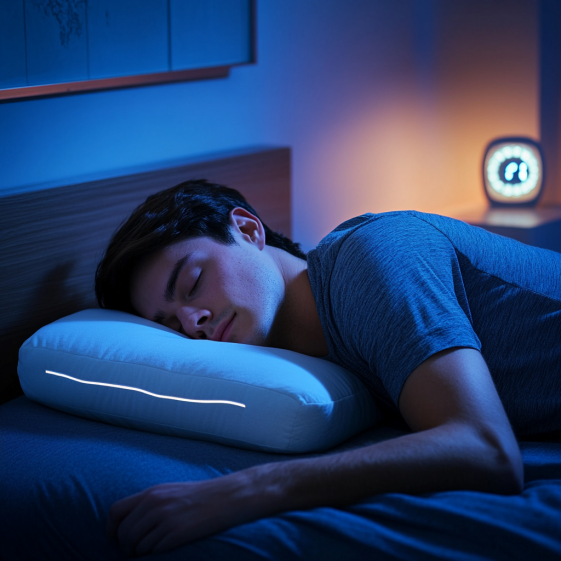
how sleep affects the immune system with blue light-free routine.

How Sleep Strengthens the Immune System Naturally

How sleep affects the immune system is more important than you might think. In this cozy guide, we break down how rest supports your body’s defenses—and how to sleep better starting tonight.

Key Takeaways on How Sleep Affects the Immune System

  • 🛌 Sleep boosts T-cell production and immune response, keeping you healthier.
  • 💤 Poor sleep raises inflammation and weakens your body’s defense system.
  • 🌙 Consistent sleep routines and cozy environments support stronger immunity.
  • 🌞 Exposure to morning light and cutting blue light at night improve sleep quality.
  • 📊 Aim for 7–9 hours of rest each night to help your immune system function at its best.
how sleep affects the immune system infographic

How Sleep Affects the Immune System

Ever wonder why you always seem to get sick after a few sleepless nights? Or why that lingering cold won’t quit when you’re burning the candle at both ends? It turns out, sleep isn’t just about feeling rested—it’s a vital part of keeping your immune system strong and ready to fight off whatever bugs come your way.

Let’s snuggle into the science of sleep and immunity, and explore some simple, cozy ways to give your body the rest it needs to stay well. While it might sound simple, good sleep habits form a key pillar of lasting health. The stronger your immune foundation, the better equipped you are to fight off everything from seasonal colds to long-term inflammation. When you prioritize quality sleep, you’re also investing in your body’s daily repair and renewal processes.

Why Sleep Matters for Your Immune System

Sleep is when your body shifts into healing mode. While you’re dreaming away, your immune system is hard at work, producing protective cells, repairing damage, and sending out signals that help fight infection. That’s one reason why understanding how sleep affects the immune system is so essential.

According to Parkview Health, sleep helps your body generate T-cells—those virus-fighting warriors that recognize and attack harmful invaders. It also boosts cytokine production, which helps manage inflammation and coordinate immune responses.

What Happens While You Sleep

  • T-Cells Activate: These immune soldiers target and eliminate viruses and bacteria.
  • Cytokines Increase: These proteins help regulate inflammation and immune communication.
  • Antibodies Build: Well-rested bodies create stronger responses to vaccines.
  • Cells Repair: Damaged tissues are healed, giving your body time to recover.
how sleep affects the immune system during sleep

Cozy bedtime rituals aren’t just relaxing—they’re your body’s frontline defense. Remember, how sleep affects the immune system has everything to do with these nighttime healing powers.

How Poor Sleep Raises Your Risk of Illness

If you’ve ever felt run-down and foggy after a bad night’s sleep, that’s your immune system waving a white flag. Sleep deprivation doesn’t just make you tired—it weakens your body’s ability to defend itself. And that’s a key way how sleep affects the immune system every single day.

According to New Jersey Sleep Apnea Solutions, sleep loss leads to decreased T-cell activity and increased inflammation, which makes it harder to fight infections and slows down healing.

Consequences of Inadequate Sleep

  • ❌ T-cell function drops, weakening immune defense.
  • ❌ Chronic inflammation increases, stressing the body.
  • ❌ Wounds and illnesses take longer to heal.
  • ❌ Vaccine effectiveness can decrease.
how poor sleep affects immune function

So if you’re skimping on shut-eye, your immune system is running on empty. Learning how sleep affects the immune system can help you avoid these risks and stay healthier overall. Adequate rest isn’t just about avoiding illness—it’s about enhancing your body’s ability to fight stress, inflammation, and chronic disease every single day.

Sleep and Chronic Disease: The Hidden Connection

Beyond the sniffles, poor sleep plays a huge role in long-term health. Chronic sleep deprivation doesn’t just impact your immune system—it raises the risk for serious health issues. That’s another reason why knowing how sleep affects the immune system is crucial to preventing disease.

Health Conditions Tied to Sleep Loss

  • ⚠️ Heart Disease: Sleep loss can lead to high blood pressure and inflammation.
  • ⚠️ Type 2 Diabetes: Disrupted sleep affects insulin sensitivity.
  • ⚠️ Obesity: Less sleep increases hunger hormones and late-night snacking.
  • ⚠️ Depression & Anxiety: Emotional well-being suffers with less rest.
connection between sleep and chronic disease

Want more insight? Check out The Link Between Sleep & Weight Loss to understand how sleep affects more than just your energy levels. Prioritizing sleep doesn’t mean sacrificing productivity—it means protecting long-term vitality.

Cozy Tips to Improve Sleep and Boost Immunity

Thankfully, improving sleep doesn’t require a total lifestyle overhaul. A few cozy changes can have a big impact on your rest and your immune strength. And yes—it all goes back to how sleep affects the immune system in subtle, powerful ways.

Create a Consistent Sleep Schedule

Go to bed and wake up at the same time every day, even on weekends. Your body’s internal clock loves routine. Keeping this rhythm helps reinforce how sleep affects the immune system night after night.

Soak Up the Morning Sun

Natural light helps regulate your circadian rhythm—so take your coffee outside or by a sunny window.

Cut Blue Light Before Bed

Put phones and screens away an hour before sleep or use blue light blockers.

Design a Cozy Sleep Environment

Keep your bedroom cool (60–67°F), dark, and quiet. Blackout curtains, white noise machines, and cozy bedding make a big difference. Not sure what bed setup works best? Check out our guide to bed sizes and sleep essentials.

Avoid Late-Night Snacks & Caffeine

Wind down with herbal tea or a light read, and skip that 9 p.m. espresso. A quiet, settled stomach supports how sleep affects the immune system through uninterrupted rest.

Looking for foods that support better sleep? Don’t miss The Best Foods for Deep Sleep.

How Much Sleep Is Enough for a Healthy Immune System?

Everyone’s different, but here are general guidelines for healthy immune support. Tracking how sleep affects the immune system begins with knowing how much rest your body truly needs:

  • 🛌 Kids (6–12 years): 9–12 hours
  • 🛌 Teens (13–18 years): 8–10 hours
  • 🛌 Adults (18–64 years): 7–9 hours
  • 🛌 Older Adults (65+): 7–8 hours

If you’re constantly waking up groggy or getting sick often, it might be time to evaluate your sleep habits and how they’re impacting your immunity.

When to Get Help for Sleep Problems

Tried all the sleep tips and still tossing and turning? It might be time to call in the pros. A sleep specialist can help diagnose underlying issues like sleep apnea or insomnia that may be affecting your immunity. Don’t forget—professional support can be the missing link in understanding how sleep affects the immune system in your daily life.

Signs It’s Time for Help

  • ❌ Regular trouble falling or staying asleep
  • ❌ Feeling tired despite 7+ hours of sleep
  • ❌ Frequent colds or slow recovery
  • ❌ Loud snoring or breathing problems during sleep

The good news? Many sleep disorders are highly treatable once diagnosed.

FAQ

How does sleep improve immune function?
Sleep boosts immune activity by increasing T-cells, cytokines, and antibodies that help your body fight infections and heal faster.
Can lack of sleep make me sick more often?
Yes. Poor sleep weakens your immune response, making it harder to fend off viruses and increasing your risk of getting sick.
What’s the ideal amount of sleep for immune health?
Most adults need 7–9 hours of sleep each night to support a healthy immune system and overall well-being.

A Cozy Reminder to Rest

Sleep isn’t a luxury—it’s your immune system’s best friend. By prioritizing 7–9 hours of restful sleep and creating cozy nighttime routines, you’re giving your body exactly what it needs to fight off illness, recover faster, and thrive.

Tonight, light a candle, pull up your softest blanket, and let your bedtime be a healing ritual. Because when you start taking sleep seriously, your whole body thanks you. And now that you know how sleep affects the immune system, you’ve got one more reason to make it a priority.


Sleep and Aging: Science, Skin Benefits, Tips & FAQs

sleep and aging memory illustration across three panels


Sleep and Aging: How Better Rest Slows Visible Aging

If you want to age naturally while staying vibrant, sleep and aging are inseparable: 7–9 hours of quality sleep fuels collagen production for smoother skin, clears brain toxins for sharper thinking, balances hormones to steady mood and energy, and reduces inflammation that accelerates aging. In short—sleep is your simplest, most sustainable anti‑aging habit.

Key Takeaways on Sleep and Aging

  • Beauty starts at bedtime: Deep sleep boosts collagen and skin repair, softening fine lines naturally.
  • Brain stays sharper: Consistent sleep supports memory, mood, and long‑term cognitive health.
  • Hormones harmonize: Better sleep steadies melatonin and cortisol, curbing stress‑related aging.
  • Inflammation drops: Restorative sleep helps your immune system and slows age‑accelerating damage.
  • Habits matter most: Cool, dark rooms, regular schedules, and wind‑down routines deliver lasting results.
  • Ask for help if needed: Persistent issues like apnea or insomnia are treatable—don’t wait.

Why Sleep and Aging Go Hand‑in‑Hand

Bottom line: your nightly sleep window is when your body shifts into repair mode—miss it and visible as well as hidden signs of aging speed up.
Sleep isn’t just about feeling rested — it’s when your body goes into deep healing mode. At night, your skin cells regenerate, your brain flushes out toxins, and your hormones recalibrate. Missing out on those magical hours? It can lead to faster wrinkles, brain fog, and even a weakened immune system. But when you make sleep a priority, you’re giving your body a fighting chance to age gracefully — from the inside out.

This guide on how age changes your sleeping patterns explains why your sleep changes over time — and what you can do about it.


The Aging Process and How Sleep Helps Slow It Down

In short, as deep sleep naturally shrinks with age, prioritizing sleep hygiene helps you reclaim restorative stages and slow visible and cognitive aging.

How Sleep Slows Aging Naturally

Here’s how better nightly rest counters common aging pathways, fast:

  • Boosts collagen production for smoother, firmer skin
  • Enhances memory and brain health to keep you mentally sharp
  • Balances hormones like melatonin and cortisol
  • Reduces inflammation, helping prevent chronic diseases

Getting quality sleep is like giving your body a nightly tune-up. And without it? Things wear down faster — inside and out.


The Effects of Poor Sleep on Premature Aging

The quick answer: skimping on sleep accelerates wrinkles, brain fog, stress hormones, and illness risk—pressing fast‑forward on aging.

What Happens When You Don’t Sleep Enough

Expect these age‑accelerating effects when sleep debt piles up:

  • Fine lines show up faster thanks to decreased skin elasticity
  • Your immune system weakens, leaving you more prone to illness
  • Cortisol spikes, which breaks down skin-repairing collagen
  • Brain fog sets in, making focus and memory harder to hold onto

According to Harvard Health, poor sleep is directly linked to cognitive decline and visible signs of aging.


The Anti‑Aging Power of Deep Sleep for Your Skin

Put simply, deep sleep is your nightly skin treatment—supporting collagen, circulation, and moisture for a naturally youthful look.

How Sleep Keeps Skin Looking Youthful

  • Builds collagen, which minimizes sagging and wrinkles
  • Reduces puffiness and dark circles by boosting circulation
  • Replenishes moisture and flushes out skin-dulling toxins

💡 Pro tip: Switch to a silk pillowcase — it’s gentler on your skin, prevents friction, and adds a touch of luxury to your bedtime routine.


Protecting Your Brain as You Age — While You Sleep

The headline: consistent, deep sleep helps clear neurotoxins, strengthen memory, and stabilize mood—core defenses against cognitive aging.

Good sleep doesn’t just help you look good — it helps you think clearly too. Deep sleep is crucial for memory, mood, and keeping your mind sharp over time.

What Restorative Sleep Does for Your Brain

  • Clears toxins like beta-amyloid, which is linked to Alzheimer’s
  • Strengthens memory, helping you retain what you learn
  • Keeps stress in check, reducing anxiety and brain fog

In fact, studies show that people who consistently get 7–9 hours of sleep are much less likely to develop cognitive decline later in life.

sleep and aging memory illustration across three panels


Sleep Habits That Help You Age Gracefully

Here’s the quick fix: train consistent routines, optimize your sleep environment, and wind down—small nightly habits that compound into graceful aging.

1. Stick to a Regular Sleep Schedule

Our bodies thrive on rhythm. Going to bed and waking up at the same time every day can reset your internal clock, boost melatonin, and give your cells the time they need to restore.

2. Keep Your Room Cool, Dark, and Peaceful

A cool bedroom (between 60–67°F) mimics the ideal sleep environment. Block out light with blackout curtains and reduce noise where possible.
🛏️ Looking to upgrade your sleep space? Don’t miss this complete guide to bed sizes and key factors.

3. Eat for Skin and Sleep Health

Berries, salmon, almonds, and chamomile tea — your dinner plate can be your anti-aging secret. Foods rich in vitamin C, magnesium, and omega-3s nourish your skin and help you unwind.

4. De‑Stress Before You Hit the Pillow

Stress makes sleep elusive and ages your body faster. Wind down with journaling, calming stretches, or even just five minutes of slow, deep breaths.

5. Sleep on Your Back with a Silk Pillowcase

Sleeping face-down can cause facial creases over time. A silk pillowcase and a back-sleeping habit are small changes that make a big difference.


When to Get Extra Help with Age‑Related Sleep Struggles

If optimized habits don’t help, consult a sleep specialist—conditions like apnea, insomnia, or hormone issues often underlie stubborn sleep problems and are treatable.

Watch for these red flags:

  • Frequent night waking or early morning waking
  • Daytime exhaustion despite 7+ hours of sleep
  • Memory problems or mood swings
  • Skin dullness or recurring illnesses

Conditions like sleep apnea, insomnia, or hormone imbalances could be behind your sleep issues — and they’re treatable.


Cozy Final Thoughts: Let Sleep Be Your Superpower

Aging well isn’t about expensive creams or miracle supplements. It’s about giving your body the deep, healing rest it needs every night. Sleep is free, powerful, and yours to claim.

So tonight, cozy up in your favorite pajamas, sip a cup of calming tea, and slide into bed knowing you’re doing something amazing for your body, your mind, and your future.

💤 Want more tips for deeper sleep and better mornings? Check out our Genius Sleep Fixes or learn how to sleep like a pro — because every dreamy night adds up to a brighter, more vibrant you. 🌙

Morning skincare and hydration routine showing benefits of sleep and aging prevention


FAQ

Quick answers to common sleep and aging questions.

How many hours of sleep slow visible signs of aging?
Most adults benefit from 7–9 hours of consistent, quality sleep to support collagen, hormone balance, and cognitive health.
Does one bad night ruin my skin?
No—but chronic sleep loss compounds. Focus on steady routines and recovery (hydration, gentle skincare, earlier wind‑down) after an off night.
What’s the best bedroom temperature for youthful sleep?
Between 60–67°F helps your body reach and maintain deeper sleep stages associated with skin repair and brain detox.
Are naps good or bad for aging?
Short naps (10–20 minutes) can boost alertness without harming night sleep. Avoid long or late naps that cut into deep nighttime sleep.
Will a silk pillowcase really help?
It can reduce friction and creasing while supporting skin moisture—useful alongside core habits like a regular schedule and a cool, dark room.

Related reading from Cozy Bed Quarters

Other reading we found popular

Leather Bedroom Sets: A Blend of Comfort and Luxury

Gray leather bedroom set with tufted headboard and gold accent decor

Leather Bedroom Set Ideas for a Modern, Cozy Space

A leather bedroom set brings sleek sophistication and cozy comfort to any modern bedroom. Learn how to style it beautifully with textures, gold accents, and bold color palettes.

Key Takeaways on Leather Bedroom Sets

  • Leather adds structure and luxury to any bedroom style.
  • Pair with soft textures and warm metals like gold for balance.
  • Opt for clean lines and modern materials to enhance the look.
  • Use jewel tones or neutrals to personalize the vibe.
  • Leather is easier to maintain than most people assume.

Smooth Leather, Soft Light: Making Modern Bedrooms Feel Like Home

Ever walk into a bedroom and instantly feel like you stepped into a luxury hotel suite? That’s the magic of a well-styled leather bedroom set. Smooth, cool to the touch, and effortlessly chic, leather furniture gives your space an elevated feel—without sacrificing comfort.

If you’re dreaming of a sleek retreat that feels both modern and cozy, a leather bedroom set might just be your perfect starting point.

Modern leather bedroom set with cozy textures and sleek decor

Why a Leather Bedroom Set Elevates Your Space

There’s something undeniably grounding about leather in a bedroom. It brings structure and style, helping your room feel more intentional—almost like it’s giving your dreams a high-end backdrop.

And the best part? Leather works with almost any design style. From minimalist city lofts to more glam-inspired sanctuaries, it’s a versatile foundation that blends luxury and livability.

Luxurious leather bedroom set blending with modern interiors

Styling a Leather Bedroom Set for Modern Vibes

Choose Clean Lines and Sleek Silhouettes

Modern interiors love simplicity—and leather furniture fits right in. Go for platform beds with low profiles and smooth finishes. Taupe, black, or even white leather creates a clean, timeless palette that’s easy to style around.

Pair your leather bed with sleek nightstands and modern headboards to create an uncluttered, polished look. You can also explore additional leather headboard inspiration for even more stylish options.

Mix in Modern Materials

A great way to make your leather bedroom set feel fresh and current? Mix in materials like glass, matte metal, or chrome. Picture this: a white leather bed with polished steel legs or a charcoal headboard with brushed brass hardware.

These combinations strike the perfect balance between soft and industrial—a signature of modern bedroom design.

If you’re designing a multi-use room, try a leather or faux-leather fold-out couch bed that adds both function and flair.

Add Warmth with Gold Bedroom Accessories

Gold is the Jewelry of the Bedroom

Want to add a little sparkle without going overboard? Gold bedroom accessories are your best friend. They bring warmth, richness, and just the right amount of glam to leather’s sleek surface.

Think brushed gold sconces, antique brass curtain rods, or a bold gilded mirror. Even small touches—like a picture frame or drawer pull—can make the space feel layered and luxe.

Check out these bedroom lighting ideas to create a cozy ambiance around your gold-accented setup.

Gold accents complementing a leather bedroom set in a modern space

Balance Leather with Textures and Color

Layer Soft Textures for Depth

Leather’s smooth surface pairs beautifully with plush textures. Add velvet pillows, chunky knit throws, or soft woven rugs to bring warmth and contrast. Need inspiration? Our guide to mixing bedroom textures is a great place to start.

Build a Rich Color Palette

Neutrals like beige, gray, and black provide a calming base. But don’t stop there—bold jewel tones like emerald, navy, or burgundy look stunning with leather and gold. They give the room personality while keeping it chic.

Pro tip: lighting plays a huge role in how these colors show up. Layer ambient and task lighting to get that soft glow just right. You’ll find great ideas in this bedroom lighting guide.

For more ideas on bringing leather decor into your space, check out this in-depth guide from Saatva.

Common Concern: Is Leather Hard to Maintain?

Actually, leather is easier to care for than many think. Just dust it regularly with a soft cloth, wipe spills quickly with a damp one, and condition every few months to keep it soft and crack-free.

Avoid placing leather furniture in direct sunlight or near heaters—this helps prevent fading or warping. And for step-by-step advice, check out our leather cleaning guide.

Still on the fence? Read about luxury bed frame pros and cons to make an informed decision before committing to a full leather set.

Stylish leather bedroom set with gold accessories and soft textures

FAQ

Is a leather bedroom set durable?
Yes, leather furniture is highly durable and can last for years with proper maintenance like occasional conditioning and keeping it away from heat sources.
Will leather make my bedroom feel cold?
Not at all. When styled with warm textures and lighting, leather creates a cozy yet elegant atmosphere.
How do I clean a leather bed frame?
Wipe it down with a soft cloth regularly, clean spills immediately with a damp cloth, and condition the leather every few months for longevity.


Fold Up Single Beds: Easy Storage and Maximum Convenience

Fold up single bed stored in a home office guest room setup

Fold Up Single Beds That Save Space and Store Easily

Looking for the best fold up single beds for small rooms, guest spaces, or multi-use setups? This guide walks you through the top styles, space-saving benefits, and how to choose the right one for your needs.
Key Takeaways

  • Fold up single beds are perfect for small spaces and occasional guests.
  • Choose from murphy beds, rollaway frames, and folding cots.
  • They offer portability, storage ease, and versatility for modern living.

Related: Foldable Bed Frame Guide | Fitted vs Flat Sheets | Five-Star Bedroom Tips | Folding Twin Bed for Small Rooms

What Is a Fold Up Single Bed?

A fold up single bed is a compact, space-saving bed that folds vertically or horizontally for storage when not in use. These beds are ideal for tight bedrooms, guest rooms, studios, and even offices where maximizing floor space is essential.

Popular types include wall-mounted murphy beds, freestanding rollaway beds with wheels, and lightweight folding cots. Most are designed for twin or narrow twin mattresses and can be tucked into closets or against walls.

As The Sleep Foundation notes, single sleepers typically need only 38 inches of width to sleep comfortably, making fold-up beds a great minimalist choice.


Fold up single bed in small guest room

Top Benefits of Fold Up Single Beds

1. Perfect for Small Spaces

If you live in a studio apartment or frequently host guests in a home office or den, fold up single beds are a lifesaver. They tuck away easily into closets, cabinets, or against walls, freeing up valuable floor space.


Fold up single bed folded into cabinet

2. Versatility & Portability

These beds aren’t just for indoors—they’re ideal for RVs, camping trips, or sleepovers. Rollaway frames with wheels make setup quick, while lightweight cots fold flat for storage or transport.


Portable rollaway fold up single bed

3. Budget-Friendly Comfort

Compared to sofa beds or sleeper sectionals, fold up single beds are a cost-effective alternative. Plus, you can often pair them with a standard twin mattress or memory foam topper for added comfort.


Fold up single bed with foam mattress
Fold up beds offer the freedom to host guests or create sleeping space without permanent furniture, making them perfect for evolving households.

How to Choose the Right Fold Up Single Bed

  1. Measure your space: Know the height, width, and storage area dimensions.
  2. Pick the right type: Murphy bed for built-in elegance, rollaway for portability, cot for travel or kids.
  3. Check mattress compatibility: Some beds require specific thickness or folding foam mattresses.
  4. Look for ease of setup: Wheels, hinges, and folding mechanisms should be user-friendly.

For more ideas, The Spruce’s guide to folding beds breaks down popular picks across price ranges and styles.

Best Options Compared

ModelTypeBest ForStorage Size
Zinus Suzanne DaybedFreestanding RollawayGuests, Home OfficeUnder Bed / Closet
Millesime Folding CotPortable CotCamping, KidsCloset / Trunk
Wallaroo Murphy BedWall-MountedStudio ApartmentsBuilt-In Cabinet

Quick Answer

Fold up single beds are compact, convenient sleep solutions ideal for small spaces and occasional guests. Choose based on portability, style, and how much storage space you have.

Whether you’re outfitting a cozy guest room or squeezing functionality into a tiny home, fold up single beds are a practical, stylish solution. With options from sleek murphy beds to budget-friendly folding cots, there’s something for every lifestyle and space.

FAQ

Are fold up single beds comfortable for adults?
Yes, many models use memory foam or standard twin mattresses, offering comfort similar to a regular bed when set up properly.
Can I use regular bedding with a fold up bed?
Absolutely. Most fold up single beds fit twin-sized sheets and comforters, making them easy to integrate into your linen routine.
What’s the difference between a rollaway bed and a cot?
Rollaway beds have frames with wheels and usually support thicker mattresses, while cots are lighter and typically used for travel or occasional use.

Want more cozy space-saving ideas? Subscribe to our newsletter and get our best bedroom tips every month!


The Military Sleep Method: Why It Works for Insomnia & How to Use It

Diagram showing how the Military Sleep Method activates the parasympathetic nervous system.


Military Sleep Method: How to Fall Asleep Fast (No Boot Camp Required)

The Military Sleep Method is a two-minute relaxation and visualization routine that eases body tension and quiets racing thoughts so you can fall asleep faster—no apps or gadgets required. Follow the steps below, then pair them with simple sleep boosters for even better results.

Key Takeaways on the Military Sleep Method

  • It targets body and mind: progressive relaxation + calm imagery to reduce tension and overthinking.
  • It’s quick: with a little practice, the full routine takes about two minutes.
  • Consistency wins: repeat nightly so your brain recognizes the wind-down cues.
  • Pair with basics: cool room, white noise, and low light to boost the Military Sleep Method effect.
  • Skip screens late: blue light delays melatonin and can slow you down.

Illustration of the Military Sleep Method key relaxation steps


Why the Military Sleep Method Matters for Your Sleep & Sanity

Bottom line: this method relaxes your nervous system fast by combining muscle release with peaceful mental imagery.

We all know sleep is important, but let’s be honest—it’s hard to drift off when your body’s tense and your mind’s racing. The Military Sleep Method works because it targets both problems at once: physical tension and mental overthinking.

It uses a blend of progressive muscle relaxation and visualization to trigger your body’s parasympathetic nervous system—aka the chill-out mode that helps you rest, digest, and recharge. In just a few steps, you can reset your system, quiet the noise, and ease into sleep naturally.

And the best part? It doesn’t require apps, gadgets, or supplements. Just your breath, your body, and a little practice.

Diagram showing why the Military Sleep Method works for better sleep


How to Do the Military Sleep Method (Step-by-Step)

Start here: get comfortable, breathe slowly, and move through each step without rushing.

🛏️ Step 1: Relax Your Face

Unclench your jaw. Let your forehead, cheeks, and eyes soften. Imagine tension melting away like warm wax.

🛏️ Step 2: Drop Your Shoulders

Let them fall naturally. Think of them sinking into your mattress. No more holding stress in your neck and upper back.

🛏️ Step 3: Loosen Your Arms and Hands

Let your arms go heavy—like they’re made of sand. Relax all the way through your fingertips.

🛏️ Step 4: Breathe Deeply & Relax Your Chest

Inhale slowly. As you exhale, feel your chest soften. Let the breath carry out any lingering tension.

🛏️ Step 5: Relax Your Legs

Start from your thighs and work down to your calves, ankles, and feet. Picture them sinking into the bed, completely still.

🛏️ Step 6: Visualize Calm

Imagine you’re floating in a canoe on a quiet lake, or lying in a sunny meadow. Let your mind stay there.

🛏️ Step 7: Repeat a Gentle Mantra

If thoughts sneak in (they will), quietly repeat “Don’t think, don’t think” for about 10 seconds.

According to the University of Minnesota, this method works by combining structured relaxation with focused mental imagery—two proven techniques for faster sleep onset.

Visual guide to performing the Military Sleep Method


Common Mistakes to Avoid

Avoid these speed bumps: forcing sleep, skipping imagery, and shallow breathing slow your progress.

  • Trying too hard: The goal isn’t to fall asleep immediately, but to relax deeply. Sleep follows naturally.
  • Skipping visualization: This isn’t optional—it’s how you quiet racing thoughts.
  • Shallow breathing: Make sure your breaths are deep and slow.
  • Too much screen time: blue light delays melatonin production.
  • Sleeping flat with reflux: Try Inclined Bed Therapy to reduce nighttime heartburn.

Sleep Boosters That Pair Well With This Method

Layer these gentle helpers to make the Military Sleep Method even more effective.

🌿 Try Aromatherapy

A diffuser with lavender or chamomile oil can signal calm to your brain. Scent is powerful—don’t underestimate it.

🌊 Add White Noise or Nature Sounds

Block out the barking dog or creaky pipes with steady, soothing background noise.

❄️ Keep Your Room Cool

Experts recommend 60–67°F for optimal sleep. A breathable comforter and cozy socks help balance warmth and chill.

📚 Read a Physical Book

Avoid screens. A low-light lamp and a good (but not too exciting) book can ease your brain into sleep mode.

For more breathing-based relaxation, try the 4-7-8 breathing technique for sleep, which pairs well with the Military Sleep Method for deeper relaxation.

If your partner tosses and turns all night, consider the Doppelbett Method, a cozy German tradition of sleeping with separate mattresses for better rest and fewer wakeups.


Myth Buster: “It Won’t Work for Me…”

Give it a few nights: this routine trains your body and brain—like building a muscle.

Think your brain’s too busy for something this simple? You’re not alone. But here’s the thing—this method trains your body and brain over time. The first night might feel awkward, but by night three or four, your body starts recognizing the cues and says, “Oh, we’re winding down now.”

Want more ideas to build a consistent bedtime routine? Check out these 10 simple sleep hacks that really work.


FAQ

How long does the Military Sleep Method take?
About two minutes once you learn the sequence. Go slowly at first; speed comes with practice.
Do I need any tools or apps?
No. It’s entirely analog—just your breath, your body, and calm imagery.
What if I still can’t fall asleep?
Focus on relaxing rather than “trying to sleep.” If you’re awake after ~20 minutes, get up briefly, read a few pages in dim light, then restart the steps.
Can I use the Military Sleep Method for naps?
Yes. Short sessions help you switch off quickly—set a gentle alarm so you don’t oversleep.

Related reading from Cozy Bed Quarters

Other reading we found popular


Bed That Folds Into the Wall: The Ultimate Space Saver

Modern studio with a Bed That Folds Into the Wall, featuring a minimalist setup and space-saving furniture.

Wall Beds That Fold Away to Maximize Living Space

Have you ever wished your cozy home could magically feel bigger? Maybe your office doubles as a guest room, or your studio apartment needs to pull triple duty. Enter the bed that folds into the wall—a space-saving wonder that makes small living feel effortless.

This clever piece of furniture isn’t just practical, it’s stylish too. With a quick lift and tuck, your room transforms from sleep sanctuary to living space in seconds. Imagine soft morning light filtering into your living room… and by night, it’s your peaceful bedroom again. That’s the kind of flexibility we love.

Why It Matters

A bed that folds into the wall, often called a Murphy bed, helps create more breathing room—literally. It’s an ideal solution if you live in a small space, share rooms, or simply want a multi-use area without compromising on comfort. Less clutter and more function means a calmer mind and better sleep.

And it’s not new! William Lawrence Murphy patented the first fold-away bed back in the early 1900s. Today’s versions include sleek cabinetry, hidden storage, built-in lighting, and even fold-out desks.

Thinking of building your own? Check out this budget-friendly Murphy bed project to DIY a wall bed with simple materials.

The Cozy Perks of a Bed That Folds Into the Wall

✓ Maximize Floor Space

Free up square footage for yoga, work-from-home desks, or playtime with the kids. In tiny apartments or tight rooms, every inch counts.

✓ Modern, Customizable Design

From warm wood finishes to modern matte white, there’s a look to match any decor. You can even choose models with shelving or soft-close cabinetry.

✓ Room Versatility

Use your guest room as a home office, gym, or craft space—then fold out your bed when it’s time to rest.

✓ Boosted Home Appeal

A bed that folds into the wall isn’t just functional, it can increase your home’s appeal and resale value, especially in urban markets.

Still unsure? Here’s how to know when it’s time to buy a Murphy bed and what to expect.

Other Space-Saving Sleep Options

Portable Bed (Folding Cot)

Hosting guests or heading on a road trip? A folding cot is a lightweight, compact solution you can stash in a closet. Modern versions even come with memory foam toppers. Use these genius sleep fixes to make it extra comfy.

Foldable Sofa (Sofa Bed)

A foldable sofa gives you daytime seating and nighttime sleep. Perfect for teen bedrooms, dens, or living rooms. Some styles include hidden storage—ideal for spare linens or books.

How to Pick the Best Bed That Folds Into the Wall

1. Measure Carefully Know your room’s ceiling height and wall width to find the right fit.

2. Daily Use or Guests? If it’ll be used every night, invest in sturdy construction and a reliable lift system.

3. Comfort Comes First Don’t skimp on the mattress. Use this Murphy bed mattress guide to find one that suits your sleep style.

4. Match Your Style Choose colors and textures that complement your space. Think cozy earth tones, smooth matte finishes, or farmhouse charm.

5. Plan for Install Costs Some models need professional installation. Be sure to budget for setup and anchoring.

Horizontal beds work well in rooms with lower ceilings, while vertical beds are great for spaces with more height. Today’s best models come with built-in lighting, safety locks, and whisper-soft closures.

Curious about the future of smart sleep? Explore new sleep tech innovations that make rest even more restorative.

A Quick Reality Check

Worried that a wall bed might feel flimsy or outdated? Not anymore. Modern Murphy beds are designed for daily use, with sturdy frames and supportive mattresses. Think cozy, not creaky.

And no, you don’t have to sacrifice comfort for space. With thoughtful styling and the right mattress, your wall bed can feel just as dreamy as a traditional setup.

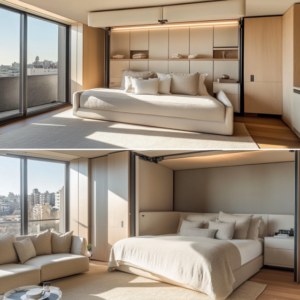
Neutral living room with foldable sofa and hidden bed that folds into wall.

Final Thoughts

A bed that folds into the wall isn’t just a smart buy—it’s a lifestyle upgrade. Whether you’re optimizing a guest room, reclaiming square footage, or creating a dual-purpose space, this type of bed lets you live more comfortably without giving up style.

If wall beds aren’t your thing, folding cots and sofa beds offer practical alternatives that are just as cozy.

Need more sleep inspiration? Browse our blog for more cozy bedroom ideas and discover what comfort really feels like.


Stress and Sleep Tips: For Relaxation and Better Sleep Amidst Anxiety

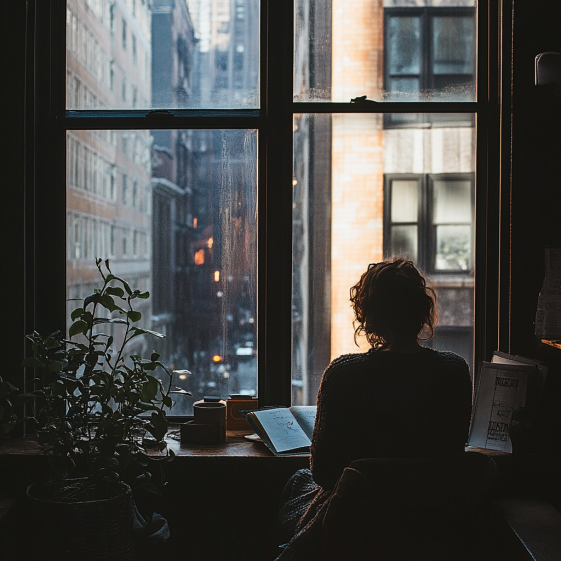
Woman awake at night due to stress and sleep anxiety.

Stress and Sleep Tips That Actually Work

If stress is keeping you up at night, you’re not alone. These stress and sleep tips will help you calm your mind, ease anxiety, and enjoy deep, restorative rest—starting tonight.

Key Takeaways on Stress and Sleep Tips

  • Start your evening with calming rituals like deep breathing and journaling.
  • Manage blue light exposure at night to signal your body it’s time for rest.
  • Incorporate scents like lavender or chamomile for natural relaxation.
  • Practice muscle relaxation techniques to release tension before bed.
  • Adopt healthy daytime habits like morning sunlight and regular exercise.

Do you ever lie in bed at night with your mind spinning, completely unable to unwind? You’re not alone. That’s why more and more people are searching for stress and sleep tips that actually work. When stress and anxiety sneak into your bedtime routine, they can make it nearly impossible to fall or stay asleep. And instead of waking up refreshed, you feel even more frazzled.

But here’s the comforting news: with the right stress and sleep tips, you can calm your mind, ease anxiety, and finally get the rest you need. In this guide, we’re unpacking why stress messes with sleep—and how to gently invite relaxation back into your evenings.

(Need more help? Don’t miss our full guide on Reducing Stress for Better Sleep.)


Why Stress Keeps You Up at Night

Stress activates your body’s fight-or-flight response, releasing hormones like cortisol and adrenaline that keep your brain alert when you want to wind down.

  • 🌀 You lie awake thinking about everything.
  • 😵‍💫 You keep waking up through the night.
  • 🛏️ Your sleep stays shallow instead of deep and restful.
  • ☕ You need caffeine to get through the day.

Read this if you’re tired of waking up at 3 a.m. And according to Cedars-Sinai, stress-related insomnia can hurt your mood, memory, and even your immune system.


Signs Stress Is Disrupting Your Sleep

If you notice any of these patterns, stress may be interfering with your rest:

  • Your mind won’t stop racing at night.
  • You wake up multiple times or too early.
  • Your muscles feel tense, even in bed.
  • You sleep for hours but wake up tired.
  • You feel groggy without your morning coffee.

These are exactly the kinds of issues stress and sleep tips are designed to solve. And if you’re tempted to hit snooze, check out Why You Shouldn’t Hit Snooze.


Real-Life Stress and Sleep Tips That Actually Work

Simple nightly habits can significantly improve your sleep quality. Here are our favorites:

🧘‍♀️ Breathe Deeply Before Bed

One of the simplest yet most powerful stress and sleep tips is deep breathing. The 4–7–8 technique is especially calming:

Inhale for 4 seconds, hold for 7, exhale for 8. Repeat 4–5 times.

💆‍♀️ Relax With Progressive Muscle Tension

Release stress by tensing and relaxing muscle groups from your toes up to your face.

Start with your toes. Tense, hold for 5 seconds, then release.

📓 Write It All Out

Journaling lets you mentally wrap up your day, making space for rest:

  • List worries, then set them aside.
  • Note tomorrow’s tasks.
  • End with something positive or grateful.

🌿 Let Scents Soothe You

Scents like lavender and chamomile are known for reducing stress and promoting calm.

🔵 Dim the Blue Light

Reduce light exposure to help your body prepare for sleep:

  • Dim lamps after dinner
  • Avoid screens 30–60 minutes before bed
  • Use blue-light glasses or app filters

📖 Drift Off With a Story

Guided meditations and bedtime stories can help redirect your focus and lower cortisol levels.


Your Ideal Evening Routine for Less Stress

A consistent bedtime ritual tells your body it’s time to relax:

9:00 PM – Dim lights, put phone away
9:15 PM – Warm shower and deep breathing
9:30 PM – Journal or read
9:45 PM – Light candle, sip chamomile tea
10:00 PM – Lights out, cozy sleep


Daytime Habits That Help You Sleep at Night

Daytime actions can set the stage for better rest:

  • 🌞 Soak up morning sun
  • 🏃 Move your body
  • 🥬 Eat magnesium-rich foods
  • 💛 Practice gratitude journaling
  • ☕ Cut caffeine after 2 p.m.

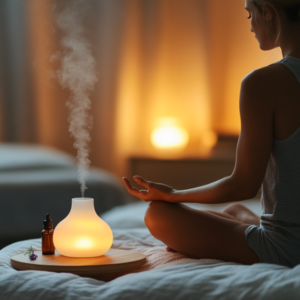
Meditation and lavender aromatherapy setup for stress-free sleep.

FAQ

What is the quickest way to relax before bed?
Try the 4–7–8 deep breathing technique to calm your mind and body within minutes.
Can aromatherapy really improve sleep?
Yes, scents like lavender and chamomile have been shown to promote relaxation and reduce anxiety.
How can I stop waking up at 3 a.m.?
Limit caffeine and alcohol, manage stress before bed, and keep a consistent sleep schedule.

Related reading from Cozy Bed Quarters

Other reading we found popular


How Sleep and Weight Loss Are More Connected Than You Think

Hormonal imbalance caused by poor sleep and weight loss challenges

Sleep and Weight loss: How better rest helps you slim down

Short answer: Prioritizing quality sleep improves hormone balance, tames cravings, and supports a healthier metabolism—making sleep and weight loss work together so you can lose fat more easily while feeling better day to day.

Key Takeaways on Sleep and Weight Loss

  • Sleep drives appetite hormones: Better sleep lowers ghrelin, boosts leptin, and helps you feel satisfied.
  • Metabolism matters: Consistent sleep supports a higher resting metabolic rate and steadier blood sugar.
  • Cravings calm down: Adequate sleep reduces impulsive snacking on salty, sugary, and fatty foods.
  • Routine wins: A consistent schedule (7–9 hours) and a dark, cool bedroom boost results.
  • Stress and screens: Manage cortisol and cut evening blue light to strengthen the sleep–weight connection.

Ever wonder why those stubborn pounds won’t budge, even though you’re eating right and getting your steps in? It might be your sleep schedule that’s sabotaging your progress.

Sleep and weight loss are more deeply intertwined than most of us realize. A consistent lack of rest can mess with your hormones, slow your metabolism, and make high-fat, high-sugar snacks way more tempting. Sound familiar?

Let’s cozy up and explore how getting quality shut-eye can actually be your secret weapon for slimming down and improving your overall sleep and weight loss goals.


Why Sleep Matters for Your Waistline

Answer first: When you’re well-rested, you make better food choices, have more workout energy, and your body is primed to burn—not store—fat.

Sleep isn’t just a time to power down—it’s when your body resets and recharges. And when you’re well-rested, you’re way more likely to make healthy food choices, stay energized during workouts, and keep those sneaky cravings in check.

According to Harvard researchers, sleep deprivation disrupts the hormones ghrelin (the one that makes you hungry) and leptin (the one that makes you feel full). It also increases cortisol, the stress hormone known for packing on belly fat.

In other words? Poor sleep can actually tell your body to store fat instead of burn it—and that’s why sleep and weight loss go hand in hand.

The Science Behind Sleep and Hormones

Answer first: Short sleep raises hunger signals and stress hormones while lowering fullness cues—an appetite-confusing combo that drives overeating.

Hunger Hormones Get Out of Whack

Answer first: Less sleep means more ghrelin and less leptin, so you feel hungrier and less satisfied.

  • Ghrelin spikes, making your tummy grumble more often.
  • Leptin drops, so you don’t feel full even after a big meal.

It’s a double whammy that can lead to overeating and weight gain—especially late-night snacking that interferes with your sleep and weight loss efforts.

Cortisol Creeps In

Answer first: Sleep loss elevates cortisol, increasing appetite and central fat storage—particularly around the belly.

Sleep loss also boosts cortisol levels, which not only ups your appetite but encourages fat storage around the belly. So, if stress eating is already a thing, lack of sleep might be making it even harder to resist that midnight cookie run.

For more insight, check out our post on The Effects of Stress and Anxiety on Sleep Quality and Solutions to Improve Rest.


How Sleep Impacts Metabolism

Answer first: Good sleep helps maintain a higher resting metabolic rate and better insulin sensitivity, so your body burns rather than stores energy.

When you’re well-rested, your resting metabolic rate (RMR) stays higher—meaning you burn more calories even while just binge-watching your favorite show. But a tired body slows everything down.

Here’s what happens when sleep takes a hit:

  • Your RMR dips.
  • Insulin resistance increases, making it harder to process sugar.
  • Your body is more likely to store fat instead of burning it.

Even just one rough night can throw things off balance. But the good news? A consistent sleep routine can help your body get back on track and support your sleep and weight loss journey.

Want to know how food fits into this picture? Don’t miss our post on Top Food Choices to Enhance Your Sleep Quality Before Bed.


Poor Sleep = More Cravings

Answer first: Sleep debt rewires reward centers, making indulgent foods harder to resist and portion control tougher.

You know that feeling when you’re running on fumes and just need a donut? That’s no accident. When you’re tired, your brain craves quick energy—which often means carbs and sugar.

Why It Happens

Answer first: Tired brains chase fast fuel—salty, fatty, and sugary snacks—because impulse control dips and reward signals surge.

  • Tired brains are less able to resist temptation.
  • The brain’s reward centers light up more when we see indulgent foods.
  • Lack of sleep intensifies cravings for salty, fatty, and sugary snacks.

Getting consistent, deep sleep makes it so much easier to skip the snacks and fuel your body the way it deserves. Focusing on your sleep and weight loss connection can bring surprising results.

Check out our post on How to Put an End to 3 AM Wake-Up Calls Every Night for help smoothing out your sleep cycles.


Sleep Tips to Support Weight Loss

Answer first: Align your habits—timing, light, stress, and snacks—to sleep deeper and create an easier calorie balance.

1. Stick to a Consistent Schedule

Answer first: Aim for 7–9 hours and steady sleep/wake times—even on weekends—to stabilize hunger and energy.

Aim for 7–9 hours of sleep and keep your sleep-wake times the same—even on weekends. It’s a simple step that supports both sleep and weight loss success.

2. Create a Sleep-Friendly Bedroom

Answer first: Cool, dark, and quiet rooms cue melatonin and consolidate deep, restorative sleep.

Keep it cool (60–67°F), dark, and quiet. Use blackout curtains, white noise machines, or even a weighted blanket for extra comfort that supports restful sleep and weight loss.

3. Unplug an Hour Before Bed

Answer first: Reducing blue light helps melatonin rise so you fall—and stay—asleep more easily.

Blue light from screens can delay melatonin production. Try reading, journaling, or light stretching instead to help reset your rhythm and support sleep and weight loss naturally.

4. Have a Light, Protein-Rich Snack

Answer first: A small protein snack steadies blood sugar so late-night hunger doesn’t derail sleep.

A little Greek yogurt or a handful of almonds can help stabilize blood sugar and curb late-night hunger—a small but mighty boost to your sleep and weight loss goals.

5. Try Stress-Relief Techniques

Answer first: Calming your nervous system lowers cortisol and makes drifting off easier.

Breathing exercises like the 4-1-2 method (inhale for 4, hold for 1, exhale for 2) or a warm bath can ease you into dreamland and strengthen your sleep and weight loss routine.

We dive deeper into screen habits in our guide on The Impact of Light on Sleep and Natural Ways to Block It.

Night routine supporting sleep and weight loss through better habits


FAQ

How much sleep do I need for weight loss?
Most adults do best with 7–9 hours nightly. Hitting that range keeps appetite hormones balanced and supports a higher metabolic rate.
Is it better to sleep or work out if I’m exhausted?
If you’re severely sleep-deprived, prioritize a recovery night. Then resume workouts—both sleep and movement are essential for sustained fat loss.
Does lack of sleep cause belly fat?
Short sleep raises cortisol, which is linked with increased abdominal fat storage. Improving sleep hygiene helps reduce that risk over time.
Can napping help with weight loss?
Short, early-afternoon naps (10–20 minutes) can reduce sleep pressure and cravings, but they don’t replace consistent nightly sleep.
What should I eat at night if I’m hungry?
Choose a light, protein-forward option (e.g., Greek yogurt, cottage cheese, or a few nuts) to steady blood sugar and avoid sleep disruption.

Final Thoughts: Sleep Smarter, Lose Easier

Answer first: Treat sleep as a core pillar of your wellness plan so fat loss feels easier and more sustainable.

It turns out the missing link in your wellness journey might just be what happens between the sheets. Prioritizing sleep isn’t lazy—it’s smart self-care that can boost your metabolism, calm your cravings, and make weight loss feel less like a battle.

So tonight, fluff those pillows, power down the screens, and let your body do the work while you dream. By focusing on sleep and weight loss as a united goal, you’re setting yourself up for success.

Want more cozy wellness tips? Browse our latest blog posts and start building your restful routine today.


Related reading from Cozy Bed Quarters

Other reading we found popular