How Often Wash Bedding: Expert Tips for a Fresher, Healthier Sleep

How Often Wash Bedding: Expert Tips for a Fresher, Healthier Sleep - Featured Image

Simple Bedding Washing Frequency Guidelines

Wondering how often wash bedding? This expert-backed guide explains how to keep your sheets, pillows, and comforters clean for a healthier sleep environment. For a deeper dive into full sleep hygiene, start with our mattress hygiene and cleaning guide.

Key Takeaways

  • Sheets should be washed weekly or more often depending on your lifestyle and health needs.
  • Don’t neglect pillows, comforters, and mattress protectors—each has its own cleaning schedule.
  • Knowing how often wash bedding and using proper techniques helps reduce allergens and improve sleep quality.

Why Washing Bedding Matters

Your bed might feel like a cozy retreat, but beneath the surface, it can become a breeding ground for dust mites, bacteria, fungi, and sweat residue. Every night, your skin sheds cells and produces oils that seep into fabrics. Over time, these accumulate, making your bed less hygienic and potentially harmful to your skin and respiratory health.

If you share your bed with pets, eat in bed, or suffer from allergies or asthma, the frequency of washing becomes even more critical. Allergists agree that unwashed bedding can aggravate symptoms by trapping dust, dander, and pollen. This creates a cycle of irritation that disrupts your sleep and overall wellness.

Research from the CDC confirms that dust mite allergens are a common indoor trigger for asthma. Disrupting their habitat through consistent washing can significantly reduce exposure.

A detailed routine showing how often wash bedding to reduce allergens

How Often Wash Bedding: Recommended Schedule

Knowing how often wash bedding depends on the item and your lifestyle. Here’s a more detailed breakdown based on expert consensus and real-life habits:

  • Sheets: Wash at least once a week. If you sweat heavily, have allergies, or share your bed with pets, twice a week is even better. For fabric insights, see our guide on sheet materials.
  • Pillowcases: These collect oils, makeup residue, and dirt nightly. Washing them 1–3 times a week reduces acne flare-ups and skin irritation.
  • Comforters and Duvets: Wash every 1–3 months. Duvet covers, however, should be washed weekly with your sheets.
  • Pillows: Every 3–6 months is ideal. Synthetic pillows are machine-washable, but memory foam requires spot cleaning and occasional vacuuming. For more care, see our bedding accessories overview.
  • Mattress Protectors: Clean every 1–2 months, or immediately after spills. Learn more in our mattress protector buying guide.

According to the Sleep Foundation, maintaining this schedule helps extend the life of your bedding and supports better rest.

Cleaning Tips for Better Results

Once you know how often wash bedding, it’s important to wash correctly to preserve fabric quality and cleanliness. Here are some expert-backed tips:

  • Read the care label: Washing at the wrong temperature or drying too harshly can shorten the life of bedding.
  • Sort by fabric type and color: Keep delicates separate, and avoid mixing dark and light colors to prevent dye transfer.
  • Choose the right detergent: Opt for fragrance-free or hypoallergenic detergents like Seventh Generation to minimize irritation.
  • Use hot water carefully: White cotton sheets benefit from hot washes, but synthetic blends may shrink or weaken.
  • Dry thoroughly: Ensure bedding is completely dry before folding to prevent musty odors. Dryer balls can speed drying and fluff fibers.

For extra cleaning power, add half a cup of white vinegar during the rinse cycle—it helps eliminate odors naturally. The New York Times Wirecutter also offers step-by-step product reviews for this process.

Freshly laundered sheets illustrating how often wash bedding matters

Signs It’s Time to Wash Your Bedding

Even if you follow a set schedule, there are times you should wash sooner. Watch for these signs:

  • Stains or spills: Sweat, food, or drinks require immediate washing.
  • Increased allergy symptoms: Waking up congested often means allergens have built up in your bedding.
  • Lingering smells: Musty or oily odors signal your sheets are overdue.
  • After illness: Wash all bedding to reduce the spread of germs.

Knowing how often wash bedding—and using smart cleaning techniques—helps create a sleep space that supports comfort, health, and peace of mind. A consistent routine offers lasting rewards for better rest and wellness.

FAQ

How often wash bedding in summer?
In hotter months, sweat and humidity increase, so wash at least once a week. Twice may be better if you perspire heavily.
Is hot water necessary for all bedding?
No. Hot water kills bacteria but can damage delicate or synthetic fabrics. Always check care labels.
Can I wash sheets with towels?
It’s best to avoid it. Towels are rough and can wear down sheet fibers.
What’s a quick way to freshen bedding between washes?
Use a linen spray, sprinkle baking soda before vacuuming the mattress, or hang sheets in sunlight for natural freshness.

Related reading from Cozy Bed Quarters

Other reading we found popular

How to Choose the Ideal Thread Count for Your Bedding

Ideal Thread Count Bedding

Ideal Thread Count Bedding: What You Really Need to Know

Looking for the ideal thread count bedding? Bigger numbers don’t always mean better sleep.
Here’s how the right thread count, fiber quality, and fabric weave affect comfort, breathability, and durability—so you can choose sheets that truly fit your sleep style.

Key Takeaways on Ideal Thread Count Bedding

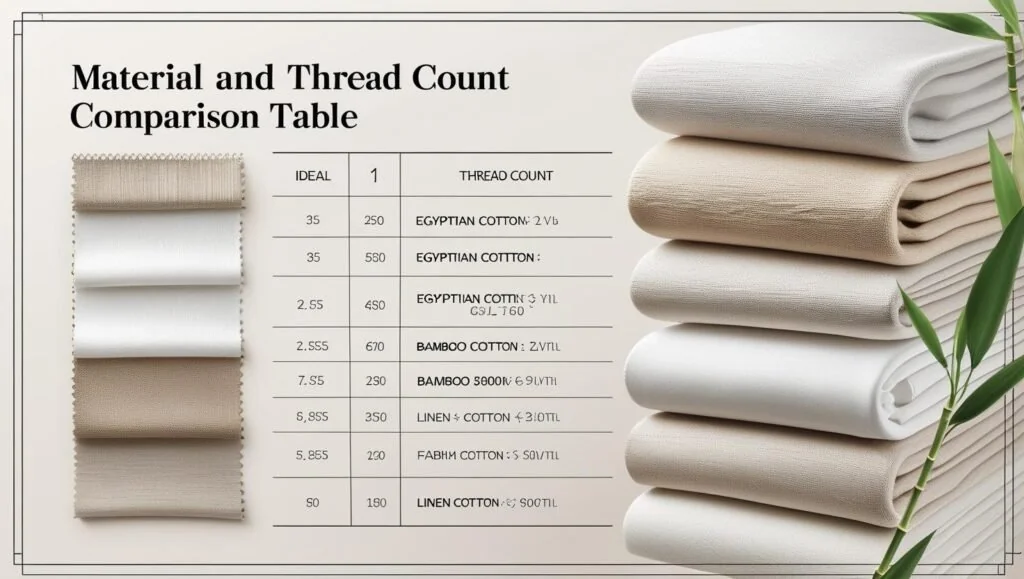
  • Best thread count ranges vary by fabric: cotton (300–600), percale (200–400), sateen (300–600), linen (80–100).
  • Fiber quality matters more than numbers—seek long-staple Egyptian or Pima cotton for lasting softness.
  • Ultra-high thread counts (800+) can feel heavy and less breathable due to multi-ply yarn tricks.
  • Weave, fiber, and finishing often impact comfort as much as the number on the label.
  • Seasonal swaps—lighter sheets in summer, denser ones in winter—help fine-tune comfort.
Ideal thread count bedding shown with percale vs sateen comparison fabrics.
Percale vs. sateen: both can feel luxurious when you hit the right thread-count sweet spot.

What Is Thread Count?

Answer first: Thread count measures how many vertical (warp) and horizontal (weft) threads are woven into one square inch of fabric. But that number is only one piece of the comfort puzzle.

  • Fiber quality: Long-staple cottons—like Egyptian or Pima—create smoother, stronger yarns that feel great even at moderate counts.
  • Weave style: Crisp percale vs. silky sateen; each has a different feel and ideal range.
  • Finishing: Thoughtful dyeing and finishing can enhance softness and longevity more than inflating the number.

For a bigger-picture approach to comfort, see our guide on creating the ideal sleep environment—bedding works best when your whole bedroom supports rest.

Why High Thread Count Isn’t Everything

Answer first: Past ~800, more threads rarely equal more comfort. In fact, they can trap heat and feel heavy.

Manufacturers often use multi-ply yarns to inflate counts. A 3-ply yarn woven at 300 threads can be marketed as “900” because three strands are twisted together—great for marketing, not always for sleeping.

Single-Ply vs. Multi-Ply (Why It Matters)

  • Single-ply, long-staple cotton tends to be stronger, smoother, and more breathable at a true 300–600 count.
  • Multi-ply yarns can feel dense and reduce airflow, especially in “1000-thread-count” sets.

For more context, the Sleep Foundation explains why chasing giant numbers isn’t always helpful:
High-Thread-Count Sheets Guide.

Thread count bedding ranges by fabric type including cotton, percale, sateen, and linen.
Different fabrics have different sweet spots—numbers aren’t one-size-fits-all.

The Best Thread Count by Fabric Type

Answer first: Use the range that fits your fabric and feel preference, not the biggest number on the shelf.

Cotton (300–600)

For softness, breathability, and durability, most sleepers love cotton between 300–600. If you can, choose Egyptian or Pima long-staple cotton for extra smoothness without needing inflated four-digit counts.

Percale (200–400)

Percale’s matte, crisp hand is perfect for hot sleepers and warm climates. Aim for 200–400 to keep it cool and airy.

Sateen (300–600)

Sateen’s subtle sheen and drape feel silky and cozy—ideal in cooler seasons. The 300–600 range delivers that buttery hand without feeling stifling.

Linen (80–100)

Linen uses thicker flax fibers, so counts are naturally lower. In the 80–100 range, you get breathable, lived-in luxury that softens beautifully with every wash.

Curious about sheet longevity? See our guide on how long bedding really lasts and how thread count plays a role.

How the Right Thread Count Affects Sleep

Answer first: The right range supports airflow, softness, and temperature balance for deeper rest.

  • Breathability: Mid-range cotton promotes airflow and helps prevent overheating.
  • Softness: Within each fabric’s sweet spot, fibers feel smoother and kinder to sensitive skin.
  • Temperature control: Choose lower counts for summer breeziness, higher within range for winter warmth.
  • Moisture management: Quality fibers wick sweat for a drier, cozier night.

Pair your sheets with calming bedroom color schemes to create a restful retreat.

Watch: Does Thread Count Really Matter?

Quick Buying Guide: Find Your Best Sheets

Answer first: Start with your sleep style, then pick fabric and range.

  • Hot sleeper? Try percale 250–350 or lightweight cotton 300–400.
  • Love silky, drapey sheets? Choose sateen 350–550.
  • Want breezy, natural texture? Linen 80–100 softens beautifully over time.
  • Sensitive skin? Look for single-ply, long-staple cotton in the 300–500 range.
  • Year-round set? Start at cotton 350–450, then layer blankets as seasons change.

Seasonal Swaps to Stay Comfortable

Answer first: Rotate sets like you rotate wardrobes—light in summer, cozier in winter.

  • Summer: Percale 250–350 or breathable cotton 300–400 with a lightweight quilt.
  • Shoulder seasons: Cotton 350–450 keeps you flexible with blankets and throws.
  • Winter: Sateen 400–600 or linen layered with a duvet adds warmth without smothering.

Common Myths About Thread Count

Answer first: Don’t let marketing override comfort and fabric facts.

  • Myth 1: Higher is always better. Over ~800, you often get dense, less breathable fabric.
  • Myth 2: All fabrics need high counts. Linen, bamboo, and flannel perform at lower counts.
  • Myth 3: It’s all about the number. Fiber length, weave, and finishing often matter more.

For evidence-based ranges by fabric and weave, see the Sleep Foundation’s
best thread count guide and best sheet materials overview.

Top Tips for Choosing Sheets

Answer first: Touch matters—let feel guide your final decision.

  • Feel it first: Touch in-store or order swatches to compare percale vs. sateen at similar counts.
  • Prioritize fiber: Long-staple cotton outperforms inflated numbers every time.
  • Check construction: Favor single-ply yarns and honest labeling.
  • Think seasonally: Keep one set for summer, one for winter, both within their ideal ranges.
  • Match your style: Crisp? Go percale. Silky? Sateen’s your match.

How to Care for Your Sheets

Answer first: Gentle care preserves softness and extends the life of your bedding.

  • Wash: Use a mild detergent; skip fabric softeners that can coat fibers.
  • Dry: Line dry when possible or tumble on low; remove promptly to reduce wrinkles.
  • Store: Keep sets in a cool, dry space; rotate regularly to even out wear.

FAQ

What is the best thread count for bedding?
For cotton, 300–600 is ideal. Percale feels best at 200–400, sateen at 300–600, and linen at 80–100.
Does higher thread count mean better quality?
Not necessarily. Above ~800, sheets can feel dense and trap heat. Focus on long-staple fibers, single-ply yarns, and the weave you prefer.
Is 1000 thread count good?
It sounds luxurious, but it’s often marketing. Many “1000” sets rely on multi-ply yarns that reduce breathability and softness over time.

Final Cozy Thoughts

Finding your ideal thread count bedding is about balance—not just big numbers. Choose premium fibers, the weave that matches your feel preference, and rotate seasonally for comfort year-round. For more ways to create a restful retreat, explore our guide on the ideal sleep environment and build a bedroom that loves you back.


Related reading from Cozy Bed Quarters

Other reading we found popular


Bedding Ceremonies: Role, Origins, and Cultural Legacy Explained

Bedding Ceremonies in Ancient Marriage Traditions - bedroom

Bedding Ceremonies in Ancient Marriage Traditions

The role of bedding ceremonies offers a fascinating glimpse into how ancient societies celebrated marriage, blending symbolism, tradition, and community into powerful matrimonial rites.

Key Takeaways

  • The role of bedding ceremonies in historical contexts provides insight into societal norms.
  • Bedding ceremonies marked the consummation and validation of ancient marriages.
  • They reflect communal involvement and cultural expectations in matrimonial life.
  • Fertility rituals, religious blessings, and witnesses were essential elements.
  • These customs influenced many modern wedding traditions and symbols.
  • Understanding the role of bedding ceremonies can enhance modern wedding practices.
  • The evolution from public to private ceremonies mirrors changing cultural values.

1. Origins of Bedding Ceremonies: Symbolism and Purpose

Bedding ceremonies originated as formal events that marked the official consummation of marriage, symbolizing the start of a shared life and the union’s public recognition.

Bedding ceremonies historically marked the official consummation of marriage, symbolizing the transition into marital life. They were deeply tied to communal validation, with witnesses present to ensure the union was recognized and celebrated.

Exploring Cultural Heritage: Bedding ceremonies reflect a deep cultural heritage that saw marriage as both a personal and a communal bond. The presence of witnesses and formalized rituals underscored the idea that marriage wasn’t just a private affair but a matter of social importance. For a broader perspective, explore how bedding ceremonies became a timeless tradition.

the role of bedding ceremonies in ancient marriage with communal involvement

2. The Role of Fertility and Progeny in Matrimonial Rites

Fertility played a central role in bedding ceremonies, where rituals and symbols focused on ensuring procreation and the continuation of family lineage.

Fertility was a cornerstone of marriage in ancient cultures, with bedding ceremonies often designed to ensure and celebrate procreation. These rituals emphasized the importance of lineage and the continuation of family and community.

Exploring Cultural Heritage: Fertility rites within bedding ceremonies highlight the importance ancient cultures placed on family lineage and societal continuity. Even modern customs like throwing rice or flower petals at weddings are remnants of these age-old traditions. You can learn more in this exploration of nuptial bedding ceremonies.

3. Bedding Ceremonies in Ancient European Culture

In medieval Europe, bedding ceremonies were community-driven celebrations, often involving music, rituals, and blessings to ensure a successful marriage.

In medieval and Renaissance Europe, bedding ceremonies often involved elaborate public participation. Friends, family, and clergy escorted the couple to bed, singing songs or performing rituals that symbolized communal blessing.

Exploring Cultural Heritage: These ceremonies show how marriage functioned within a community network. Today’s wedding receptions and symbolic send-offs echo these traditions. See how this tradition continues in ancient matrimonial heritage.

the role of bedding ceremonies in medieval Europe with clergy and guests

4. The Impact of Religion on Bedding Ceremonies

Religious blessings and spiritual leaders often sanctified bedding ceremonies, reinforcing the sacred and divine nature of marriage.

Religion played a significant role in bedding ceremonies, with blessings from priests or spiritual leaders often marking the sacredness of the union. These rituals highlighted the divine approval of marriage.

Exploring Cultural Heritage: Religious elements in bedding ceremonies underscore the sacredness of marriage. This spiritual legacy endures today in wedding prayers and ceremonial blessings.

5. Witnesses and the Public Aspect of Matrimony

Witnesses confirmed the legality and validity of marriage, ensuring its recognition in both cultural and legal contexts.

Witnesses served as both legal and cultural affirmations of marriage. Their role was especially vital in aristocratic families, where legitimacy and inheritance were tied to public recognition of the union.

Exploring Cultural Heritage: The legal requirement of marriage witnesses today stems from these traditions. Discover more about how public customs became private in this look at ritual transitions.

6. Ancient Rituals and Their Influence on Modern Weddings

Many modern wedding traditions, such as receptions and symbolic send-offs, have roots in ancient bedding ceremonies.

Many modern wedding practices trace their roots to ancient bedding rituals. Processions, music, and symbolic gestures like toasts and honeymoons have evolved but remain connected to these historic ceremonies.

Exploring Cultural Heritage: Ancient bedding rituals still inspire customs today. For example, custom bed frame designs draw from ceremonial bed symbolism. For a modern contrast, read how bedding ceremonies faded from contemporary weddings.

symbolic representation of the role of bedding ceremonies in modern weddings

7. The Transition from Public to Private Ceremonies

Bedding ceremonies shifted from public displays to private moments as cultural values around intimacy evolved during later historical periods.

Bedding ceremonies shifted from communal events to private traditions as cultural views on intimacy evolved. By the Victorian era, the emphasis moved to privacy and personal connection between the couple.

Exploring Cultural Heritage: The honeymoon and private wedding nights mirror this shift. Learn more in our guide to Victorian bedroom decor or browse different types of beds used in ceremonial settings.

evolution of the role of bedding ceremonies from public to private rituals

Conclusion

The role of bedding ceremonies in ancient matrimonial rites reveals a rich cultural heritage that has shaped how we celebrate marriage today. These ceremonies symbolised union, social affirmation, and divine blessing—elements that endure in modern weddings. Understanding the role of bedding ceremonies can deepen our appreciation for these traditions.

Explore more from a historical lens via the Wikipedia entry on bedding ceremonies or compare with NIH research on marital and reproductive customs.

FAQ

What is the role of bedding ceremonies in history?
Bedding ceremonies validated marriage through symbolic and sometimes public acts, involving community support and religious blessings.
Why were witnesses important in bedding ceremonies?
They ensured the marriage’s legitimacy, especially in cultures where heirs affected legal and political rights.
How did religion influence these ceremonies?
Priests and blessings were common in many cultures, integrating sacred elements into matrimonial traditions.
Do modern weddings reflect these customs?
Yes, many practices like receptions, blessings, and honeymoons stem from ancient bedding traditions.
Where can I learn more about bedding ceremony customs?
Explore bed frame evolution and sleep customs worldwide.

Bedding Ceremonies in Renaissance Europe: Fact vs. Fiction

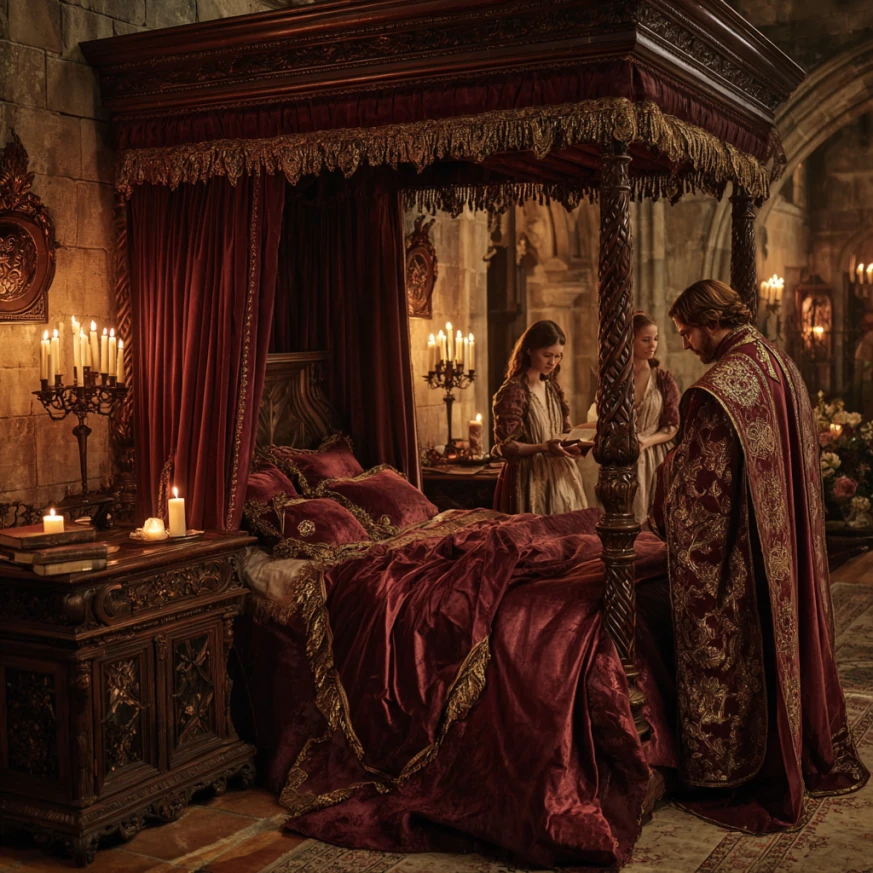
Noble family bedchamber prepared for bedding ceremonies in Renaissance Europe

Historical Accuracy of Renaissance Bedding Ceremonies

Bedding ceremonies in Renaissance Europe were public affirmations of union, legitimacy, and social structure, steeped in fascinating symbolism and ritual. These traditions, rich in both pomp and meaning, give us insight into how deeply sleep, marriage, and social customs were intertwined during the Renaissance.

Key Takeaways

  • Bedding ceremonies in Renaissance Europe were vital social rituals that helped legitimize marriages.
  • These events often combined public display with personal transition, symbolizing both unity and fertility.
  • Customs varied by country, class, and religion, but shared the common goal of establishing a socially recognized union.
  • The physical setting—including the bed itself—was carefully curated to reflect status and tradition.

What Is a Bedding Ceremony?

A bedding ceremony was a formal, often theatrical ritual that marked the moment a newly married couple was brought to their marital bed. These ceremonies served as both a legal and symbolic consummation of the marriage, often involving family members, clergy, and even community elders. Depending on the region, this could include leading the couple to bed in a candlelit procession, offering ceremonial blessings, or publicly verifying the couple’s union the next morning.

In England, for instance, the clergy might bless the marriage bed and sprinkle it with holy water before the couple retired for the evening. In France, the bride and groom were sometimes undressed by family members as a symbolic gesture of transition from their single lives into their new union. Even royalty wasn’t exempt—bedding ceremonies in Renaissance Europe for monarchs were formal state affairs, often witnessed by dozens of courtiers.

These customs weren’t just quaint relics—they were functional societal tools. As historian David Cressy puts it, these rituals helped ensure that a marriage was not just a private matter, but a public contract, witnessed and remembered by the community. Britannica has a detailed entry on medieval and Renaissance marriage customs.

Blessing of the Marriage Bed during bedding ceremonies in Renaissance Europe

Top Benefits of Studying Bedding Ceremonies in Renaissance Europe

1. Cultural Insight

Diving into the world of Renaissance bedding ceremonies gives us more than historical trivia—it opens a window into how people thought about love, commitment, and community. These events were laced with symbolism, from the type of linens used to the arrangement of the bedroom itself. For instance, the presence of witnesses during the ceremony wasn’t just for tradition—it affirmed the legitimacy of the union and set a foundation for any future legal or familial disputes.

Think of it as the Renaissance version of posting your wedding on social media—except instead of likes and comments, you got official recognition and a nod from the church.

Transition from wedding celebration to bedding ceremonies in Renaissance Europe

2. Social Significance

Bedding ceremonies in Renaissance Europe were deeply tied to status and societal order. Nobility often turned these events into extravagant affairs, using ornate bedding, elaborate chamber settings, and ceremonial wine offerings to reinforce their power and prestige. For commoners, the ceremony might have been simpler, but no less meaningful. It was a moment to gather, support, and witness a foundational life milestone.

Even the act of bedding was laden with symbolism—marking the beginning of a new household, the hope for future heirs, and the merging of two family lineages.

Post-ceremony intimacy in bedding ceremonies in Renaissance Europe

3. Architectural Influence

The importance of bedding ceremonies in Renaissance Europe had a direct impact on bed design and bedroom architecture. The grand four-poster bed, for example, became a centerpiece—not just for sleep, but for ceremony. Heavy curtains, intricate wood carvings, and rich fabrics weren’t just for looks; they reflected the weight of the ritual that unfolded around them.

If you’d like to compare these features to global designs, check out our comprehensive guide on bed designs from around the world.

Noble family bedchamber prepared for bedding ceremonies in Renaissance Europe

FAQ

What was the purpose of bedding ceremonies in Renaissance Europe?
They legitimized marriages publicly, reinforced social traditions, and validated union through community witnesses.
Did all social classes participate in bedding ceremonies?
Yes, though ceremonies varied by class, religion, and region—from simple gatherings to royal court events.
How did bedding ceremonies influence bedroom design?
They elevated the marital bed to a ceremonial centerpiece, influencing four-poster designs, drapery, and chamber décor.


Holiday Bedroom Ideas: A Complete Guide to Festive Decor

Holiday Bedroom Ideas: A Complete Guide to Festive Decor - Featured Image

Holiday Bedroom Makeover: Cozy Seasonal Design Tips for Every Style

Looking for the perfect holiday bedroom setup? This complete guide offers festive, cozy, and sustainable ideas to turn your space into a seasonal retreat. Explore our bedroom decor guide for even more inspiration.

Key Takeaways on Holiday Bedroom Design

  • Use festive color palettes like red, green, and gold to set the tone.
  • Layer cozy bedding with flannel, velvet, and seasonal prints.
  • Create affordable decor with DIY crafts and upcycled items.
  • Enhance the ambiance with scents like pine, cinnamon, and vanilla.
  • Make impactful changes with small updates like throws and curtains.
  • Focus on sustainability with reusable decor and eco-friendly textiles.

Festive Color Palettes for Your Bedroom

Set the mood with color! Holiday bedroom design starts with the right palette. Whether you go traditional with red, green, and white or opt for icy blues and silvers, your choices define the ambiance.

Textures like velvet and faux fur elevate the holiday feel, and thoughtful lighting completes the cozy look. Consider accent walls painted in winter tones or wallpaper with festive motifs to create a focal point. Even small accessories like lampshades, rugs, or picture frames in themed colors contribute to a cohesive holiday atmosphere.

Don’t shy away from mixing textures—combine the plush softness of velvet with the shimmer of metallics or the rustic touch of natural wood. Add depth with layered curtains, tasseled trims, or embroidered throw pillows in matching hues. For more detailed inspiration, check out Apartment Therapy’s holiday decor ideas.

Festive holiday bedroom color palette with cozy bedding and decor

Holiday Bedding Ideas for a Cozy Look

Layer up! Start with flannel sheets, top with velvet duvets, and finish with festive prints like snowflakes or plaid. Add cozy pillows and throws for extra warmth.

Use washable, storable fabrics to make switching seasonal bedding a breeze. Opt for comforters with reversible designs—one side plain and the other festive—so you can easily transition between seasons. Include lumbar pillows embroidered with holiday quotes or motifs to bring character to the bedscape.

Consider a color story for your bed: burgundy and cream for traditional warmth, or teal and silver for a modern winter vibe. Weighted blankets can add not only physical warmth but also a grounding, secure feeling on cold nights. Finish your look with a holiday-themed bed tray topped with candles, books, or a mug of cocoa. You can also explore our guide to eco-friendly mattresses for sustainable comfort.

Holiday bedroom bedding ideas with flannel, velvet, and festive prints

DIY Décor to Add Holiday Cheer

Holiday décor doesn’t have to be expensive. Create garlands, wreaths, and ornaments using upcycled or natural materials. Personalize with monograms or handmade accents.

Try making a mini Christmas tree using stacked books or craft a hanging mobile from paper snowflakes. Add framed holiday cards, seasonal signage, or homemade canvas art for walls. Utilize mason jars to create snow globes or tea light holders that double as nightstand décor.

Use washi tape to create temporary designs on mirrors or furniture, or cut out festive silhouettes from felt to place on shelves. Homemade potpourri sachets also double as scented decorations and thoughtful gifts. For more inspiration, see our post on DIY bedroom projects.

DIY holiday bedroom decor with upcycled crafts and ornaments

Incorporating Seasonal Scents for the Holidays

Scents can complete the holiday transformation. Use essential oils, candles, or dried herbs like cinnamon and clove. A simmer pot with orange peel is a simple way to enhance the atmosphere.

Try scented drawer liners for subtle fragrance or hang dried herbs from bedposts for rustic charm. Combine pine needles, rosemary, and bay leaves in sachets to place under pillows or in closets. Linen sprays with vanilla or frankincense add a spa-like quality that supports restful sleep.

You can also incorporate fragrance visually—choose candles in holiday shapes or decorative diffusers that complement your theme. If you use a diffuser, rotate oils throughout the season to reflect the mood: peppermint in the morning for energy, and lavender in the evening for relaxation. Explore Sleep Foundation’s guide on scent and sleep for extra tips.

Holiday bedroom scents with candles, pine, and cinnamon

Small Changes That Make a Big Impact

Big transformation can come from small tweaks: swap out curtains, add a holiday rug, or switch your lampshade. Personalized accents like framed holiday cards or string lights go a long way.

Try placing fairy lights inside jars or hanging them in cascading patterns behind sheer curtains. Swap your everyday alarm clock with one that emits soft light or festive chimes. Add seasonal books to your nightstand and display mini wreaths on furniture handles.

Changing the color or style of drawer knobs, layering mirrors with garlands, or switching to flannel robes on a decorative hook can all evoke the season without major remodeling. Use stackable bins or under-bed boxes to store seasonal items and make transitions seamless each year. For more cozy updates, visit our feature on bedroom lighting ideas.

Holiday bedroom with cozy small decor changes and seasonal accents

Sustainable Holiday Bedroom Décor

Go green this season by decorating with items you already own. Repurpose jars, fabrics, and use natural elements like holly or pinecones. LED lights and organic cotton textiles round out your sustainable setup.

Look for bedding certified by OEKO-TEX or GOTS to ensure they’re produced ethically. Choose furniture from local artisans or brands with sustainability pledges. Even small actions like using rechargeable batteries for fairy lights or recycled paper for gift wrapping make a difference.

Embrace minimalism by curating a capsule collection of versatile décor pieces you can mix and match yearly. Compost dried greenery after the season ends, or donate gently used decorations to local shelters. Sustainability in your holiday bedroom isn’t just eco-conscious—it’s also chic and meaningful. Learn more from Ethical Bedding’s sustainable living tips.

Sustainable holiday bedroom decor with eco-friendly bedding and natural elements

FAQ

What are the best colors for a holiday bedroom?
Classic colors like red and green, elegant gold and cream, or icy blue and silver are great choices. Don’t forget to include textures and metallics to add depth to your theme.
How do I make my bedroom festive on a budget?
Use DIY projects, thrifted finds, and natural materials. Small details like garlands, candles, and themed linens can go a long way without breaking the bank.
Are there eco-friendly ways to decorate?
Yes! Choose reusable decor, natural elements, and sustainable fabrics like organic cotton or bamboo. Upcycle old decorations and opt for LED lighting to reduce energy use.
Can I decorate a small bedroom for the holidays?
Absolutely. Focus on vertical space like walls and doors. Use string lights, hanging decorations, and multifunctional items like festive bedding or small wreaths to maximize impact.
How do I keep my bedroom cozy throughout winter?
Layer with warm bedding, use heavy curtains to retain heat, and add textures like knits and faux fur. Scents and soft lighting also enhance the cozy atmosphere.

Conclusion

Transforming your bedroom into a holiday retreat doesn’t have to be overwhelming. With festive palettes, cozy bedding, DIY touches, and eco-conscious practices, your holiday bedroom can become a cozy sanctuary filled with cheer.

Whether you’re celebrating with family, winding down solo, or preparing your space for guests, holiday bedroom decor adds joy and personality to your winter season. Remember: the best designs reflect your lifestyle and values, making your space both magical and meaningful.

Related reading from Cozy Bed Quarters

Other reading we found popular

How Under-Bed Storage Containers Saved My Sanity

Under-Bed Storage Containers

Under Bed Storage Containers That Maximize Space

Under-bed storage containers are a simple yet powerful way to maximize hidden space and keep your bedroom clutter-free.

Key Takeaways

  • Choose durable materials and secure lids for long-lasting storage solutions.
  • Opt for containers with wheels for easy access and mobility.
  • Clear bins make it simple to identify contents without opening.
  • Always measure your bed height to ensure a perfect fit.
  • Investing in quality containers prevents damage and frustration.

Why Under-Bed Storage Containers Are a Game-Changer

Under-bed storage containers unlock the hidden potential of your bedroom. Whether you live in a small apartment or just want to minimize clutter, these containers transform underutilized space into organized storage. By keeping clothing, shoes, or bedding neatly tucked away, you can create a more functional and visually appealing room. They’re especially helpful in homes with limited closet space, making them a favorite among city dwellers, students, and minimalists. A well-chosen storage system doesn’t just hide clutter; it gives everything a designated home, simplifying your daily routine and making cleaning faster and easier.

organized under-bed storage containers with clothing

1. Choose Durable Materials

Selecting sturdy materials is essential if you plan to store heavier items like blankets or winter clothes. Plastic bins with reinforced lids or fabric containers with strong handles can withstand frequent use without cracking or tearing. Avoid flimsy bargain options that may warp or break over time. For long-term storage, consider containers made from eco-friendly, recycled materials that are both strong and sustainable.

durable under-bed storage containers made of fabric and plastic

2. Wheels Make Life Easier

Under-bed storage containers with wheels allow for effortless access, especially if your bed frame is heavy or close to the floor. Wheeled containers make seasonal rotations simple—roll out winter clothes, swap them for summer gear, and roll them back with zero hassle. Always look for locking wheels to prevent unwanted movement. This feature is a lifesaver for those who frequently rotate holiday décor, out-of-season footwear, or even crafting supplies.

wheeled under-bed storage containers for easy access

3. Go Clear for Quick Finds

Clear containers offer visibility at a glance, eliminating the need to rummage through mystery boxes. This feature is perfect for quickly locating a particular item, whether it’s a sweater or a pair of shoes. If privacy is a concern, choose tinted clear bins that provide discretion while retaining visibility. Labeling your bins can also save time—simple adhesive labels or chalkboard tags can make a huge difference when searching for specific items.

clear under-bed storage containers neatly arranged with items

4. Measure Before You Buy

Measuring the height and width of your under-bed space is crucial before purchasing containers. Rugs, bed frames, or slats can reduce the clearance and render certain containers useless. A quick measurement saves time, money, and frustration. If your bed sits particularly low, consider slim storage bags designed for minimal clearance—these are ideal for clothing, linens, and shoes while still allowing for quick access.

5. Secure Lids Matter

Dust is inevitable under the bed, but containers with tight-fitting lids will keep your belongings clean and protected. This is especially important for sensitive items like clothing, bedding, or documents. If you’re prone to allergies, a sealed lid is a must-have. Some advanced containers even feature moisture-resistant seals, which are great for basements or humid environments.

Top Picks for Under-Bed Storage Containers

For even better results, avoid overpacking containers. Overstuffed bins can jam under the bed or become too heavy to maneuver. A balanced load ensures that your storage remains accessible and functional. Adding a set of cedar blocks or sachets inside containers can help keep clothing smelling fresh while repelling pests.

Finding the right under-bed storage containers can completely transform your bedroom’s organization. With the right setup, you’ll save space, stay organized, and create a cleaner environment for years to come.

FAQ

What is the best material for under-bed storage containers?
Durable plastic or reinforced fabric bins work best, especially if you’re storing heavier items.
How do I keep dust out of my under-bed containers?
Choose containers with secure lids and consider adding a dust cover under the bed for extra protection.
Are wheeled containers better than standard ones?
Yes, especially if you frequently rotate items or have a heavy bed frame, wheels make access easier.

Learn more about maximizing bedroom storage with our bed accessories guide and other smart space-saving ideas.

Bedding Ceremonies Role in Wedding History Explained

Bedding Ceremonies Role in Wedding History Explained - Featured Image

Understanding the Meaning of Traditional Bedding Ceremonies

The role of bedding ceremonies in historic weddings reveals how they served as a powerful bridge between private vows and public affirmation—transforming an intimate moment into a communal ritual that signified legitimacy, unity, and the binding of not just two individuals, but entire families and social orders.

Key Takeaways

  • Bedding ceremonies symbolized the union of families and legitimacy of marriage.
  • The Catholic Church gave spiritual weight to these intimate rituals.
  • Modern wedding customs still echo these traditions subtly today.

The Public Spectacle of Medieval Weddings

In medieval Europe, weddings were grand, public affairs. Far from the private celebrations we know today, they often unfolded in front of entire communities. A highlight of these events was the bedding ceremony, where nobles and royalty gathered to ceremoniously escort the couple to bed. This public gesture wasn’t merely for show—it served as a powerful social and political statement. Witnesses, often of high rank, confirmed the legitimacy of the union, which was especially vital for alliances, lineage, and inheritance rights.

In some regions, the ceremony included music, toasts, and ritualistic practices like removing the bride’s garter or presenting nightwear. These actions symbolized a transition not just into marriage but into adulthood and family responsibility. The communal nature of these traditions reflected a time when marriage was as much a public alliance as a private relationship.

Learn how bedding ceremony myths differ from reality to better understand the cultural symbolism behind the ritual.


The Church’s Role in Wedding Rituals

The Catholic Church played an instrumental role in shaping medieval marriage customs, including bedding ceremonies. Priests often blessed the couple’s bed with prayers, holy water, and relics, invoking divine protection and fertility. This intertwining of religious belief and everyday life gave sacred context to what might otherwise be a mere contractual agreement. Scattering herbs like rosemary or lavender wasn’t just for fragrance—they symbolized fidelity, purity, and spiritual cleansing.

Religious officiation also served to regulate societal norms. Couples could only consummate their union after receiving the church’s approval, typically granted during a formal blessing. Church teachings emphasized procreation as the marriage’s primary purpose, so rituals reinforcing fertility were commonplace.

This spiritual oversight echoed the Church’s broader influence over personal life, from baptisms to funerals. By including symbolic rituals in a couple’s first night together, society reinforced both divine order and family expectations. For a wider understanding of religious roles in intimacy and marriage, see the Sleep Foundation on bedroom environment impacts.

Spiritual and Social Dimensions

These practices did more than sanctify the bedroom. They embedded marriage into the very fabric of faith and family. Parents and elders often joined in or observed the ceremony, lending social weight and spiritual blessing to the intimate union. In many ways, this bridged heaven and home, reinforcing that the marriage was not just between individuals but entire communities.

clergy and family participate in traditional bedding ceremonies

Even today, we echo this sacred alignment with practices like lighting unity candles or sharing spiritual vows during weddings. They’re quiet remnants of a deeply intertwined past.

Aristocratic Traditions and Marriage Validation

For aristocratic families, bedding ceremonies were more than custom—they were legal documentation. High-stakes marriages involving land, titles, or alliances required indisputable proof of consummation. Witnesses, sometimes female attendants or male envoys, were tasked with verifying the union. While this may seem invasive by modern standards, it was essential in eras where heirs, inheritance, and legitimacy were constantly scrutinized.

Special linens or garments were often presented after the night, showing proof of virginity or consummation. These items sometimes became part of estate records, further emphasizing their legal significance. In cases of disputes, such evidence determined whether children born from the marriage would inherit property or titles.

Learn how squeaky bed frames reflect both utility and tradition in the evolution of intimate spaces.

Also see Good Housekeeping’s history of marriage for more on shifting norms.

aristocratic validation through traditional bedding ceremonies

The Fade of Formal Wedding Rituals

The 19th century ushered in new ideals—modesty, romance, and personal privacy. As Victorian values spread, public rituals like bedding ceremonies were replaced by quieter, emotionally driven wedding practices. The honeymoon emerged as a new ritual, allowing couples private time to begin their life together away from prying eyes.

These changes didn’t erase tradition entirely. Instead, they reimagined it. Carrying the bride over the threshold, tossing the bouquet, or sleeping in a beautifully made bed with embroidered linens still reflect the sentiment of ceremonial beginnings. The shift from public display to private ritual marked a cultural pivot in how intimacy was honored.

Discover how platform beds have become symbols of individualized comfort, echoing the evolution of shared but private space in modern relationships.

Modern Wedding Traditions with Historic Roots

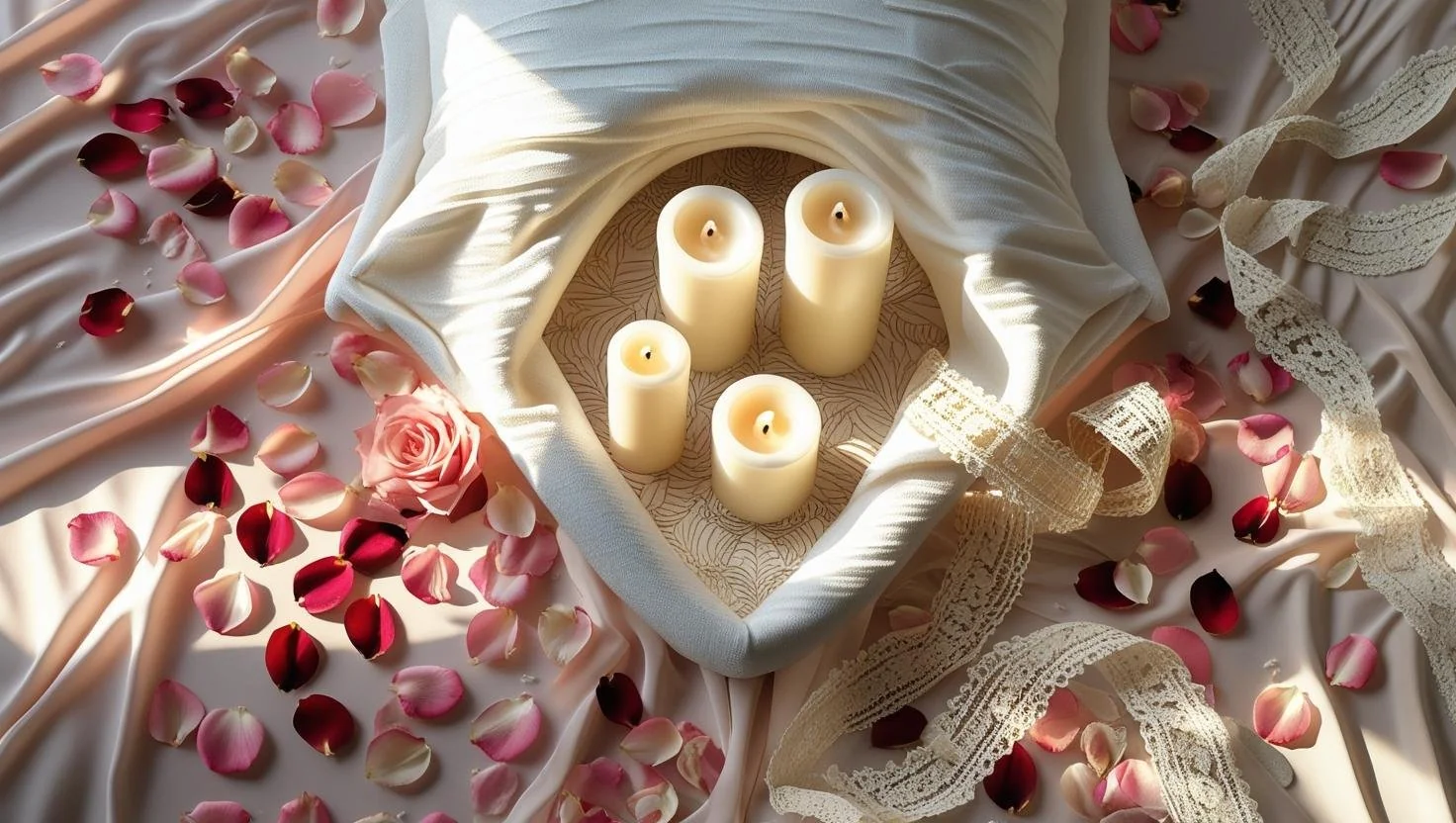
While bedding ceremonies no longer unfold in public halls or castles, their influence lives on in today’s wedding traditions. The attention to creating a romantic, sacred space for the newlyweds echoes the ceremonial intentions of old. From rose petals on the bed to curated playlists and personalized vows, couples still mark this milestone with thoughtfulness and symbolism.

Modern bridal suites mirror the purpose of historical bedding chambers. They offer a moment of retreat, privacy, and celebration after the public festivity. Many couples also infuse cultural or religious rituals into this space—be it prayer, shared meals, or meaningful gifts. It’s no longer about spectatorship but significance.

Explore sleep hacks that support modern rituals as part of your post-wedding sanctuary with touches that blend modern comfort with time-honored tradition.

Bedding Ceremonies Role in Wedding History Explained

Conclusion

From grand public displays to private honeymoon suites, bedding ceremonies show how wedding rituals reflect evolving cultural values. These ceremonies wove intimacy and social structure into one, and their legacy continues to shape how we honor love and commitment today. Whether rooted in sacred blessings or symbolic gestures, they remind us that marking the start of a marriage has always mattered deeply.

FAQ

What was the purpose of bedding ceremonies?
They publicly validated marriages and united families, often reinforcing political or social alliances.
Did the Church support bedding ceremonies?
Yes, it often blessed the union, combining religious sanctity with cultural traditions.
Are there modern equivalents to bedding ceremonies?
Yes, elements like bridal suites, rose petals, and symbolic rituals echo these traditions today.
When did bedding ceremonies stop being common?
They gradually disappeared during the Victorian era as private and romantic ideals took precedence.
Were bedding ceremonies practiced outside of Europe?
While this article focuses on Europe, similar customs existed in other cultures with their own unique expressions.

Related reading from Cozy Bed Quarters

Other reading we found popular

Sleep Scents: How Aromatherapy Can Enhance Your Sleep Quality

Sleep Scent

Sleep Scents: How Aromatherapy Can Improve Your Sleep Quality

Sleep scents are natural aromas, like lavender or chamomile, that promote relaxation and help you fall asleep faster. By using aromatherapy in your bedroom, you can reduce stress, improve sleep quality, and create a peaceful environment perfect for rest.

Key Takeaways on Sleep Scents

  • Lavender, chamomile, ylang ylang, and bergamot are top sleep scents for relaxation.
  • Inhaling calming aromas can trigger serotonin and melatonin release for better rest.
  • Use diffusers, sprays, bath soaks, or aromatherapy masks to enjoy sleep scents.
  • Choose scents based on your mood—lavender for anxiety, bergamot for a spa-like feel.
  • Pair scents with other sleep habits like keeping your room cool and screen-free.
Picture this: You’ve just crawled into bed, the lights are dim, and everything feels quiet. But there’s one more thing that could make drifting off even easier—sleep scents! Have you ever noticed how certain smells can instantly relax you or set the mood for deep rest? In this article, we’re diving into the cozy world of sleep scents and how aromatherapy might just be your secret weapon for better sleep quality.Sleep scents aromatherapy guide image

Understanding the Connection Between Scents and Sleep

Our sense of smell is directly connected to the limbic system in the brain, which influences emotions and memories. Calming scents can trigger the release of serotonin and melatonin—two key hormones that help your body relax and prepare for sleep.

Lavender, chamomile, and other soothing fragrances have been used for centuries in aromatherapy to reduce anxiety and signal to your brain that it’s time to rest.

Popular Sleep Scents and Their Benefits

The best sleep scents work by calming the nervous system and reducing stress levels. Here are some favorites:

  • Lavender: Eases anxiety, reduces stress, and improves sleep quality.
  • Chamomile: Offers mild sedative effects that help the mind and body unwind.
  • Ylang Ylang: Lowers heart rate and blood pressure, creating a peaceful mood.
  • Bergamot: A citrus oil that relaxes the mind while promoting calmness.

How to Use Sleep Scents for Better Sleep

There are many ways to integrate aromatherapy into your bedtime routine. Try one—or a mix—of these:

  • Essential Oil Diffusers: Add a few drops of oil to a diffuser to fill your room with relaxing aromas.
  • Aromatherapy Sprays: Mist your pillow, sheets, or air before bedtime.
  • Sleep Masks: Use masks infused with calming scents like lavender.
  • Bath Soaks: Add essential oils to a warm bath for full-body relaxation.

Learn more in our guide on using essential oils for relaxation.

Choosing the Right Sleep Scent for Your Needs

Select your sleep scent based on your emotional and physical needs. Feeling anxious? Lavender and chamomile are perfect. Want a spa-like feel? Try bergamot or ylang ylang.

Be mindful of scent sensitivity—start with small amounts and adjust as needed. Read more about the psychology of bedtime for extra tips.

Creating the Ideal Sleep Environment with Scents

A great sleep environment blends comfort with aroma. Pair calming scents with habits like keeping your room cool and turning off screens early. Combine essential oils with deep breathing or meditation for an even deeper sense of calm.

FAQ

What are sleep scents?
Sleep scents are calming aromas, often from essential oils, that promote relaxation and better sleep.
Do sleep scents really work?
Yes, studies show certain scents can reduce anxiety and help trigger the body’s natural sleep signals.
What’s the best way to use sleep scents?
Diffusers, pillow sprays, bath soaks, and aromatherapy masks are popular ways to enjoy them.

Conclusion

Aromatherapy isn’t just for the spa—it’s a powerful tool for transforming your sleep quality right at home. By weaving sleep scents into your nightly routine, you can relax faster, sleep deeper, and wake up more refreshed. For more cozy sleep tips, visit Cozy Bed Quarters and explore even more dreamy bedtime inspiration!

Related reading from Cozy Bed Quarters

Other reading we found popular


Ceremonial Beddings: Wedding Traditions Across Cultures

Ceremonial Beddings: Wedding Traditions Across Cultures bedroom design


Ceremonial Beddings

From ancient civilizations to modern weddings, ceremonial beddings have symbolized love, family, and fertility. Across cultures, these bridal-bed traditions reveal that marriage is more than a private vow—it’s a public celebration and a rite of passage shaped by beliefs, materials, and community values.

Key Takeaways: Ceremonial Beddings

  • Ceremonial beddings publicly honored the couple, secured family alliances, and invited blessings for fertility and prosperity.
  • Symbols—colors, fabrics, herbs, and charms—signaled shared values like purity, joy, protection, and continuity.
  • Modern weddings echo the past with intimate customs, sustainable materials, and meaningful design details.
  • Choosing organic bedding, sustainable bedding, or eco-conscious sheets can align tradition with today’s values.

Ancient Mesopotamia: Fertility Altars and Divine Blessings

Answer first: In Mesopotamia, ceremonial beddings functioned as sacred altars, inviting the gods to bless the union and future lineage. The bed’s adornments made the couple’s hopes visible to their community.

Newlyweds slept on a bed sprinkled with symbolic grains and decorated with plants linked to love and abundance. Offerings and hymns to deities created a bridge between household and cosmos, anchoring the marriage in divine order.

Ceremonial Beddings: Wedding Traditions Across Cultures bedroom design

Ancient Greece: Community Processions and Mythic Protection

Answer first: Greek ceremonial beddings were public events—processions with music and torches presented the marital bed to the community, securing social recognition and mythic favor.

Olive branches, laurel wreaths, and invocations to Hera celebrated unity, victory, and protection. The lively procession balanced private intimacy with civic affirmation, showing that marriage strengthened the whole polis.

Medieval Europe: Witnesses, Legitimacy, and Lineage

Answer first: In medieval Europe, ceremonial beddings marked the legal and social confirmation of marriage, safeguarding inheritance and lineage.

Clergy or nobles might escort the couple to the bedchamber while witnesses affirmed the union’s legitimacy. Though formal by modern standards, the ritual underscored the transition from public ceremony to private consummation, binding families and estates.

Jewish Traditions: The Sacred Yichud of Togetherness

Answer first: The yichud room centers unity and privacy, echoing historical ceremonial beddings while focusing on sanctified togetherness rather than public display.

Immediately after the ceremony, the couple shares a private moment to reflect, eat, and begin their life as partners. This pause honors intimacy as a sacred value while maintaining communal celebration outside the door.

Chinese Weddings: Auspicious Red and Joyful Prosperity

Answer first: In Chinese tradition, ceremonial beddings glow with red—the color of joy, vitality, and luck—and invite prosperity for the new household.

Chambers feature the double-happiness character, auspicious phrases, and playful customs such as children bouncing on the bed to encourage fertility. Red bedding remains a beloved choice, blending cultural continuity with modern style.

Norse and Celtic Customs: Nature’s Protection and Blessing

Answer first: In Norse and Celtic contexts, ceremonial beddings used herbs, flowers, and charms to welcome blessings and ward off harm.

Freya, Brigid, and other deities were invoked while beds were crafted from meaningful woods or lined with symbolic textiles. Rosemary for remembrance, lavender for calm—nature became part of the marriage’s protective circle.

Colors and Fabrics: What They Signaled Across Cultures

Answer first: The materials and colors of ceremonial beddings communicated shared values—purity, joy, prosperity, and status—often as clearly as the vows themselves.

White linens pointed to new beginnings; red signified luck and fertility; gold embroidery conveyed wealth and lineage. Silk, cotton, wool, and linen were chosen for comfort and symbolism—silk for longevity and prestige, linen for durability and breathability, and cotton for softness and ease. Today, couples often blend meaning with wellness by considering organic bedding and sustainable bedding options that feel good and align with their values.

For creating a calming wedding-night space, explore our guide to building a serene bedroom sanctuary.

Curious about materials? Compare fibers and weaves in these helpful guides: best materials for bed sheets and percale vs. sateen vs. linen.

Modern Echoes: Intimacy, Meaning, and Sustainable Choices

Answer first: While formal rituals have faded, modern ceremonial beddings live on in intimate touches—petals, threshold carries, thoughtful lighting—and in the mindful selection of materials.

Couples today often favor eco-conscious sheets, natural fibers, and low-VOC bedroom elements. Selecting organic bedding and sustainable bedding unites tradition with health, comfort, and ethics—an elegant way to honor the past while sleeping well in the present.

Eco-Friendly vs. Conventional: A Simple Bedding Comparison

Answer first: When translating tradition into practice, choosing eco-friendly textiles for ceremonial beddings can reduce environmental impact without sacrificing comfort.

Eco-friendly options: Organic cotton, linen, TENCEL™ lyocell, and wool often require fewer harsh chemicals and can support resilient supply chains. These choices pair well with eco-conscious sheets and thoughtful bedroom ventilation. Conventional options: Blended synthetics may offer low upfront cost and wrinkle resistance, but can pill faster and trap heat.

To go deeper on material performance and care, review: linen vs. cotton sheets and satin vs. silk pillowcases.

Certifications & Quality Marks: A Quick Buyer’s Guide

Answer first: If you want your ceremonial beddings to be both meaningful and responsibly made, look for third-party labels that verify material safety and ethical sourcing.

Helpful signals to research when shopping:

  • Organic content & safety: Many shoppers seek independent verification for reduced chemical use and safe dyes.
  • Fiber & weave: Cotton percale vs. sateen, linen weight, and silk momme affect feel, drape, and temperature balance.
  • Thread count (for cotton): A wide quality range can be comfortable; focus on fiber grade and weave integrity rather than chasing the highest number. See: what thread count really means.
  • Care & longevity: Follow specific wash instructions to protect delicate fabrics and embroidery.

Real-World Examples: Materials that Feel Special

Answer first: You can capture the spirit of traditional ceremonial beddings with tactile, breathable materials that age beautifully and invite rest.

  • Linen: Naturally airy and strong; softens with each wash. Explore fabric pros and cons in this bed sheets guide.
  • Silk: Smooth feel and elegant drape; many love it for pillowcases and lightweight sheets. See silk pillowcase benefits for care and expectations.
  • Cotton Percale: Crisp, cool hand that’s ideal for warm sleepers. Learn more in the percale overview.

Want a soothing scent-scape? Pair natural fibers with sleep-friendly aromatherapy for calm and connection.

FAQ

What is the purpose of ceremonial beddings?
Ceremonial beddings symbolized fertility, societal approval, and the formal union of two families—turning private commitment into shared celebration.
Are bedding rituals still practiced today?
Public rituals are rare, but modern couples echo the spirit of ceremonial beddings with petals, threshold traditions, and intimate, eco-minded design choices.
Which cultures featured the most elaborate ceremonial beddings?
Ancient China and medieval Europe are often cited for ornate, socially significant practices—rich colors, embroidery, and highly formal customs.
What materials work well for ceremonial beddings now?
Linen, silk, and long-staple cotton blends balance beauty with comfort. Many couples choose organic bedding or sustainable bedding to align with wellness and values.

Final Thoughts

Ceremonial beddings show how love, family, and community converge in a single setting—the shared bed. Whether you honor the past with symbolic colors or modernize with eco-conscious sheets, the goal is the same: comfort, connection, and a restorative start. For more guidance on creating a meaningful, restful space, explore Cozy Bed Quarters resources below.

Related Reading

Feng Shui Bedroom Tips for Harmony and Better Sleep
Feng Shui Bedroom Layout: Where to Place the Bed
Temperature-Regulating Bedding: Sleep Cool and Comfortable
Sleep Foundation: Best Sheets Overview
Parachute Home: Know Your Bedding
Better Homes & Gardens: Peony Symbolism and Weddings

Changing Face of Nuptial Bedding Ceremonies in Europe

Nuptial Bedding Ceremonies


Changing Face of Nuptial Bedding Ceremonies in Europe

Nuptial bedding ceremonies were once public, witness-attended rituals that validated a marriage; over the centuries they transformed into private, intimate moments. This article traces how nuptial bedding ceremonies shifted from medieval social proofs to modern privacy, and what that reveals about changing views on love, community, religion, and legitimacy.

Key Takeaways on Nuptial Bedding Ceremonies

  • Public to private: nuptial bedding ceremonies moved from communal validation in the Middle Ages to private marital intimacy by the Victorian era.
  • Religious framing: Priestly blessings tied beds, heirs, and duty together—marriage was sacred and social.
  • Witnesses as proof: Presence of select observers safeguarded lineage, inheritance, and political alliances.
  • Renaissance pivot: Individuality and romantic love increased the value placed on privacy.
  • Modern echoes: Traditions like “carrying over the threshold” and honeymoons retain symbolic traces of the old rites.

Ever wondered what really happened on a wedding night centuries ago? Nuptial bedding ceremonies in medieval and early modern Europe were far more than a simple private moment—they were rich with symbolism, public spectacle, and deep cultural meaning. These traditions, which often saw the newlyweds paraded to their marriage bed in front of family, friends, and sometimes even clergy, served to publicly validate the union. But as the centuries rolled on, things started to change. The once highly public
ritual slowly transformed
into a more private affair, echoing shifts in how intimacy and marriage were viewed across Europe.

In this article, we’ll explore how nuptial bedding ceremonies evolved—from grand public displays to the private, intimate moments we recognize today—and what these changes tell us about love, community, and societal expectations.

1. Medieval Europe: The Public Spectacle of the Bedding Ceremony

Answer first: In medieval Europe, bedding the couple in public view acted as social proof that the union was real and binding.

Back in medieval times, especially among the nobility, marriage wasn’t just about love—it was a public event, often cementing alliances and political ties. The bedding ceremony was a highlight, marking the consummation of the marriage. Newlyweds were escorted to their bedchamber amid song, blessings, and even a bit of playful teasing. Family, close friends, and sometimes clergy were in attendance to witness this important rite.

Behind Closed Doors: The presence of witnesses might feel intrusive by today’s standards, but it was vital back then. For noble families, it wasn’t enough just to say you were married—you had to prove it. The bedding ceremony confirmed the union’s legitimacy, which was especially critical when inheritance and family lineage were on the line.


2. The Role of Religion in Nuptial Bedding Ceremonies

Answer first: Church blessings framed the bed as a sacred space where duty, fertility, and faith converged.

The Church played a central role in many medieval customs, and bedding ceremonies were no exception. A priest would often bless the marriage bed, asking for divine protection and fertility—because producing heirs wasn’t just a personal wish; it was a duty.

Behind Closed Doors: These blessings highlighted how marriage was viewed as both a sacred and social contract. While the public ritual was front and center, the private consummation—hidden away from view—was equally important. The mix of public and private elements shows a deep intertwining of faith, duty, and personal intimacy.

Priestly blessing and candles depicted in nuptial bedding ceremonies as sacred tradition.

3. Social Validation and the Role of Witnesses

Answer first: Select witnesses authenticated the marriage without violating the couple’s final privacy.

For noble and royal families, having witnesses during the bedding ceremony wasn’t optional—it was necessary. Close relatives or trusted friends would stay nearby as the couple settled into bed, ensuring everything was above board. This was especially key when political alliances or claims to estates were involved.

Behind Closed Doors: While it might seem shocking to us now, these witnesses weren’t there to intrude but to validate. Their role was mostly symbolic, reinforcing the marriage’s legitimacy without breaching the couple’s true privacy.

Gathered witnesses in nuptial bedding ceremonies ensuring legitimacy and lineage.

4. The Renaissance Shift: Privacy and the Emphasis on Romantic Love

Answer first: Renaissance ideas elevated personal choice and intimacy, nudging ceremonies behind closed doors.

Enter the Renaissance—a time when new ideas about individuality and romantic love began to flourish. Marriage started to be seen as a personal choice, and nuptial bedding ceremonies slowly moved away from being public spectacles. Families still played a role, but the focus started to shift to the couple’s relationship and private moments.

Behind Closed Doors: Privacy took on new importance during this period. The closed doors of the bedchamber became a symbol of the couple’s personal bond, reflecting a growing respect for intimacy and emotional connection in marriage.

5. The Victorian Era and the Disappearance of Public Bedding Ceremonies

Answer first: Victorian modesty and propriety made public bedding ceremonies socially untenable.

By the time the Victorian era rolled around, public bedding ceremonies had nearly disappeared. Victorian ideals of modesty and propriety didn’t mesh well with the old public rituals. Weddings remained grand, but the wedding night became a deeply private affair, reserved solely for the couple.

Behind Closed Doors: This shift mirrored a broader cultural change—marriage was now viewed more as a personal commitment than a public contract. The wedding night became a private milestone, reflecting Victorian values around modesty and intimacy.

6. Modern Reflections: Echoes of Nuptial Bedding Ceremonies Today

Answer first: Modern traditions preserve symbolic traces of the old public-to-private transition.

Although formal bedding ceremonies are a thing of the past, echoes of them linger in today’s wedding traditions. Think about carrying the bride over the threshold, or the symbolism of the honeymoon—these customs subtly nod to the transition from public celebration to private union.

Behind Closed Doors: Modern weddings continue to honor the shift from public to private, celebrating the couple’s journey together. It’s a beautiful reminder that while customs evolve, the essence of marking a new beginning remains timeless.

Modern echoes of nuptial bedding ceremonies shown in threshold and honeymoon symbolism.

7. The Cultural Legacy of Nuptial Bedding Ceremonies in European History

Answer first: The long arc—from spectacle to privacy—shows how societies renegotiated love, duty, and legitimacy.

The transformation of nuptial bedding ceremonies tells a bigger story about how marriage has changed over time. From public spectacles designed to validate alliances to deeply private rituals celebrating personal commitment, these shifts highlight how cultural values have evolved. Today’s private celebrations still carry the echoes of centuries-old traditions, reminding us that love and commitment are both timeless and ever-changing.

Behind Closed Doors: Exploring the history of these ceremonies gives us a window into the complex balance between community, tradition, and personal intimacy—a balance that continues to shape the way we celebrate love today.


FAQ

What were nuptial bedding ceremonies?
Publicly witnessed rituals that escorted newlyweds to bed, providing communal validation of the marriage—an early form of social and legal proof.
Why were witnesses important in nuptial bedding ceremonies?
Witnesses served as symbolic guarantors that the union was legitimate, protecting inheritance claims and political alliances.
Did the Church actually bless the bed?
Yes. Priestly blessings invoked protection and fertility, revealing how marriage functioned as both a sacred covenant and a social contract.
Do any elements of nuptial bedding ceremonies survive today?
Modern customs—like carrying a partner over the threshold or the honeymoon—echo the historical transition from public celebration to private union.

Conclusion

The journey of nuptial bedding ceremonies from public spectacles to private rituals mirrors Europe’s evolving views on marriage and intimacy. What was once a highly public affirmation of duty and alliance has become a private celebration of love and commitment. Though we may not hold formal bedding ceremonies today, their legacy lingers in the private moments we cherish after the wedding bells have rung.

Today, those intimate first moments belong to the couple alone—but the cultural history of nuptial bedding ceremonies reminds us that marriage has always been both a personal journey and a reflection of broader societal values.

Related reading from Cozy Bed Quarters

Other reading we found popular

More Expert Insights

The elaborate designs seen in historical sleeping arrangements often reflected the ceremonial importance of these rituals. Learn how squeaky bed frames reflect evolving craftsmanship rooted in practical and symbolic needs.

Religion played a central role in bedding ceremonies. In Catholic regions, clergy might bless the marriage bed with holy water and herbs to ensure fertility and sanctity. These rituals intertwined faith with practical concerns about lineage and inheritance. According to BBC History Extra, such blessings were integral to medieval wedding customs.

Furthermore, scholarly research, including a detailed analysis from the National Institutes of Health, shows how these customs influenced both societal health norms and legal structures.

These values are still reflected in how we decorate modern bedrooms and prioritize serenity. Consider practices like deep sleep optimization that echo this inward shift toward emotional comfort.

Contemporary sleep and intimacy customs continue to reflect these historic changes, as noted by the Sleep Foundation’s global sleep analysis.

Today’s personalized sleep environments also build on these long-standing traditions. Learn how to fall asleep faster using gentle, effective rituals rooted in centuries of sleep wisdom.

Nuptial bedding ceremonies in European history trace a fascinating journey from public spectacles to private rituals. These traditions mirror societal shifts in privacy, romance, and the influence of religion. Updated 2025, this guide explores their origins, transformations, and legacy. For a broader look at how intimate traditions shaped bedrooms, see our pillar guide on medieval rituals.

Local customs varied. In some regions, neighbors sang bawdy songs or played practical jokes, blending celebration with accountability. These traditions reinforced marriage as both personal and communal.

The rise of Christianity gave these rituals new meaning. Priests blessed marital beds, making consummation a sacred act. Over time, however, the Church encouraged modesty and privacy, reshaping once-public ceremonies into intimate practices.

Among the nobility, bedding ceremonies were political as much as personal. Royal couples in England, France, and Spain were escorted to their chamber amid music and laughter. Witnesses, including officials and family, stayed until the couple was in bed. These rituals reinforced alliances and secured dynastic futures.

Enlightenment values of freedom and modesty deepened these changes. By the Victorian era, privacy and morality were paramount. Public bedding rituals disappeared, replaced with discreet acknowledgment of consummation.

Certifications and standards like those outlined in Sleepopolis mattress certifications today reflect similar cultural concerns with purity, safety, and propriety in everyday life.

Though the practice declined, bedding ceremonies lived on in stories, plays, and literature. Dramas often exaggerated them for comedy or scandal. Today, films and novels revisit the tension between public display and private intimacy in historical marriages, while modern couples keep the spirit alive through small symbolic gestures.

The Church sanctified the rituals, then gradually pushed for privacy, reshaping them into private moments.

Explore our resources on sustainable bed frames and eco-friendly bed frame materials.