Eco-Conscious Bedding: Reduce Your Environmental Footprint Today

"Minimalist bedroom with eco-conscious bedding, organic cotton sheets, and recycled fiber comforter."

Eco-Conscious Bedding: How to Choose Sustainable Sleep Essentials

By choosing eco-conscious bedding, you reduce environmental impact from water use, chemicals, and waste while enjoying high-quality sleep.
Opt for certified materials like recycled microfiber or organic cotton with labels such as GRS, BCI, and Oeko-Tex to ensure sustainability without sacrificing comfort or affordability.
These choices not only benefit the environment but also elevate your personal well-being through healthier materials and mindful living.

Key Takeaway

  • Eco-conscious bedding reduces environmental harm and supports sustainable production across all stages of manufacturing and disposal.
  • Look for certifications like GRS, BCI, and Oeko-Tex to ensure bedding meets trusted sustainability standards.
  • Microfiber made from recycled plastics and organic cotton are excellent choices for balancing comfort, affordability, and eco-friendliness.

The Environmental Impact of Conventional Bedding

Most conventional bedding, particularly cotton-based options, comes with a heavy ecological price tag. Beyond what meets the eye—soft sheets and plush pillows—lies an industry deeply entangled with pesticide use, water overconsumption, and carbon emissions.

  • Pesticides and Herbicides: Conventional cotton farming accounts for nearly 16% of global insecticide use despite occupying only 2.5% of farmland. These chemicals contaminate air, water, and soil and have been linked to health issues for farmworkers.
  • Excessive Water Usage: Producing just one cotton sheet set can require up to 20,000 liters of water, especially when sourced from regions already experiencing water scarcity.
  • Greenhouse Gas Emissions: Transportation, irrigation, and fertilizer use contribute to significant emissions. One kilogram of cotton can produce over 2 kilograms of CO2 emissions.

Switching to eco-conscious bedding made with more responsible practices is a small act that has a cumulative global benefit.

Eco-conscious bedding with organic cotton sheets in a natural-toned bedroom
Organic cotton sheets in a serene, natural bedroom setup for sustainable sleep

The Benefits of Eco-Conscious Microfiber Sheets

Microfiber sheets made from recycled materials offer an innovative solution for both comfort lovers and eco-warriors. These sheets provide a buttery-soft feel while giving plastic bottles a second life. It’s sustainability without compromising on style or sleep quality.

  • Recycling Waste: Each set of recycled microfiber sheets can repurpose 30 to 40 plastic bottles, keeping them out of oceans and landfills.
  • Lower Resource Usage: Compared to cotton, producing microfiber requires significantly less water and energy—making it a cleaner option from the start.
  • Durability: Microfiber resists fading and fraying. It can last twice as long as some cotton alternatives, meaning less waste over time.

Microfiber sheets are ideal for those who want to align their lifestyle with low-waste values, especially in homes with kids or pets where durability matters.

Read our guide on sustainable bedding options

Unmade bed with soft recycled microfiber sheets in cozy bedroom
Soft, sustainable microfiber bedding in a relaxed, eco-friendly bedroom

Choosing the Right Eco-Conscious Bedding

Shopping for eco-conscious bedding doesn’t have to be overwhelming. The key is to focus on credible certifications and quality that supports long-term use. Think of it as an investment in both your health and the planet’s future.

  • Oeko-Tex Standard 100: This ensures the product is free of harmful substances often found in synthetic bedding, such as formaldehyde or heavy metals.
  • Global Recycled Standard (GRS): This certification confirms not only recycled content but also verifies environmental and social practices in production.
  • Better Cotton Initiative (BCI): Helps improve global cotton farming with safer, more ethical practices. Learn more
  • Double-check fabric content—terms like “bamboo” may hide rayon unless verified as organic.
  • Prioritize bedding with high thread counts and natural fibers for breathability and longevity.
  • Choose brands that provide transparency in their sourcing and production chain.

Certified eco-conscious bedding provides peace of mind—you’re not only buying better sleep but also supporting healthier ecosystems and fair labor practices.


Shop Certified Eco Bedding on Amazon

Eco-conscious bedding certifications like GRS, Oeko-Tex, BCI for sustainable materials
Trusted sustainability certifications ensure truly eco-friendly bedding choices

Caring for Your Eco-Conscious Bedding

Even the most sustainable bedding can lose its value if not cared for properly. Thoughtful maintenance preserves the integrity of eco-friendly fabrics and ensures their longevity—keeping them out of landfills longer.

  • Use Eco-Friendly Detergent: Choose biodegradable and phosphate-free detergents to avoid introducing toxins into waterways.
  • Avoid Fabric Softeners: These can coat fibers and reduce absorbency. Instead, use white vinegar in the rinse cycle for a natural alternative.
  • Air Dry When Possible: Line drying saves energy and is gentler on fibers, extending their life and maintaining softness.

Creating an eco-conscious laundry routine is just as important as the bedding itself. Every small act reinforces your commitment to sustainability.

Eco-conscious bedding air drying on a clothesline surrounded by greenery
Air-drying sustainable sheets outdoors for energy savings and fabric care

Affordable Eco-Conscious Bedding Options

Sustainability shouldn’t come at a premium—and fortunately, it doesn’t have to. Eco-conscious bedding is now available at a wide range of price points, especially with the right strategies.

  • Sustainable Cotton: BCI-certified or organically grown cotton is now more accessible through major retailers and online eco shops.
  • Recycled Materials: Microfiber bedding made from post-consumer plastics often costs less than traditional cotton and wears just as well.
  • Sales & Bundles: Many sustainable brands offer welcome discounts, bundle deals, or loyalty rewards—making it easier to switch without breaking the bank.

Pro tip: Sign up for eco-brand newsletters to get early access to seasonal sales and sustainability tips!

More eco-friendly bedding ideas

Making an Impact with Your Bedding Choices

It’s easy to underestimate how everyday products like bedding affect the planet. But the truth is, your sheets and comforters are part of a larger environmental footprint—and you have the power to lighten it.

  • Opt for Recycled Bedding Materials: Choosing products made from recycled polyester or upcycled fibers cuts down on landfill overflow and reduces demand for virgin materials.
  • Choose Certified Sustainable Cotton: Supporting brands with BCI or organic cotton practices ensures better soil health, worker safety, and water conservation.

When multiplied across millions of households, these mindful bedding decisions create a ripple effect that supports cleaner, more responsible production globally.

Cozy bedroom with eco-friendly bedding, unmade bed, and plants by window
A peaceful bedroom enhanced by sustainable bedding and natural elements

Final Thoughts

Eco-conscious bedding is more than a home upgrade—it’s a commitment to sustainability, comfort, and ethical living. From minimizing waste to supporting better farming and labor practices, your bedding choices matter. The next time you tuck yourself in, you’ll know that your cozy bed also hugs the Earth back.

Explore more options at Cozy Bed Quarters and Curiously Conscious.

FAQ

What is eco-conscious bedding?
Eco-conscious bedding is made from recycled or sustainably sourced materials such as organic cotton or upcycled microfiber, reducing the product’s impact on the environment throughout its lifecycle.
Are microfiber sheets environmentally friendly?
Yes, especially when made from recycled plastic bottles. They offer a second life for plastic waste and require less water and energy to produce than traditional cotton.
How can I ensure my bedding is sustainable?
Look for certifications like GRS, BCI, and Oeko-Tex, review brand transparency, and prioritize long-lasting materials made through ethical practices.

Types of Sustainable Bedding Materials: 7 Expert-Recommended Eco Fabrics

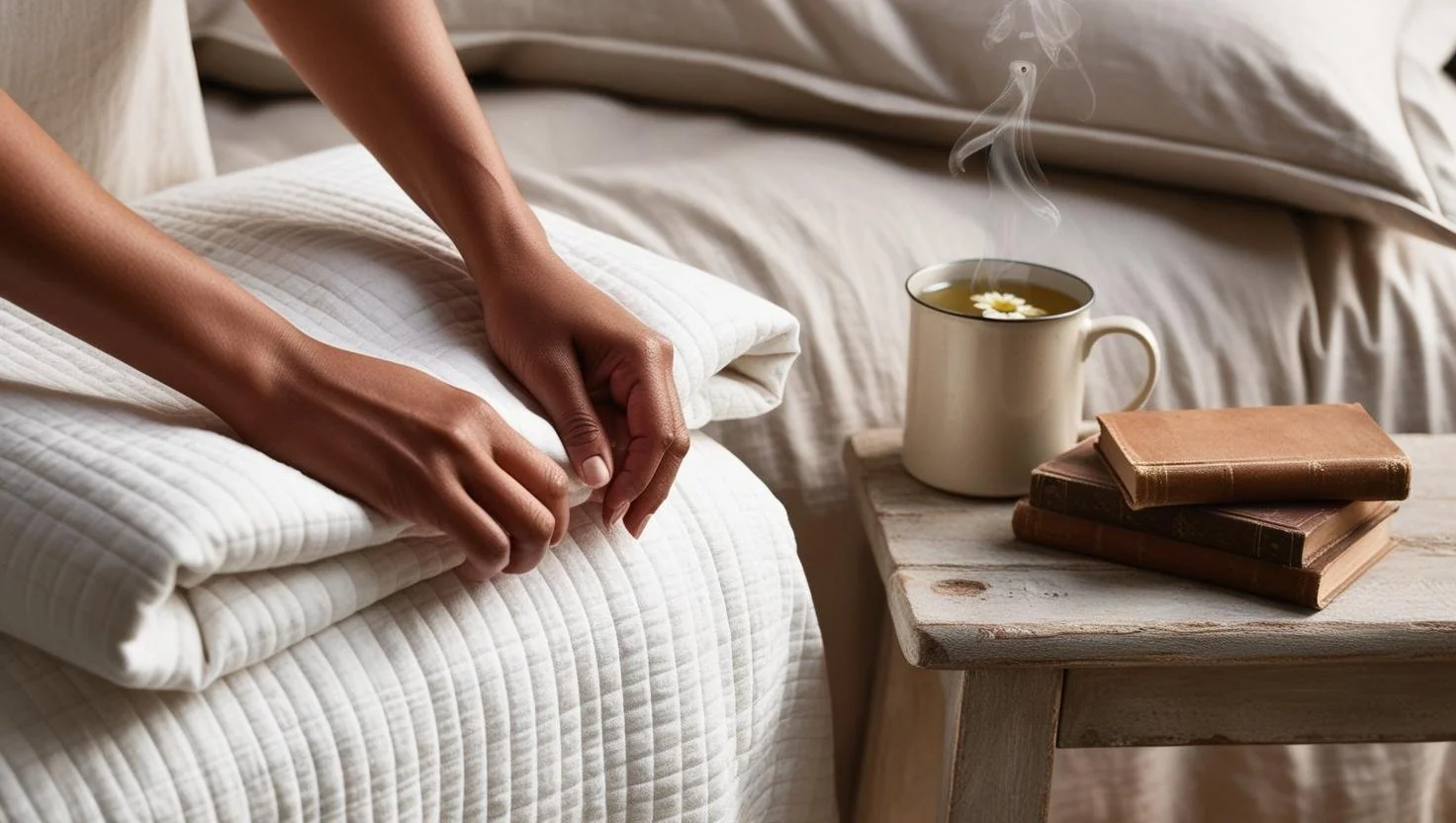
Sustainable bedding with tea, chunky blanket, and sunlight filtering through sheer curtains.

Types of Sustainable Bedding Materials

Discover the best types of sustainable bedding materials that combine eco-conscious living with cloud-like comfort. From organic cotton to recycled fibers, these materials elevate your sleep space while caring for the planet.

Key Takeaways

  • Organic cotton, bamboo, hemp, linen, and recycled fibers are leading sustainable bedding materials.
  • Certifications like GOTS and OEKO-TEX ensure eco-friendly and safe bedding choices.
  • Sustainable bedding promotes better sleep quality and reduces environmental impact.

Why Sustainable Bedding Materials Matter

Traditional bedding production often involves harsh chemicals, water-intensive farming, and synthetic fibers that harm the environment. Choosing types of sustainable bedding materials helps reduce waste, supports biodiversity, and promotes toxin-free, breathable sleep fabrics.

When you switch to eco-friendly bedding, you’re investing in healthier sleep and a more sustainable planet. For more ideas, check out our eco-friendly sleep choices guide or explore curated lists like The Good Trade’s sustainable bedding roundup.

The Top Types of Sustainable Bedding Materials

Organic Cotton: Soft, Safe, and Sustainable

Grown without harmful pesticides, organic cotton is gentle on your skin and the environment. It’s breathable, hypoallergenic, and supports soil health. For a complete eco-friendly upgrade, explore our article on organic mattress options or see Azure Road’s natural and organic bedding brands guide.

types of sustainable bedding materials with organic cotton and bamboo sheets

Bamboo: Naturally Luxurious

Bamboo is a fast-growing, renewable resource that requires minimal water and no pesticides. Bamboo bedding—especially lyocell or Tencel—feels silky-soft, wicks away moisture, and is naturally antimicrobial, making it ideal for hot sleepers.

bamboo bedding as one of the top types of sustainable bedding materials

Recycled Fibers: Turning Waste into Comfort

Bedding made from post-consumer recycled cotton or PET plastic bottles offers durability and reduces landfill waste. These types of sustainable bedding materials give discarded resources a second life. Learn more in our sustainable bedding options guide or read Polygiene’s resource on sustainable bedding.

recycled fiber sheets and comforters as types of sustainable bedding materials

Hemp: Naturally Durable

Hemp is one of the oldest natural fibers, valued for its strength and minimal water needs. Hemp bedding is biodegradable, breathable, and softens beautifully over time, making it a smart long-term choice.

Linen: Timeless and Earth-Friendly

Made from flax, linen is durable, eco-friendly, and naturally cooling—perfect for warm climates. Its antibacterial properties and classic look make it a luxurious yet sustainable bedding option. For additional insights, explore Everlasting Fabric’s guide on top sustainable bedding materials.

linen sheets and pillowcases as types of sustainable bedding materials

Understanding Rayon, Viscose, and Tencel

While bamboo rayon and viscose originate from natural materials, their chemical-heavy processing makes them less eco-friendly. In contrast, Tencel (lyocell) is produced in a closed-loop system that reuses water and solvents, making it a truly sustainable choice.

For more insights on textile sustainability, see this fiber sustainability breakdown by Sustain Your Style.

Tips for Choosing Sustainable Bedding

Look for Certifications

Eco-labels ensure product integrity and environmental safety. Key certifications include:

  • GOTS – Global Organic Textile Standard
  • OEKO-TEX – Tested for harmful substances
  • FSC – Responsible forestry practices for bamboo products

Think Beyond the Fabric

Sustainability goes beyond materials—it includes fair labor, eco-friendly packaging, and ethical sourcing. Brands featured on Green Hive showcase holistic eco practices.


The Cozy Wrap-Up

Choosing the right types of sustainable bedding materials benefits both your health and the planet. Whether it’s organic cotton, bamboo, or recycled fibers, eco-friendly bedding is a step toward a greener future. Want to combine sustainability with style? See our maximalist bedding styles for bold, eco-loving designs.

FAQ

What are the best types of sustainable bedding materials?
Organic cotton, bamboo lyocell (Tencel), hemp, linen, and recycled fibers are among the top eco-friendly bedding choices.
Is bamboo bedding really sustainable?
Yes, especially when labeled Tencel or lyocell, which are made with closed-loop, low-impact processes.
How do I verify that my bedding is sustainable?
Look for certifications like GOTS, OEKO-TEX, or FSC to ensure authenticity and eco-friendly standards.
Is linen better than cotton for sustainability?
Linen typically requires fewer resources and lasts longer, though both materials are sustainable when grown organically.

Learn more about eco-conscious sleep solutions in our comprehensive bedding guide.

Benefits of Eco-Friendly Bedding: Reduce Allergens and Environmental Footprint

Benefits of Eco Friendly Bedding

Benefits of Eco Friendly Bedding: 21 Powerful Reasons to Switch Today

Discover the benefits of eco friendly bedding for sleep quality, health, and sustainability. A simple change in your sheets can make a big impact—especially with organic bedding and sustainable sheets that feel great and last.


Key Takeaways: Benefits of Eco Friendly Bedding

  • Answer first: The benefits of eco friendly bedding include better sleep, fewer irritants, and a smaller footprint.
  • Switching reduces environmental impact with sustainable bedding materials and ethical production.
  • Trusted certifications like GOTS and Oeko-Tex help you spot safer, non-toxic fabrics.
  • Organic bedding and eco-conscious sheets blend comfort, design, and durability.
  • Care routines (cold wash, gentle detergent, line drying) extend fabric life and save energy.

Why Choose Eco Friendly Bedding?

Short answer: Eco friendly bedding supports your health and the planet while upgrading comfort.

The benefits of eco friendly bedding range from fewer skin irritants to noticeably cooler, more breathable sleep.
Made with organic cotton, bamboo, hemp, or Tencel, these fabrics feel gentle on skin and reduce exposure to harsh chemicals.
They also elevate your bedroom’s aesthetic while aligning with long-term wellness goals.
For a deeper dive on material performance and sleep quality, see Sleep Foundation.

Eco friendly bedding made from natural materials

Exploring sustainable décor too? Pair eco-conscious bedding with low-VOC paint and natural fiber rugs.
If you’re building a fully green sleep setup, our guide to eco-friendly sleep solutions walks through mattresses, toppers, and pillows that complement sustainable sheets.

Eco Friendly vs Conventional Bedding

Short answer: Conventional sheets often rely on pesticides and chemical finishes; eco options aim to minimize both.

Conventional bedding commonly uses polyester blends, formaldehyde-based resins, and dye processes that can irritate sensitive skin.
Eco-friendly bedding favors organic fibers and safer dyes, offering breathable comfort and longevity with fewer inputs.

  • Conventional: Polyester blends, chemical dyes, pesticide-heavy cotton.
  • Eco Friendly: Organic cotton, bamboo, hemp, and Tencel.
  • Impact: Conventional sheets typically use more water and chemical inputs; eco options reduce both significantly.

For a style-first look at sustainable options and bedroom inspiration, browse Architectural Digest galleries. And if you’re eyeing linen, percale, or sateen sets with better sourcing,  Parachute Home showcases collections with quality materials and timeless design.

Environmental Impact

Short answer: Choosing sustainable bedding can lower carbon, reduce water use, and improve end-of-life outcomes.

  • Carbon: Organic farming and cleaner processing can use considerably less energy than conventional methods.
  • Water: Fibers like hemp and certain bamboo processes can require less irrigation than standard cotton systems.
  • Biodegradability: Natural fibers break down more readily than synthetics, reducing long-term waste.

If you’re planning a full room refresh, see our sustainable sleep products  guide for ideas that complement eco-friendly sheets—from curtains to throws—without sacrificing design.

Health Advantages

Short answer: Fewer harsh chemicals and more breathable fibers support calmer skin and easier breathing.

Eco-conscious sheets avoid many problematic finishes and dyes. That’s especially helpful for children, asthma, eczema, or sensitive skin.
Hypoallergenic options like organic cotton and Tencel encourage airflow and moisture management for more restorative sleep.
For evidence-based insights on sleep health and materials, explore
Sleep Foundation.

Hypoallergenic eco friendly bedding for health benefits

Maximizing Comfort and Longevity

Short answer: Buy certified, wash cool, and skip harsh softeners to keep fibers strong.

To get the most from your bedding, choose certified fabrics with GOTS or Oeko-Tex labels.
Wash in cold water with gentle detergent, avoid heavy softeners or bleach, and line-dry when possible to save energy and preserve hand feel.
These small habits help sustainable sheets stay comfortable and durable for years.

Want help choosing fabric types and weaves? Our overview of advantages of eco friendly bedding breaks down breathability, feel, and durability by material.

Buyer’s Guide: Certifications to Look For

Short answer: Look for GOTS, Oeko-Tex Standard 100, Fair Trade, and Cradle to Cradle.

  • GOTS: Ensures organic status across the supply chain and ethical production.
  • Oeko-Tex Standard 100: Verifies textiles have been tested for harmful substances.
  • Fair Trade Certified: Supports fair wages and safer working conditions.
  • Cradle to Cradle: Focuses on circular design, safer chemistry, and end-of-life pathways.

For a practical shopping lens—feel, weave, and fit—compare product details at
Parachute Home,
then cross-check material pros/cons with
Sleep Foundation.

Trusted Brands

Short answer: Choose brands that publish clear material specs and recognized certifications.

Design Benefits

Short answer: Natural fibers pair beautifully with sustainable furniture and low-VOC finishes.

Eco-conscious sheets complement reclaimed wood, rattan, cork, and wool accents.
Add greenery and maximize natural light to enhance mood and air quality.
For visual inspiration, browse
Architectural Digest’s design galleries.

Eco friendly bedroom decor with sustainable bedding

FAQ

What are the main benefits of eco friendly bedding?
It can promote better sleep, reduce skin irritation, and support sustainability with safer materials and ethical production.
Which materials are best?
Organic cotton, hemp, bamboo, and Tencel stand out for softness, breathability, and end-of-life benefits. Compare these materials at the Sleep Foundation.
Does eco friendly bedding help with allergies?
Yes. Hypoallergenic fibers and fewer chemical finishes can help sensitive sleepers, kids, and anyone with asthma or eczema.
Where can I shop?
Start with brands that disclose certifications and fabric content. For examples and quality benchmarks, see Parachute Home.

Final Thoughts

The benefits of eco friendly bedding reach beyond comfort—supporting healthier skin, better sleep, and a lighter environmental footprint.
For next steps, explore our in-depth guides on eco-friendly sleep solutions, or browse our breakdown of co bedding advantages
to find the best fabrics for your space.

Related Reading

From Cozy Bed Quarters

From Trusted Sources


Eco-Friendly Bedding: Sustainable Solutions for Better Sleep

Eco-Friendly Bedding


Eco-Friendly Bedding: 7 Best Materials for Healthier Sleep

Eco-friendly bedding is one of the simplest ways to improve your sleep quality while reducing your environmental footprint. By choosing natural, sustainable, and toxin-free bedding, you create a healthier sleep space and help protect the planet at the same time.


Key Takeaways

  • Eco-friendly bedding promotes healthier, chemical-free sleep.
  • Top materials include organic cotton, bamboo, hemp, Tencel, latex, and wool.
  • These sustainable choices are biodegradable, durable, and allergy-friendly.
  • Pairing bedding with an eco-conscious mattress enhances sustainability.
  • Switching supports both personal well-being and a greener planet.

Why Sustainable Bedding is the Best Choice

Conventional bedding often contains synthetic chemicals and dyes that can irritate skin and harm the environment. Green bedding alternatives use renewable, toxin-free, and biodegradable materials, offering comfort and sustainability in one package.

For example, switching to organic cotton sheets can reduce exposure to pesticides while giving you breathable, long-lasting comfort.

different sustainable bedding materials

Exploring different sustainable bedding materials like cotton, hemp, and bamboo.


Top Materials for Sustainable Bedding

1. Organic Cotton

Organic cotton is grown without pesticides, conserving water and improving soil health. It’s breathable, durable, and soft on sensitive skin.

  • Free from harmful chemicals.
  • Supports biodiversity and soil fertility.
  • Durable with proper care.

Learn more in this guide to green bedding options.

2. Bamboo Bedding

Bamboo grows quickly with little water and no pesticides. Sheets made from bamboo are silky soft, cooling, and naturally hypoallergenic—perfect for hot sleepers.

  • Moisture-wicking and temperature-regulating.
  • Biodegradable and compostable.
  • Gentle on sensitive skin.

bamboo sustainable bedding set

Bamboo bedding is soft, breathable, and perfect for warm sleepers.

See product recommendations in the People Best Bamboo Sheets review.

3. Hemp Bedding

Hemp is one of the most sustainable crops. It requires minimal water, grows without chemicals, and creates bedding that lasts for years.

  • Resists mold and mildew naturally.
  • Strong and long-lasting fabric.
  • Reduces need for pesticides.

4. Tencel

Tencel comes from sustainably managed wood pulp. The closed-loop production process uses less water than cotton, and the fabric is soft, breathable, and biodegradable.

  • Gentle on skin, hypoallergenic.
  • Eco-friendly manufacturing process.
  • Soft and luxurious feel.

5. Natural Latex

Harvested from rubber trees, natural latex is renewable and toxin-free. It’s often used in eco-conscious mattresses for its supportive and long-lasting qualities.

  • Promotes spinal alignment.
  • Durable and biodegradable.
  • Free from harmful chemicals.

6. Wool Bedding

Wool is naturally temperature-regulating, hypoallergenic, and renewable. It keeps you warm in winter and cool in summer—ideal for year-round comfort.

  • Resists dust mites, mold, and mildew.
  • Recyclable and biodegradable.
  • Excellent insulation properties.

wool and cotton bedding materials

Sustainable materials like wool and cotton offer durability and comfort.


Choosing a Sustainable Mattress

Pair your bedding with an eco-conscious mattress. These mattresses use natural latex, wool, and organic cotton, avoiding synthetic foams and chemical fire retardants.

Learn more about healthy bedding accessories in this guide to mattress add-ons.

eco-conscious mattress and bedding options

Eco-conscious mattress and bedding options create a sustainable sleep environment.


Benefits of Switching to Greener Bedding

  • Healthier Sleep Environment: Reduces allergens and toxins.
  • Sustainability: Renewable, biodegradable materials conserve resources.
  • Durability: Long-lasting bedding means fewer replacements.

Switching to planet-friendly bedding is a simple but powerful step toward better rest and a greener lifestyle.


FAQ

Is eco-friendly bedding more expensive?

Yes, but it lasts longer and saves money over time by reducing replacements.

Which eco-friendly bedding is best for hot sleepers?

Bamboo and Tencel are excellent choices because they wick away moisture and keep you cool.

How do I know if bedding is truly eco-friendly?

Look for certifications like CertiPUR-US and GREENGUARD Gold to ensure sustainability and safety.

Can eco-conscious bedding help with allergies?

Yes, materials like organic cotton, hemp, and wool are naturally hypoallergenic.


Conclusion

Making the switch to eco-friendly bedding improves your sleep quality, protects your health, and supports the environment. At Cozy Bed Quarters, we believe that small choices—like the sheets you sleep on—can make a big difference. Rest easy knowing your bed is both comfortable and sustainable.


Related Reading


Eco-Friendly Sleeping: A Guide to Green Bedding Options

Eco-Friendly Sleeping

Eco-Friendly Sleeping

Looking to create a healthier sleep space and reduce your carbon footprint? Eco-Friendly Sleeping is a smart, impactful choice that supports the planet while giving you a better night’s rest. From breathable fabrics to low-impact manufacturing, small choices lead to big benefits for your well-being and the earth. Learn more about eco-friendly and sustainable sleep strategies.

Cardboard eco-friendly bed frame design

Key Takeaways

  • Eco-Friendly Sleeping promotes a cleaner, healthier sleeping environment by eliminating exposure to harmful chemicals.
  • Sustainable materials like organic cotton and bamboo offer better breathability and temperature regulation.
  • Choosing eco-friendly products supports ethical manufacturing and reduces your carbon footprint.
  • Proper maintenance keeps bedding comfortable and extends its lifespan, reducing waste over time.
  • Eco-conscious sleeping benefits everyone—from allergy sufferers to growing kids.
  • Simple decor choices can make your whole room more eco-aligned and tranquil.

What is Eco-Friendly Sleeping?

Eco-Friendly Sleeping refers to bed linens and sleep environments crafted from sustainable, non-toxic materials designed to minimize environmental impact and maximize your personal comfort. It’s more than a product category—it’s a shift in lifestyle that prioritizes both environmental stewardship and personal well-being. For more on the benefits, explore our eco-friendly sustainable bedding guide.

Imagine stepping into a serene bedroom filled with soft, breathable organic cotton sheets, a bamboo mattress topper, and curtains made from recycled fibers. The scent of lavender essential oil lingers in the air, and the lighting is warm and calming thanks to LED bulbs and natural daylight. This is the vision of eco-friendly sleeping—a haven that supports restful sleep and sustainability in equal measure.

Brands like Boll & Branch and Avocado Green are leading the way in this space, producing luxurious bedding and mattresses with certified organic materials, ethical labor practices, and low-emission production. These companies serve as examples of how Eco-Friendly Sleeping can be practical, stylish, and impactful.

Whether you’re upgrading your entire bed or starting small with a new set of sustainable sheets, every choice contributes to a cleaner, greener lifestyle. It’s about making daily decisions that align with values of health and harmony—with nature and within your home. For innovative ideas, check out our feature on the cardboard bed frame.

Sustainable wood bed frame design

Benefits of Eco-Friendly Sleeping

Switching to eco-friendly bedding isn’t just a trend—it’s a commitment to your health and the environment. Organic and natural fibers reduce skin irritation and respiratory issues. In fact, a study published by the Environmental Working Group found that people are exposed to an average of 12 industrial chemicals from conventional bedding during sleep each night. These substances have been linked to endocrine disruption, allergic reactions, and respiratory problems.

Additionally, synthetic bedding often contains volatile organic compounds (VOCs), which can off-gas into your bedroom air. According to the U.S. Environmental Protection Agency (EPA), prolonged exposure to VOCs can contribute to symptoms like headaches, nausea, and fatigue. Choosing eco-friendly materials such as GOTS-certified organic cotton eliminates these hazards and supports a cleaner sleep environment.

According to the Sleep Foundation, maintaining toxin-free bedding is essential for healthy sleep hygiene. By minimizing chemical exposure, your body can relax more deeply, leading to more restorative rest and improved overall wellness. Discover how sustainable bedclothes support a greener future.

In short, choosing Eco-Friendly Sleeping options is a powerful way to protect your health and sleep better—night after night.

Sustainable bed frame materials

Top Eco-Friendly Bedding Materials

When it comes to Eco-Friendly Sleeping, the materials you choose make all the difference. For deeper insight, explore our guide on eco-friendly bedding and sustainable sleep solutions. Here’s a side-by-side comparison of the most popular eco-friendly bedding materials:

  • Organic Cotton
    • Feel: Soft, breathable, slightly crisp
    • Longevity: High durability with proper care
    • Sustainability: Very sustainable if GOTS-certified
    • Price Point: Moderate to high depending on thread count
  • Bamboo Viscose
    • Feel: Silky, smooth, and cool to the touch
    • Longevity: Good, though prone to pilling with rough use
    • Sustainability: Highly renewable, but processing varies
    • Price Point: Moderate
  • Tencel (Lyocell)
    • Feel: Lightweight, ultra-smooth, breathable
    • Longevity: Strong fibers, resistant to shrinkage
    • Sustainability: Very high—closed-loop process uses non-toxic solvents
    • Price Point: Moderate to high
  • Linen (Flax)
    • Feel: Crisp at first, softens with time
    • Longevity: Extremely durable and long-lasting
    • Sustainability: Exceptionally sustainable—minimal water use and biodegradable
    • Price Point: High

Each of these materials offers unique benefits that support Eco-Friendly Sleeping. Whether you prioritize softness, breathability, or environmental impact, there’s a green bedding option that’s just right for you. For even more options, see our expanded eco-friendly bedding guide.

Eco Friendly Bedding showcase

FAQ

What does eco-friendly bedding mean?
Eco-friendly bedding is made from sustainable, non-toxic materials such as organic cotton, bamboo, or linen, and is produced through environmentally responsible processes.
Are bamboo sheets really eco-friendly?
Bamboo sheets can be eco-friendly if produced using closed-loop processes, such as with bamboo lyocell. Avoid bamboo rayon made with harsh chemicals.
How do I maintain eco-friendly bedding?
Wash bedding in cold water using mild, eco-friendly detergents and air dry when possible to extend its lifespan and reduce energy use.
Is organic cotton better than regular cotton?
Yes. Organic cotton is grown without harmful pesticides or synthetic fertilizers, making it safer for your skin and the environment.
Can eco-friendly bedding help with allergies?
Absolutely. Natural fibers like organic cotton and linen are hypoallergenic and breathable, reducing dust mites and allergens.

Feng Shui Bedroom Elements: How to Invite Calm, Balance, and Better Sleep

A cozy, Feng Shui-aligned bedroom with soft lighting and balanced decor.

Feng Shui Bedroom Elements

If your bedroom feels more chaotic than calming, it might be time to explore Feng Shui Bedroom Elements. By aligning your space with natural energy flows, you can transform your room into a sanctuary of rest and rejuvenation.

Key Takeaways

  • Position your bed in the “commanding position” to enhance security and control.
  • Incorporate calming, neutral colors to promote relaxation and better sleep quality.
  • Maintain a clutter-free environment to allow energy to flow freely and reduce mental stress.
  • Balance the five elements—wood, fire, earth, metal, and water—for harmony and vitality.
  • Use layered, soft lighting to create a restful and nurturing ambiance.

Why Feng Shui Bedroom Elements Matter

Your bedroom is more than just a place to sleep; it’s your personal retreat, where your energy resets each night. When designed with Feng Shui principles, it supports emotional balance, encourages restorative rest, and cultivates calm.

Many people don’t realize that the layout and decor of a bedroom can contribute to insomnia, anxiety, or morning fatigue. Feng Shui Bedroom Elements help correct that by enhancing the natural energy flow—or chi—around you. For example, a bed directly in line with a doorway can lead to subconscious stress, whereas a realigned bed can offer better sleep within days.

Feng Shui is not just about aesthetics—it’s about energy management for well-being. As you integrate these elements, you’ll likely notice shifts in your mood, clarity, and nightly rest.

Must-Have Feng Shui Bedroom Elements

1. The Command Position for Your Bed

According to Feng Shui, your bed should be placed diagonally from the door but not in line with it—this is called the command position. It gives you a clear view of the entrance, which creates psychological safety and control while you sleep.

Why does this matter? Because your nervous system is constantly scanning for threats, even at night. Being in a vulnerable position—like having your feet point out the door or sleeping with your head under a window—can disrupt deep rest. Try shifting your bed to a place where you feel both secure and supported by the wall behind you.

Need visual inspiration? Check out our guide on optimal Feng Shui bed placement for a detailed walkthrough.

Command bed placement using Feng Shui Bedroom Elements

2. Soothing Colors That Ground Your Energy

Colors shape the emotional tone of your space. In Feng Shui, earth tones and soft hues are ideal for the bedroom. Think muted sage, sandy beige, creamy whites, and blush pinks—colors that bring the Earth element into your decor and ground your energy after a busy day.

Avoid overly stimulating tones like bright reds or stark blacks, which can create restlessness. Instead, layer these peaceful colors in your bedding, wall art, and decor. Accent with pastels or nature-inspired tones to bring tranquility.

Curious about color combos? Our article on best bedroom colors for sleep explores top palettes approved by Feng Shui experts and sleep researchers.

Balanced Feng Shui Bedroom Elements in a neutral color scheme

3. Clutter-Free Zones

Clutter doesn’t just take up space—it clogs energy flow and can subconsciously weigh you down. Feng Shui emphasizes minimalism and intentionality. Keep surfaces clear, especially nightstands and dresser tops. Under the bed storage is discouraged; energy should circulate freely while you sleep.

Start with a 15-minute decluttering session. Remove unused electronics, outdated decor, or anything broken. Organize with baskets or hidden drawers to preserve the calm vibe. A clean space nurtures a clean mind.

For step-by-step tips, visit our guide on Feng Shui decluttering techniques.

Decluttering using Feng Shui Bedroom Elements to promote energy flow

4. Bring in the Five Elements

Incorporating all five Feng Shui elements ensures that your room feels energetically balanced. Each element brings a unique energy, and together they form a complete system:

  • Wood: Growth, vitality, and flexibility—represented by plants, bamboo, or wooden furniture.
  • Fire: Passion and energy—add red hues, candles, or a Himalayan salt lamp.
  • Earth: Stability and nourishment—use ceramics, clay pots, or sandy colors.
  • Metal: Precision and clarity—include metal trays, brass knobs, or silver picture frames.
  • Water: Flow and abundance—reflected through mirrors, fountains, or blue accents.

You don’t need to go overboard; a small touch of each is enough. The goal is to harmonize your room’s energy without cluttering it.

Need inspiration on styling each element? Dive into our deep-dive on Feng Shui elements.

Wood element represented with plants in Feng Shui Bedroom Elements

5. Layered Lighting for a Restful Glow

Light is one of the most underestimated elements in Feng Shui. Rather than relying solely on harsh overhead lighting, use multiple sources: bedside lamps, wall sconces, string lights, and candles. These layers allow you to adjust the mood depending on the time of day and your emotional state.

Warm bulbs (2700K or lower) are best for the bedroom, as they mimic the glow of sunset and signal to your body that it’s time to wind down. Use dimmers if possible, and avoid blue light before bed, which can disrupt melatonin production.

For cozy lighting upgrades, explore our picks for top bedroom lighting ideas that align with Feng Shui principles.

Real-Life Transformation: Laura’s Bedroom Makeover

Laura, a busy mom of two, used to feel like her bedroom was a storage space—not a sanctuary. The room was cluttered, the lighting too bright, and her bed faced directly out the door. After reading up on Feng Shui Bedroom Elements, she made a few targeted changes: moved her bed to the command position, swapped in soft lamps, added a plant for the Wood element, and cleared the clutter.

The difference was immediate. Laura says she now feels a sense of relief just walking into her room. Her sleep improved, and so did her mood. “It’s my exhale at the end of the day,” she shares. Her story is proof that even small, affordable changes can have a big energetic impact.

Common Feng Shui Myths—Debunked

“You Have to Spend a Fortune to Feng Shui”

This is one of the biggest misconceptions. Feng Shui is about intention, not expense. You can make powerful shifts by rearranging furniture, adding a thrifted nightstand, or introducing a $5 plant. Energy responds to alignment, not price tags.

“Mirrors Are Bad in Every Case”

Mirrors are only problematic in Feng Shui when placed incorrectly. Avoid having a mirror reflect the bed directly—it can disrupt rest. But mirrors used wisely can enhance natural light, visually expand the room, and reflect beautiful elements like artwork or greenery.

Learn more in our myth-busting guide: Common Feng Shui Bedroom Myths.

Cozy Takeaway: Start Small with Feng Shui Bedroom Elements

You don’t need to be an expert or redo your entire room to feel the benefits of Feng Shui. Just begin with one or two elements—like moving your bed, softening your lighting, or clearing clutter—and notice how your space (and sleep) responds.

Feng Shui Bedroom Elements are more than design tricks; they’re tools to help you feel grounded, supported, and at peace. For a deeper look, explore The Spruce’s Feng Shui bedroom guide or revisit our complete guide to Feng Shui Elements for Positive Bedroom Energy.

FAQ

What is the “command position” in Feng Shui?
It’s a bed placement where you can see the door without being directly in line with it, promoting a sense of security.
Can I have mirrors in my bedroom?
Yes, but avoid placing them directly facing the bed to prevent energy disturbances. Instead, use them to reflect beauty or light.
How do colors affect bedroom energy?
Calming, neutral colors help the nervous system relax, while bright, bold colors can overstimulate the space and your mind.
Is it okay to store items under the bed?
It’s best to avoid storage under the bed. Blocked energy can lead to restlessness. If necessary, limit it to soft, non-emotional items like linens.
Do I need all five elements in my bedroom?
Yes, in small, balanced amounts. Together, the five elements create harmony and help your space support different emotional and energetic needs.

Embracing Feng Shui Bedroom Elements can transform your space into a haven of peace and rejuvenation. Start small, stay intentional, and enjoy the positive shifts in your environment and well-being.

Explore Types of Beds, Features, and Transitions for Your Home

Types of Beds, Features, and Transitions

Types of Beds

Exploring different types of beds is essential to finding the perfect combination of comfort, style, and functionality for your home.

Key Takeaways

  • Adjustable beds provide customizable positions and advanced features for enhanced comfort.
  • There are seven main types of bed frames, each designed for different styles and support needs.
  • Foam mattresses offer superior pressure relief, while spring mattresses provide firm support and airflow.
  • Choosing the right bed depends on factors like sleep position, body weight, and budget.
  • There is no universal solution—selecting the right bed involves matching personal comfort preferences with bedroom design.

Types of Bed Frames for Your Mattress

When evaluating the types of beds, selecting the ideal bed frame is critical for both support and aesthetic appeal. Bed frames come in various designs, from simple platform beds to elegant four-poster styles. If you’re upgrading to a larger bed, see our guide to king-size bed and mattress dimensions for better planning.

Different types of beds with unique styles and frames

Frame-Only Bed Frame

A frame-only bed frame is minimalist, consisting solely of a metal or wooden structure. It’s perfect for small spaces or modern bedrooms where simplicity is key.

Minimalist frame-only bed design

Four-Poster Bed Frame

The four-poster frame brings timeless elegance. With its tall posts and optional drapes, it can transform any bedroom into a luxurious retreat.

Elegant four-poster bed with decorative drapes

Platform Bed Frame

A platform frame offers a sleek, contemporary feel. It doesn’t require a box spring, making it cost-effective while maintaining solid support.

Modern platform bed with solid base

Bunk Bed Frame

Bunk beds are a practical choice for small spaces or shared bedrooms, stacking two beds vertically to maximize floor space. For more creative small-space solutions, check our article on best velvet sofas for small living rooms.

Bunk beds for space-saving solutions

Sleigh Bed Frame

Characterized by its curved headboard and footboard, the sleigh bed adds a touch of classic sophistication to any bedroom decor.

Classic sleigh bed frame design

Adjustable Bed Frame

Adjustable frames allow for personalized head and foot elevation. They are great for improving circulation and relieving pressure points.

Trundle Bed Frame

Ideal for guest rooms or children’s rooms, a trundle bed stores a second mattress underneath the main bed, saving valuable space.

Pros and Cons of Adjustable Beds

Adjustable beds offer personalized comfort and health benefits but come with some trade-offs. Understanding both sides will help you decide if this type of bed is right for you.

Pros of Adjustable Beds

  • Allows customizable positions for better sleep and relaxation.
  • Split sizes offer individualized adjustment for couples.
  • Zero-gravity settings can relieve back pain and promote proper posture.

Cons of Adjustable Beds

  • Generally costlier than standard frames.
  • Heavier and more challenging to move.
  • Often lack a sleep trial period.

Features of Foam Mattresses

Foam mattresses are popular for their ability to contour to the body, making them a top choice among side sleepers and those who need targeted pressure relief.

Features of Spring Mattresses

Spring mattresses, also known as innerspring beds, are known for their firm support and excellent airflow. Coil types such as Bonnell, pocketed, offset, and continuous coils provide varying levels of motion isolation, responsiveness, and durability.

Memory Foam vs. Spring Mattresses

Choosing between memory foam and spring mattresses comes down to personal comfort needs. Foam excels in pressure relief, while spring mattresses offer better airflow and a bouncier feel.

Tips for Choosing the Right Bed Frame

  • Measure your room dimensions before buying.
  • Match the frame style with your bedroom’s aesthetic.
  • Consider your mattress type—foam mattresses often need solid or slatted platforms, while spring models might require box springs.
  • Check for online reviews and return policies.

Benefits and Drawbacks of Foam Mattresses

Foam mattresses are excellent for pressure relief and motion isolation but may trap heat and lack bounce. They are ideal for side sleepers and couples sensitive to movement but less suitable for those who prefer a cooler sleep experience.

Benefits and Drawbacks of Spring Mattresses

Spring mattresses offer superior airflow and a firm, responsive surface. However, they can transfer motion and may sag over time. High-quality coils can mitigate these issues.

Considerations When Choosing a Mattress

Factors like your sleep position, body weight, and budget will influence your mattress choice. Foam mattresses are better for lighter individuals and side sleepers, while spring mattresses support heavier sleepers and back or stomach sleepers effectively.

Choosing between different types of beds involves evaluating both style and function. Whether you choose a minimalist platform bed or a high-tech adjustable frame, the goal is a restful, supportive, and stylish sleep environment.

FAQ

What types of beds are best for small bedrooms?
Platform, trundle, and bunk beds are ideal for small spaces as they optimize room layout and provide storage or multi-sleeper solutions.
Are adjustable beds worth the cost?
Yes, especially if you suffer from back pain or need customized sleeping positions for comfort and health.
Which mattress type lasts longer—foam or spring?
High-quality foam mattresses often outlast spring models, though hybrid beds can offer the best of both worlds.

Learn more about Home Depot’s guide on types of beds, explore DreamCloud’s take on bed varieties, and read Casper’s article on different bed styles. For more insights, check Colder’s comprehensive guide to bed types.

Easy Guide: How to Clean Stains Out of Mattress Effectively

Steps to clean stains out of mattress after wine spill

Clean Stains Out of Mattress

Clean stains out of mattress effectively with natural, easy-to-follow techniques that tackle everything from wine spills to pet accidents.

Key Takeaways: Clean Stains Out of Mattress

  • Natural ingredients like vinegar and baking soda safely remove mattress stains
  • Act fast—blot, don’t rub—to keep stains from setting into fabric
  • Use enzyme cleaners on organic stains (urine, vomit) for best results
  • Exact phrase: Clean stains out of mattress with diluted peroxide for blood and wine
  • Protect your bed with a waterproof cover to extend its lifespan

Why Cleaning Stains Out of a Mattress Matters

Over time, your mattress absorbs sweat, allergens, and spills, which can affect your health and sleep quality. Cleaning stains out of mattress surfaces prevents odor buildup, bacterial growth, and permanent discoloration. A spotless mattress promotes restful sleep and keeps your bedroom fresh.

Why it's important to clean stains out of mattress surfaces

Step-by-Step: How to Clean Stains Out of Mattress

1. Clean Blood Stains from a Mattress

Answer first: Use cold water, then apply diluted peroxide sparingly and blot—never rub.

  1. Blot the Stain: Dab excess blood with a clean cloth—do not scrub.
  2. Cold Water Spray: Mist with cold water; blot to dilute.
  3. Hydrogen Peroxide (3%) Solution: 1 part peroxide : 2 parts water. Apply lightly; blot after 5 minutes.
  4. Vinegar + Baking Soda Paste (optional): Let dry; wipe with a damp cloth.

Tip: Avoid hot water—it sets protein stains more deeply.

How to clean stains out of mattress from blood spills

2. Clean Urine Stains from a Mattress

Answer first: Neutralize with a 1:1 vinegar solution, then deodorize with baking soda and fully dry.

  1. Blot: Press with towels to absorb as much as possible.
  2. Spray Vinegar Solution: Equal parts white vinegar and water; blot again.
  3. Baking Soda: Cover the spot; leave for several hours or overnight.
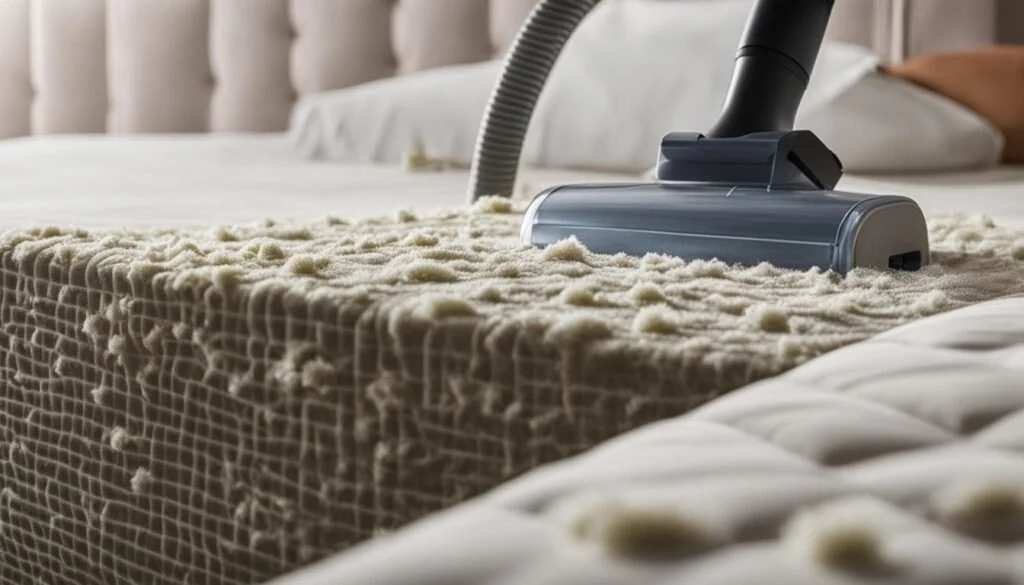
  4. Vacuum: Remove dried soda with an upholstery attachment.
  5. Enzyme Cleaner (optional): Use for persistent organic odors.

3. Clean Vomit Stains from a Mattress

Answer first: Remove solids, then use an enzyme cleaner or a gentle vinegar-dish soap mix; blot and air dry.

  1. Remove Solids: Wear gloves; discard residue.
  2. Apply Cleaner: Enzyme cleaner or vinegar + a drop of mild dish soap.
  3. Blot & Rinse: Use a damp cloth to lift residues.
  4. Air Dry: Use a fan to speed drying.

4. Clean Wine Stains from a Mattress

Answer first: Blot immediately, draw out moisture with salt, then spot treat with diluted peroxide and mild soap.

  1. Blot Excess: Absorb with a clean towel.
  2. Salt Lift: Sprinkle salt; let it pull pigment and moisture.
  3. Diluted Peroxide: Lightly dab; blot.
  4. Dish Soap Solution: Blot until the color lifts.

Steps to clean stains out of mattress after wine spill

Preventing Mattress Stains

Answer first: A waterproof protector and quick spot-cleaning are the best defense.

  • Mattress Protector: Use a waterproof, breathable barrier.
  • Spot Clean Immediately: Blot liquids; avoid over-wetting.
  • Routine Vacuuming: Vacuum every 2–3 months to reduce allergens.

Natural Cleaning Solutions

Answer first: Keep baking soda, white vinegar, and 3% hydrogen peroxide on hand for most stains.

  • Baking Soda: Deodorizes and absorbs moisture.
  • White Vinegar: Helps break down proteins; neutralizes smells.
  • Hydrogen Peroxide (diluted): Useful on blood and wine discoloration; spot test first.

For expanded guidance, see the Sleep Foundation’s mattress stain guide.

The Importance of Regular Mattress Cleaning

Answer first: Routine cleaning reduces allergens, improves air quality, and helps your mattress last longer.

  1. Reduce Allergens: Regular upkeep removes mites and dander.
  2. Improve Sleep: A clean environment promotes easier breathing.
  3. Extend Lifespan: Prevent stains and fabric degradation.

Protecting from spills is half the battle—browse Parachute’s mattress & bedding protectors or their protector buying guide for care tips. For bedroom inspiration that supports a calming sleep space, explore Architectural Digest’s bedroom ideas gallery.

Routine steps to clean stains out of mattress and extend life

Final Thoughts on Clean Stains Out of Mattress

Learning how to clean stains out of mattress materials is essential for health, comfort, and durability. Whether it’s a child’s accident or a wine spill, quick action and natural cleaners make all the difference. Use these Cozy Bed Quarters–approved techniques to refresh your mattress and sleep cleaner, longer.

FAQ

What is the best homemade cleaner for mattress stains?
A 1:1 mix of white vinegar and water works for many stains. Add a drop of mild dish soap for extra cleaning power, and finish with baking soda to deodorize.
Can hydrogen peroxide damage a mattress?
Yes, it can bleach fabrics. Always spot test in a hidden area and dilute to reduce risk.
How often should I clean my mattress?
Vacuum every 2–3 months, spot clean immediately, and deep clean every 6–12 months.

Related Reading


Advantages of Eco-Friendly Bedding: Discussing the Health and Environmental Benefits

Advantages of Eco-Friendly Bedding

Advantages of Eco-Friendly Bedding

The advantages of eco-friendly bedding go far beyond a good night’s sleep. By choosing sustainable, chemical-free materials, you support your health, protect the environment, and encourage ethical manufacturing—all from the comfort of your own bed.

Key Takeaways

  • Eco-friendly bedding improves sleep quality and reduces your carbon footprint.
  • Made from sustainable materials, it’s free from toxic chemicals and safer for sensitive skin.
  • Supporting eco-friendly bedding means choosing ethical practices and protecting natural resources.
  • Switching to green bedding creates a healthier home and a more sustainable world.
  • The advantages of eco-friendly bedding are wide-ranging—from comfort to conservation.

The Health Benefits of Eco-Friendly Bedding

One of the primary advantages of eco-friendly bedding is its positive impact on your health. These bedding options use organic cotton, bamboo, hemp, or linen—all naturally hypoallergenic and free from harsh chemicals like formaldehyde, flame retardants, and pesticides found in conventional bedding. This reduces the risk of skin irritation, allergies, and respiratory problems, making it a safer choice for everyone, especially those with sensitivities or asthma.

The breathability of natural fibers also supports better temperature regulation, so you stay cool in summer and warm in winter, contributing to more restful sleep. A healthier sleep environment leads to improved overall well-being, reinforcing why the advantages of eco-friendly bedding are worth considering for every household.

Advantages of eco-friendly bedding for health and comfort

Choosing eco-friendly bedding supports both your personal wellness and the environment—an advantage that grows with every restful night.

The Environmental Benefits of Eco-Friendly Bedding

When you think about the advantages of eco-friendly bedding, environmental impact is front and center. Traditional bedding—especially those made from conventional cotton or synthetics—requires large amounts of water, energy, and harmful chemicals to produce. Eco-friendly bedding, on the other hand, uses renewable materials like organic cotton and bamboo, grown using sustainable methods that reduce water use and pollution.

These sustainable practices preserve soil health, encourage biodiversity, and cut down on landfill waste, since eco-friendly bedding is biodegradable and often comes in recyclable packaging. Every step in the production process is designed to minimize environmental harm, so you can sleep soundly knowing your bedding choice helps preserve the planet for future generations.

Natural bedding showing the environmental advantages of eco-friendly bedding

Explore more about sustainable sleep in eco-friendly bedroom essentials.

Improving Indoor Air Quality

Another often-overlooked advantage of eco-friendly bedding is its role in improving indoor air quality. Synthetic bedding can off-gas volatile organic compounds (VOCs) and other toxins, which linger in your bedroom air and may cause headaches, respiratory issues, and long-term health concerns.

Eco-friendly bedding, made from natural fibers and processed without harsh chemicals, doesn’t emit VOCs or harmful fumes. This creates a cleaner, safer, and more breathable environment—especially important for children, allergy sufferers, and anyone who values a truly fresh bedroom. Cleaner air means deeper sleep and better health.

Advantages of eco-friendly bedding and improved indoor air quality

Want more ways to boost your bedroom air quality? Check out these sleep-friendly houseplants.

Ethical Practices and Conservation Efforts

The advantages of eco-friendly bedding also extend to the people who make it and the communities involved in its production. Many sustainable bedding brands embrace fair trade practices, ensuring fair wages, safe working conditions, and support for local farmers. This approach empowers workers and uplifts communities, making your bedding choice one that’s good for people as well as the planet.

Furthermore, eco-friendly bedding companies are committed to conservation—using low-impact dyes, reducing water and energy usage, and investing in habitat protection. Supporting these brands means participating in a global effort to protect wildlife and preserve natural resources, all while enjoying the everyday luxury of high-quality bedding.

Advantages of eco-friendly bedding support ethical and sustainable practices

Read more about responsible brands in our guide to organic bedding companies.

Tips for Making the Switch

Transitioning to eco-friendly bedding is easier than ever. Here’s how to maximize the advantages of eco-friendly bedding in your home:

  • Look for certifications like GOTS (Global Organic Textile Standard) or OEKO-TEX to ensure genuine sustainability.
  • Choose natural fibers such as organic cotton, bamboo, or hemp for the best health and environmental results.
  • Wash gently with eco-friendly detergents and line-dry when possible to prolong the life of your bedding and reduce energy use.
  • Go beyond sheets—consider organic pillows, mattress toppers, and blankets for a fully sustainable sleep space.

For more tips on sustainable living, see how to build a sustainable bedroom.

FAQ

What are the main advantages of eco-friendly bedding?

The main advantages of eco-friendly bedding are improved health, reduced environmental impact, better air quality, and support for ethical manufacturing.

How do eco-friendly bedding materials compare to conventional options?

Eco-friendly materials like organic cotton and bamboo are safer, naturally hypoallergenic, more breathable, and made with less water and fewer chemicals than conventional materials.

Can eco-friendly bedding really improve sleep quality?

Yes! Eco-friendly bedding helps regulate temperature and reduces exposure to irritants, leading to deeper, healthier sleep.

Learn more in eco-friendly sleep choices and bedding options,
how sustainable bedding compares to traditional, and
the best organic mattress reviews.

For further reading, see expert resources at Sleep Foundation, EPA Sustainable Materials Management, and Architectural Digest.

Related reading from Cozy Bed Quarters

Other reading we found popular

 

Effective Guide: How to Clean a Mattress from Pee in Easy Steps

How to clean a mattress from pee after pet accidents.

How to Clean a Mattress from Pee: Your Cozy, Complete Guide

Ever woken up to find an unexpected accident on your bed? Or maybe your little one (or furry friend) had a slip-up? Knowing how to clean a mattress from pee is one of those real-life skills you hope you never need—until you do. The good news? With a few simple tricks (and some cozy patience), you can get your mattress fresh and clean again.

Why It Matters for Your Sleep and Sanity

Your bed is supposed to be your cozy retreat — not a place for lingering smells or mystery stains. Leaving urine in a mattress isn’t just unpleasant; it can lead to odors, bacteria buildup, and even shorten your mattress’s lifespan. Learning how to clean a mattress from pee helps protect your sleep sanctuary, ensuring it’s always a welcoming, peaceful place to unwind. (Plus, who doesn’t want that fresh, just-cleaned feeling?)


Step-by-Step: How to Remove Fresh Urine from a Mattress

When accidents happen, speed is your best friend. Here’s the play-by-play for tackling fresh stains:

1. Blot, Don’t Rub

Grab a clean, dry towel and gently blot the area. Press firmly but don’t rub — rubbing just pushes the urine deeper into the mattress fibers.

2. Mix a Gentle Cleaning Solution

In a spray bottle, combine cold water, white vinegar, and a small squirt of laundry detergent. (Vinegar is a natural odor neutralizer—here’s why it works).

Spray generously onto the affected area and let it sit for 10-15 minutes.

3. Blot Again

After the solution soaks in, blot the area with a clean towel to soak up the moisture.

4. Bring on the Baking Soda

Sprinkle a heavy layer of baking soda over the area. Let it sit for at least 8 hours (overnight is perfect!). Baking soda naturally lifts odors and moisture. Good Housekeeping recommends it as a household staple for a reason!

5. Vacuum It Up

Finally, vacuum the mattress thoroughly to remove the dried baking soda. You’ll be amazed at the fresh, clean difference.

Pro Tip: Avoid using hot water — it can set the stain and smell!


How to Tackle Dried Urine Stains (Even the Stubborn Ones)

Sometimes, you don’t catch an accident right away. Dried pee can feel more intimidating, but don’t worry—you’ve got this.

1. Make a Stain-Busting Solution

Mix 1 cup hydrogen peroxide, 1 tablespoon baking soda, and a few drops of liquid dish soap. Stir gently.

2. Apply and Let Dry

Use a cloth to dab the solution onto the stain. Cover it completely. Let it dry for at least 30 minutes.

3. Vacuum Up the Residue

Once dry, vacuum the area to remove any leftover powdery residue.

Heads up: Hydrogen peroxide can have a mild bleaching effect. Always test it on a small hidden spot first.

Curious why it works? Hydrogen peroxide is a powerhouse oxidizer that breaks down the stubborn components in dried urine.


How to clean a mattress from pee with baking soda and vinegar.

How to Get Rid of That Lingering Pee Smell

Even after stains are gone, sometimes odors linger. Here’s how to clean a mattress from pee so thoroughly that you erase every whiff of it:

Step 1: Soak Up Odors with Baking Soda

Dust a generous layer of baking soda over the entire mattress. Focus on smelly areas.

Step 2: Let It Work Its Magic

Leave the baking soda for at least 8 hours — longer if possible.

Step 3: Vacuum Thoroughly

Vacuum the mattress well. If the smell persists, don’t be afraid to repeat the process.

For extra-tough cases, you might want to use an enzyme cleaner (especially for pet accidents) — experts like the American Kennel Club recommend them.


Myth-Busting: Can Vinegar Really Remove Pee Stains?

Short answer: YES! Vinegar’s natural acidity breaks down urine and neutralizes bacteria. But be careful—on delicate memory foam mattresses, it’s best to test first. Not sure if vinegar is safe for your mattress? A baking soda and hydrogen peroxide combo is a great alternative.


How to clean a mattress from pee with baking soda and vinegar.

Cozy Final Thoughts: You’ve Got This!

Accidents happen to all of us (even our pets and kids!). The trick is knowing how to clean a mattress from pee calmly, quickly, and effectively. With a little patience and some pantry basics, you can bring your bed back to fresh and cozy status — ready for many more dreamy nights ahead.

Want to turn your bed into the ultimate cozy retreat? Check out our tips on choosing the best bedding for hot sleepers and how to layer your bed like a designer!