
Delve into the world of traditional headboard designs – exploring their historical significance, cultural symbolism, craftsmanship nuances, and practical utility in our sleeping spaces.
Continue reading
Delve into the world of traditional headboard designs – exploring their historical significance, cultural symbolism, craftsmanship nuances, and practical utility in our sleeping spaces.
Continue reading
Discover the timeless charm and rich history of sleigh beds in this comprehensive guide. Learn about their evolution, craftsmanship, and how they can enhance your bedroom design.
Continue reading
Updated 2026
Canopy beds bring drama and comfort, offering privacy, light control, and a striking focal point for any room size. This guide covers styles, materials, pros and cons, buying tips, and smart styling ideas to help you decide if a canopy bed fits your space and how to make it shine.
Canopy beds create a cocooned, calming sleep zone that doubles as a statement centerpiece with flexible light and privacy control. Experts like Kathy Kuo emphasize their ability to transform a plain space into an ultra-cozy retreat.
Example: In a studio apartment, a slim-frame canopy with sheers creates a “room within a room,” carving out a restful corner without putting up walls.
Helpful reads: National Sleep Foundation—bedroom environment tips and AASM—healthy sleep habits.
From classic four-poster styles to minimalist metal frames, there’s a canopy bed for every aesthetic. Pair your frame with fabrics that match your maintenance comfort.
Example: With 9-foot ceilings, a matte-black metal frame plus gauzy linen panels reads modern yet cozy—and it won’t overwhelm a modest room.
Certification note for low-emission finishes and fabrics: see GREENGUARD/Greenguard Gold basics (Gimme the Good Stuff).
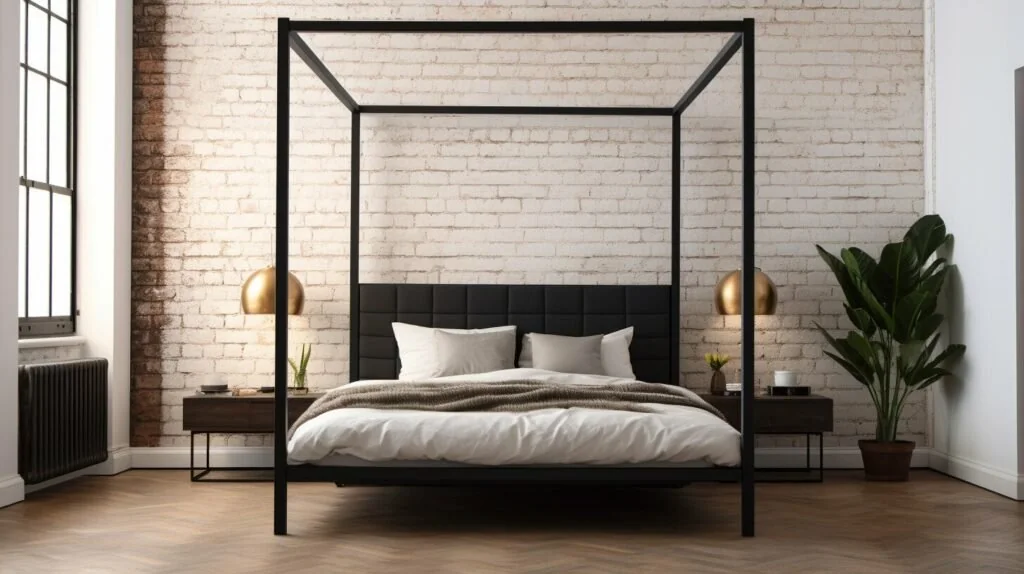
Modern metal canopy beds pair well with neutral sheers and streamlined nightstands.
Match canopy scale to your room: slim frames and sheers keep small spaces open; taller posts and fuller drapes add drama to large rooms.
Example: In a 10×12 room, a narrow powder-coated frame and ivory linen panels add intimacy without making the room feel cramped.
More on sleep-friendly light: CDC/NIOSH—effects of light on circadian rhythms.
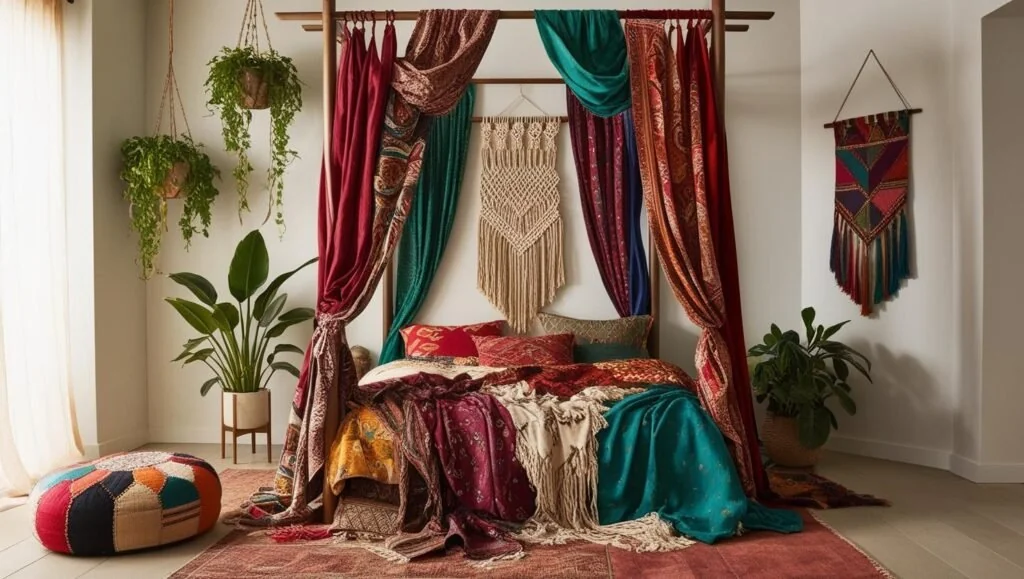
Sheer drapes keep small rooms bright while softening early-morning light.
Pros: privacy, ambiance, and customization. Cons: dust and bulk if poorly sized—so scale and maintenance matter.
Example: Pet owner? Skip floor-length panels and use tie-backs or an open frame to reduce fur buildup.
Start with measurements and purpose, then choose a frame style and fabrics you can maintain. Pet owners may prefer frame-only setups.
Example: If you’re a shift worker, blackout panels on a canopy help darken the room when the sun is up.
Compared with platform or storage beds, canopy beds win on presence and ambiance but need more vertical clearance. Trends favor soft neutrals, sheer curtains, ceiling-mounted looks, mixed materials, and sustainable woods/finishes.
Style inspiration: Architectural Digest—duvet vs. comforter (styling & layering context).
Not if you scale them well. Choose slim metal frames and sheer drapes to keep sightlines open and light flowing.
Eight feet is a practical baseline. Measure post height and allow a few inches of clearance for comfortable movement and styling.
Pick washable cotton or linen for easy care. Launder seasonally and vacuum in between to reduce dust and allergens.
Yes—an open frame still creates a strong architectural focal point and suits modern, minimalist rooms.
Whether you’re aiming for a modern loft vibe or a fairytale feel, canopy beds offer flexibility, function, and timeless charm. With the right frame, fabric, and design approach, a canopy bed can become your sanctuary—a blend of history, privacy, and personality. For more in-depth bedroom tips, visit Cozy Bed Quarters.

Canopy four-poster beds are topping the bedroom trends for 2025-2026, turning ordinary rooms into luxurious retreats. With cocooning fabrics and structured silhouettes, canopy four-poster beds add height, drama, and personalized elegance to any space, supporting restful sleep and daily comfort.
Answer first: If you want a bedroom that feels luxurious yet calming, canopy four-poster beds deliver height, structure, and a cozy sense of retreat. They frame the mattress like architecture, making even simple rooms feel designed.
These tall silhouettes define the sleep zone, which is especially helpful in open layouts or high-ceiling spaces. You can soften the frame with airy linen panels in summer, then layer velvet or wool in winter for warmth and light control. Thoughtful lighting—dimmable lamps or a small pendant—enhances the cocooning effect for better wind-down routines. For more style ideas, explore Choosing a Four-Poster Canopy Bed and our guide to Canopy Bed Styles.

Answer first: Whether you love traditional carving or clean, minimalist lines, canopy four-poster beds come in materials and finishes for every taste. Pick a style that matches your existing textures and color palette.
Need more inspiration? See Dreamy Four-Poster Bed Designs and the airy look of Minimalist Canopy Beds.

Answer first: By nature, canopy four-poster beds are showstoppers. Lean into that presence with scale-appropriate nightstands, layered textiles, and a statement rug that grounds the composition.
Start with a neutral base—percale or sateen sheets—and layer a textured duvet, a breathable throw, and supportive pillows. Add height with an overhead pendant or twin sconces on dimmers for reading. For lighting pointers that support relaxation, try these approved resources: Parachute Home: Bedroom Lighting Ideas and Better Homes & Gardens: Canopy Beds Are Back. For more room-balancing tips around the bed frame itself, see our Appeal of Metal Canopy Beds.
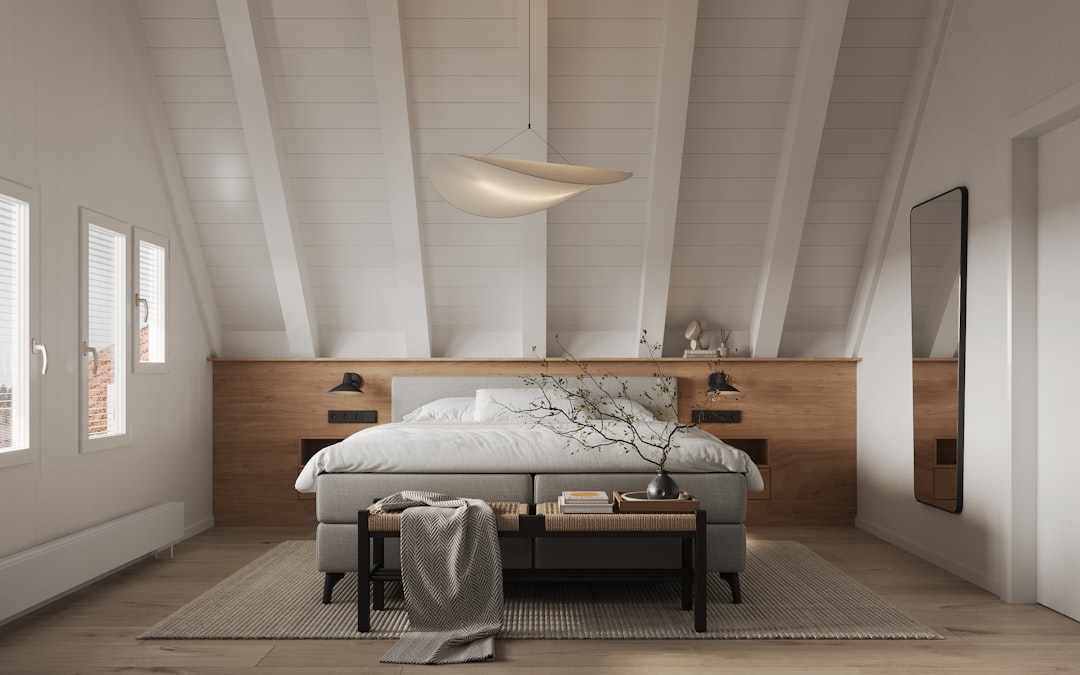
Answer first: Prefer clean lines? Modern canopy four-poster beds keep the iconic outline and skip heavy ornamentation, so rooms feel airy, not crowded.
Explore minimalist options here: Minimalist Canopy Beds and Gold Canopy Bed Styling Ideas.
Answer first: Beyond beauty, canopy four-poster beds help manage light, sound, and temperature, all of which influence sleep quality. Fabrics on the frame can gently diffuse morning glare and keep warmth near the sleeper in cooler months.
To build a truly sleep-friendly environment, aim for controlled light and adjustable lighting layers. Practical guidance from trusted sources can help: see Sleep Foundation: Bedroom Environment and their overview of Light & Sleep. Pair these tips with breathable textiles in summer and heavier, insulating panels in winter so your bed stays cozy without overheating.
Answer first: Simple upkeep keeps canopy four-poster beds looking refined and safe. Dust regularly and check hardware once or twice a year.
Answer first: Quality materials and joinery make canopy four-poster beds worthy long-term investments. Choose kiln-dried hardwood or sturdy, powder-coated steel with reliable support slats.
Check for well-designed center support, robust corner brackets, and finishes that resist chipping. If you’re comparing wood versus metal, browse our roundups: The Allure of Metal Canopy Beds and Choosing a Four-Poster Canopy Bed.
Answer first: Eco-friendly canopy four-poster beds emphasize sustainably sourced wood, low-VOC finishes, and long-lasting construction. Conventional builds can be budget-friendly but may use mixed composites and higher-VOC coatings.
For sleep-health context as you evaluate materials and light, consult the Sleep Foundation’s environment guide and room-friendly lighting ideas from Parachute Home.
Answer first: A quick checklist streamlines your purchase of canopy four-poster beds. Prioritize frame stability, assembly clarity, and finish quality.
Answer first: Smart layering turns canopy four-poster beds into soothing sanctuaries. Use 2–3 textures, dimmable lighting, and a cohesive palette.
For more canopy-specific inspiration, explore our Canopy Bed Decorating Ideas and Metal Canopy Beds.
Answer first: With the right frame, fabrics, and lighting, canopy four-poster beds deliver lasting comfort and quiet luxury. For more ideas and how-tos, browse Cozy Bed Quarters’ latest guides below.
Canopy Bed Styles: From Classic Elegance to Modern Minimalism
Choosing a Four-Poster Canopy Bed
Canopy Bed Decorating Ideas
Sleep Foundation: Bedroom Environment
Better Homes & Gardens: Canopy Beds Are Back
Parachute Home: Bedroom Lighting Ideas

Platform beds in modern and traditional spaces combine style, comfort, and storage for an easy bedroom upgrade. Updated 2026.
What makes platform beds in modern and traditional spaces so practical? They eliminate the need for box springs, offering a cleaner silhouette that instantly tidies the room. New designs include storage-integrated and sculptural models that enhance both style and functionality.
Mini-scenario: You’re upgrading a city apartment. A modular platform with detachable headboard and built-in storage maximizes space—smart savings with style.
Explore storage-forward frames here: platform and storage beds (pillar).
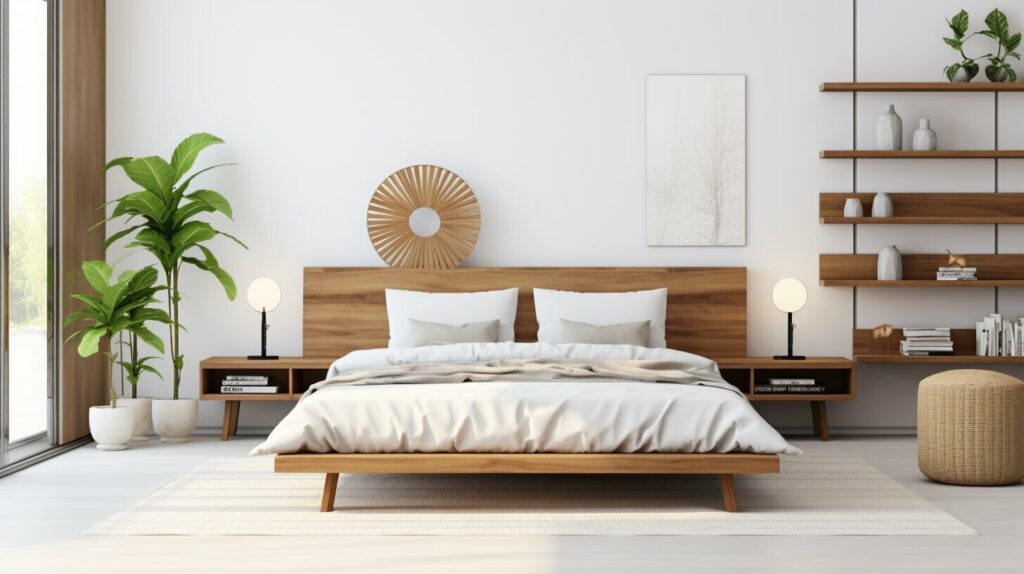
Modern design enthusiasts appreciate platform beds for their crisp lines and uncluttered feel. Their low stance visually expands small rooms and makes ceilings feel taller. Brands like Sundays offer cloud-like models starting at $1,500.
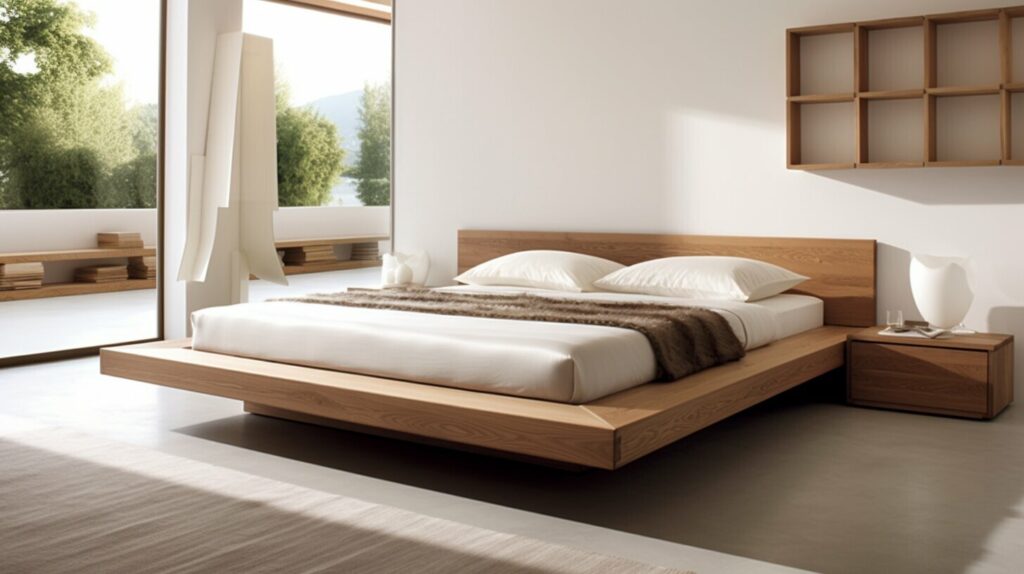
Mini-scenario: In a studio apartment, a low walnut platform plus neutral bedding keeps the footprint small and vibe serene. For modern inspiration, see our feature on four-poster beds in modern spaces.
Platform beds in modern and traditional spaces also shine in classic interiors. Opt for an elevated frame with a sculptural curve or an upholstered headboard to echo timeless design. Pair sleek bases with vintage nightstands for a curated balance.
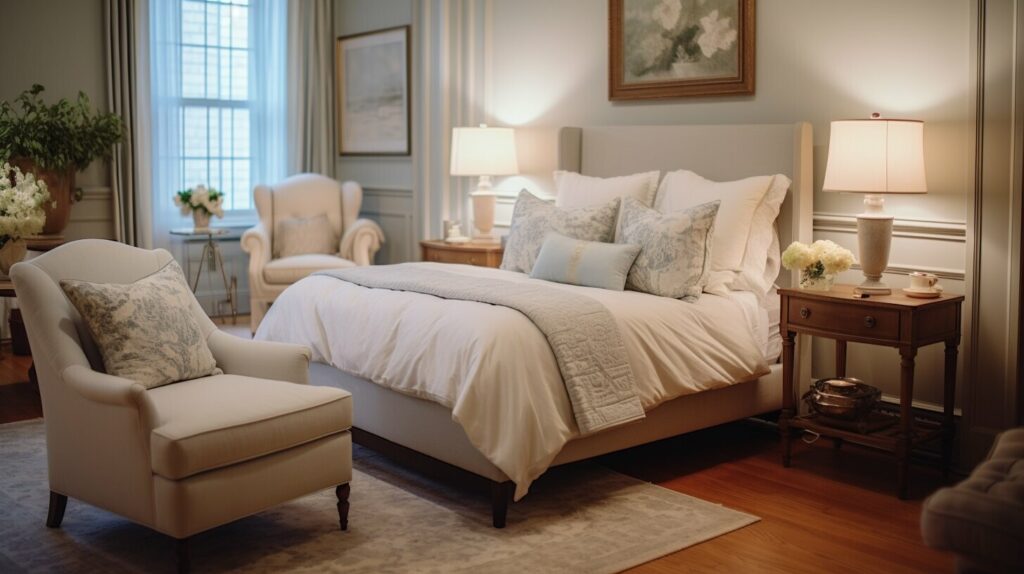
Mini-scenario: A cherry platform frame, linen headboard, and patchwork quilt blend heirloom charm with modern simplicity. For global ideas, browse bed designs from around the world.
Pull-out drawers and lift compartments keep linens, sweaters, and spare pillows close—but out of sight. That means fewer bulky dressers and a calmer space.
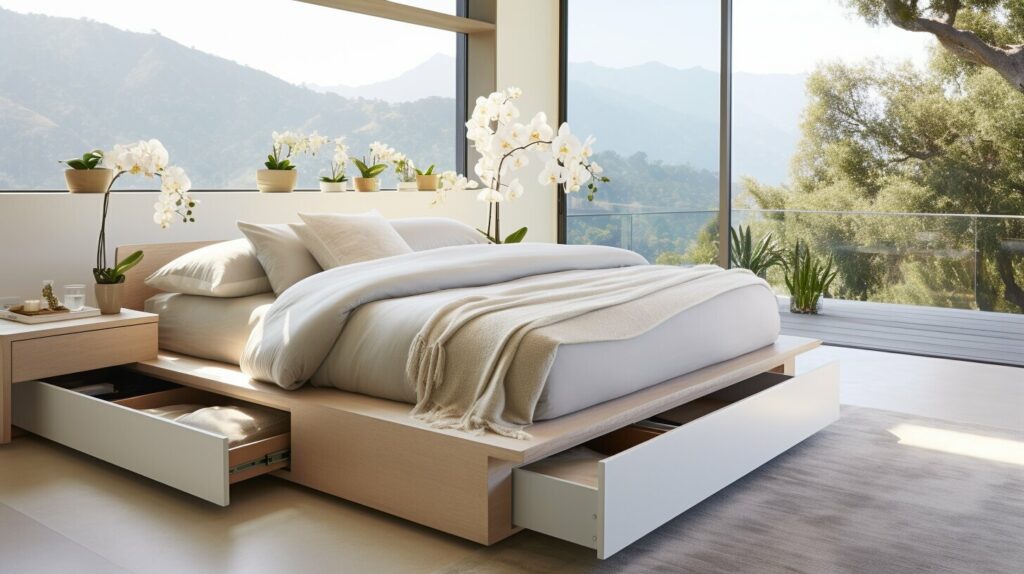
Mini-scenario: In a kids’ room, deep footboard drawers tame toys and seasonal clothes so the floor stays clear for play.
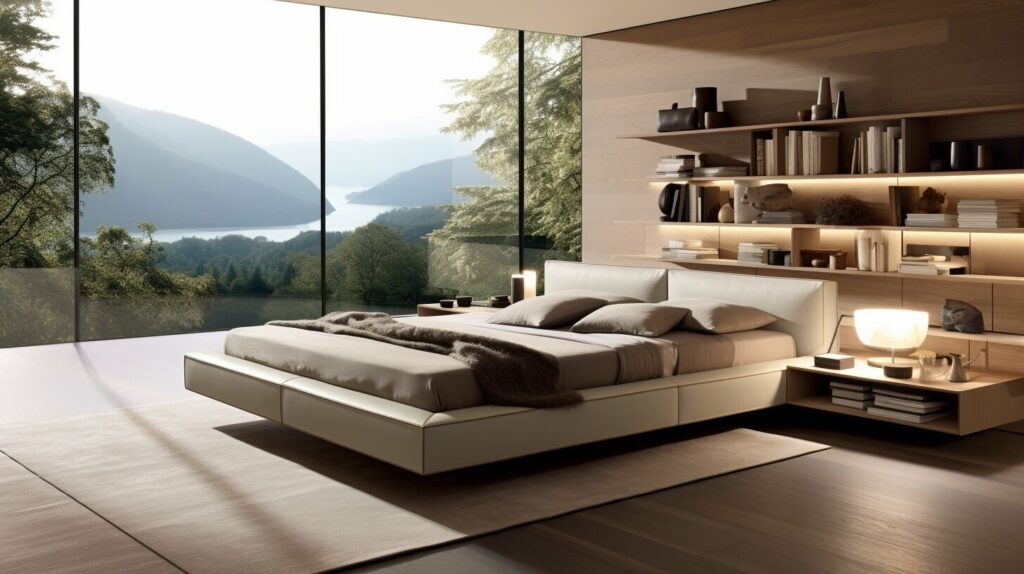
Lower frames are easy to get in and out of and make small rooms feel larger. Add floating nightstands or wall lights for an ultra-clean look.

Mini-scenario: After long days, a low platform with a supportive mattress offers effortless slide-in comfort—no tall climb required.
Match your platform with a supportive mattress and breathable bedding. The National Sleep Foundation’s sleep hygiene tips and the CDC’s guidance on 7+ hours for adults can help you prioritize rest.
Mini-scenario: You switch to a slatted platform and medium-firm mattress; with better airflow and alignment, your morning stiffness eases in a week.
From oak and metal to velvet upholstery, platform beds in modern and traditional spaces adapt to your style. Look for AI-adjusted firmness and motion-sensor lighting for added functionality. Ensure safety with certifications for foams and finishes.
Learn how to spot trustworthy labels with this overview of bedding and foam certifications and a brand perspective from Happsy-style mattress certification guides.
Not sure if you still need a box spring? Here’s a quick side-by-side to help you choose.
One joy of platform beds in modern and traditional spaces is versatility. Keep a modern loft airy with neutral bedding and slim, metal frames—or lean traditional with a tufted headboard and layered textiles.
Mini-scenario: Try a classic wood base with contemporary sconces and geometric pillows. The mix feels intentional, not matchy-matchy. For heirloom-worthy frames, see luxury wooden bed frames. [INTERNAL_LINK: Platform beds for small spaces]
Skipping the box spring simplifies your setup and frees budget for a better mattress or breathable sheets. Over time, that’s comfort you can feel nightly.
Mini-scenario: You allocate box-spring savings toward higher-thread-count sheets and a supportive pillow—small upgrades that add up.
Yes. Low profiles and integrated storage reduce visual clutter and furniture needs.
Absolutely. Choose warm wood or upholstered headboards to echo classic style.
No. Platforms are designed to support a mattress directly—solid or slatted bases both work when matched to your mattress type.
Whether you’re outfitting a city loft or a cozy guest room, platform beds in modern and traditional spaces blend beauty, comfort, and function in one frame. For more inspiration and room-by-room tips, explore Cozy Bed Quarters collections. Sleep well—you’ve got this.

Key Takeaways: Platform Beds in 2026 No Box Spring Required: Platform beds continue to offer a sleek, cost-efficient setup by supporting a mattress.
Continue reading
Living small doesn’t mean living cluttered. Storage beds for small space living build practical storage right into your sleep space, helping you keep essentials organized while maintaining a clean, stylish bedroom—perfect for apartments, tiny homes, and anyone optimizing limited layouts.
Storage beds for small space living transform the unused area under your mattress into a hardworking storage zone for bedding, seasonal clothes, or even workout gear—so every square foot counts, without sacrificing comfort or style. With urban apartments and tiny homes on the rise, that extra capacity is invaluable, and retailers like IKEA continue expanding space‑saving lines to meet demand.
There are several types of storage bed mechanisms to consider:
Each style balances convenience and design. Want more smart bed ideas? Explore our guides on bed styles trends, how to maximize space with hidden storage beds, and space-saving bedroom ideas.
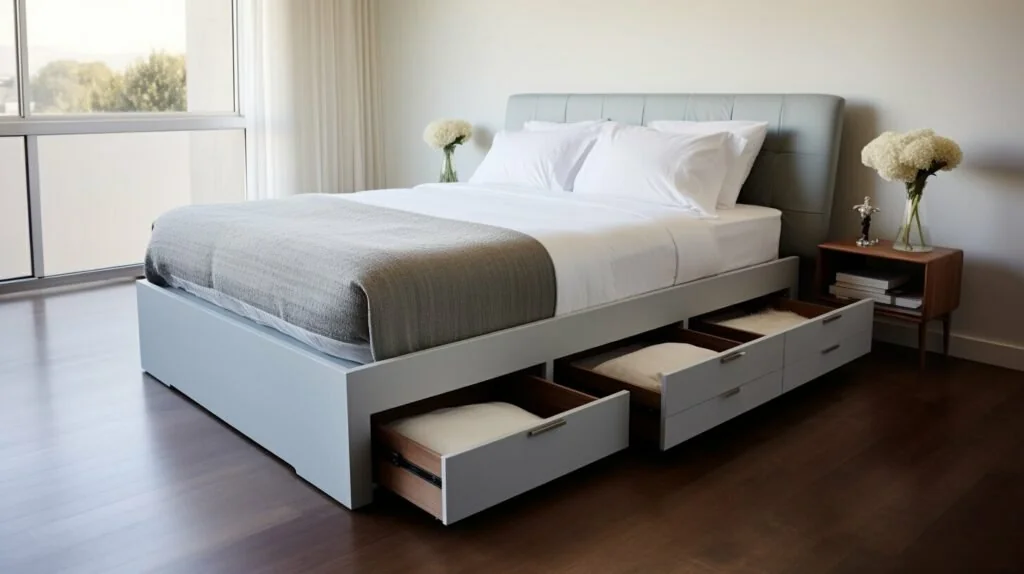
Beyond saving space, storage beds for small space living offer everyday convenience—keeping clutter at bay and giving quick access to shoes, books, or hobby gear. In kids’ rooms, under‑bed drawers can replace bulky toy bins. In studios, a storage bed can even replace a dresser to free up floor space for a desk or dining nook.
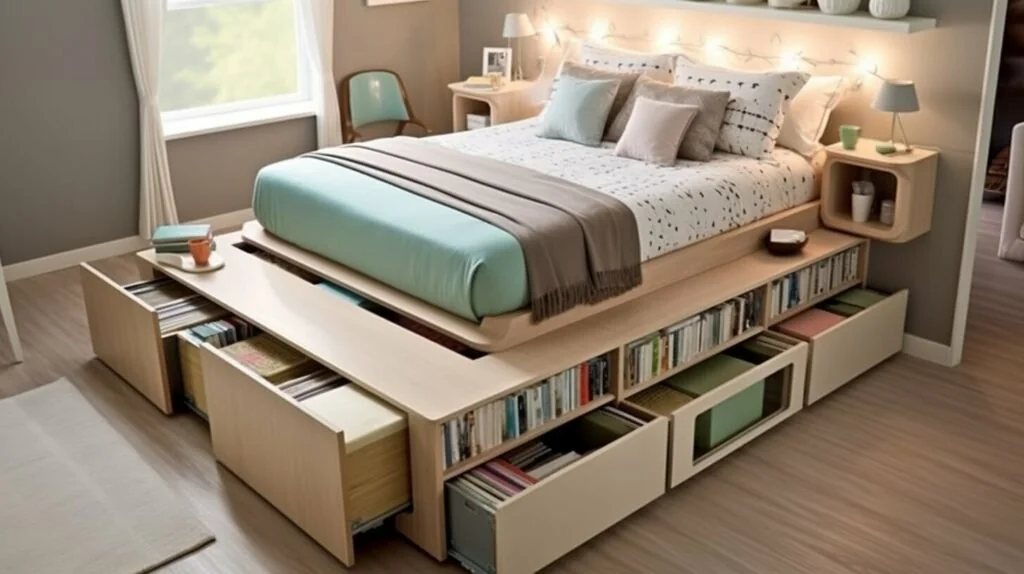
Whether you love modern minimalism or a cozy cottage vibe, there’s a storage bed for small space living that matches your look. Choose drawer placement, headboard options, and finishes to reflect your style while doubling storage. For sleek, urban spaces, try low‑profile frames with hidden compartments; for rustic charm, opt for wood finishes with shelving and visible grain.
If you’re a bedtime reader, consider a bookcase headboard. Many brands now offer eco‑friendly materials too. Explore bookcase storage beds for small bedrooms for stylish, space‑efficient picks.
A good night’s sleep is only part of what storage beds for small space living deliver. They act as strategic storage hubs that help keep rooms calm and clutter‑free. Got guests? Stash pillows and blankets in the base so hosting stays effortless—especially helpful when closets are limited.
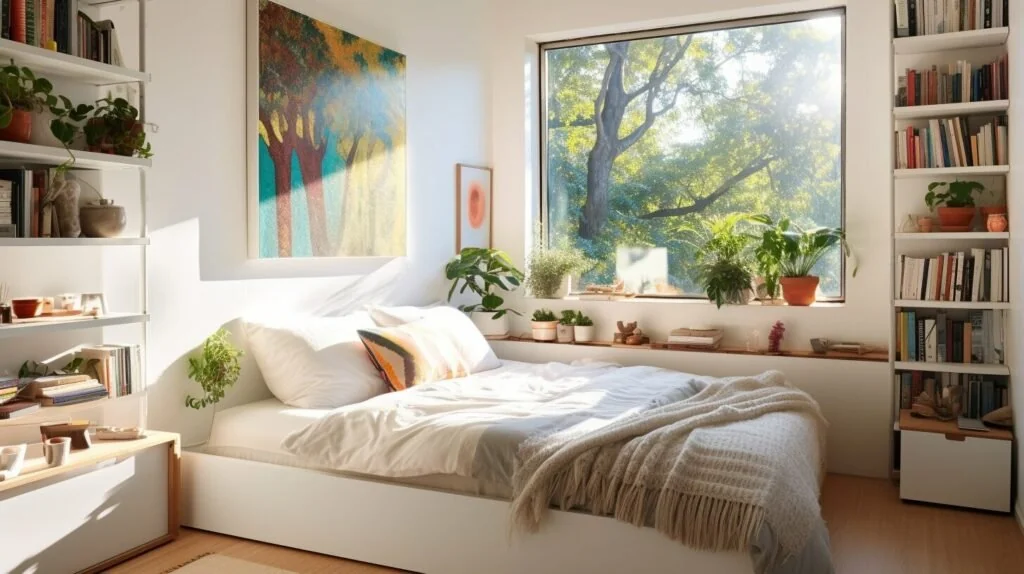
Get the most from storage beds for small space living with simple organizers—drawer dividers, clear bins, and shelf baskets. These small tweaks boost efficiency and make it easier to keep everything tidy.
Pair storage beds for small space living with vertical solutions to round out compact rooms. Floating shelves over the bed, pegboards near a desk, tall bookcases, and over‑the‑door organizers keep essentials handy and floors clear.
When walls and floors work together, bedrooms feel more functional—and more fun to live in.
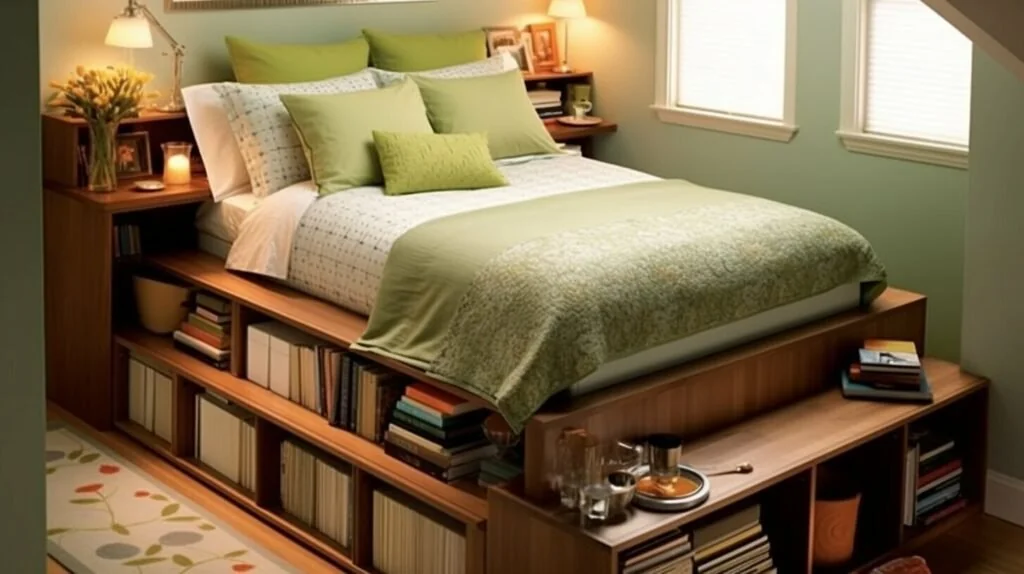
Even in larger rooms, storage beds for small space living simplify organization. Use them to store seasonal items, extra linens, keepsakes, or rarely used belongings. In guest rooms, the base can hold towels and bedding so everything’s close at hand without crowding the closet.
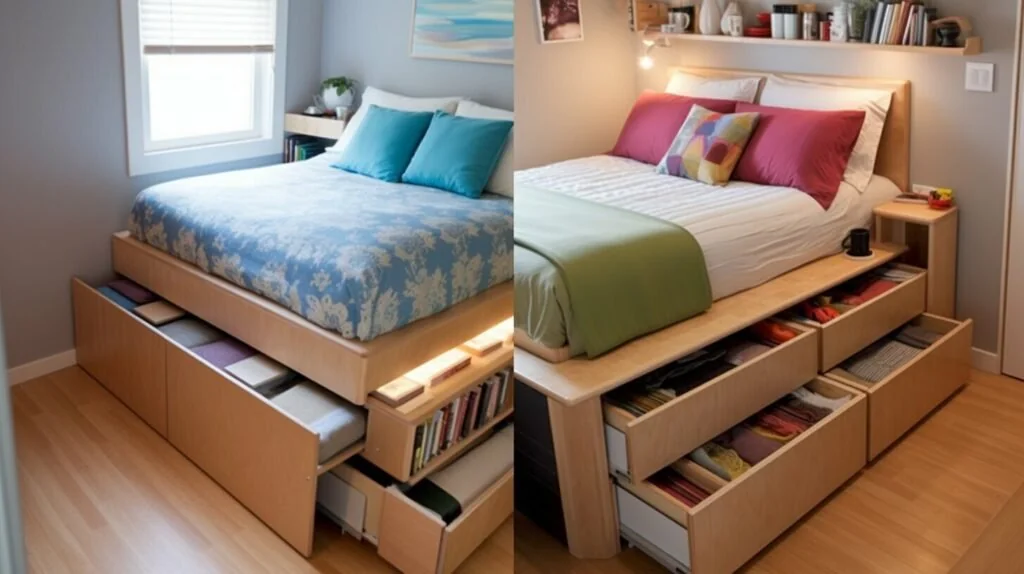
With so many models available, storage beds for small space living are more attainable than ever. From classic wood frames to sleek lift‑up bases, you’ll find options for every budget. Deal hunters can shop seasonal sales, while premium seekers can explore smart features like USB ports, LED lighting, and adjustable headboards. Don’t miss our favorites in space‑saving bedroom ideas.
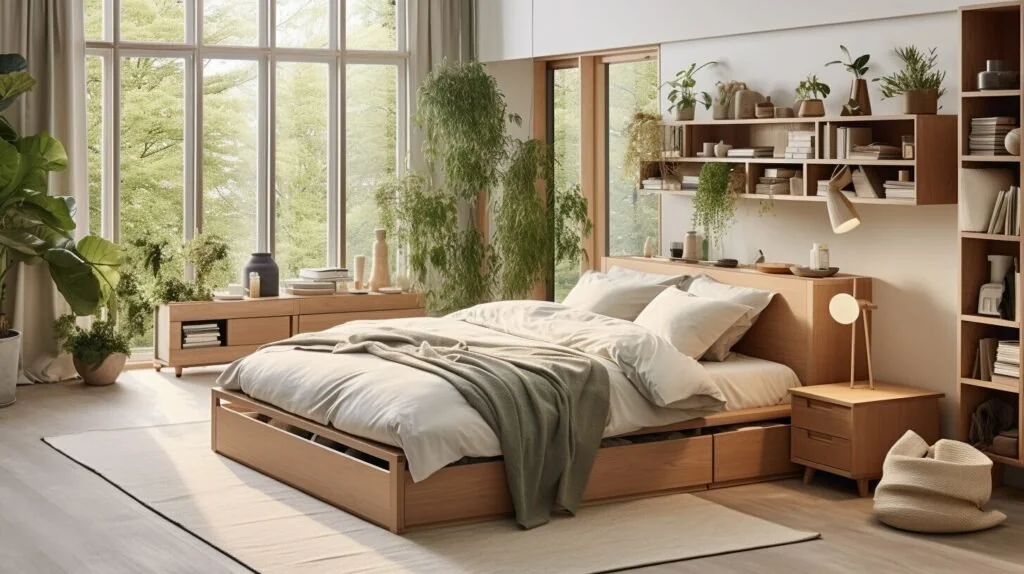
Storage beds for small space living are more than a trend—they’re a smart, stylish, and functional upgrade for any bedroom size. By combining cozy design with clever storage, they help you stay organized while creating a calming sleep environment. Add vertical storage, use smart organization tips, and your small space can feel bigger, brighter, and more you. In the end, it’s not about how much space you have—it’s about how you use it.

Platform beds are losing popularity in 2026. The trend is shifting due to practical concerns, as experts like designer Mary Beth Sullivan highlight issues with comfort and storage.
Platform beds, once praised for their low-profile aesthetics, are now seen as less ergonomically supportive and lacking in functionality. The low height can make rooms feel cramped, and getting in and out of bed may require squatting, which is not user-friendly for everyone, especially seniors or those with mobility issues.
Designers are shifting towards higher-profile beds with smart storage solutions. Nook beds, which integrate storage and offer ergonomic support, are becoming the preferred choice. These alternatives not only enhance comfort but also improve room aesthetics by providing better proportions and practical storage.
Rather than sticking with platform beds, designers are embracing new trends in bedroom decor. Popular styles include:
For those looking for new bed options, consider brands like [Brand Name] offering high-profile beds with integrated storage starting at $400, or luxury nook beds starting at $1,200. These options offer a balance of style and functionality, staying ahead of 2026 trends.
Investing in the right bed can significantly improve your sleep quality. With better support and room aesthetics, newer bed designs offer a more restful and rejuvenating sleep environment.
Platform beds are losing appeal due to challenges with comfort, lack of storage, and potential ergonomic issues, making them less suitable for diverse needs.
Yes, higher-profile beds and nook beds with built-in storage offer enhanced comfort and functionality, aligning with current design trends.
Modern trends emphasize color, texture, and reduced technology to create harmonious, relaxing environments that support better sleep.
High-quality beds with durable materials and construction can last for decades, offering a long-term investment in comfort and style.
For more insights on the latest bed trends and sleep health, explore resources from Sleep Foundation and Architectural Digest.
For more expert advice, visit our articles on choosing the best bed frame, eco-friendly bedroom ideas, and how to pick the right mattress. [INTERNAL_LINK: Stylish headboard ideas] [INTERNAL_LINK: Tips for creating a cozy bedroom]

Storage Bed Designs That Wow: 2026 Update Key Takeaways Storage beds in 2026 feature sleek, upholstered designs with hidden storage like gas lifts and.
Continue reading
Experience enhanced sleep quality and health with organic bedding. Free from harmful chemicals and crafted from sustainable materials, organic bedding offers comfort, durability, and peace of mind.
Organic bedding is crafted from materials like GOTS-certified cotton, bamboo, and linen, cultivated without synthetic pesticides, herbicides, or chemical fertilizers. This results in a cleaner product that’s not only gentler on your skin but also better for the planet. Many consumers notice fewer skin flare-ups and improved sleep quality when switching to organic options.
Unlike traditional bedding that may contain formaldehyde or flame retardants, organic bedding prioritizes your well-being. It’s a smart choice for families with small children or anyone with skin sensitivities. Plus, the natural breathability of these materials helps regulate temperature, reducing night sweats and enhancing overall sleep comfort.
“After switching to organic sheets, my eczema flare-ups reduced dramatically,” says Maria, a Cozy Bed Quarters reader. “It’s the first time in years that I’ve slept through the night without waking up itchy.”
In short, organic bedding provides peace of mind—knowing you’re surrounded by purity and sustainability while you rest.

One of the strongest appeals of organic bedding is its natural resistance to allergens. Materials like organic cotton and linen are inherently breathable and discourage the growth of bacteria, dust mites, and mold—making them ideal for people with asthma, eczema, or sensitive skin.
Think of organic bedding as a protective cocoon. Without the harsh dyes and chemical finishes of conventional bedding, you eliminate exposure to substances that may disrupt hormonal balance or trigger allergic reactions. A 2024 study by the Environmental Working Group found that over 80% of conventional cotton products tested contained traces of pesticides—a worrying statistic when you consider how much time we spend sleeping.
For a deeper dive into allergen-free living, check out our guide to chemical-free bedding options.
By switching to organic bedding, you create a sanctuary that nurtures restful sleep and overall health.

Every time you choose organic bedding, you’re casting a vote for sustainability. Conventional cotton farming uses about 16% of the world’s pesticides, yet only occupies 2.5% of cultivated land. In contrast, organic farming protects water sources, preserves biodiversity, and promotes soil health by relying on crop rotation and natural pest control.
Additionally, organic textiles often come from fair-trade supply chains that support workers’ rights and safe working conditions. Your bedding isn’t just better for the earth—it’s better for the people who make it.
Curious how to green your whole sleep space? Check out our post on sustainable bedroom essentials.
When you choose organic, you reduce your environmental footprint while fostering a cleaner, kinder planet.

One common misconception is that organic products are less durable. On the contrary—organic cotton fibers are longer and more robust due to the gentler harvesting methods. This results in bedding that not only lasts longer but gets softer with every wash.
Linen, another organic favorite, is prized for its moisture-wicking and cooling properties, making it perfect for hot sleepers or humid climates. Plus, it’s naturally antibacterial, adding another layer of freshness to your bed.
Here’s what makes organic bedding a win for comfort and longevity:
When you invest in organic, you’re investing in years of cozy, chemical-free comfort.
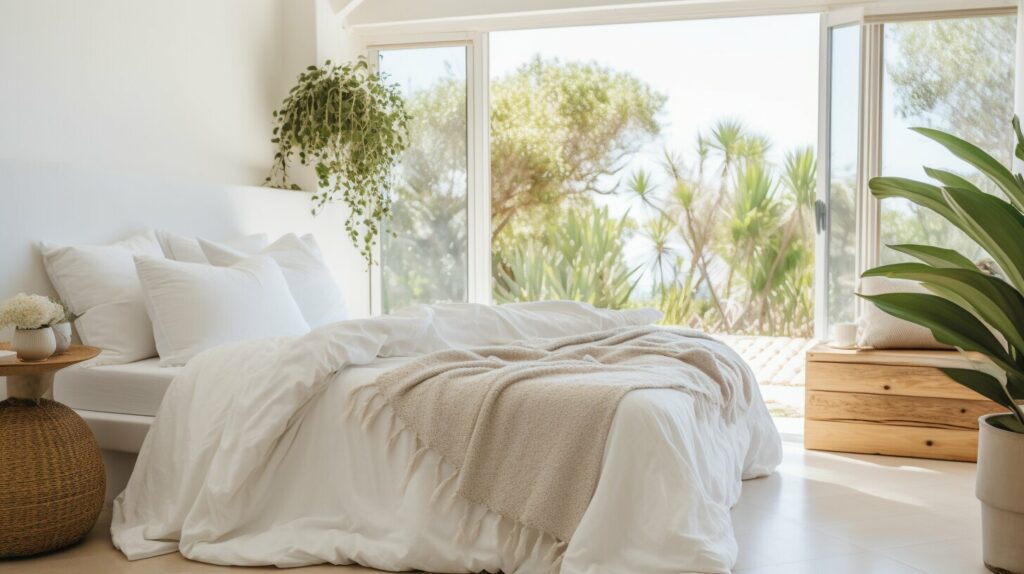
Not all bedding labeled “organic” lives up to the name. To ensure authenticity, look for recognized certifications like:
Shopping certified means you’re not just trusting a label—you’re trusting a global standard. For more, visit the GOTS website.
Certifications help you buy smarter and sleep better.

Explore more about creating a sustainable bedroom in our article on Eco-Friendly Sleep Choices and Bedding Options.
For a deeper understanding of organic bedding standards, visit the Global Organic Textile Standard (GOTS) website.
Investing in organic bedding is a step toward a healthier lifestyle and a more sustainable planet. With benefits ranging from improved sleep quality to environmental conservation, making the switch to organic bedding is a choice you can feel good about. Your bed should be a sanctuary—let’s make it as natural and nurturing as possible.

Related reading from Cozy Bed Quarters
Other reading we found popular