Choosing the Perfect Painted Sleigh Bed for Your Home

painted sleigh bed


Painted Sleigh Bed: Choosing the Perfect Style for Your Bedroom

Shopping for a painted sleigh bed? This warm, practical guide covers styles, sizes, materials, finishes, prices, and styling ideas so you can pick a bed that looks beautiful and sleeps comfortably—without guesswork.

Key Takeaways: Painted Sleigh Bed

  • A painted sleigh bed pairs timeless curves with color options that fit classic or modern rooms.
  • Measure floor space and ceiling height; choose king or queen based on room size and sleep preferences.
  • High-quality paints (satin or matte) hide wear; wood frames are durable while upholstered options add softness.
  • Plan the look: neutral beds blend in; bold colors become a focal point—style with organic bedding or eco-conscious sheets.
  • Budget $300–$700 for entry level, $700–$1,500 for solid wood mid-range, and $1,500+ for designer or custom builds.

Understanding Painted Sleigh Beds

Answer first: A painted sleigh bed is defined by its curved headboard and footboard, then finished in color to suit your style. It brings heritage lines into today’s bedrooms with an easy, refreshable finish.

What Is a Painted Sleigh Bed?

A painted sleigh bed keeps the signature “sleigh” silhouette—curved headboard and footboard—while swapping stain for paint. That finish lets you match trim, coordinate with your palette, or create contrast.

Why Choose One?

Answer first: You get a statement shape and a finish that’s easy to touch up. A painted sleigh bed brightens dark wood rooms or adds color to minimalist spaces.

  • Aesthetic appeal: From soft white to navy, the painted surface becomes part of your color story.
  • Versatility: Works with cottage, traditional, transitional, and modern looks.
  • Customization: Repaint over time to refresh the mood without replacing the frame.

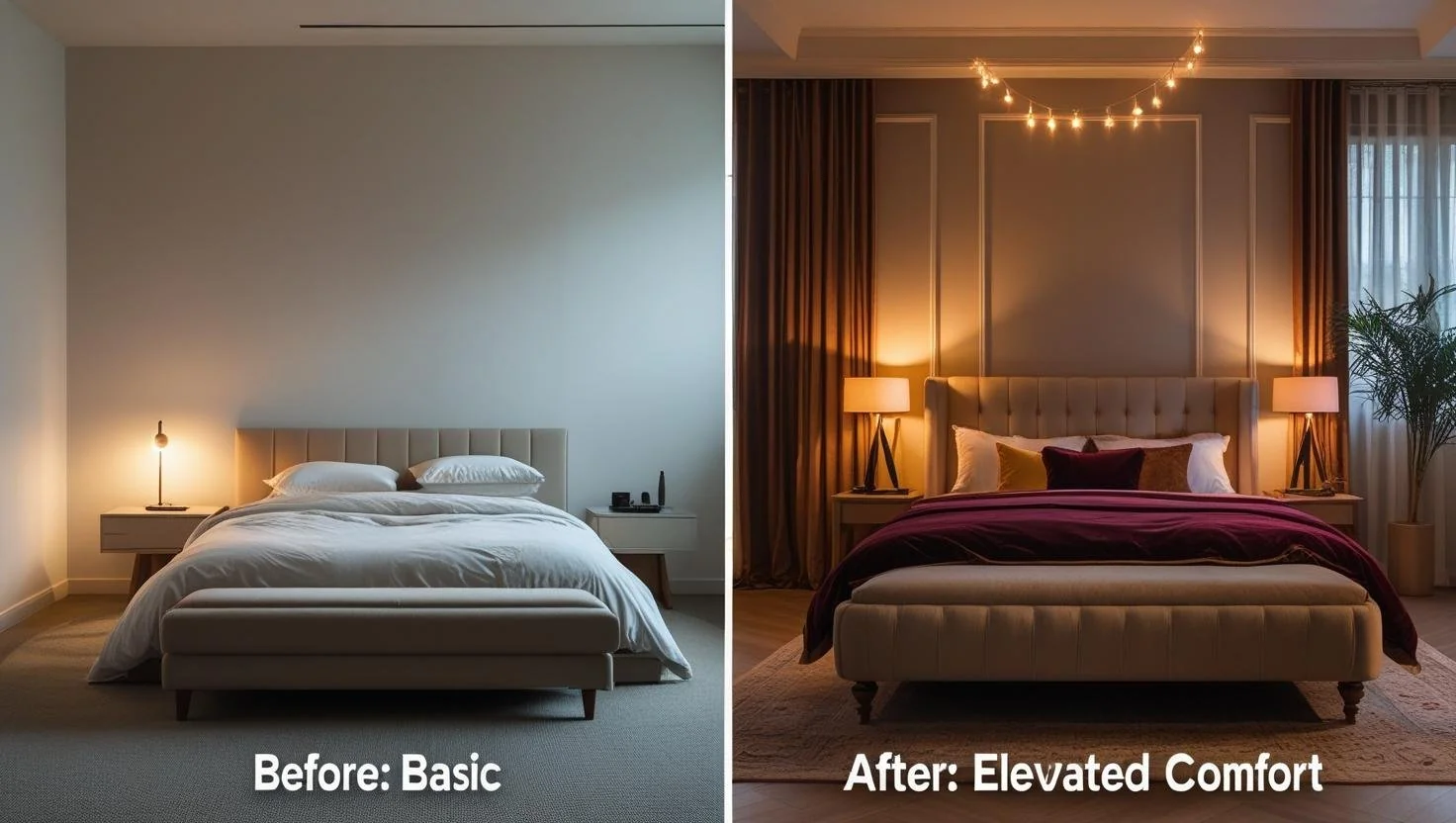
This image shows a white painted sleigh bed styled in a calm bedroom to illustrate how a painted sleigh bed anchors the space with its graceful curves.

Choosing the Right Size

Answer first: Size is the biggest comfort and layout decision. Pick a painted sleigh bed that leaves 24–36 inches of walkway around the frame and matches your mattress size.

King Sleigh Beds

Answer first: Choose king if you have a larger primary bedroom or need more personal space.

  • Spacious comfort: Ideal for couples who sprawl or co-sleep with pets.
  • Room proportions: Ensure door swing and dresser access still work after placing a king painted sleigh bed.
  • Measurement help: Compare clearances to standard mattress sizes from the Sleep Foundation’s guide to mattress dimensions. See standard sizes. :

Other Sizes

Answer first: Queens fit most rooms; full and twin sizes save floor space in guest and kids’ rooms.

  • Queen: Balanced comfort for most couples; works well with a queen painted sleigh bed in medium rooms.
  • Full and Twin: Smart for smaller rooms; check frame curvature so the footboard doesn’t crowd circulation paths.
  • More planning tips: See Sleep Foundation’s overview of bed frame types and sizing. Bed frame types & sizing.

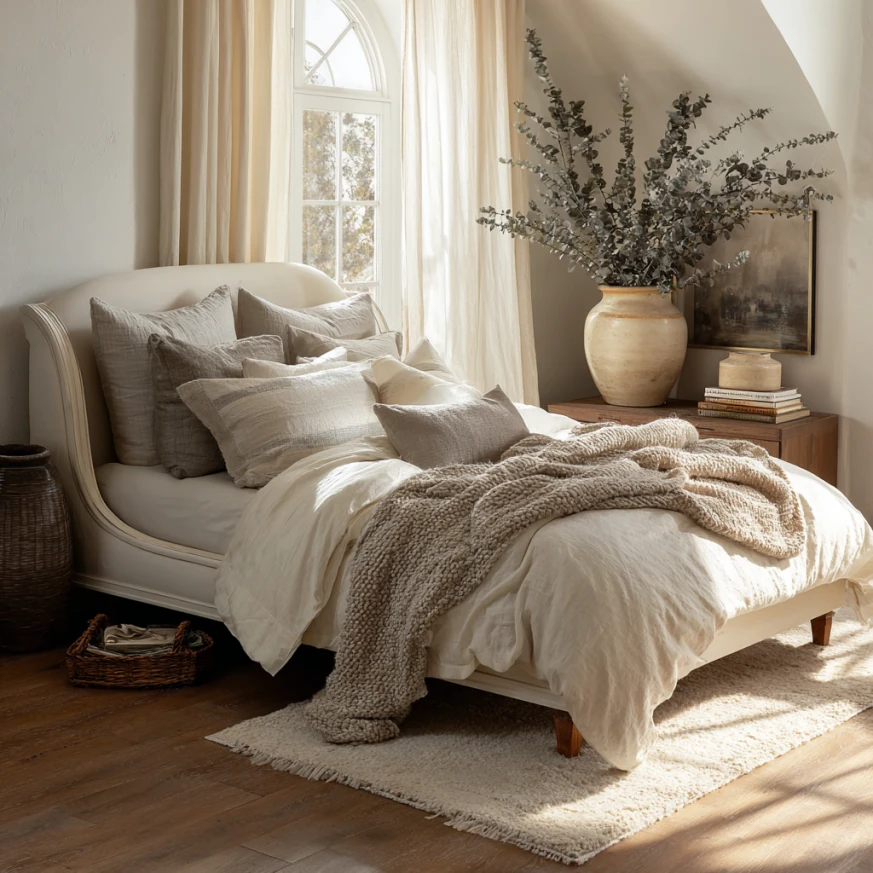
This photo features a gray painted sleigh bed in a bright modern room to show how a painted sleigh bed can feel airy even in contemporary spaces.

Material and Finish

Answer first: Wood frames last longest; upholstered versions add softness. Finish sheen affects maintenance and touch-ups on a painted sleigh bed.

Wood vs. Upholstered

Answer first: Pick wood for durability or upholstered for a plush look and feel.

  • Wood: Solid hardwoods resist dings and hold paint well on a painted sleigh bed.
  • Upholstered: Adds texture and comfort; clean fabric regularly and spot-treat promptly.

Paint Quality & Sheen

Answer first: High-quality paint hides wear and makes cleaning simple. Satin and matte are most forgiving.

  • Durability: Look for low-VOC, furniture-rated paints that resist chipping on your painted sleigh bed.
  • Finish options: Matte softens curves; satin balances cleanability and elegance; gloss is bold but shows imperfections.

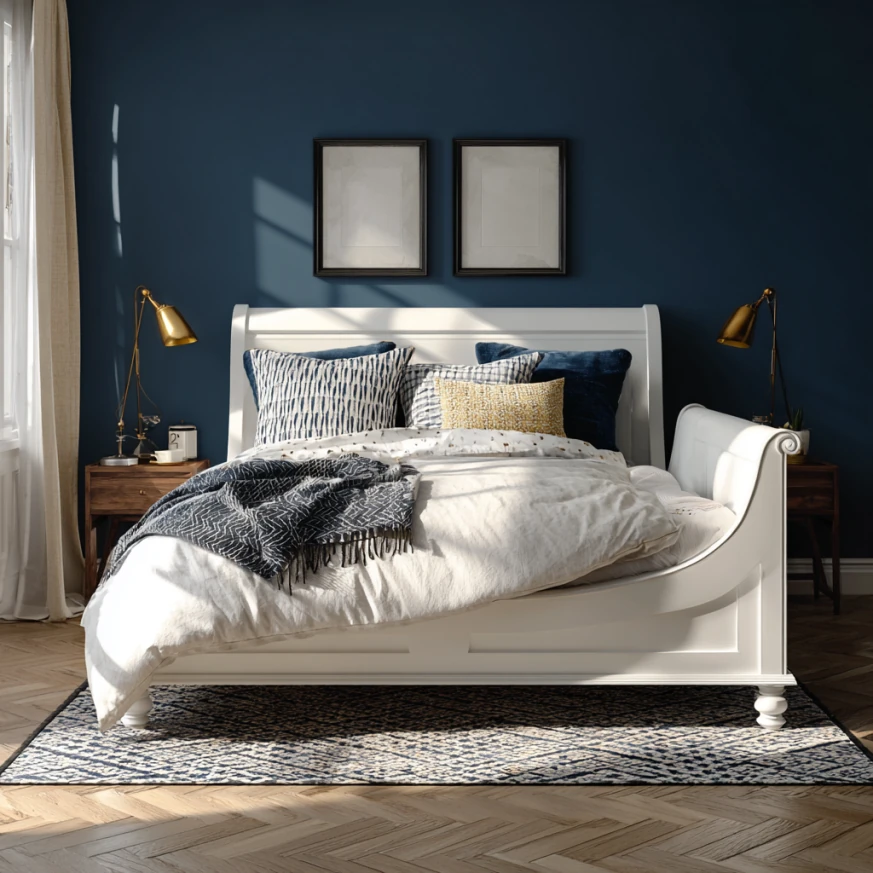
This image displays a blue painted sleigh bed with colorful pillows to demonstrate how a painted sleigh bed becomes a vibrant focal point with accent textiles.

Style Considerations

Answer first: Decide whether your painted sleigh bed should blend in or make a statement, then echo that choice in bedding and decor.

Traditional vs. Modern

Answer first: Traditional sleighs feature richer curves; modern versions streamline lines and reduce ornamentation.

  • Traditional: Deeper headboard curves and decorative rails suit vintage dressers and brass lighting.
  • Modern: Slimmer profiles in soft neutrals pair with simple nightstands and clean hardware.

Color Choices

Answer first: Neutrals are timeless; saturated hues can be the star. Choose the painted sleigh bed finish that supports your room’s mood.

  • Neutrals: White, cream, or gray keep rooms calm and make layering easy. Explore soothing bedroom paint colors from Better Homes & Gardens for palette ideas. See soothing colors.
  • Bold: Navy, forest green, or black turn the bed into a focal point—balance with lighter linens and art.

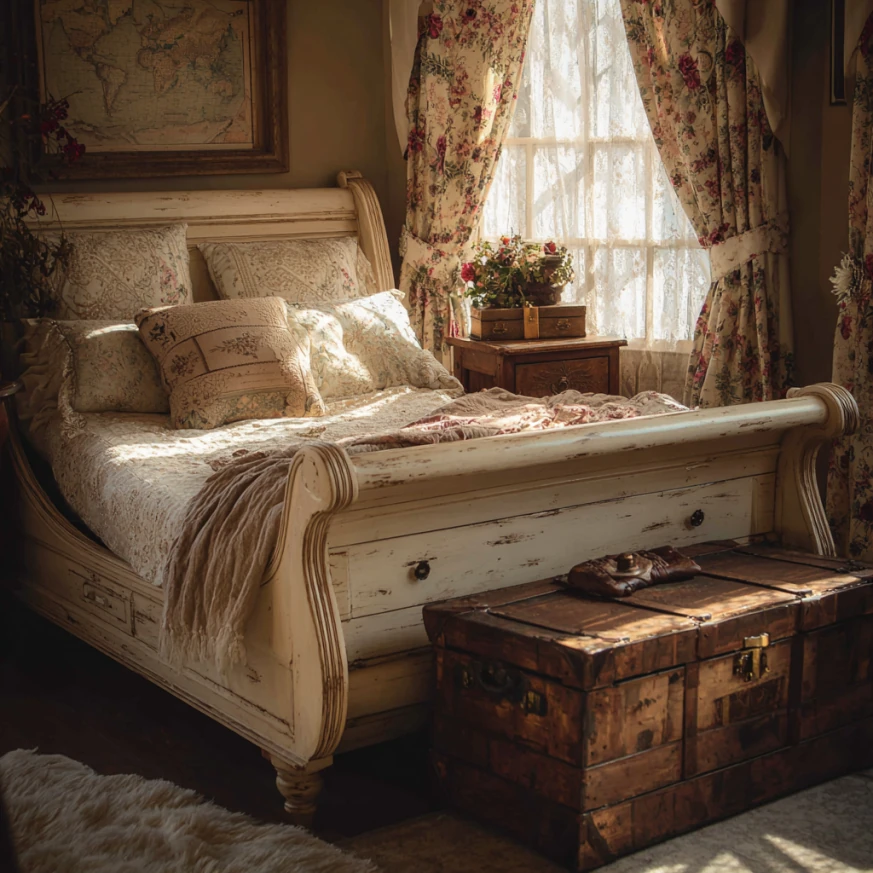
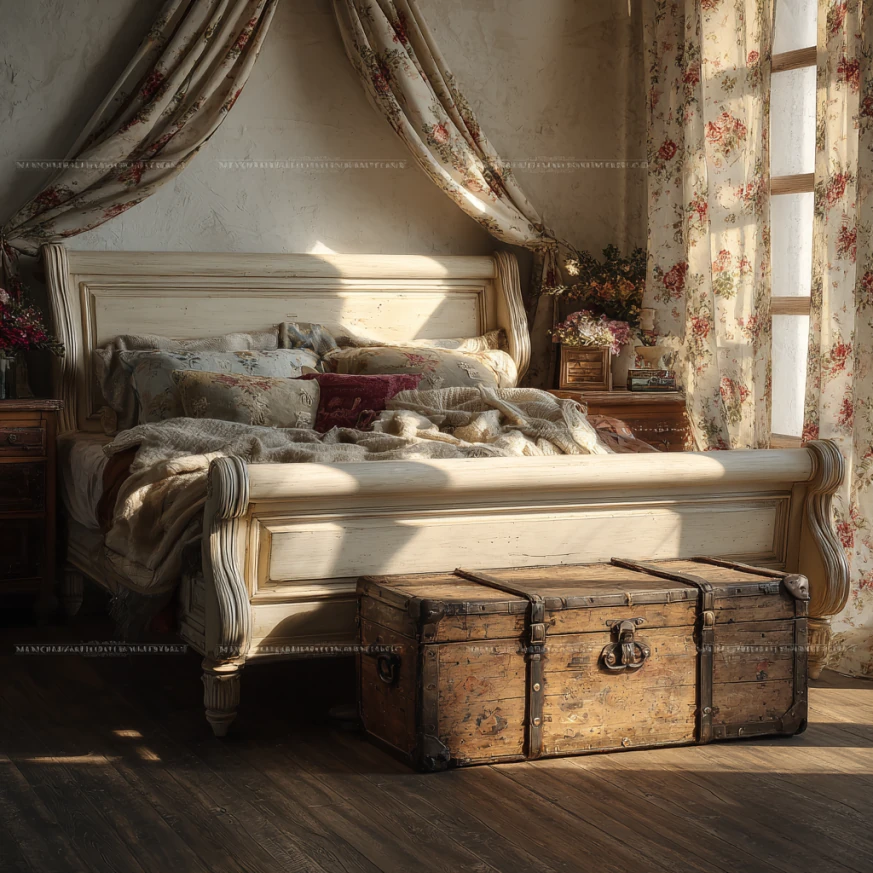
This photo shows a cream painted sleigh bed in a traditional room to highlight how a painted sleigh bed complements classic furniture and warm lighting.

Buying Guide & Price Range

Answer first: Expect entry-level options from $300–$700, solid-wood mid-range from $700–$1,500, and designer builds at $1,500+ for premium woods or custom finishes on a painted sleigh bed.

  • Budget ($300–$700): Veneered or MDF frames; confirm weight limits and joinery.
  • Mid-Range ($700–$1,500): Solid wood, stronger slats, and better hardware—often the sweet spot.
  • Luxury ($1,500+): Hardwood construction, custom paint, artisan details, or upholstered rails.

For mattress/frame alignment and room planning, the Sleep Foundation’s mattress size guide is a handy reference. Mattress sizes.

Wood vs. Upholstered Comparison

Feature Wood Painted Sleigh Bed Upholstered Painted Sleigh Bed
Durability Highly durable, long-lasting Durable frame; fabric needs more care
Style Classic, traditional look Soft, modern appearance
Maintenance Easy to dust; touch-up paint as needed Vacuum/spot-clean upholstery as needed
Price Generally affordable to mid-range Often higher due to fabric and padding

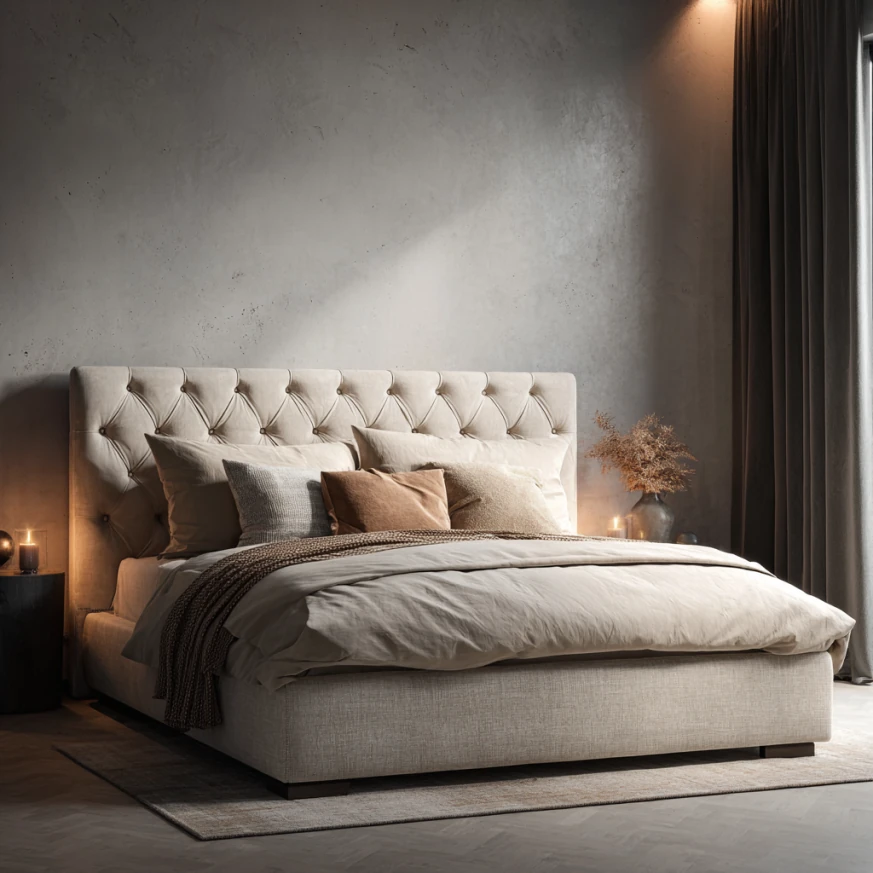
This image captures a minimalist gray painted sleigh bed to show how a painted sleigh bed can read understated and elegant with soft lighting.

Eco-Friendly Finishes & Bedding

Answer first: If sustainability matters, choose low-VOC paint for your painted sleigh bed and pair it with eco-conscious textiles.

  • Low-VOC paints: Reduce odors and emissions; ideal for bedrooms.
  • Textiles: Balance the traditional frame with organic bedding, sustainable bedding, and eco-conscious sheets for healthier sleep and a cohesive design.
  • Fabric picks: Linen, percale, or sateen each changes the look and feel; learn differences in Parachute’s guide. Percale vs sateen vs linen.

Matching with Existing Decor

Answer first: Treat your painted sleigh bed as the anchor. Then repeat its color or contrast it thoughtfully with textiles and accents.

Complement Your Furniture

Answer first: Keep styles cousins, not strangers. Curvier beds like a painted sleigh bed pair well with rounded mirrors and classic pulls.

  • Coordinate colors: Pull a tone from your rug or drapery onto the bed frame.
  • Harmonize styles: If you love flow, reference Feng Shui layout basics for better balance. Feng Shui layout principles (internal).

Bedding & Accessories

Answer first: Layer texture to soften the frame. Choose breathable linens for comfort and add pattern through throws or shams.

  • Bedding: Crisp percale cools; linen adds relaxed texture over a painted sleigh bed.
  • Color therapy: For a calming palette that flatters painted furniture, try light blues. Light blue bedroom accessories (internal).
  • Kids’ rooms: Save space with smart storage near a petite painted sleigh bed. Bookcase storage beds for kids (internal).

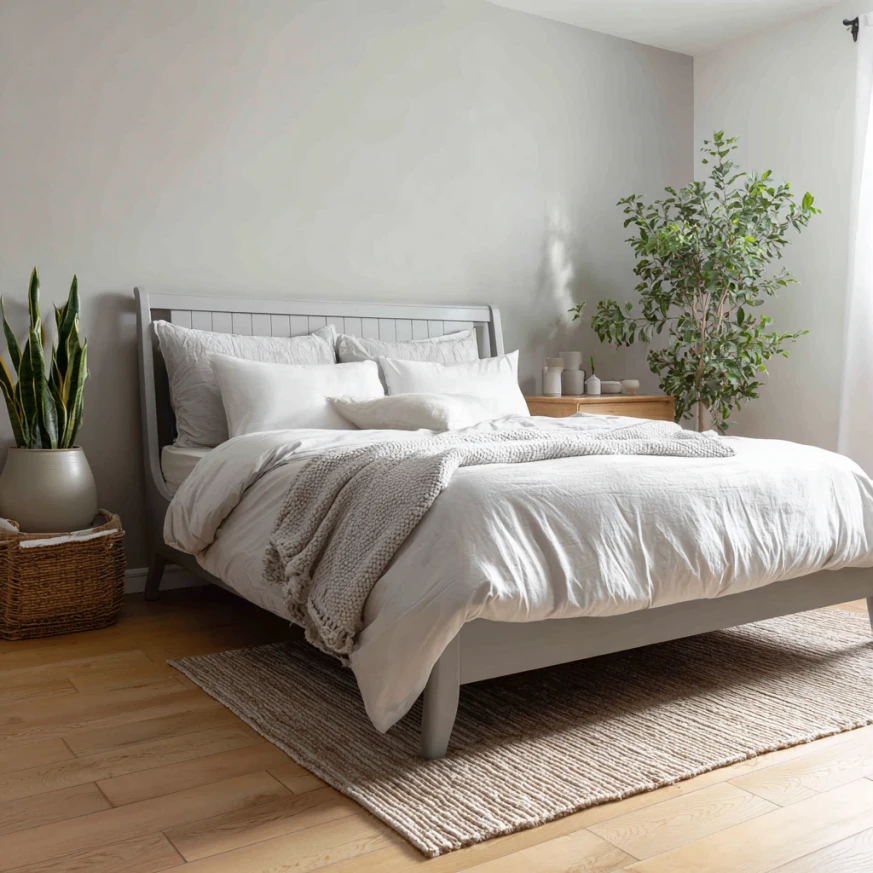
This photo shows a crisp white painted sleigh bed layered with neutral bedding to demonstrate how a painted sleigh bed becomes the room’s calm focal point.

Maintenance Tips

Answer first: Gentle, regular care keeps a painted sleigh bed looking new for years.

Cleaning & Care

Answer first: Dust weekly; spot-clean promptly. Avoid harsh chemicals that may dull paint.

  • Weekly dusting: Use a soft microfiber cloth on rails and headboard.
  • Monthly wipe-down: Lightly damp cloth; dry immediately to protect the painted sleigh bed finish.
  • Extra tips: See Parachute’s care guide for bed frames and wood surfaces. Bed frame care and cleaning wood furniture.

Repairing Paint Dings

Answer first: Keep a small pot of matching paint for quick touch-ups on your painted sleigh bed.

  • Spot fixes: Lightly sand, wipe dust, then dab paint.
  • Larger repairs: Consider a professional refinisher to color-match and re-topcoat.

FAQ

What color works best for a painted sleigh bed?
Neutrals like white, cream, or soft gray are timeless; bold hues make the bed a statement. For palette ideas, browse soothing bedroom paint colors. Color inspiration.
Are painted sleigh beds durable?
Yes—quality wood, sturdy slats, and furniture-rated paint stand up well with regular care.
What bedding pairs well with a painted sleigh bed?
Balance the curves with crisp percale or relaxed linen; consider organic bedding, sustainable bedding, or eco-conscious sheets for healthier sleep.
Can I repaint a painted sleigh bed later?
Absolutely. Lightly sand, prime if needed, and repaint to refresh the color.
Which size fits a small room?
Full or twin saves space; verify clearances using standard bed/mattress measurements. Size guide.

Final Thoughts on Painted Sleigh Beds

A painted sleigh bed blends classic lines with color-forward design, making it an easy upgrade for many styles and budgets. If you’re refining layout, color, or sleep routines, browse more tips from Cozy Bed Quarters to create a bedroom you love every night.

Related Readings


What Is a Sleigh Bed? 7 Powerful Design Tips You’ll Love

Sleigh bed with curved wood design and cozy bedding in a warmly lit, elegant bedroom.

What Is a Sleigh Bed and Its Design History

What is a sleigh bed? It’s a timeless bed style known for its curved silhouette that blends comfort and sophistication—ideal for classic and modern bedrooms alike. Whether you’re upgrading your primary bedroom or furnishing a guest suite, this sleigh-inspired design adds cozy charm and elegant character. For a deeper dive into historical furniture, start with our Timeless Bedroom Furniture Styles guide.

Key Takeaways

  • Historical Roots: Sleigh beds originated during the French and American Empire periods, inspired by ancient Roman and Greek designs.
  • Design Features: Known for outwardly curved headboards and footboards, offering both beauty and a sense of enclosure.
  • Modern Adaptations: Today’s sleigh beds come in wood, upholstery, and mixed materials, fitting both traditional and minimalist spaces.
  • Wellness Factor: Understanding what is a sleigh bed reveals how its cocoon-like frame promotes rest and relaxation.

The Origins of the Sleigh Bed

If you’re curious about what is a sleigh bed rooted in tradition, it dates back to the early 1800s. The design was inspired by Roman and Greek scrollwork furniture often seen in ceremonial spaces. During the French and American Empire periods, sleigh beds symbolized wealth, luxury, and refinement. They were crafted from rich hardwoods and decorated with detailed carvings, making them statement pieces in grand bedrooms.

Over time, sleigh beds spread across cultures, retaining their elegant curves while adapting to new styles. Early American designs emphasized heavy builds, while modern sleigh beds focus on streamlined aesthetics—perfect for today’s interiors.

Traditional wood furniture showing what is a sleigh bed with elegant curved headboard and footboard

Distinctive Design Elements

Wondering what makes a sleigh bed unique today? Its hallmark is the graceful, outward curves of both the headboard and footboard. These curves create a sense of enclosure and elegance. Traditional sleigh beds were often built from mahogany, oak, or cherry, chosen for durability and beauty, with ornate carvings and glossy finishes.

Modern sleigh beds now come in diverse materials:

  • Wood: A classic choice, with cherry and walnut offering rich tones.
  • Upholstered: Adds softness and texture, ideal for transitional or modern designs.
  • Metal & Mixed Materials: Perfect for minimalist or industrial looks, often with slim profiles.

If you’re comparing styles, see our Bed Frame Materials and Styles Guide for pros and cons.

Modern bedroom showcasing what is a sleigh bed with minimalistic frame design

Modern Adaptations and Practicality

Many wonder, “What is a sleigh bed good for today?” The answer lies in its evolution. Traditional bulky frames have given way to sleeker, practical designs with features like platform bases or hidden storage drawers.

Today’s options include:

  • Low-profile sleigh beds: Great for smaller bedrooms or minimalist setups.
  • Storage sleigh beds: Include built-in drawers for space optimization.
  • Convertible sleigh beds: Blend sleigh elegance with adjustable bases for comfort.

Discover more space-saving ideas in our Space-Saving Bed Frames guide.

Storage-integrated furniture solution showing what is a sleigh bed with built-in drawers

Styling Your Sleigh Bed

Understanding what is a sleigh bed can also guide your styling choices. Because of its bold curves, it pairs beautifully with layered textures, statement rugs, and warm lighting. Picture plush throws, mixed pillows, and a glowing bedside lamp.

For a traditional look, choose antique nightstands, deep wood finishes, and ambient lighting. Prefer modern vibes? Go with an upholstered sleigh bed, crisp linens, matte black accents, and botanical prints.

For inspiration, explore Architectural Digest’s Bedroom Decor Ideas or our Cozy Bedroom Setup Ideas.

Stylish modern room showing what is a sleigh bed with cozy pillows and layered blankets

Wellness Benefits of Sleigh Beds

What is a sleigh bed bringing to your wellness? Its cocoon-like design fosters comfort, relaxation, and security—perfect for those with nighttime anxiety or restlessness.

The enveloping frame mimics a safe cocoon, encouraging the body to unwind. Pair it with breathable organic linens, temperature-regulating mattresses, and blackout curtains to create a restorative sleep sanctuary.

For more on designing restful spaces, see our guide on Biophilic Bedroom Design. For expert advice, the Sleep Foundation Bedroom Environment Guide offers science-backed tips.

Conclusion

So, what is a sleigh bed in today’s world? It’s a stunning blend of heritage design and modern versatility. Whether you prefer traditional elegance or minimalist chic, a sleigh bed can become the centerpiece of your sleep sanctuary. With options in size, style, and functionality, it’s easy to find one that fits your lifestyle. For more bedroom inspiration, visit us at Cozy Bed Quarters.

FAQ

Are sleigh beds suitable for small bedrooms?

Yes, opt for low-profile or footboard-free designs to save space. Lighter finishes also help visually open the room.

Can I find sleigh beds in modern designs?

Absolutely! Contemporary sleigh beds include minimalist frames, upholstered details, and eco-friendly materials.

Do sleigh beds require special mattresses?

No, standard mattress sizes fit. Just choose one that complements the bed’s height and support structure.

Related reading from Cozy Bed Quarters

Other reading we found popular

Different Types of Bed Frames and How to Choose the Right One

bed frame

Different Types of Bed Frames: Find the Perfect Style for Your Space

There are many different types of bed frames, each offering unique styles, functionalities, and benefits. This detailed guide will walk you through the most popular bed frame types, helping you confidently choose the one that suits your space, sleep needs, and aesthetic preferences.

Among the different types of bed frames, it’s important to understand the characteristics that set each apart.

Understanding Bed Frames

Bed frames are the unsung heroes of our bedrooms. Not only do they provide crucial support for your mattress, but they also play a major role in setting the style and tone of your sleeping space. From sturdy platform bases to dramatic canopy structures, the right frame can enhance both comfort and design. A well-matched bed frame can improve sleep posture, protect your mattress, and add flair to your room’s decor. For more insights into design considerations, check out Love’s Bedding & Furniture Blog and Comfort Beddings News.

In short, your bed frame is more than just furniture — it’s a foundation for quality rest and personal style.

Types of Bed Frames

Below are the most common different types of bed frames, each with unique advantages and ideal uses. Understanding these options will help you find your perfect match.

Exploring different types of bed frames can open up a world of possibilities for your bedroom design.

1. Platform Bed Frames

Platform beds are beloved for their sleek, low-profile structure. They feature a flat, supportive base — often slatted or solid — that eliminates the need for a box spring. This design not only simplifies your setup but also creates a modern, minimalist aesthetic. Many models come with built-in drawers, making them a favorite for those who value both style and functionality. If you’re looking for space-saving solutions with flair, this could be your ideal choice. For visual inspiration, explore the Nest Bedding Blog.

When considering different types of bed frames, platform beds often stand out for their practicality and style.

different types of bed frames - platform bed

2. Sleigh Bed Frames

Another option among different types of bed frames is the sleigh bed, which exudes elegance and charm.

Featuring gracefully curved headboards and footboards, sleigh beds evoke a classic, romantic vibe. Typically crafted from solid wood, these frames are both visually impactful and structurally sturdy. They’re especially suited for larger bedrooms where the furniture can take center stage. Imagine curling up in a bed that looks like it’s straight out of a period drama — that’s the charm of a sleigh bed.

different types of bed frames - sleigh bed

3. Canopy Bed Frames

Canopy beds are the ultimate statement piece. With tall posts connected by a frame overhead, these beds allow you to drape fabric for a cocoon-like retreat. Historically seen in royal bedrooms, today’s canopy designs range from dramatic to minimalist. They’re perfect if you want your bed to feel like a luxurious sanctuary. For more ideas, explore styles at Ethical Bedding’s News Blog.

different types of bed frames - canopy bed

4. Four-Poster Bed Frames

Four-poster beds share similarities with canopy beds but lack the overhead connection. The tall vertical posts at each corner add a regal sense of height and grandeur. These frames work beautifully in rooms with high ceilings and vintage decor. With or without drapery, they bring timeless elegance to any bedroom.

different types of bed frames - four poster bed

5. Storage Bed Frames

If your bedroom lacks closet space, storage beds are a game-changer. Designed with built-in drawers or lift-up compartments, these frames maximize functionality without compromising style. They’re especially handy in small apartments or guest rooms. From hidden cubbies to side pull-out drawers, storage beds keep clutter at bay. For smart design ideas, check out Comfort Beddings.

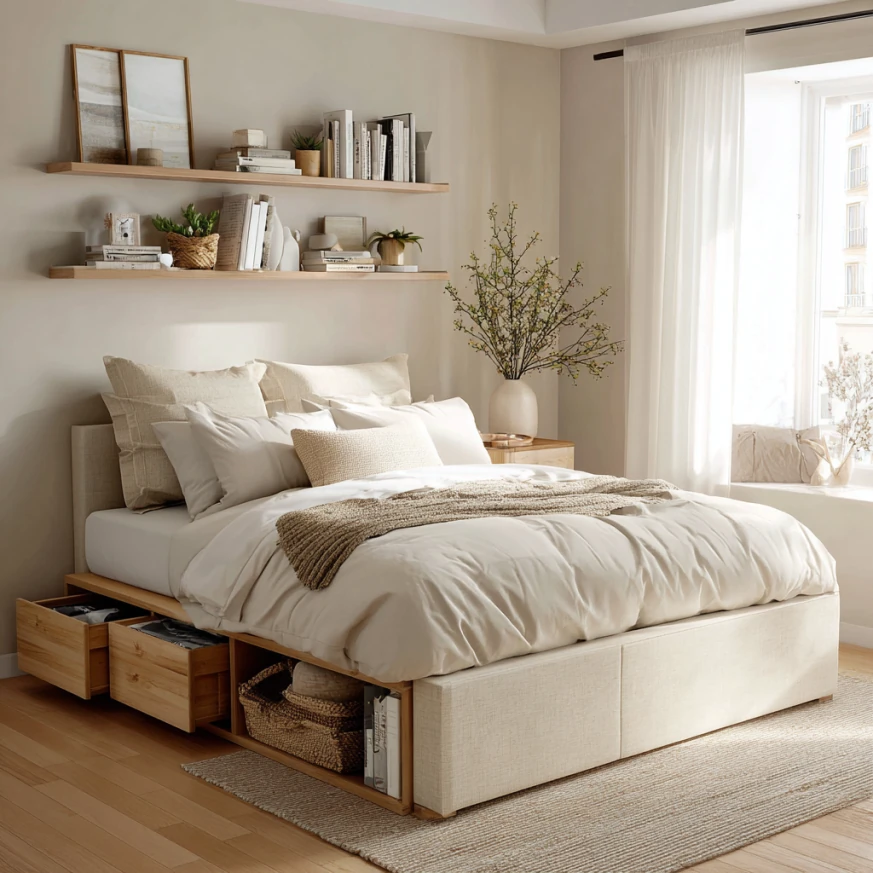
different types of bed frames - storage bed

6. Adjustable Bed Frames

Adjustable beds are perfect for those who want customizable comfort. With a remote control, you can raise your head or feet to the perfect angle for reading, watching TV, or easing back pain. These frames are especially beneficial for people with mobility issues or chronic conditions like acid reflux. More than just a medical aid, they’re a modern luxury. Learn more from the Nest Bedding Blog.

Adjustable bed frames are increasingly popular among the different types of bed frames available today.

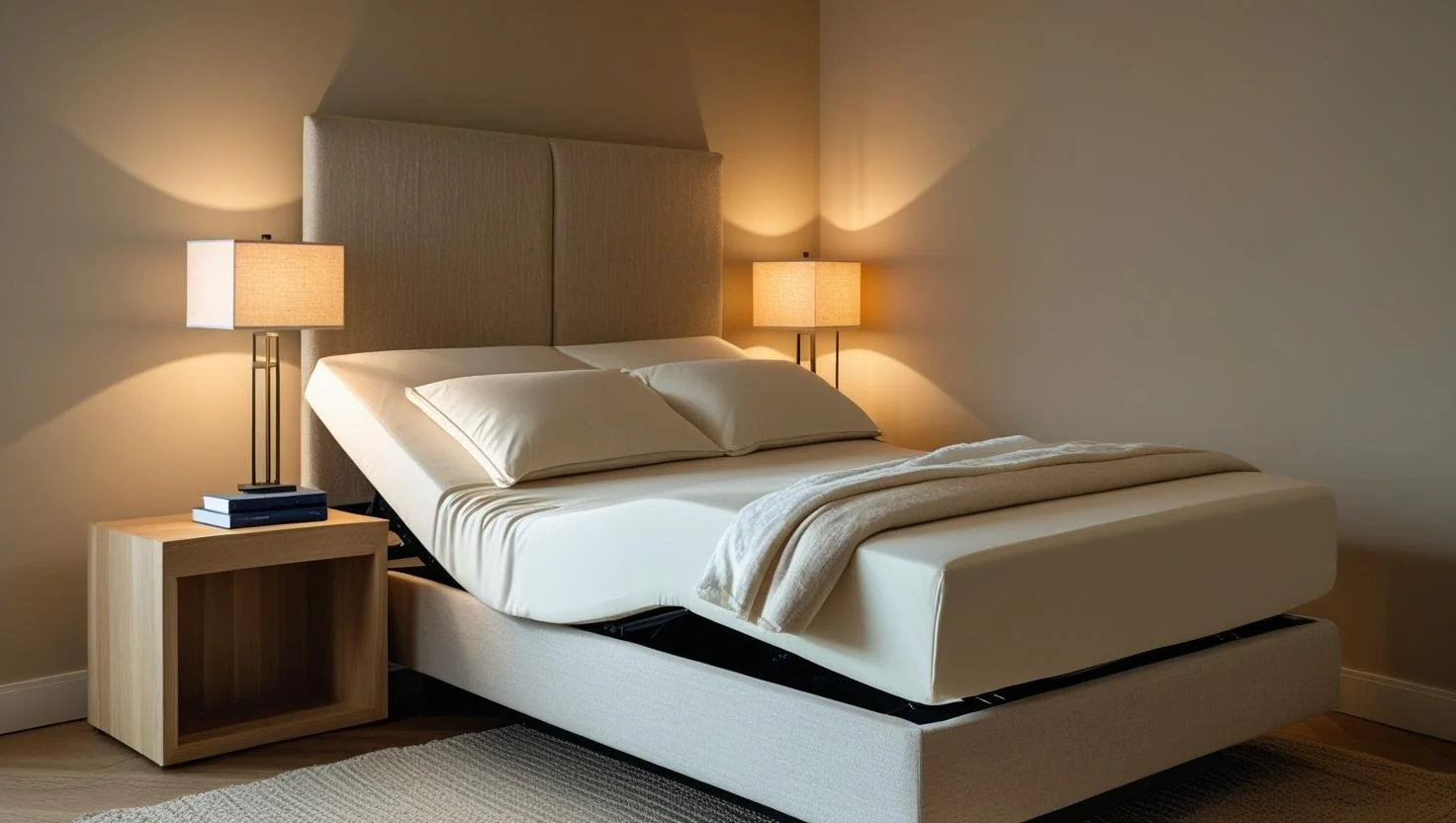
different types of bed frames - adjustable bed

7. Metal Bed Frames

Metal frames combine strength with versatile design. Available in styles ranging from industrial chic to ornate vintage, these frames are lightweight yet highly durable. They’re also more affordable than most wood options. Interested in the queen-size variety? Check out our guide on iron bed frame queen styles.

Lastly, metal bed frames are another category within the different types of bed frames that offer versatility and durability.

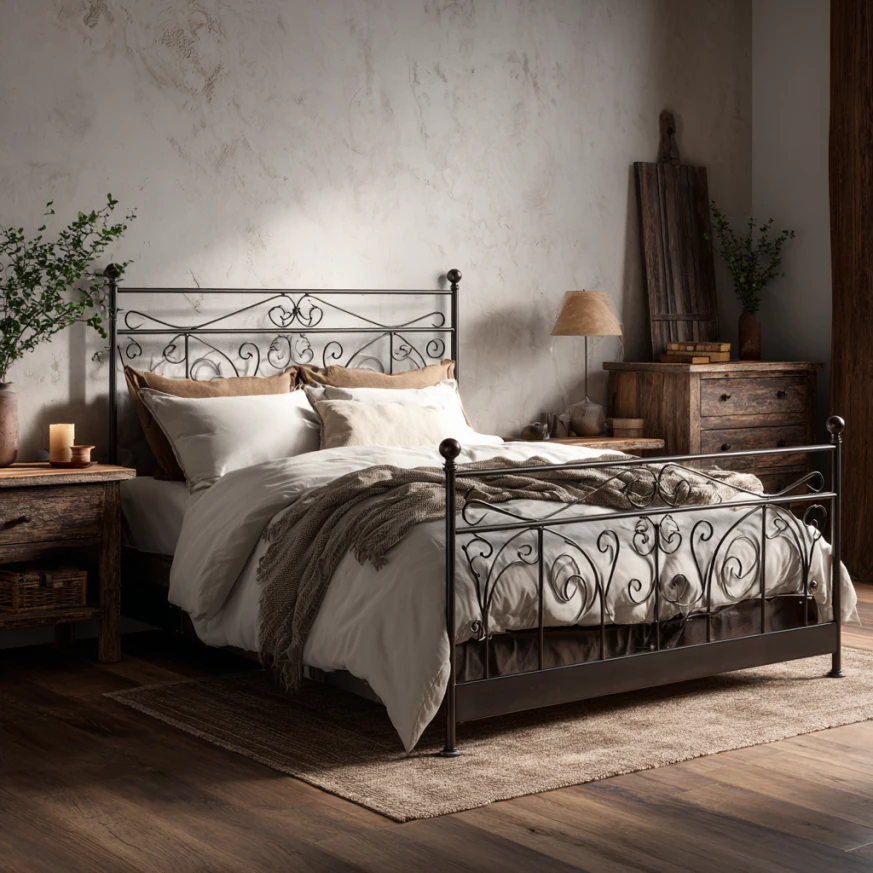
different types of bed frames - metal bed

8. Wooden Bed Frames

Wooden bed frames bring natural warmth and durability to your room. They range from rustic pine to rich walnut and can fit into both traditional and contemporary interiors. Their timeless charm is hard to beat. Curious about upholstered variations? Dive into our guide on upholstered bed frames. For eco-conscious choices, browse Ethical Bedding’s blog.

different types of bed frames - wooden bed

How to Choose the Right Bed Frame

Picking the right bed frame isn’t just about looks — it’s about lifestyle. Start with your room size: tight on space? Go for something functional like a storage or platform frame. Got high ceilings? A canopy or four-poster frame can fill the vertical space beautifully. Your sleeping habits, mobility needs, and design taste should all factor into the decision. Explore more in our guide to choosing the perfect material for your bed frame and see our comparison of bed frame materials for expert advice.

  • Small Rooms: Use platform or storage beds to maximize every inch of space.
  • Large Rooms: Choose canopy or sleigh beds to create a focal point.
  • Comfort Needs: Opt for adjustable beds to elevate your rest experience.
  • Budget-Friendly: Basic platform or metal frames offer durability without the splurge.

Ultimately, the best bed frame balances function, comfort, and visual appeal — all tailored to your lifestyle.

FAQ

What are the most popular types of bed frames?
Platform, sleigh, storage, canopy, and wooden frames are top favorites due to their versatility and style.
Which bed frame is best for small bedrooms?
Choose platform or storage frames for efficient use of limited space without sacrificing design.
Are metal or wooden bed frames better?
Metal frames are durable and low-maintenance, while wooden frames add natural charm and warmth.

Explore more about custom bed frame projects, or read our guides on best headboards for platform beds and small bedroom storage solutions to enhance your sleeping space even further.


Choosing the Best Type of Bed for Side Sleepers

bed for side sleepers


Bed for Side Sleepers: Comfort & Support (2025 Guide)

The best bed for side sleepers cushions the shoulders and hips while keeping the spine aligned. This guide explains which mattress types work best, what firmness to choose, and how to fine-tune cooling, motion isolation, and durability so you wake up comfortable and pain-free.

Key Takeaways: bed for side sleepers

  • Side sleepers need plush pressure relief at the shoulders and hips plus steady lumbar support.
  • Medium to medium-soft firmness works for most people; consider body weight and materials.
  • Top picks include memory foam, hybrid, and latex beds for a balanced feel and durability.
  • Cooling covers, breathable foams, and coils help hot sleepers maintain a steady temperature.
  • Test motion isolation if you share the bed; the phrase bed for side sleepers often implies low transfer.

Why Side Sleepers Need a Specialized Bed

Side sleeping concentrates weight on narrower contact points. Without the right blend of contour and support, the shoulder compresses and the hip sinks unevenly. The result is morning stiffness or lingering pressure pain.

The right mattress gently cradles curves while bracing the midsection. Aim for even contact across the body so the spine stays neutral and muscles can relax.

A relaxed sleeper tests a bed for side sleepers to ensure pressure relief at the shoulders and hips and neutral spinal alignment.

Key Considerations for Side Sleepers

Answer first: Prioritize pressure relief and alignment, then refine cooling, motion isolation, and durability to match your lifestyle.

  • Pressure Relief: Plush surface foams reduce stress on shoulders and hips.
  • Spinal Alignment: Stable support layers prevent the midsection from dipping.
  • Comfort + Support Balance: Seek contour without excessive sink or “stuck” feel.

Best Types of Bed for Side Sleepers

Memory Foam Beds

Answer first: Memory foam is the go-to for deep contouring and motion isolation. If you want a close hug with minimal partner disturbance, start here.

Memory foam conforms to your curves, easing pressure around the shoulders and hips while maintaining a neutral spine. Couples appreciate its ability to absorb movement, and many modern foams integrate cooling infusions or open-cell designs to reduce heat buildup.

  • Excellent pressure relief for joints and curves.
  • Consistently supportive alignment overnight.
  • Outstanding motion isolation for light sleepers.

Compare materials and feel in our Types of Mattresses guide (internal).

For curated picks, see Best Memory Foam Mattress: Side Sleepers (internal).

Independent testing aligns with this advice; the Sleep Foundation’s side-sleeper roundup emphasizes foam or latex for close contouring and healthy alignment learn more.A couple tests a memory foam bed for side sleepers to feel contouring at the shoulders, gentle hip support, and restful pressure relief.

Hybrid Beds

Answer first: Hybrids blend foam comfort with coil support for a buoyant yet pressure-relieving feel. Choose this if you like a bit of bounce and better airflow.

Pocketed coils add lift, edge stability, and breathability, while foam layers cushion sharp pressure points. Hybrids are a solid middle ground for side sleepers who want contour without a deep “sink.”

  • Balanced support and softness for many body types.
  • Improved airflow for hot sleepers.
  • Durability from steel coils and denser foams.

Make sure the size suits your room and sleeper count with our Bed Sizes Guide (internal).

If you prefer a firmer feel, see guidance on when firm beds fit certain side sleepers, especially at higher body weights here. :contentReference[oaicite:1]{index=1}

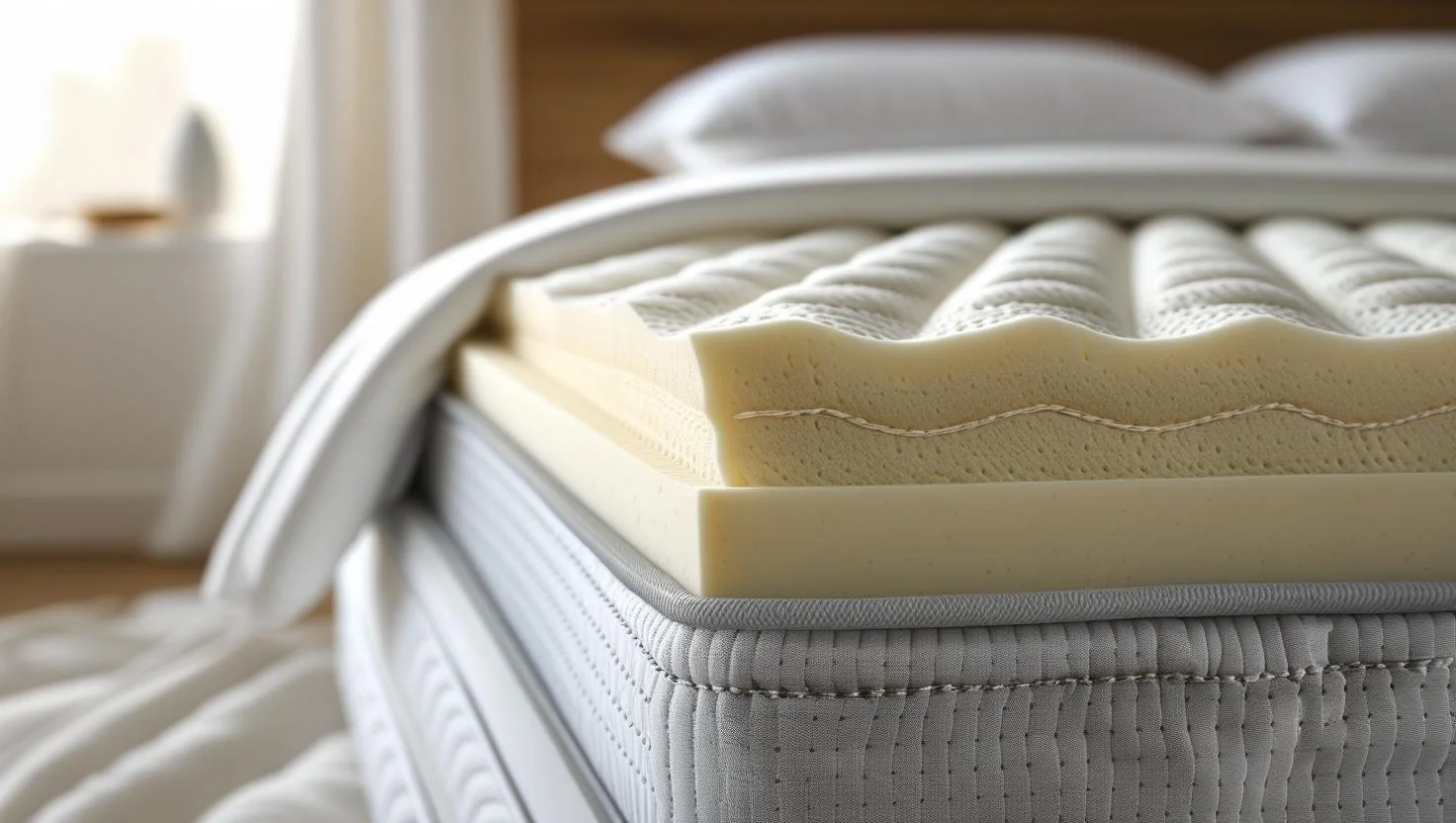
Layered cutaway shows how a hybrid bed for side sleepers combines breathable coils with plush foams for contouring and support.

Latex Beds

Answer first: Latex offers responsive cushioning with a lifted feel, great for side sleepers who want support without slow-moving sink.

Natural latex is durable, springy, and more breathable than traditional memory foam. Its quick response helps you change positions easily while still reducing pressure around the shoulder and hip.

  • Resilient comfort with subtle contour.
  • Naturally cooler and long-lasting.
  • Good option for eco-minded shoppers.

See how latex compares to other builds in our breakdown: Memory Foam vs. Latex vs. Innerspring (internal).

Innerspring Beds with a Plush Topper

Answer first: Prefer a traditional coil feel? Pairing an innerspring with a plush topper can create side-sleeper cushioning without sacrificing support.

Coil units supply sturdy pushback and strong edge support. A quality topper adds pressure relief for the shoulder and hip, helping you dial in comfort on a budget or refresh an existing mattress.

  • Buoyant coil support to keep the spine neutral.
  • Excellent breathability for hot sleepers.
  • Budget-friendly customization with topper swaps.

Additional Factors for Side Sleepers

Mattress Firmness Level

Answer first: Most side sleepers thrive on medium to medium-soft. Heavier bodies may prefer medium-firm hybrids that still cushion pressure points.

Industry testing frequently places side sleepers in the soft-to-medium range for alignment; too firm can drive pressure into the shoulder, while too soft can collapse the midsection. Guidance from expert reviews echoes this range with nuance by weight and preference. See details.

Mattress Thickness

Answer first: A profile of 10–12 inches usually balances comfort layers and support cores for side sleepers.

Thicker comfort stacks give the shoulders space to nestle while the support core holds posture. Ultra-thin beds can feel firm and bottom out for curvier bodies.

Material Quality & Certifications

Answer first: Look for reputable foam and textile certifications to minimize harmful chemicals and odors.

Common labels include CertiPUR-US for foams and OEKO-TEX for textiles. Natural latex seekers can also look for GOLS/GOTS when applicable.

Temperature & Breathability

Answer first: If you run warm, prioritize cooling covers, open-cell foams, or hybrids with airflow.

Fabric selection matters too—percale typically sleeps cooler than sateen, while linen breathes well across seasons. Parachute’s fabric guides explain weave differences and temperature feel compare here. :contentReference[oaicite:3]{index=3}

Explore more cooling strategies in our primer on Temperature-Regulating Bedding (internal).

Motion Isolation for Couples

Answer first: Memory foam minimizes transfer the best; pocketed-coil hybrids with thicker foams also perform well.

Light sleepers who wake to every turn benefit from deeper comfort layers and denser transition foams. For a quick primer, see our note on Motion Transfer Reduction (internal).

Sleeping Partner Considerations

Answer first: Choose materials that suit both sleepers, and size up if space is tight. Good motion isolation protects rest for different schedules.

Couples often land on memory foam or hybrid builds for the best mix of contour and stability. To build healthier habits together, try our research-backed Sleep Hacks (internal).

Buyer’s Guide for Side Sleepers

Step 1: Match Firmness to Body Type

Answer first: Under ~230 lb, start at medium or medium-soft; over ~230 lb, consider medium-firm hybrids that still cushion the shoulder.

Expert roundups reiterate that firmer designs can work for some heavier side sleepers who still sink enough to relieve pressure, while many average-weight sleepers prefer medium for balance. Read more nuances. :contentReference[oaicite:4]{index=4}

Step 2: Choose Your Core Construction

Answer first: Foam maximizes pressure relief; latex adds buoyancy; coils improve airflow and edge strength. Pick the feel you want first.

To compare builds side-by-side, review our comprehensive Types of Mattresses guide (internal).

Step 3: Confirm Cooling Features

Answer first: Hot sleepers should look for breathable covers, gel or graphite infusions, aerated latex, and pocketed coils.

Textile choices matter as much as foams; percale typically sleeps cooler than sateen, while linen remains breathable and durable season to season. Percale guide and Sateen guide. :contentReference[oaicite:5]{index=5}

Step 4: Check Edge Support & Ease of Movement

Answer first: If you sit or sleep near the edge, hybrids often provide sturdier perimeters than all-foam designs.

Latex and some hybrids also respond faster to movement, which can be helpful for combination sleepers who frequently swap sides.

Step 5: Don’t Forget Trial, Warranty, and Returns

Answer first: Favor trials of 90+ nights and transparent return terms. A minimum 10-year warranty is typical for well-built mattresses.

Always unbox within the trial window and document defects early so support claims are simple.

FAQ About Bed for Side Sleepers

What is the ideal mattress firmness for side sleepers?
Most people do best on medium to medium-soft, with firmer options for heavier bodies that still need pressure relief.
Are memory foam beds too hot for side sleepers?
Not necessarily. Look for open-cell foams, gel or graphite infusions, and cooling covers. Hybrids and latex also improve airflow.
How often should a side sleeper replace their mattress?
Plan on 7–10 years for quality models; heavy use or softer designs may need earlier replacement.
What if my shoulder still hurts on a new mattress?
First, give it a full 30-night break-in. If pain persists, try a plusher topper, adjust your pillow height, or consider a medium-soft model.
Which size is best for couples who side sleep?
Queen fits most rooms, but a King or California King offers better shoulder room and motion isolation. See our Bed Sizes Guide (internal).

Final Thoughts

The right bed for side sleepers balances plush pressure relief with steady support so your spine stays neutral. Whether you pick memory foam for deep contouring, a hybrid for airflow and bounce, or latex for resilient comfort, the best choice is the one that keeps you comfortable through the night. For more mattress and bedding insights, explore Cozy Bed Quarters (internal) and trusted, expert resources below.


Related Reading

From Cozy Bed Quarters

Trusted External Sources

Best Adjustable Beds for Back Pain and Custom Comfort

elderly woman smiling in hospital-style bed highlighting adjustable beds types benefits and best uses for senior comfort and independence

Adjustable Bed Types and Their Ideal Use Cases

Adjustable beds offer personalized comfort and improved sleep support. From back pain relief to enhanced mobility, discover why these beds are transforming modern bedrooms. In this guide, we’ll dive deep into adjustable beds types benefits and best uses for every lifestyle.

Key Takeaways

  • Adjustable beds enhance comfort through customizable positioning.
  • Options range from standard models to high-tech smart beds.
  • Ideal for back pain, recovery, and sleep disorders like apnea.
  • Great choice for both individuals and couples with varying needs.
  • Not just for seniors—anyone can benefit from these sleep upgrades.

Understanding How Adjustable Beds Work

Adjustable beds use motorized bases to elevate the head, feet, or both. They create supportive sleeping and lounging angles, promoting better posture and comfort while reading, watching TV, or sleeping. These beds represent a significant upgrade over traditional flat
mattresses and embody adjustable beds types benefits and best uses for daily living.

modern bedroom setup showcasing adjustable beds types benefits and best uses

Types of Adjustable Beds

Standard Models

Simple yet effective, standard models offer basic head and foot adjustments. Adjustable beds like these are perfect for beginners exploring bedroom upgrades and learning about adjustable beds types benefits and best uses firsthand.

  • Features: Basic motorized movement.
  • Best For: General comfort without extra frills.

Split Designs

Split adjustable beds feature independent controls for each side, a dream for couples with different preferences. These models highlight adjustable beds types benefits and best uses for shared comfort and independence.

  • Features: Dual remotes; available in split king and queen.
  • Best For: Couples seeking individualized comfort.

split adjustable bed setup illustrating adjustable beds types benefits and best uses

Wall-Hugger Styles

These models glide back toward the wall when elevated, preserving reach to nightstands—perfect for compact bedrooms. A great example of adjustable beds types benefits and best uses in smaller living spaces.

  • Features: Space-saving mechanics.
  • Best For: Small or urban bedrooms.

Smart Beds

Smart adjustable beds come with luxury features such as app integration, massage, and sleep tracking. They’re the ultimate in sleep tech and embody modern adjustable beds types benefits and best uses for connected living.

  • Features: High-tech functions for enhanced rest.
  • Best For: Tech lovers wanting a smart bedroom.

Need more inspiration? Explore our calming bedroom color ideas to create a serene sleep sanctuary.

Benefits of Adjustable Beds

Comfort for Back Issues

By allowing users to sleep at a slight incline or with elevated knees, these beds reduce spinal pressure. According to Johns Hopkins Medicine, sleep posture significantly impacts back pain management—one of the top adjustable beds types benefits and best uses for physical wellness.

Better Rest

Adjustable beds help with snoring, sleep apnea, and circulation by raising the head or legs. This promotes deeper, more restorative sleep and showcases real-world adjustable beds types benefits and best uses.

More Enjoyable Downtime

These beds are perfect for reading, working, or relaxing without stacking pillows. The adjustability allows you to lounge in ergonomic positions all day long—another example of adjustable beds types benefits and best uses beyond just nighttime rest.

man lounging in bed enjoying adjustable beds types benefits and best uses

Improved Independence

For people with limited mobility, adjustable beds support ease of entry and exit, offering a greater sense of control and autonomy. This functionality reinforces adjustable beds types benefits and best uses for accessible design.

Where Adjustable Beds Shine

  • Managing Back Pain: Elevate knees or upper body to relieve tension.
  • Post-Surgery Recovery: Adjust the bed to aid healing and comfort per medical guidance.
  • Improved Breathing: Lifting the head can ease apnea and GERD. The National Sleep Foundation advises this for sleep-related breathing issues.
  • Senior Comfort: Easy adjustments make daily use safer and more supportive.

Myth Busting

Think these beds are just for the elderly? In truth, anyone who values comfort, convenience, or tech can benefit. Adjustable beds cater to all age groups and lifestyles. The truth about adjustable beds types benefits and best uses is that they suit everyone from busy professionals to wellness enthusiasts.

elderly woman adjusting bed highlighting adjustable beds types benefits and best uses

Wrap-Up

Adjustable Beds Types Benefits and Best Uses extend far beyond comfort—they represent a modern lifestyle upgrade. Whether you’re looking to alleviate pain or enhance relaxation, adjustable beds deliver on all fronts. Explore how adjustable beds types benefits and best uses can elevate your sleep quality and daily comfort.

FAQ

Are adjustable beds good for side sleepers?
Yes, they allow for slight head and leg elevation, which helps reduce shoulder and hip pressure for side sleepers.
Can I use my current mattress with an adjustable base?
Memory foam, latex, and hybrid mattresses usually work well with adjustable bases. Innerspring types may not flex properly.
Do adjustable beds use a lot of electricity?
No, they use minimal power, mostly when changing positions. Most models are energy efficient.
Are smart adjustable beds worth it?
If you enjoy tech convenience like massage or sleep tracking, smart beds are a valuable investment.
Where can I learn more about optimizing bedroom comfort?
Visit our guides on pillows for back sleepers and bedroom lighting tips.

Related reading from Cozy Bed Quarters

Other reading we found popular


Eco Friendly Bed Frame Materials Compared Wood vs Metal

Eco friendly bed frame made of reclaimed wood in a cozy, sunlit bedroom with sustainable decor.

Eco-Friendly Bed Frames and Material Options

Looking to transform your bedroom into a sustainable sanctuary? The best eco friendly bed frames in 2025 offer the perfect blend of style, durability, and environmental responsibility. Designed to support both restful sleep and the planet, these frames use responsibly sourced materials and chemical-free finishes that are safe for your home and the Earth. (Updated 2025)

Key Takeaways

  • The best eco friendly bed frames are crafted from FSC-certified wood, reclaimed materials, or recycled metal for sustainable construction.
  • Non-toxic finishes such as water-based stains or plant-based oils help maintain healthier indoor air quality.
  • Trusted brands like Avocado, Thuma, and Medley offer stylish, sustainable options for every home aesthetic.

Choosing a sustainable bed frame supports long-term environmental goals while enhancing your bedroom with clean design and quality materials. For a deeper dive, explore our sustainable bed frames guide.


Best eco friendly bed frame made of reclaimed wood in a sunlit, sustainable bedroom

Featured eco friendly bed frame made with FSC-certified wood and non-toxic finishes.

Why Choose an Eco Friendly Bed Frame?

Traditional bed frames are often constructed using synthetic composites, plastic veneers, and chemically treated wood. These may release volatile organic compounds (VOCs), which harm indoor air quality and may cause headaches, allergic reactions, and respiratory discomfort (CDC Sleep Resources). Production often involves deforestation, energy use, and waste.

Eco friendly bed frames are designed with sustainability and health in mind. Whether crafted from FSC-certified hardwoods, bamboo, or recycled metals, these frames reduce environmental harm and promote longevity. Many also feature low-VOC or zero-VOC finishes, ensuring they don’t emit harmful toxins in your home.

  • Environmental Impact: Reclaimed or responsibly sourced materials conserve forests and reduce emissions.
  • Healthier Homes: Non-toxic glues and finishes protect indoor air quality.
  • Long-Term Value: Handcrafted frames are built to last decades.
  • Unique Design: Reclaimed wood adds rustic character and one-of-a-kind charm.

Imagine comparing a particle board frame with formaldehyde-laced adhesives to a solid oak frame finished with plant-based oils. One degrades quickly and releases toxins; the other lasts decades while supporting a healthy sleep space.

Switching to an eco friendly bed frame is about aligning your lifestyle with your values. For more ideas, explore our eco friendly bed frames guide.

Materials Matter: Wood vs. Metal

Choosing between a wooden or metal eco friendly bed frame depends on style and sustainability preferences. Each offers unique benefits for your home.

Wooden Bed Frames

Wooden frames provide timeless beauty and natural warmth. FSC-certified or reclaimed wood ensures sustainability, while bamboo is an ultra-renewable choice.

  • FSC-Certified Wood: Ensures responsible forestry practices.
  • Reclaimed Wood: Reduces waste and offers rustic uniqueness.
  • Bamboo: Fast-growing, pesticide-free, and durable.

Eco friendly wooden bed frame built from reclaimed wood with rich grain patterns

A reclaimed wood bed frame with natural grain patterns for rustic charm.

Metal Bed Frames

Metal frames made from recycled steel or aluminum are sleek, strong, and long-lasting.

  • Recycled Steel: Uses less energy to produce than new steel (National Sleep Foundation).
  • Durability: Often last 20+ years.
  • Recyclability: Can be melted and reused at end of life.

For broader sourcing tips on responsible materials, see our sustainable bed frames guide.

Quick Comparison

Use this at-a-glance guide to pick the best eco friendly bed frame for your space:

  • Wood (FSC/Reclaimed): Biodegradable, renewable, natural look; lifespan 20–30 years; great for rustic, minimalist, or Scandinavian styles.
  • Bamboo: Rapidly renewable, low pesticide use; lifespan 15–20 years; pairs with eco-modern, light aesthetics.
  • Recycled Metal: Fully recyclable, strong, low maintenance; lifespan 20+ years; ideal for industrial or modern rooms and heavy-duty needs.

Top Brands Offering Eco Friendly Bed Frames

Avocado

Handcrafted in California from reclaimed wood, Avocado’s frames feature non-toxic finishes and GREENGUARD Gold certification. A Certified B Corporation, they’re leaders in transparency. Explore Avocado bed frames.

Thuma

Thuma uses upcycled rubberwood and Japanese joinery for tool-free assembly. Their minimalist, recyclable packaging reduces waste. Discover Thuma designs.

Medley

Medley offers customizable frames made from FSC-certified hardwoods and plant-based oils. Made in Los Angeles, they reduce shipping emissions. Shop Medley sustainable frames.

Certifications to Look For

  • FSC: Guarantees responsibly managed forests.
  • GREENGUARD Gold: Tests for low emissions across thousands of chemicals.
  • OEKO-TEX: Ensures textiles and finishes are safe for humans.

Want to dig deeper into third-party standards? See this overview of common bedding and furniture certifications.

To compare frame materials beyond certifications, read our wood vs. metal bed frame guide.

Tips for Choosing the Right Eco Friendly Bed Frame

  • Material: Choose FSC wood, reclaimed timber, bamboo, or recycled metal.
  • Size: Measure carefully before buying.
  • Assembly: Tool-free options save hardware and reduce waste.
  • Style: Match rustic, modern, or minimalist aesthetics.
  • Budget: Invest in durability to save long-term.

Comparison of wood and metal eco friendly bed frame styles and sustainability features

Innovative cardboard eco friendly bed frame for lightweight, sustainable living.

Conclusion

The best eco friendly bed frame blends sustainability, style, and health. From reclaimed wood to recycled metal, these frames help reduce your carbon footprint while creating a serene sleep space. For a full green makeover, visit Cozy Bed Quarters for more inspiration.

FAQ

What makes a bed frame eco friendly?

Eco friendly frames use FSC wood or recycled metal with non-toxic finishes for minimal environmental impact and safer indoor air quality.

Are eco friendly bed frames more expensive?

Some cost more upfront, but their durability reduces long-term replacements, saving money.

Can I find stylish eco friendly bed frames?

Yes. Brands like Thuma and Medley offer modern, minimalist designs that look great while being sustainable.

Do eco friendly bed frames require special maintenance?

No—just dust regularly and avoid harsh cleaners to keep your frame looking new.

Related reading from Cozy Bed Quarters

Other reading we found popular

Sustainable Bed Frames Guide for Greener Healthier Sleep

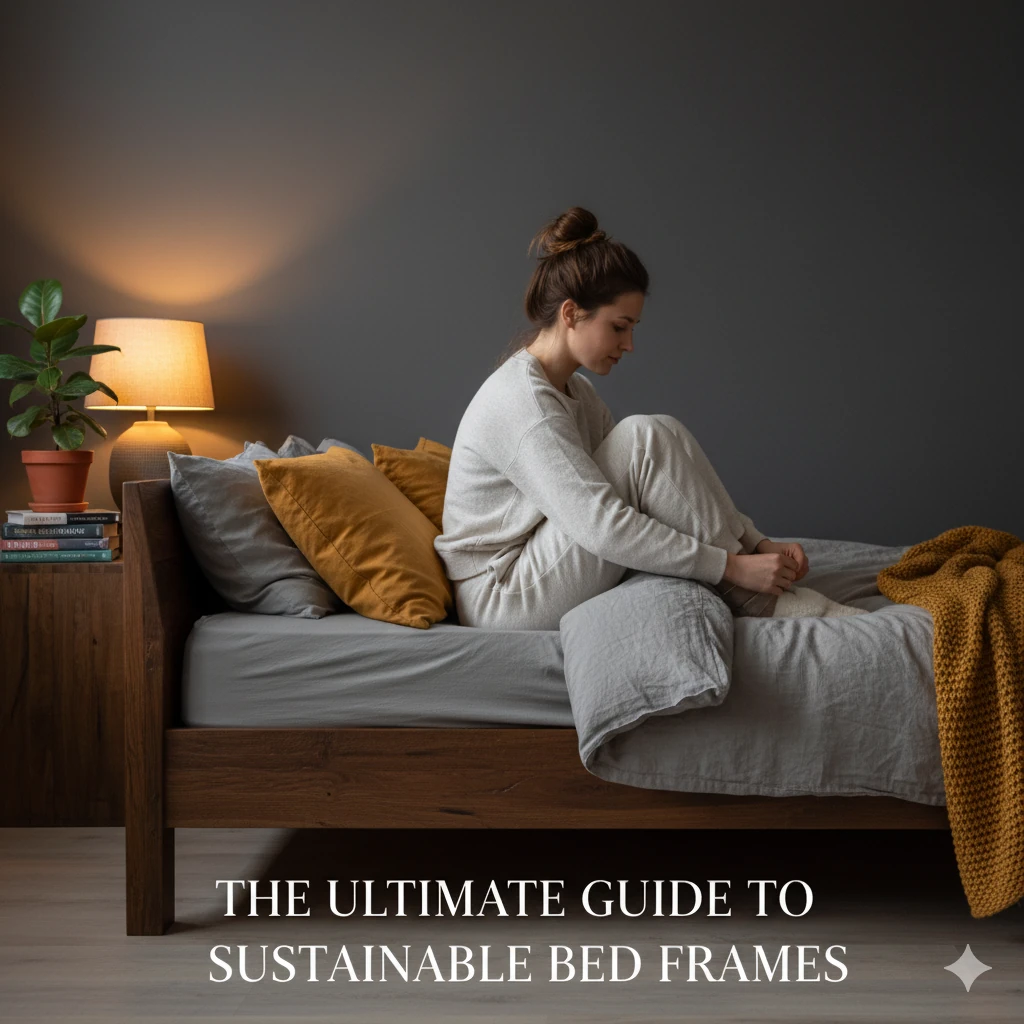
Cozy bedroom with sustainable wooden bed frame, organic bedding, and woman sipping tea in morning light.

Ultimate Guide to Sustainable Bed Frames

Looking for sustainable bed frames that blend wellness with eco-conscious living? In this updated 2025 guide, we’ll explore why your bed frame choice matters, what to look for in eco-friendly materials, and how to style your bedroom sustainably without overspending. For a deeper dive, see our pillar guide on sustainable bed frames.

Key Takeaways

  • Sustainable bed frames reduce toxic exposure and cut down on landfill waste.
  • Eco-friendly frames use FSC-certified wood, reclaimed materials, and low-VOC finishes.
  • Durability matters—choosing a long-lasting frame saves money and the planet.
  • Pairing your frame with organic bedding creates a complete healthy sleep setup.

Why Sustainable Bed Frames Matter

Most people only think about their mattress when upgrading a bedroom. But your bed frame also affects both sleep health and the environment. Conventional frames are often made with particleboard, synthetic glues, or chemically treated metals that release VOCs (volatile organic compounds) into your home. That’s hardly restful.
By contrast, sustainable bed frames use responsibly sourced wood and non-toxic finishes. This means better indoor air quality, less waste, and a foundation that lasts for decades instead of years.

Sustainable bed frames improve indoor air quality and reduce waste

What Makes a Bed Frame Sustainable?

1. Responsibly Sourced Materials

Look for FSC-certified wood to ensure the timber was harvested responsibly. Hardwoods like oak, maple, and walnut are durable choices, while bamboo is renewable and lightweight. Reclaimed wood is another eco-friendly option that adds unique character to your bedroom.

Responsibly sourced FSC-certified wood used in sustainable bed frames

Example: A reclaimed oak bed frame brings warmth and individuality to a modern, eco-conscious bedroom.

2. Non-Toxic Finishes and Adhesives

What’s used on the frame matters as much as the frame itself. Many standard finishes release chemicals that linger in the air. Instead, look for zero-VOC paints, natural oils, or water-based glues. Certifications like GREENGUARD Gold and CertiPUR-US help you shop confidently.

Scenario: A parent choosing a non-toxic bed frame ensures their child’s bedroom remains a safe, chemical-free environment.

3. Built to Last

Sustainability isn’t only about materials—it’s also about longevity. A frame with quality joinery, such as mortise and tenon, can last 20 years or more. That’s far better than replacing a flimsy model every five years.

Want recommendations? See our ultimate guide to sustainable bed frames for trusted brands built to endure.

Style It Your Way: Cozy Meets Eco

1. Eco-Friendly Bedding Layers

Pair your frame with breathable sheets made from organic cotton, linen, or Tencel. These materials are naturally soft, durable, and created with fewer resources than conventional bedding. Undyed or naturally dyed fabrics add both style and eco-points.

2. Natural Textures and Accents

Wood tones instantly warm a bedroom, especially when styled with woven baskets, plants, or a chunky throw. Reclaimed wood frames add texture, while a natural fiber rug ties the space together. For more ideas, see our guide to bedroom rug designs.

Busting the Budget Myth

Many assume eco-friendly furniture is expensive. While a sustainable bed frame might cost more upfront, it usually pays off over time. Fast furniture breaks down, ends up in the landfill, and requires replacement. A well-made frame avoids all of that.

Supporting responsible brands also means your money backs fair labor and eco-conscious practices. For more savings strategies, explore our tips on living green in the bedroom.

Start Your Sustainable Sleep Journey

You don’t need to redo your whole bedroom overnight. Start with the foundation—a bed frame—and build from there. Add an organic mattress, eco-friendly bedding, and mindful decor choices for a full wellness upgrade.

If you’re not sure where to begin, Cozy Bed Quarters’ guide to sustainable bed frames covers trusted brands, certifications, and design inspiration.

Conclusion

Choosing sustainable bed frames isn’t just an eco-friendly trend—it’s a step toward better health, comfort, and peace of mind. With quality materials, non-toxic finishes, and timeless design, your bed becomes more than furniture—it becomes the heart of a truly restorative bedroom.

Ready to transform your sleep setup? Explore more ideas at Cozy Bed Quarters.

FAQ

What materials are best for sustainable bed frames?

Top options include FSC-certified wood, reclaimed wood, bamboo, and recycled metals.

Are sustainable bed frames healthier?

Yes. They avoid VOCs and toxic adhesives, promoting cleaner indoor air and better rest.

How long do sustainable bed frames last?

With solid craftsmanship, most last 15–25 years or more.

Where can I buy sustainable bed frames?

Brands like Avocado Green Mattress, Thuma, and Floyd are reliable choices. See our guide for more picks.

Related reading from Cozy Bed Quarters

Other reading we found popular

Bedding Ceremony: History, Traditions & Modern Meaning

Bedding Ceremony


The Bedding Ceremony: 7 Traditions and Modern Meanings

The Bedding Ceremony was a public way for communities to bless, witness, and legitimize a marriage. From medieval Europe to Jewish and Scottish customs, this marriage bedding ritual still fascinates—and it inspires thoughtful, modern reinterpretations focused on intimacy, respect, and shared values. For context, see our historical accuracy guide.

Key Takeaways: The Bedding Ceremony

  • The Bedding Ceremony symbolized a community’s blessing of a marriage’s union and consummation.
  • Traditions across Europe, Scotland, and Judaism reveal different cultural views on privacy, legitimacy, and intimacy.
  • Modern couples adapt the idea into private, meaningful rituals—without public spectacle.
  • Understanding The Bedding Ceremony clarifies how ideas about love, dignity, and home life have evolved.

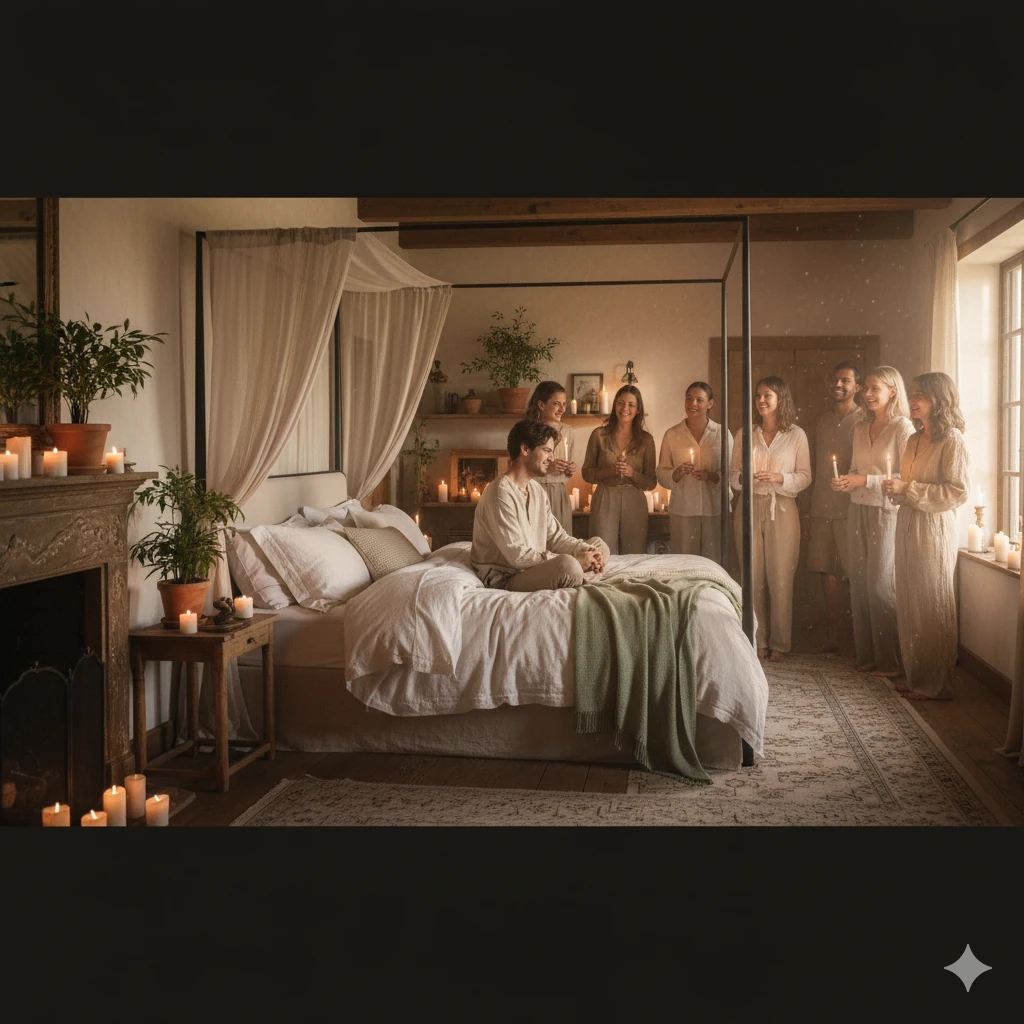
This image illustrates The Bedding Ceremony with onlookers gathered around the couple, and the alt text intentionally includes the exact focus keyword: The Bedding Ceremony.

Unveiling The Bedding Ceremony

In short: The Bedding Ceremony publicly affirmed a marriage, blending blessing, symbolism, and witness. It joined private union to public meaning.

Imagine a candlelit room, family offering gentle wishes as the couple is escorted to their bed. For earlier societies, this was less spectacle and more statement: the union mattered to everyone, not only the couple. By ritualizing the moment, communities communicated care, legitimacy, and continuity.

As we examine The Bedding Ceremony, we see how processions, prayers, and small gestures once honored fertility, intimacy, and social bonds—roles modern partners now fulfill in quieter ways.

A stylized historical scene shows a family blessing the couple during The Bedding Ceremony, and this complete sentence includes the exact focus keyword: The Bedding Ceremony.

The Origins of The Bedding Ceremony

In short: In medieval Europe, witness and (in some contexts) consummation validated marriage in faith, law, and community—especially for inheritance and social order.
Among the nobility, the ritual reinforced dynastic continuity and the potential for heirs. For commoners, it publicly recognized a new household and its place within the village or town. Religious blessings often framed the moment, asking for prosperity and harmony.

Many communities hosted a lively procession from feast to bedchamber. While details differed by region and era, the heart of the custom stayed constant: the couple’s private bond carried public significance.

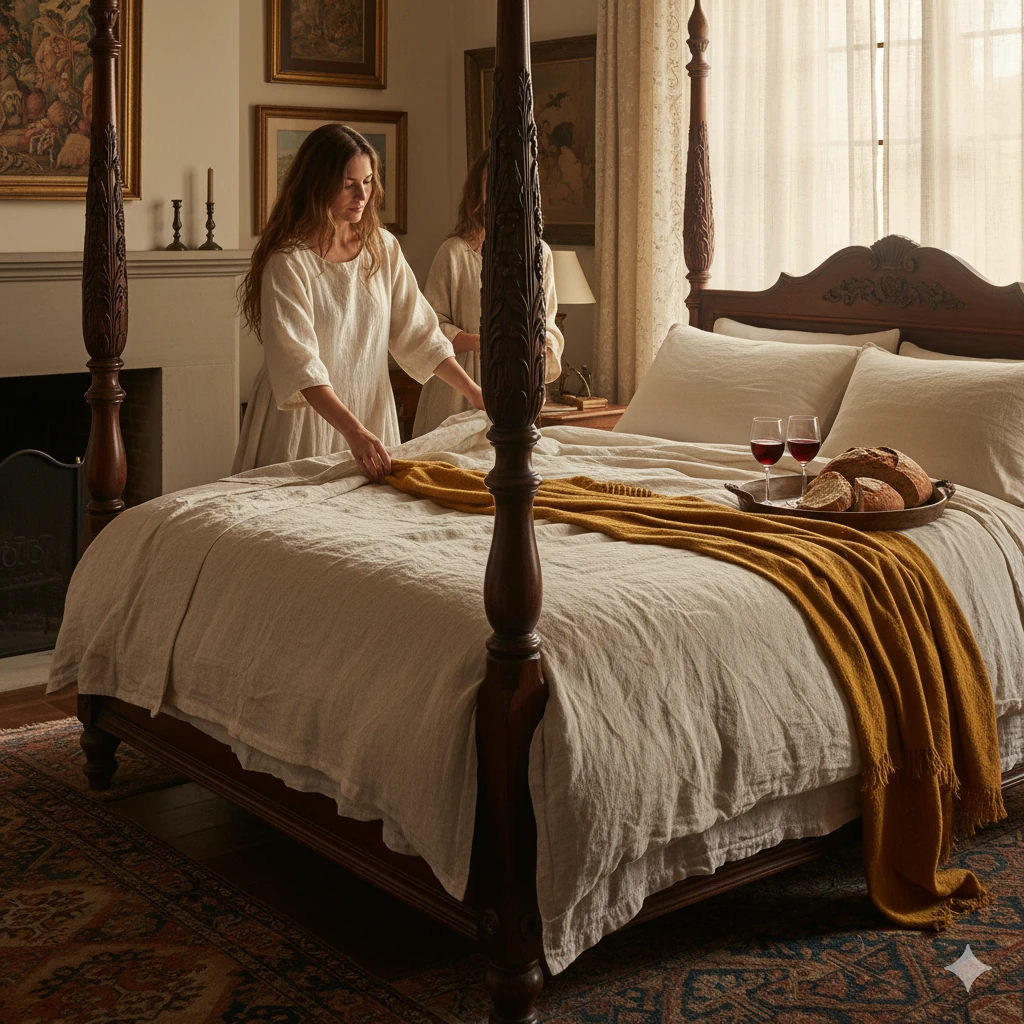
A historic painting evokes The Bedding Ceremony as part of marriage customs, and the alt text purposefully uses the exact focus keyword: The Bedding Ceremony.

Variations Across Cultures

In short: Recognition was communal, but expressions varied—from public symbolism to private intimacy.

Just as bed designs from around the world reflect cultural values, bedding rituals communicated what mattered most: dignity, family bonds, or the couple’s privacy. Three frequently discussed examples include:

Medieval Europe
Tradition: Public bedding and blessing. Focus: Legitimacy, witness, and community continuity.
Jewish Weddings (Yichud)
Tradition: A brief, private seclusion immediately after the ceremony. Focus: Emotional intimacy and the couple’s first quiet moment together.
Scottish Weddings
Tradition: Festive customs that emphasized partnership and participation (e.g., playful rituals in some regions). Focus: Shared effort and communal support for the new union.

This cultural collage shows variations that relate to The Bedding Ceremony, and the full-sentence alt text includes the exact focus keyword: The Bedding Ceremony.

The Decline of The Bedding Ceremony

In short: Growing respect for privacy and changing ideas about love moved intimacy behind closed doors.

  • Privacy: Societies increasingly valued personal dignity and private space, reducing public rituals of intimacy; see why public ceremonies faded.
  • Romantic Love: Marriages became more partner-centered rather than alliance-centered.
  • Legal Shifts: Laws and social norms elevated consent, autonomy, and private life.

Modern Interpretations (Updated 2025)

In short: Couples honor the spirit—connection and gratitude—without the spectacle.

Today’s versions are simple, respectful, and deeply personal. Some partners share a private toast after the reception, exchange letters, or practice a grounding ritual of gratitude that marks the start of married life. According to the Sleep Foundation, shared bedtime routines support connection and well-being—echoing the ceremony’s original intent to nurture intimacy and care.

  • A quiet toast in the suite after guests depart
  • Exchanging handwritten vows or letters for a private keepsake
  • A short “wind-down” ritual—lights low, calm music, a mindful check-in before sleep

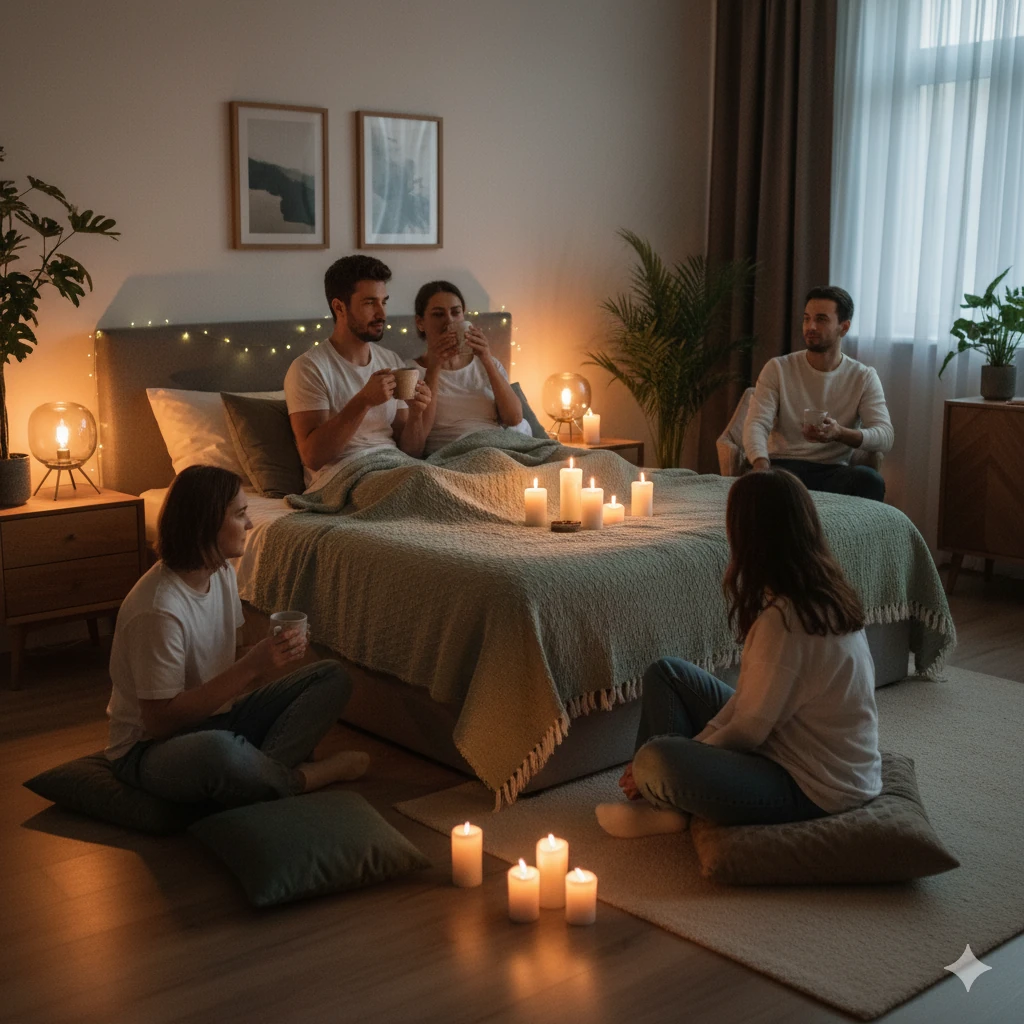
A modern couple create a private moment inspired by The Bedding Ceremony, and the alt text intentionally includes the exact focus keyword: The Bedding Ceremony.

From Public Ritual to Private Bedroom: Practical Tips

In short: Personalize meaning—don’t reenact history. Choose rituals you’ll actually cherish.

Start with research to understand origins and to avoid uncomfortable reenactments. Then adapt the spirit of blessing, gratitude, and unity to your values. If home design helps you relax, our modern bed types guide shows how evolving styles support comfort and connection.

  • Research thoughtfully: Learn enough history to adapt with respect.
  • Customize your moment: A private toast, letter exchange, or quiet reflection can be more meaningful than a staged display.
  • Design for calm: A restful environment can make your first night together truly restorative.

Buyer’s Guide for a Calmer Night (Optional Modern Adaptation)

In short: If you’re creating a peaceful “first-night” ritual, build a soothing sleep environment with thoughtful materials and mindful routines.

A gentle, unhurried wind-down ritual does wonders for connection. Consider breathable sheets and natural textures; many couples like to align the bedroom with wellness goals. If that’s you, prioritize low-VOC furnishings and materials that feel great on skin. (For inspiration, see Sleep Foundation’s guidance on the bedroom environment and Parachute’s practical design stories on the Parachute Home blog.)

Tip: choose bedding that supports temperature regulation, smooth feel, and easy care. Natural fibers and quality construction encourage better rest on an emotional night—without distracting you from the moment.

Bedding Ceremony: History, Traditions & Modern Meaning

Literary and Cinematic Portrayals

In short: Novels and shows amplify drama around the ceremony, often mixing fact and fiction.

Popular culture—think sweeping historical sagas—leans into high emotion to explore power, vulnerability, and community. If you love this lens, we break down what’s plausible (and what’s entertainment) in our guide to portrayals of The Bedding Ceremony.

The Legacy of The Bedding Ceremony

In short: The ceremony spotlighted a truth that still holds: marriages intertwine private love with public life.

Today, most couples choose privacy. Yet the impulse to bless, to be witnessed, and to feel supported remains strong—now expressed through toasts, speeches, and intimate traditions that suit the couple’s comfort. The legacy is less about a bed and more about belonging.

FAQ: The Bedding Ceremony

What was the purpose of The Bedding Ceremony?
It publicly acknowledged the union (and, in some eras, consummation), reinforcing legitimacy, blessing, and community witness.
Is The Bedding Ceremony still practiced today?
Not in its historic form. Couples often adapt its spirit into private, meaningful rituals that emphasize care and connection.
What is Yichud in Jewish weddings?
Yichud is a brief, private retreat for the newly married couple immediately after the ceremony, emphasizing intimacy and togetherness.
How can modern weddings honor old traditions respectfully?
Research origins, choose values-aligned elements, and keep intimacy private—think a shared toast, letter exchange, or calm wind-down routine.
How do bedroom choices support a modern “ceremony” moment?
Design for calm: soothing lighting, breathable bedding, and clutter-free surfaces help the moment feel intentional and restorative.

Final Thoughts

While The Bedding Ceremony belongs to the past, its themes—intimacy, unity, and community—remain deeply relevant. At Cozy Bed Quarters, we help couples shape bedrooms and rituals that support connection. Whether you’re exploring thoughtful design or adapting tradition with care, we’re here with guidance, ideas, and resources.

Related Reading from Cozy Bed Quarters

Other Reading We Recommend


Exploring Modern Bed Types: 7 Stylish Choices for Every Bedroom

"Upholstered bed with a tufted headboard, highlighting comfort in modern bed types."

Exploring Modern Bed Types: 7 Stylish Options for Every Bedroom

Ever feel overwhelmed by the sheer number of bed options out there? You’re not alone. Whether you’re furnishing a new space or refreshing your current bedroom, exploring modern bed types is the key to finding that blend of comfort, style, and practicality. Your bed isn’t just furniture—it’s your nightly retreat.

Designing your sleep sanctuary from the ground up? Try these Cozy picks:
DIY bed frame projects
Platform & storage bed ideas
Types of mattresses

Exploring modern bed types in a minimalist loft (platform bed)

Why Exploring Modern Bed Types Matters

Your bed anchors the room and your nightly routine. The right foundation supports better posture and sleep quality while setting the tone for your design. Guidance from the Sleep Foundation highlights how frame choice, support, and materials can reduce sagging and noise and improve sleep ergonomics
(Sleep Foundation: Best Bed Frames).

Key Takeaways: Exploring Modern Bed Types

  • Platform, storage, and Murphy beds excel at saving space and keeping a clean aesthetic.
  • Adjustable beds deliver customizable comfort and potential health benefits.
  • Canopy, upholstered, and sleigh styles emphasize ambiance and statement design.
  • Match your priorities—space, comfort, style, sustainability—to the bed type.
  • Use quality bedding (think organic bedding and eco-conscious sheets) to unlock durability and comfort.

1. Platform Beds

Answer first: Platform beds offer sleek lines and built-in support—no box spring needed.

Low, modern, and versatile, platform frames create an open feel in small rooms and lofts. You’ll find slat or solid bases in wood, metal, or upholstered finishes for easy styling.

  • Low profile: Airy look that visually expands compact rooms.
  • Built-in support: Slats or a solid deck support the mattress directly.
  • Style range: From warm woods to crisp metal to cozy textiles.

Feeling crafty? Build your own with
these DIY bed frame projects.

2. Storage Beds

Answer first: Storage beds hide clutter with drawers or lift-up platforms—perfect for small spaces.

Drawers or hydraulic lifts maximize every inch without adding furniture. Choose woodgrain or upholstered styles to match the room.

  • Space gains: Great for studio apartments or guest rooms.
  • Compartment options: Organize bedding, off-season clothes, or shoes.
  • Design fit: Seamless in contemporary or transitional spaces.

Get inspired with Cozy’s
platform & storage bed ideas.

Modern storage bed with drawers in urban apartment

3. Adjustable Beds

Answer first: Adjustable bases raise the head and/or feet to support comfort, circulation, and alignment.

For snoring, pressure relief, or reflux, an adjustable base can help. Pair it with an adjustable-friendly mattress (many foam and hybrid models qualify).

  • Custom comfort: Fine-tune your sleep position.
  • Potential benefits: Pressure relief and improved spinal alignment.
  • Simple controls: Remotes and app connectivity are common.

More on top-rated adjustable bases:
Sleep Foundation: Best Adjustable Beds.
For mattress compatibility, see Cozy’s
Types of Mattresses.

Adjustable bed base with modern tech features

4. Murphy Beds

Answer first: Murphy (wall) beds fold into cabinetry to clear floor space for daytime activities.

Ideal for home offices or studios, modern gas or spring mechanisms make transitions smooth, and many designs include shelves or desks.

Murphy bed folded into wall cabinet in multipurpose room

5. Canopy Beds

Answer first: Canopy frames create a dramatic focal point or a cozy, cocooned feel with sheer fabric.

Choose from sculptural or minimalist silhouettes to suit a modern room. For style ideas:
Parachute Home: Bed Frame Ideas
and Cozy’s
four-poster bed design inspiration.

Modern canopy bed with sheer drapes

6. Upholstered Beds

Answer first: Upholstered frames add softness and support with padded headboards for lounging.

Velvet, linen, or faux leather provide texture and warmth. Look for tufting, channeling, or nailhead details if you want extra polish. Pair with breathable, sustainable bedding or organic bedding for a comfortable, eco-conscious setup.

Explore materials and comfort in Cozy’s
bed materials guide.

7. Sleigh Beds

Answer first: Sleigh beds bring curved, sculptural elegance—great for classic or transitional rooms.

Often made from sturdy hardwoods, sleigh frames add character and longevity while anchoring the space.

Browse a wide variety of bed types and visuals at
Better Homes & Gardens: Bed Types.

Eco-Friendly vs. Conventional Bed Materials

Answer first: Sustainable frames and finishes reduce VOCs and waste while offering equal or better durability.

Feature Eco-Friendly Conventional
Materials FSC-certified/reclaimed wood, bamboo Non-certified MDF, mixed composites
Finishes Low-VOC paints, natural oils/waxes High-VOC lacquers, formaldehyde-based glues
Longevity Repairable, refinishable components Shorter replacement cycles
End-of-Life Recyclable/biodegradable pathways Often landfill-bound

For a balanced setup, match a durable frame with breathable, eco-conscious sheets and sustainable bedding to support clean indoor air and long-term comfort.

Final Thoughts on Exploring Modern Bed Types

Whether you’re optimizing space, dialing in comfort, or making a design statement, exploring modern bed types helps you build a bedroom that supports deep rest and daily life. Keep materials, support, and layout in mind—and browse Cozy Bed Quarters for more inspo and how-to guides.

FAQs About Exploring Modern Bed Types

What is the best bed type for small bedrooms?
Storage beds and Murphy beds. They free up floor area without sacrificing style.
Are platform beds comfortable without a box spring?
Yes. Platforms use slats or a solid deck to support the mattress directly.
Do adjustable beds work with all mattresses?
No. Look for “adjustable-friendly” models—many memory foam and hybrid mattresses qualify.
What materials are best for upholstered beds?
Linen, velvet, or quality faux leather offer texture and easy care.
Do canopy beds fit modern decor?
Absolutely. Choose clean, linear frames and light draping for a contemporary look.


Related Reading

More Expert Insights

Modern bed types offer stylish, smart, and space-saving solutions for today’s sleep needs. From platform to smart beds, here’s your guide to choosing the best one for your lifestyle.

Modern bed types refer to contemporary designs that combine clean aesthetics with everyday practicality. These beds feature smart innovations like tech integration, under-bed storage, and adjustable frames, perfect for adapting to your lifestyle. Whether you live in a tiny apartment or a spacious loft, there’s a modern bed that meets your needs. For more design inspiration, visit our modern bed designs collection. You can also explore Decorilla’s 2023 bedroom trends to see what’s currently popular in bedroom design.

Adjustable beds are all about personalized comfort. You can elevate your head, legs, or both to find the perfect lounging position. Great for those with circulation issues, back pain, or just a love for Netflix marathons. Many models now sync with mobile apps, offering sleep tracking and position presets.

Smart beds are the future of sleep. With features like built-in massagers, temperature regulation, and AI-driven sleep analysis, they offer unmatched comfort and convenience. Some even connect with Alexa or Google Home for hands-free controls.

Choosing the right bed starts with understanding your needs. Do you prioritize storage, tech, or aesthetics? Here’s a quick breakdown:

And don’t forget the foundation — the right mattress matters just as much. Check out our guide to choosing the best mattress for your bed frame. For more expert advice on bedroom styling, read House Beautiful’s guide to current bedroom trends.

Need design inspiration? This bedroom blends multiple modern bed types — a platform base, adjustable features, and minimalist accents — for a space that’s both stylish and functional. You might also enjoy our guide on modern futons and daybeds for flexible sleeping arrangements. Also, check out Apartment Therapy’s bedroom design trends for more creative ideas.

Modern bed types offer more than good looks — they enhance comfort, optimize space, and add tech-savvy features to your sleep setup. Take time to explore your options and create a bedroom that fits your unique lifestyle and needs. For even more ideas, visit our Top 10 Bedroom Decor Ideas or dive deeper into the durability of metal bed frames.

For expert takes beyond our cozy corner, check out AllModern’s guide to bed designs and Casper’s breakdown of bed types.

Choosing the right bed can transform not just your sleep—but your entire bedroom. In this modern bed types comprehensive guide, we’ll explore the most stylish, functional, and trending bed styles of today.

Some models now integrate soft-close drawers, USB ports, and ambient lighting—combining practicality with luxury.

Adjustable beds let you raise or lower the head, feet—or both—offering ergonomic support tailored to your needs.

Modern versions include massage functions, memory presets, anti-snore modes, and app-based controls. These can help ease back pain, reduce snoring, or simply make reading in bed more comfortable.

Today’s Murphy beds often include fold-out desks, shelving, or couches—transforming a bedroom into an office or lounge when the bed is hidden.

Use sheer drapery or LED accent lighting for a refined, airy look. Contemporary canopy beds work especially well in high-ceiling or lofted spaces.

Upholstered beds bring tactile comfort and visual warmth—perfect for creating cozy yet modern bedrooms.

Smart beds integrate sensors, climate control, and adaptive support to optimize rest. They sync with sleep apps, adjust firmness automatically, and analyze sleep cycles.

Some can raise your head in response to snoring, gently adjust position through the night, or even wake you at an optimal sleep stage.

Green design is growing in importance. Sustainable bed types prioritize materials, manufacturing practices, and end-of-life recyclability.

When comparing, ask about: wood sourcing certifications, fabric emission standards, recyclability of metal parts, and take-back or refurbishment programs.

The Art of Bedding Rituals: A Historical Perspective on Bedding

art of bedding rituals in nuptial bedding ceremony

Art of Bedding Rituals

Discover the art of bedding rituals and how symbolic practices from around the world can transform your bedroom into a haven of comfort, connection, and rest.

Key Takeaways: art of bedding rituals

  • The art of bedding rituals carries deep cultural, emotional, and symbolic significance across history.
  • From wedding night ceremonies to seasonal bed changes, each ritual marks a meaningful moment.
  • Create personalized bedding rituals to uplift your sleep space and well-being.
  • Simple elements like scent, color, and texture turn your bedroom into a peaceful retreat.

Understanding the Art of Bedding Rituals

What Are Bedding Rituals?

The art of bedding rituals is more than making the bed—it’s a symbolic act marking life events or seasonal transitions. Historically, these practices represented purity, renewal, or blessings. Today, they guide us to build intentional, serene spaces that nurture relaxation and well-being.

Historical Context of Bedding Rituals

historical art of bedding rituals with cultural traditions

Across cultures, the art of bedding rituals has long been woven into religious and social customs. In medieval Europe, guests blessed a newlywed couple’s bed. In China, symbolic colors and objects encouraged fertility and prosperity. Such traditions reflect how closely our sleeping spaces connect to values and stories.

Wedding Night Bedding Ceremony

Traditions Around the World

Answer-first: wedding bedding customs often symbolize prosperity, fertility, and communal blessings; details differ by region.

  • Europe: Families escorted couples to their bridal bed and sang blessings.
  • China & East Asia: Red textiles and pomegranates invoke fortune and fertility.
  • Middle East & North Africa: Perfumed oils and ornate linens mark a harmonious start.

For a concise, high-authority overview of cross-cultural marriage rites, see Encyclopaedia Britannica: Marriage rituals.

Modern Bedding Rituals

Creating a Special Ambience

Answer-first: choose breathable layers, set a calming mood, and add meaningful objects to anchor your ritual.

  • Comfort first: Use breathable sheets and supportive pillows.
  • Set the mood: Light candles safely, diffuse calming essential oils, or play ambient music.
  • Mark the moment: Incorporate heirlooms or keepsake decor that carries personal meaning.

For lighting ideas that support relaxation, explore cozy bedroom lighting.

Seasonal Bedding Rituals

art of bedding rituals in seasonal bedroom changes

Answer-first: rotate materials, colors, and layers to sync comfort and mood with the season.

  • Spring & Summer: Cotton or linen with airy, floral, or pastel palettes.
  • Autumn: Add flannels, knits, and warm tones like rust or ochre.
  • Winter: Lean into plush duvets, wool blankets, and rich hues.

For practical swaps and materials, see our guide to bedding materials & benefits.

Cultural Significance of Bedding Rituals

Symbolism in Bedding Traditions

Answer-first: symbolism spans fertility, protection, prosperity, and harmony—choose meanings that align with your values.

The art of bedding rituals invites you to connect personal beliefs to daily practices—through colors, motifs, and heirloom textiles that stand for what matters most.

The Role of Community

Answer-first: communities once prepared ceremonial bedding; you can adapt that spirit with shared stories and heirlooms.

For more historical context, see our piece on the evolution of nuptial bedding ceremonies.

How to Create Your Own Bedding Ritual

Personalize Your Space

Answer-first: anchor the ritual with textures, colors, and objects that evoke calm and joy.

  • Choose fabrics and palettes that soothe you.
  • Include objects that reflect meaningful memories or heritage.
  • Set small habits: make the bed with intention; refresh linens weekly.

Practical Tips for a Relaxing Bedding Ceremony

Answer-first: a clean, softly lit, clutter-free space helps your ritual stick.

  • Wash bedding regularly for hygiene and comfort.
  • Keep the area serene and uncluttered.
  • Use dimmable lighting or soft lamps to promote wind-down.

Want more wind-down ideas? Read our bedtime rituals for improved sleep.

Eco-Friendly vs Conventional Bedding Rituals

Answer-first: sustainable materials add comfort and meaning while lowering environmental impact.

Conventional blends are accessible but can involve heavier processing. Eco-friendly options—organic cotton, linen, TENCEL™, or bamboo—support breathability and durability with fewer chemical inputs. In the art of bedding rituals, choosing organic sheets, natural dyes, and heirloom pieces amplifies intention. Even gradual swaps—like air-drying linens or rotating older sheets as throws—can align your ritual with eco-conscious values.

Final Thoughts on the Art of Bedding Rituals

The art of bedding rituals encourages you to slow down, tend your space, and bring deeper meaning to rest. Whether drawn from ancient customs or your own creativity, these rituals can transform your bedroom into a sanctuary of comfort and calm—one Cozy Bed Quarters tweak at a time.

FAQ

Why is the art of bedding rituals important?
It fosters intention, relaxation, and connection while honoring personal and cultural traditions.
How can I start my own bedding ritual?
Choose soothing bedding, add meaningful elements, and follow a simple nightly routine.
Do seasonal bedding rituals make a difference?
Yes—adapting textures and colors enhances comfort and mirrors the season’s mood.
Can bedding rituals improve sleep quality?
Absolutely. A calm, personalized sleep space signals your body to wind down and rest better.