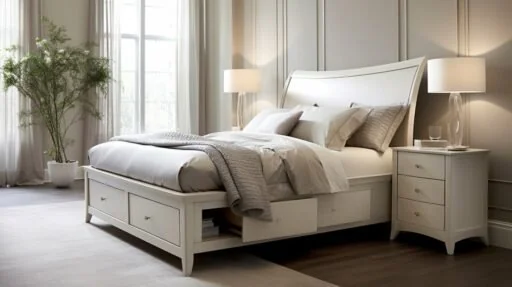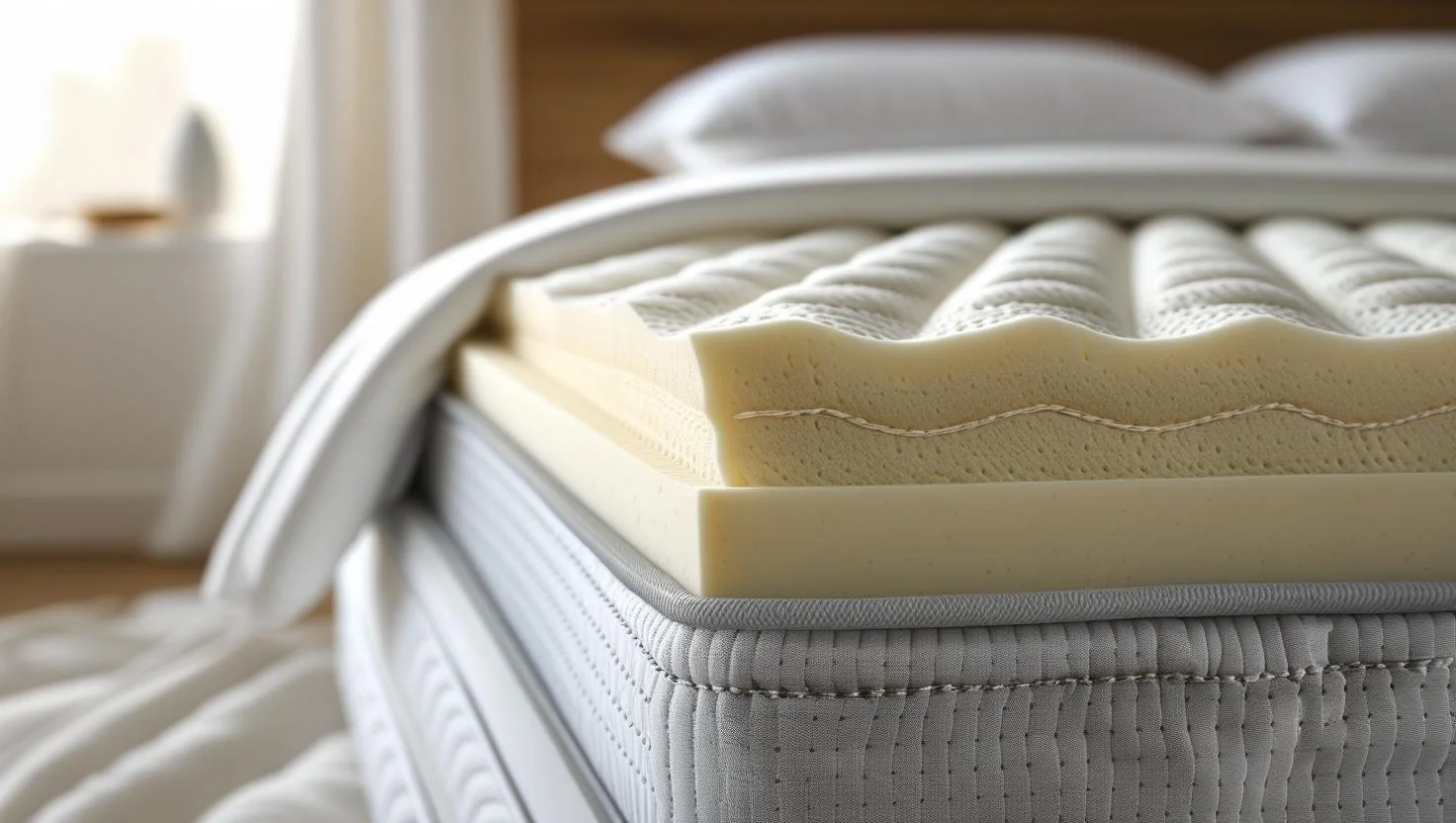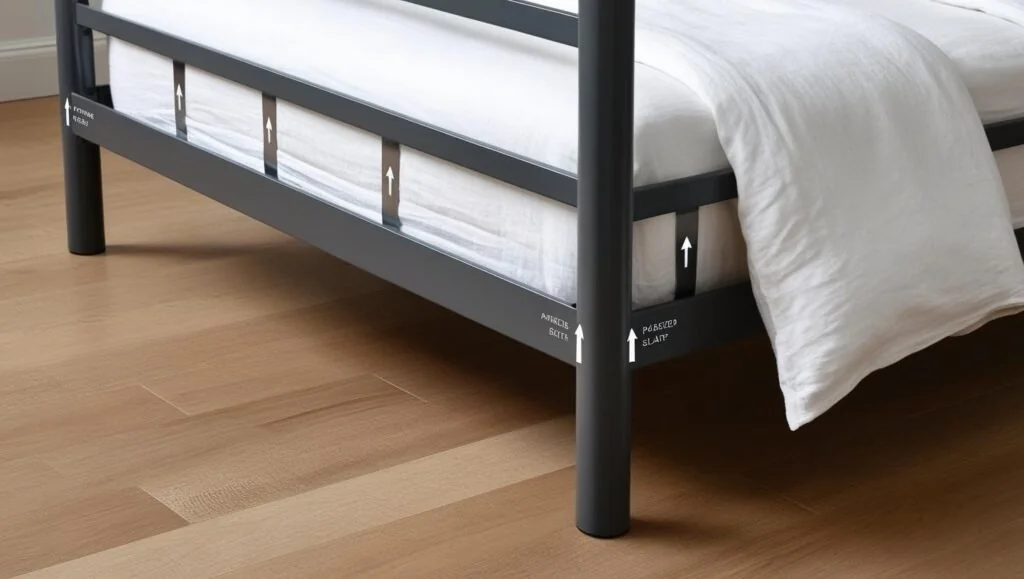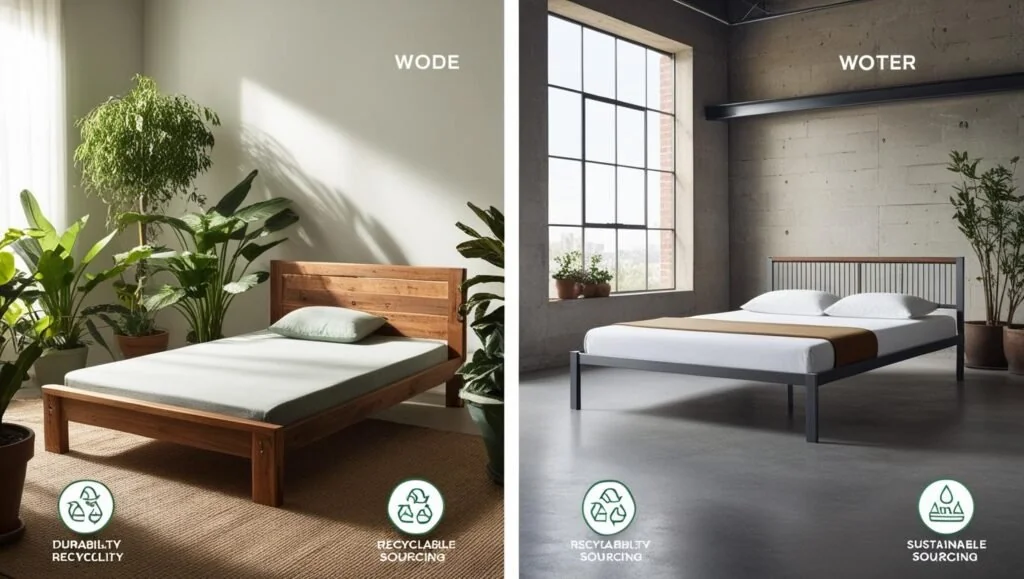
The Pros and Cons of a Metal Bed Frame: A Smart Buyer’s Guide

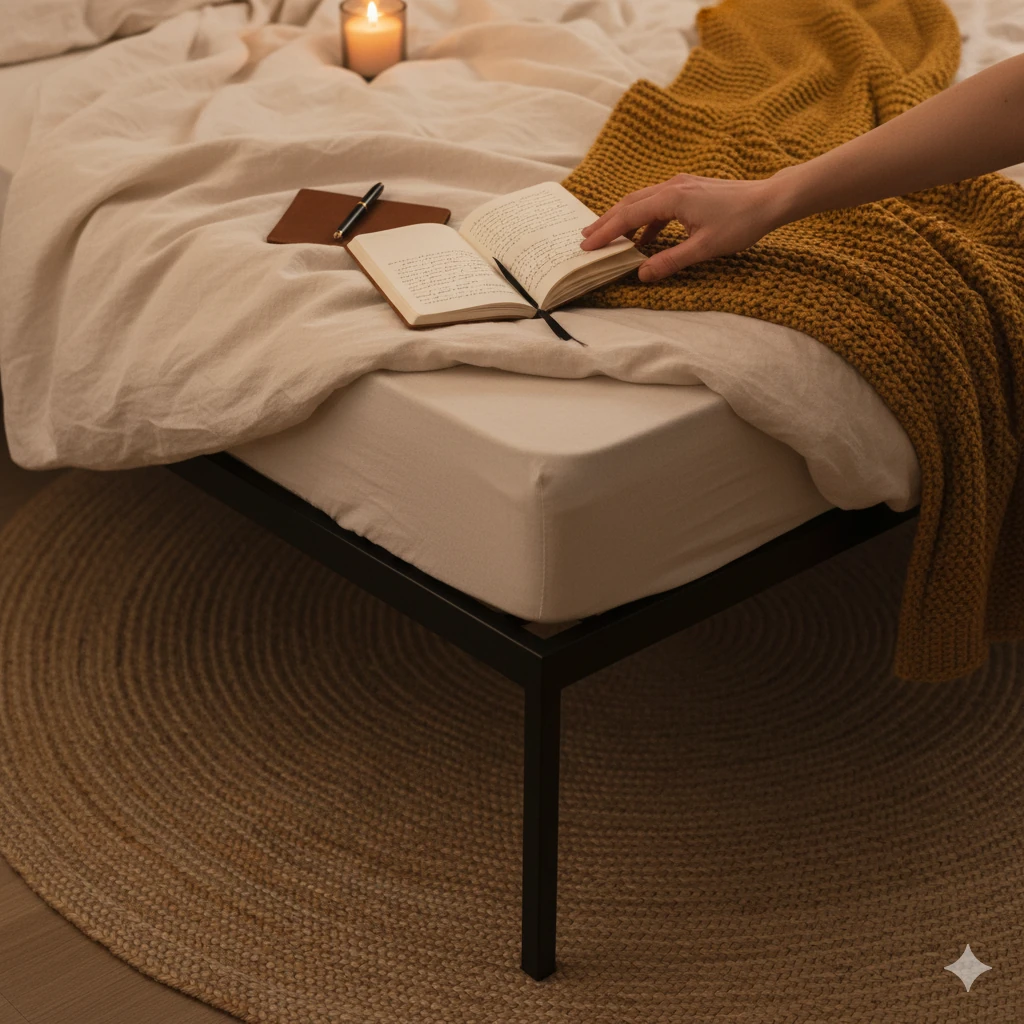
Close-up of metal bed frame corner with mustard throw, journal, and cozy candlelight.

Pros and Cons of a Metal Bed Frame

Understanding the pros and cons of a metal bed frame helps you choose a sturdy, stylish foundation that fits your budget and sleep needs. Below, we give quick answers first, then dive deep. For a broader look at frame types, see our modern bed types guide.

Key Takeaways on the Pros and Cons of a Metal Bed Frame

In one scan: metal frames are durable, affordable, and versatile—but can squeak and may rust without simple maintenance.

  • Durable & budget-friendly: Great lifespan and value, especially for guest rooms and everyday use.
  • Style range: Minimalist to vintage—easy to match with wood nightstands or upholstered headboards.
  • Potential downsides: Noise over time, cold-to-the-touch feel, and rust risk in humid rooms.
  • Fixes are easy: Tighten joints and add pads to stop squeaks; choose powder-coated frames to resist rust.
  • Pros and cons of a metal bed frame: Best pick when you want strength, storage space, and simple care.

Advantages of Metal Bed Frames

Short version: metal frames win on strength, price, and flexibility. Here’s what that means at home and over the years.

1) Durability & Longevity

At their best, metal frames stay square and supportive for years, resisting warping and cracks that can plague wood. Heavier gauges and welded joints add stability, while powder coats protect from moisture. If you need a frame for everyday use or heavier sleepers, metal’s structural strength is a clear plus in the pros and cons of a metal bed frame. According to the American Academy of Sleep Medicine, strong support structures help extend mattress performance and longevity.
Welded metal frame detail highlighting the disadvantages of metal beds alongside their strengths

2) Pest Resistance

Metal isn’t a food source for termites and provides fewer hiding spots for bed bugs. That makes it a smart pick in warm or humid climates. Keep the whole sleep setup fresh with our mattress hygiene guide.

3) Affordability

Lower-cost manufacturing and flat-pack shipping keep prices down. Even entry-level frames often include noise-reduction pads, headboard brackets, and high clearances for storage—strong value in the overall pros and cons of a metal bed frame.
Affordable setup highlighting pros and cons of a metal bed frame in a small bedroom

4) Stylish Versatility

From matte black minimalism to ornate vintage scrollwork, metal works across aesthetics. It’s easy to blend with wood nightstands, woven baskets, and plush textiles for warmth. Want inspiration? See the best queen-size bed frames for styles that mix metal with modern design.

5) Low Maintenance

A soft cloth and mild soap usually do the trick—no waxing or deep cleaning required. That simplicity is a quiet advantage in the pros and cons of a metal bed frame, especially for busy households.

6) Space Optimization

Many metal frames offer generous under-bed clearance for bins, bags, or drawers—ideal in apartments and small rooms. Pair your frame with smart storage from our under-bed storage guide to reclaim square footage.

7) Portability & Easy Assembly

Metal frames are typically lighter than solid wood and assemble with basic tools. Foldable or modular designs pack down for moves and small stairwells. If you relocate often, this can be the deciding factor among the pros and cons of a metal bed frame.
Portable, easy-to-assemble option showing pros and cons of a metal bed frame

Disadvantages of Metal Bed Frames

Short version: noise and rust are the usual complaints—but they’re preventable with quick, low-cost fixes.

1) Noise Potential (Squeaks & Creaks)

Metal joints can loosen with movement, causing squeaks. The easy remedy: tighten hardware quarterly, insert felt or rubber washers, and add anti-slip pads on slats. Follow our step-by-step squeak-stopping guide to keep nights quiet.

2) Rust Risk in Humid Spaces

Powder coatings and galvanized finishes help, but chips and scratches can invite corrosion. Wipe spills, avoid placing frames directly against open windows, and touch up exposed metal. The National Sleep Foundation notes that regular inspection of sleep furniture supports long-term sleep quality.

3) Cooler to the Touch

Metal doesn’t retain heat like wood or fabric. It won’t affect mattress performance, but it can feel cool in winter. A padded headboard, quilts, and textured throws warm the look and feel.

4) Limited Personalization

Compared with wood (which can be carved or stained), metal is less DIY-friendly. You can repaint with enamel or rust-proof spray, but intricate changes are tricky. If deep customization matters, you may prefer wood—compare options in wood vs. metal frames.
Close-up showing pros and cons of a metal bed frame with potential rust spots and finish wear

Metal vs. Wood: A Quick Comparison

Answer first: choose metal for value, strength, and low maintenance; choose wood for warmth, customization, and a quieter feel.

Feature Metal Bed Frames Wood Bed Frames
Durability Excellent structural strength; resists warping Strong, but can warp/crack if humidity fluctuates
Noise Can squeak if hardware loosens; easy to fix Typically quieter under movement
Maintenance Low: wipe down, tighten bolts, touch-up paint Moderate: dusting, polish, occasional re-finishing
Style/Finish Minimalist, industrial, vintage, hotel-style Warm, natural grain; highly customizable
Cost Often lower for similar strength Varies; solid hardwood is pricier
Pest/Mold Not a food source; minimal mold risk Vulnerable to termites and trapped moisture

Quick Pros & Cons Chart

Skim this if you’re deciding today—fast clarity on the pros and cons of a metal bed frame.

Pros Cons
High strength for the price Can squeak if joints loosen
Pest- and mold-resistant Surface can feel cool
Low maintenance; easy cleaning Limited DIY personalization
Great storage clearance Rust risk in humid rooms

Care & Maintenance Checklist

Do these quick tasks and most cons disappear—keeping the pros and cons of a metal bed frame firmly in your favor.

  • Quarterly: Tighten all bolts; add felt/rubber washers where metal meets metal.
  • Biannually: Inspect the coating for chips; touch up with rust-inhibiting enamel.
  • Anytime: Wipe spills immediately; avoid placing frames against open windows.
  • Storage: If disassembling, label parts, bag hardware, and wrap rails to prevent scratches.
  • Mattress support: Use closely spaced slats or a bunkie board for foam and hybrids.

For deeper preventive tips, see metal bed frame maintenance and our mattress hygiene checklist.

Popular Metal Frame Styles (and How to Use Them)

Pick a finish and silhouette that supports the look you already love—here’s how to dial it in.

Minimalist & Modern

Slim rails, low profiles, and matte finishes blend with uncluttered rooms. Add plush textiles to warm the cool metal and soften edges.

Industrial Loft

Heavier gauges, visible joints, and darker finishes pair well with brick, concrete, and reclaimed wood. Balance grit with linen bedding and warm table lamps.

Vintage & Cottage

Curved headboards and lighter finishes (cream, brushed brass) deliver charm. Layer quilts and floral duvets for texture.

Hotel-Style Luxe

Crisp lines and higher headboards make a statement. Keep the palette simple: white sheets, tailored duvet, two Euro pillows, one lumbar.

For more style direction—and to weigh warmth versus structure—compare wood vs. metal bed frames and browse queen-size favorites.

Editor’s note: Because the pros and cons of a metal bed frame depend on your climate, room size, and style, start with noise prevention and storage needs—then choose the finish you’ll love for years.

FAQ

Do metal bed frames cause mattresses to sag?

Not if the support is right. Foam and hybrid mattresses need closely spaced slats (generally 3″ or less) or a solid base. Add a bunkie board if gaps are wide.

Are metal bed frames good for heavy people?

Yes—look for higher weight ratings, welded joints, center support bars, and thicker gauge rails. These features keep the frame square and quiet over time.

What’s the best paint for a metal bed frame?

Use rust-inhibiting enamel or spray designed for metal. Lightly sand glossy areas, clean, prime bare spots, then apply thin coats for an even finish.

Can I attach a headboard to any metal bed frame?

Most modern frames include universal brackets. If yours doesn’t, add an adapter kit. Confirm hole spacing and height before ordering.

How do I stop squeaks quickly?

Tighten hardware, add felt/rubber washers, and place anti-slip pads between slats and the mattress base. See our full guide to a quiet metal frame.

Is a wood frame better than metal?

It depends. Wood is warmer and often quieter; metal is stronger for the price and easier to maintain. Compare details in our head-to-head guide.

What about eco-friendly options?

Choose durable, repairable frames and avoid disposable designs. If you lean wood, see our eco-friendly bed frame guide for sustainable materials.

Final Thoughts

The pros and cons of a metal bed frame come down to priorities: choose metal for strength, value, storage, and simple care; choose wood for warmth and customization. Ready to compare specific models? Start with editor-vetted favorites and use our maintenance checklist to keep any frame quiet for years.

Related reading from Cozy Bed Quarters

Other reading we found popular

The Benefits of an Upholstered Canopy Bed for Comfort and Style

Upholstered Canopy Bed


Upholstered canopy bed: explore the comfort and elegance

An upholstered canopy bed blends the drama of a four‑poster frame with the plush feel of fabric‑wrapped rails and headboard, giving you a quiet, cozy, and visually striking centerpiece. This guide explains what it is, the benefits, how it compares to modern and four‑poster styles, practical sizing and care tips, and ways to add a canopy to an existing bed—so you can choose confidently and style your bedroom with comfort and sophistication.

Benefits of Upholstered Canopy Beds Explained

  • Instant focal point: An upholstered canopy bed adds height, texture, and softness for a luxurious feel.
  • Quieter & cozier sleep: Upholstery dampens noise and feels inviting against pillows and bedding.
  • Measure twice: Check room length, width, and ceiling height to fit the canopy frame comfortably.
  • Easy to style: Works with modern minimalism or traditional charm; drape fabric for added privacy.
  • Care matters: Vacuum regularly; spot‑clean or use pro cleaning based on the fabric type.
  • No new bed? No problem: Use DIY canopy kits or custom projects to retrofit the look.

What is an Upholstered Canopy Bed?

An upholstered canopy bed is a classic canopy frame wrapped in fabric—adding softness, texture, and a tailored look compared with bare wood or metal.

An upholstered canopy bed combines the classic design of a canopy bed with the soft, plush comfort of upholstery. Unlike traditional canopy beds that may feature wooden or metal frames, an upholstered canopy bed is encased in fabric, often adding a luxurious texture and cozy feel to the bedroom.

Key Features of an Upholstered Canopy Bed

Expect a fabric‑wrapped frame, four posts with top rails for draping, and broad customization in textiles, colors, and silhouettes.

  • Fabric Frame: The bed’s frame is covered in fabric, which can range from velvet and linen to faux leather and more.
  • Canopy Structure: Typically features four posts extending from each corner, with fabric or drapes that can be added for a full canopy effect.
  • Customization: Upholstered beds come in various colors and patterns, allowing you to customize the look to fit your bedroom’s decor.

Key features of an upholstered canopy bed: fabric frame, canopy rails, and customizable textiles.

Benefits of Choosing an Upholstered Canopy Bed

The main benefits are comfort, quieter sleep, and elevated style—an upholstered canopy bed softens the room while doubling as a statement piece.

Enhanced Comfort

One of the primary advantages of an upholstered canopy bed is the added comfort it provides. The fabric covering the frame can create a softer, more inviting feel compared to harder materials like wood or metal.

  • Soft Touch: Upholstered beds offer a plush, soft surface that feels comfortable to the touch, making them more inviting.
  • Reduced Noise: Upholstered frames tend to be quieter, absorbing sounds rather than echoing them. This can contribute to a more peaceful sleeping environment.

Stylish Elegance

An upholstered canopy bed adds a touch of elegance and sophistication to any bedroom. Its unique design makes it a focal point in the room, enhancing the overall aesthetic.

  • Luxurious Appearance: The fabric upholstery often adds a rich, luxurious look to the bed, making it a standout piece in your bedroom.
  • Versatile Design: Upholstered canopy beds come in a variety of styles, from classic to modern, allowing you to choose one that complements your room’s decor.
Comfort and elegance: upholstery softens the frame and elevates the room’s design.

Modern Canopy Bed vs. Four Poster Canopy Bed

Choose modern for clean lines and minimal draping; pick a four‑poster for traditional charm—both pair beautifully with an upholstered canopy bed aesthetic.

When considering an upholstered canopy bed, it’s important to understand how it compares to other styles like the modern canopy bed and the four-poster canopy bed.

Modern Canopy Bed

  • Sleek and Minimalist: Modern canopy beds often feature clean lines and a minimalist design. They are ideal for contemporary spaces looking to blend luxury with simplicity.
  • Fabric Choices: Modern versions might use sleek, high-quality fabrics that enhance the bed’s minimalist appeal while adding a touch of modern elegance.

Four Poster Canopy Bed

  • Traditional Charm: The four-poster canopy bed is a classic design that includes four vertical posts at each corner. This style often has a more traditional or colonial look.
  • Versatile Use: This design can be found in both upholstered and non-upholstered versions, offering flexibility in style while maintaining its characteristic look.
Modern vs. four‑poster: pick the silhouette that fits your architecture and decor.

Practical Considerations

Measure room dimensions and ceiling height, plan clearance around the frame, and choose upholstery you can realistically clean and maintain.

Space and Size

  • Room Dimensions: Upholstered canopy beds can be quite large, so ensure that your bedroom has enough space to accommodate the bed comfortably without overwhelming the room.
  • Height Considerations: These beds often come with a tall canopy structure, which may not be suitable for rooms with low ceilings.

Maintenance and Care

  • Fabric Care: Upholstered beds require regular maintenance to keep the fabric looking its best. This might include vacuuming, spot cleaning, or professional cleaning depending on the type of fabric.
  • Durability: While upholstery can add elegance, it’s important to choose high-quality materials that will stand up to wear and tear.
Confirm length, width, and ceiling height; maintain fabric with routine care.

Adding a Canopy to Your Bed

You can recreate the look with DIY canopy kits or commission a bespoke frame—great options if you already love your current bed.

DIY Canopy Kits

  • Easy Installation: DIY canopy kits can be a cost-effective way to achieve the look of an upholstered canopy bed. These kits often include everything you need to add a canopy to your existing bed.
  • Customizable Options: Kits come in various styles and materials, allowing you to customize the look according to your preferences.

Professional Customization

  • Bespoke Solutions: For a truly unique look, consider hiring a professional to create a custom canopy for your bed. This option ensures that the canopy perfectly matches your style and dimensions.
Retrofit the look with DIY kits or a tailor‑made canopy solution.

FAQ

Quick answers to common questions about sizing, fabric choices, draping, and care for an upholstered canopy bed.

Will an upholstered canopy bed work in a small room?
Yes, as long as ceiling height and walkways are adequate. Choose a slimmer frame and light fabrics to keep the look airy.
What fabrics are best for durability and easy care?
Performance linen, microfiber, and tightly woven polyester blends resist stains and are simpler to spot‑clean than natural velvets.
Do I need to add drapes to the canopy?
No—drapes are optional. Use them for softness, privacy, or light diffusion; skip them for a cleaner, modern silhouette.
How do I clean an upholstered canopy bed?
Vacuum upholstery weekly with a brush attachment; spot‑clean per the fabric care tag. Consider annual professional cleaning for delicate textiles.
How high should my ceilings be?
Ideally 8 feet or higher. For lower ceilings, look for “low‑profile” canopy designs that maintain proportion.

Conclusion

An upholstered canopy bed delivers plush comfort and show‑stopping style—choose the right size, fabric, and silhouette to transform your bedroom into a refined retreat.

An upholstered canopy bed offers a perfect blend of comfort and style, making it a fantastic choice for anyone looking to enhance their bedroom. With its luxurious fabric, elegant design, and various customization options, it can transform any space into a sophisticated retreat. Whether you prefer the sleek lines of a modern canopy bed or the classic charm of a four-poster canopy bed, an upholstered version can provide both comfort and a stylish focal point for your bedroom.

At Cozy Bed Quarters, we understand the importance of a great night’s sleep and stylish decor. An upholstered canopy bed can be the perfect addition to achieve both, ensuring your bedroom is as comfortable as it is beautiful.

The Benefits of an Upholstered Canopy Bed for Comfort and Style
A plush, elegant focal point that elevates comfort and design.


Related reading from Cozy Bed Quarters

Other reading we found popular

Choosing a Four-Poster Canopy Bed: Styles, History & Tips

Modern bedroom centerpiece helping with choosing a four-poster canopy bed frame and drapes

Choosing a Four-Poster Canopy Bed: Timeless Design for Your Home

Choosing a four-poster canopy bed with sheer white drapes in a neutral bedroom

Choosing a four-poster canopy bed is about blending elegance, comfort, and personal style. The right frame transforms your bedroom into a luxurious retreat while staying practical for daily life. In this guide, we’ll walk you through the history, styles, materials, and expert tips for choosing a four-poster canopy bed that matches your space, budget, and taste.

Key Takeaways: Choosing a Four-Poster Canopy Bed

  • Choosing a four-poster canopy bed creates a dramatic focal point with lasting appeal.
  • Materials and finishes (wood, metal, or upholstered) shape both style and maintenance needs.
  • Measure ceiling height, room size, and fixture placement before you buy.
  • Light drapes, layered bedding, and simple lighting elevate comfort and privacy.
  • Eco-friendly choices and certifications can align your purchase with sustainable values.

Ornate gilded canopy bed with pink drapery in an opulent palace-style bedroom

What Is a Four-Poster Canopy Bed?

Answer first: A four-poster canopy bed features four vertical corner posts connected by rails or a top frame, optionally dressed with drapery for privacy and warmth. It’s functional, striking, and endlessly adaptable.

Historically, canopies helped block drafts in large homes. Today, the same structure doubles as an architectural statement and a frame for fabric, string lights, or a minimalist open look. Whether you love farmhouse charm or modern minimalism, choosing a four-poster canopy bed can anchor your design with instant presence. For a deeper primer on style evolution, see our internal overview of four-poster bed history and modern takes.

The History: From Practical Canopies to Iconic Design

Answer first: Canopy beds originated as practical solutions for warmth and privacy, then evolved into ornate status symbols with carved wood, textiles, and gilded details.

In medieval Europe, heavy curtains trapped heat and offered seclusion. Over centuries, artisans introduced rich hardwoods, finials, and fine fabrics—turning functional furniture into heirloom art. Today’s designs reinterpret that lineage: slimmer posts, lighter frames, sustainable woods, and versatile metal silhouettes. Explore a broader historical arc in our feature on four-poster bed history.

Why Choose a Four-Poster Canopy Bed?

Answer first: Presence, privacy, and personalization—those three Ps sum up the appeal. The posts define the space, the canopy can soften light and sound, and the frame invites styling.

  • Elegant presence: Tall posts draw the eye and create a natural focal point.
  • Flexible styling: Go open and airy or add gauzy drapes for intimacy.
  • Comfort & privacy: Fabric helps diffuse light and dampen echoes.
  • Timelessness: From classic wood to sleek metal, it works across styles.

For layout and room-energy tips that pair beautifully with statement beds, see our guide to Feng Shui bedroom elements.

Popular Types: Metal, Wood, and Upholstered

Answer first: Metal frames feel modern and light; wood brings warmth and character; upholstered options add plush comfort. Each material changes look, cost, and care.

Metal Canopy Beds: Minimal lines suit contemporary rooms and smaller spaces. A matte black finish leans industrial, while brass tones feel luxe. For ideas, explore our roundup of metal canopy beds.

Wood Canopy Beds: Oak, walnut, or mahogany deliver classic gravitas. Slender posts can modernize the silhouette without losing warmth.

Upholstered Canopy Beds: Padded headboards and sometimes upholstered rails offer a soft, cozy vibe—great for reading and lounging.

Not sure how frames compare beyond canopies? Our overview of best bed types for supportive comfort breaks down frame benefits for real-life sleep needs.

Measure First: Room Size, Ceiling Height, and Fixtures

Answer first: Before choosing a four-poster canopy bed, measure ceiling height, check overhead fixtures, and map walkways. Fit and flow come first.

  • Ceiling height: Leave comfortable clearance above the canopy, especially beneath fans or pendant lights.
  • Footprint: Ensure 24–36 inches of walkway at sides and foot of the bed.
  • Visual scale: Slim posts suit small rooms; chunkier profiles suit large, airy spaces.

Want a quick space-planning refresh? See our bedroom harmony tips for circulation and layout ideas that keep a canopy bed feeling effortless.

Styling Tips: Drapes, Lighting, and Bedding Layers

Answer first: Keep it simple and textural. Light drapes, layered bedding, and one intentional light source make the frame shine.

  • Drapes: Sheer linen or cotton keeps things airy; heavier textiles add drama and privacy.
  • Lighting: Use a single pendant or two small pendants to echo the frame; avoid clutter.
  • Bedding: Layer breathable sheets, a duvet, and a throw to add dimension and seasonal flexibility.

For real-world styling inspiration that mentions canopy frames, see Parachute’s tips on bed frames and canopy concepts:
how to choose a bed frame (with canopy ideas) and bedroom decorating ideas.

Trend-wise, Better Homes & Gardens notes that canopies are having a moment with cozy, personalized spaces:
canopy beds are back.

Metal vs. Wood vs. Upholstered: Cost & Care

Answer first: Metal is typically most affordable and low-maintenance; wood varies by species and finish; upholstery offers comfort but needs more care.

  • Metal: Wipe with a microfiber cloth; check joints annually.
  • Wood: Dust weekly and treat scratches as needed; avoid direct sunlight to prevent fading.
  • Upholstery: Vacuum with a brush attachment; spot clean promptly; rotate pillows for even wear.

Considering finishes? Our primer on metal canopy finishes covers matte, brass, and mixed-metal looks.

Eco-Friendly Choices: Materials, Certifications, and Bedding

Answer first: If sustainability matters, favor solid woods from responsibly managed forests, metal frames with recycled content, and bedding that supports eco goals.

Look for FSC-certified wood, water-based finishes, and durable joinery that extends product life. For bedding, organic cotton and linen reduce chemical exposure, and recycled fibers lessen waste. As you plan, consider the full ecosystem: organic bedding, sustainable bedding inserts, and even eco-conscious sheets that complement your new frame. (We discuss eco swaps throughout our site from materials to maintenance.)

For definitions of common frame types (including four-posters and canopies), the Sleep Foundation offers a helpful overview:
types of bed frames.

Buyer’s Guide: Budget, Features, and Setup

Answer first: Set a budget range, list must-have features, and plan assembly. A little prep makes choosing a four-poster canopy bed much easier.

  • Budget tiers: Metal often starts lower; solid wood and custom pieces cost more.
  • Features: Consider slat spacing, center supports, and if you want an open canopy or drapery-ready rails.
  • Delivery & assembly: Measure doorways and hallways; confirm whether white-glove setup is available.

If you’re deciding among bed sizes and formats, the Sleep Foundation’s explainers are useful: bed frame sizes and best bed frames (overview).

Design Inspiration: Styles That Pair Well

Answer first: Canopy frames work with modern, traditional, boho, or minimalist rooms—simply tune materials and textiles to your aesthetic.

  • Modern: Metal frames, neutral palettes, and one statement light.
  • Classic: Warm wood, tailored drapes, and a bench at the foot.
  • Boho: Soft sheers, layered textures, and collected art.
  • Minimalist: Open canopy, crisp bedding, uncluttered surfaces.

For more visual queues, browse our style deep dives: decor themes for canopy beds, canopy bed styles, and best canopy bed frames.

FAQ: Choosing a Four-Poster Canopy Bed

What is the purpose of the canopy?
The canopy can add privacy, soften lighting, and frame the bed with visual warmth—all excellent reasons for choosing a four-poster canopy bed.

Will a canopy bed overwhelm a small room?

Not if you scale thoughtfully. Choose slim posts, lighter finishes, and sheer fabrics. That way, choosing a four-poster canopy bed still feels open and balanced.
Which material should I choose?
Metal for modern and easy care, wood for timeless warmth, and upholstered for plush comfort. Consider how often you clean and restyle before choosing a four-poster canopy bed.
How do I maintain the look?
Dust weekly, vacuum upholstery, and rotate textiles seasonally. This keeps the frame fresh and reinforces why choosing a four-poster canopy bed is a long-term win.

Final Thoughts on Choosing a Four-Poster Canopy Bed

Choosing a four-poster canopy bed is an investment in comfort, architecture, and personal expression. With careful measurements, material choices, and a light styling touch, your canopy bed will feel luxurious every day—not just in photos. For more bedroom ideas and guides, explore Cozy Bed Quarters.

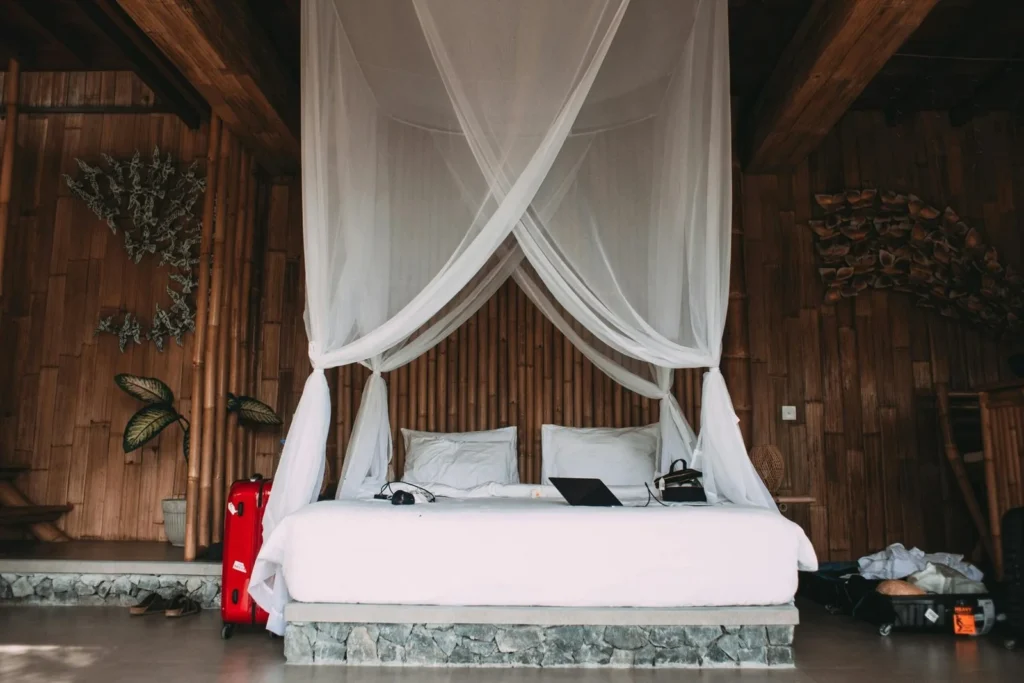
Four-poster bed draped in flowing white netting inside a rustic wooden bedroom

From Cozy Bed Quarters

Trusted External Sources

More Expert Insights

A four poster canopy bed is a bed frame that features four vertical columns, one at each corner, that support an overhead canopy structure. Originally designed for warmth and privacy in drafty castles, these beds have evolved into symbols of luxury and romance. According to The Spruce, they are now often used as focal points in bedrooms, adding grandeur and visual interest.

Today’s versions span a wide range of designs, from ornately carved wood to sleek, modern metal frames. They appeal to people looking to blend old-world charm with contemporary aesthetics. You’ll find them in luxury hotels, romantic Airbnb stays, and design-forward homes—testament to their enduring allure. Some even come with built-in lighting or minimalist canopies that highlight the structure without overwhelming a small room.

This type of bed also allows you to experiment with personal style. Add fairy lights, flowy curtains, or seasonal garlands to match your mood or decor. A canopy bed is like a blank canvas waiting for your creativity.

Adding curtains or fabric around the canopy creates a cocooning effect, ideal for better sleep and noise reduction. Especially in shared rooms or urban environments, this added privacy can make a big difference in rest quality. If you’re light-sensitive or prefer a darker environment for sleep, canopy curtains help block out unwanted light, mimicking the benefits of blackout curtains without compromising style.

Some families even use them in children’s rooms as a fun and imaginative sleeping environment. The enclosed feeling often helps kids sleep more soundly, feeling safe in their “fort.”

Canopy fabric can be swapped to match the seasons—light and breezy in summer, cozy and insulating in winter. This not only helps with temperature control but also lets you update your room’s vibe throughout the year. Layering textures, like pairing velvet in colder months and linen during the warmer seasons, gives your space a dynamic and refreshed look all year long.

Seasonal styling also keeps your bedroom engaging and fun to redecorate. You’re not stuck with one aesthetic—just switch out the textiles, and you’ve transformed the entire feel of the room.

Four poster canopy beds combine timeless elegance and practical comfort. They’re ideal for those wanting a cozy, stylish centerpiece that also improves sleep quality and room ambiance.

Thinking of adding a touch of elegance and comfort to your bedroom? A Four Poster Canopy Bed blends timeless charm with modern style, creating a cozy focal point that transforms any room. Here’s everything you need to know to choose, design, and love your dream bed.

Draping sheer panels, blackout curtains, or even twinkle lights around your canopy adds softness and privacy—and can help block drafts or excess light. It also creates a snug cocoon effect for a calm, luxurious sleep ambiance.

You’ll find canopy beds in natural wood, painted finishes, metal, or upholstered frames. Fabrics can shift the vibe—from airy linen or muslin for a boho look, to heavy velvet or jacquard for formal elegance. Switching canopy fabric lets you refresh the look seasonally or as your taste evolves.

Exploring the Elegance of Queen Canopy Beds

queen canopy beds

Queen Canopy Bed Guide: Styles, Sizing, Eco Options & Buying Tips

Dreaming of a bedroom that feels like a peaceful, luxurious retreat? A Queen canopy bed might be your perfect match. This timeless frame blends elegance with comfort—offering a cozy sense of enclosure, architectural height, and endless styling possibilities. In this guide, we’ll cover what a Queen canopy bed is, who it suits, how to style it, and how to buy wisely—including eco-friendly choices and certifications.

Key Takeaways: Queen canopy bed

  • Balanced presence: A Queen canopy bed delivers drama without overwhelming most rooms.
  • Flexible styling: Dress the frame with sheer drapes, pendant lights, or layered textiles.
  • Space-smart sizing: Works in many primary and guest rooms with ~10′ x 12′ floor plans.
  • Eco choices exist: Choose certified woods, organic bedding, and low-VOC finishes.
  • At least one image’s alt text includes the exact phrase “Queen canopy bed.”

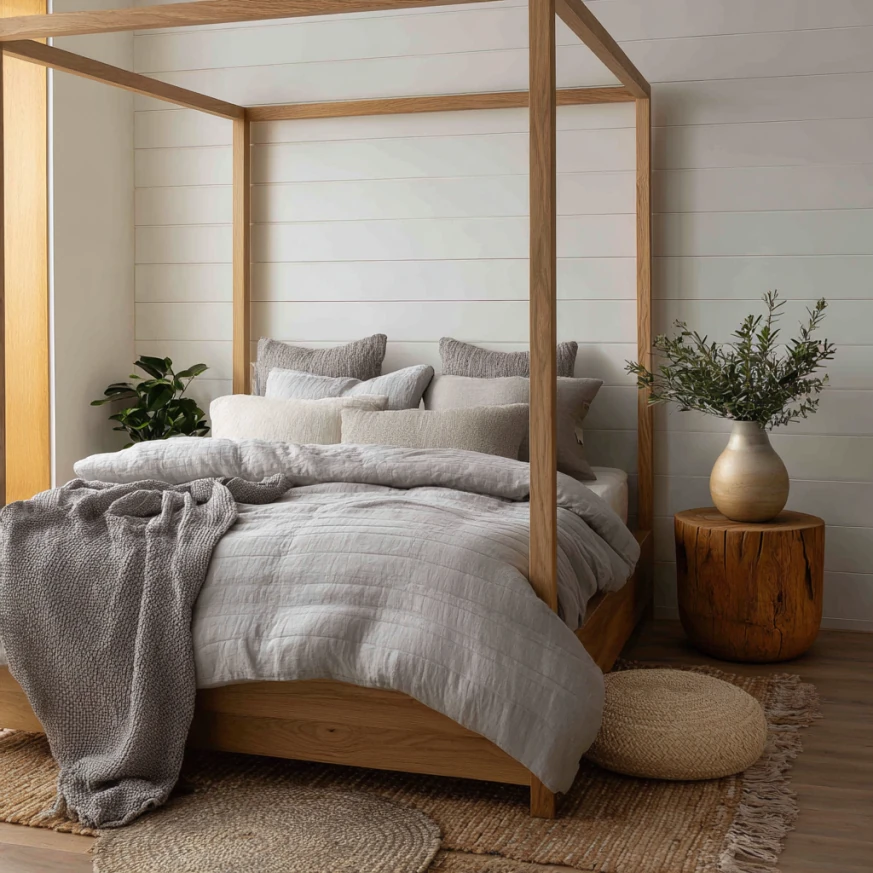
Queen canopy bed in a light oak finish styled for a calm guest room

What Is a Queen Canopy Bed?

Short answer: It’s a queen-size bed frame with four posts connected by rails or an overhead frame. Historically, canopies held drapes for warmth and privacy; today, a Queen canopy bed adds height, softness, and a focal point you can style in many ways.

A standard queen mattress measures 60″ x 80″, so a Queen canopy bed supports that size while adding vertical structure. Before buying, confirm ceiling height and rail clearance to accommodate drapes or lighting.

Room planning tip: For layout basics and dimensions, see the Sleep Foundation’s overview of queen size beds (Queen size dimensions).

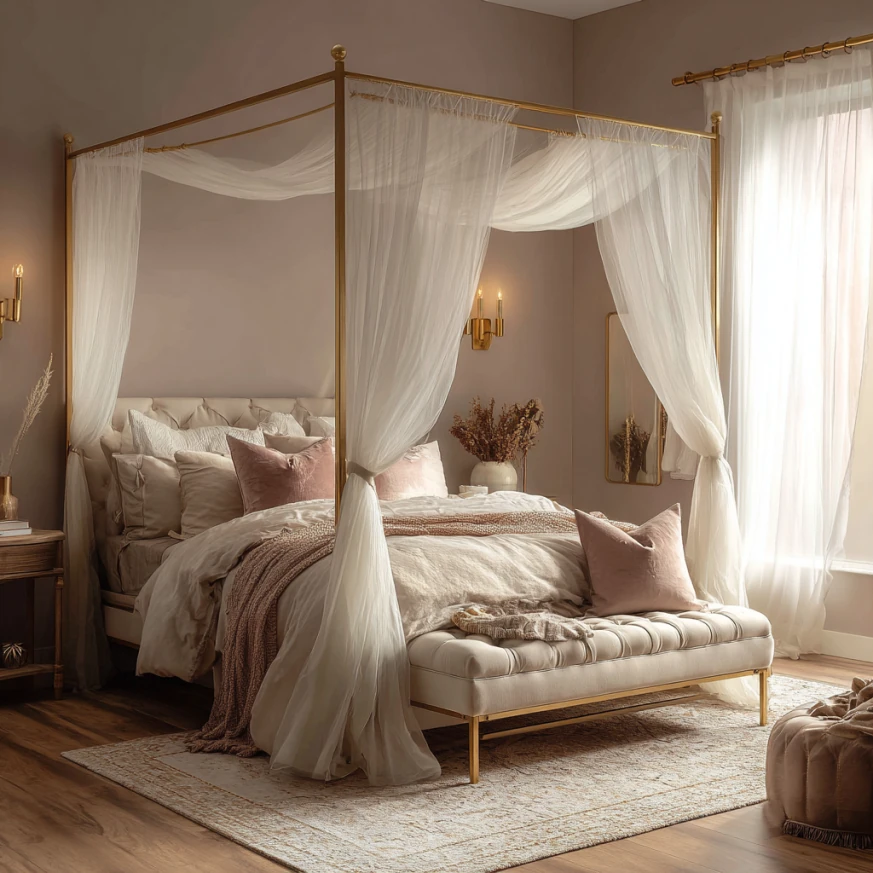
Queen canopy bed with sheer drapes and romantic lighting

Benefits of Choosing a Queen Canopy Bed

In a nutshell: You get visual impact, a cozy sense of enclosure, and near-infinite personalization. A Queen canopy bed is a quick way to make any bedroom feel designed.

  • Visual impact: The frame adds architecture—height, structure, and symmetry.
  • Cozy enclosure: Sheers or panels create a calm, cocoon-like sleep zone.
  • Personalization: String lights, greenery, art, or seasonal textiles keep the look fresh.
  • Versatility: Works with modern, rustic, minimalist, or romantic themes.

Popular Styles and Materials

Here’s the gist: Pick a frame that complements your decor and maintenance preferences. Metal reads sleek and airy; wood feels warm and grounded.

Styles:

  • Modern minimalist: Matte black or brass frames with clean lines.
  • Rustic wood: Solid wood or veneer with natural grain and warm tones.
  • Romantic upholstered: Soft headboards and plush details for a luxe vibe.
  • Luxury metallic: Polished gold or chrome paired with velvet bedding.

Materials: Iron, steel, aluminum, oak, walnut, pine, and engineered hardwood are common. Look for sturdy joinery, smooth welds, and a finish that resists scratches.

Want design deep-dives? Explore our Cozy Bed Quarters guides on canopy bed styles and a full tour of Queen canopy bed elegance.

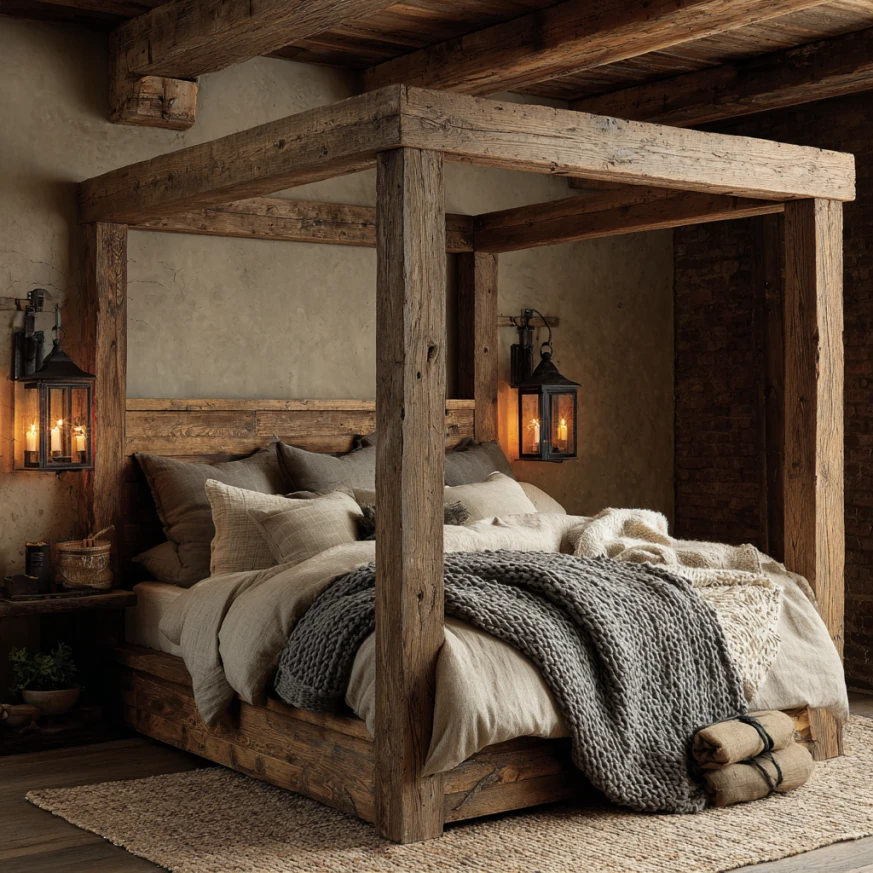
Rustic wood Queen canopy bed with farmhouse decor

How to Style Your Queen Canopy Bed

Quick take: Style from the top down. Treat the canopy as a stage frame, then layer textiles and lighting for mood.

  • Sheer drapes: Soften lines and add privacy without feeling heavy.
  • Pendant lights: Hang low from the canopy for warm evening glow.
  • Boho accents: Rattan side tables, macramé, and layered rugs add texture.
  • Seasonal swaps: Linen panels for summer; velvet or flannel for winter.

See more styling ideas in our canopy bed decorating guide and 7 decor themes for canopy beds. For bedding fabrics, Parachute’s primer clarifies percale, sateen, and linen (bedding material guide).

Boho Queen canopy bed with macramé accents and layered textiles

Who Should Choose a Queen Canopy Bed?

Bottom line: Couples and solo sleepers who want extra width without a massive footprint. A Queen canopy bed fits many rooms yet still feels grand.

Target room size: Aim for ~10′ x 12′ or larger with ceilings around 8′ or more. If your room is compact, choose a slim metal frame and keep linens light to avoid visual weight. If the bedroom is spacious, wood posts or upholstered details add presence.

Buying Tips and Considerations

TL;DR: Measure twice, check clearance, and pick materials that match your lifestyle and budget.

  • Ceiling height: Leave ~6″ of clearance above the tallest point of the frame.
  • Layout room: Ensure space for nightstands, lamps, and traffic paths.
  • Rails & drapes: Confirm whether rails and panels are included or sold separately.
  • Finish & longevity: Look for durable powder-coated metal or sealed hardwood.
  • Noise & stability: Ask about center support legs, slat spacing, and hardware quality.

Exploring materials and finishes? Check our metal-specific overview: metal canopy beds, and for glam options: gold canopy beds.

Eco-Friendly vs. Conventional Canopy Bedding

Fast answer: Eco bedding reduces chemical exposure and can lower environmental impact. Conventional options may cost less upfront but often use finishes you may want to avoid.

Eco-conscious sheets include organic cotton, linen, hemp, and TENCEL™ lyocell. Look for certifications such as GOTS (organic fibers), OEKO-TEX® (tested for harmful substances), and FSC® for responsibly sourced wood. Organic bedding tends to breathe better, last longer, and age beautifully.

Conventional bedding can still be comfortable. Prioritize long-staple cotton, honest thread counts, and reputable brands. For material pros and cons, see Sleep Foundation’s guide to sheet materials (sheet materials overview).

Buyer’s Guide: Certifications & What to Look For

Quick take: Certifications help you verify claims, while a few specs determine comfort and durability.

  • Wood & finish: FSC® or PEFC for wood; low-VOC stains or water-based finishes.
  • Slats & support: Slats should be sturdy and evenly spaced; center support for queen is ideal.
  • Hardware: Bolted joints beat flimsy connectors; look for replacement part availability.
  • Textiles: GOTS for organic, OEKO-TEX® Standard 100 for chemical safety.
  • Care: Removable panels or washable drapes make upkeep easy.

If you’re comparing mattress sizes for your frame, Sleep Foundation’s size chart is a handy reference (mattress sizes 101).

Trusted Styling Examples

Summary: Use airy textiles and proportion-aware frames to keep a Queen canopy bed from overpowering the room.

Better Homes & Gardens shows how canopy beds can enhance modest ceiling heights with the right scale and light fabrics (canopy bed ideas). For bedding layers, Parachute’s how-to makes building a polished bed simple (make a bed like a pro).

Quick Answer: Should You Buy a Queen Canopy Bed?

Yes. If you want an elegant bed that’s customizable and cozy, a Queen canopy bed is a smart choice for many rooms and design styles. The right frame, textiles, and lighting transform your space without requiring a full remodel.

Frequently Asked Questions

Can a Queen canopy bed work in a small room?
Yes—choose a slim frame, keep linens light, and limit tall furniture nearby to maintain sightlines.
What type of mattress works best?
Most Queen mattresses—hybrid, memory foam, or innerspring—pair well. Focus on support, motion isolation, and frame slat spacing.
Do I need curtains or panels?
No, but sheers add softness and privacy. Linen panels create summer breeze; velvet panels warm the room in winter.
What ceiling height is ideal?
Eight feet can work with low-profile frames. If your ceiling is lower, avoid thick toppers or tall finials.
How do I prevent a canopy from feeling heavy?
Use breezy fabrics, light bedding palettes, and slender posts. Add uplighting to draw the eye up without bulk.

Final Thoughts

A Queen canopy bed brings architecture, comfort, and personality to your space. Start with the style that fits your room, then layer lighting and textiles for year-round versatility. For more inspiration and buying tips, explore Cozy Bed Quarters’ canopy hub pages and comparisons below.

Further reading on Cozy Bed Quarters:

External resources:

Choosing the Perfect Painted Sleigh Bed for Your Home

painted sleigh bed


Painted Sleigh Bed: Choosing the Perfect Style for Your Bedroom

Shopping for a painted sleigh bed? This warm, practical guide covers styles, sizes, materials, finishes, prices, and styling ideas so you can pick a bed that looks beautiful and sleeps comfortably—without guesswork.

Key Takeaways: Painted Sleigh Bed

  • A painted sleigh bed pairs timeless curves with color options that fit classic or modern rooms.
  • Measure floor space and ceiling height; choose king or queen based on room size and sleep preferences.
  • High-quality paints (satin or matte) hide wear; wood frames are durable while upholstered options add softness.
  • Plan the look: neutral beds blend in; bold colors become a focal point—style with organic bedding or eco-conscious sheets.
  • Budget $300–$700 for entry level, $700–$1,500 for solid wood mid-range, and $1,500+ for designer or custom builds.

Understanding Painted Sleigh Beds

Answer first: A painted sleigh bed is defined by its curved headboard and footboard, then finished in color to suit your style. It brings heritage lines into today’s bedrooms with an easy, refreshable finish.

What Is a Painted Sleigh Bed?

A painted sleigh bed keeps the signature “sleigh” silhouette—curved headboard and footboard—while swapping stain for paint. That finish lets you match trim, coordinate with your palette, or create contrast.

Why Choose One?

Answer first: You get a statement shape and a finish that’s easy to touch up. A painted sleigh bed brightens dark wood rooms or adds color to minimalist spaces.

  • Aesthetic appeal: From soft white to navy, the painted surface becomes part of your color story.
  • Versatility: Works with cottage, traditional, transitional, and modern looks.
  • Customization: Repaint over time to refresh the mood without replacing the frame.

This image shows a white painted sleigh bed styled in a calm bedroom to illustrate how a painted sleigh bed anchors the space with its graceful curves.

Choosing the Right Size

Answer first: Size is the biggest comfort and layout decision. Pick a painted sleigh bed that leaves 24–36 inches of walkway around the frame and matches your mattress size.

King Sleigh Beds

Answer first: Choose king if you have a larger primary bedroom or need more personal space.

  • Spacious comfort: Ideal for couples who sprawl or co-sleep with pets.
  • Room proportions: Ensure door swing and dresser access still work after placing a king painted sleigh bed.
  • Measurement help: Compare clearances to standard mattress sizes from the Sleep Foundation’s guide to mattress dimensions. See standard sizes. :

Other Sizes

Answer first: Queens fit most rooms; full and twin sizes save floor space in guest and kids’ rooms.

  • Queen: Balanced comfort for most couples; works well with a queen painted sleigh bed in medium rooms.
  • Full and Twin: Smart for smaller rooms; check frame curvature so the footboard doesn’t crowd circulation paths.
  • More planning tips: See Sleep Foundation’s overview of bed frame types and sizing. Bed frame types & sizing.

This photo features a gray painted sleigh bed in a bright modern room to show how a painted sleigh bed can feel airy even in contemporary spaces.

Material and Finish

Answer first: Wood frames last longest; upholstered versions add softness. Finish sheen affects maintenance and touch-ups on a painted sleigh bed.

Wood vs. Upholstered

Answer first: Pick wood for durability or upholstered for a plush look and feel.

  • Wood: Solid hardwoods resist dings and hold paint well on a painted sleigh bed.
  • Upholstered: Adds texture and comfort; clean fabric regularly and spot-treat promptly.

Paint Quality & Sheen

Answer first: High-quality paint hides wear and makes cleaning simple. Satin and matte are most forgiving.

  • Durability: Look for low-VOC, furniture-rated paints that resist chipping on your painted sleigh bed.
  • Finish options: Matte softens curves; satin balances cleanability and elegance; gloss is bold but shows imperfections.

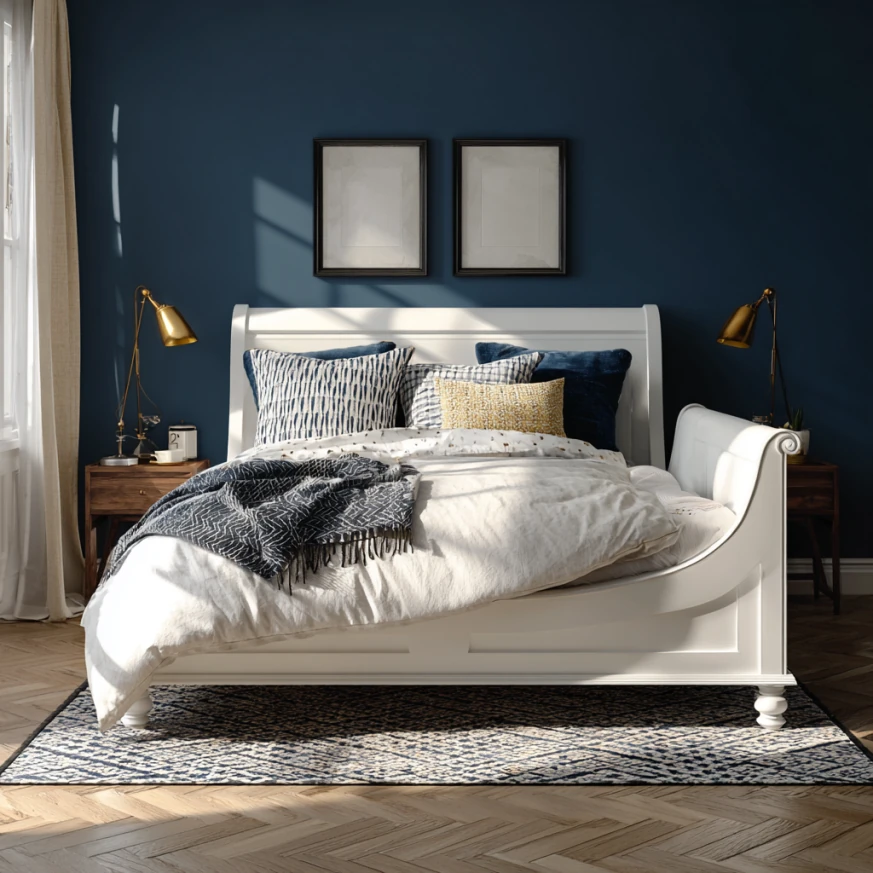
This image displays a blue painted sleigh bed with colorful pillows to demonstrate how a painted sleigh bed becomes a vibrant focal point with accent textiles.

Style Considerations

Answer first: Decide whether your painted sleigh bed should blend in or make a statement, then echo that choice in bedding and decor.

Traditional vs. Modern

Answer first: Traditional sleighs feature richer curves; modern versions streamline lines and reduce ornamentation.

  • Traditional: Deeper headboard curves and decorative rails suit vintage dressers and brass lighting.
  • Modern: Slimmer profiles in soft neutrals pair with simple nightstands and clean hardware.

Color Choices

Answer first: Neutrals are timeless; saturated hues can be the star. Choose the painted sleigh bed finish that supports your room’s mood.

  • Neutrals: White, cream, or gray keep rooms calm and make layering easy. Explore soothing bedroom paint colors from Better Homes & Gardens for palette ideas. See soothing colors.
  • Bold: Navy, forest green, or black turn the bed into a focal point—balance with lighter linens and art.

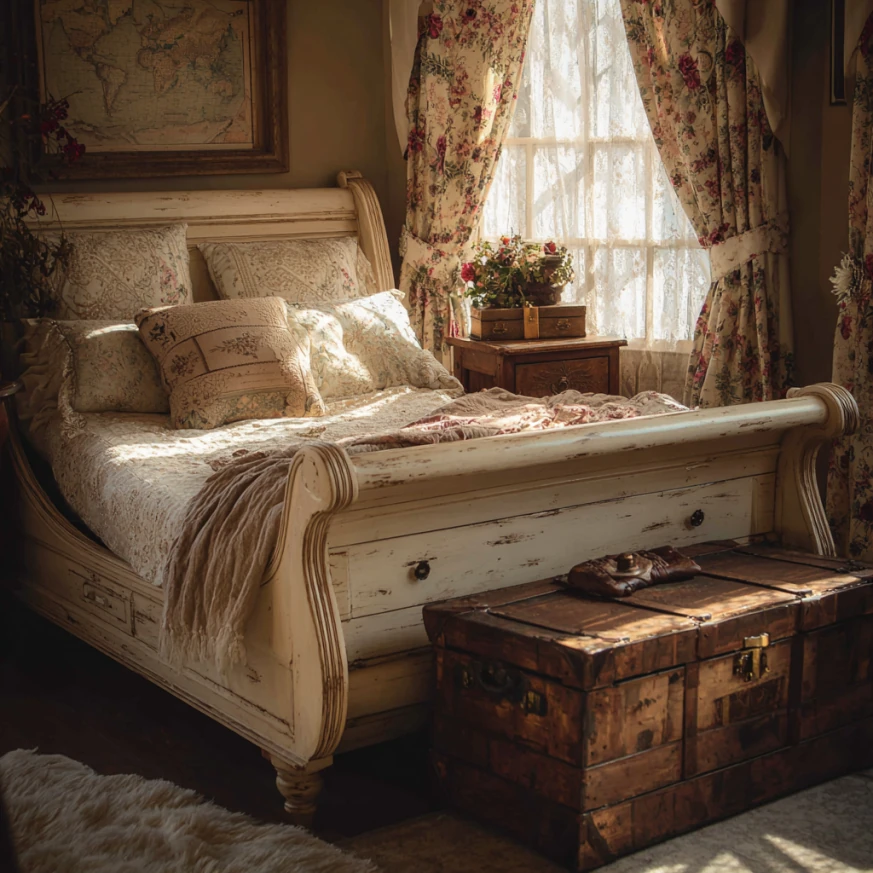
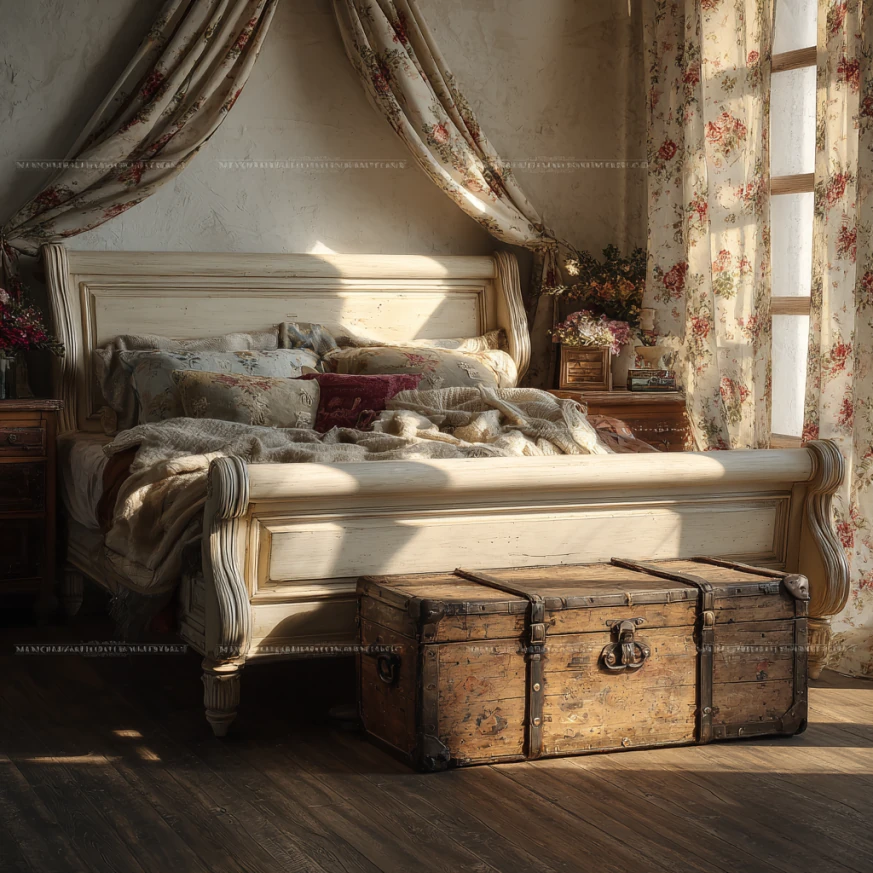
This photo shows a cream painted sleigh bed in a traditional room to highlight how a painted sleigh bed complements classic furniture and warm lighting.

Buying Guide & Price Range

Answer first: Expect entry-level options from $300–$700, solid-wood mid-range from $700–$1,500, and designer builds at $1,500+ for premium woods or custom finishes on a painted sleigh bed.

  • Budget ($300–$700): Veneered or MDF frames; confirm weight limits and joinery.
  • Mid-Range ($700–$1,500): Solid wood, stronger slats, and better hardware—often the sweet spot.
  • Luxury ($1,500+): Hardwood construction, custom paint, artisan details, or upholstered rails.

For mattress/frame alignment and room planning, the Sleep Foundation’s mattress size guide is a handy reference. Mattress sizes.

Wood vs. Upholstered Comparison

Feature Wood Painted Sleigh Bed Upholstered Painted Sleigh Bed
Durability Highly durable, long-lasting Durable frame; fabric needs more care
Style Classic, traditional look Soft, modern appearance
Maintenance Easy to dust; touch-up paint as needed Vacuum/spot-clean upholstery as needed
Price Generally affordable to mid-range Often higher due to fabric and padding

This image captures a minimalist gray painted sleigh bed to show how a painted sleigh bed can read understated and elegant with soft lighting.

Eco-Friendly Finishes & Bedding

Answer first: If sustainability matters, choose low-VOC paint for your painted sleigh bed and pair it with eco-conscious textiles.

  • Low-VOC paints: Reduce odors and emissions; ideal for bedrooms.
  • Textiles: Balance the traditional frame with organic bedding, sustainable bedding, and eco-conscious sheets for healthier sleep and a cohesive design.
  • Fabric picks: Linen, percale, or sateen each changes the look and feel; learn differences in Parachute’s guide. Percale vs sateen vs linen.

Matching with Existing Decor

Answer first: Treat your painted sleigh bed as the anchor. Then repeat its color or contrast it thoughtfully with textiles and accents.

Complement Your Furniture

Answer first: Keep styles cousins, not strangers. Curvier beds like a painted sleigh bed pair well with rounded mirrors and classic pulls.

  • Coordinate colors: Pull a tone from your rug or drapery onto the bed frame.
  • Harmonize styles: If you love flow, reference Feng Shui layout basics for better balance. Feng Shui layout principles (internal).

Bedding & Accessories

Answer first: Layer texture to soften the frame. Choose breathable linens for comfort and add pattern through throws or shams.

  • Bedding: Crisp percale cools; linen adds relaxed texture over a painted sleigh bed.
  • Color therapy: For a calming palette that flatters painted furniture, try light blues. Light blue bedroom accessories (internal).
  • Kids’ rooms: Save space with smart storage near a petite painted sleigh bed. Bookcase storage beds for kids (internal).

This photo shows a crisp white painted sleigh bed layered with neutral bedding to demonstrate how a painted sleigh bed becomes the room’s calm focal point.

Maintenance Tips

Answer first: Gentle, regular care keeps a painted sleigh bed looking new for years.

Cleaning & Care

Answer first: Dust weekly; spot-clean promptly. Avoid harsh chemicals that may dull paint.

  • Weekly dusting: Use a soft microfiber cloth on rails and headboard.
  • Monthly wipe-down: Lightly damp cloth; dry immediately to protect the painted sleigh bed finish.
  • Extra tips: See Parachute’s care guide for bed frames and wood surfaces. Bed frame care and cleaning wood furniture.

Repairing Paint Dings

Answer first: Keep a small pot of matching paint for quick touch-ups on your painted sleigh bed.

  • Spot fixes: Lightly sand, wipe dust, then dab paint.
  • Larger repairs: Consider a professional refinisher to color-match and re-topcoat.

FAQ

What color works best for a painted sleigh bed?
Neutrals like white, cream, or soft gray are timeless; bold hues make the bed a statement. For palette ideas, browse soothing bedroom paint colors. Color inspiration.
Are painted sleigh beds durable?
Yes—quality wood, sturdy slats, and furniture-rated paint stand up well with regular care.
What bedding pairs well with a painted sleigh bed?
Balance the curves with crisp percale or relaxed linen; consider organic bedding, sustainable bedding, or eco-conscious sheets for healthier sleep.
Can I repaint a painted sleigh bed later?
Absolutely. Lightly sand, prime if needed, and repaint to refresh the color.
Which size fits a small room?
Full or twin saves space; verify clearances using standard bed/mattress measurements. Size guide.

Final Thoughts on Painted Sleigh Beds

A painted sleigh bed blends classic lines with color-forward design, making it an easy upgrade for many styles and budgets. If you’re refining layout, color, or sleep routines, browse more tips from Cozy Bed Quarters to create a bedroom you love every night.

Related Readings


What Is a Sleigh Bed? Design, History, Sizing and Buying Tips

Sleigh bed with curved wood design and cozy bedding in a warmly lit, elegant bedroom.

What is a sleigh bed? It’s a bed frame with a headboard and footboard that curve or scroll outward, so the profile looks a bit like an old horse-drawn sleigh. The style came out of early 1800s French and American Empire furniture, and today it shows up in solid wood, upholstered and storage-drawer versions that fit standard mattress sizes.

What makes a bed a sleigh bed

Three things, really, and they’re what separate a sleigh bed from any other wooden frame. The headboard curves back away from the mattress instead of standing straight up. The footboard mirrors it, curving out toward the room. And the side rails are usually solid panels rather than thin metal angle iron, which is why these frames feel heavy and look grounded.

Everything else varies. Some sleigh beds have a dramatic C-shaped scroll at both ends; others only hint at the curve with a gentle rake. Upholstered versions round the shape with padding and a wing-like flare instead of bent wood.

A few numbers that help you picture it:

  • Headboard height: commonly 45 to 58 inches from the floor on traditional wood models.
  • Footboard height: roughly 20 to 35 inches on classic designs, 14 to 22 inches on low-profile ones.
  • Wall gap: because the headboard leans back, the frame usually sits 2 to 5 inches off the wall.
  • Weight: a solid hardwood queen frame can easily top 100 pounds, which matters if you move often.

What is a sleigh bed: traditional mahogany frame with scrolled headboard and footboard

Sleigh bed vs. panel bed vs. platform bed

Feature Sleigh bed Panel bed Platform bed
Headboard shape Curved or scrolled, leans back Flat, vertical Often low or none
Footboard Tall and curved, standard Usually present, flat Often skipped
Foundation needed Depends on model; many take slats only Often needs a box spring Built-in slat deck
Floor footprint Largest for the same mattress Medium Smallest

Where the sleigh bed came from

The shape traces back to the Neoclassical wave that swept France after the digs at Pompeii and Herculaneum sent designers hunting through ancient Greek and Roman couch forms. Under Napoleon that taste hardened into the Empire style, full of classical scrolls and mahogany veneer. The Metropolitan Museum of Art’s overview of Empire style, 1800–1815 notes how Napoleon’s architects, Percier and Fontaine, spread that vocabulary through published pattern books.

In France the form was the lit en bateau, or boat bed: two scrolled ends of equal height, built to sit sideways against a wall in an alcove. Surviving 19th-century examples are usually figured mahogany with moulded front panels and bracket feet.

American cabinetmakers picked up the shape during the American Empire period, roughly 1810 to 1840, and that’s where the name stuck: the scrolled ends echoed the runners and dashboard of a winter sleigh. Early versions were massive, with thick veneered panels and carved paw feet. Victorian makers slimmed them down, and by the late 20th century a sleigh bed could be pine, metal or padded fabric.

If old bed forms interest you, the history of the four-poster bed covers a parallel story from a different century.

What is a sleigh bed made of today?

  • Solid wood: oak, acacia, rubberwood, mahogany or cherry. Heaviest, longest-lasting, most expensive. Curves are made by steam bending or by laminating thin plies over a form.
  • Veneered engineered wood: MDF or particleboard with a wood or paper-foil face. Cheaper, lighter, likelier to chip at the corners.
  • Upholstered: velvet, linen-look polyester, faux leather or boucle over foam. Softer against your back for reading, but it collects dust and shows pet claws. Our look at the Dulane upholstered sleigh bed covers what that style is like to live with.
  • Metal: curved tube frames with a scroll silhouette. Lightest and usually cheapest, though they squeak more as joints loosen.
  • Storage sleigh beds: two to four drawers built into the side rails or a lift-up deck underneath.

Modern low-profile sleigh bed with a gently curved headboard in a minimalist bedroom

Will a sleigh bed fit your room?

So what is a sleigh bed going to cost you in floor space? More than you’d guess, and this is the part people skip and then regret. The outside footprint is bigger than the mattress inside it, because the ends flare out — so you lose floor space you didn’t budget for.

Start with mattress sizes: twin 38 x 75 inches, full 54 x 75, queen 60 x 80, king 76 x 80, California king 72 x 84. A sleigh frame typically adds 4 to 10 inches of width and 6 to 14 inches of length on top, depending on how far the scrolls project, so a queen can occupy roughly 68 x 92 inches of floor.

Then add walkways. Aim for about 30 inches of clear space on each side you use and 30 to 36 inches at the foot. Run the math before you order:

  1. Measure the room wall to wall, noting where doors swing or slide.
  2. Find the frame’s overall dimensions on the spec sheet, not the mattress size.
  3. Add 60 inches of width if you want to walk both sides, or 30 if one side goes against a wall.
  4. Add the headboard’s lean-back gap, often 2 to 5 inches.
  5. Tape the outline on the floor and live with it for a day.

Rooms under about 10 x 10 feet usually do better with a low-profile sleigh bed, or one with no footboard at all. Sizing a full instead? Our full size bed dimensions guide has layout diagrams, and if space is really tight, the space-saving bed frames roundup is a better starting point.

Sleigh bed with built-in under-bed storage drawers open along the side rail

Storage drawers need pull-out room

A side drawer needs 20 to 24 inches to open, so a storage sleigh bed jammed against a narrow wall ends up with a drawer you can never fully use. Check which side the drawers sit on; many models assemble left or right.

What to check before you buy a sleigh bed

Buying a sleigh bed comes down to joinery and support. Run this checklist:

  • Slat spacing. Most foam and hybrid mattress warranties want gaps of about 3 inches or less plus a center support with legs to the floor. Read the mattress warranty, not the bed listing.
  • Center rail legs. Queen and larger frames should have at least two, ideally three, legs down the middle. One flimsy plastic foot is a sag waiting to happen.
  • Rail-to-post hardware. Steel hook plates or bolt-and-barrel-nut joints outlast dowels and cam locks. Retighten every bolt after a month, then yearly — that’s what stops the midnight creak.
  • Mattress thickness. Sleigh rails often sit 10 to 14 inches off the floor. Stack a 14-inch mattress on top and the curved footboard shrinks to a nub while your pillows slide over the headboard. Match mattress height to the rail height in the specs.
  • The curve itself. Tap it. Bent solid wood or laminated ply sounds dense; a hollow molded shell sounds like a drum.
  • Formaldehyde. If the frame uses MDF, plywood or particleboard, look for a TSCA Title VI or CARB Phase 2 compliance label. The EPA’s composite wood emission standards cover panels made in or imported into the US, and the label should name the panel producer and a third-party certifier number.
  • Delivery. Measure stairwell turns and doorway widths — sleigh headboards are wide, rigid pieces that won’t flex around a tight landing.

Curious how the curves are actually produced in different woods? Our wooden bed design guide goes deeper on species and finishes.

Living with the footboard

The tall footboard is the whole look, and the main complaint. If you’re over about 6 feet, stretch out on the mattress before buying: a footboard that curves inward at the top crowds your feet on a 75-inch twin or full. An 80-inch queen or king usually fixes it.

Bedding behaves differently too. Duvets can’t drape over the end, so they bunch against the footboard. Either size down one step on the duvet or skip the tucked look and fold a throw across the foot. Deep-pocket fitted sheets help when the mattress sits low between high rails.

Styling a sleigh bed without making the room feel heavy

A sleigh bed already carries a lot of visual mass, so let it be the loud thing in the room.

  • Keep nightstands slim and leggy so light passes under them.
  • Size the rug to the footprint: an 8 x 10 under a queen leaves rug showing on three sides, so the bed doesn’t look marooned.
  • Hang art higher than feels natural; the headboard eats 45-plus inches of wall.
  • Pale walls balance a dark mahogany or walnut frame; with light oak or fabric, you can go darker around it.
  • Limit the pillow pile to three or four. Curved headboards push pillows forward anyway.

Styled sleigh bed with layered neutral bedding, a throw folded at the footboard and slim nightstands

Care and repair

Dust wood frames with a dry or barely damp cloth and skip silicone sprays, which build up on curves and go cloudy. Wipe spills off veneer fast, since water creeping into a seam lifts the edge. On upholstered frames, vacuum the crevice where the deck meets the headboard monthly and check the tag’s cleaning code before using water. Felt pads under the feet protect hardwood floors.

Squeaks almost always come from loose rail bolts or slats rubbing their ledger. Tighten the bolts first; if it keeps going, stick adhesive felt strips where the slats rest, and work through a full guide to tracking down a squeaky bed frame.

Sleigh bed FAQ

Are sleigh beds out of style?

No, but the look has shifted. Heavy high-gloss mahogany sets read dated to a lot of people now, while low-profile wood and upholstered versions fit current bedrooms fine. For the shape without the formality, pick a matte finish and a footboard under about 22 inches.

Do sleigh beds need a box spring?

Depends on the model. Many modern ones ship with a full slat deck and need nothing else. Traditional frames have rails cut for a box spring, which adds 5 to 9 inches of height. The listing should say “foundation required” or “no box spring needed.”

Can you use an adjustable base with a sleigh bed?

Sometimes. The base has to fit inside the side rails, and the headboard curve has to clear the raised head section, so frames with removable slat decks work best. Measure inside rail width and height, then check the base specs.

Do sleigh beds work in small bedrooms?

Yes, with edits. Choose a footboard-free or low-profile version, a lighter finish, and storage drawers only if you have pull-out room. Losing the tall footboard gives back a foot or more of usable floor.

Why are sleigh beds more expensive?

Curved parts cost more to make than flat ones, since steam bending or laminating over a form takes tooling and time. Solid side rails also use more material than a metal-railed panel bed, and upholstery adds foam, fabric and hand labor.

Updated September 2026.

Choosing the Best Type of Bed for Side Sleepers

bed for side sleepers


Bed for Side Sleepers: Comfort & Support (2025 Guide)

The best bed for side sleepers cushions the shoulders and hips while keeping the spine aligned. This guide explains which mattress types work best, what firmness to choose, and how to fine-tune cooling, motion isolation, and durability so you wake up comfortable and pain-free.

Key Takeaways: bed for side sleepers

  • Side sleepers need plush pressure relief at the shoulders and hips plus steady lumbar support.
  • Medium to medium-soft firmness works for most people; consider body weight and materials.
  • Top picks include memory foam, hybrid, and latex beds for a balanced feel and durability.
  • Cooling covers, breathable foams, and coils help hot sleepers maintain a steady temperature.
  • Test motion isolation if you share the bed; the phrase bed for side sleepers often implies low transfer.

Why Side Sleepers Need a Specialized Bed

Side sleeping concentrates weight on narrower contact points. Without the right blend of contour and support, the shoulder compresses and the hip sinks unevenly. The result is morning stiffness or lingering pressure pain.

The right mattress gently cradles curves while bracing the midsection. Aim for even contact across the body so the spine stays neutral and muscles can relax.

A relaxed sleeper tests a bed for side sleepers to ensure pressure relief at the shoulders and hips and neutral spinal alignment.

Key Considerations for Side Sleepers

Answer first: Prioritize pressure relief and alignment, then refine cooling, motion isolation, and durability to match your lifestyle.

  • Pressure Relief: Plush surface foams reduce stress on shoulders and hips.
  • Spinal Alignment: Stable support layers prevent the midsection from dipping.
  • Comfort + Support Balance: Seek contour without excessive sink or “stuck” feel.

Best Types of Bed for Side Sleepers

Memory Foam Beds

Answer first: Memory foam is the go-to for deep contouring and motion isolation. If you want a close hug with minimal partner disturbance, start here.

Memory foam conforms to your curves, easing pressure around the shoulders and hips while maintaining a neutral spine. Couples appreciate its ability to absorb movement, and many modern foams integrate cooling infusions or open-cell designs to reduce heat buildup.

  • Excellent pressure relief for joints and curves.
  • Consistently supportive alignment overnight.
  • Outstanding motion isolation for light sleepers.

Compare materials and feel in our Types of Mattresses guide (internal).

For curated picks, see Best Memory Foam Mattress: Side Sleepers (internal).

Independent testing aligns with this advice; the Sleep Foundation’s side-sleeper roundup emphasizes foam or latex for close contouring and healthy alignment learn more.A couple tests a memory foam bed for side sleepers to feel contouring at the shoulders, gentle hip support, and restful pressure relief.

Hybrid Beds

Answer first: Hybrids blend foam comfort with coil support for a buoyant yet pressure-relieving feel. Choose this if you like a bit of bounce and better airflow.

Pocketed coils add lift, edge stability, and breathability, while foam layers cushion sharp pressure points. Hybrids are a solid middle ground for side sleepers who want contour without a deep “sink.”

  • Balanced support and softness for many body types.
  • Improved airflow for hot sleepers.
  • Durability from steel coils and denser foams.

Make sure the size suits your room and sleeper count with our Bed Sizes Guide (internal).

If you prefer a firmer feel, see guidance on when firm beds fit certain side sleepers, especially at higher body weights here. :contentReference[oaicite:1]{index=1}

Layered cutaway shows how a hybrid bed for side sleepers combines breathable coils with plush foams for contouring and support.

Latex Beds

Answer first: Latex offers responsive cushioning with a lifted feel, great for side sleepers who want support without slow-moving sink.

Natural latex is durable, springy, and more breathable than traditional memory foam. Its quick response helps you change positions easily while still reducing pressure around the shoulder and hip.

  • Resilient comfort with subtle contour.
  • Naturally cooler and long-lasting.
  • Good option for eco-minded shoppers.

See how latex compares to other builds in our breakdown: Memory Foam vs. Latex vs. Innerspring (internal).

Innerspring Beds with a Plush Topper

Answer first: Prefer a traditional coil feel? Pairing an innerspring with a plush topper can create side-sleeper cushioning without sacrificing support.

Coil units supply sturdy pushback and strong edge support. A quality topper adds pressure relief for the shoulder and hip, helping you dial in comfort on a budget or refresh an existing mattress.

  • Buoyant coil support to keep the spine neutral.
  • Excellent breathability for hot sleepers.
  • Budget-friendly customization with topper swaps.

Additional Factors for Side Sleepers

Mattress Firmness Level

Answer first: Most side sleepers thrive on medium to medium-soft. Heavier bodies may prefer medium-firm hybrids that still cushion pressure points.

Industry testing frequently places side sleepers in the soft-to-medium range for alignment; too firm can drive pressure into the shoulder, while too soft can collapse the midsection. Guidance from expert reviews echoes this range with nuance by weight and preference. See details.

Mattress Thickness

Answer first: A profile of 10–12 inches usually balances comfort layers and support cores for side sleepers.

Thicker comfort stacks give the shoulders space to nestle while the support core holds posture. Ultra-thin beds can feel firm and bottom out for curvier bodies.

Material Quality & Certifications

Answer first: Look for reputable foam and textile certifications to minimize harmful chemicals and odors.

Common labels include CertiPUR-US for foams and OEKO-TEX for textiles. Natural latex seekers can also look for GOLS/GOTS when applicable.

Temperature & Breathability

Answer first: If you run warm, prioritize cooling covers, open-cell foams, or hybrids with airflow.

Fabric selection matters too—percale typically sleeps cooler than sateen, while linen breathes well across seasons. Parachute’s fabric guides explain weave differences and temperature feel compare here. :contentReference[oaicite:3]{index=3}

Explore more cooling strategies in our primer on Temperature-Regulating Bedding (internal).

Motion Isolation for Couples

Answer first: Memory foam minimizes transfer the best; pocketed-coil hybrids with thicker foams also perform well.

Light sleepers who wake to every turn benefit from deeper comfort layers and denser transition foams. For a quick primer, see our note on Motion Transfer Reduction (internal).

Sleeping Partner Considerations

Answer first: Choose materials that suit both sleepers, and size up if space is tight. Good motion isolation protects rest for different schedules.

Couples often land on memory foam or hybrid builds for the best mix of contour and stability. To build healthier habits together, try our research-backed Sleep Hacks (internal).

Buyer’s Guide for Side Sleepers

Step 1: Match Firmness to Body Type

Answer first: Under ~230 lb, start at medium or medium-soft; over ~230 lb, consider medium-firm hybrids that still cushion the shoulder.

Expert roundups reiterate that firmer designs can work for some heavier side sleepers who still sink enough to relieve pressure, while many average-weight sleepers prefer medium for balance. Read more nuances. :contentReference[oaicite:4]{index=4}

Step 2: Choose Your Core Construction

Answer first: Foam maximizes pressure relief; latex adds buoyancy; coils improve airflow and edge strength. Pick the feel you want first.

To compare builds side-by-side, review our comprehensive Types of Mattresses guide (internal).

Step 3: Confirm Cooling Features

Answer first: Hot sleepers should look for breathable covers, gel or graphite infusions, aerated latex, and pocketed coils.

Textile choices matter as much as foams; percale typically sleeps cooler than sateen, while linen remains breathable and durable season to season. Percale guide and Sateen guide. :contentReference[oaicite:5]{index=5}

Step 4: Check Edge Support & Ease of Movement

Answer first: If you sit or sleep near the edge, hybrids often provide sturdier perimeters than all-foam designs.

Latex and some hybrids also respond faster to movement, which can be helpful for combination sleepers who frequently swap sides.

Step 5: Don’t Forget Trial, Warranty, and Returns

Answer first: Favor trials of 90+ nights and transparent return terms. A minimum 10-year warranty is typical for well-built mattresses.

Always unbox within the trial window and document defects early so support claims are simple.

FAQ About Bed for Side Sleepers

What is the ideal mattress firmness for side sleepers?
Most people do best on medium to medium-soft, with firmer options for heavier bodies that still need pressure relief.
Are memory foam beds too hot for side sleepers?
Not necessarily. Look for open-cell foams, gel or graphite infusions, and cooling covers. Hybrids and latex also improve airflow.
How often should a side sleeper replace their mattress?
Plan on 7–10 years for quality models; heavy use or softer designs may need earlier replacement.
What if my shoulder still hurts on a new mattress?
First, give it a full 30-night break-in. If pain persists, try a plusher topper, adjust your pillow height, or consider a medium-soft model.
Which size is best for couples who side sleep?
Queen fits most rooms, but a King or California King offers better shoulder room and motion isolation. See our Bed Sizes Guide (internal).

Final Thoughts

The right bed for side sleepers balances plush pressure relief with steady support so your spine stays neutral. Whether you pick memory foam for deep contouring, a hybrid for airflow and bounce, or latex for resilient comfort, the best choice is the one that keeps you comfortable through the night. For more mattress and bedding insights, explore Cozy Bed Quarters (internal) and trusted, expert resources below.


From Cozy Bed Quarters

Trusted External Sources

Eco Friendly Bed Frame: Sizes, Weight Limits and What to Check

Eco friendly bed frame made of reclaimed wood in a cozy, sunlit bedroom with sustainable decor.

An eco friendly bed frame is one you can trace and repair: solid or reclaimed wood carrying an FSC chain-of-custody claim, recycled-content steel, or bamboo, finished with low-emission coatings and joined so parts can be replaced instead of thrown out. If you want one shortcut, look for two things on the spec sheet: solid wood (not particleboard or MDF) and a third-party emissions certification such as GREENGUARD Gold. The rest of this page is about making it fit your room, your mattress and your body weight.

What Makes an Eco Friendly Bed Frame Actually Eco Friendly

Four claims on an eco friendly bed frame listing are worth checking, and only four. The rest is marketing.

  • Where the wood came from. FSC chain-of-custody certification tracks material from forest to finished shelf through an unbroken chain, and a product can only be labeled FSC-certified when every company along that chain is certified too. A brand saying “sustainably sourced” with no certificate number is telling you nothing verifiable.
  • What’s inside the panels. Hardwood plywood, MDF and particleboard sold in the US must meet EPA formaldehyde emission standards under TSCA Title VI, and since March 2019 those products and finished goods containing them have had to be labeled as compliant. Compliant is the legal floor, not a green badge.
  • What it off-gasses. UL’s GREENGUARD program caps total VOC emissions at 500 µg/m³; GREENGUARD Gold tightens that to 220 µg/m³ and adds health-based limits across more than 360 individual VOCs. There’s a third tier, Formaldehyde-Free, which meets Gold limits plus a very low formaldehyde emission factor.
  • Whether it can be fixed. Bolt-together and joinery-based frames can be tightened, re-slatted and moved. Frames glued around cam-lock fittings in particleboard usually cannot survive two moves.

Honest caveat: none of these certifications measures carbon footprint. FSC covers forest management, GREENGUARD covers indoor air. A frame can hold both and still ship 8,000 miles. If that matters to you, buy from a maker who states where the frame was built.

Eco friendly bed frame in reclaimed wood with low platform and visible grain in a sunlit bedroom

Materials Compared: Hardwood, Reclaimed, Bamboo, Recycled Steel

Every eco friendly bed frame material trades something away. Pick the compromise you can live with, not the one with the best story.

Material What you gain What you give up Noise risk End of life Best for
Solid hardwood (FSC oak, maple, walnut, ash) Highest published load ratings; joints re-tighten; surface repairable Heaviest to carry; priciest tier; needs a certificate number to mean anything Low if joinery is tight Repairable for decades, then compostable or resellable Couples, heavier sleepers, anyone keeping the frame 15+ years
Reclaimed timber No new tree felled; grain and nail holes you can’t fake Supply is inconsistent, so sizes and finishes are limited; “reclaimed” is an unregulated word Low Already a second life; still repairable People who want character and don’t need a matching set
Bamboo (laminated strand or ply) Grass, not timber, so regrowth is fast; light to move It’s laminated, so the adhesive matters more than the bamboo; ask for emissions data Low to medium Recyclable only as wood waste; glue lines complicate it Smaller rooms, renters, light to average combined weight
Recycled-content steel Steel is recycled endlessly without losing strength; slim profile saves floor space Squeaks are the number one complaint; bolts loosen; cold, hard look High unless bolts are washered and re-torqued Genuinely recyclable at any scrap yard Budget buyers, frequent movers, humid climates
Engineered board (MDF, particleboard) with veneer Cheapest; uses mill residue Sags, strips out at the fittings, rarely survives disassembly Medium, and gets worse Landfill in most areas Short-term or guest-room use only

Where the evidence is thin: lifespan. You’ll see “20 to 30 years” quoted everywhere for solid wood, and nobody has run that test. The only lifespan number anyone commits to in writing is the warranty — read it, and check whether frame, slats and hardware are covered separately. Our wood vs metal bed frame comparison goes further on finish and maintenance.

What about cardboard and other low-impact oddities?

Honeycomb cardboard frames are real, low-carbon and fine for a spare room or student let. They’re also humidity-sensitive and unforgiving if you sit on one edge. Strength numbers and catches are in our cardboard bed frame guide.

Sizes and Dimensions: Mattress, Frame and Room

An eco friendly bed frame is sold by mattress size, but the frame itself is bigger, and that difference is what wrecks a layout. Start with mattress dimensions, then find the frame’s exterior dimensions in the spec table, then check the room.

Size Mattress (inches) Mattress (cm) Room minimum Realistically suits
Twin 38 x 75 96.5 x 190.5 7 x 10 ft (2.1 x 3.0 m) One child or a compact guest room
Twin XL 38 x 80 96.5 x 203 7 x 10 ft (2.1 x 3.0 m) Adults over 6 ft sleeping solo
Full 54 x 75 137 x 190.5 9 x 10 ft (2.7 x 3.0 m) One adult who sprawls; tight for two
Queen 60 x 80 152.5 x 203 10 x 10 ft (3.0 x 3.0 m) Most couples; the default size
King 76 x 80 193 x 203 12 x 10 ft (3.7 x 3.0 m) Couples with kids or dogs in the bed
California King 72 x 84 183 x 213.5 12 x 12 ft (3.7 x 3.7 m) Tall sleepers; narrower but 4 in longer than king

Two things people get wrong. Twin, full and queen are all 75 to 80 in long, so going full to queen buys width, not legroom. And a California king is narrower than a king by 4 in (10 cm); it only wins on length.

Clearance and walkway numbers

  • Beside the bed: allow at least 24 in (61 cm) of clear floor on each side you walk down. Thirty inches (76 cm) is where a nightstand plus a person stops feeling like a squeeze.
  • At the foot: the same 24 in (61 cm) minimum if the room’s main path runs past the end of the bed.
  • Against a wall: one side can go to zero for a solo sleeper, but making a bed jammed into a corner is miserable. Leave 12 in (30 cm) if you can.
  • Door swing: check the arc of the bedroom and closet doors before you commit to a king.
  • Under the bed: Thuma publishes 9 in (23 cm) of clearance under The Bed, which swallows flat under-bed bins but not tall tubs. If storage is the point, measure your boxes first and shop by clearance, not looks.

Will it fit through the door and up the stairs?

Flat-pack eco frames usually arrive in cartons close to the length of the longest rail, which for a queen or king means a box in the 80 in (203 cm) region. Measure three things: the narrowest doorway on the route, the diagonal of any stair turn or landing, and ceiling height above the stairs. Interior bedroom doors are commonly around 30 to 32 in (76 to 81 cm) wide, so width is rarely the problem; the half-landing turn usually is. Frames that break down into rails, slats and legs without glue are the ones that survive apartment stairwells, which is one practical reason to favor a knock-down eco friendly bed frame over a welded or glued one.

Weight Limits, Slats and Center Support

This is the number most eco friendly bed frame listings bury. Published capacity is the total load — both sleepers plus the mattress, and mattresses are not light. A king latex or hybrid can clear 100 lb (45 kg) on its own.

  • Thuma’s The Bed is published at a weight capacity of 1,500 lb (about 680 kg) and up, with slats spaced just under 3 in (7.6 cm) apart.
  • Avocado states its frames are built from solid North American hardwoods with traditional joinery rather than engineered wood or glued composites, and says even its lightest-duty frame supports 900 lb (about 408 kg); its low-profile City Bed Frame is listed at 1,000 lb (454 kg) and GREENGUARD Gold certified.
  • Center support: at queen and larger, you want a center rail with at least one leg reaching the floor. Several mattress makers require it for the warranty to stand, and Avocado’s guidance for third-party bases is five to six legs including a center leg at queen, king and Cal king.

Slat spacing and your mattress warranty

All-foam and latex mattresses need slats no more than about 3 in (7.6 cm) apart, which matches what Thuma specifies. Wider gaps let foam bulge between the slats, which shows up as body impressions and is the classic reason a sag claim gets refused. If your frame has 5 in gaps, a sheet of bed slat conversion boards or a bunkie board fixes it for very little money and no new frame.

Metal frames need a warning: capacity is usually fine, noise is not. Bolted steel joints work loose as the frame flexes, and that’s where squeaks start. Our guide to stopping a metal bed frame from squeaking covers the washer-and-torque fixes before you spend anything.

Reclaimed wood bed frame rails and slats spaced under three inches apart for foam mattress support

Certifications Decoded (and Which Ones Are Just Noise)

FSC

Forest Stewardship Council chain-of-custody certification verifies that certified material is identified and kept separate from ineligible material all the way from the forest to the market. Ask for the certificate code. A retailer who can’t produce one is selling you a vibe. Read the standard directly at FSC’s chain of custody page.

GREENGUARD and GREENGUARD Gold

UL’s program tests finished products in chambers for chemical emissions. Standard certification allows total VOC emissions of 500 µg/m³; Gold allows 220 µg/m³ and applies health-based limits for over 360 VOCs, which is why it’s the tier aimed at nurseries, schools and healthcare settings. GREENGUARD-certified furniture also complies with the BIFMA X7.1 standard, and the criteria have underpinned the LEED credit for low-emitting furniture since 2002.

TSCA Title VI / CARB Phase 2

This is a legal requirement in the US, not a green upgrade. Since March 2019, composite wood products and finished goods containing them must be labeled TSCA Title VI compliant. Useful to check on cheap frames; meaningless as a selling point on a solid wood one. The background is on the EPA’s formaldehyde standards page.

OEKO-TEX

Relevant to upholstered headboards, webbing and any fabric on the frame. Irrelevant to bare wood or steel. Don’t let it stand in for an emissions test on the frame itself.

What’s noise

“Eco-conscious”, “green materials”, “responsibly made”, “natural finish” and leaf icons are unregulated. So is “non-toxic” — there is no test behind the phrase. Treat it as a prompt to ask which finish was used, not as an answer.

Finishes, Glues and Off-Gassing

The frame is mostly inert; the coating is what you breathe. Water-based polyurethane, hardwax oil and plant-oil blends cure with far less solvent than traditional oil-based lacquer. Even a low-VOC finish smells for a while, so unbox and air a new frame for two or three days with a window cracked before the mattress goes on, especially in a nursery.

Oiled finishes are repairable — spot-sand and re-oil a ring mark, which you can’t do with factory lacquer. And on a cushioned headboard, ask what the foam is; a certified hardwood frame with a mystery-foam headboard has moved the problem, not solved it. If you’re rebuilding the whole setup, pair the frame with one of the eco-friendly organic mattress brands rather than dropping a conventional mattress onto a certified base.

Matching Bedding, Mattress Height and Sheets

Sheets are sized to the mattress, never the frame, so a queen takes queen sheets however chunky the rails are. Two fit details matter:

  • Pocket depth. Measure mattress height. Standard fitted sheets handle roughly 12 to 14 in (30 to 36 cm); deep-pocket versions reach about 18 in (46 cm). A tall hybrid plus a topper needs the deep version or the corners pop off nightly.
  • Drop length. On a platform frame 9 to 13 in (23 to 33 cm) tall, an oversized duvet pools on the floor. Size the duvet to the mattress and skip the bed skirt.

If you’re buying new sheets at the same time, the fiber choice matters more for comfort than for footprint — a bamboo vs cotton comparison covers how those two behave after twenty washes.

What to Measure Before You Buy

  1. Room: wall-to-wall length and width, then mark the frame’s exterior footprint on the floor with painter’s tape. Live with the tape for a day.
  2. Walkways: confirm 24 in (61 cm) minimum on every side you use.
  3. Delivery route: narrowest door, stair turn diagonal, elevator depth, ceiling height over the stairs.
  4. Mattress: length, width and height, plus its own weight if it’s latex or a hybrid.
  5. Under-bed: the height of the storage bins or vacuum head you actually own.
  6. Headboard clearance: distance from floor to window sill, radiator or wall-mounted outlet, so a 35 in (89 cm) headboard doesn’t block them.
  7. Total load: both sleepers plus the mattress, compared against the published capacity.

What an Eco Friendly Bed Frame Costs

No dollar figures here: eco friendly bed frame prices move with hardwood costs and constant promo cycles, and a number I can’t verify today is worse than none. What’s stable is the ranking — certified solid-hardwood frames from small North American workshops at the top, upcycled-rubberwood and bamboo platforms in the middle, recycled steel well below both. Read what’s excluded, too. Slats, center rails and headboards are often separate line items, which is how a mid-priced frame becomes a top-tier one at checkout.

The cheapest low-impact option nobody advertises is reuse: a second-hand solid wood frame plus new hardware beats any new purchase on footprint. Check joints for movement, look for woodworm holes, budget for new bolts.

Who Each Option Suits — and Who Should Skip It

  • Solid FSC or reclaimed hardwood: right if you’re staying put, sleep two and want one frame for 15 years. Wrong if you move yearly — repeated disassembly wears joinery.
  • Bamboo: right for light weight and small rooms. Wrong if nobody will say what adhesive holds the laminate together.
  • Recycled steel: right for tight budgets if you accept maintenance. Wrong if you or your partner wake at the slightest noise.
  • Tool-free joinery: right if stairwells and future moves are in your life. Wrong if you need a non-standard size.
  • Skip anything that won’t publish weight capacity, slat spacing and exterior dimensions. That silence is the review.

Side-by-side wood and recycled metal eco friendly bed frame styles showing profile height differences

FAQ

Is bamboo really better than FSC hardwood?

Not automatically. Bamboo regrows in a few years versus decades for hardwood, which is a genuine advantage, but a bamboo frame is laminated strips held together with adhesive, and that adhesive is the part with an emissions profile. An FSC-certified hardwood frame with a hardwax oil finish is the safer bet on indoor air; bamboo wins on renewability and weight.

Do I need a box spring with a platform eco friendly bed frame?

No. A slatted platform with gaps of about 3 in (7.6 cm) or less is a complete support system for foam, latex and hybrid mattresses. Adding a box spring on top just raises the bed by 8 to 9 in (20 to 23 cm) and makes getting in and out awkward.

Will a new frame void my mattress warranty?

It can. Most warranties specify maximum slat spacing and require a center support with a leg to the floor at queen and larger — Avocado, for example, asks for five to six legs including a center leg on third-party bases. Photograph your assembled frame before the mattress goes on; it’s the evidence you’ll need if you ever claim.

What does GREENGUARD Gold actually test?

Chemical emissions from the finished product in a test chamber. Gold caps total VOCs at 220 µg/m³ against 500 µg/m³ for standard certification, and adds health-based limits for more than 360 individual compounds. It says nothing about forestry, labour or carbon.

How do I dispose of my old frame responsibly?

Steel goes to any scrap yard and recycles without losing strength. Solid wood can be resold, donated to a reuse charity or cut down for other projects. Particleboard and MDF are the hard case — many municipal programs won’t take them because of the resins, so check your local waste authority first.

Is “non-toxic finish” a regulated claim?

No. There is no standard behind the phrase. Ask which product was used — water-based polyurethane, hardwax oil, plant-oil blend — and whether the finished frame carries an emissions certification. A brand that can answer both questions in writing is the one to trust.

If you want the shorter shortlist version of all this, our sustainable bed frames guide covers the picks; this page is the spec sheet behind them.

Updated September 2026.

Sustainable Bed Frames: What to Check Before You Buy (and What to Skip)

Cozy bedroom with sustainable wooden bed frame, organic bedding, and woman sipping tea in morning light.

Sustainable bed frames are built from responsibly harvested or reclaimed wood, recycled metal, or fast-growing bamboo, finished with low-emission coatings, and put together so you can repair them instead of replacing them. The greenest frame is almost always the one that outlives three cheap ones, so joinery and hardware matter as much as the material label. Look for a real certification code, solid slats no more than about three inches apart, and bolts you can tighten with a wrench.

What actually makes a bed frame sustainable

Four things, in rough order of importance:

  • Where the material came from. Certified or reclaimed wood, recycled steel, or bamboo instead of virgin timber of unknown origin.
  • What’s holding it together. Panel products bonded with formaldehyde resins off-gas; solid wood joined with mechanical fasteners doesn’t have much to release.
  • What’s on the surface. Water-based or hardwax-oil finishes release far less than conventional solvent-heavy lacquers.
  • How long it survives. A frame you can take apart, move, tighten and refinish keeps working for decades. A frame with stripped cam locks and swollen fiberboard is landfill in five years.

Packaging and shipping distance count too, but they’re rounding errors next to a frame that has to be replaced twice.

Bedroom with a solid wood platform bed showing how sustainable bed frames use low-emission finishes

Materials compared: wood, bamboo, metal and the stuff to avoid

Material Why it works Watch out for
Solid hardwood (oak, maple, ash, walnut) Heavy, stiff, takes screws repeatedly, can be sanded and refinished many times Price; unverified sourcing; “hardwood solids” that turn out to be thin rails with panel infill
Reclaimed wood No new trees felled, dense old-growth timber, character you can’t fake Old lead paint or wood preservatives on salvage from pre-1978 buildings; ask what was stripped and sealed
Bamboo (grass, not timber) Regrows in a few years, strong laminated panels, light to move Adhesive-heavy laminations; check the glue and finish, and whether it’s bamboo throughout or a veneer
Recycled or recyclable steel Very long service life, no off-gassing, fully recyclable at end of life Powder coating quality; thin tube gauge that flexes and squeaks; welds vs. bolted joints
Plywood (marine or Baltic-style, thick ply) Dimensionally stable, strong for slats and panels, efficient use of a log Resin type; ask for a low-emission spec, not just “eco plywood”
Particleboard and MDF Cheap, flat, easy to ship Swells permanently if it ever gets damp, fasteners strip, rarely worth repairing

Engineered panels aren’t automatically toxic. Composite wood sold in the US has to meet federal formaldehyde limits under TSCA Title VI: EPA sets caps of 0.05 ppm for hardwood plywood, 0.09 ppm for particleboard and 0.11 ppm for MDF (0.13 ppm for thin MDF), the same limits California adopted. The durability argument against fiberboard is stronger than the chemistry one.

Certifications worth checking on sustainable bed frames

FSC labels aren’t all the same

The Forest Stewardship Council uses three on-product labels, and the difference matters when you’re comparing sustainable bed frames. FSC 100% means every fiber came from FSC-certified forests, FSC Recycled means 100% recycled fiber, and FSC Mix blends certified, recycled and “controlled” wood. A legitimate claim comes with a licence code that looks like FSC-C123456. If a listing just says “FSC wood” with no code, email and ask for it.

GREENGUARD Gold

This one is about what the finished piece emits into your bedroom air. The Gold tier applies stricter limits than standard GREENGUARD and is built around sensitive users like children and the elderly, which is why it shows up on nursery furniture. It’s a chamber test of the product, not a claim about forests, so it answers a different question than FSC does.

Certifications that don’t apply

CertiPUR-US and GOTS get quoted on bed frame pages constantly, and neither covers frames. CertiPUR-US is a foam program; GOTS is for textiles. If a frame page leans on those badges, it’s borrowing credibility from the mattress aisle.

Close-up of FSC-certified solid wood joinery and slats on a bed frame

The 10-minute pre-purchase check

Run through this before you click buy. It filters out most disappointments.

  1. Joinery. Mortise-and-tenon, dowelled, or bolted metal-to-metal beats staples and cam locks. Bed rails should attach with steel hardware (barrel nuts, hook plates or through-bolts), not particleboard dowels.
  2. Slat spacing and thickness. Plenty of foam, latex and hybrid warranties require gaps of roughly three inches or less. Slats under about half an inch thick bow; look for solid wood or thick plywood slats that are screwed or webbed in place, not loose.
  3. Centre support. Any queen or king frame needs a centre rail with at least one, usually two, legs to the floor. No centre leg on a king is a sagging mattress waiting to happen.
  4. Stated weight capacity. Look for a number that covers two sleepers plus the mattress. A latex or thick hybrid queen mattress alone can run well over 100 lb.
  5. Replacement parts. Can you buy a single slat, one bolt kit, one rail? Brands that sell spares expect the frame to last.
  6. Finish disclosure. “Natural finish” means nothing. You want water-based lacquer, hardwax oil, plant oil/wax, or bare wood.
  7. Real dimensions. Outside footprint, not mattress size. US mattresses run twin 38×75 in, full 54×75, queen 60×80, king 76×80, California king 72×84 — a frame usually adds 2 to 5 inches per side, more with a thick headboard.
  8. Under-bed clearance. Measure your storage bins before you fall for a low platform. Around 11 to 13 inches of clearance fits most rolling underbed boxes; 7 inches fits almost nothing.
  9. Assembly method. Flat-pack isn’t the enemy — flat-pack that can only be assembled once is. Frames designed to be taken apart repeatedly survive moves.
  10. Warranty length and what it covers. Frame structure for 10+ years is a signal. One year is a signal too.

Cost: what you actually pay over time

Most sustainable bed frames cost more on day one, especially solid hardwood and recycled steel. The maths only works out if you keep it, so the honest comparison is cost per year of use, not sticker price. A frame you keep for 20 years at a higher upfront price beats four flat-pack replacements plus four trips to the kerb.

Cheaper routes to the same outcome:

  • Secondhand solid wood. Estate sales, restore shops and marketplace listings are full of hardwood frames. Check rails and hardware, then sand and oil.
  • Unfinished furniture. Buying raw and applying your own hardwax oil skips factory coatings entirely and costs less.
  • Platform instead of bed plus box spring. One purchase, less material, and most modern mattresses are designed for a slatted platform anyway.
  • Repair first. A wobbly frame is usually loose bolts, a missing slat, or a stripped hole that a dowel and glue will fix in an afternoon.

If storage is driving the upgrade, compare designs before you commit — our roundup of king-size bed frames with storage covers drawer and lift-up layouts and the clearance each one needs.

Greenwashing red flags

  • “Eco wood,” “sustainable materials,” or “responsibly sourced” with no certification code or species named.
  • Bamboo or walnut described as a “finish” — that’s veneer over a core, and the core is what matters.
  • Carbon claims with no scope or verifier attached.
  • “Non-toxic” with no emissions testing named.
  • A five-year frame sold as the planet-friendly option. Longevity is the whole argument for sustainable bed frames.

When the frame arrives

Even the low-emission finishes used on sustainable bed frames have a smell for the first few days. Unbox in a garage or spare room if you can, wipe surfaces with a damp cloth, and run a window open with cross ventilation for two or three days. Any smell that’s still strong after a couple of weeks is worth raising with the seller. The same airing-out approach applies to whatever you put on top of it — see how to reduce mattress off-gassing.

Then tighten every bolt after a week, and again after a month. Wood moves as it acclimatises, and most “this frame squeaks” complaints are loose hardware.

Building the rest of the bed around it

A frame is the part you’ll keep longest, so it’s a sensible starting point. After that, the two choices with the biggest effect on air quality and comfort are the mattress and the bedding. Organic cotton, linen and hemp sheets are the straightforward swaps — the trade-offs between them are covered in our guide to sustainable bedding materials, and there’s a wider list of swaps in sustainable sleep products for an eco-friendly bedroom.

Want specific frame styles rather than criteria? Our sustainable bed frames guide walks through eco-friendly picks by design.

FAQ

What’s the most sustainable bed frame material?

Reclaimed solid wood, because no new tree is cut and the timber is usually denser than what’s harvested today. Certified solid hardwood and recycled steel come next. Bamboo is renewable and fine, but check the adhesives in laminated panels.

Do sustainable bed frames off-gas?

Solid wood with an oil or water-based finish releases very little, and mostly in the first few days. Frames built from composite panels release more, though panels sold in the US have to meet federal formaldehyde limits. Ventilation for the first week handles most of it.

How long should a good frame last?

Solid wood and steel frames with bolted joints routinely stay in service for decades and can be repaired when something loosens. Fiberboard frames with cam-lock hardware usually don’t survive more than a move or two.

Is a platform bed better than a bed frame with a box spring?

For most modern foam, latex and hybrid mattresses, yes — less material, one purchase instead of two, and the slatted deck gives the airflow those mattresses want. Traditional innersprings are the exception and may still want a foundation. Our overview of mattress types explains which pairs with what.

Can I use my old mattress on a new slatted frame?

Usually, as long as slat gaps meet your mattress warranty (commonly three inches or less) and the frame has centre support in queen and king sizes. A sagging older mattress won’t be rescued by a new frame, though.

Is metal or wood greener?

Steel takes a lot of energy to make but is endlessly recyclable and effectively never wears out; certified or reclaimed wood stores carbon and is renewable. Either beats a frame you throw away in five years, which is the real comparison.

Updated September 2026.

Bedding Ceremony: History, Traditions & Modern Meaning

Bedding Ceremony

A bedding ceremony was the wedding custom of escorting newlyweds to their marriage bed in front of witnesses — usually family, friends and neighbours — so the community could see the marriage carried through to its final stage. It was practised across much of Europe from the early Middle Ages into the eighteenth century, and in parts of the Baltic region into the nineteenth, in forms that ranged from a quiet priestly blessing of the bed to a noisy procession with music, wine and thrown stockings. It existed because marriage was treated as a public contract as much as a private bond: witnesses helped secure legitimacy, inheritance and alliance, while a blessing asked God’s favour on the couple’s new household.

One correction up front, because it shapes everything below: in most times and places the crowd did not stay to watch. The usual pattern was symbolic — the couple were placed in the same bed, the bed was blessed, the curtains were drawn, and the guests left. Every article in our bedding-ceremony series is linked further down this page.

Key Takeaways: The Bedding Ceremony

  • Definition: putting the newlywed couple into the marital bed before witnesses, to establish that the marriage had been completed.
  • Purpose: proof, blessing and community witness — legitimacy, inheritance and alliance depended on a marriage being unquestionable.
  • Reality check: the ritual was usually symbolic; witnessed consummation is reported, but it was the exception, not the rule.
  • Legal weight varied enormously: in some German-speaking lands it carried real legal force; elsewhere it was custom and celebration.
  • Decline: church reform, marriage registration and rising expectations of privacy moved the wedding night behind a closed door; nothing survives today in its historic form.

This image illustrates The Bedding Ceremony with onlookers gathered around the couple, and the alt text intentionally includes the exact focus keyword: The Bedding Ceremony.

What a bedding ceremony actually was

In short: a witnessed transition from wedding feast to marriage bed, meant to establish consummation — usually symbolically rather than literally.

The standard description of the custom is simple: the couple were put together in the marital bed before numerous witnesses, thereby completing the marriage. The purpose was to establish consummation — either by witnessing it or, far more often, symbolically, with the company leaving beforehand — and the ritual’s legally binding nature varied greatly from place to place and across time.

That variation matters. A bedding in a fifteenth-century German princely household and one in a seventeenth-century English market town shared a shape but not a legal meaning: the first could be evidence in court, the second was mostly neighbourly celebration with a blessing attached.

How the ceremony worked, step by step

In short: feast, procession, undressing, blessing, wine, a little rowdy play, then privacy.

No single script existed, but the recurring elements are well attested. A typical late-medieval or early-modern bedding ran roughly like this:

  1. The feast ends. Guests move from the wedding meal toward the bedchamber, often in procession.
  2. The couple are prepared separately. In many places bride and groom were dressed for bed by their own family or community before being led to the bedroom.
  3. The bed is blessed. A priest blessed the bed and the couple — a rite centuries older than the medieval wedding party.
  4. Wine is shared. The newlyweds drank sweet, spiced wine after the blessing.
  5. Play and prediction. Groomsmen and bridesmaids sat on the sides of the bed and threw the couple’s stockings at them; a hit was taken to mean the thrower would marry soon.
  6. The curtains are drawn. The bed hangings were closed and the couple left alone; in some regions they were expected to rejoin the party afterwards.

Noise was part of it. In sixteenth-century German lands the bedding was performed to pipes and drums, after which guests carried on celebrating loudly enough that the couple could not be overheard. The racket did a job: it announced publicly that this marriage had reached its final stage.

A stylized historical scene shows a family blessing the couple during The Bedding Ceremony, and this complete sentence includes the exact focus keyword: The Bedding Ceremony.

The legal purpose: proof in a world without paperwork

In short: before reliable registration, witnesses were the record — and a contested marriage could undo an inheritance or a treaty.

Canon law wrestled for centuries with what actually made a marriage. Gratian’s twelfth-century synthesis held that marriage is begun by betrothal or consent and completed by intercourse, blending consent theory with a role for consummation. Later rulings pushed consent to the centre — Pope Alexander III’s decisions in the 1170s are the usual milestone — yet the practical problem remained: how do you prove any of it years later? As one university survey of the period puts it, from 1215 onward canon law was shaped between the competing requirements of consent and publicity.

In German-speaking lands the bedding was not merely evidence; it was part of the legal act. The ceremonial Beilager — with related terms Bettleite and Bettsetzung — involved ritually covering bride and groom in the marriage bed in public, a process that had legal force and therefore required witnesses. The oldest surviving Saxon lawbook, the Sachsenspiegel of 1220, tied a wife’s new legal standing to the moment she entered her husband’s bed, and a senior witness or relative established the couple’s consent before the transfer of guardianship from father to husband.

That is why consummation disputes mattered so much at the top of society. When Henry VIII sought his annulment, the central question was whether Catherine of Aragon’s first marriage — to Arthur, Prince of Wales, at St Paul’s Cathedral on 14 November 1501 — had been consummated. Catherine swore it had not; testimony was gathered in Zaragoza in 1531, and the question is still debated — a reminder of how thin and contradictory the evidence can be even for Europe’s best-documented couples.

The religious purpose: blessing the bedchamber

In short: the church’s contribution was a prayer over the bed, a rite far older than the rowdy wedding-night custom attached to it.

The blessing of the bedchamber has a deep liturgical history. A study of north-western Europe between roughly 950 and 1200 traces the rite to earlier evidence, including the Bobbio Missal — a late seventh- or early eighth-century book from south-western France containing a rubric for blessing the couple’s bedchamber — and an account of a bishop invited into a bedchamber to read prayers for a couple. Both early texts describe a domestic setting: the priest came to the house.

The prayer asked for peace, long life and children in the new household — and it placed the church’s authority over the most private room in the house. The prayer text, benedictio thalami, is still reproduced from the Roman Ritual in Catholic wedding resources today, even though the household ritual around it has vanished.

A historic painting evokes The Bedding Ceremony as part of marriage customs, and the alt text purposefully uses the exact focus keyword: The Bedding Ceremony.

A dated timeline: earliest evidence to disappearance

In short: liturgy first, legal weight second, spectacle third, disappearance last — spread over more than a thousand years.

Date What happened
Late 7th–early 8th c. The Bobbio Missal includes a rubric for blessing the couple’s bedchamber — among the earliest liturgical evidence.
c. 950–1200 Bedchamber blessings are documented across north-western Europe as a recognisable liturgical family.
12th century Gratian frames marriage as begun by consent and completed by intercourse, giving the wedding night doctrinal weight.
1170s Alexander III’s rulings push consent to the heart of canonical marriage.
From 1215 Canon law develops between the demands of consent and publicity, encouraging visible, witnessed weddings.
1220 The Sachsenspiegel links a wife’s legal position to entering her husband’s bed; the German Beilager carries legal force and needs witnesses.
1501 Catherine of Aragon marries Arthur, Prince of Wales; their wedding night is litigated three decades later.
1545–1563 Trent’s Tametsi decree makes public, priest-celebrated weddings compulsory for Catholics, reducing the bedding’s evidential job.
1599 At Coburg, a Lutheran superintendent preaches at the ritual nuptial bed of Duke Johann Casimir and Margaret of Brunswick-Lüneburg.
1625–1649 Charles I bars his bedroom door; despite the royal snub the custom remains common for roughly another century across all classes.
18th century The public bedding fades among European elites and, gradually, below them.
19th century The public rite of Bettleite is still practised in the Baltic area — among the last documented survivals.

Treat the tidiness with caution. Court records and princely accounts survive far better than village practice, so “first evidence” means first surviving mention, not first occurrence.

How it varied by class and region

In short: the higher the stakes, the more formal the bedding; the further east and north, the longer it lasted.

By class

  • Royal and princely households: the most documented and legally serious version. Dynastic nuptials were staged with deliberate pomp, and the bedding could form part of the legal machinery transferring guardianship and sealing an alliance.
  • Nobility and gentry: an audience of relatives and household members; witnesses mattered because property settlements did.
  • Townspeople and villagers: the celebratory end of a long wedding day — procession, music, wine, stocking-throwing and jokes, with the blessing giving it respectability.

By region

  • England: blessing, spiced wine, stocking-throwing and drawn bed curtains; royal refusals did not kill it off quickly.
  • German-speaking lands: Beilager, Bettleite and Bettsetzung — public covering of the couple in bed, with genuine legal consequence and loud, theatrical sixteenth-century staging.
  • Baltic region: the longest documented persistence, with the public rite surviving into the nineteenth century.
  • Catholic versus Protestant Europe: Trent’s insistence on public church weddings gave Catholics an alternative to bodily proof, while Lutheran courts kept a version of the bed ritual and attached preaching to it.

This cultural collage shows variations that relate to The Bedding Ceremony, and the full-sentence alt text includes the exact focus keyword: The Bedding Ceremony.

Fact versus fiction

In short: the custom was real; the leering crowd of modern fiction is mostly not.

Fiction: everyone watched. Consummation was established far more often symbolically, with witnesses leaving first. According to the Germanisches Nationalmuseum, summarised in recent coverage of the ritual, the point was to establish that bride and groom had entered the same bed and been placed under one blanket; what followed was private. Images support that reading: a fifteenth-century manuscript in Heidelberg University Library shows a couple lying in bed apparently still dressed, surrounded by relatives while a bishop spreads a blanket over them.

Fact: witnessed consummation is reported — occasionally. Accounts differ, and we will not pretend otherwise. Popular histories repeat anecdotes of observed royal wedding nights, and some scholars allow that witnessing happened in particular high-stakes cases. What the sources do not support is that it was the normal European practice.

Fiction: it was legally required everywhere. It was not. Binding force varied greatly by place and period, and canon law increasingly located the marriage in consent rather than in the bedroom.

Fact: popular drama borrowed something real. Game of Thrones put the bedding on screen in its third season, when Joffrey attempts to force one on Sansa and Tyrion; as Mental Floss explains, the underlying tradition of publicly escorting a couple to their marriage bed, with priests blessing bed and marriage, is genuinely medieval. The show’s coercive framing is drama; historically the tone ran closer to a noisy, bawdy send-off with a prayer at the start of it.

Where the evidence is thin. Claims that bloodied sheets were routinely displayed as proof of virginity across medieval Europe are common online; we found no reliable documentation for that as a general European norm in the sources consulted here, so we will not assert it. Likewise, the popular claim that garter and bouquet tosses descend directly from stocking-throwing is plausible in shape — the thrown stocking predicted the thrower’s own marriage — but we found no sourcing that establishes a direct line of descent.

Is anything like it practised today?

In short: not in its historic form anywhere we can document — but several living customs rhyme with parts of it.

No mainstream Western wedding tradition now requires witnesses at the marriage bed. What survives are fragments:

  • The bedchamber blessing as text. The Roman Ritual’s prayer for blessing the bedroom is still printed and occasionally used, detached from any audience.
  • Yichud in Jewish weddings. After the ceremony the couple withdraw briefly in seclusion. It is a distinct tradition with its own religious logic rather than a descendant of the European bedding, but it preserves a similar idea: a marked, witnessed-then-private transition into married life.
  • Send-offs and sparkler exits. The modern departure from the reception is the skeleton of the old procession: the community escorting the couple from public life into private life.
  • Private first-night rituals. A quiet toast after guests leave, an exchange of letters, a few minutes of stillness before sleep.

A modern couple create a private moment inspired by The Bedding Ceremony, and the alt text intentionally includes the exact focus keyword: The Bedding Ceremony.

From public ritual to private bedroom: practical tips

In short: borrow the meaning — blessing, gratitude, belonging — and leave the audience in the fifteenth century.

  • Keep the blessing, lose the crowd. A blessing over the home, the bedroom or the couple can be offered at the ceremony or rehearsal instead.
  • Make the send-off the ritual. The procession was the emotional heart of the old custom; a warm, well-planned exit does the same work.
  • Design the room for rest. Low light, breathable bedding, clear surfaces — an emotional day deserves a room that helps you sleep at the end of it.

Bedding Ceremony: History, Traditions & Modern Meaning

The legacy of the bedding ceremony

In short: the custom disappeared, but the instinct behind it did not. It belonged to a world where marriage meant property, lineage and neighbourhood knowledge, and where the only durable record was what people had seen. Once church registration, civil law and the modern idea of private life took over those jobs, the ritual had nothing left to do. What stayed is the impulse underneath it: to be blessed, to be witnessed, and to be sent off into a shared life. The legacy is less about a bed than about belonging.

The complete bedding ceremony series

Every article in the series, grouped by what it covers.
Start here: what happened and why

Medieval and Renaissance evidence

How the custom changed and ended

Across cultures

Modern practice and bedtime rituals

FAQ: The Bedding Ceremony

What was a bedding ceremony?

The custom of placing newlyweds together in the marital bed before witnesses, completing the marriage in the eyes of the community and, in some places, the law.

Did people really watch the couple have sex?

Usually not. The purpose was normally met symbolically, with witnesses leaving beforehand; being seen together in the same bed was the point. Observed consummation appears in some accounts, but was not the rule.

Was the bedding ceremony legally binding?

Sometimes. Its binding force varied greatly by place and period. In German-speaking lands the Beilager had genuine legal force and required witnesses; elsewhere it was custom rather than law.

When did bedding ceremonies stop?

There is no single end date. Charles I refused his own bedding in the seventeenth century, yet the custom continued widely for roughly another hundred years, and a related public rite persisted in the Baltic region into the nineteenth century.

Why did they disappear?

Public church weddings made bodily proof less necessary, marriage law leaned harder on consent, and expectations of privacy rose. Together those changes left the ritual without a function.

Was the Game of Thrones bedding scene accurate?

The tradition it borrows is real: couples were publicly escorted to the marriage bed, often with a blessing. The coercive, humiliating tone of the screen version is dramatic invention rather than a documented norm.

Is anything like it practised today?

Not in its historic form. Related ideas survive in the Catholic blessing of the bedchamber, in the brief post-ceremony seclusion of yichud in Jewish weddings, and in the ordinary wedding send-off.

Final Thoughts

The bedding ceremony is easy to sensationalise and far more interesting when you don’t. Strip away the fiction and you find a practical answer to a real problem: how a community without paperwork could know a marriage had truly happened, and bless the household it had just created. At Cozy Bed Quarters we keep reaching the same conclusion — the bed has always been more than furniture.

Sources consulted

Updated September 2026.