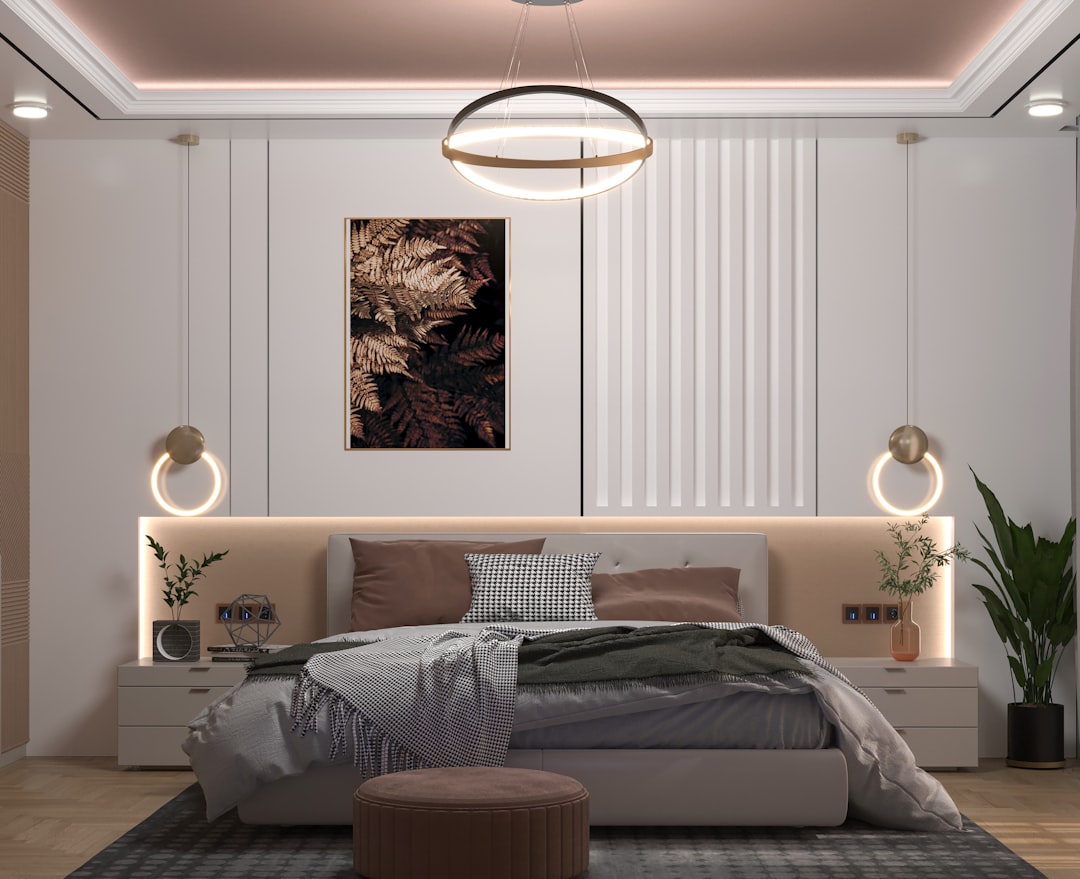
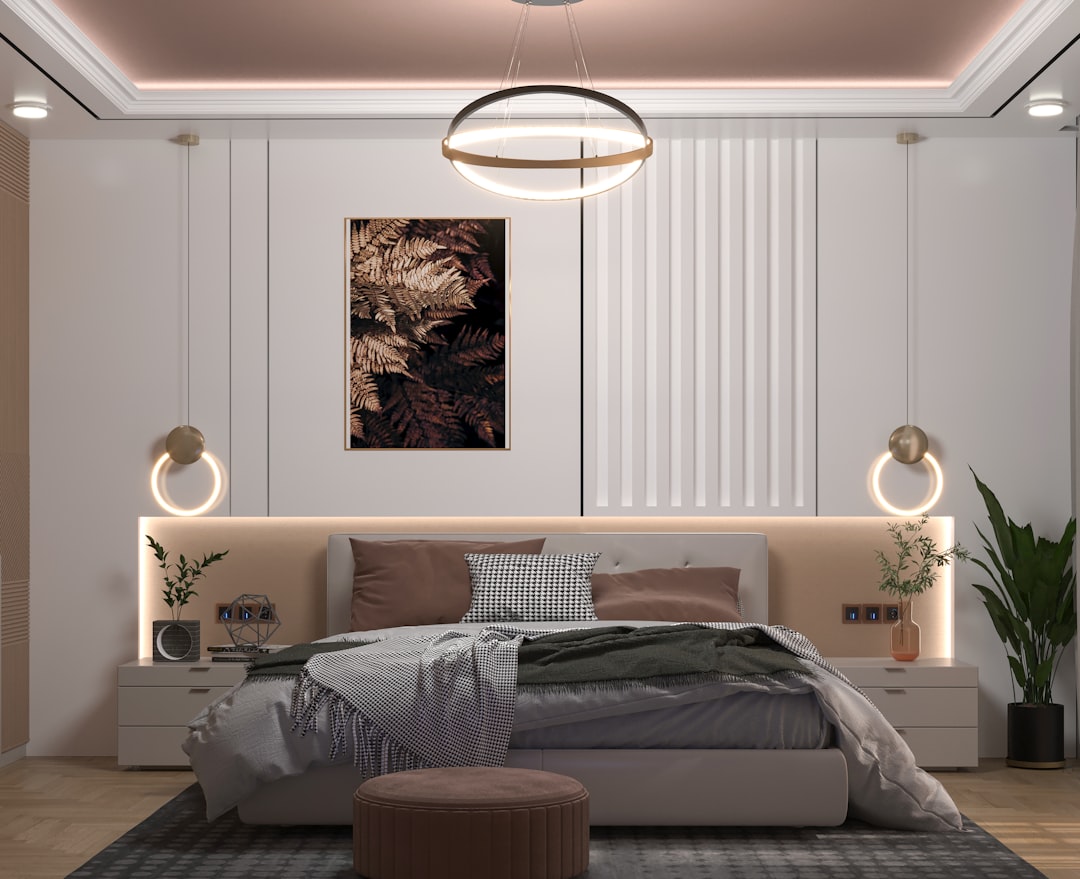
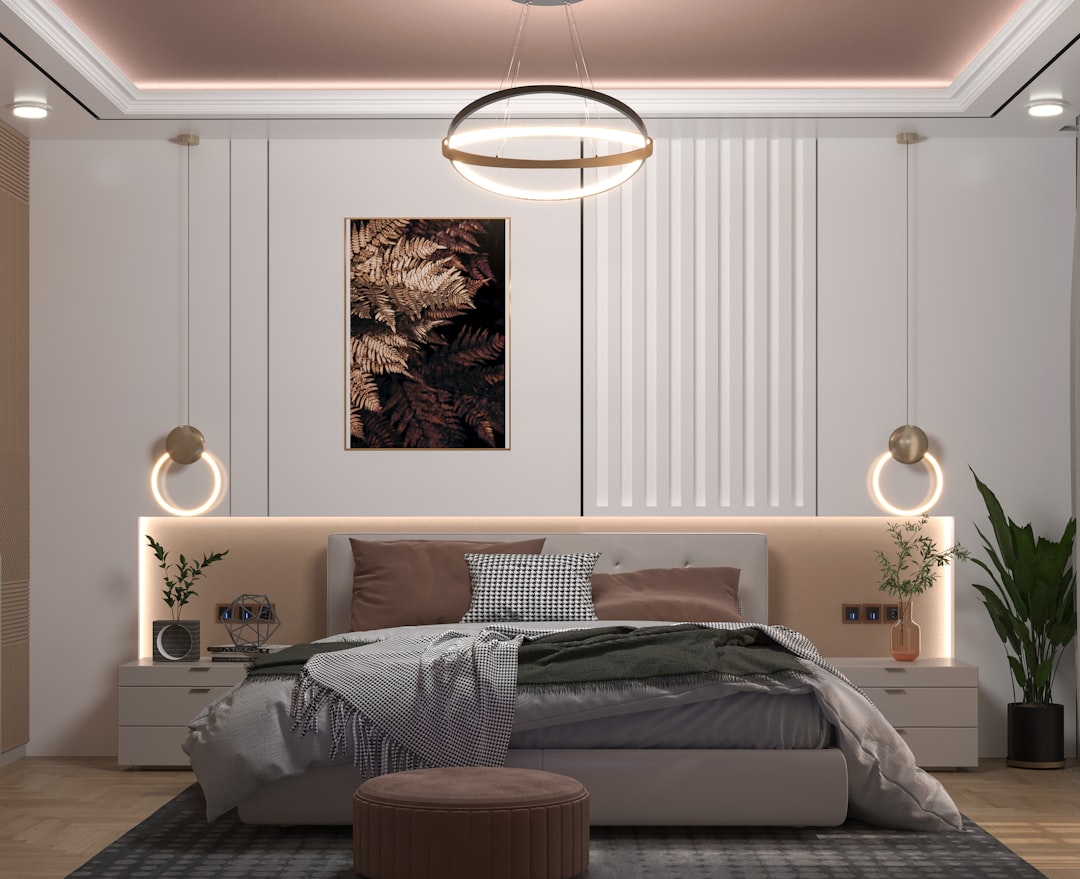
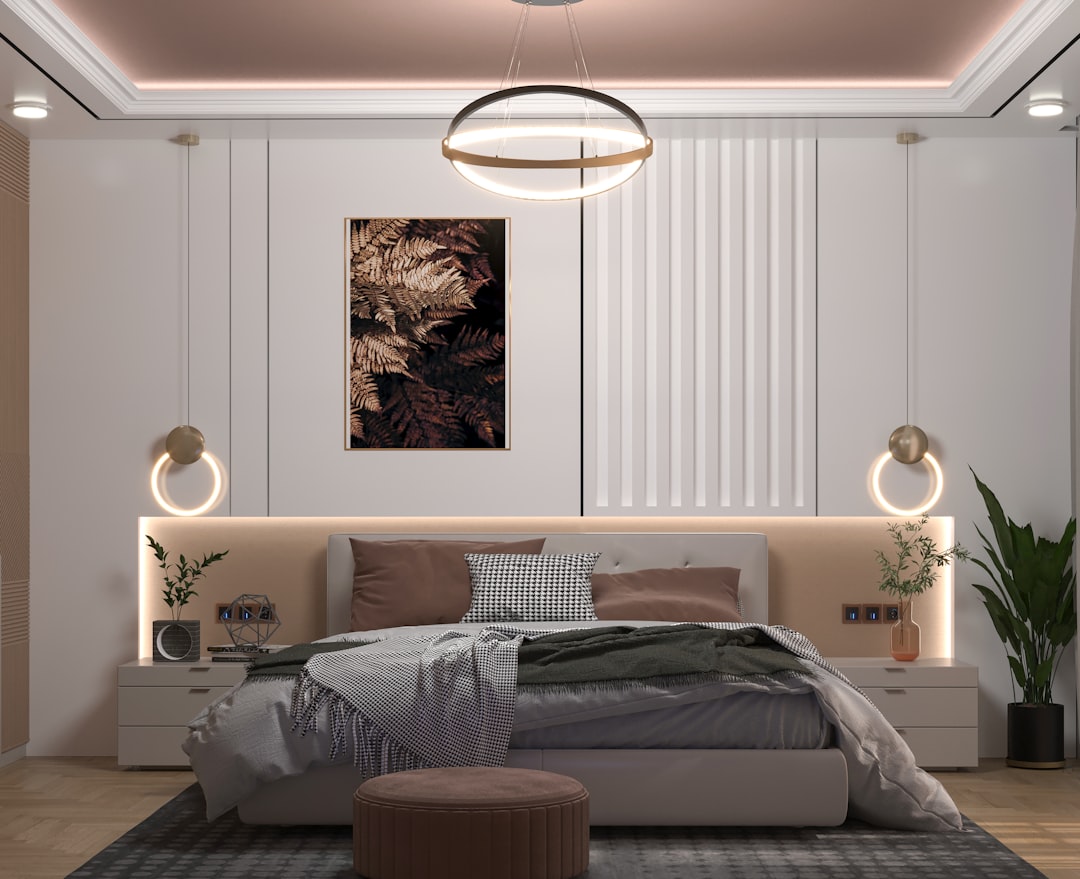
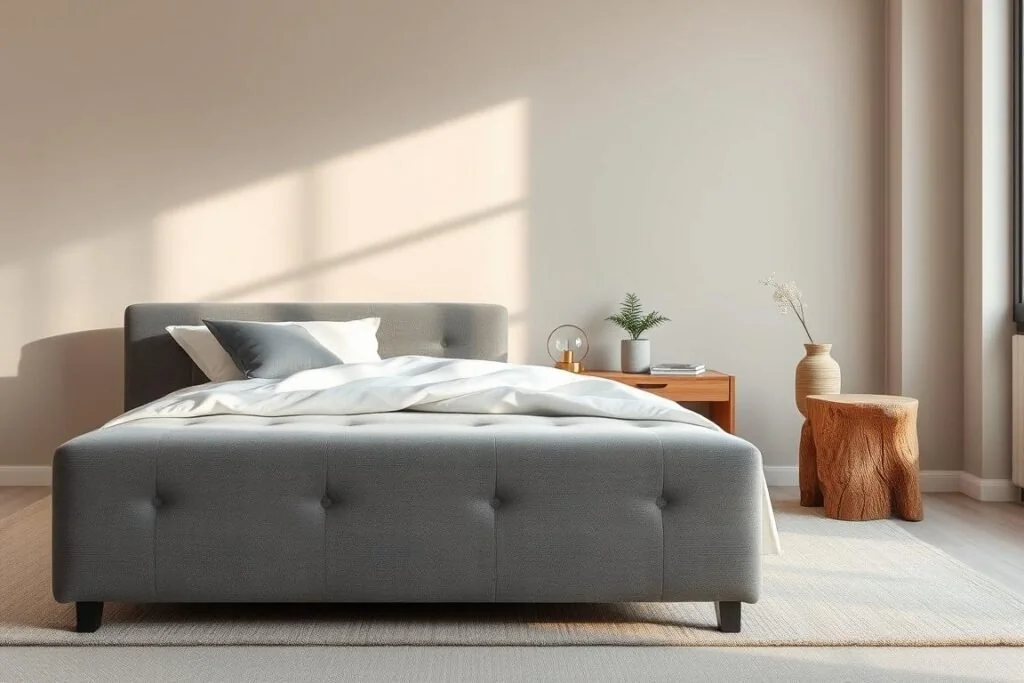
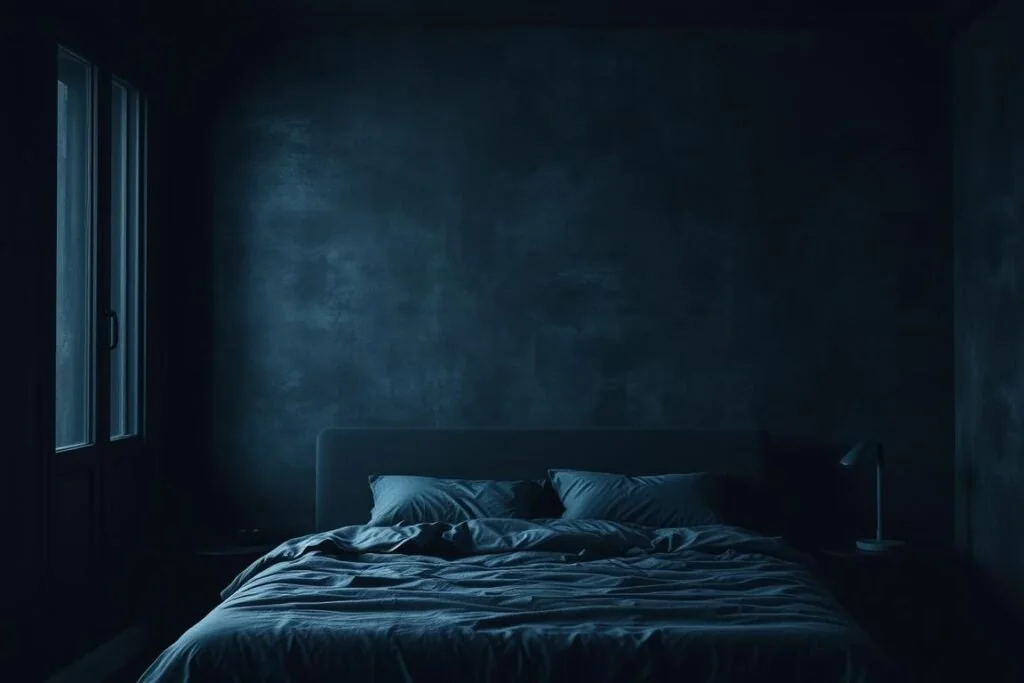
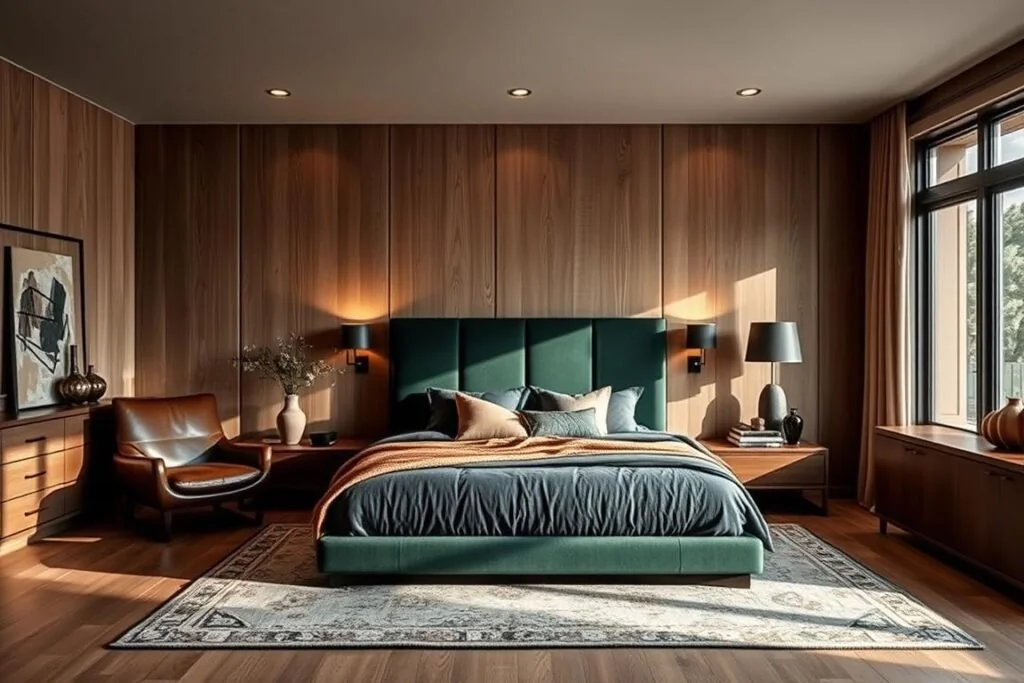
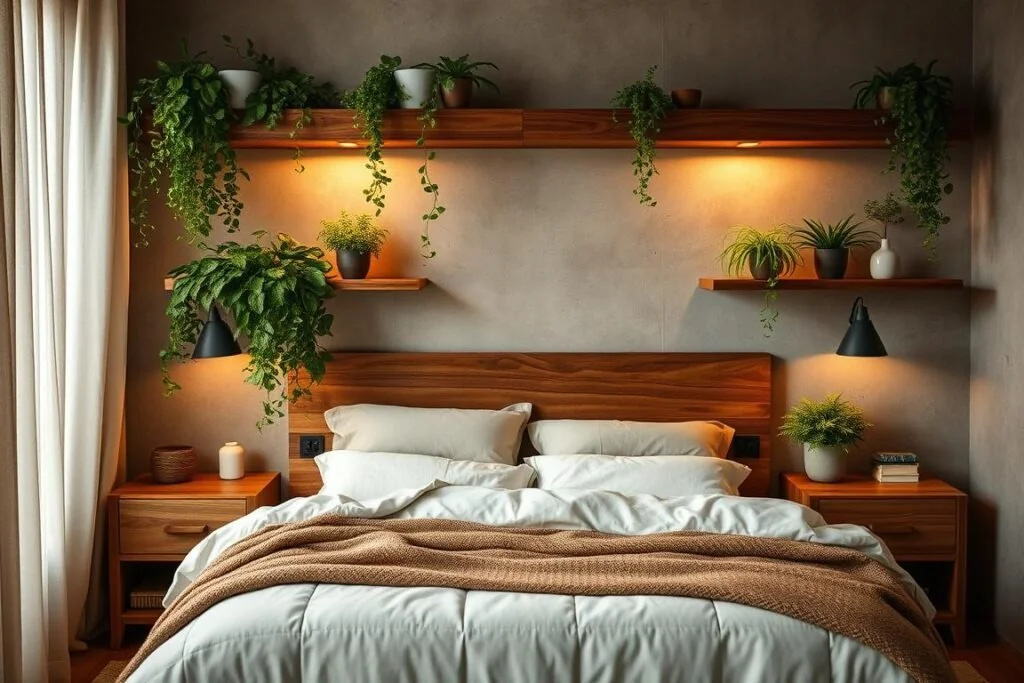
30 Bedroom Wall Decor Ideas to Elevate the Space Above Your Bed

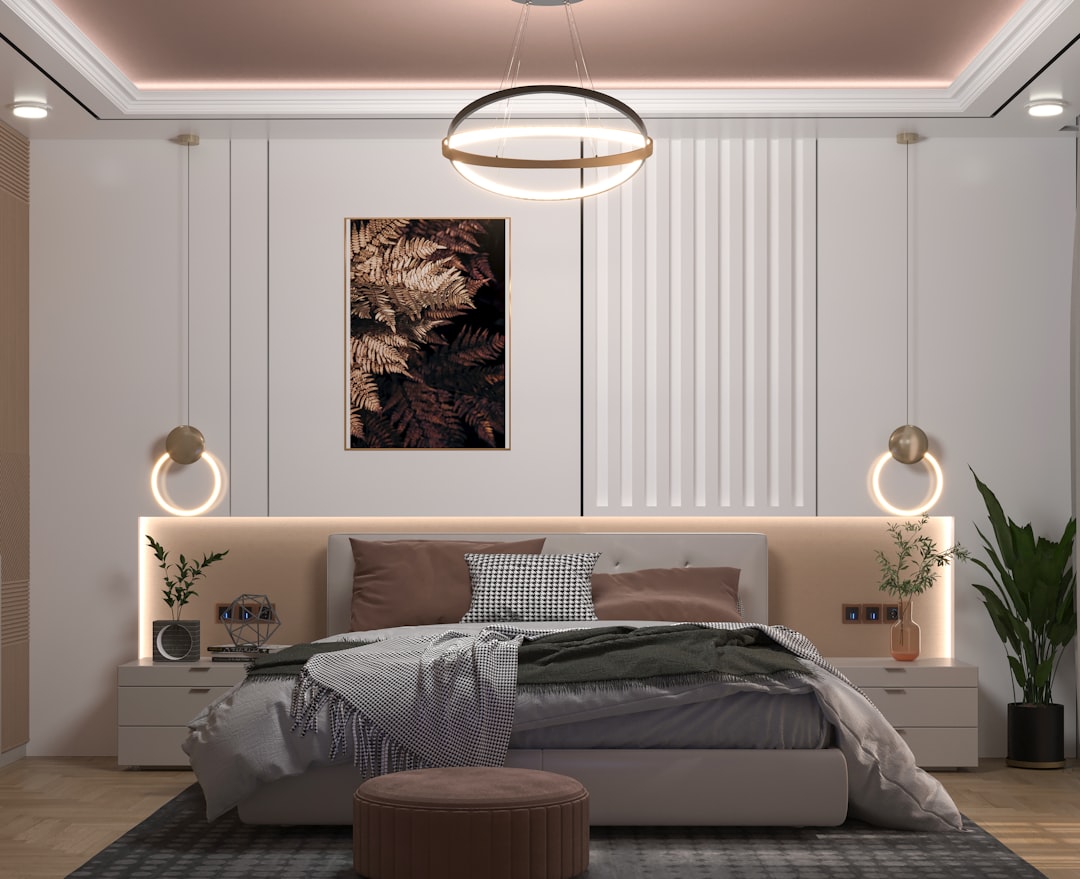
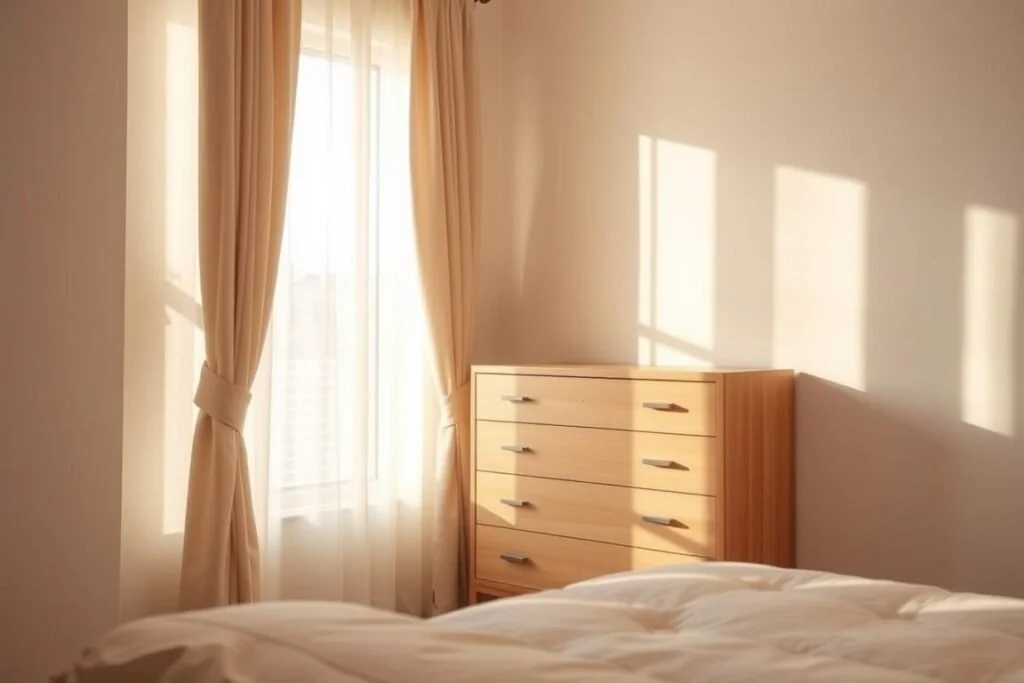
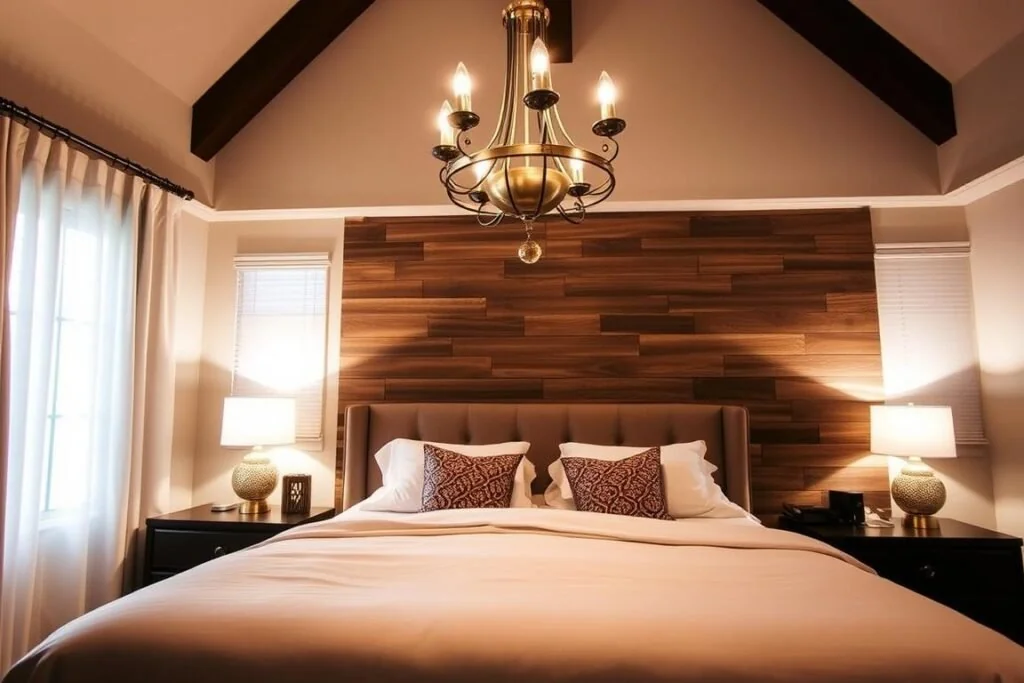
Cozy bedroom with a gallery wall above the bed, layered pillows, and s featuring bedroom wall decor elevate

Wall Accessories That Add Personality to Bedrooms

If you’ve been wondering how to decorate that big blank space above your bed, bedroom wall accessories are the answer. With the right mix of style, scale, and personal touches, you can turn your room into a warm, inviting retreat (Updated 2025). Whether you lean modern, rustic, or cozy cottage, these 30 above-the-bed ideas will help you style your space beautifully. For broader inspiration, see our bedroom lighting guide for finishing touches.


30 Bedroom Wall Decor Ideas to Elevate the Space Above Your Bed - bedroom wall decor elevate

Bedroom wall accessories instantly bring style and warmth to a space that often feels bare.

Key Takeaways

  • Bedroom wall accessories add personality and warmth to any blank space.
  • Above-the-bed decor can be simple, bold, or layered depending on your style.
  • Large-scale pieces create a striking focal point without clutter.
  • Mix textures, colors, and personal touches for a cozy, collected look.

Statement Art for Above the Bed

Big art makes big impact. A single oversized piece centers your bed and sets the tone the moment you walk in.

Oversized Canvas

An oversized canvas creates drama with minimal effort. It shines in modern or minimalist rooms where clean lines matter.

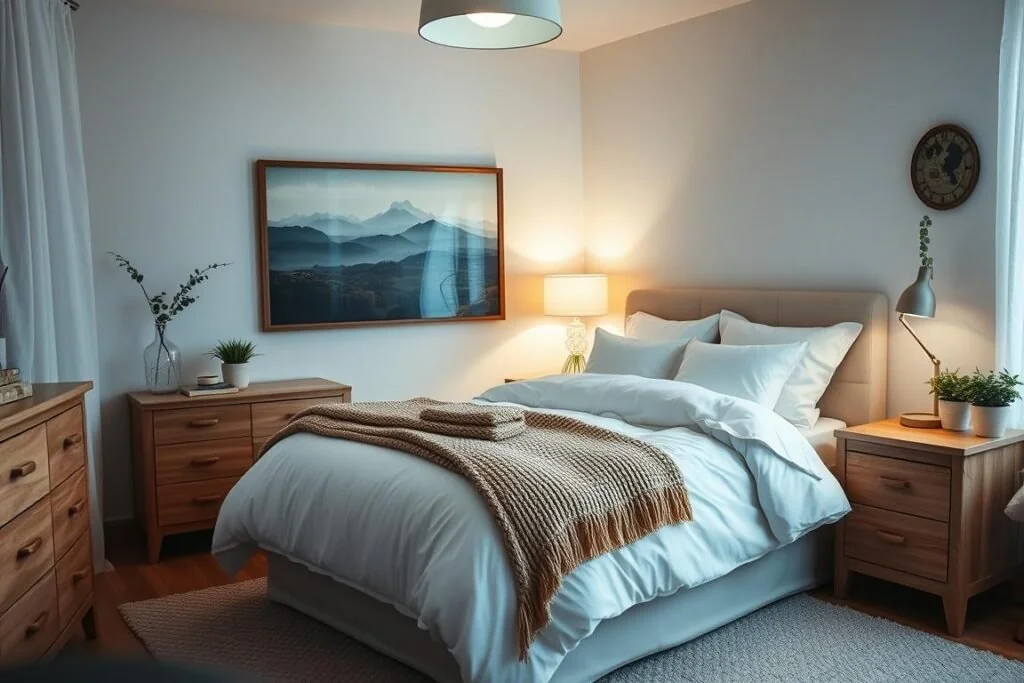
30 Bedroom Wall Decor Ideas to Elevate the Space Above Your Bed - bedroom wall decor elevate

Try a calming landscape for serenity, or a bold abstract for energy. Example: In a neutral primary bedroom, a 48×36 canvas adds instant presence without a gallery wall.

Framed Prints

Prefer flexibility? Pair two or three coordinated prints for symmetry, or mix styles for a gallery feel you can tweak over time. Example: Black-and-white photos above a walnut headboard keep things crisp yet personal.

Cozy Textures and Soft Touches

Textile accents soften sharp lines and make the room feel welcoming. They add movement, depth, and a handcrafted vibe.

Woven Wall Hangings

Macramé and woven hangings suit boho and farmhouse looks. For a cohesive style, layer them with picks from our modern farmhouse bedroom guide.

30 Bedroom Wall Decor Ideas to Elevate the Space Above Your Bed - bedroom wall decor elevate

Mini-scenario: In a small apartment, a light, fringed hanging keeps things airy while adding texture over a low headboard.

Decorative Quilts

Hanging a quilt brings color, pattern, and cozy nostalgia. It’s great for rustic rooms or anywhere you want softness without bulk. Tip: Use a sleeve or rod so the fabric hangs evenly.

Mirrors That Brighten the Space

Mirrors bounce light and make small rooms feel open. They’re stylish and practical, especially near multi-use setups like a sofa bed.

Round Statement Mirror

A round mirror softens straight furniture lines and adds balance. Place it a few inches above the headboard for a tailored look.

30 Bedroom Wall Decor Ideas to Elevate the Space Above Your Bed - bedroom wall decor elevate

Example: In a narrow room, a 30- to 36-inch round mirror lifts the eye and spreads morning light across the bed wall.

Antique Frames

Love vintage? An ornate mirror adds instant character. Hunt flea markets for patina and detail, then secure it safely to studs.

Nature-Inspired Wall Decor

Nature cues calm. Greens, botanicals, and organic textures help your bedroom feel like a retreat. According to the CDC, adults need at least seven hours of sleep per night; creating a soothing environment supports that routine. If you’re shopping for safer materials, look for certified bedding labels for added peace of mind, and explore gentle palettes in our light green bedroom ideas.

Botanical Prints

Botanical art is timeless and easy to style. A trio above the bed adds symmetry and color without maintenance.

30 Bedroom Wall Decor Ideas to Elevate the Space Above Your Bed - bedroom wall decor elevate

Scenario: Mix two leafy prints with one floral to keep the look coordinated but not matchy-matchy.

Dried Flower Arrangements

Pressed florals, pampas, or dried stems bring organic texture that lasts. Keep compositions simple so they don’t compete with bedding patterns.

Creative and Personalized Options

Your bed wall is prime storytelling space. Blend sentimental pieces with art so the room feels personal and collected.

Gallery Wall

Combine family photos, art prints, and quotes with consistent spacing for a polished look. Tip: Tape paper templates first to test your layout before you hang.

Floating Shelves

Floating shelves are practical and pretty. Display candles, small plants, and travel mementos—and swap items seasonally for a refresh. For tight rooms, borrow ideas from small bedroom wall decor.

Large Bedroom Wall Accessories & Decor Ideas

High ceilings or wide walls need larger scale. Aim for pieces that span at least two-thirds of your bed’s width for balance and intention.

Oversized Headboard Art

Choose artwork that runs close to the bed’s width. It anchors the room and draws the eye upward for strong proportion.

Wall Murals

A mural turns your bed wall into a statement. Try soft landscapes for serenity or geometric patterns for modern edge.

  • Oversized Headboard Art — Best for wide rooms; anchors the bed and fixes scale.
  • Wall Murals — Best for feature walls; dramatic and highly personal.

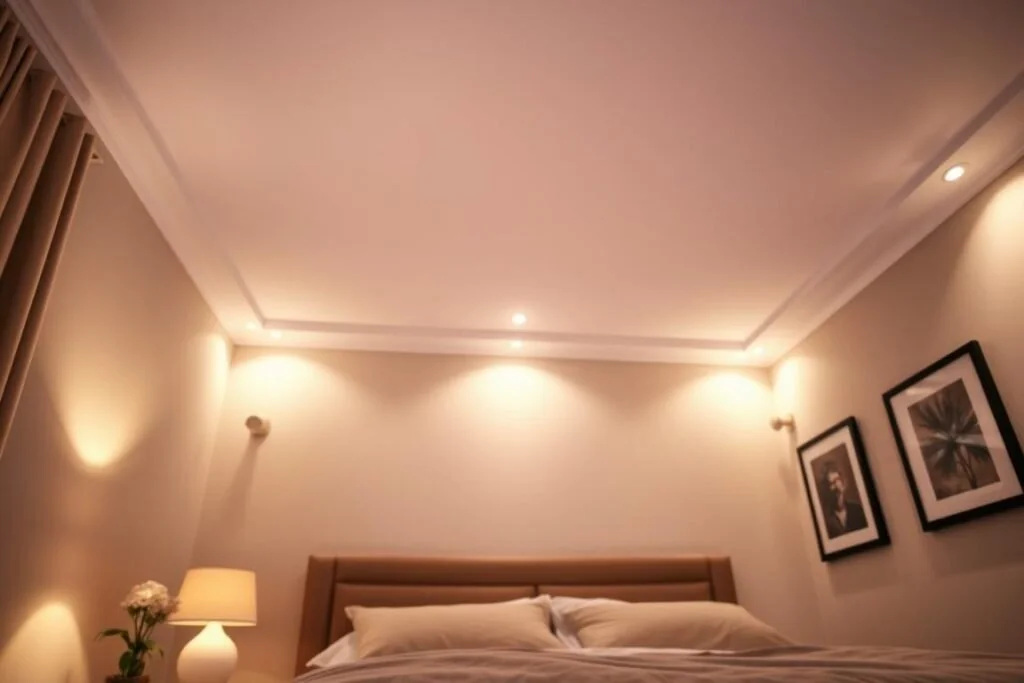
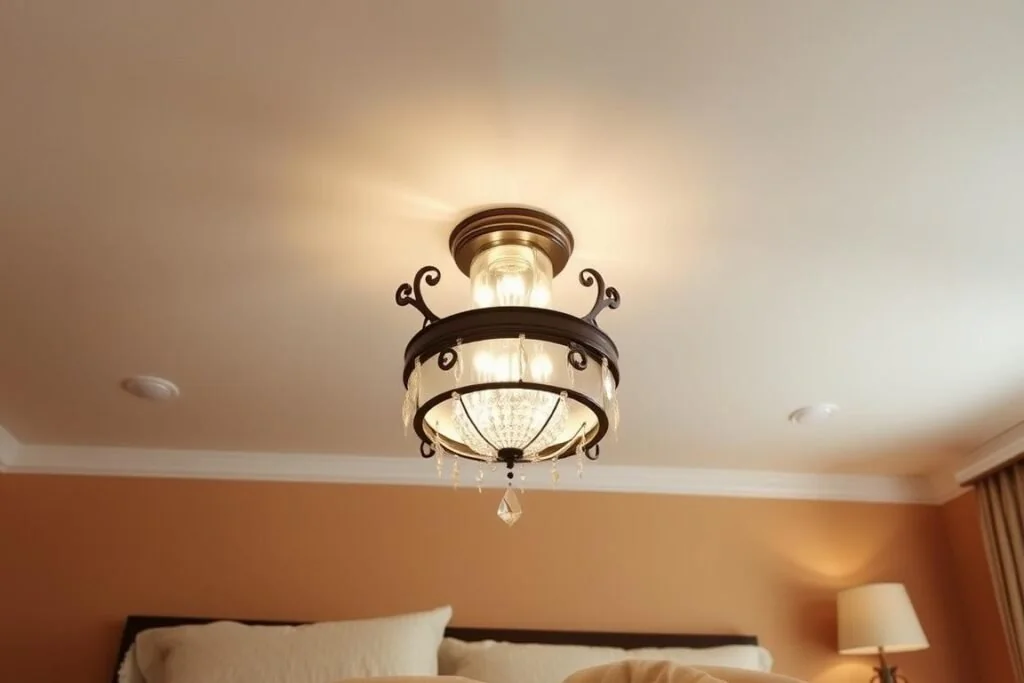
Bonus tip: Soft, indirect lighting over art is a game-changer. See our bedroom lighting ideas to finish the look.

Healthy-sleep note: Gentle, low-glare lighting and calm imagery help routines recommended by the American Academy of Sleep Medicine.

FAQ

What should I put above my bed?

Pick pieces that fit your style and scale: oversized art for bold impact, mirrors for light, shelves for flexibility, or textiles for softness.

Is it safe to hang heavy decor above the bed?

Yes—if you mount securely. Use studs or proper anchors and verify weight limits. Prefer lightweight fabric art or decals for extra peace of mind.

How do I decorate a large empty wall in the bedroom?

Go big on scale. Try a wide canvas, a balanced gallery wall, or a mural to fill space without visual clutter.

Conclusion

Decorating with bedroom wall accessories is one of the easiest ways to add personality, warmth, and polish. From oversized canvases and woven hangings to mirrors and personalized galleries, these above-the-bed ideas can spark your next refresh. For more cozy inspiration, browse Cozy Bed Quarters.

Related reading from Cozy Bed Quarters

Other reading we found popular

How to Create the Perfect Sleep Environment for Deep Rest

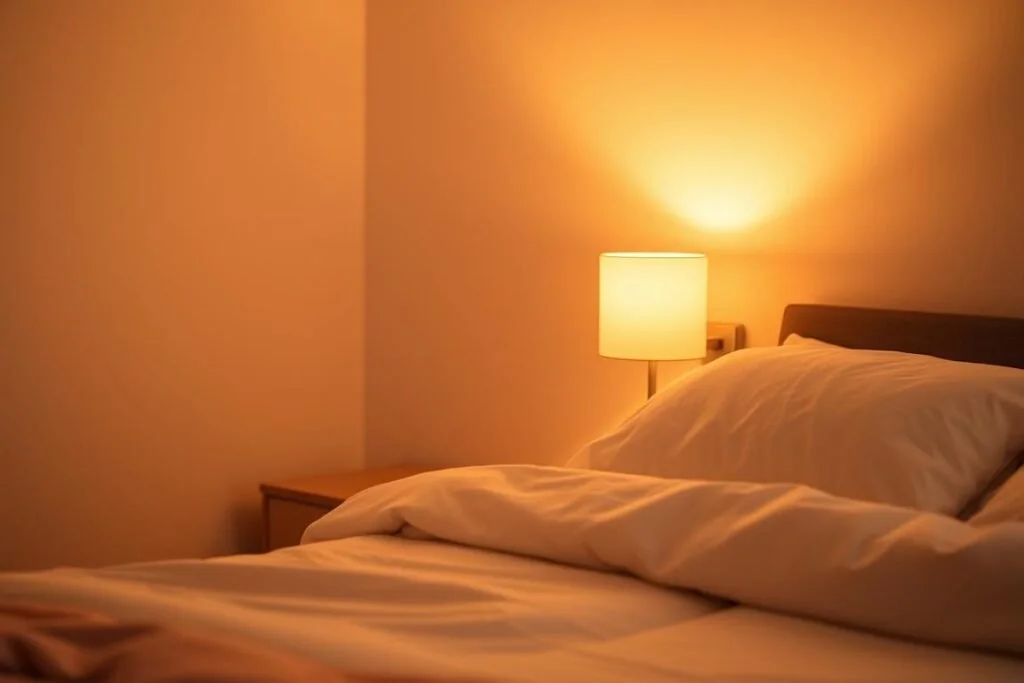
Create Sleep Environment Deep - Cozy bedroom at golden hour with layered featuring create perfect sleep

Creating the Optimal Sleep Environment at Home

You can create an optimal sleep environment that helps you fall asleep faster and wake up feeling better. Small, affordable changes—blocking light, adding white noise, and choosing the right pillow—add up quickly for deeper rest and better daytime energy. For a bigger reset, see our hypoallergenic mattress guide.

Updated 2025

Key Takeaways

  • Focus on light, temperature, noise, and tactile comfort to improve sleep quality.
  • Simple, budget-friendly fixes—fan for white noise, blackout curtains, eye mask—work fast.
  • Set a cooler room near 65°F to support your natural nightly cooldown.
  • Limit evening screen time to protect melatonin and ease bedtime.
  • At least one change today moves you toward an optimal sleep environment.

An optimal sleep environment with a dark, cool, quiet bedroom setup - featuring create perfect sleep

Why your bedroom setup matters for better sleep

Your room teaches your brain when to wind down. Light, noise, temperature, and touch are the cues that set your clock and shape how deeply you sleep. Even modest evening light can delay melatonin, and unpredictable noises can trigger micro-awakenings you barely notice.

Most adults need at least seven hours of sleep nightly, and about one in three U.S. adults falls short of that goal. See guidance from the CDC and recommended sleep durations from the American Academy of Sleep Medicine (AASM).

Start with the basics: keep nights darker, trim irregular sounds, and let your body cool near 65°F. A few small changes can bring you much closer to an optimal sleep environment.

How to build an optimal sleep environment: master light

Late-night glare from screens and bright bulbs quietly pushes bedtime later. Reducing evening light supports your circadian rhythm so you get sleepy on schedule.

Reduce evening blue light from devices and bright lamps

Stop scrolling an hour before bed when possible. If you must use screens, enable strong blue-light filters and dim brightness. Keep overhead lighting low and indirect after dinner.

Use blackout curtains, dimmers, and a comfy sleep mask

Streetlamps and hallway glow add up. Install blackout curtains, swap to dimmers, and remove charging LEDs from the bedroom. When full blackout isn’t possible, a soft mask blocks stray light without pressure.

Light control tips for creating an optimal sleep environment - create featuring create perfect sleep

  • Dim lights 60–90 minutes before bed to protect melatonin.
  • Keep the path to the bathroom dark or use a very low, warm night light.
  • Consider blackout solutions if outdoor light leaks onto your bed; see our guide to blackout curtains that actually work.

Dial in temperature and airflow for a cool, cozy night

Cooling slightly at night helps your core temperature drop, which promotes deeper sleep. For many people, ~65°F (18.3°C) is the sweet spot.

Start around 65°F and adjust by a few degrees

A good starting point is around 65°F. If you wake sweaty, lower a degree; if you feel chilled, raise it one. Track how you feel in the morning and adjust slowly until sleep feels easier.

Use layers, breathable fabrics, and a fan for fine-tuning

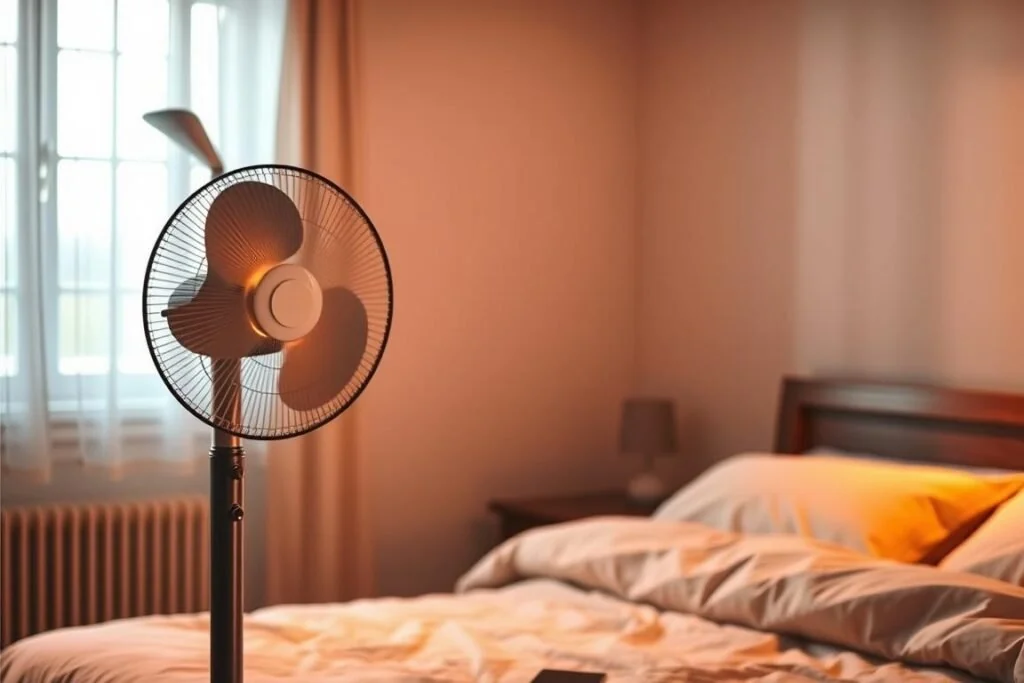
Layer sheets and blankets so you can change warmth without fully waking. Choose moisture-wicking pajamas if you run hot. A box fan improves airflow and adds gentle white noise.

Cooling, airflow, and breathable bedding layers for an optimal sleep e featuring create perfect sleep

  • Target 30–50% relative humidity to avoid stuffiness or dryness.
  • Crack a window briefly in the evening when outdoor air is comfortable.
  • Swap heat-trapping polyester blends for cotton, linen, or bamboo.

Quiet the room: manage noise for uninterrupted sleep

Sudden sounds can nudge you out of deep sleep before you realize it. The fix is to reduce spikes and keep sound steady.

Mask unpredictable noises with white noise or a simple fan

A consistent hum helps your brain stop “scanning” for changes. Place the device across the room so the sound is even, not loud near your head. Compare options in white noise vs. pink noise or explore our white noise and sleep guide.

Wind-down sounds that calm the evening

Try low-tempo music, nature audio, or guided breathing tracks while you dim lights. Experiment with short sessions to find what actually helps you drift off.

  • Use rugs, curtains, and bookshelves to reduce echoes.
  • Log recurring noises for a week; plan masking or timing workarounds.

Design for comfort: mattress, pillows, and sheets that fit your body

Treat your bed like a system. The right mix of mattress firmness, pillow loft, and breathable sheets supports alignment and keeps you comfortable through the night.

Match mattress feel to your sleep position

Medium-firm works well for many. Side sleepers often prefer a touch softer to ease shoulder and hip pressure, while back and stomach sleepers usually need slightly firmer to keep the spine neutral. If your mattress sags or you wake sore, it may be time to replace it—see our how to choose a mattress guide.

Pick pillows that keep your neck aligned

Choose loft by position: thicker for side, medium for back, thinner for stomach. Consider adjustable fill so you can fine-tune height. For side sleepers, start with our best pillows for side sleepers.

Select breathable sheets and layered bedding

Natural fibers like cotton, linen, and bamboo help with airflow. Layer a sheet, light blanket, and comforter so you can nudge warmth up or down without waking fully. If you’re shopping, look for trusted certifications (e.g., CertiPUR-US®, GREENGUARD) and read labels—see this bedding certifications overview and this non-toxic mattress guide.

Optimal sleep environment checklist

Use this quick list to set consistent nighttime cues.

  • Declutter visible surfaces; keep pathways open on both sides of the bed.
  • Face the bed toward the door if it makes you feel safer and calmer.
  • Set a device curfew an hour before bed; charge phones outside the room.
  • Dim lights, close curtains, and lay out sleepwear during your wind-down.
  • Add a few drops of lavender to a diffuser if you enjoy a light scent.
  • Keep a bedside mini-checklist: devices off, lights low, curtains closed.

Low-cost upgrades and quick wins

A few small swaps can elevate comfort tonight. Start with fresh linens, a quick tidy, and one budget gadget.

Budget helpers: fresh sheets, earplugs, eye mask, box fan

Wash or swap pillowcases to reduce allergens. Add a box fan for cooling and masking street noise, or try simple earplugs if outside sounds wake you. An inexpensive eye mask blocks stray light until blackout curtains are installed.

Reset the room’s mood daily

Make the bed each morning to “set” the room for the evening. Crack a window for fresh air when weather allows, then dim lights early. See more tips in our Feng Shui bedroom layout guide or guest bedroom setup on a budget.

FAQ

What is an optimal sleep environment?

It’s a bedroom set up to align with your body’s sleep biology: dark at night, cool (around 65°F), quiet or steadily masked, and comfortable for your spine and skin.

Is 65°F right for everyone?

It’s a strong starting point, but individual needs vary. Adjust by a degree or two based on how you feel overnight and in the morning.

Do blackout curtains really help?

Yes. Even modest light at night can delay melatonin and fragment sleep. Blackout curtains or a good mask are simple, effective fixes.

What pillow height should I choose?

Match loft to your position: higher for side, medium for back, lower for stomach. Adjustable-fill pillows make fine-tuning easy.

Conclusion

When you tune light, temperature, noise, and comfort together, you create an optimal sleep environment that makes great nights more common. Start with one change tonight—dim lights, set the thermostat, or add white noise—and build from there. For more practical ideas, explore Cozy Bed Quarters at cozybedquarters.com.

Related reading from Cozy Bed Quarters

Other reading we found popular

How to Fix Your Sleep Schedule: A Step-by-Step Plan

fix sleep schedule

Simple Ways to Reset a Disrupted Sleep Schedule

Updated 2025

You can fix sleep schedule without harsh tactics. Start by picking a realistic bedtime and wake time you can keep most days. Small shifts of 15–30 minutes make change manageable and help your body adjust without burnout.

Adults need at least seven hours most nights for better health and daytime energy. According to the CDC, consistency helps you fall asleep faster and feel more alert the next day.

This guide gives a clear path you can follow while fitting work, family, and social life. You’ll focus on habits that improve sleep quality, avoid extreme moves, and build a simple wind-down that signals bedtime to your clock—and steadily fix sleep schedule in a sustainable way. For broader background, explore our sleep hygiene guide.

Morning light through bedroom curtains helps fix your sleep schedule by resetting circadian rhythm

Key Takeaways

  • Choose a realistic wake time and bedtime—and stick to them daily.
  • Shift timing gradually in 15–30 minute steps for sustainable progress.
  • Use consistent cues and a nightly routine to train your body to sleep.
  • Aim for at least seven hours to protect health and daytime energy.
  • Small, steady changes add up and help you fix sleep schedule for good.

Why Your Sleep Schedule Matters for Your Day-to-Day Energy

Regular timing smooths out mood, focus, and stamina. When your hours stay steady, your body and mind run more efficiently. A consistent schedule supports memory, reaction time, and mood—and reduces daytime drowsiness.

  • Consistent hours sharpen focus and boost energy.
  • Good sleep protects heart, immunity, and long-term cognitive health.
  • Even one hour of drift can lower sleep quality and raise next-day fatigue.
What Short-term effect Long-term effect Why it matters
Irregular timing Sleepiness, slower reactions Higher accident and error rates Disrupts attention and safety
Chronic short sleep Poor mood, low energy Cardiometabolic and immune issues Affects health and longevity
Regular sleep hours Sharper thinking, steadier mood Better metabolism and resilience Aligns body clock for quality rest

Understand Your Circadian Rhythm and Internal Clock

Light and darkness talk to your biological clock, steering daytime energy and nightly rest. Morning light tells your brain to be alert; evening darkness lets melatonin rise so sleep comes easier. Aligning with this day-night pattern helps you fix sleep schedule naturally.

Light, melatonin, and the sleep-wake cycle

Bright morning light suppresses melatonin and signals wakefulness. Evening light—especially from screens—can delay melatonin and push your cycle later.

Day-night alignment and your brain’s signals

Your internal clock coordinates when you feel alert or tired. Matching your routine to daylight locks this rhythm in place and supports overall well-being.

  • Use morning light (outdoor light if possible) to anchor your rhythm.
  • Dim lights in the last hour before bed to cue melatonin release.
  • Small changes in light timing can nudge earlier bedtimes or smoother mornings.

The Core Plan to Fix Sleep Schedule

Start with one clear anchor: a consistent wake-up time you keep every day. That single habit helps your internal clock lock into a reliable rhythm so you can steadily fix sleep schedule.

Set a consistent wake-up time (even on weekends)

Pick a realistic time you can maintain seven days a week. This stabilizes your rhythm and makes earlier bedtimes easier to reach.

Shift your timing gradually in 15–30 minute steps

If you need to move bedtime earlier (or later), change it in 15–30 minute increments every few days. Small shifts prevent grogginess and keep progress steady.

Build a wind-down routine that cues sleep

Create a short pre-bed routine with dim lights, calm reading, light stretching, or breathing. For a simple checklist, see our sleep hygiene checklist.

Align with bright mornings and dim evenings

Get bright light soon after waking and keep evenings low-light. Pair this with steady habits to help your brain predict bedtime and naturally fix sleep schedule.

  • Hold your wake-up time after late nights to keep momentum.
  • Track tweaks for a week to discover what helps most.

Sleep Hygiene & Environment Essentials

Evening habits and a calm bedroom make it easier for your body to drift into rest. Simple, repeatable steps improve sleep quality without drastic measures.

Sleep hygiene habits to fix sleep schedule at night

Reduce evening screens and blue light

Set a one-hour screen cutoff. Dim lamps, silence notifications, and avoid heavy mental work or late caffeine.

Create a relaxing pre-bed ritual

Try 10–20 minutes of yoga, gentle stretches, journaling, or a caffeine-free tea. Consistency turns this into a strong cue for sleep.

Dark, quiet, and cool

Use blackout curtains or a sleep mask to block light and keep the room slightly cool. For noise, consider a fan or machine—see our picks for best white noise machines—or simple foam earplugs.

Bedding, pillows, and comfort cues

Choose a mattress and pillows that keep your spine aligned. Keep bright LEDs out of sight and reserve the bed for sleep and intimacy. For light control tips, explore how to make your bedroom dark. For more background on bedding safety, see this overview of bedding certifications from Sleep Foundation.

Daily Choices: Caffeine, Alcohol, Exercise, and Meals

Timing your food, drink, and movement helps your body wind down on schedule. Small changes can produce better nights and steadier daytime energy.

Caffeine timing tips to fix sleep schedule

Caffeine cutoffs and alcohol pitfalls

Pick a personal caffeine cutoff (many do well between late morning and early afternoon). Skip nightcaps—alcohol can fragment sleep later.

Exercise timing that supports your cycle

Move most days. Finish vigorous workouts 1–2 hours before bed; light evening stretching or a short walk can relax you without spiking alertness.

Evening eating patterns and light snacks

Eat your last full meal 2–3 hours before bed. If hungry later, choose a small, balanced snack. Keep hydration steady by day and taper at night.

  • Quick wins: earlier caffeine cutoff, no late alcohol, earlier workouts, and dinner on the early side to help fix sleep schedule.

Tools & Troubleshooting

Targeted tools can help you realign faster while you build strong routines. Use them briefly and intentionally to avoid rebound effects.

Melatonin: when it helps and how to use it safely

Low doses can nudge your circadian rhythm after travel or shifts. Start small and talk with your clinician if you take medications or notice side effects.

Light therapy vs. natural morning light

A timed light box delivers high-intensity morning light; outdoor light plus a short walk also works well. Use light at the same time daily for best results.

CBT-I for chronic insomnia

Cognitive Behavioral Therapy for Insomnia teaches thought and behavior changes that deliver lasting improvements. It’s a strong option if you’re still struggling to fix sleep schedule. Read an overview from the AASM here: CBT-I facts.

Shift work, jet lag, and social jet lag

Anchor one realistic wake time on work and off days when possible. Use planned light and darkness around shifts or flights; brief, early naps can improve safety without wrecking night sleep.

Stress, racing thoughts, and mental health

Stress can hijack bedtime. Try deep breathing, a 10-minute journal, or CBT-I techniques to quiet looping thoughts. Watch a quick explainer: What is your circadian rhythm?

Tool Best time Main benefit Consideration
Melatonin Evening, short-term Shifts circadian rhythm Possible side effects; consult clinician
Light therapy box Morning, consistent Faster phase adjustment Requires timing and brightness
Natural morning light Daily after waking Supports long-term alignment Weather and routines vary
CBT-I For chronic issues Lasting behavior change Needs sessions or guided program

Helpful resources: Reset your sleep routine (Sleep Foundation).

How long it takes—and when to get help

Many people feel clearer mornings and easier bedtimes within 1–2 weeks of steady habits. If symptoms last three months or you suspect a sleep disorder (e.g., loud snoring, gasping, severe daytime sleepiness), talk with a clinician or sleep specialist.

FAQ

What is the fastest way to fix sleep schedule?

Set a consistent wake-up time, get bright morning light, and move bedtime earlier in 15–30 minute steps. Pair this with a simple wind-down.

Should I sleep in after a late night?

Try not to. Hold your wake time and use a short early nap (under 30 minutes) if needed. This protects your nighttime sleep drive.

Does melatonin fix sleep schedule on its own?

It can help with timing, but routines and light are the real anchors. Use low doses briefly and follow your provider’s guidance.

What temperature is best for sleep?

Many people sleep best slightly cool. Keep the bedroom dark, quiet, and comfortably cool to support quality rest.

How much sleep do adults need?

Most adults do best with at least seven hours per night. Protecting that window makes it easier to fix sleep schedule and feel steady energy.

Conclusion

Anchor one simple habit, build a gentle routine, and you can fix sleep schedule without drastic moves. Hold a steady wake-up time, nudge bedtime in small steps, use morning light and dim evenings, and keep your room calm and comfortable. With patience, better sleep brings clearer thinking, more energy, and lasting health benefits. For more cozy, practical bedroom tips, visit Cozy Bed Quarters.

Other reading we found popular

The Best Sleep Apps of 2025: Tracking, Meditation & Soundscapes

best sleep apps

Sleep Apps That Help Improve Rest Patterns

Best sleep apps 2025: Calm for soothing stories, Sleep Cycle for tracking, and Oura for wearable insights—use 7–14 day trials to see what truly helps.

Updated 2025. Most options work on iOS and Android; some pair with wearables for richer data. These tools can improve perceived sleep quality and routines—but they do not replace clinical sleep studies or medical care. For deeper guidance, see our sleep hygiene checklist.

Key Takeaways

  • best sleep apps depend on your goal—relaxation, tracking, or story-led wind-downs.
  • Use free trials (7–14 days) to test bedtime fit before subscribing.
  • Confirm device/OS compatibility and that background audio continues with the screen locked.
  • Typical prices: $5–$10 per month or $50–$80 per year; some offer lifetime options.
  • Use soundscapes and gentle alarms to shape routines; treat app data as guidance, not diagnosis.

Best Sleep Apps 2025: Quick Picks

Match your aim—soothing content, straightforward tracking, or wearables—to the right tool. Try two side-by-side for a week to learn what calms you fastest.

Calm

Content-first app with meditations, music, and celebrity sleep stories that make bedtime feel simple and quiet.

  • Strength: huge library of stories, soundscapes, and meditations
  • Trial: 7 days
  • Price: about $69.99/year; family plan available

Sleep Cycle

All-in-one phone tracker plus wind-down audio—great if you want to relax at night and review clear graphs in the morning.

  • Strength: night graphs with time-stamped disturbances; short lessons and meditations
  • Trial: 7 days
  • Price: about $9.99/month or $39.99/year

SleepWatch

Apple Watch-first companion that auto-captures heart rate and movement for low-effort nightly tracking.

  • Strength: seamless Watch integration; simple score; white-noise composer
  • Trial: 7 days
  • Price: about $5/month or $40/year

Pillow

iOS app with color-coded sleep stages, nap mode, and optional Watch metrics for richer context.

  • Strength: glanceable stage charts; recordings; smart-wake naps
  • Trial: 7 days
  • Price: about $9.99/month or $39.99/year

Oura

Ring-based wearable for people who want low-profile hardware and deep nightly metrics.

  • Strength: readiness and sleep scores; multi-day battery
  • Trial: first month of membership often free
  • Price: ring from ~$299; membership ~$5.99/month or $69.99/year

Sleep Reset

Structured CBT-I–informed program with coaching and habit plans for people who want a guided path.

  • Strength: daily coaching and experiments to reduce time to sleep
  • Trial: about 1 week
  • Price: ~ $297 for an 8-week plan

More Story-First Picks

If narration helps you unwind, try Headspace sleepcasts, BetterSleep’s sound mixer + stories, Slumber’s meditations, or Sleepiest’s classic tales (iOS-only).

  • Headspace: 45-min sleepcasts; adjustable voice/ambient balance
  • BetterSleep: story library + custom soundscapes
  • Slumber / Sleepiest: calming tales and loops

Overview of the best sleep apps 2025 with stories, trackers, and wearables

Overview of the best sleep apps 2025, from story-led Calm to wearable Oura insights.

Tracking, Audio & Data Basics

A few reliable metrics and simple audio cues can make nights calmer—skip the overwhelm and focus on what changes behavior.

What to Track

Start with total time in bed, a nightly sleep score, basic stages (light, deep, REM), and disturbances. Heart rate and variability add helpful recovery context.

  • Mini-scenario: You see multiple 3 a.m. disturbances—try earlier caffeine cutoffs and steady wind-down time for a week.
  • Pair data with environment tweaks—see our white noise vs pink noise guide for steady background sound.

Smart Alarms & Recordings

Smart alarms aim to wake you from a lighter stage to reduce grogginess; recordings can reveal snoring or outside noise so you can act on it.

  • Test smart-wake during a trial; keep the window moderate (e.g., 15–30 minutes).
  • Review time-stamped clips to link noises with wake-ups.
  • Explore sleep-hygiene basics from the Sleep Foundation and CDC to support what your app shows.

Best sleep apps tracking insights with stages and disturbances

Example of sleep tracking charts and disturbance markers from popular apps.

Audio That Actually Helps

Consistent, low-volume soundscapes—white noise, gentle rain, or slow instrumental music—mask abrupt sounds and cue your brain for rest.

  • Mini-scenario: Light sleeper near a busy street? Use steady white noise overnight and a softer alarm tone in the morning.
  • Download favorites for offline playback if Wi-Fi is spotty.
  • Keep volume low; you want a calm backdrop, not a soundtrack.

If you’re also upgrading bedding for a cleaner sleep environment, consider products with recognized labels—this bedding certifications guide explains what to look for. For eco-conscious buyers, Orbasics’ non-toxic bedding guide highlights safe brands to pair with your sleep setup.

Soundscapes and gentle music used by the best sleep apps

Soundscapes and story-based audio that help many people unwind at night.

Devices, Platforms, and Privacy

Choose hardware that fits your bedroom and sensitivity. Phone-only tracking is convenient; watches and rings add heart-rate and temperature for richer trends.

iOS & Android Basics

Phone-first options use your microphone and accelerometer to estimate movement and capture sounds. Confirm OS requirements and that audio continues when your screen locks.

  • Mini-scenario: If you share a room, place the phone closer to you or try a wearable to avoid logging your partner’s sounds.
  • For quick wins, add a bedtime reminder and a 10-minute wind-down playlist—our how to fall asleep fast checklist can help.
  • For high-level context on consumer sleep tech, review guidance from the AASM.

Wearables & Accuracy

Wearables blend motion with heart-rate (and sometimes skin temperature) to estimate stages more consistently than phones, though they’re still not diagnostic.

  • Export CSV or PDF reports before appointments to discuss trends, not single nights.
  • Focus on week-over-week improvements: steadier bedtimes and fewer disturbances—use our sleep hygiene checklist as a baseline.

Pillow sleep app showing color-coded stages and smart alarms - sleep apps

Pillow app interface with smart alarms and color-coded sleep stages.

FAQ

Do sleep apps really improve sleep?

They can improve routines and perceived sleep quality by nudging consistent bedtimes and calmer wind-downs. Use them to guide habits, not to diagnose medical issues.

What’s the best sleep app for iPhone and Apple Watch?

For watch-first tracking, try SleepWatch or Pillow. If you prefer soothing content without tracking, Calm is a great pick.

Are smart alarms worth it?

They try to wake you during lighter stages to reduce grogginess. Results vary—test during a free trial and keep your wake window modest.

Which app is best if I don’t want subscriptions?

Look for lifetime options or free tiers with downloadable audio, and confirm offline access to avoid buffering at bedtime.

How should I use trials?

Test 5–7 nights, vary content, and jot quick notes each morning about ease of use, wake quality, and whether recordings or data actually helped.

Conclusion

Pick one option from this best sleep apps list and use it nightly for a week. Track what actually helps you fall asleep—stories, gentle soundscapes, or a wearable’s guidance—and keep what works. For more bedroom upgrades and routines, visit Cozy Bed Quarters.

Related Reading from Cozy Bed Quarters

Other Reading We Found Popular

Space Saving Bedroom Furniture: Smart Picks for Small Rooms

bedroom furniture space saving ideas

The best space saving bedroom furniture does two jobs at once and keeps your walking paths open: a bed with drawers or a lift-up base, a tall shallow wardrobe, a floating nightstand, and wall storage instead of another floor-standing unit. Measure your clearances before you buy anything, because a drawer that can’t open is worse than no drawer at all. Below is how to choose each piece, what to measure, and the safety rules that actually matter.

Measure before you shop (this is the step people skip)

Grab a tape measure and painter’s tape. Outline the bed’s footprint on the floor, then mark how far the drawers or doors swing out. You’ll learn in five minutes what a return policy would otherwise teach you in two weeks.

Write down these numbers:

  • Bed length and width, including the headboard and any footboard.
  • Under-bed height from floor to the underside of the frame or slats.
  • Distance from the bed sides to walls, radiators and nightstands.
  • Door swing for the bedroom door, closet doors and the wardrobe you’re eyeing.
  • Ceiling height, if a loft bed, bunk or lift-up base is on your list.

Designers generally aim for roughly 30 to 36 inches of walking space beside a queen bed, more for a king. In a genuinely tiny room you may not get that on both sides, and that’s fine — pick one generous side for daily traffic and push the other side closer to the wall. If you go that route, a lift-up base beats side drawers, since side drawers need clear floor to open.

For a full walkthrough of fitting pieces into an awkward footprint, our bedroom furniture and layout guide covers floor plans in more detail.

Space saving bedroom furniture that earns its footprint

A piece deserves floor space if it stores something, supports something, or does both. Here’s the short list worth your money in a small room.

Storage beds and under-bed drawers

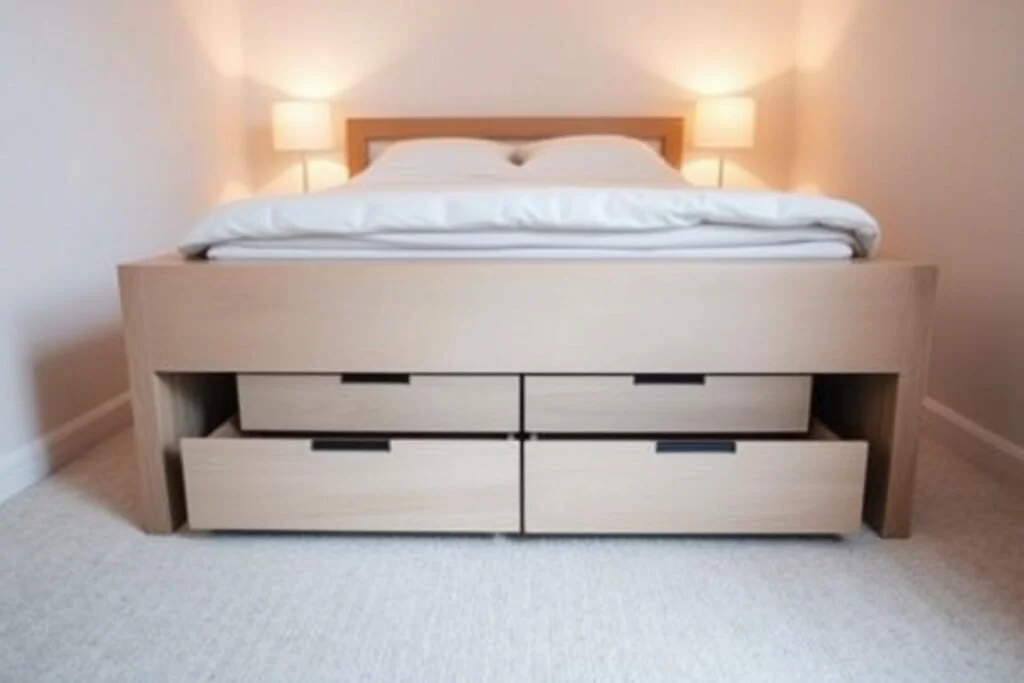
The area under your mattress is the cheapest storage in the house, and most people waste it. A bed with built-in drawers or a lift-up platform can replace a whole dresser, which is usually the bulkiest thing in a small bedroom.

  • Built-in drawer beds: best for clothes you reach for daily. You need side clearance for the drawers to clear fully.
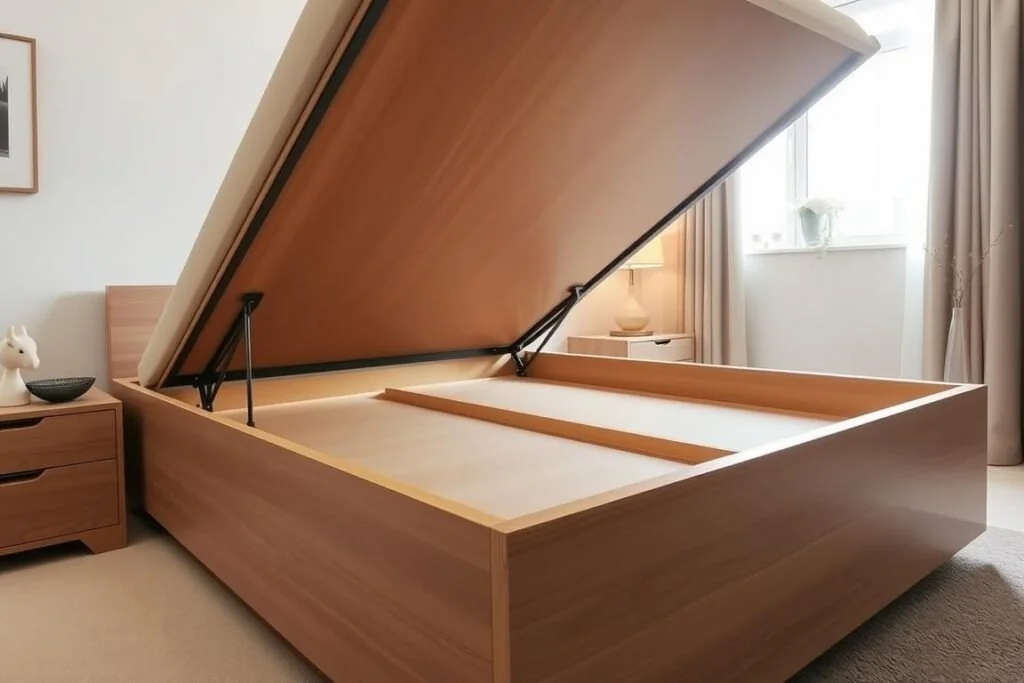
  • Lift-up (hinge-top) bases: the mattress platform raises on gas struts to reveal one big cavity. Ideal when the bed sits tight to a wall. Load it evenly and check that the lid clears any sloped ceiling, shelf or wall light when open.
  • Add-on drawer modules: rolling units that slide under a standard frame. Cheapest option, and you can move them.
  • Low-profile bins: if your frame sits close to the floor, split-lid or shallow bins still work. Measure the gap first and subtract an inch so nothing drags.

Match the container to how often you reach in. Hard drawers for daily wear, soft fabric bins for bulky quilts and off-season clothes. Skip storing anything fragile, liquid or moisture-sensitive down there; textiles do better in sealed bags, especially in a damp room.

Hinge-top storage bed, space saving bedroom furniture with bedding tucked under the lifted mattress

Shopping for a frame? Compare styles in our roundups of platform and storage beds and space-saving bed frames.

Wall beds and loft beds

These free up the biggest chunk of floor area in the room, because the bed simply isn’t there during the day.

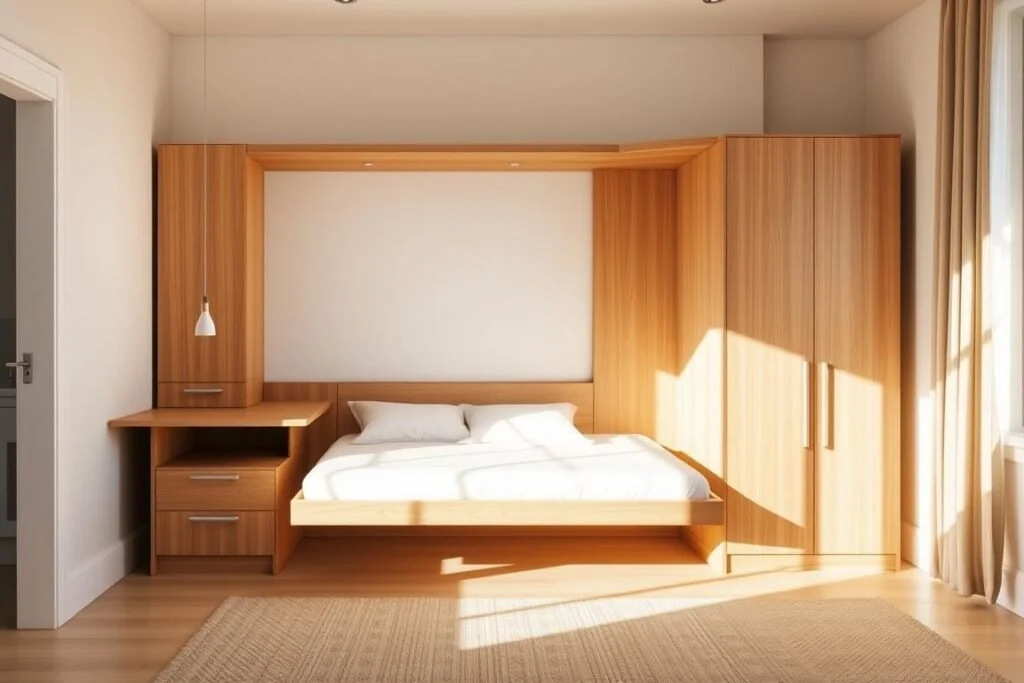
A wall bed with a desk turns a studio or spare room into a real workspace. Manual mechanisms cost less and hold up well; motorized ones cost more and mostly buy convenience. Either way, confirm the unit is fixed into studs, check the manufacturer’s mattress weight and thickness limits, and use the locking hardware every time.

A loft bed raises the mattress so a desk, dresser or small sofa fits underneath. Ceiling height decides whether it’s comfortable or claustrophobic. A common rule of thumb is around 30 inches between the top of the mattress and the ceiling so you can sit up without ducking — that’s guidance from furniture makers and universities rather than a federal requirement, so treat it as a comfort target and test it with a tape measure against your own ceiling.

If it’s a bunk rather than a loft, the safety rules are real. The U.S. Consumer Product Safety Commission defines a bunk bed as one whose mattress foundation sits more than 30 inches above the floor, and upper bunks need guardrails on both sides with the tops of the rails no less than 5 inches above the mattress. Lower bunks 30 inches or less from the floor don’t need them.

Fold-down wall bed beside a built-in desk showing how one unit serves as both office and bedroom

Not sure which bed type suits your room? Our guide to the best beds for small rooms compares Murphy beds, daybeds and low platforms side by side.

Slim wardrobes and smarter closet insides

Tall and shallow beats short and deep. A wardrobe that’s 20 to 24 inches deep holds hanging clothes fine and steals far less floor than a chunky armoire. Sliding doors remove the swing clearance problem entirely, which can be the difference between a wardrobe fitting and not fitting.

Inside, small changes add capacity fast:

  • Modular drawers — shallow for socks and underwear, deeper for folded tees.
  • Shelf dividers to stop stacks from toppling into each other.
  • A second hanging rail under shirts and jackets, since that lower half is usually dead air.
  • Labelled baskets on the top shelf for things you touch twice a year.

Nightstands, benches and desks that pull double duty

A floating nightstand or a wall-mounted cubby keeps the floor visible, which makes the room read as bigger. Set the top roughly level with your mattress so you can reach a glass of water without sitting up. If you’d rather have drawers, look at slim vertical designs — see our nightstand ideas for shapes that work in tight corners.

Other pieces worth the space:

  • Lift-top bench at the foot of the bed: seat, blanket storage, and a place to put a suitcase. Keep a clear path past it.
  • Fold-down wall desk: a real work surface that disappears at 6 p.m. Anchor it to studs.
  • C-table: slides over the mattress edge for a lamp and a book, then tucks away.
  • Storage stool or ottoman: seating plus a hidden box for chargers, hair tools or kids’ toys.

Go vertical: shelves, ledges and door-back storage

Walls are the storage you already own. Using them clears low surfaces and protects walking lanes.

  • Wall shelves: choose a shallow depth so nothing juts into the path beside the bed.
  • Picture ledges: current book, glasses, phone — no bulk.
  • Over-the-door racks: shoes, bags, hats, caught on the way out. Check the door still closes.
  • Pegboard: reconfigurable hooks and trays, good above a desk or inside a closet door.
  • Corner shelves: corners are almost always wasted and are fine for light storage or plants.

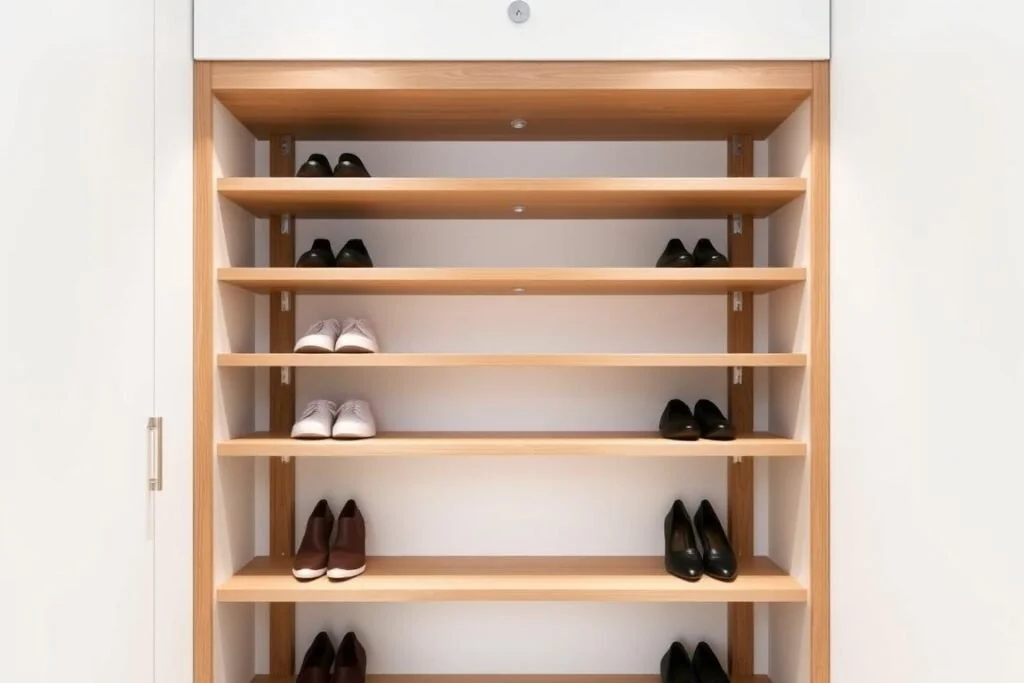
Slim wall-mounted shelving holding shoes and baskets, keeping the bedroom floor clear

If your room has no closet at all, our list of storage ideas for small bedrooms with no closets goes further on wall systems and freestanding rails.

Layout choices that make the room feel bigger

Furniture placement changes how big a room feels as much as the furniture itself does.

  • Keep one uninterrupted walking path from door to bed.
  • Put the tallest pieces against walls, ideally the wall you see last when you walk in.
  • Don’t block windows — daylight does more for perceived space than any paint colour.
  • Group by function: sleeping zone, work zone, storage zone. Fewer trips across the room.
  • Leave a little breathing room between pieces instead of lining them up wall to wall.
  • Lift things off the floor. Legs on a bed or dresser let you see floor underneath, and that reads as space.

A tall mirror opposite or beside a window bounces light deeper into the room; a full-length mirror on the back of the door costs zero floor space. More of these visual tricks are in our post on decorating tricks to make a small bedroom look bigger.

Small bedroom laid out with a low storage bed, floating nightstand and clear walking path to the door

Safety: anchor it, and check the labels

Tall storage in a small room means tip-over risk, especially with kids around. Anchoring is quick and cheap, and the CPSC’s Anchor It! campaign is blunt about it: anchor anything with drawers, doors or shelves to the wall.

Two things worth knowing before you buy a dresser or wardrobe:

Also check weight limits on wall shelves and floating nightstands, and use the fixings rated for your wall type — plasterboard, plaster-and-lath and masonry all behave differently.

Five changes you can make this week

  • Swap a bulky nightstand for a floating one so the bed drawers open fully and the floor stays visible.
  • Put flexible bins under the bed for off-season bedding, labelled by season so you don’t rummage.
  • Add hooks near the door for robes and bags, so the chair stops being a clothes pile.
  • Clip the cables along the bed frame or use a slim raceway. Visible cords make a room look messy for no reason.
  • Empty one drawer completely and re-sort with dividers. You’ll usually free up more room than you expected.

Small resets help more than they sound like they should. A room you can tidy in three minutes tends to stay tidy, and a calm room is easier to wind down in — useful given that adults aged 18 to 60 are advised to get at least seven hours of sleep a night.

Pros and cons at a glance

Piece Pros Cons
Storage bed with drawers Can replace a dresser; easy daily access Heavy to move; needs side clearance
Lift-up (hinge-top) base Huge single cavity; works tight to a wall Awkward for daily items; needs headroom to open
Loft bed Frees a whole desk or lounge zone below Needs ceiling height; climbing in and out
Wall bed with desk Two rooms in one footprint Higher cost; must be fixed to studs
Floating shelves and nightstands Clear floor, light look Weight limits; needs secure fixings
Slim sliding-door wardrobe No swing clearance; lots of vertical capacity Shallow depth; top shelf hard to reach
Over-the-door organizer Zero floor space used Can look cluttered; may block the door

FAQ

How much clearance do I need for an under-bed drawer?

At least the drawer’s height plus about an inch of breathing room underneath, and enough floor in front for the drawer to pull out fully. Watch for bed skirts and footboard rails that quietly eat the opening.

Are lift-up storage beds safe for everyday use?

Yes, when assembled to the instructions and used within the stated weight limit. Look for gas struts or counterbalance hardware, keep hands clear of the hinge line, and don’t let small children open or close the lid on their own.

Can I make a small bedroom feel bigger without buying anything?

Often, yes. Declutter, move the tallest piece against a wall, clear the window, and add a mirror you already own. Rearranging costs nothing and tells you what you actually need to buy.

Do I need a matching furniture set?

No. In a small room, sets usually include a piece that doesn’t fit. Buy a bed and one storage piece that suit the space, then match by colour or finish instead of by collection.

Drawers or rolling bins for a kid’s room?

Rolling bins are lighter and easier for young children to handle on their own; built-in drawers make cleanup faster once they’re bigger. Label the fronts either way.

What’s the single highest-impact swap?

For most small bedrooms, replacing a standard frame plus a dresser with one storage bed. It removes a large floor-standing object and keeps the same amount of storage.

Updated September 2026.

Men’s Bedroom Paint Colors and Color Schemes That Work

men's bedroom color schemes - masculine bedroom color schemes

Men’s Bedroom Color Schemes That Actually Work

Short answer: the most reliable men’s bedroom color schemes pair one deep tone (charcoal, navy, forest green or espresso) with warm neutrals, then repeat a single wood tone and a single metal finish so the room reads deliberate. Keep the palette to two or three core colors plus one small accent, and balance dark surfaces with lighter bedding so the room still feels restful at night. Everything else — texture, art, lighting — is there to support that palette, not compete with it.

Key Takeaways

  • Balance beats boldness: dark walls need lighter bedding (or the reverse) to avoid a cave.
  • Use roughly a 70/20/10 split: dominant neutral, secondary deep tone, small accent.
  • Pick one wood species and one metal finish, then repeat them across furniture, lamps and hardware.
  • Texture — leather, wool, linen, matte paint — adds depth so you need fewer colors.
  • Test paint samples on the actual wall at different times of day before committing.

Charcoal and neutral walls showing how men's bedroom paint colors balance dark and light tones

Charcoal, off-white and warm oak — strong without feeling heavy.

Start With the Structure, Not the Swatch

Decide one thing first: do you want a light and airy backdrop with dark furniture, or dark and cocooning walls with light textiles? Both look masculine; they just move the contrast to a different place.

  • Light walls + charcoal bed + walnut nightstands = open but grounded. Best for small or low-light rooms.
  • Dark walls + off-white duvet + pale wood shelves = moody but calm. Best for rooms with decent daylight or good layered lighting.

Then apply a simple ratio so the palette doesn’t drift: about 70% dominant tone (walls, large textiles), 20–30% secondary tone (bed frame, rug, curtains), and a small percentage of accent color (throw, art, one pillow). Repeat the accent at least three times — art, textile, lamp — so it looks chosen rather than left over.

Seven Palettes to Steal

Scheme Walls Bedding Wood / metal Accent
Charcoal & oak Charcoal (one wall or all four) Light gray, off-white Pale oak / brushed brass Rust
Deep navy Navy Crisp white, taupe Walnut / matte black Cognac leather
Forest green Muted forest green Oatmeal linen Oak / aged brass Warm olive
Monochrome, softened Off-white or heather gray Charcoal and white Black metal / ash Black (hardware, lamp bases)
Gray & beige neutral Soft gray Beige, warm white Walnut / nickel Burnt orange
Earthy rustic Sage or smoky blue Charcoal, undyed linen Reclaimed wood / iron Jute and greenery
Light & bright Crisp white White with one accent Light wood / black Graphic rug pattern

Dark and Moody Without Going All-Black

Full black walls are unforgiving: they swallow light and show every scuff. Charcoal, navy and forest green give you the same weight with more nuance. Soften them with lighter textiles, pale or mid-tone wood, and warm-toned metals so the room feels enveloping rather than cold.

  • In a small room, keep the darkest tone to one wall or the bed frame, not every surface.
  • Choose a matte or eggshell finish on large walls to hide imperfections; use a slightly higher sheen where hands and furniture make contact.
  • Buy sample pots and paint a large patch — dark colors shift dramatically between morning daylight and lamplight.
  • Ventilate while painting and for a while afterwards. The US EPA notes that indoor levels of several organic compounds average two to five times higher than outdoors, and spike during activities like painting and paint stripping.

Dark walls paired with light bedding illustrate men's bedroom color sc featuring masculine bedroom color schemes

A charcoal feature wall plus light bedding stays moody but sleep-ready.

Softer Neutrals: Black and White, Evolved

Straight black-and-white can read like a showroom. Swap stark white for off-white, bone or heather gray and the scheme stays graphic but becomes far more livable. An upholstered headboard softens the hard lines and gives the wall a tactile focal point; repeating black in lamp bases, frames and drawer pulls ties it together. Limit yourself to two quiet patterns — say a subtle weave on the duvet and a geometric rug.

Neutral Foundations: Gray, Beige and Wood

Gray and beige are the easiest long-term bases because small changes feel intentional against them. The trick is warmth: unify your wood tones (oak with oak, walnut with walnut) rather than mixing four species, and let a single accent do the lifting — burnt orange, muted rust or sage in a throw, a print and one lamp.

Wood grain is a color decision as much as a material one. If you’re choosing a frame around the palette rather than the other way round, our guide to wood bed designs shows how different species and finishes read in a room, and a storage bed frame keeps the floor clear so the palette stays the main event.

Men's bedroom color schemes with gray, beige, and walnut furniture cre featuring masculine bedroom color schemes

A gray base with walnut accents is modern and easy to update seasonally.

Warm Rustic and Earthy Materials

Leather, wool, reclaimed wood and stone carry a scheme on texture alone. Keep the shapes simple so grain and patina do the work, and let plants supply the only “bright” color in the room — hardy, low-light species like snake plant, ZZ or pothos survive neglect better than anything flowering.

  • Sage or smoky blue walls with undyed linen and a jute rug feels natural without tipping into beach house.
  • Introduce concrete in small doses — a tray, planter or side table — rather than a whole wall.
  • Echo warm tones in a striped rug or a framed landscape so the accent appears at two heights.

Earthy bedroom tones with sage walls, walnut wood, and charcoal beddin featuring masculine bedroom color schemes

Light and Bright but Still Masculine

If you’d rather not go dark, keep the walls crisp white and build contrast underfoot and overhead: a bold geometric rug, a black-framed mirror, one strong artwork. Keep bedding mostly white and let a single accent color appear in two or three places. Wall-mounted lights in place of table lamps free up nightstand surfaces and add symmetry, which is most of what makes a pale room look tailored rather than empty. If square footage is the real constraint, these tricks for making a small bedroom look bigger pair well with a light scheme, and getting the rug size right matters more than the rug’s pattern.

Lighting: The Part Most Palettes Get Wrong

Paint only looks as good as the light hitting it. Deep colors in particular need layers — ambient, task and accent — or they flatten out after dark.

  • Use warm-white bulbs for evening light. Warm-white LEDs sit around 2700K, while cool- and daylight-white products run roughly 5000–6500K, according to the US Department of Energy.
  • Put the overhead fixture on a dimmer; add bedside sconces or directed lamps for reading.
  • Low-profile LED strips behind a headboard or under a platform frame graze the wall and reveal texture.
  • Plug-in sconces and smart plugs give renters the same effect without wiring.

There’s a practical reason to favour warm, dim light at night: the NHLBI advises keeping the bedroom quiet, cool and dark, and reserving the hour before bed for quiet time away from bright light. And since the CDC puts the recommended amount of sleep for adults at seven hours or more, a scheme that fights your wind-down is working against you. For a fuller walkthrough, see our guide to cozy bedroom lighting.

Man'S Decorating Bedroom Budget - layered lighting - man guide decorating

Art and Walls: Sizing Rules That Keep a Palette Tidy

One oversized piece reads calmer than a scatter of small frames, and it’s the fastest way to repeat your accent color at scale. Two widely used design conventions do most of the work:

  • Width: aim for artwork (or a grouping) about 60–80% of the width of the furniture below it. Over a 60″ queen bed that’s roughly 36–48″ wide.
  • Height: centre the piece around eye level — commonly cited as about 57″ from the floor — and leave roughly 6–10″ of breathing room above a headboard.

Keep frame tone consistent, favour matte or low-glare finishes so lamps don’t bounce off the glass, and repeat one color from the artwork in a pillow or throw. More layouts for the space above the bed are in our bedroom wall decor guide.

Wall Art Masculine size guide - wall art men's bedrooms

An Order of Operations (Cheapest Moves First)

  1. Free: declutter surfaces, pull furniture off the walls, clear window lines so daylight reaches the back of the room. This alone changes how any palette reads.
  2. Nearly free: swap harsh bulbs for warm dimmable ones; match sheets, duvet and shams so the bed looks like one object instead of three.
  3. Low cost: paint a single feature wall, or use removable textured wallpaper if you rent. Frame the two posters worth keeping and bin the rest.
  4. Bigger swings: a rug sized to the bed, a statement headboard on your existing frame, and secondhand solid-wood nightstands you can refinish and rehandle.

Prices vary too much by region and season for us to quote figures honestly — but the sequence holds regardless of budget.

Does Wall Color Actually Affect Sleep?

Be sceptical of confident claims here. Direct research linking a specific wall color to measurable sleep outcomes is thin, and the popular “best colors for sleep” lists mostly extrapolate from general color-psychology studies. What is well supported is the environment around the color: a dark, quiet, cool room and dim evening light. So choose the palette you actually like, then control glare, brightness and clutter — that’s where the measurable gains are.

FAQ

What are the best men’s bedroom paint colors for a small room?

Keep walls light — white, bone or pale gray — and move the depth to the bed frame, rug or bedding. A charcoal bed in a pale room feels grounded without shrinking the space.

How do I stop a dark palette feeling heavy?

Limit the deep color to one wall, add off-white bedding, keep one wood tone light, and light the room in layers with warm dimmable bulbs. Matte paint plus tactile textiles reads rich; glossy dark paint reads cold.

Which accent colors work with gray and beige?

Burnt orange, muted rust, cognac and sage add warmth without shouting. Use the accent in three spots — art, a throw, one lamp or planter.

How many colors should a men’s bedroom scheme use?

Two or three core hues plus one accent. Texture, not extra color, is what adds depth once you’ve hit three.

Do I need to match wood and metal finishes exactly?

Not exactly, but limit yourself to one dominant wood tone and one dominant metal. Brushed brass pairs naturally with walnut and warm neutrals; matte black and nickel suit navy and cool grays.

Where should I start if I can only do one thing?

Lighting. Warm, dimmable, layered light flatters every palette on this page — and it’s cheaper than repainting.

Related Reading

Updated September 2026.

7 Decorating Tricks to Make a Small Bedroom Look Bigger

make a small room look bigger - decorating tricks make small

Make Small Rooms Look Bigger With Smart Design

Yes—simple design moves can make a small room look bigger without a remodel. Start by clearing clutter, unifying paint, and opening sightlines so your eye travels without hitting visual “speed bumps.” These fast, low-cost ideas help a tight bedroom feel open, calm, and airy this week. For more inspiration, explore our small bedroom ideas guide.

Key Takeaways

  • Declutter first to free floors and surfaces—instant visual calm.
  • Use tone-on-tone paint on walls, trim, and ceiling to erase visual breaks and make a small room look bigger.
  • Place mirrors opposite windows and pick low-profile or transparent furniture to lighten visual weight.
  • Keep sightlines clear from the doorway; push tall pieces to the perimeter and store small items out of view.
  • Layer natural and artificial light to brighten corners and stretch depth across the room.

11 Tricks That Immediately Open Up Tight Spaces

These quick wins rely on light, color, and scale. Each one is simple enough to try in an afternoon and together they can make a small room look bigger fast.

1) Declutter for breathing room

Edit surfaces and floors first. When edges disappear, the room reads as one continuous space. Use closed storage so chargers, toys, and papers stay out of sight.

2) Hide the everyday stuff

Store daily-use items in drawers, baskets inside closets, or lidded bins. Fewer visible objects reduce visual “noise.” See our guide to tidy storage for small rooms: small-bedroom storage ideas.

3) Paint walls, trim, and ceiling the same color

One continuous tone blurs edges and removes contrast lines that chop the view. Soft neutrals are forgiving; darker wraps can feel cocoon-like if used uniformly.

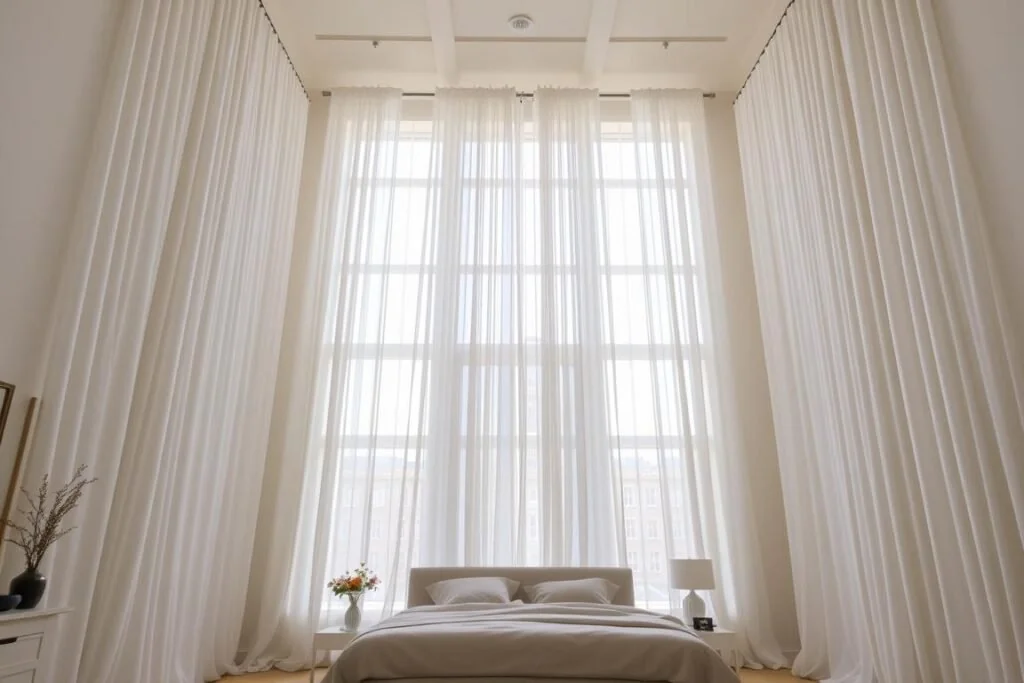
4) Hang curtains as high as possible

Mount rods near the ceiling and let panels kiss the floor to stretch wall height. If you love sheers, they pull in light while keeping privacy.

5) Use mirrors to double sightlines

Place a mirror opposite a window or a favorite view to bounce light and extend depth. One large mirror beats many small ones for a cleaner read. Explore placement ideas: mirror placement in bedrooms.

6) Choose low, leggy, or transparent furniture

Platform beds, open-base dressers, and clear acrylic tables lighten the footprint and reveal more floor—instantly making the layout feel larger.

7) Keep walkways open

Pull furniture out of traffic paths so you can see uninterrupted floor from the doorway. Fewer bumps = bigger feel.

8) Match major pieces to the wall color

When your bed frame, curtains, and wardrobe echo the wall tone, contrast drops and the room reads calmer and wider.

9) Add one oversized focal point

Choose one large artwork or a single statement headboard instead of many small accents. A single focus reduces visual clutter.

10) Maximize vertical storage

Go up, not out: tall bookcases, built-ins, and wall-to-wall shelves free floor area. Closed fronts keep the view serene.

11) Layer ambient, task, and accent lighting

Brighten corners and vary heights with ceiling lights, wall sconces, and a bedside task lamp. According to the CDC, a supportive sleep environment (quiet, dark when needed, and comfortable) helps you get enough rest—good lighting control makes winding down easier.

Curtains hung high near the ceiling to make a small bedroom look bigger and taller

A unified paint color and a single large mirror help the eye read longer, cleaner lines.

Smart Furniture, Layout, and Storage Moves

Place key pieces to preserve sightlines from the doorway to the far wall. Keep the center open, push tall items to the perimeter, and use storage that disappears.

Position the bed to stretch visible floor

When possible, center the bed on the wall opposite the door. If the door forces a side placement, choose the side that maintains a clear path. For frame ideas that reduce visual mass, see low-profile bed frames.

Use built-ins and lifted surfaces

Window seats, slim benches, and wall-mounted nightstands add storage and free floor space. Swap table lamps for wall sconces to keep tops clear.

Reduce the edge count

Choose fewer, well-scaled pieces instead of many small ones. Align furniture tops and keep ceiling lines as uninterrupted as possible.

Smart storage and layout choices help make a small room look bigger - decorating tricks make small

Keeping tall storage on the perimeter and the center open preserves long sightlines.

Light, Color, and Surface Choices That Stretch Space

Daylight sweeping across uninterrupted surfaces makes a compact room feel expansive. Use high-mounted panels or sheers so windows flood the area with light.

Tone-on-tone colors reduce visual breaks

Match major furnishings to wall color to lower contrast and make a small room look bigger. Prefer moody hues? Wrap the walls, trim, and ceiling in the same deep shade for a seamless envelope.

Reflective accents and clear tops

Mirrors, glass, and subtle gloss bounce light into corners. Keep dresser tops mostly clear so surfaces read as wide planes.

Healthy materials and certifications

If you are refreshing bedding or a mattress while you optimize the room, consider products with trusted certifications for peace of mind. Learn the labels here: bedding and mattress certification guide.

Want a visual walkthrough? Watch this quick overview and pick one tip to try today: how to make a small room look bigger.

Tone-on-tone paint and mirrors can make a small room look bigger - decorating tricks make small

Mounting curtain rods near the ceiling line visually lengthens the walls. A single large mirror opposite a window doubles daylight and extends depth.

FAQ

How do mirrors make a small room look bigger?

They reflect light and repeat views, which extends sightlines. Place one opposite a window or focal point for the strongest effect.

Should I go light or dark with paint?

Both can work. Light tones bounce more light. Dark wraps blur edges. The key is consistency: keep walls, trim, and ceiling the same color.

What size rug helps the room feel larger?

A bigger rug usually beats a small one. Aim to fit under the bed and reach the nightstands so the floor reads as one continuous field.

What furniture style makes a small room look bigger?

Low, leggy, or transparent pieces show more floor and reduce visual weight. Avoid bulky silhouettes that block sightlines.

Conclusion

To make a small room look bigger, clear clutter, keep sightlines open, and use tone-on-tone color so the eye glides across the space. Try one fast swap—hang curtains high, add a mirror opposite the window, or shift the bed to open the center—and build from there. For more small-space solutions, explore Cozy Bed Quarters. You’ve got this!

Related reading from Cozy Bed Quarters

Other reading we found popular


Best Bed for a Small Room: Murphy, Sofa Bed or Storage

Beds Small Rooms - best bed for small room

The best bed for small room layouts is the one that gives you back floor space during the day without costing you sleep at night. For most tight bedrooms that means a wall (Murphy) bed if the room does double duty, a storage platform bed if you’re short on drawers, a sofa bed or daybed in a guest room or office, and a loft or bunk in a kids’ room. Everything else is a measuring problem: get your walkways and door swings right first, then pick the style.

Pick Your Bed by How the Room Is Used

Start with what happens in the room between 8 a.m. and 10 p.m., not just how you sleep. A bed that vanishes is worth a lot in a studio and almost nothing in a bedroom you only walk into at bedtime.

Your situation Strongest option Why it works
Studio or one-room apartment Murphy / wall bed Clears the middle of the floor every morning for a table, a mat or a desk
Home office that hosts guests Sofa bed or daybed with trundle Seating all week, a real bed a few nights a month
Small primary bedroom, no closet space Storage platform bed (drawers or lift-up) Replaces a dresser, so you buy back a wall
Kids’ or shared room Bunk or loft Stacks sleeping and frees the footprint below for desk or play
Occasional overnight guests only Rollaway or folding frame Stores flat in a closet the other 360 nights

If you want the full rundown of mechanisms and shapes before you commit, our guide to space-saving bed types walks through each one side by side.

Measure the Room Before You Shop

This is the step that prevents returns. Measure wall to wall at floor level, then note baseboards, radiators, window sills, vents and the arc of every door — including closet doors, which are the usual casualty of a bed that’s one size too big.

  • Walkways: aim for roughly 24–30 inches on any side you actually use. It’s a rule of thumb, not a code, but less than about two feet starts to feel like squeezing past furniture.
  • Foot of the bed: leave room for the drawer or the lift-up lid to open, plus space to stand while you open it.
  • Ceiling height: matters for wall beds, lofts and bunks. Measure to the ceiling, then again to the lowest thing hanging from it (a fan or light fixture).
  • Delivery path: doorways, stair turns, elevator depth. Flat-pack solves most of this; a one-piece wall bed cabinet does not.

Then do the tape test. Put painter’s tape on the floor in the exact footprint of the bed you’re considering, and live with it for a day — walk in from the door, pretend to make it, pretend to open the drawers. If you keep clipping a corner, size down.

Don’t trade away sleep quality to win a few inches. The CDC notes that adults aged 18–60 are recommended to get at least seven hours of sleep a night, and a thin, undersized mattress on a clever frame is still a thin, undersized mattress.

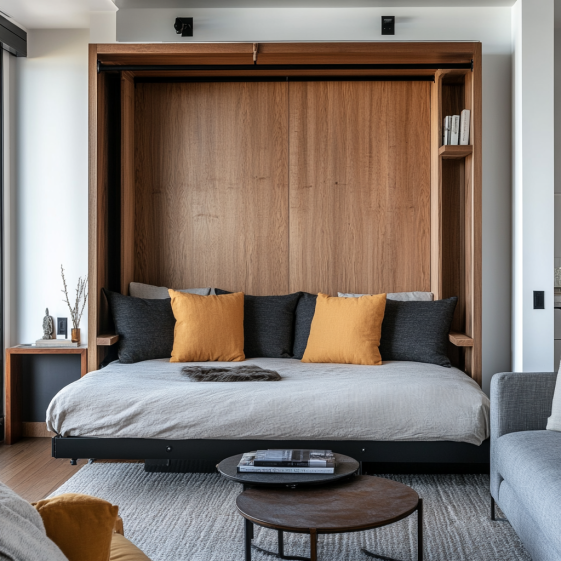
Murphy and Wall Beds: The Biggest Daytime Win

A wall bed folds vertically or horizontally into a cabinet, so the room resets to empty floor every morning. In a small studio that single change can be the difference between a bedroom with a desk shoved in the corner and a proper living space.

Murphy bed folded into a cabinet, the best bed for a small room that doubles as living space

Two broad types:

  • Freestanding cabinet units. The whole assembly stands on the floor, so there’s little or no drilling into the wall. Easier for renters, easier to take with you.
  • Wall-mounted units. Slimmer and tidier, but they have to be anchored into studs or solid masonry. If you aren’t confident finding structure behind the drywall, pay for installation — this is not the corner to cut.

What to check before buying: the lift mechanism (gas piston or spring, and how heavy the pull-down feels), the maximum mattress thickness and weight, the wall width including trim, and how much the closed cabinet projects into the room — usually 16 to 20 inches, which eats real floor space even when it’s shut. Side cabinets, fold-out desks and integrated shelving are common add-ons, and modern units generally handle foam and hybrid mattresses within the stated limits. More detail in our guide to a bed that folds into the wall.

The honest downside: you have to strip or strap the bedding daily, and you’ll fold it up more than you expect to. If you know you won’t bother, a storage bed is the better buy.

Sofa Beds and Daybeds: A Couch Bed for a Small Room

If the room needs seating more than it needs a permanent bed, a convertible sofa or a daybed earns its footprint twice a day. A sofa bed hides the mattress inside the frame; a daybed is a twin mattress with a back and sides, dressed with bolsters so it reads as a sofa.

  • Sofa beds suit guest rooms and offices used by adults a few nights at a time. Check the open length — a sleeper needs far more clearance in front than the closed sofa suggests. Thicker foam or a hybrid insert hides the support bars better than a thin innerspring pad.
  • Daybeds are better for nightly sleeping, because you’re using an ordinary twin mattress. Add a trundle and you get a second bed that rolls out from underneath.
  • Fabric matters in a room that doubles as a living space. A tight-weave performance fabric survives daily sitting far better than loose velvet.

Sizing and mechanism comparisons live in our guide to sofa beds for small spaces.

Storage Beds: Drawers or Lift-Up Platform?

Under a standard bed sits 25 to 35 square feet of dead space. A storage bed claims it, and in a small room that often means you can skip the dresser entirely — which is both a space win and one less piece of furniture to worry about, since CPSC’s mandatory stability standard for dressers and other clothing storage units, backed by the STURDY Act, took effect in September 2023 and any dresser you keep should be anchored to the wall.
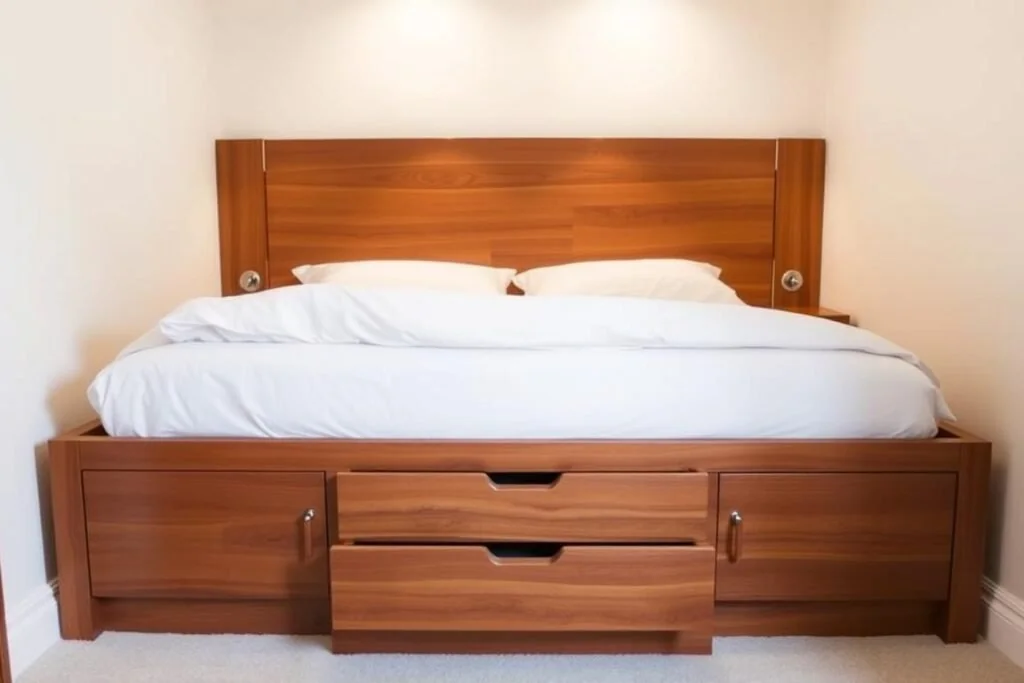
Platform storage bed with under-bed drawers in a small bedroom

Side drawers win for daily items — socks, tees, workout clothes. Look for full-extension glides and check which side they open on, because a drawer that needs 24 inches of pull-out space on the wall side is a drawer you’ll never use.

Lift-up (ottoman) platforms win for bulk: luggage, bedding, seasonal coats. The whole deck hinges up on gas struts. Confirm the struts are rated for your mattress weight, and leave clearance at the head or foot for the deck to swing.

Either way, the trade-off is the same: storage beds are heavy, harder to move, and you can’t sweep under them. If you’d rather keep a normal frame, bins on risers do a cheaper version of the same job. See our roundup of hidden storage beds for layouts that suit narrow rooms.

Lofts and Bunks: Build Upward

Stacking is the only way to truly double a floor plan. A loft puts a desk, dresser or reading nook under the mattress; a bunk puts a second sleeper there.
loft style space-saving bed frame with under-bed workstation

Safety rules here are not optional. Federal regulations require that a bunk bed provide at least two guardrails on the upper bunk, one on each side; lower bunks whose foundation sits 30 inches or less off the floor don’t need them. Bunk beds also carry a warning label about which children should use the top bunk — read it and follow it.

Practical clearances to plan for:

  • Enough headroom above the top mattress to sit up without hitting the ceiling. Manufacturers usually specify a minimum; check yours before you buy, and measure to the ceiling fan, not just the ceiling.
  • Roughly 34–36 inches of desk-sitting height under a loft, plus space for a chair to push back.
  • A ladder that’s fixed to the frame, not hooked on, with steps wide enough for bare feet.
  • Thicker mattresses reduce the guardrail height above the sleeping surface — stick to the maximum thickness printed on the label.
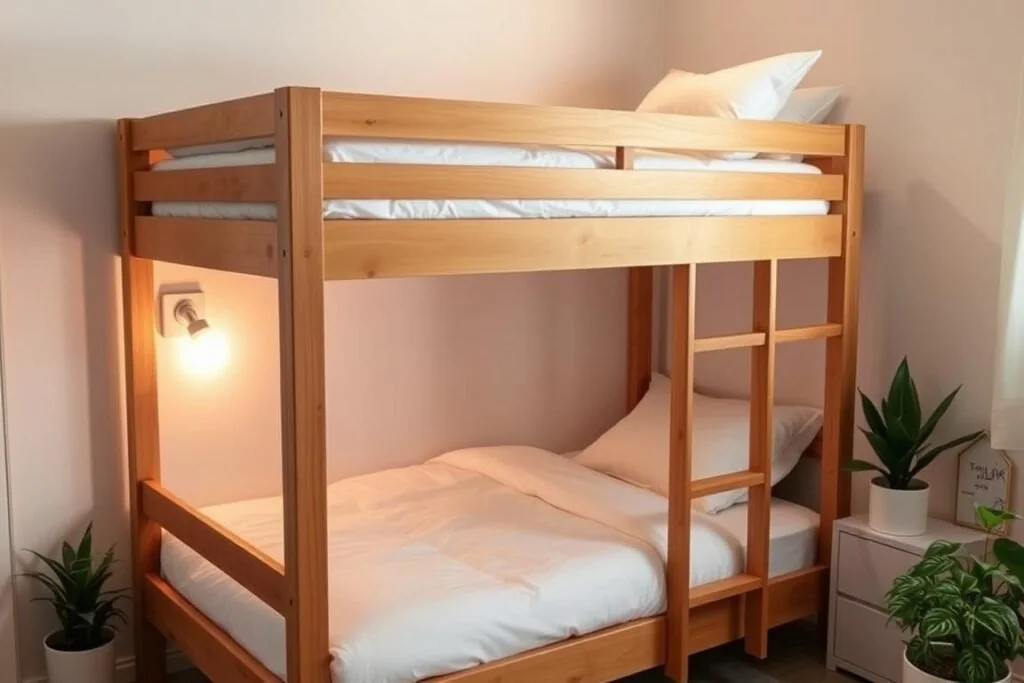
Twin-over-twin bunk bed with guardrails in a small shared kids room

Size and Frame Height: Fit First, Then Feel

US mattress sizes are standard: twin 38 by 75 inches, twin XL 38 by 80, full 54 by 75, queen 60 by 80. In a small room the jump from twin to full costs 16 inches of width — often exactly the walkway you were counting on.

  • Twin: narrowest footprint, easiest to place along a long wall, works as a daybed with bolsters.
  • Twin XL: same width, five more inches of length for taller sleepers.
  • Full: real shoulder room for one adult, tight for two. Check it against your room before you fall in love with it — our full size bed dimensions guide has layout diagrams.

Frame height changes how big the room feels. A low-profile platform frame with built-in slats skips the box spring, drops total height by several inches and keeps sightlines open. Just remember that lower frames leave less under-bed clearance for bins, so pick one or the other: low and airy, or higher with storage.
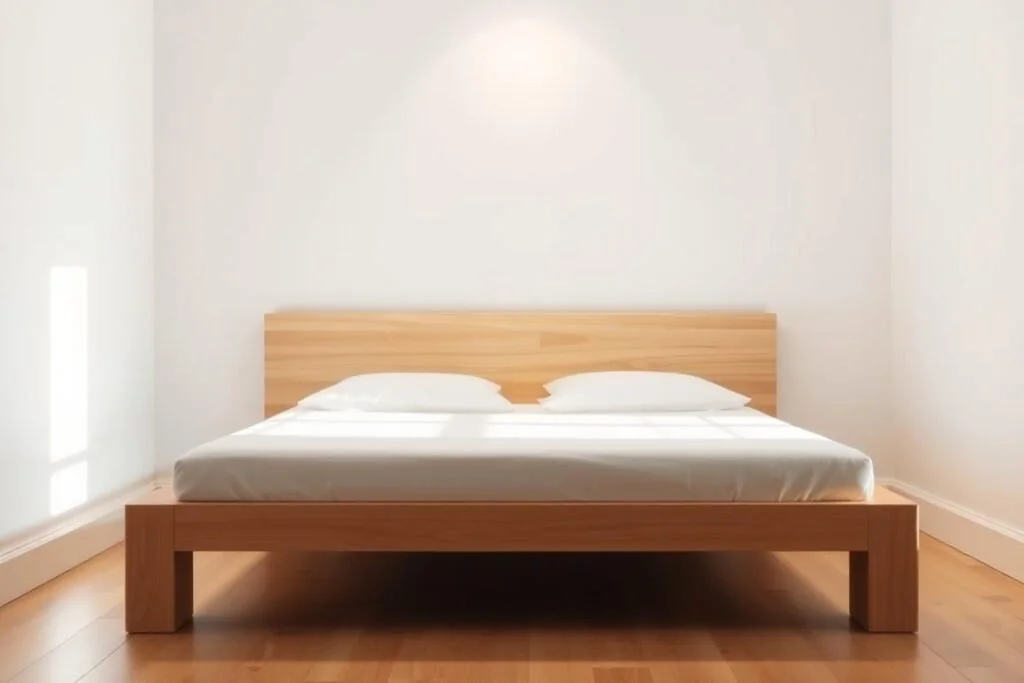
Low-profile platform bed frame in a compact bedroom with a clear walkway

Two more details worth checking on any frame: slat spacing (most foam mattress warranties want slats no more than about three inches apart) and a center support leg on anything full-size or larger. Those two things decide whether the bed squeaks in a year.

Materials and Air Quality in a Small Room

A tiny bedroom has less air in it, so off-gassing is more noticeable. Most budget storage beds and wall bed cabinets are built from particleboard or MDF. That’s fine — but since March 2019, composite wood products such as hardwood plywood, MDF and particleboard, along with finished goods made from them, must be labeled as TSCA Title VI compliant for formaldehyde emissions. Look for that label, air new furniture out for a few days with a window cracked, and vacuum out storage cavities before you fill them.

Beyond that, claims about “non-toxic” frames vary a lot in what they actually mean, and independent evidence comparing brands is thin. Judge what you can verify: the emissions label, solid joinery, and a finish that doesn’t smell strongly in the showroom.

Shopping Checklist

  • Room measurements, door swings, window and radiator positions.
  • Delivery path: doorway widths, stair turns, elevator depth.
  • Walkways of about 24–30 inches on the sides you use.
  • Daily access versus seasonal storage — drawers or lift-up.
  • Mattress thickness and weight limits for wall beds, sofa beds, bunks and lofts.
  • Slat spacing, center support, total frame height.
  • Assembly: who’s building it, and can it be taken apart when you move?

Once the bed is settled, the rest of the room follows. Light paint, one big mirror and wall-mounted lighting instead of table lamps will do more than any furniture swap — there’s a full list of tricks in our guide to making a small bedroom look bigger.

FAQ

What’s the single best bed for a small room?

There isn’t one. A wall bed gives the biggest daytime gain, a storage bed gives the biggest organisational gain, and a daybed or sofa bed is best in a room that needs seating. Pick by how the room is used, then check the bed leaves a 24–30 inch path where you walk.

Is a full-size bed too big for a tiny bedroom?

Not automatically. Tape out 54 by 75 inches on the floor. If you still have a walkway on one long side and the door and closet open freely, a full works. If the tape hits the closet door, drop to a twin XL.

Can you sleep on a daybed or sofa bed every night?

On a daybed, yes — it takes a regular twin mattress. On a sofa bed it depends on the mechanism; pull-out mattresses are usually thin, and a topper or a foam-mattress model makes a real difference for nightly use.

Do Murphy beds have to be attached to the wall?

Wall-mounted models do, into structural framing. Freestanding cabinet models are designed to stand on their own, though many still include an anti-tip anchor. Follow the manufacturer’s instructions exactly, and hire an installer if you’re unsure what’s behind your drywall.

Is a lift-up storage bed hard to open?

Not if the gas struts are matched to your mattress weight. A heavy hybrid on a frame rated for a light foam mattress is what makes these feel stiff, so check the rating against your mattress before you order.

Can a storage bed really replace a dresser?

Often, yes. Four deep drawers hold roughly what a small dresser does. Keep folded items in the bed and hang the rest, and you free up a whole wall.

Updated September 2026.

Small Bedroom Storage Ideas for Rooms With No Closet

small bedroom storage ideas - genius storage small bedrooms

The best small bedroom storage ideas for a room with no closet come down to three moves: build a wardrobe wall where a closet should be, turn the space under your bed into a second dresser, and push everything else up onto the walls and door backs. Do those three and you can usually skip the bulky chest of drawers entirely, which is what frees the floor. Everything below is sorted by how much space it gives you back, with renter-friendly options called out.

Small bedroom with mirrored wardrobes, wall sconces and an under-bed drawer keeping the floor clear

A compact room using mirrored wardrobes, wall sconces and an under-bed drawer so the floor stays clear.

Measure and zone the room before you buy anything

Storage that doesn’t fit is worse than no storage, so spend ten minutes with a tape measure first. Sketch the room and mark three zones: sleep, dress, and work or relax. Every piece you bring in should belong to one of them.

  • Measure wall-to-bed gaps, the ceiling height, and the clear depth under your bed frame (including any center rail that blocks a long bin).
  • Leave a walkway beside the bed you can actually use. Roughly two feet is the common design rule of thumb; less than that and you’ll shuffle sideways every night.
  • Check door and drawer swings. A dresser that can’t open fully is wasted money.
  • Keep daily items at arm’s reach and send rarely used things high or deep.
  • Photograph the wall you’re planning. Gaps show up in a photo that your eye skips over in person.

If you’re still choosing a frame, a low-profile or storage bed changes the whole plan. Our bedroom furniture and layout guide walks through floor plans for tight rooms.

Slim dresser for small bedrooms as part of small bedroom storage ideas - genius storage small bedrooms

Small bedroom storage ideas that free up floor space first

Floor area is the thing you’re short on, so the highest-value swaps are the ones that move storage off the ground or into space you already own.

  • Wall shelves above the bed and desk. A pair of shelves holds books, baskets and a lamp without eating a single square foot of floor. Find the studs before you drill. In most US homes they sit 16 inches apart on center, and a shelf that’s screwed into framing will hold far more than one hanging on drywall anchors alone.
  • A pegboard or rail system. Hooks, cups and small baskets on a grid handle jewelry, headphones, hats and hair tools. It’s the cheapest way to clear a dresser top.
  • Over-the-door organizers. The back of the bedroom door is usually the most wasted surface in the room. Shoe pockets, a hook rack, or a slim outfit pole for tomorrow’s clothes all work here.
  • Swing-arm sconces instead of table lamps. Losing the lamp base is often enough to make a tiny nightstand workable.
  • Corner shelves. Triangle shelves stack into a dead corner and don’t stick out into the walkway.

Small bedroom using wall shelving and compact furniture to keep clothes and books off the floor

Build a wardrobe wall when there’s no closet

This is the single biggest fix for a closet-free room. Line up two or three full-height wardrobes along one wall, push them tight together, and close the gap at the ceiling with a strip of simple molding or a painted filler panel. Paint the molding the wall color and the units read as built-ins rather than furniture.

  • Mix the insides: one hanging bar for shirts and jackets, adjustable shelves for folded knits, and labeled bins up top for luggage and off-season gear.
  • Shelf dividers keep sweater stacks from sliding into each other and stop bags toppling.
  • Mount a small reading light and a hanging basket on the wardrobe side that faces your bed. That’s your nightstand, and it costs zero floor space.
  • Run cords behind the units in a shallow channel and finish the edge with a scribe strip so nothing looks temporary.
  • Mirrored or glossy doors bounce daylight back into the room and make the wall feel less like a block.

Renting? Freestanding wardrobes work the same way; skip the molding and use removable anti-tip straps instead of screwed-in brackets where your lease allows.

Under-bed storage: the biggest space you already own

A queen bed sits on roughly 30 square feet of floor. Using that rectangle properly can replace a dresser outright.

  • Built-in drawers or a lift-up platform. Drawers suit daily clothes; a hydraulic lift-up base swallows bulky bedding but needs clearance to open, so don’t push it under a sloped ceiling.
  • Rolling bins. Wheels matter more than capacity. A bin you can pull out one-handed gets used; one you have to drag doesn’t.
  • Zone it. Daily clothes and shoes near the edge, archive boxes toward the wall.
  • Vacuum bags, with a caveat. They shrink synthetic duvets, puffer coats and spare blankets dramatically. Down and feather items are a different story: bedding makers generally advise breathable cotton bags instead, because long compression crushes the clusters that give down its loft. Treat that as manufacturer guidance rather than tested fact, but it’s consistent advice across the industry.
  • Bed risers add a few inches of clearance, and some models include outlets for bedside charging. Only use them if your frame’s legs sit flat and stable in the cup, and check the riser’s stated weight rating against the bed, mattress and sleepers combined.

Under-bed drawers and rolling bins storing folded clothes and shoes in a small bedroom

Under-bed drawers take over folded-clothes duty so a whole wall stays open.

More on both approaches in our guides to hidden storage beds and bed risers for storage.

Double-duty furniture and nightstand alternatives

In a small room, every piece should earn its footprint twice.

  • Desk as vanity. One narrow desk, a wall mirror above it, drawer dividers inside. Keep a lidded tray on top so you can lift the clutter off and reset the surface in seconds.
  • Storage ottoman or flip-top bench. Seating at the foot of the bed that holds blankets and spare pillows.
  • Fold-down desk or drop-leaf table. Out for work, flat against the wall the rest of the time.
  • Floating shelf nightstand. A shallow ledge at mattress height for your phone and glasses, plus a slightly deeper cubby below for books. No legs, no dust trap, no bumped shins.
  • Tall, narrow dressers. Same capacity as a wide one in half the wall length. Anchor it (more on that below).
  • Adhesive catchalls. A small acrylic holder stuck to the wall near your pillow keeps the remote and glasses off the bed.

For frames and case goods built around tight rooms, see our roundups of space-saving bedroom furniture and the best beds for small rooms.

Make a small closet hold more

If you do have a closet and it’s tiny, the rod is almost always underused.

  • Double-hang. Shirts and folded trousers only need about 40 inches of drop, so a second rod below the first roughly doubles hanging space. Keep one section full-height for dresses and coats.
  • Slim velvet hangers. They cut the width of a packed rod noticeably compared with chunky plastic.
  • Hanging fabric cubbies for shoes, gym clothes or bags, so the shelf stays clear.
  • One drawer stack on the floor plus a narrow shoe tower turns the bottom half into real storage instead of a pile.
  • Battery puck lights inside. You can’t wear what you can’t see.
  • Label the bins. Boring, but it’s the difference between a system and a graveyard.

Dead zones worth activating

Spot What to add Best for Renter-friendly
Back of the door Over-door rack, hooks, outfit pole Bags, hats, tomorrow’s clothes Yes
Under the bed Rolling bins, drawers, risers Off-season clothes, bedding, shoes Yes
Above the door Single high shelf Suitcases, storage boxes Needs drilling
Window nook Bench with hinged lid or bins below Blankets, books, seating Yes, if freestanding
Awkward corner Corner shelves or a narrow tower Plants, books, baskets Usually
Bed headboard wall Floating shelves, sconces Bedside items, decor Needs drilling

One small habit keeps all of it working: a nightly two-minute reset where everything goes back to its spot, plus a proper declutter each season. Storage only buys you time if you keep editing what goes into it.

Anchor anything tall before you load it

Tall wardrobes and narrow dressers are exactly the shape that tips. The US Consumer Product Safety Commission now enforces a mandatory stability standard for free-standing clothing storage units after the STURDY Act, adopting ASTM F2057-23 as a federal rule, and the agency’s tip-over data covers hundreds of deaths, most of them children. Use the anti-tip hardware in the box, screw it into a stud, and load heavy items in the bottom drawers. This matters most if kids or pets share the room.

The same logic applies to shelves over a bed. Keep heavy objects low, use hardware rated well above what you plan to store, and don’t hang a loaded shelf from drywall anchors alone.

Make the room feel bigger, not just hold more

Storage solves capacity. These moves solve the cramped feeling.

  • Hang a large mirror opposite or beside a window so it reflects daylight rather than a wall.
  • Keep the palette tight. Fewer colors across walls, bedding and storage reads calmer and less busy.
  • Choose legs over plinths where you can. Seeing floor under furniture makes a room feel deeper.
  • Style by subtraction: one tray, two objects, done.
  • Match storage baskets so open shelving looks intentional instead of accumulated.

There’s some evidence the payoff isn’t only visual. A study presented in the journal SLEEP found that de-cluttering habits predicted better self-reported sleep quality and fewer sleep problems, though the effects were small and based on survey data, not a controlled trial. Treat a tidy bedroom as a likely nudge in the right direction rather than a cure.

More on the visual side in our guides to making a small bedroom look bigger and bedroom mirror placement.

Cheap fixes that punch above their price

  • Over-the-door shoe organizer, repurposed for anything small
  • Removable adhesive hooks along a blank wall for bags and robes
  • Vacuum bags for synthetic bedding and winter coats
  • Drawer dividers cut from cardboard or cheap plastic trays
  • Uniform bins from one range, so mismatched containers stop looking like clutter
  • Slim velvet hangers to reclaim rod space

FAQ

How do I store clothes if I have no closet?

Pair a full-height wardrobe wall with under-bed drawers. Hang what wrinkles, fold what doesn’t, put daily clothes at arm’s reach and archive the rest up high or toward the wall under the bed.

What’s the best nightstand alternative in a tiny room?

A shallow floating shelf at mattress height with a wall-mounted sconce above it. Add a lower cubby if you read in bed.

Are bed risers safe on any frame?

No. They suit frames with flat, stable legs that sit fully inside the riser cup. Check the weight rating, avoid them on frames with casters or splayed legs, and push the bed to test for wobble before loading bins underneath.

Can I vacuum-seal everything?

Synthetic bedding, coats and cotton clothes compress fine. Down and feather duvets and wool are better stored loosely in a breathable cotton bag, since long compression can flatten the fill.

What works if I rent and can’t drill?

Freestanding wardrobes and shelving, over-door racks, removable adhesive hooks, under-bed bins and storage ottomans. Check your lease before adding anti-tip brackets, and ask, because most landlords prefer a small screw hole to a tipped wardrobe.

Should I buy a storage bed or a dresser?

If the room is under roughly 100 square feet, the storage bed usually wins, because the dresser needs both its own footprint and clear space in front of it for open drawers.

Updated September 2026.

How to Choose the Right Chandelier or Ceiling Fan for Your Bedroom

bedroom ceiling light fixtures - chandelier ceiling fan bedroom - right chandelier ceiling

Choosing Ceiling Light Fixtures for Bedrooms

Wondering which bedroom ceiling light fixtures will feel both cozy and practical? Start with a layered plan, then decide if a chandelier’s sparkle or a fan’s quiet airflow suits your sleep and climate. Updated 2025.

Plan first: combine an overhead ambient source with bedside and task lighting so you can read, relax, and get ready without fuss. Choose warm-to-neutral bulbs (2700K–3500K) and add dimming so the glow shifts from bright morning energy to soft evening calm. For standard 8′ heights, use flush or semi-flush mounts; taller rooms welcome pendants or chandeliers. If airflow matters, size a ceiling fan correctly and keep blades safely high.

Key Takeaways

Skimmable highlights for quick decisions.

  • Layer ambient, bedside, and task lighting for comfort and control.
  • Use 2700K–3500K LEDs with dimmers to match mood and time of day.
  • Bedroom ceiling light fixtures for 8′ ceilings: flush or semi-flush; tall rooms: pendants or chandeliers.
  • Pick a fan when steady airflow improves sleep; pick a chandelier for visual drama.
  • Match finishes to hardware and repeat each metal at least twice for cohesion.

Start with a layered plan that fits how you live

Layering creates soft, even light and fewer hotspots.

Balance ambient, task, and accent light. Begin with an overhead source, then add bedside lamps or wall-mounted swing arms for focused reading. Decorative accents—like a petite pendant or sconce—bring personality without glare. According to the CDC, most adults need at least seven hours of sleep; a calm, dimmable bedroom helps you wind down consistently.

Keep controls close. Place switches or smart buttons within arm’s reach of the bed to avoid harsh overhead light when you first wake. For deeper ideas, see our pillar guide: Bedroom Lighting Ideas.

A guide to bedroom ceiling light fixtures for cozy and practical lighting featuring right chandelier ceiling

Bedroom ceiling light fixtures: flush, semi-flush, chandeliers, and pendants

Let ceiling height and room size guide your selection.

Standard 8′ ceilings: choose flush or semi-flush mounts for broad, comfortable light with safe head clearance. Semi-flush offers a bit more presence without dropping too low.

Taller rooms or over-bed spots: pendants and chandeliers bring light closer to where you need it, especially above the bed where no one walks. Look for adjustable downrods to fine-tune height and brightness.

  • Scale matters—undersized fixtures disappear; oversized pieces can cast uneven light.
  • Materials set mood: fabric drums soften; glass or capiz add sparkle; rattan and beads add texture.
  • Confirm drop length and cleaning access before you buy.

Different types of bedroom lighting including ceiling fixtures - featuring right chandelier ceiling

Chandelier or ceiling fan? How to choose for your bedroom

Comfort vs. drama—pick the one that supports your sleep and climate first.

Comfort first: if steady air movement helps you sleep or nights run warm, a ceiling fan with an integrated light often outperforms a chandelier for daily comfort. If you crave a focal point, a chandelier delivers sparkle and style.

Ceiling fan vs. chandelier: quick compare

  • Best for: Fan = airflow & comfort; Chandelier = style & drama.
  • Rooms: Fan suits warm climates and larger spaces; chandelier shines in cooler climates and tall ceilings.
  • Light quality: Fan lights are even and practical; chandeliers add directional sparkle.
  • Maintenance: Fan needs blade dusting/balancing; chandelier needs shade/crystal cleaning.
  • Noise: Choose DC-motor fans for quiet; chandeliers are silent but don’t cool.

Quick sizing for fans by room area

  • Up to 75 sq ft: 29–36″ diameter (nursery or small room).
  • 76–144 sq ft: 36–42″ (typical bedrooms).
  • 145–225 sq ft: 44–48″ (larger rooms).
  • 225–400+ sq ft: 48–54″+ (consider two fans in very large spaces).

Mounting basics that improve performance

Use a hugger/low-profile model for 8–9′ ceilings. Higher ceilings need a downrod to place blades at the airflow “sweet spot.” For vaulted surfaces, add a slope adapter so the motor hangs straight.

Safety and efficiency tips

Keep blades at least 7′ above the floor and balance them for quiet operation. For healthier bedrooms overall, consider low-VOC materials and safer soft goods; here’s a clear overview of common bedding certifications to use as a general shopping benchmark.

Related how-to: Ceiling Fan Size Guide.

Choosing between a chandelier or ceiling fan in the bedroom - chandelier featuring right chandelier ceiling

Don’t forget bedside lamps, wall lights, and smart controls

Small moves make nightly routines easier.

One lamp per side for shared beds; a single lamp works for solo sleepers. Position the shade’s bottom just below eye level when you sit up to reduce glare. Tight on space? Swap table lamps for wall-mounted swing arms or a slim pendant to free your nightstand. A floor lamp can add a reading nook without new wiring.

  • Pick bulbs by lumens, not old “watt” rules, and choose models that dim smoothly.
  • Smart switches and lamps let you control scenes from bed—dim overheads while keeping bedside light bright.
  • Repeat finishes intentionally: limit to one or two metals and show each at least twice.

More tips: Best Bedside Lamp Heights and Smart Bedroom Lighting. Prefer video? Watch this quick primer: Bedroom Lighting Tips.

Simple buying checks: sizes, finishes, and color temperature

A few measurements prevent returns and headaches.

  • Fast diameter estimate: add room length + width (in feet) to get fixture diameter (in inches). Example: 12′ + 13′ → ~25″.
  • Walk paths need 7′ clearance; over the bed you can hang lower because no one walks underneath.
  • Choose 2700K–3000K for wind-down; 3000K–3500K for tasks earlier in the evening.
  • Confirm dimmer compatibility for LEDs and verify mounting type (hugger, downrod, slope adapter).

For clinical sleep questions, consult the American Academy of Sleep Medicine.

How to size a chandelier or fan for bedroom ceilings - chandelier ceiling featuring right chandelier ceiling

FAQ

What’s the best color temperature for bedrooms?

Warm light feels relaxing. Use 2700K–3000K for wind-down, and up to 3500K when you need a bit more energy to tidy or get ready.

How high should a chandelier hang in a bedroom?

Keep at least 7′ of clearance wherever people walk. Above the bed, hang lower and use an adjustable downrod to fine-tune for reading and cleaning.

Should I choose a ceiling fan or a chandelier?

Pick a fan if airflow helps you sleep or your climate runs warm; pick a chandelier if cooling is handled and you want a strong decorative focal point.

Do I need a dimmer for bedroom ceiling light fixtures?

Yes—dimming reduces glare at night and boosts brightness for chores. Check that your LED bulbs and the switch are compatible.

Conclusion

Confirm size, placement, and control so your bedroom ceiling light fixtures work day and night. Measure first, match fixture type to ceiling height, and use dimmers to shift from chores to wind-down with one tap. If you go with a fan, size it to the room and keep blades at least 7′ above the floor. For more inspiration, visit Cozy Bed Quarters – Bedroom Lighting Ideas. Thanks for reading—sleep well and shine softly!

Related reading from Cozy Bed Quarters

Other reading we found popular