The Ultimate Guide to Choosing a Mattress in 2025

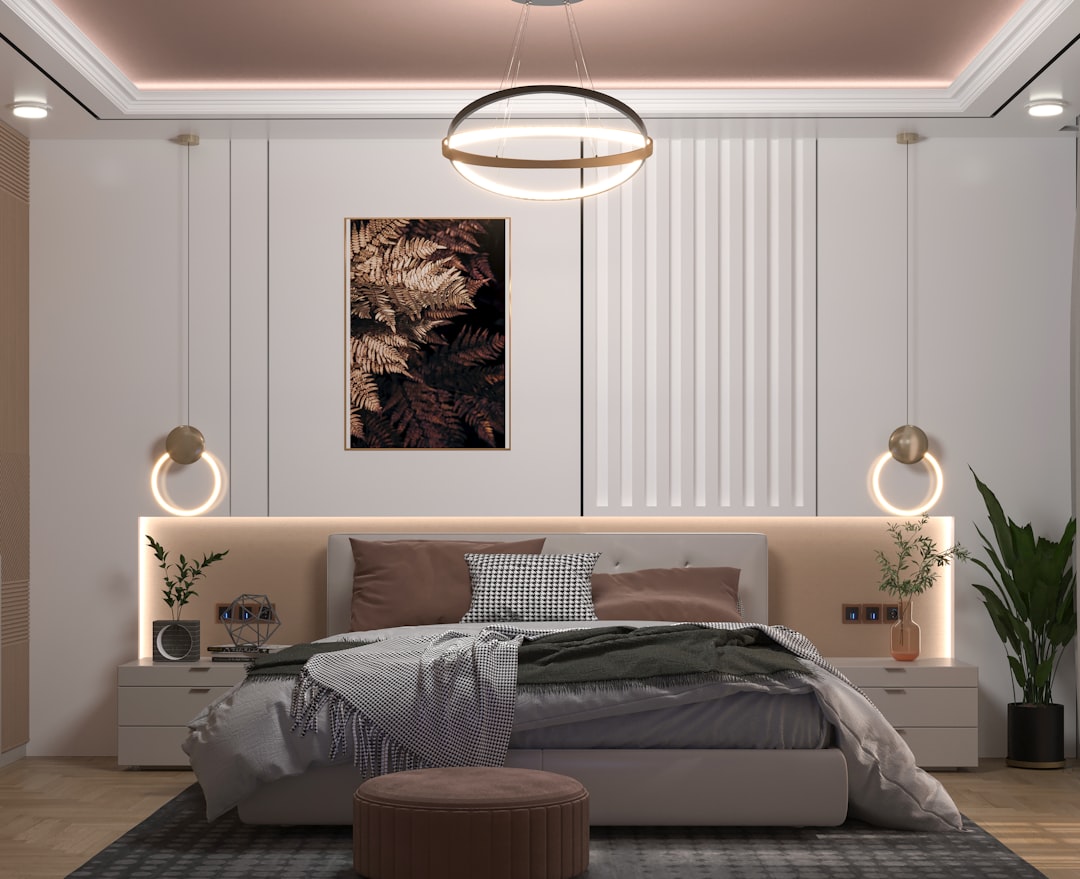
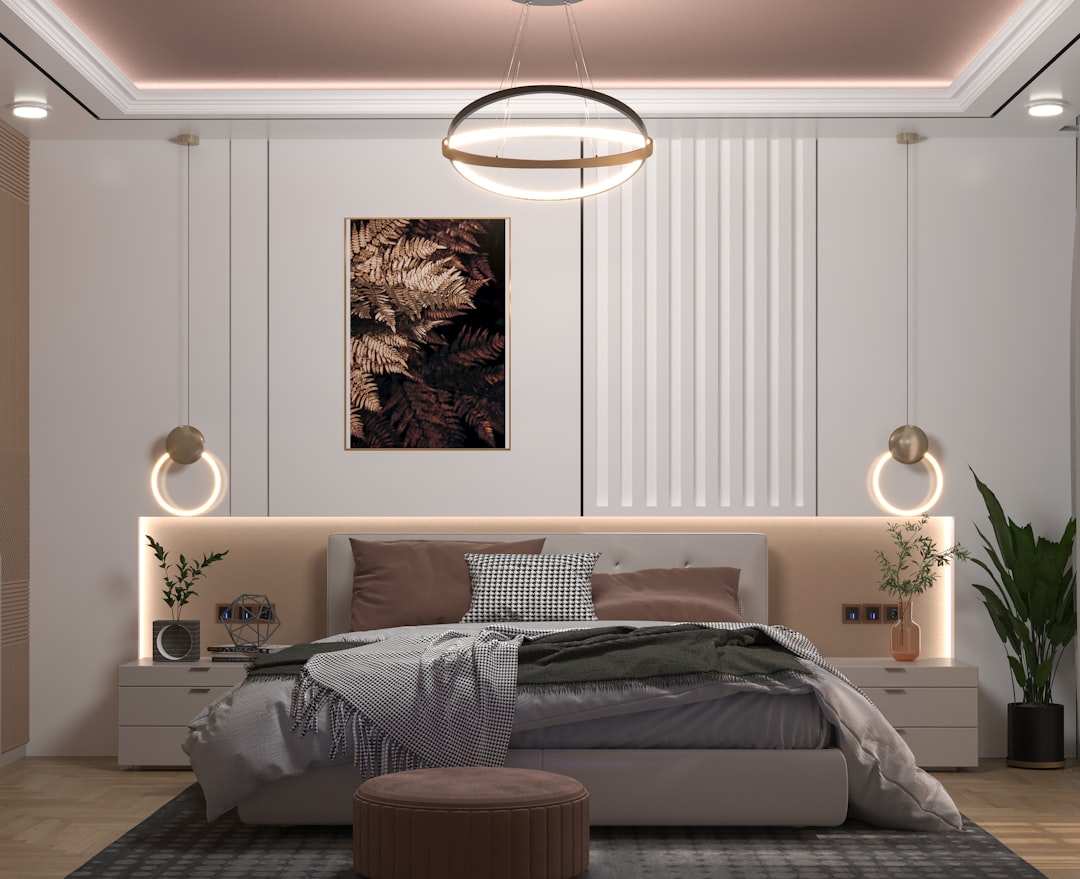
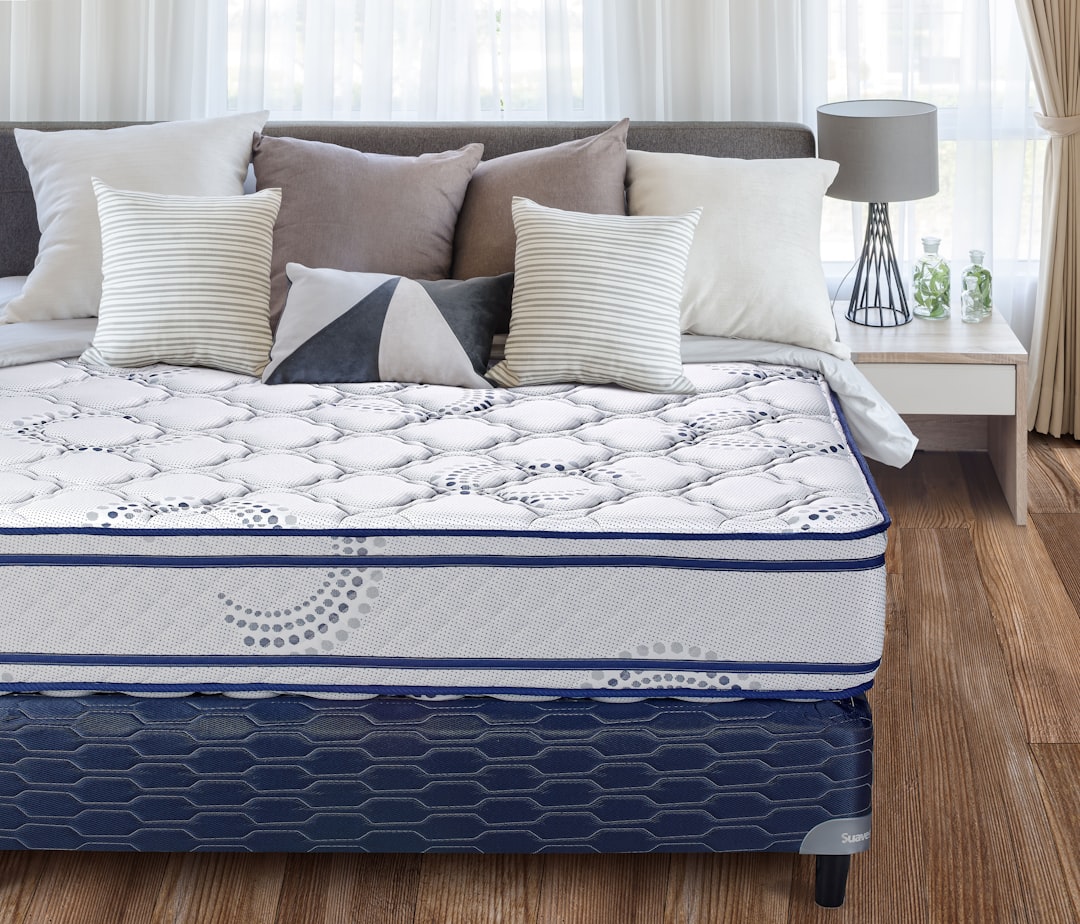
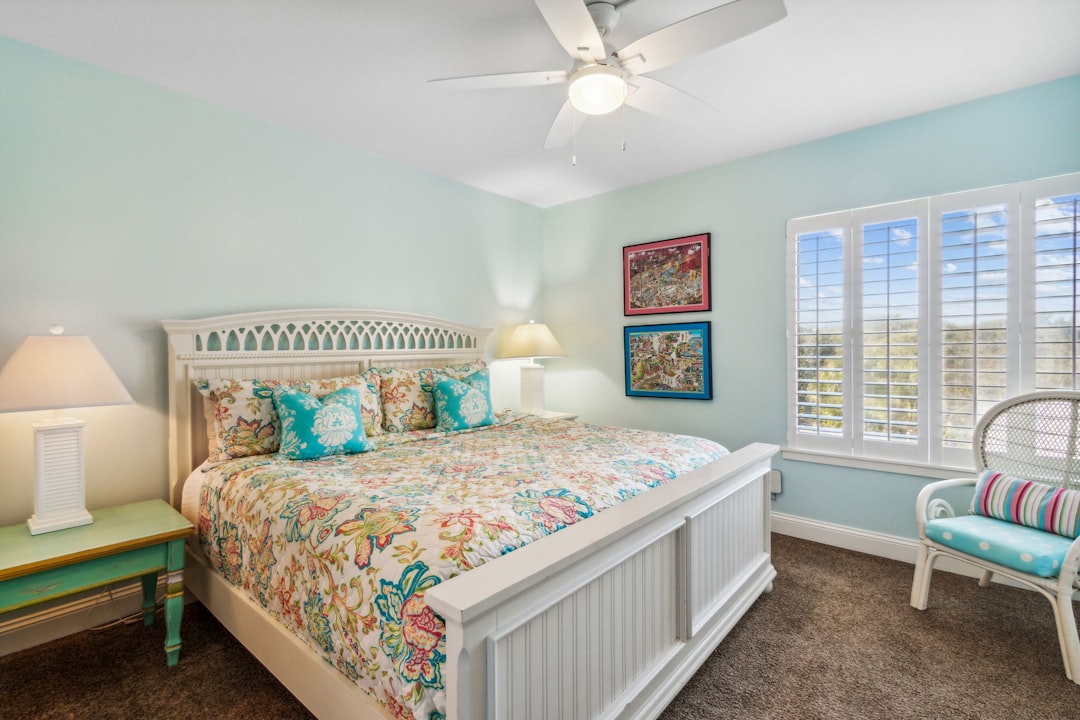
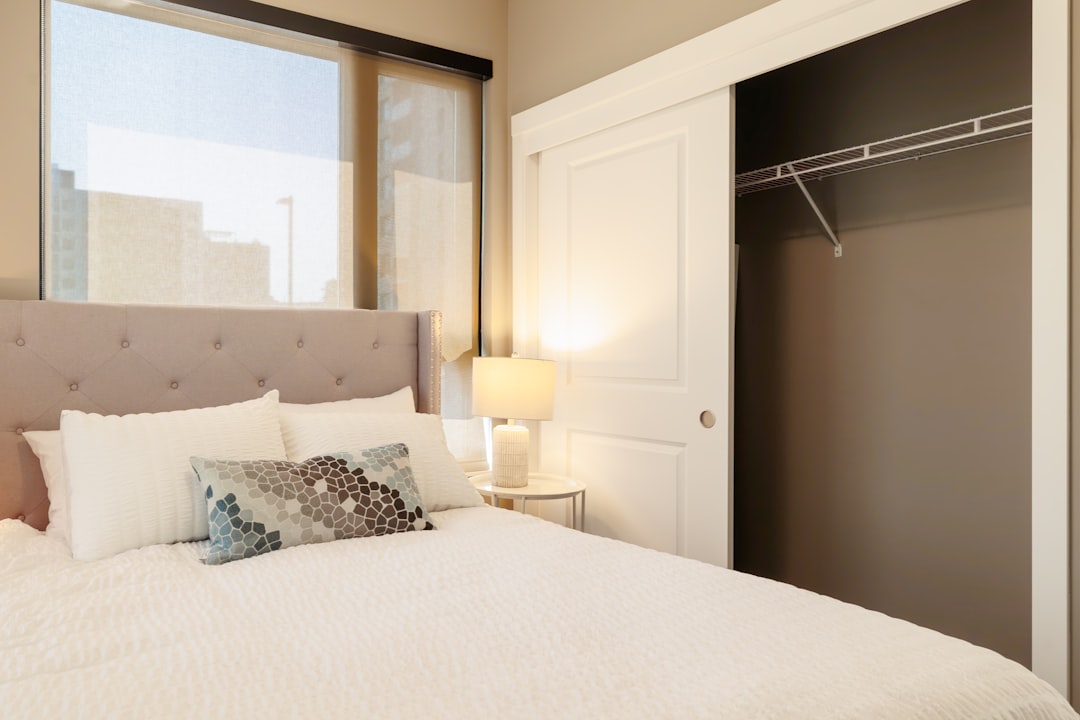
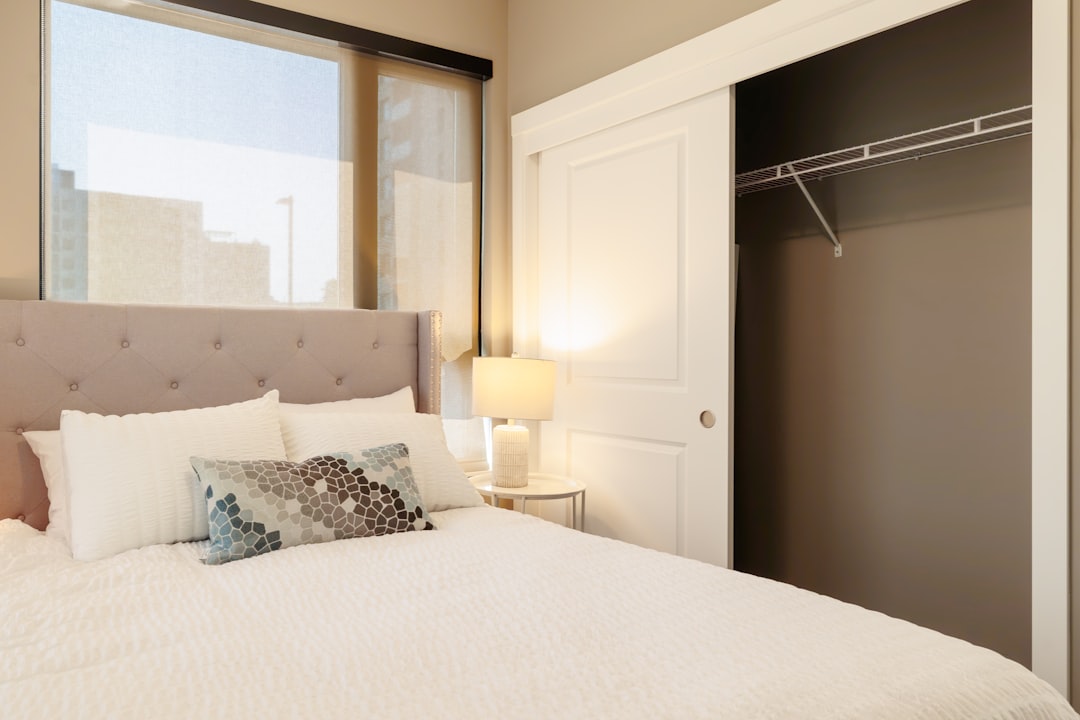
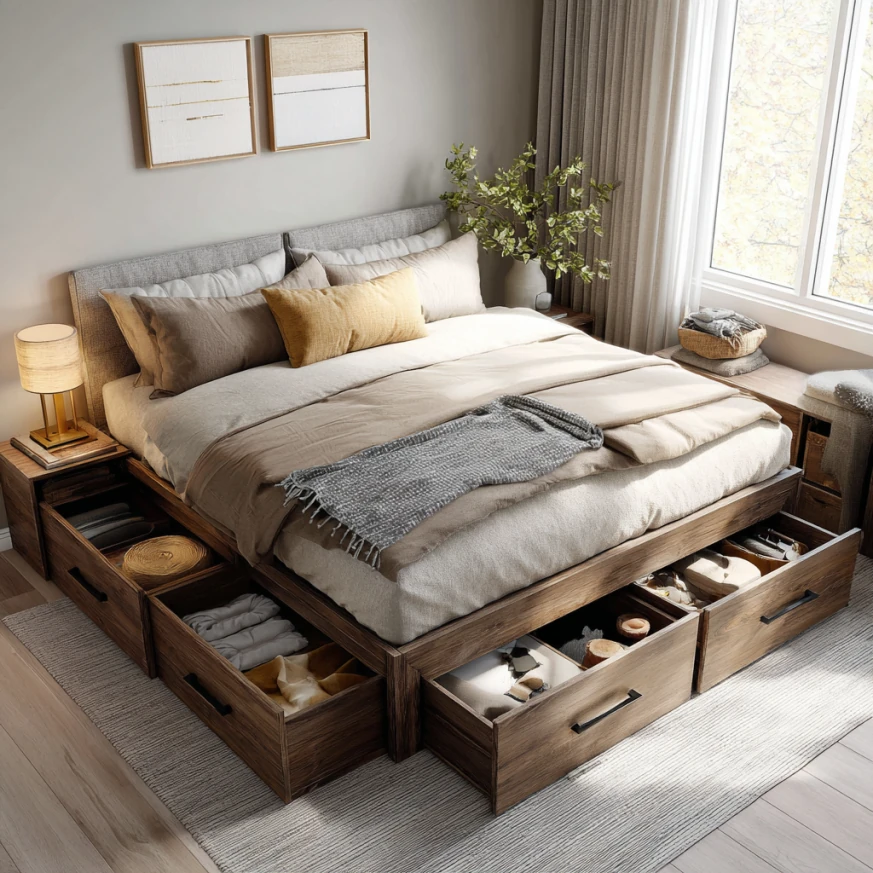
Choose Mattress in a cozy bedroom setting

How to Choose the Right Mattress for You

Updated: August 25, 2025

If you’ve been wondering how to choose a mattress, the secret is simple: match your sleep position and body type to the right firmness, then pick a material—foam, hybrid, latex, or springs—that brings you the comfort, support, and budget fit you need for peaceful sleep.

Want to skip ahead to popular picks? Start with our memory foam vs spring mattress guide, compare brands in our Casper vs Purple comparison, or see our best mattresses for side, back, and stomach sleepers. If you run hot, our cooling mattress guide highlights breathable picks.

Think of your mattress as the foundation of nightly comfort—it should align your spine while easing pressure points. Your sleep position, body weight, and temperature needs shape the feel you’ll love. Side sleepers usually need more cushioning, while back and stomach sleepers benefit from firmer support. Hot sleepers tend to do better with breathable covers and coils.

Key Takeaways

  • Begin with sleep position and body type before choosing firmness.
  • Foam hugs, springs bounce, latex feels buoyant—materials shape the experience.
  • Cooling, motion isolation, pressure relief, and edge support all matter for comfort.
  • Choose a budget tier, then double-check trial and warranty terms.
  • Keep this phrase in mind—how to choose a mattress—as your checklist.

How to choose a mattress: 7 friendly steps

  1. Start with your sleep position. Side, back, stomach, or combination—this guides firmness and support needs.
  2. Match firmness to your body type. Lighter sleepers often prefer softer beds; heavier sleepers usually need firmer support.
  3. Pick your material. Foam for contouring, springs for bounce, hybrids for balance, latex for breathable lift. For deeper details, see our memory foam vs spring mattress guide.
  4. Focus on feel. Wake up sore? Prioritize pressure relief. Hate feeling “stuck”? Choose a responsive surface. For quick picks, our position-based mattress guide simplifies choices.
  5. Think about cooling and motion control. Hot sleepers or couples often need breathable covers, coils, or motion-isolating foam. Explore our cooling mattress guide for tested options.
  6. Set your budget sweet spot. Mid-range models usually offer the best value, while premium adds durability and luxury touches.
  7. Check trial and warranty. Look for at least 90–120 nights of trial and a 10-year warranty with clear coverage terms. Not sure which brands stand out? Our Casper vs Purple comparison breaks it down.
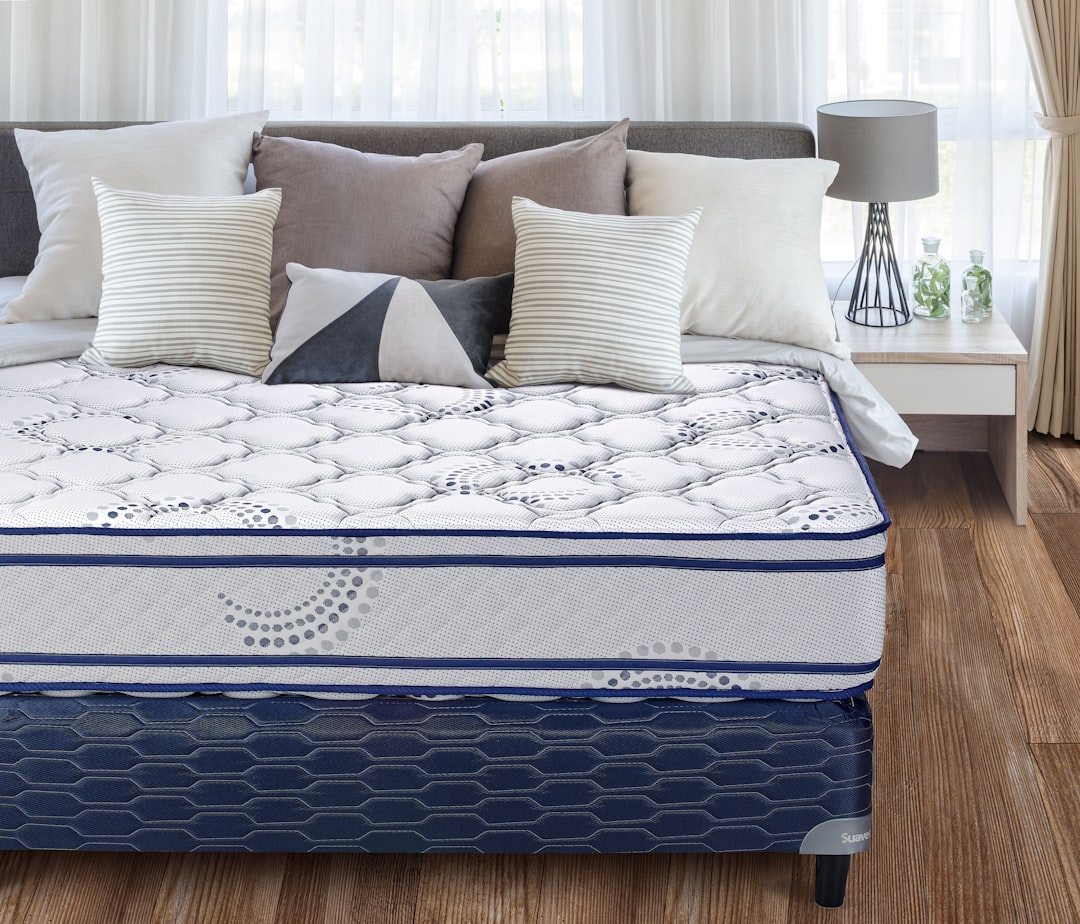
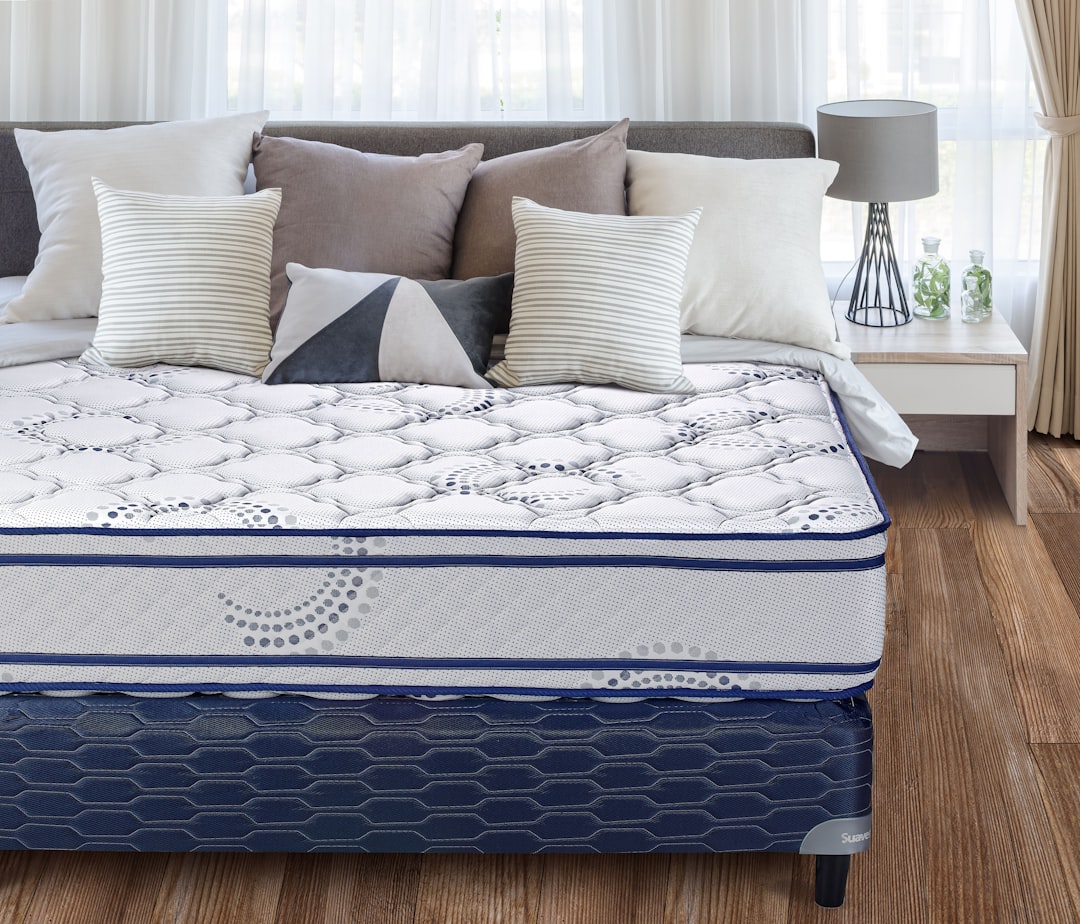
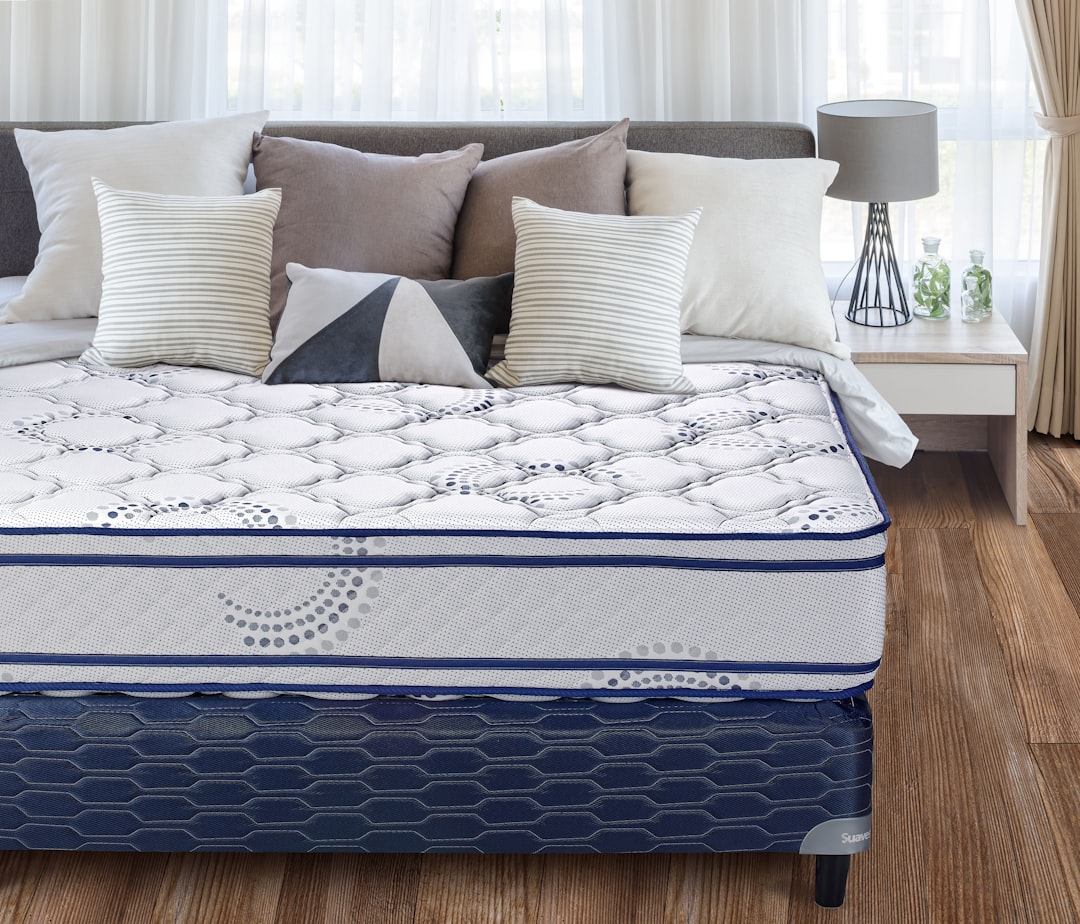
Mattress layers displayed in a showroom to explain how to choose a mattress for your sleep style

A quick firmness scale helps match your body type and sleep position to the most comfortable feel.

Side sleepers

Medium-soft to medium firmness with cushioned hip and shoulder support. Memory foam and plush hybrids are often the coziest choice.

Back sleepers

Medium to medium-firm mattresses keep the spine aligned. Zoned coils or dense foams help prevent sagging and morning stiffness.

Stomach sleepers

Firmer surfaces with reinforced cores are best here—keeping hips lifted and lower backs supported.

Combination sleepers

Responsive latex or medium hybrids make it easy to change positions without feeling trapped in the bed.

Need more tailored picks? Our sleep position guide covers detailed recommendations.

Materials, cooling, and movement

Materials dictate temperature, pressure relief, and bounce. If you’re learning how to choose a mattress for your needs, start by matching these traits to how you sleep.

Foam: Snug contouring, great motion isolation—just be sure density is high enough for durability.

Springs: Classic bounce and airflow; newer pocketed coils minimize partner disturbance.

Hybrid: The best of both worlds—coil support with foam or latex comfort layers.

Latex: Naturally bouncy, breathable, and durable—ideal for hot sleepers and restless movers.

  • Foam vs Springs: Foam = pressure relief & motion control; Springs = bounce & airflow.
  • Hybrid vs Foam: Hybrid adds stronger edges and cooling; Foam keeps a deeper, “huggy” feel.
  • Latex vs Hybrid: Latex feels buoyant and cool; Hybrids feel balanced with extra edge support.

Cooling tip: Hot sleeper? Look for breathable covers, gel-infused foams, or coil layers that let air flow. See our cooling mattress guide for more options.

For couples: Motion-isolating foam or pocket coils help when one partner moves. Reinforced edges mean more usable space without rolling off.

For trustworthy sleep-health basics, the Sleep Foundation outlines healthy sleep tips, and AASM shares best practices. If you’re shopping for safer materials, scan recognized labels with this mattress certification guide and see this roundup of non-toxic mattress options.
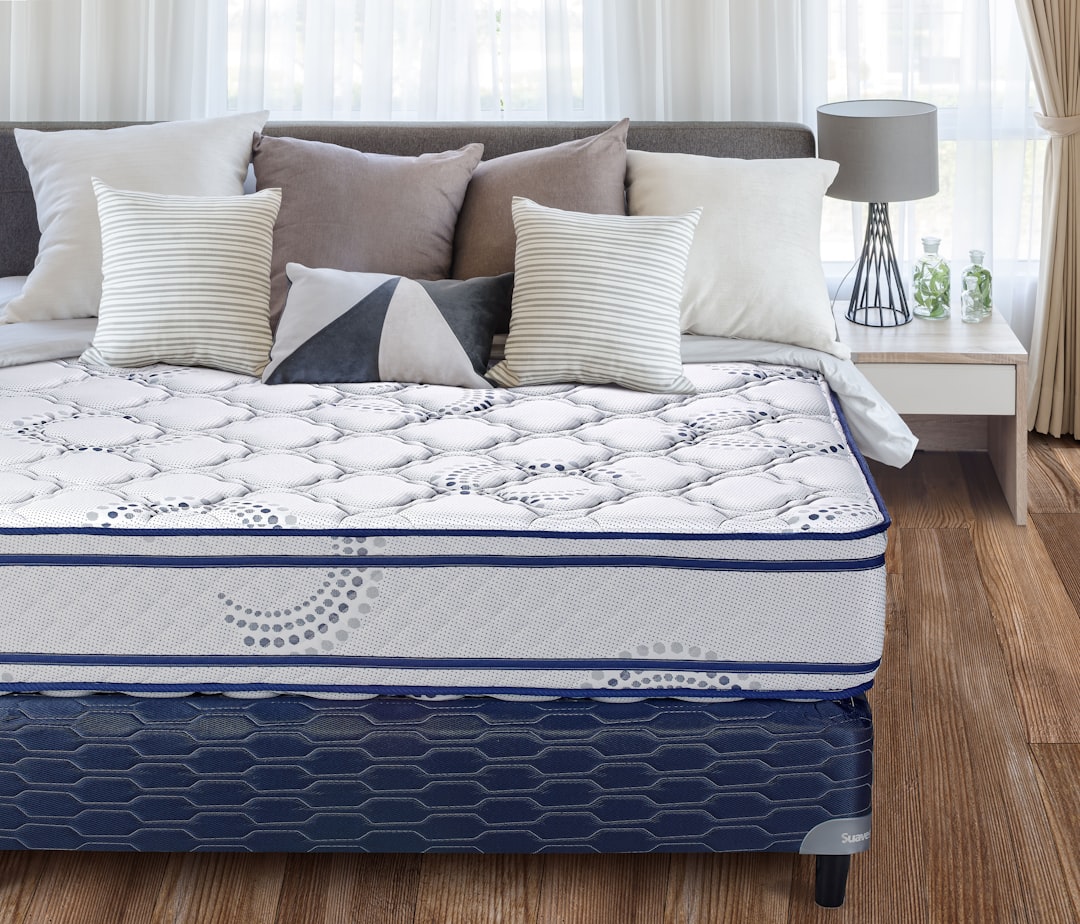
The Ultimate Guide to Choosing a Mattress in 2025 - choose mattress

This cutaway shows how coils and breathable foams improve airflow and edge stability.

Budget, trials, and warranties

Choosing a mattress isn’t just about price—it’s about lasting comfort and peace of mind. Here’s how to think about it in practical terms.

Budget tiers: Value options work well for lighter sleepers or guest rooms. Mid-range often offers the best balance of quality and cost. Premium brings advanced cooling, zoning, and longer durability.

Trial & returns: Aim for 90–120 nights. Make sure returns are easy and pickup is included.

Warranty: Look for 10+ years with clear sagging coverage. A transparent policy means less worry down the road.

FAQ

What mattress firmness is best for side sleepers?

Most side sleepers like medium-soft to medium beds that cushion shoulders and hips while keeping the spine aligned.

How often should I replace my mattress?

Plan on about 7–10 years. If you wake with aches, see deep body impressions, or sleep hotter than before, it may be time.

Is a hybrid mattress better than memory foam?

It depends on your priorities. Hybrids sleep cooler and feel bouncier; memory foam excels at pressure relief and motion isolation.

How to choose a mattress if I’m a combination sleeper?

Pick medium firmness with responsive materials (latex or hybrid). You’ll get easy movement without losing pressure relief.

Conclusion

If you’re figuring out how to choose a mattress, begin with your sleep position and body type, pair it with the right material for your needs, and confirm fair trial and warranty terms. The real test comes from sleeping on it at home—not just five minutes in a store. For more cozy guidance, explore Cozy Bed Quarters.
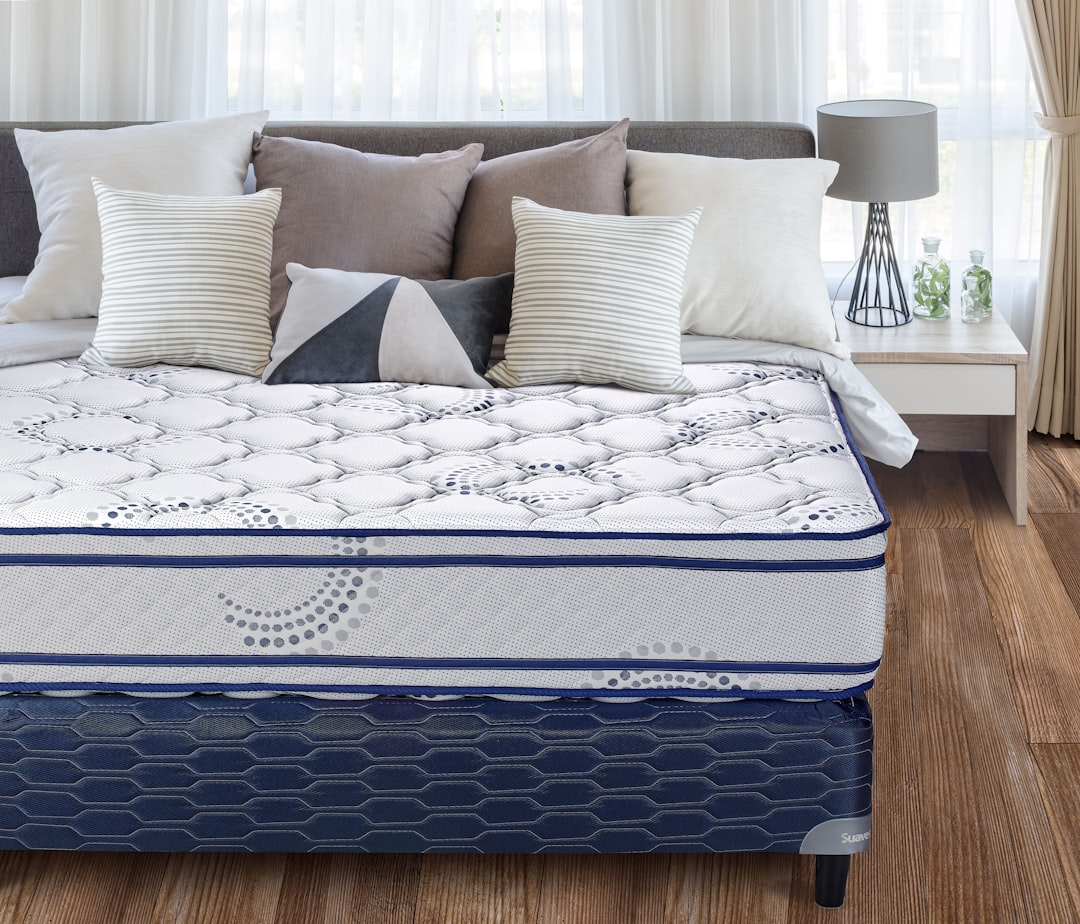
The Ultimate Guide to Choosing a Mattress in 2025 - choose mattress

Try a few firmness levels in person, then let the at-home trial confirm your best match.

Related reading from Cozy Bed Quarters

Other reading we found popular

How to Set Up Smart Lighting in Your Bedroom

smart lighting for bedroom - set lighting bedroom

Smart Bedroom Lighting for Cozy Modern Spaces

Smart lighting for the bedroom can quickly improve how your room feels each morning and night with a few bulbs and simple automations.

Can a few bulbs and a simple app change how your room feels each morning and night?

You’ll get a clear plan to pick, install, and automate the right light so your room looks great and works reliably every day. We’ll walk you through control options—app or voice—and explain why Matter makes cross-brand setup easier in your home. Brands like Philips Hue, Wiz, Govee, Wyze, Tapo, Lifx, GE Cync, and Ring offer choices that match budget and design.

Learn how to match brightness and color temperature to mood and sleep, and when simple dimmable white bulbs beat full-color setups. You’ll also see quick reasons to choose top picks, plus tips to avoid common install mistakes with strips, panels, and bulbs.

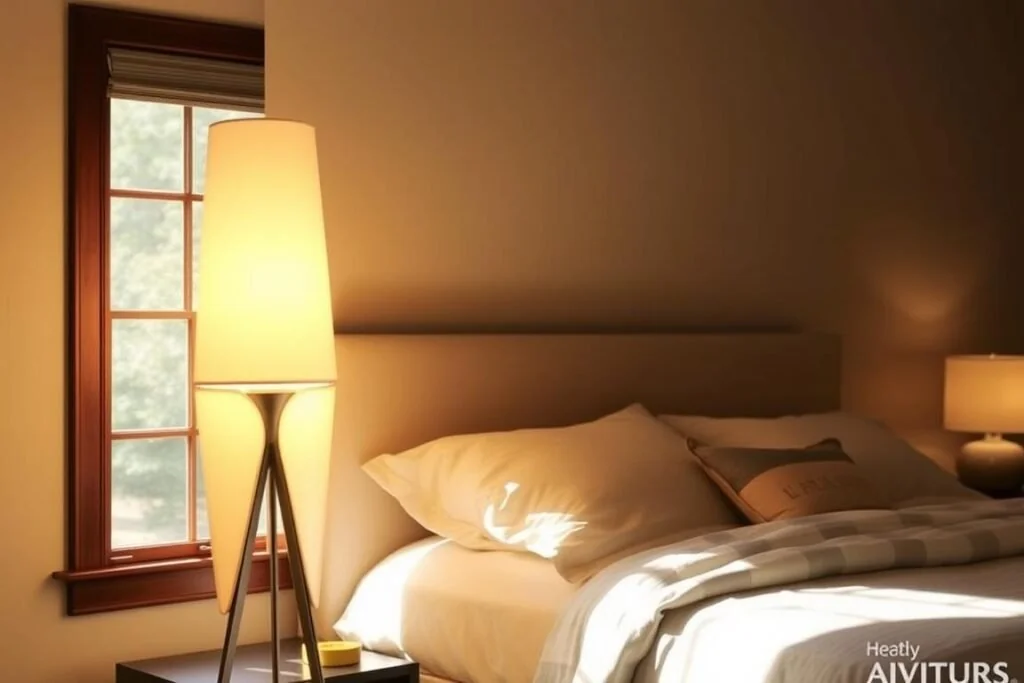
Smart lighting for bedroom cozy bedside lamp with warm glow - set lighting bedroom

Key Takeaways

  • Choose a platform (Amazon Alexa, Google Assistant, Siri) and check Matter support first.
  • Match lumens and color temperature to your room’s size and purpose.
  • Budget choices like Wiz and Wyze can offer great value without hubs.
  • Use routines to automate wake and wind-down scenes with voice or app control.
  • For SEO, include the phrase smart lighting for bedroom in at least one subheading and image alt.

Why Smart Lighting Helps Your Bedroom Now

Control and customize your bedroom ambiance from anywhere, whether with an app or a quick voice command.

Connected bulbs and strips give instant mood upgrades without leaving the bed. Set schedules after sunset, dim before sleep, or trigger scenes for reading and relaxing. Most bulbs are long-lasting LEDs that cut energy use and reduce replacements. Bluetooth works well locally, while Wi-Fi and Matter enable reliable remote control when you’re away.

  • Hands-free control: Voice and app options help when your hands are full.
  • Useful automations: Schedules, motion triggers, and sunset rules keep pathways lit when you need them.
  • Consistent scenes: Colors and presets give repeatable looks for every night.
  • Easy to scale: Start with one lamp, add strips or bulbs as you explore features.

Smart Lighting for Bedroom: Start Small for Big Gains

One bedside bulb can turn evenings into calm and mornings into gentle wake-ups.

Begin with a single smart light in your bedside lamp to add cozy ambiance and reliable dimming in minutes. Wiz bulbs work well here—they support Matter and play nicely with Alexa, Google Home, and Siri. That gives you robust schedules and millions of colors without a big install. For broader design ideas, see our pillar guide bedroom lighting ideas.

Quick scenario: Save a gentle “Wake” scene that raises brightness slowly before your alarm, a warm “Relax” scene for wind-down, and a cooler “Focus” scene for reading. Use short names so voice control never confuses them.

Choose Your Platform and Matter Compatibility

Pick the voice ecosystem you already use to make setup painless.

Matter makes cross-brand setup far easier. Matter-enabled bulbs like Wiz and Tapo work with Amazon Alexa, Google Home, and Siri from one platform. That means you can mix brands and still control everything in the apps you already use.

Set Lighting Bedroom - Matter smart lighting setup with Google Home control

When you still need a bridge: Philips Hue works via Bluetooth, but the Hue Bridge unlocks Apple Home support, remote control, and advanced automations. Ring Pathlights need a Ring Bridge to enable motion reactions and Alexa routines.

Voice vs app control: Voice is perfect in bed; the app is best for setting schedules and fine-tuning brightness or color. Save scenes in the app, then trigger by voice.

Key Specs That Actually Matter: Lumens, Color Temperature, Dimming

Pick the right numbers and a simple bulb swap can change your room all day long.

Lumens first: choose about 800 lumens for a bedside lamp or cozy ambient use. Step up to 1,100 lumens for brighter fixtures or task lighting. Consider 1,600 lumens if one ceiling fixture must light a larger room.

Whites and color: warm whites (~2700K) help you relax at night; cooler whites (up to 6500K) boost focus in the morning. Many bulbs support smooth dimming from 1–100%.

  • Balance brightness with low dim levels to wind down gently.
  • Pick LEDs with reliable dim curves to prevent flicker.
  • Match bulb base and shape (A19, BR30) to place light where you need it.

Best Bedroom Bulbs: Quick Picks and Comparisons

Pick the right bulbs and you can change how your room looks and feels with almost no fuss.

Wiz Color — budget all-rounder: Matter support, works with Alexa, Google Home, and Siri, about 800 lumens, 16 million colors, no hub, often $10–$13. Ideal as a bedside bulb.

Tapo Color — bright performer: around 1,100 lumens for larger shades and darker rooms; Matter-certified for smooth cross-platform control.

Wyze White — simple and cheap: warm-to-cool tunable whites with excellent group control across multiple lamps at a very low price.

  • Pick Wiz for inexpensive color and wide compatibility.
  • Choose Tapo when you need extra lumens in overheads.
  • Go Wyze if you want budget white bulbs and easy group control.
  • Mix and match: bright Tapo overheads plus cozy Wiz bedside bulbs works well.
Bulb Lumens Color Options Hub Needed Price Range
Wiz Color 800 16M Colors No $10–$13
Tapo Color 1,100 16M Colors No $15–$18
Wyze White 800 Tunable White No $8–$10
Philips Hue 800–1,100 16M Colors Bridge for full features $40+

Want lamp ideas to pair with these bulbs? Check our guide to best bedside lamps.

Strips, Panels, and Sync Features

Add flexible LEDs to redefine edges and set a calm mood with color and motion.

LED strips for glow: Govee ceiling strips offer long runs, many scenes, mic-based music sync, strong adhesive, and safety certifications. Plan runs carefully; many strips aren’t cut-to-length after mounting. Mount under the bed or behind a headboard for a relaxing floating effect.

Panels and neon rope: Govee panels scale for bigger layouts; keep evening scenes dim and warm. Linkind smart neon rope bends into curves or text and delivers diffuse, neon-like glow with many presets.

Sync options: HDMI sync boxes (such as Linkind ET6) mirror on-screen color with low latency for TV-driven ambiance. Mic-based modes are cheaper and easier for music.

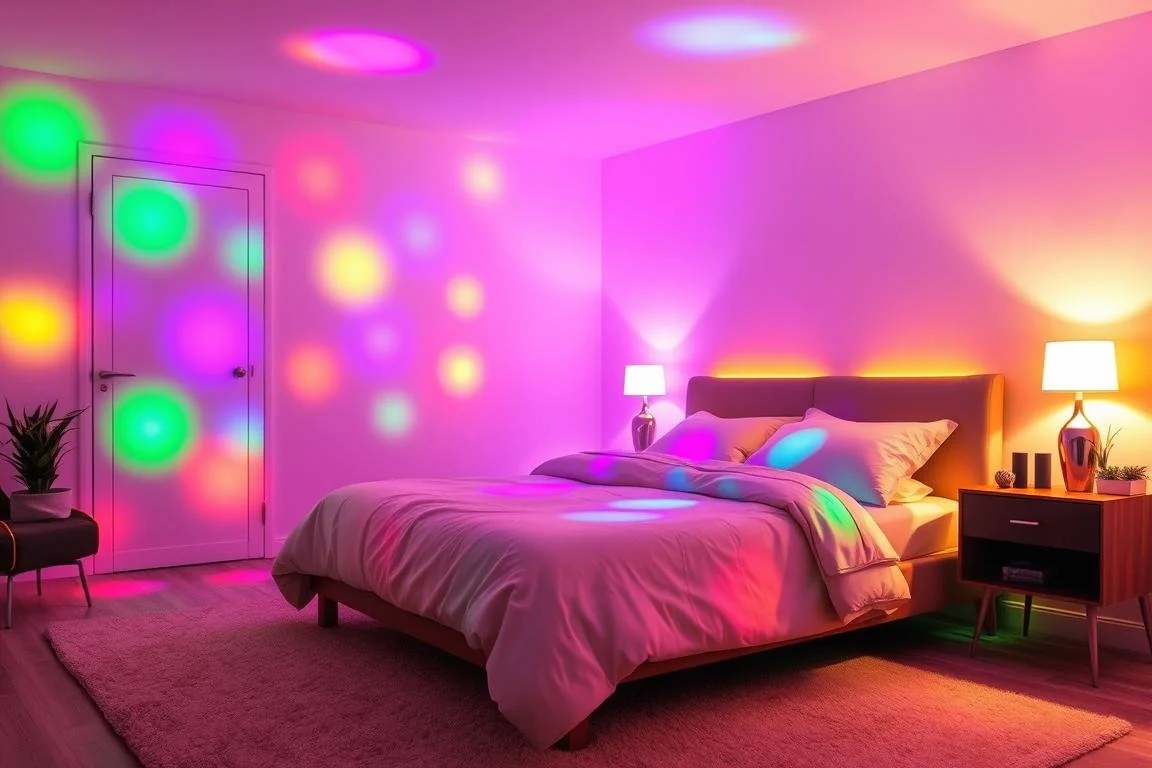
Color changing smart lighting for bedroom with mood scenes - set lighting bedroom

  • Use perimeter strips to create an even glow that makes ceilings feel higher.
  • Pair panels with under-bed strips to layer depth.
  • Place bias light behind the display to reduce eye strain.

Setup, Routines, and Reliability

Simple automations make wake-ups gentler and evenings calmer.

Wake and sleep: create a sunrise routine that ramps from 1% to your preferred brightness 15–30 minutes before your alarm. Add a wind-down routine that shifts to warm tones and dims gradually. Hue enables ultra-low dimming; Wiz and Tapo handle reliable schedules.

Practical tips: name devices clearly so voice and groups behave as expected—“Bedside,” “Ceiling,” “Accent.” Check your Wi-Fi band; many devices prefer 2.4 GHz. Measure twice before mounting strips, clean surfaces, and follow bend limits. Update firmware on day one and place bridges centrally.

Adding smart lighting for bedroom routines ensures both comfort and consistency, especially when mixing strips, panels, and bulbs.

  • Set motion sensors to trigger a low nightlight for safe paths.
  • Use timers so accent lights turn off automatically.
  • Export device names and scene lists before changing phones or routers.

Bedroom Lighting Design and Price Tiers

Layer sources so the same room handles getting ready, relaxing, and sleeping—without a remodel.

Ambient: even glow from ceiling strips or soft perimeter fixtures. Task: brighter lamps with cooler whites for reading or grooming. Accent: panels, neon rope, or under-bed strips for depth and mood. Explore more layering tips in bedroom lighting ideas.

Entry-level value: Wiz color bulbs often sell near $10–$13, no hub, Matter support; Wyze is excellent for tunable white at the lowest price.

Mid-range: Tapo’s 1,100-lumen Matter bulb brings extra output for shades and overheads at a still-low price.

Premium: Philips Hue with a Bridge, Govee panels, and HDMI sync boxes add smoother dimming, richer scenes, and accurate media sync.

Philips Hue for Bedroom Purists

Hue starts simple with Bluetooth, then grows into a full home system with a Bridge.

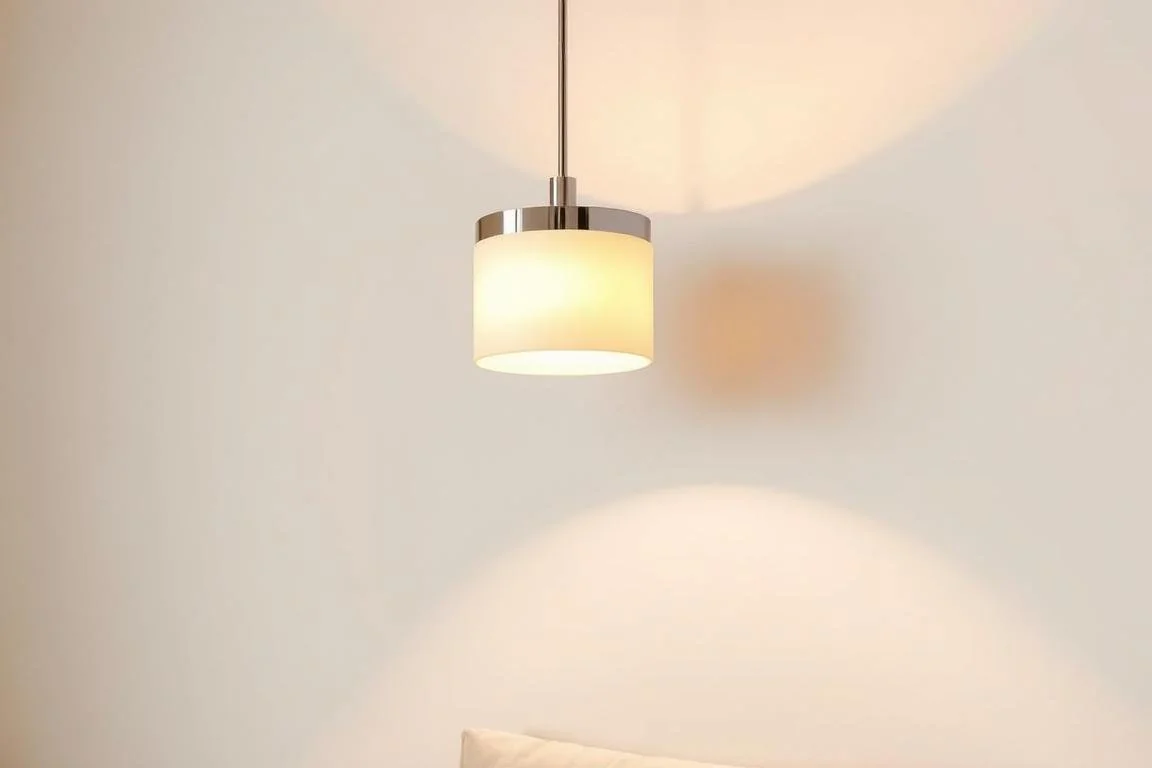
Set Lighting Bedroom - Philips Hue smart light bulb for bedroom automation

Start simple: add a Hue bulb to test ultra-low dimming and one-touch sleep automations. You’ll notice soft low levels that won’t wake a partner and excellent color consistency. Add a Hue Bridge for remote control, Apple Home support, and richer scenes.

  • Use sunrise routines to ramp brightness gently before your alarm.
  • Save reading and relax scenes; trigger them by voice or a quick tap.
  • Preview placements with the Hue app’s AR tool on iOS.

Privacy, Sleep, and Safer Materials

Protect data and keep lights working even if the internet drops.

Favor Matter devices where possible for local control and cross-ecosystem support. Review each vendor’s privacy settings and opt out of data sharing you don’t need. Keep firmware updated to patch vulnerabilities and improve stability.

According to the CDC Sleep Resources, most adults need at least seven hours of sleep each night—use schedules and occupancy routines so lights support healthy wind-down. The World Sleep Society notes that limiting bright blue light before bed improves sleep quality, reinforcing the value of warm tones in smart lighting for bedroom setups. If you prefer safer materials in lamps or bedding, check this overview of common bedding certifications.

Gaming and Child-Friendly Options

Make entertainment colorful and bedtime soothing without overthinking it.

Entertainment: HDMI sync delivers high color accuracy and low perceived latency for fast games and films, while mic-based modes react to room audio for parties or playlists.

Kids’ rooms: choose warm, low-brightness LEDs with a 30-minute auto-off timer and memory. Keep controls simple and place lights low and indirect to cut glare.

FAQ

Do I need Matter for bedroom smart lights?

Matter isn’t required, but it simplifies cross-brand setup and keeps more control local.

Are color bulbs necessary for better sleep?

Warm white around 2700K is usually enough for wind-down. Add color if you enjoy mood scenes.

What brightness is best for bedside lamps?

About 800 lumens is a sweet spot for reading and cozy ambient use.

Do I still need a hub or bridge?

Some ecosystems like Philips Hue unlock remote control and advanced automations with a bridge; many Wi-Fi/Matter bulbs don’t need one.

Can I mix brands?

Yes—Matter support lets you mix Wiz, Tapo, and others while keeping control in your preferred app.

Conclusion

Start small: add one capable bulb, save a scene, and let automation do the rest.

Smart lighting for bedroom doesn’t have to be complicated—test a pair of bulbs, choose Matter-ready options when you can, and layer strips or panels as you go. For more cozy bedroom ideas, visit Cozy Bed Quarters.

Related Reading

15 Cool LED Lighting Ideas for an Aesthetic Bedroom

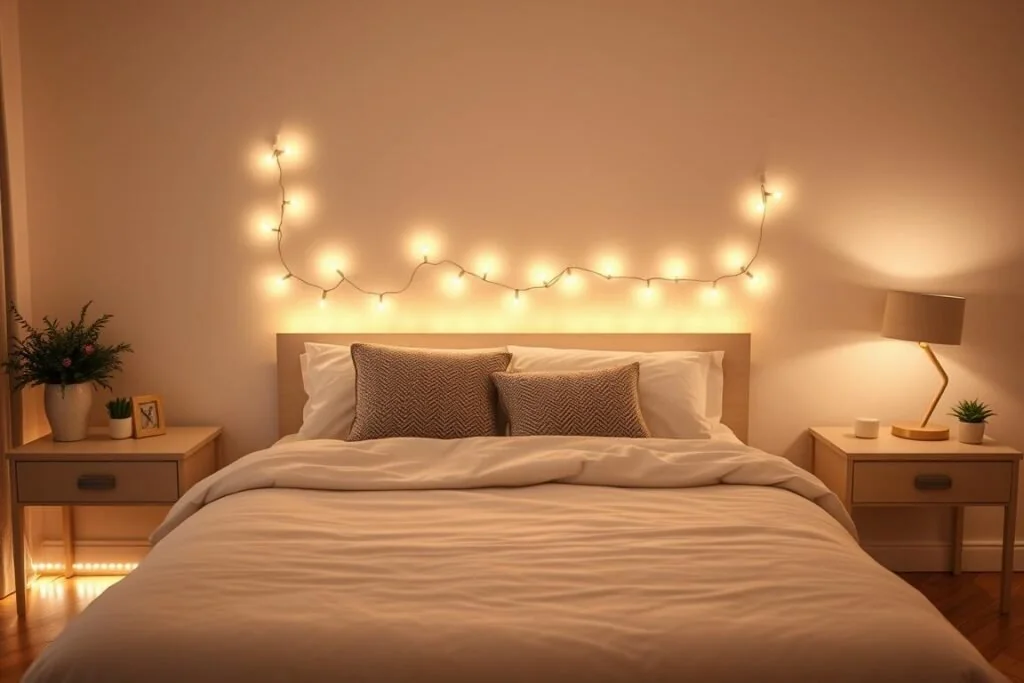
led lighting bedroom ideas - cool led lighting aesthetic

LED Bedroom Lighting Ideas for Modern Homes

Updated 2025

Want fast results? led lighting bedroom ideas can transform your space overnight without a remodel. This guide shows you how to layer light, save energy, and turn your room into a calm retreat. For a deeper design framework, explore our bedroom lighting ideas guide.

You’ll see how strips and smart bulbs work together for ambient glow, task control, and playful accents. Motion-activated under-bed strips add safe path light, while a backlit headboard and illuminated wall art give soft halos that elevate any decor.

With tunable color and the right lumen targets, these led lighting bedroom ideas deliver a polished, practical setup that fits your style and routine.

Key Takeaways

  • Layer ambient, task, and accent sources for balance.
  • Use smart controls and tunable warmth to match your day.
  • Under-bed motion strips add safety and a floating look.
  • Cove and backlighting create high-end, diffused glow.
  • Set the right lumens by zone to keep led lighting bedroom ideas intentional.

Plan Your Layers: Ambient, Task, Accent

Map the room so every fixture has a job. Use ceiling strips or a flush fixture for ambient fill, bedside lamps for tasks, and a few accents that add depth along shelves or baseboards.

Strips are ideal for coves and furniture edges. Smart bulbs and addressable RGB strips create scenes you can automate. For deeper dives, see our cluster guides on bedroom lighting ideas, bedside lighting ideas, and smart lighting for bedroom.

led lighting bedroom ideas for beginners

Start with one high-impact zone—under-bed glow or a simple headboard halo—then expand as you learn what you like.

Under-Bed LED Strips for a Floating Effect

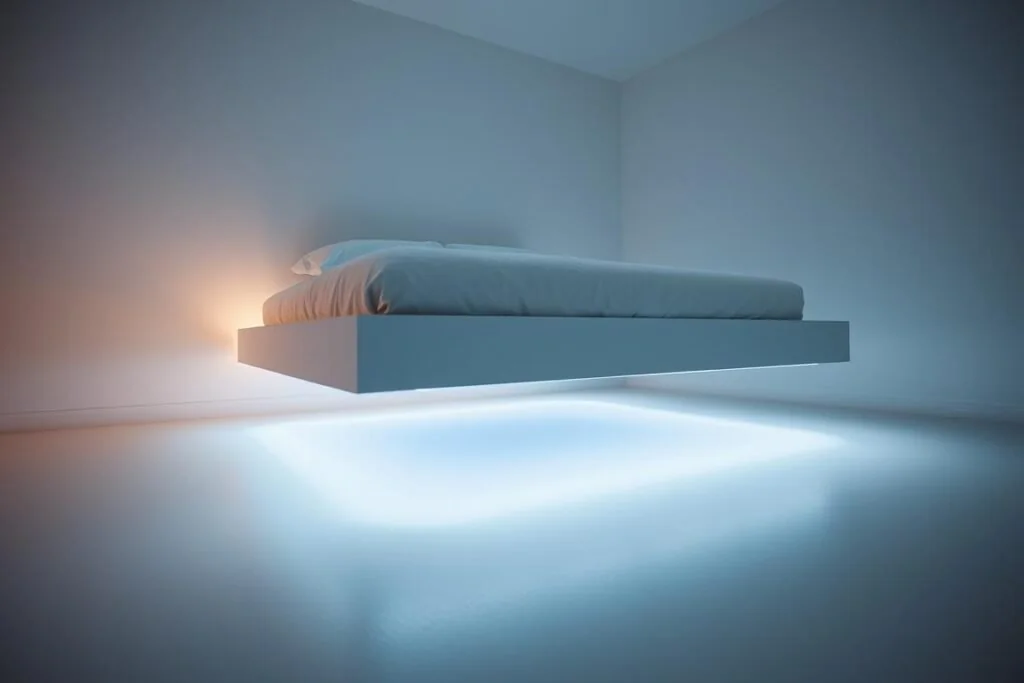
These led lighting bedroom ideas make the bed appear to float and guide late-night steps without glare. Mount the strip along the inner frame so it washes the floor and hides the hardware.

Choose warm white for hotel-calm or RGB for mood scenes you can control by app or voice. Motion sensors switch on as your feet hit the floor and off when you return to bed.

Example of led lighting bedroom ideas with under-bed strip glow - cool led lighting aesthetic

Tip: Use diffuser channels to soften dots and protect the tape; hide power blocks neatly under the bed.

Smart Bulbs: Brightness & Color for Every Mood

Swap standard bulbs for LEDs you can dim, tune, and automate. Many offer 1800K–6500K white plus millions of colors, and Matter support for easy control with Apple Home, Alexa, or Google Home.

Use 2700–3000K to wind down and 3500–4100K for focused tasks. Create scenes for mornings, reading, and sleep; schedule gentle brightening at wake-up and dimming before bed.

Backlit Headboard & Wall Art Halos

A soft halo behind the headboard becomes your room’s focal point and keeps light indirect. The same approach behind artwork adds gallery depth and doubles as a low-glare night light.

led lighting bedroom ideas with a backlit headboard halo - cool led lighting aesthetic

Warm white feels cozy; cool white reads crisp and modern. Tunable white lets you read in neutral light then wind down warmer. Use diffuser channels for a smooth, uniform glow.

Vanity & Closet Lighting That Works

Even, shadow-free light speeds up grooming and keeps colors true. Frame mirrors with a continuous strip for face-even light, or backlight with frosted diffusers for a soft halo that minimizes glare.

In closets, motion-activated strips turn on with the door and off when you close it—great for quick mornings and low energy use. Pick 2700–3500K near skin for natural tones.

According to the CDC, consistent, dimmer evening light supports wind-down before bed. If you’re choosing safer components, consult bedding certification references while you plan your setup.

Fairy curtain lights as part of led lighting bedroom ideas - cool led lighting aesthetic

Bonus idea: A soft curtain of fairy lights behind sheer drapes adds twinkle without tools—perfect for renters.

Controls, Color Temperature & Safety Tips

Balance color, brightness, and control so each scene fits the moment. Use dimmable drivers and bulbs to protect sleep rhythms and avoid glare at night.

  • Color: 2700–3000K for restful evenings; 3500–4100K for focus.
  • Lumens: Plan ~1,500–3,000 total for ambient; 400–800 per task bulb; 200–400 for accents.
  • Power: Match voltage and wattage; size power supplies with 10–20% headroom; avoid long daisy chains.
  • Install: Clean surfaces, test placement with painter’s tape, and use aluminum channels with diffusers.
  • Learn more: Watch a quick cove-lighting walkthrough.

Automation makes these systems even more powerful. Set wake-up routines that brighten gradually like sunrise, or evening schedules that fade lights slowly as bedtime nears. Many smart platforms also track energy use, showing you monthly savings compared to old bulbs. Over time, efficient led lighting bedroom ideas can cut your electric bill while keeping your room comfortable and safe.

FAQ

How many lumens do I need for a bedroom?

Plan 1,500–3,000 lumens for ambient light, then add 400–800 lumens per task area and 200–400 for accents. Adjust for room size, wall color, and ceiling height.

Are LED strips safe to leave on overnight?

Quality LEDs run cool and are efficient. Use UL-listed strips, matched drivers, and diffuser channels for heat management. Keep fabric and soft goods away from the tape.

What color temperature is best before bed?

Warmer tones around 2700–3000K help you relax; cooler tones feel energizing. Program evening scenes to warm and dim an hour before sleep.

Conclusion

Start with one high-impact upgrade, then build layers that suit your routine. With these led lighting bedroom ideas, you’ll get flexible control, long life, and energy savings—from warm whites to playful color scenes.

Keep installs tidy with channels, diffusers, and clean cable paths. Aim lumens by zone, pick warm tones for cozy moments, and add one fun accent to make the space yours. For more inspiration across the home, visit Cozy Bed Quarters.

Related reading from Cozy Bed Quarters

Other reading we found popular


Cozy Bedroom Lighting: Layers, Warm Bulbs and Dimmers

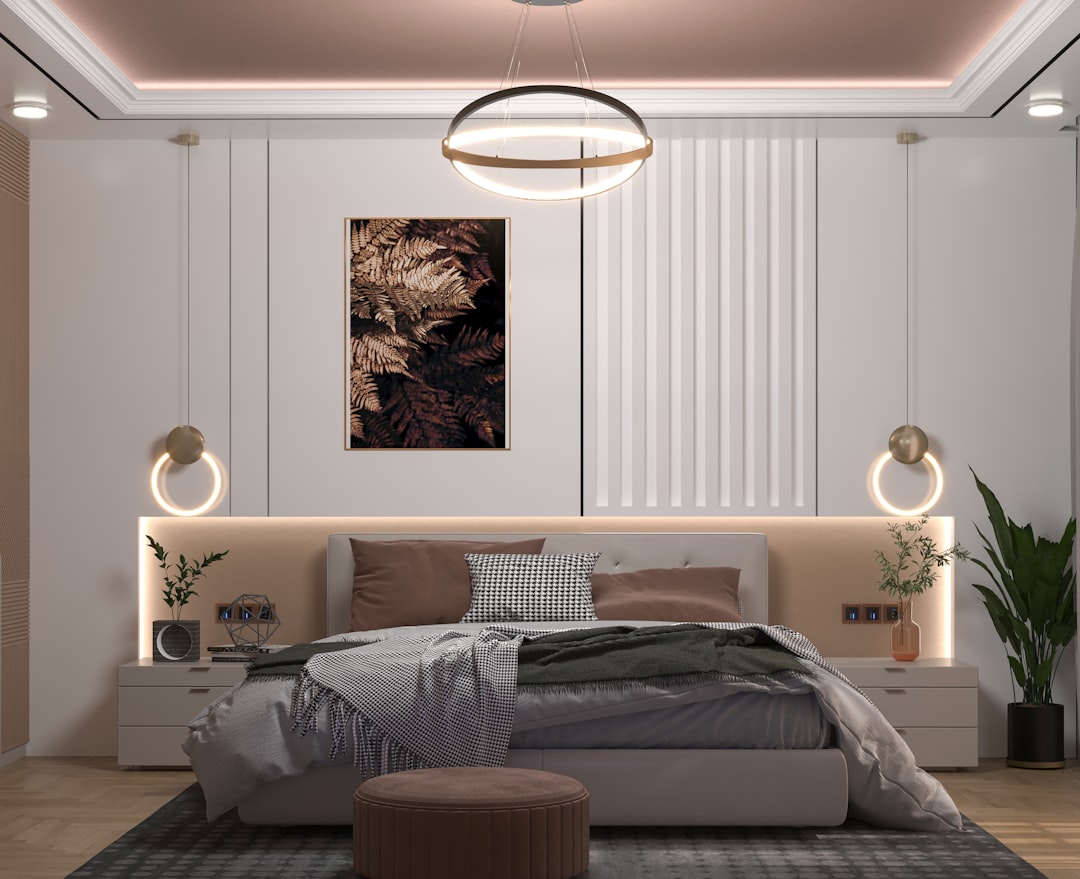
Jrettig how to create cozy lighting in a bedroom hero.webp a 35d43b62 featuring create lighting bedroom

Cozy Bedroom Lighting: How to Get a Soft, Restful Glow

The short answer: cozy bedroom lighting comes from three layers — a soft ambient base, focused task light at the bed, and a little accent light for depth — all in warm-white bulbs (around 2700K) and all on dimmers or separate switches. Skip the single bright ceiling fixture, diffuse every bulb with fabric or opal glass, and keep evening light low so the room signals wind-down rather than work. Everything below is how to plan that in a real room, whatever its size or budget.

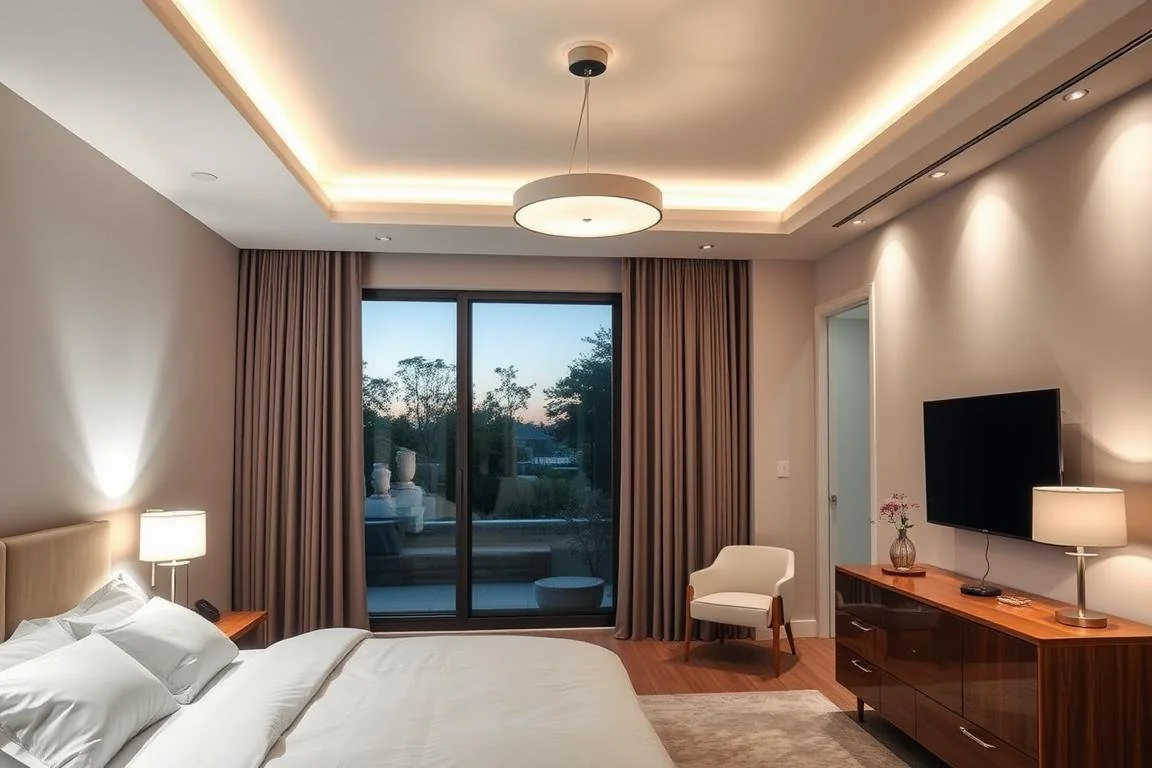
Cozy Bedroom Lighting with warm 2700K glow in a restful space - create lighting bedroom

A 2700K base layer creates a warm, restful glow without glare.

Key Takeaways

  • Layer your light: ambient, task and accent beat one overhead fixture every time.
  • Choose warm-white bulbs (roughly 2700K–3000K) and shades that hide the bulb.
  • Put each layer on its own dimmer or switch so you can move from bright to sleepy in seconds.
  • Dimming the lights in the couple of hours before bed helps you fall asleep more easily.
  • In small rooms, wall sconces and pendants free the nightstand and keep floor paths clear.

Start With the Three Layers

Layering is the whole game. A base layer gives the room an even wash, task lights do the work, and accents add dimension so corners don’t fall into gloom. Together they let you light only what you need, which is what makes a room feel calm instead of flat or glaring.

Layer What it does Typical fixtures
Ambient Overall, even illumination Flush or semi-flush ceiling fixtures, recessed lights, shaded pendants, cove lighting, a shaded floor lamp
Task Focused light for reading, journaling, dressing Bedside table lamps, swing-arm wall sconces, small pendants, desk lamps
Accent Depth, texture and focal points LED strips behind a headboard or under shelves, picture lights, small shelf pucks

A worked example: in a 12×12 room with an 8-foot ceiling, a low-profile semi-flush handles ambient light, two bedside lamps or sconces handle tasks, and a picture light over art adds the accent. Three sources, three controls, done.

Color Temperature: Why Warm Wins at Night

Pick one bulb tone and repeat it across the room so the light reads as intentional. Warm-white bulbs — about 2700K, with 3000K a slightly crisper alternative — feel gentler after dark because they push out less blue-rich light than “daylight” bulbs. Exposure to light suppresses melatonin, the hormone tied to your circadian rhythm, and Harvard Health notes blue wavelengths are particularly potent at doing so in the evening.

Brightness matters as much as color. Public-health guidance from CDC/NIOSH is to avoid bright light in the two hours before bed and dim the lights if you have trouble falling asleep. That single habit does more for sleep than any fixture you can buy — the lighting plan just makes it easy.

Two more bulb details worth checking on the box: a colour rendering index (CRI) of 80 or higher keeps skin tones and fabrics looking natural, and the bulb should say “dimmable” if it’s going on a dimmer. Not every LED is, and a mismatched bulb-and-dimmer pair is the usual cause of flicker or buzz.

How bright should a bedroom be?

There’s no official home standard here, so treat these as working starting points rather than rules, then adjust with a dimmer:

  • Ambient: roughly 1,000–2,000 lumens total in a small bedroom, more in a large one.
  • Bedside task light: around 300–500 lumens per side, always behind a shade.
  • Accent: a low, gentle level per feature — enough to see the glow, not the source.

Buy by lumens rather than watts; wattage only tells you energy use. On that note, LEDs are the cheap layer to run — the U.S. Department of Energy estimates the average household saves about $225 a year by switching to LED lighting, so adding a few extra fixtures costs far less than it used to.

Cozy Bedroom Lighting bedside lamp and wall sconce combination - create lighting bedroom

Diffusing shades and dimmers create reading light without waking your partner.

Bedside Lighting: Lamps, Sconces and Pendants

This is the layer you touch every night, so get it right first.

Table lamps

The common design rule of thumb is a lamp about 25–29 inches tall, so the bottom of the shade sits near eye level when you’re sitting up in bed — light lands on the page, not in your eyes. A shade that fully covers the bulb prevents glare, and a dual-socket base or three-way bulb gives you a bright reading setting plus a low late-night one from the same lamp. Keep the nightstand close to mattress height and within easy reach; our guide to master bedroom nightstands covers sizing in detail.

Wall sconces

Swing-arm sconces clear the tabletop entirely and aim light exactly where you want it. Mount one per side, each on its own switch, so one person can read while the other sleeps. A frequently used starting height is a few inches above the top of the headboard, but adjust for your pillow stack and shade style — sit in bed, hold the fixture up, and check the beam before drilling.

Plug-in pendants and rental-friendly options

Renters aren’t stuck with the builder’s ceiling light. Plug-in pendants and plug-in sconces hang over each nightstand with no rewiring, and a cord cover keeps things tidy. Adjustable drops help under high or vaulted ceilings.

Ceiling Fixtures for Low and High Ceilings

Match the fixture to the ceiling so the room feels open rather than crowded.

  • Low ceilings: flush mounts keep sightlines clear and headroom intact.
  • Standard height: a semi-flush adds a little character without visual bulk.
  • Vaulted or tall: a pendant or compact chandelier with a diffusing shade adds vertical interest and soft light.

Whatever you choose, put it on a dimmer and treat it as background light — not the only light.

cozy bedroom lighting ideas with low-profile ceiling fixtures

Small Bedrooms: Light That Doesn’t Eat Space

In a tight room, every fixture has to earn its footprint. Swap a bedside lamp for a sconce or pendant to reclaim the nightstand, keep the ceiling low-profile, and add a slim floor lamp only if the layout can spare the base. Coordinating finishes across fixtures also makes the room read as calmer and less cluttered. For more on visual space, see our tricks to make a small bedroom look bigger and the bedroom furniture and layout guide.

small bedroom lighting ideas with slim floor lamps

Accent and LED Ideas That Add Instant Cosiness

Cozy Bedroom Lighting with LED accents behind headboard and shelves - create lighting bedroom

  • Backlit headboard: a warm strip hidden behind the headboard throws a halo onto the wall and centres the bed.
  • Under-bed strips: a low, motion-activated glow lights night trips to the bathroom without a blast of overhead light.
  • Shelf and nook lighting: small pucks or strips highlight objects and make a reading corner feel deliberate.
  • Mirror lighting: edge-lit or side-mounted lights remove the shadows that a single overhead fixture casts on your face. Our bedroom mirror and lighting ideas go further on this.

Controls, Switch Placement and Smart Lighting

A cozy room is one you don’t have to get out of bed to adjust. Where you can, put a switch at both the doorway and the bed, or add a battery-powered wireless remote next to the pillow. Split the ambient, task and accent layers across separate switches so you can light one zone at a time.

Smart bulbs and switches add scheduling on top of that: a “wind-down” scene that fades warm and low in the evening, a “reading” scene at the bed, and a gradual sunrise-style alarm in the morning. This is convenience and consistency rather than magic — the benefit comes from actually dimming the lights at night, which a schedule makes automatic. If you’re using dimmable smart bulbs, leave them on a plain switch or a compatible smart dimmer; stacking a standard wall dimmer on top of a smart bulb causes flicker.

Shades, Materials and Finishes

Diffusion is what turns a bulb into a glow. Linen, parchment and opal glass spread light evenly and soften shadow edges, while bare bulbs create hotspots that your eyes keep flinching at. Warm metals like brass or patinated bronze reinforce the warm colour temperature; repeating one or two finishes across fixtures, hardware and frames makes the scheme feel considered. Soft textiles elsewhere in the room help too — lamp light lands beautifully on a layered rug or a headboard, and our bedroom rug guide covers sizing those surfaces.

Don’t Forget Daylight

Daylight is the free layer and the one your body clock responds to most strongly. Sheer curtains soften harsh morning sun while still letting light in, and a mirror placed to catch light from a window spreads it deeper into the room — see our notes on bedroom mirror placement. Pair generous daylight with blackout or lined curtains for sleeping, and you’ve covered both ends of the cycle.

Five Upgrades You Can Do This Week

  1. Replace every bulb in the room with warm-white, dimmable LEDs of the same colour temperature.
  2. Add a dimmer to the main circuit (or a smart bulb if you can’t change the switch).
  3. Put a plug-in sconce or small pendant on each side of the bed to clear the nightstands.
  4. Run a warm LED strip behind the headboard or under the bed for a low night-time glow.
  5. Swap a bare-bulb fixture for one with a fabric or opal shade.

Common Mistakes to Avoid

  • One overhead light doing everything. It flattens the room and can only be on or off.
  • Cool, blue-rich bulbs at night. They feel clinical and work against wind-down.
  • No dimmer anywhere. Without adjustability, the room can’t change with the hour.
  • Exposed bulbs at eye level. Glare is the fastest way to make a room feel harsh.
  • Fixtures at the wrong height. Lamps too short, sconces too high, pendants hung into your line of sight.

FAQ

What is the best lighting for a cozy bedroom?

A layered plan: a dimmable ambient source, warm task lights at the bed, and one or two soft accents. Keep all of it warm-toned and diffused.

Is 2700K or 3000K better for a bedroom?

Both are fine. 2700K reads as cosier and more candle-like at night; 3000K is slightly crisper and works well if the room doubles as a dressing or work space. Tunable bulbs let you have both.

How many lumens do I need in a small bedroom?

Around 1,000–2,000 lumens of ambient light plus 300–500 lumens per bedside is a practical starting range. These are rules of thumb, not standards, so dim to what feels comfortable.

Where should bedside sconces go?

To each side of the headboard, positioned so the beam lands on your book at seated height rather than in your eyes. Adjustable arms make this far easier to get right.

Does a red or amber night light help sleep?

Warmer, dimmer light is less likely to disrupt melatonin than bright, blue-rich light, which is why low-level amber night lights are a sensible choice. The strongest evidence is simply for keeping night-time light low overall.

Can lighting really affect how I sleep?

Light is the main signal your body clock uses, and bright evening light suppresses melatonin. Dimming the lights ahead of bedtime is standard sleep-hygiene advice; a good fixture plan just makes it effortless.

Putting It Together

Choose one warm bulb temperature, diffuse every source, split the room into three layers, and give each layer a control you can reach from bed. That’s the entire recipe — the fixtures you hang on top of it are personal style. Start with a dimmer and a pair of bedside lights; you’ll feel the difference the first evening.

Updated September 2026.

How to Choose a Dresser: Size, Storage, Style Guide

Dresser Bedroom Size Style in a cozy bedroom setting - right dresser bedroom

The quick answer to how to choose a dresser: measure the wall and the walkway in front of it first, then pick the shape that fits — tall and narrow for tight rooms, long and low for wide walls. After that, match drawer depth to what you actually own, choose a frame you can trust (solid wood or a well-built engineered panel with smooth glides), and anchor it to the wall.

Everything else — finish, hardware, whether it matches your bed — is style, and style is the easy part. Here’s the full process, in the order that saves you from returns.

How to choose a dresser: the five-minute checklist

  • Measure the wall, then subtract a few inches so the piece doesn’t look wedged in.
  • Leave room to open drawers — a fully extended drawer plus standing space.
  • Count your stuff: bulky sweaters need deep drawers, socks and tees don’t.
  • Check the build: drawer glides, joinery, a solid back panel.
  • Plan for anchoring before it’s loaded with clothes.

Start with measurements, not with the photo you saved

Write down three numbers: the usable width of the wall, the depth you can give up, and the height that works with your window sills, outlets and any art above.

Most bedroom dressers land somewhere between 30 and 40 inches deep-ish in height for a wide, low “double dresser,” while tall chests of drawers climb to 45 inches or more on a footprint around 30–36 inches wide. Depth is usually 16–20 inches. Those are ranges, not rules — always check the listed dimensions rather than assuming.

Two clearances matter more than people expect. You need enough space in front for a drawer to pull out fully and for you to stand there — roughly 30 to 36 inches is a comfortable target. And if the dresser sits near a door swing or the foot of the bed, open a drawer in your head and walk the path before you buy.

In a small room, vertical wins. A tall chest stores the same volume on half the floor, which frees up the wall for a chair or a full-length mirror. If floor space is the real problem, our guide to space-saving bedroom furniture and these tricks for making a small bedroom feel bigger are worth a look before you commit to a big piece.

Wide low wooden dresser with lamp and decor, showing how to choose a dresser for a bedroom

Match drawers to what you actually own

Pull open a drawer you use now and look at it honestly. Chunky knits, denim and spare bedding need deep drawers — usually the bottom two on a well-designed piece. T-shirts, underwear and socks live better in shallow top drawers where nothing gets buried.

A few common situations:

  • Sharing with a partner: a wide dresser with side-by-side drawers splits cleanly, no negotiating required.
  • Guest room: a slim three-drawer chest is plenty. Guests rarely unpack much.
  • Kids’ rooms: shallower drawers and easy-glide hardware mean small hands can actually use it — and there’s less temptation to climb.
  • No closet: you’ll want hanging space elsewhere. Our storage ideas for bedrooms with no closets cover the workarounds.

Felt-lined top drawers, removable dividers and a cutout for a charging cable are genuinely useful features. Skip anything that sounds clever but adds cost without solving a problem you have.

Materials: what lasts and what’s fine to compromise on

Solid wood is the durable choice. It can be sanded and refinished, holds screws well, and takes decades of opening and closing. Pine is soft and casual and dents easily; oak is hard-wearing with visible grain; walnut is darker, pricier and richer looking. Solid wood also moves with the seasons, so expect small gaps and slightly stickier drawers in very dry or very humid months.

Veneer over a stable core is not a downgrade by default — plenty of good furniture uses a thin real-wood face over plywood or MDF, which resists warping better than a wide solid panel. The weak point is edges and corners, where veneer chips and can’t easily be repaired.

MDF and particleboard keep prices low and make flat-pack shipping possible. They’re heavier than they look, hate standing water, and don’t love being moved repeatedly. If you’re sensitive to indoor air quality, note that composite wood products sold in the US must meet formaldehyde emission limits and be labeled as compliant under EPA’s TSCA Title VI rule — the label is on the product or packaging, so it’s worth a look.

Metal and mirrored dressers bounce light around, which helps a dim room, but mirrored fronts show every fingerprint. Rattan and cane fronts are light and breathable, though they’re harder to wipe clean.

How to spot a well-built dresser in 30 seconds

  • Pull a drawer all the way out. It should glide, not wobble or drop.
  • Look at the drawer box corners — dovetail or strong interlocking joints beat staples.
  • Check for dust panels between drawers and a back panel that’s screwed on, not tacked.
  • Press down on a corner of the top. Any rocking means a frame that won’t age well.
  • Feel the hardware. Cheap pulls are easy to swap; a flimsy frame isn’t.

Anchor it — this part isn’t optional

Dressers tip. Loaded drawers pull the center of gravity forward, carpet tilts the whole unit, and a child climbing the open drawers can bring it down. CPSC staff have counted 234 deaths from clothing storage unit tip-overs between January 2000 and April 2022, 199 of them children.

The rules tightened recently. Under the STURDY Act, the CPSC adopted ASTM F2057-23 as a mandatory federal safety standard, effective September 1, 2023. It covers freestanding dressers, chests and armoires 27 inches or taller, and the tests simulate carpet tilt and loaded drawers. Newer pieces are harder to tip than older ones — but the standard doesn’t replace an anchor.

CPSC’s Anchor It! campaign is blunt about it: anchor anything with drawers, doors or shelves to the wall. Use the restraint kit that comes in the box, fix it into a stud where you can, and re-check it after you move the furniture. Keep remotes, toys and snacks off the top so nobody has a reason to climb. Free how-to guides are at anchorit.gov.

If the dresser will hold a TV, check the manufacturer’s weight rating and push the TV as far back as it will go.

Pick a style that fits the room you already have

A dresser is usually the largest flat surface in a bedroom, so its finish sets the tone. Three directions that work well:

Cottagecore

Painted or lightly distressed wood, soft colors, vintage-look pulls. It suits rooms with lace or linen curtains, florals and warm lamplight. Swapping the hardware on a plain painted chest gets you most of the way there for very little money.

Cottagecore style painted dresser with vintage drawer pulls and fresh flowers on top

Dark academia

Deep wood tones, brass or antique-finish hardware, classic proportions. Style the top with stacked books, a small lamp with a warm bulb and a framed print. It reads best in a room with layered, low lighting rather than one bright ceiling fixture — see our cozy bedroom lighting guide if the room currently has one overhead light doing all the work.

Dark academia bedroom dresser in rich walnut with brass handles, books and a candle

Modern minimalist

Straight lines, matte or flat finishes, push-to-open or integrated handles. Fewer visual interruptions make a small room feel calmer. The trade-off is that fingerprints and clutter show immediately.

Do dresser and bed need to match? No. A full matching set looks tidy but can feel like a showroom. Mixing works if you repeat something — a wood tone, a metal finish, a shape — somewhere else in the room. Coordinating the dresser with your bedside piece is usually enough; our nightstand guide walks through how to pair them.

Minimalist dresser drawer opened to show felt-lined interior with organized accessories

Styling the top without creating clutter

Three-object rule, roughly: something tall (lamp or vase), something low and wide (tray or stack of books), something living or textured (plant, bowl, candle). A tray corrals the daily pile of keys and jewelry so the surface still reads as intentional.

A mirror above a dresser is the most useful move of all — it doubles as a dressing mirror and pushes light deeper into the room. Height and placement matter more than size; our bedroom mirror placement tips cover where to hang it.

Keeping it in good shape

Dust with a soft dry or barely damp cloth, then dry it. Skip soaking anything with water, especially on engineered panels and veneer edges. Use coasters or felt pads under lamps, candles and anything ceramic.

Keep the piece out of constant direct sunlight — UV fades finishes unevenly, and the difference shows up first under whatever’s been sitting on top. Avoid parking it right against a radiator or a vent, since repeated drying and re-humidifying is what makes solid wood panels crack and drawers stick. If drawers start to bind in a damp season, it’s usually the wood, not a defect.

Buying a dresser online

Online is fine if you’re disciplined about three things. Read the dimensions, then tape the outline on your floor. Check whether the piece arrives assembled or flat-packed, and whether delivery includes carrying it upstairs. And read the return policy before you click — returning a heavy dresser is a different experience from returning a pillow.

In reviews, ignore the photos and search the text for words like “wobble,” “glide,” “stripped,” and “missing.” That’s where real build quality shows up. If you’re piecing together a whole room, our bedroom furniture and layout guide helps you sequence purchases so nothing ends up blocking a door.

FAQ

What size dresser works best in a small bedroom?

A tall, narrow chest — roughly 30–36 inches wide — gives you the same drawer volume on a much smaller footprint. Just make sure you can still stand in front of it with a drawer fully open.

Should the dresser match the bed frame?

It doesn’t have to. Matching sets look cohesive; mixing gives a room character as long as you repeat one shared element, like a wood tone or a metal finish.

What’s the most durable dresser material?

Solid hardwood, because it can be repaired and refinished. Good veneer over plywood is a close second and resists warping well. Particleboard is the least durable, especially if you move often.

Can a dresser be used as a TV stand?

Yes, if it’s wide, low and rated for the weight. Anchor both the dresser and the TV, and push the TV back from the front edge.

Do I really need to anchor a new dresser?

If children live in or visit your home, yes — CPSC recommends anchoring all furniture with drawers, doors or shelves, even under the newer stability standard.

Does a tidy bedroom actually help you sleep?

Clutter itself hasn’t been shown to cause poor sleep, so treat “tidy room, better sleep” as a comfort argument rather than a proven one. What is well established is how much sleep to aim for: the CDC recommends 7 or more hours a night for adults. Storage that keeps the floor clear simply makes a consistent bedtime routine easier to stick to.

Updated September 2026.

The Best Mattresses for Side, Back, and Stomach Sleepers

Mattresses Side, Back, Stomach in a cozy bedroom setting - mattresses side stomach


Best Mattress for Side Back and Stomach Sleepers

The best mattress for side back stomach sleepers combines pressure relief at shoulders and hips, steady midsection support, and firmness levels that keep your spine aligned no matter how you sleep.

Updated August 2025.

Key Takeaways

  • Firmness guide: Medium-soft for side, medium-firm for back, and firm for stomach sleepers.
  • Materials matter: Memory foam contours deeply, coils add bounce and airflow, hybrids balance both.
  • Hot sleepers: Latex or hybrid builds improve breathability and cooling.
  • Couples: Motion-isolating foams and pocketed coils reduce sleep disruptions.
  • The phrase best mattress for side back stomach sleepers anchors your checklist when comparing options.

If you’re not sure where to start, use our mattress buying guide. To compare materials, see memory foam vs spring mattress, or explore best cooling mattress if you overheat at night.

Why multi-position sleepers need tailored support

Switching between side, back, and stomach sleep puts pressure on different body zones. Too soft, and your hips sink (tough on back/stomach sleepers). Too firm, and your shoulders feel jammed (hard on side sleepers). The best mattress balances cushioning and lift—especially for combination sleepers who move all night.

Mattress cutaway showing support layers, the best mattress for side and stomach sleepers

A quick firmness map for each sleeping position.

Best mattress for side sleepers

Side sleepers press weight into the shoulders and hips, so pressure relief is essential. The best mattress for side back stomach sleepers cushions these areas while preventing midsection sagging. For more tailored picks, see our guide to the best mattress for side sleepers.

Firmness: Medium-soft to medium. Heavier side sleepers may prefer medium-firm with thicker comfort layers.

Materials: Memory foam for contouring, hybrids for pressure relief + airflow, or latex for buoyant comfort that avoids a “stuck” feel.

Best mattress for back sleepers

Back sleepers need consistent lumbar support to maintain a healthy spinal curve. A bed that’s too soft lets the hips sink; too firm can push the shoulders upward.

Firmness: Medium to medium-firm.

Materials: Zoned coils with supportive foams, or medium-firm memory foam. Hybrids are excellent for couples with different needs.

Best mattress for stomach sleepers

Stomach sleepers put the most stress on the lower back. A sagging mattress lets hips drop too low, which strains the spine. Firmer support is the key.

Firmness: Firm to medium-firm.

Materials: Hybrids and latex for cooling lift, or dense foams with reinforced cores for support.

The Best Mattresses for Side, Back, and Stomach Sleepers - mattresses featuring mattresses side stomach

Proper spinal alignment prevents morning aches and keeps your core supported.

Body type and mattress choice

  • Lighter sleepers (under 150 lbs): Softer mattresses prevent pressure buildup.
  • Average-weight sleepers (150–230 lbs): Medium firmness works across all positions.
  • Heavier sleepers (230+ lbs): Firmer beds with thick coils or high-density foam provide lasting support.

Comparison: best mattress for side back stomach sleepers by body type

Position Ideal Firmness Best Materials Body Type Tips
Side Sleepers Medium-soft to medium Memory foam, hybrid, latex Lighter bodies prefer plush foam; heavier bodies benefit from thicker hybrids.
Back Sleepers Medium to medium-firm Hybrid, zoned coils, firm foam Average-weight thrive on hybrids; heavier need reinforced lumbar zones.
Stomach Sleepers Firm to medium-firm Latex, hybrid, dense foam Lighter sleepers can tolerate medium-firm; heavier need firm latex or hybrid.
Combination Sleepers Medium (balanced) Responsive hybrid, latex Latex suits restless sleepers; hybrids fit couples. See Casper vs Purple.

Best mattress types for side, back, and stomach sleepers

  • Memory foam: Deep contouring, excellent for side sleepers, but may trap heat.
  • Latex: Naturally breathable and bouncy, great for combo sleepers.
  • Hybrids: Best all-around for side, back, and stomach sleepers.
  • Innerspring: Cool and supportive, but often needs a pillow top for pressure relief.

The Best Mattresses for Side, Back, and Stomach Sleepers - mattresses featuring mattresses side stomach

How materials feel: foam (hug), latex (lift), hybrid (a bit of both).

Testing at home, cost, and buying tips

A showroom test lasts minutes—real comfort shows up after weeks. Use the trial period to judge pressure relief, lumbar support, and cooling. Rotate your mattress if the brand recommends it, and add a breathable protector for longevity.

  • Budget-friendly: Foam under $600—great for lighter sleepers or guest rooms.
  • Mid-range: $800–$1,200 hybrids hit the sweet spot for most households.
  • Premium: $1,500–$2,500 with zoned coils, latex, and cooling fabrics.

According to the CDC, adults need at least seven hours of quality rest per night. If you’re choosing an eco-conscious mattress, look for recognized bedding certifications to ensure safe materials.

FAQ

What firmness is best for side back stomach sleepers?

Medium-soft for side, medium-firm for back, and firm for stomach. Combination sleepers often choose medium hybrids for balance.

What mattress works for couples with different sleep positions?

Hybrids with zoned coils or foam beds with dual firmness. These combine motion isolation with responsiveness.

How do I avoid back pain as a stomach sleeper?

Choose a firmer mattress that keeps hips supported. Use a thin pillow—or none at all—to prevent neck strain.

Do multi-position sleepers need special mattresses?

Not always. Hybrids and latex beds are naturally flexible, making them ideal for changing positions at night.

How long does a mattress last?

On average, 7–10 years. Latex and hybrids last longest, while foam beds depend on density and core quality.

Conclusion

The best mattress for side back stomach sleepers balances cushioning, support, and airflow across sleep positions. Match firmness to your primary position, choose materials that fit your comfort style, and use trial periods to test at home. For cozy comparisons and expert guides, explore Cozy Bed Quarters.

Related Reading


Bookcase Storage Bed: How to Choose, Measure and Use One

Storage Beds Maximizing Space in a cozy bedroom setting

A bookcase storage bed is a bed frame with shelving built into the headboard, usually combined with storage in the base — drawers, cubbies, or a lift-up platform. It works best when you need a nightstand, a bookshelf, and extra drawer space but only have room for one piece of furniture. The trade-offs are a longer overall footprint (the shelf headboard adds depth), heavier assembly, and the need to measure clearances carefully before you buy.

Key takeaways

  • The headboard holds books, lamps, glasses, and chargers, so you can usually skip nightstands entirely.
  • Base storage comes in three main forms: side drawers, a captain’s-style bank of drawers, or a gas-lift platform that opens to one large compartment.
  • Measure twice: shelf headboards add roughly 8–14 inches to total bed length, and drawers need floor clearance to open fully.
  • Tall shelf units and loft versions carry real safety requirements — anchoring and guardrails — especially in kids’ rooms.
  • Most models are platform beds, so you use the mattress alone without a box spring. Always confirm the frame’s weight rating.

What a bookcase storage bed actually is

Think of it as two ideas bolted together. The first is the bookcase headboard: open shelves, sometimes cubbies or small cabinet doors, built into the vertical panel behind your pillows. The second is storage underneath the mattress, which is where the designs diverge most.

Because both halves are structural, the bed usually replaces two or three other pieces of furniture — a nightstand or two, a small bookcase, and sometimes a dresser. That consolidation is the entire point, and it matters most in rooms under about 120 square feet, studios, dorms, and shared kids’ rooms. If your storage problem is mainly closet space rather than surface clutter, a simple frame plus our guide to bed risers for under-bed storage may solve it for far less money.

Modern hidden compartment bookcase storage beds with built-in shelves and secret compartments for valuables

The main types, compared

Match the base storage to how you actually use things: drawers for items you touch weekly, lift-up compartments for bulk you touch twice a year, open shelves for what you want visible.

Type Storage style Best for Watch out for
Classic bookcase headboard + slat base Headboard shelves only Readers, small rooms, rentals No hidden storage; shelves show clutter
Bookcase bed with side drawers Two to four pull-out drawers Clothes, linens, everyday items Needs open floor beside the bed
Captain’s bed Deep drawer bank across the base Rooms with no dresser space Heavy, hard to move, higher sleep surface
Gas-lift (ottoman) platform One large compartment under the mattress Duvets, luggage, seasonal bedding Needs headroom and foot clearance to open
Loft bed with bookcase Shelves plus a desk or bins below Dorms, teens, home-office corners Guardrail and ceiling-height rules apply
Wall bed with flanking bookcases Shelving towers each side, bed folds away Studios and multipurpose rooms Usually wall-anchored; often pro installation

Prices swing widely by material, size, and retailer, so we don’t publish figures here that would be out of date within a season. As a rule of thumb, mechanisms cost money: gas-lift and fold-away wall beds sit at the top of the range, plain slat-base models at the bottom. For the fold-away route specifically, see our guide to a bed that folds into the wall, and for a broader look at base options, our overview of platform and storage beds.

Measure before you fall in love with a photo

This is where bookcase beds go wrong most often. A shelf headboard is not a flat panel — it has depth, and that depth is added to the mattress length.

  • Total length. Take the mattress length and add the headboard depth (commonly 8–14 inches) plus any footboard. Check the result against your wall, not the mattress size alone.
  • Drawer pull-out. Allow roughly 24–30 inches of clear floor on the drawer side so the drawer opens fully and you can stand in front of it. Thick rugs, radiators, and door swings are the usual culprits.
  • Gas-lift clearance. The mattress pivots upward, so you need headroom above the bed and space at the foot or side, depending on which way the platform hinges.
  • Delivery route. These frames arrive in large, heavy cartons. Measure stairwells, landings, and doorways.
  • Room layout. Keep a walkway of at least a couple of feet on the side you get in and out. Our full size bed dimensions guide has worked examples of how mattress sizes sit in small rooms.

Safety: the part most buying guides skip

A bookcase headboard is a tall, loaded storage unit sitting in a room where children often play. The U.S. Consumer Product Safety Commission’s Anchor It! campaign urges households to anchor furniture such as bookcases and dressers securely to the wall. If your bed’s headboard is a freestanding tall shelf unit, or if you pair the bed with matching bookcase towers, use the supplied anti-tip hardware and fix them to wall studs.

Loft versions fall under a federal standard. Under 16 CFR Part 1213, a bed counts as a bunk bed when the underside of the foundation sits more than 30 inches from the floor, and such beds must have at least two guardrails, one on each side. That rule exists because children can become trapped between the bunk and the wall or in gaps below guardrails. If you’re buying a loft-style bookcase bed for a child, treat guardrails and gap sizes as non-negotiable rather than optional extras.

For gas-lift frames, follow the manufacturer’s instructions for the first lift, keep hands clear of the hinge path, and never let children operate the mechanism. Gas struts weaken over time; if the platform stops holding itself open, stop using it until the struts are replaced.

The 10 Best Storage Beds for Maximizing Your Space - storage beds maximizing space
Sturdy wood plus practical storage — ideal for high-traffic family bedrooms.

Materials and build quality

Most beds in this category are built from engineered panels with a veneer or laminate, not solid timber, and that’s not automatically a problem — panel products are dimensionally stable and keep the price down. What matters is where the manufacturer spends the money.

  • Drawer hardware. Full-extension metal slides beat plastic runners or bare wood channels by a wide margin. If the listing doesn’t mention slides at all, assume they’re basic.
  • Drawer construction. Solid sides and a captured bottom panel outlast stapled boxes with a thin hardboard base, especially when the drawer holds heavy folded clothes.
  • Base support. Wide, closely spaced slats or a solid deck protect the mattress and the warranty. Many mattress warranties specify a maximum slat gap.
  • Shelf depth and adjustability. Shelves under about 7 inches deep won’t hold most hardbacks upright. Adjustable shelves are worth paying for.
  • Emissions. Composite wood products sold in the U.S. — including finished goods containing hardwood plywood, MDF, or particleboard — must be labeled as compliant with the EPA’s formaldehyde standard. The agency explains the requirement on its TSCA Title VI page. Look for that label, and ventilate the room well for the first few days after assembly.

We don’t run product tests, so we don’t publish “best model” rankings. Check current retailer listings for weight ratings, slat spacing, and warranty length — those three specs tell you more than any star rating.

Mattress compatibility

Nearly all bookcase storage beds are platform designs: the mattress sits directly on slats or a deck, with no box spring. That’s fine for foam, hybrid, and most innerspring mattresses, but three details deserve a check.

First, weight rating — a heavy hybrid plus two adults can approach the limit on lightweight frames. Second, mattress height on loft and captain’s models: a thick mattress reduces the effective guardrail height, which matters for children. Third, airflow — foam mattresses on a fully enclosed drawer deck get less ventilation than on open slats, so air the bed out periodically and avoid storing damp items underneath. If you’re sizing up, our guide to the best king-size bed frames with storage covers the support issues that come with larger frames.

Storing things well once it’s in

The bed only helps if the storage stays usable. A few habits do most of the work.

  • Put daily items in the top or nearest drawer, seasonal bulk in the lift-up compartment or the deepest drawer.
  • Use shallow bins or fabric boxes inside deep compartments so things don’t migrate to the back and disappear.
  • Limit each headboard cubby to a few objects. Open shelves read as clutter fast, and a bookcase headboard is at eye level from the doorway.
  • Avoid storing anything damp, and don’t use under-bed compartments for items that need airflow.
  • Vacuum drawer tracks and tighten bolts once or twice a year; loose hardware is the main reason storage beds start to creak.

For ideas that pair well with a storage bed — vertical wall storage, door-back systems, closet substitutes — see our storage ideas for small bedrooms with no closets and our roundup of hidden storage bed ideas.

The 10 Best Storage Beds for Maximizing Your Space - storage beds maximizing space

Who each version suits

  • Readers and students: a classic shelf headboard with a slat base. Cheapest, lightest, easiest to move.
  • Families with limited closets: a captain’s bed, which can genuinely replace a dresser.
  • Couples storing bulky bedding: a gas-lift platform, provided you have the headroom and don’t mind lifting the mattress to reach anything.
  • Studio dwellers: a wall bed with bookcase towers, or a loft with a desk below.
  • Kids’ rooms: low-profile frames with rounded edges, anchored shelving, and — if elevated — proper guardrails.

Modern bookcase storage bed for kids with vibrant shelves and cozy reading nook

The 10 Best Storage Beds for Maximizing Your Space - storage beds maximizing space
Make a mini office under the loft and keep the floor clear.

Drawbacks worth knowing

Bookcase storage beds are heavier and slower to assemble than plain frames, which makes them awkward for renters who move often. The headboard pushes the bed further into the room. Drawer models can’t sit flush against a wall on the drawer side. Gas-lift models make everything underneath an all-or-nothing retrieval job. And on cheaper builds, the mechanism or the drawer slides — not the frame — are usually what fails first.

FAQ

Do I still need nightstands?

Usually not. The headboard shelves hold books, a glass of water, glasses, and a charger. Some people add a small floating shelf on the wall if the headboard cubbies are shallow.

Does a bookcase storage bed need a box spring?

Almost never. These are platform beds designed for a mattress placed directly on slats or a deck. Check the manual, since adding a box spring can raise the sleep surface uncomfortably high and may void the frame warranty.

Drawers or a gas lift — which holds more?

A gas-lift platform holds more total volume because it’s one uninterrupted compartment. Drawers hold less but are far easier to access daily. If you want both, look at frames that combine side drawers with a lift-up centre section.

Is engineered wood strong enough?

Well-made engineered wood frames hold up fine for normal use. Judge by the slat spacing, the stated weight rating, and the drawer hardware rather than by the material name alone.

Are these beds safe for young children?

They can be, with precautions: anchor tall shelving to the wall, keep heavy objects off high shelves, and if the sleep surface is elevated more than 30 inches, make sure the bed meets the federal bunk bed guardrail requirements.

Can I fit one in a very small room?

Often yes, but choose headboard-only storage or a lift-up base rather than side drawers, since drawers need clear floor space to open. Measuring the walkway is the deciding factor, not the mattress size.

Storage Beds Maximizing Space - 2025 storage bed comparison infographic showing drawers vs gas lift vs
At-a-glance: drawers for daily items, gas lift for bulk storage, bookcase headboards for display.

The short version

Buy a bookcase storage bed when you want one piece of furniture to do the job of three, and when you’ve confirmed the room can take the extra length and the drawer clearance. Prioritise slat quality, drawer slides, weight rating, and anti-tip hardware over finishes and built-in lighting. Everything else is styling.

Updated September 2026.

Casper vs. Purple vs. Tuft & Needle: An Honest Comparison

Casper vs. Purple vs. Tuft & Needle

Casper vs Purple vs Tuft and Needle Compared

Updated 2025

If you’re weighing Casper vs Purple, here’s the quick scoop: Casper leans into contouring foam comfort, Purple delivers buoyant and cooler support, and Tuft & Needle provides a budget-friendly foam feel right in between.

Want material basics first? See our memory foam vs spring mattress guide and get personalized advice in best mattress for side sleepers. Or start with our complete mattress buying guide to match firmness and materials to your body. For more brand matchups, check our mattress comparisons hub.

Key Takeaways

  • Quick pick: Casper = classic contour; Purple = buoyant & cool; Tuft & Needle = value foam.
  • Side sleepers: Often prefer Casper’s pressure relief, while hot sleepers lean toward Purple’s airy grid.
  • Budget-friendly: Tuft & Needle offers solid foam comfort at the lowest cost.
  • Always check trial length, return policy, and warranty coverage before buying.
  • Keep one checklist item in mind: Casper vs Purple—decide which feel matches your sleep priorities.

Casper vs Purple at a glance

Both brands aim for universal comfort, but the core materials set them apart. Casper’s foams gently contour and stabilize. Purple’s hyper-elastic grid floats and breathes, creating a buoyant feel. Tuft & Needle focuses on straightforward foam support at a friendlier price point.

If you like a gentle “hug,” Casper fits. If you want lifted, airy bounce, Purple wins. If you want simple, supportive foam on a budget, Tuft & Needle is your match.
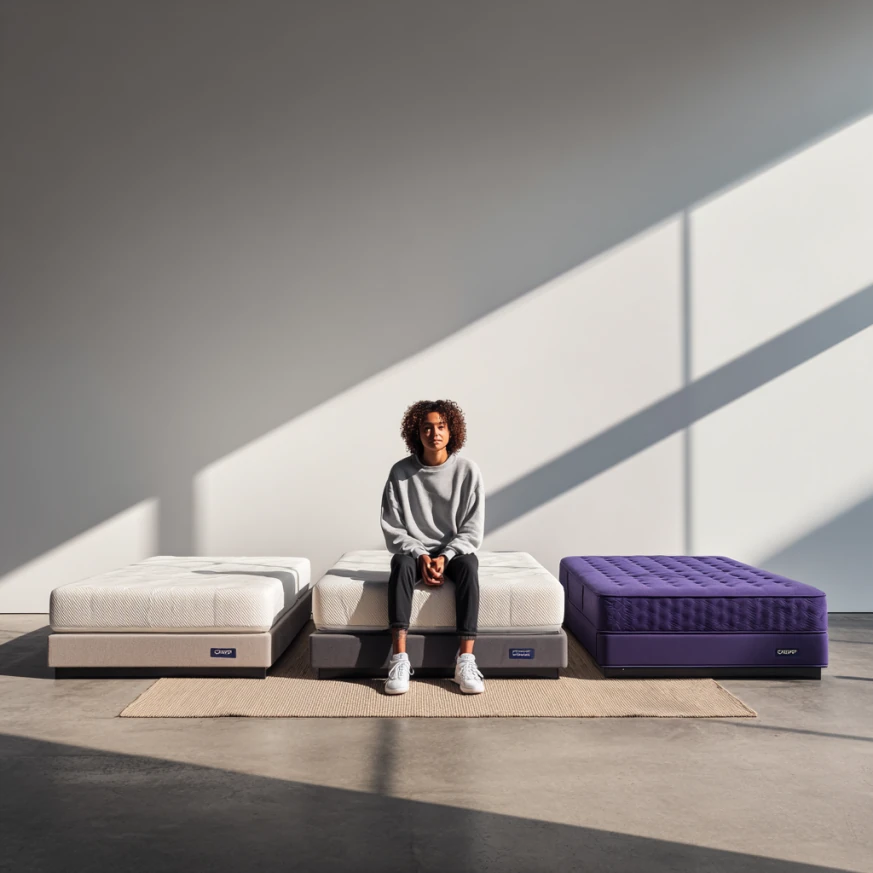
Casper vs Purple vs Tuft & Needle: side-by-side comparison
Feature Casper Purple Tuft & Needle
Core feel Gentle contour, balanced foam “hug” Buoyant, lifted feel from elastic grid Simple, supportive foam; neutral feel
Pressure relief Zoned foams cradle shoulders/hips Grid collapses at pressure points Moderate contour; comfy for most
Cooling Good (best on hybrids) Excellent airflow (grid) Good (open-cell foam)
Support & bounce Stable, low bounce High responsiveness; easy to move Medium responsiveness
Edge support Softer on all-foam; better on hybrids Stronger on hybrids/reinforced edges Moderate; fine for most users
Best for Side sleepers; fans of contour Hot sleepers; combo sleepers Budgets; guest rooms; first setups
Motion isolation Very good Good Good
Durability 7–10 years (materials dependent) 7–10+ years (grid/hybrids) ~7–9 years (foam)
Trial & warranty ~100 nights; 10-year limited ~100 nights; 10-year limited ~100 nights; 10-year limited
Price tier Mid-range (foams & hybrids) Higher (proprietary grid, hybrids) Lowest (straightforward foam)
Notable picks Casper Original; Casper Hybrid Purple Mattress; Purple Hybrid T&N Original; T&N Mint

Feel & pressure relief

Casper uses zoned foam layers to contour evenly while preventing deep sinkage. Purple’s grid collapses under pressure points but stays supportive elsewhere, giving you a floating sensation. Tuft & Needle’s foam is responsive, simple, and moderately contouring.

Best for:

  • Side sleepers: Casper’s cushioning helps shoulders and hips.
  • Combination sleepers: Purple’s bounce makes repositioning easy.
  • Guest rooms & budgets: Tuft & Needle offers reliable support without overspending.

Cooling & temperature regulation

Purple leads with its airy grid, which naturally allows airflow. Casper improves breathability with engineered foams and hybrid models, though its all-foam beds still feel warmer. Tuft & Needle uses open-cell foams that run cooler than dense memory foam but aren’t as ventilated as Purple.

According to the CDC, nearly one in three adults doesn’t get enough sleep, which makes choosing a cooling mattress even more important for rest quality.

If you’re a hot sleeper, start with Purple. Casper’s hybrid or Tuft & Needle foam are solid backups. For more picks, see our best cooling mattress guide.

Support, bounce & edge stability

Casper’s zoned foam stabilizes you without much bounce. Purple’s grid rebounds instantly, making it easy to move around. Tuft & Needle sits in the middle, offering steady support with a touch of bounce.

Edge support: Casper all-foam edges feel softer, while Purple hybrids or reinforced models stay firmer at the perimeter. Tuft & Needle offers moderate stability—fine for most sleepers but not the strongest edge hold.

Edge support test comparing Casper vs Purple and Tuft & Needle - casper vs. purple vs.

Price, policies & where Tuft & Needle fits

Expect 90–120-night trials, easy returns, and 10-year limited warranties across brands. Long-term value improves when you use a supportive base, rotate the mattress if allowed, and protect it with a breathable cover.

  • Tuft & Needle: Most affordable, with simple foam and strong value.
  • Casper: Mid-range, priced for layered foams and hybrids.
  • Purple: Higher-end, with proprietary grid tech and premium hybrids.

For neutral shopping advice, see the National Sleep Foundation. If you care about safer materials, look for recognized labels—this bedding certifications guide and this non-toxic mattress resource outline what to trust.

Where Tuft & Needle fits

If Casper vs Purple feels too premium, Tuft & Needle delivers balanced foam comfort at a lower cost. It’s ideal for lighter sleepers, guest rooms, and value-minded buyers who want dependable comfort without luxury pricing. Its straightforward design makes it a great “starter mattress” or backup bed for multipurpose spaces.

Casper vs. Purple vs. Tuft & Needle: An Honest Comparison

FAQ

Is Casper or Purple better for side sleepers?

Casper’s foam offers uniform relief for shoulders and hips. Purple eases pressure while keeping you lifted. Your choice depends on preferring a gentle hug (Casper) or buoyant feel (Purple).

Which sleeps cooler: Casper or Purple?

Purple’s open grid usually sleeps cooler. Casper hybrids improve breathability, but Purple wins for airflow.

Is Tuft & Needle good for combination sleepers?

Yes. Its responsive foam helps you shift easily, though Purple’s bounce is even better for frequent movers.

Which is better value: Casper vs Purple?

Casper offers mid-range pricing with good contouring, while Purple costs more but excels in cooling and durability. Value depends on whether you prioritize feel or longevity.

Do I need a box spring?

No. Modern mattresses work on slats, platforms, or adjustable bases. Always check brand rules to protect your warranty.

How long will these mattresses last?

Most last 7–10 years. Durability depends on foam density, coil strength (hybrids), and usage.

Conclusion

In the Casper vs Purple matchup, choose Casper if you want foam contouring, Purple if you need buoyant cooling, and Tuft & Needle if you want simple, affordable foam. Don’t stress too much—trial periods let you test at home risk-free. Match feel to your sleeping style and budget, then confirm warranty and return policies. For cozy, step-by-step guidance, visit our mattress buying guide at Cozy Bed Quarters.

Related reading from Cozy Bed Quarters

Other reading we found popular

“` ✅ Optimized for Rank Math, semantic HTML, footer blocks added, keyword density checked.

Would you like me to also **check your internal link map** against the CSV you uploaded and suggest 2–3 orphaned posts we can link here for extra SEO lift?

Bedroom Furniture & Layout Guide: From Frames to Floor Plans

Bedroom Furniture Layout in a cozy bedroom setting

Smart Bedroom Furniture Layout Tips

Updated 2025 — The best bedroom furniture layout starts with the bed, keeps clear walkways (about 24–30 inches), and layers storage and lighting so the room feels balanced, cozy, and easy to live in.

Imagine walking into a bedroom where the furniture layout instantly feels natural: the bed is inviting, nightstands sit perfectly within reach, and storage blends with style. This guide walks you through frames, placement, and simple floor-plan tips so your bedroom furniture layout feels both spacious and restful. For deeper room planning, you might also enjoy our small bedroom design guide for flow tips in tighter spaces.

According to the CDC, adults need at least seven hours of sleep most nights. A calm, uncluttered layout won’t replace healthy sleep habits, but it can make evening routines easier and your space more restorative.

Key Takeaways

Quick wins to plan your room with comfort, flow, and style in mind.

  • Start with bed placement—the anchor of your bedroom furniture layout.
  • Choose frames that fit your lifestyle: platform or storage options.
  • Balance comfort and style with our upholstered vs wooden bed frames comparison.
  • Right-size nightstands and dressers to keep flow, not crowd it.
  • Think in floor plans—space planning matters as much as the furniture.

Why bedroom furniture layout matters as much as furniture

Layout controls comfort, function, and daily ease. It ensures the pieces you love actually work for how you move, sleep, and store things.

A beautiful bed won’t work if it blocks windows or crowds doors. Layout is about balance—making sure every piece feels intentional and usable. Start with your room’s focal points: windows, closets, and the entry door. If you want style-led inspiration, browse bedroom layout ideas from Architectural Digest and adapt them to your room’s measurements.

Bedroom Furniture & Layout Guide: From Frames to Floor Plans - bedroom furniture layout

Caption: A balanced arrangement leaves comfortable walkways and aligns key pieces for a calming view.

Tip: The AASM notes that a dark, quiet, and cool environment supports better rest—smart placement helps you position shades, lighting, and textiles to get there.

Picture this: at night you reach for a water glass, book, and lamp—each within easy reach on a properly placed nightstand. Without a thoughtful furniture layout in the bedroom, even expensive pieces feel awkward.

Choosing the right bed frame

Your bed sets the tone for the whole room. Think of it as both anchor and canvas—the right frame makes your bedroom furniture layout easier and your style more cohesive.

Platform beds

Platform beds sit lower to the ground for a sleek, modern look. They’re especially helpful in small bedrooms since they eliminate a bulky box spring.

Bedroom Furniture & Layout Guide: From Frames to Floor Plans - bedroom furniture layout

Caption: A low-profile platform keeps sightlines open so tight rooms feel bigger.

Example: In a studio apartment, a platform bed keeps the bedroom furniture layout feeling open and airy, leaving space for a small desk or reading chair.

Storage beds

Storage beds are lifesavers in compact spaces. Drawers underneath can replace bulky dressers or provide extra room for linens and clothes.

Storage bed layout with drawers under the frame for space-saving bedro featuring bedroom furniture layout

Caption: Deep under-bed drawers trade visual bulk for hidden storage—great in small rooms.

Example: In a guest room, a storage bed can eliminate an oversized dresser, freeing space for a cozy chair or art.

Upholstered vs wooden frames

Upholstered beds bring softness and comfort; wooden frames are timeless and versatile. Choose based on texture, maintenance, and the mood you want to set.

  • Upholstered: Soft, quiet, cozy; needs occasional vacuuming; great for modern or hotel-like rooms.
  • Wooden: Durable, easy to wipe; adds warmth and structure; ideal for rustic, Scandinavian, or classic styles.
  • Best for: Upholstered = softness and sound dampening; Wooden = clean lines and durability.

Shop smarter: If you care about safer materials, look for certifications like CertiPUR-US® or GREENGUARD. See this bedding certifications guide and this practical non-toxic mattress overview to decode labels before you buy.

For more side-by-side frame advice, read our upholstered vs wooden bed frames guide.

Smart placement of dressers & nightstands

Plan for movement first: aim for 24–30 inches of clear walkway in the paths you use most so the room feels effortless to navigate.

Dressers and nightstands shape both storage and flow. Aim for 24–30 inches of walkway space so your layout feels open and easy to move through.

Bedroom Furniture & Layout Guide: From Frames to Floor Plans - bedroom furniture layout

Caption: Keep drawer faces clear of door swings and leave space to fully open them.

Nightstands: Keep the top surface even with or slightly below the mattress for comfortable reach. Position lamps to balance the room and reduce glare.
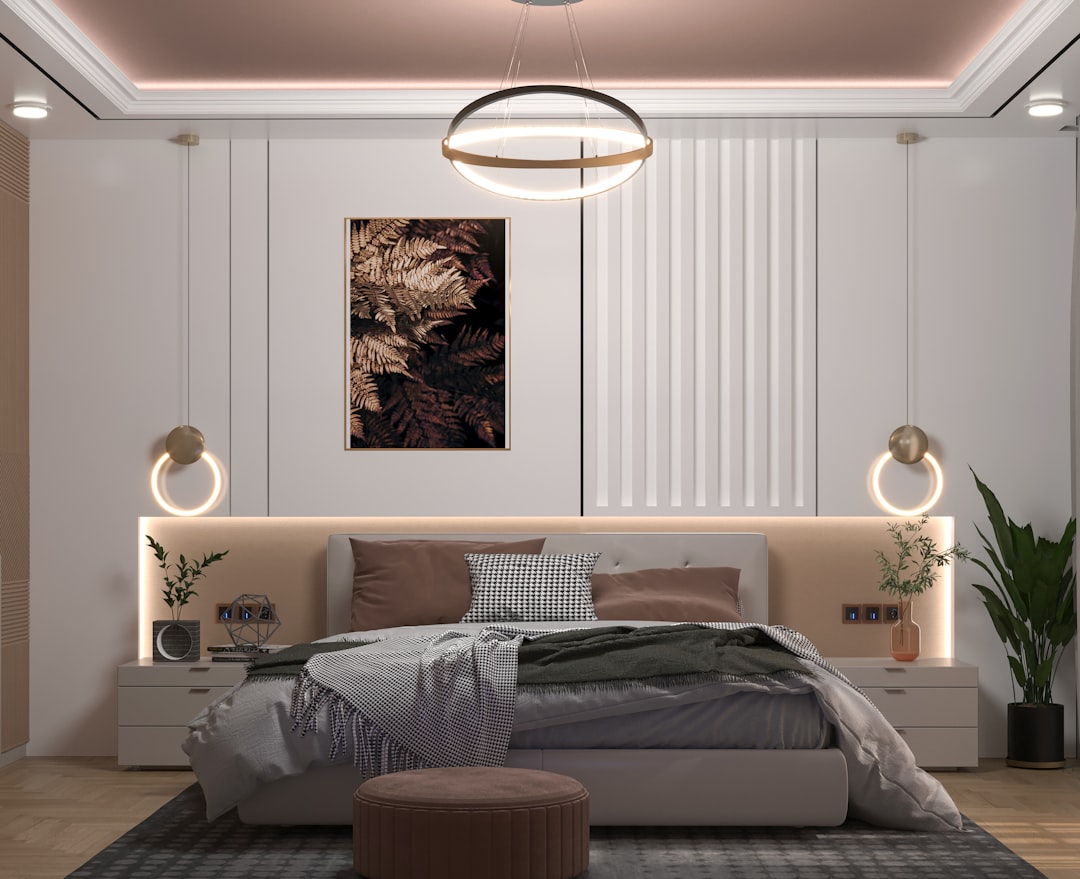
Dressers: They work best opposite the bed or adjacent to closets. Avoid tight corners where drawers can’t open fully. For furniture picks and sizing, see our dresser and nightstand guide.

Scenario: In a 10′ × 12′ room, a 60″ dresser opposite a queen bed leaves a smooth path to the closet and keeps traffic out of the sleep zone.

Balancing comfort with style

Proportion is your secret weapon: match piece sizes to the room and layer textiles and light to dial up coziness without clutter.

A thoughtful bedroom furniture layout is about proportion. Wide beds need larger nightstands; tall ceilings welcome taller headboards; small bedrooms benefit from slimmer frames. After anchors are placed, layer a rug under the bed, add bedside lighting, and consider a bench at the foot.

Pro tip: Step back and look at your room—does one side feel crowded? Shuffle pieces and re-check walk paths. If you love a moody vibe, pair textured linens with a darker rug and warm lamp light for instant coziness.

Scenario: A king bed with 28–30″ nightstands and a 60″ bench looks balanced; swapping in tiny tables makes the bed feel oversized.

Sample bedroom furniture layout ideas

Use these flexible floor plans to jump-start your arrangement, then adjust for door swings, windows, and outlets.

  • Small bedrooms: Place the bed against the longest wall, choose a storage bed, and opt for slim nightstands. Add wall-mounted lamps if there isn’t room for table lamps.

Bedroom Furniture & Layout Guide: From Frames to Floor Plans - bedroom furniture layout

Caption: Wall sconces free up precious surface area on narrow nightstands.

  • Medium bedrooms: Center the bed between windows with balanced nightstands, and tuck a dresser opposite. This layout feels open yet cozy—add a narrow bench at the foot.
  • Large bedrooms: Float the bed slightly away from the wall, add a bench at the foot, and layer a reading nook. A loveseat or accent chair by the window creates a true retreat.

Scenario: For a 12′ × 14′ space, a queen bed centered between two windows with 24–26″ nightstands and a 48″ bench leaves generous paths on both sides.

Common bedroom furniture layout mistakes

Skip these avoidable pitfalls to keep your space bright, balanced, and easy to live in.

  • Blocking natural light: Don’t park a tall dresser in front of a window; the room will feel smaller and dimmer.
  • Ignoring symmetry: Mismatched nightstands can be charming, but big height differences make the layout feel uneven.
  • Overcrowding: Too much furniture shrinks even large bedrooms. Edit until the layout feels airy.
  • Forgetting scale: A king bed with tiny nightstands looks awkward; size pieces so they complement each other.

Scenario: If a door clips a drawer when opened, swap the dresser and chair to keep the path clear and the view calmer.

FAQ

What’s the best place for the bed in a bedroom?

Most designers center the bed on the main wall—often opposite the door or between windows—to create a clear focal point and a calm, balanced bedroom furniture layout.

How much space should I leave around furniture?

Leave about 24–30 inches of walkway where you move most. Narrower is possible beside low-traffic zones, but aim for comfort first.

Can I mix wood and upholstered furniture?

Yes—mixing textures adds depth. Try a wooden bed with upholstered nightstands, or the reverse, to keep the layout dynamic but cohesive.
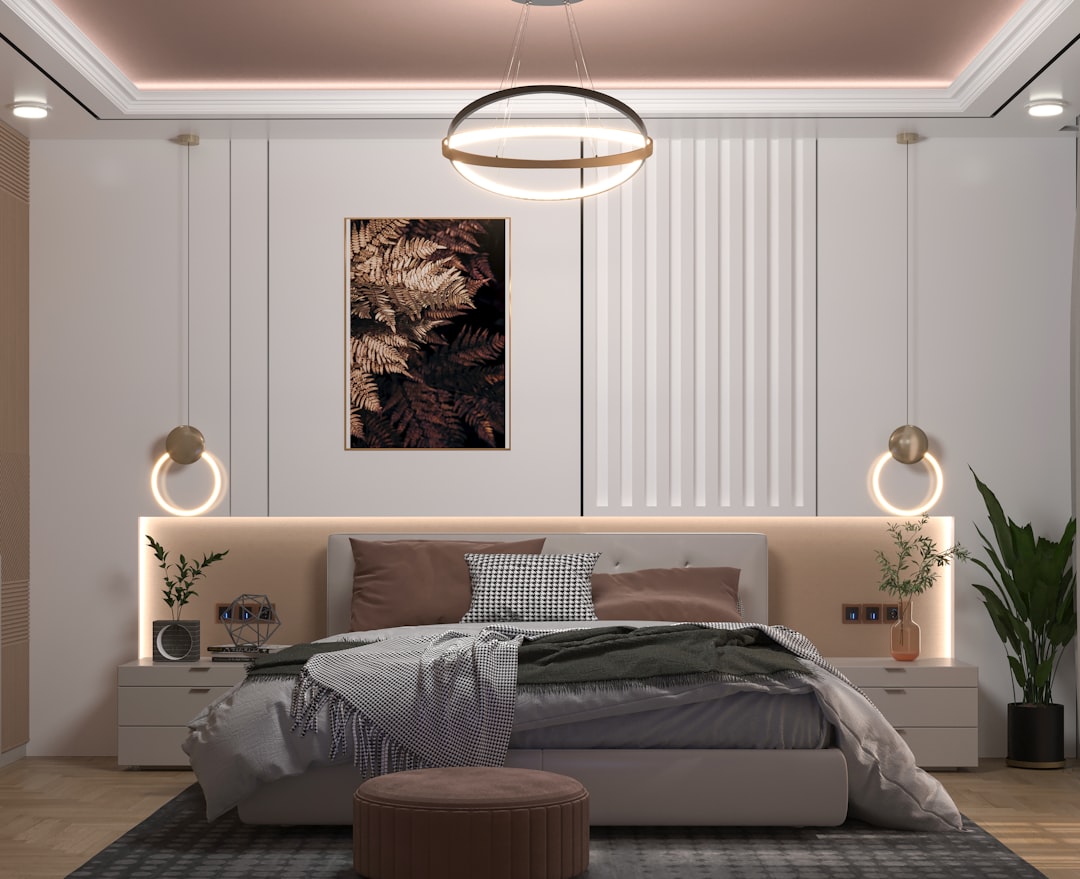
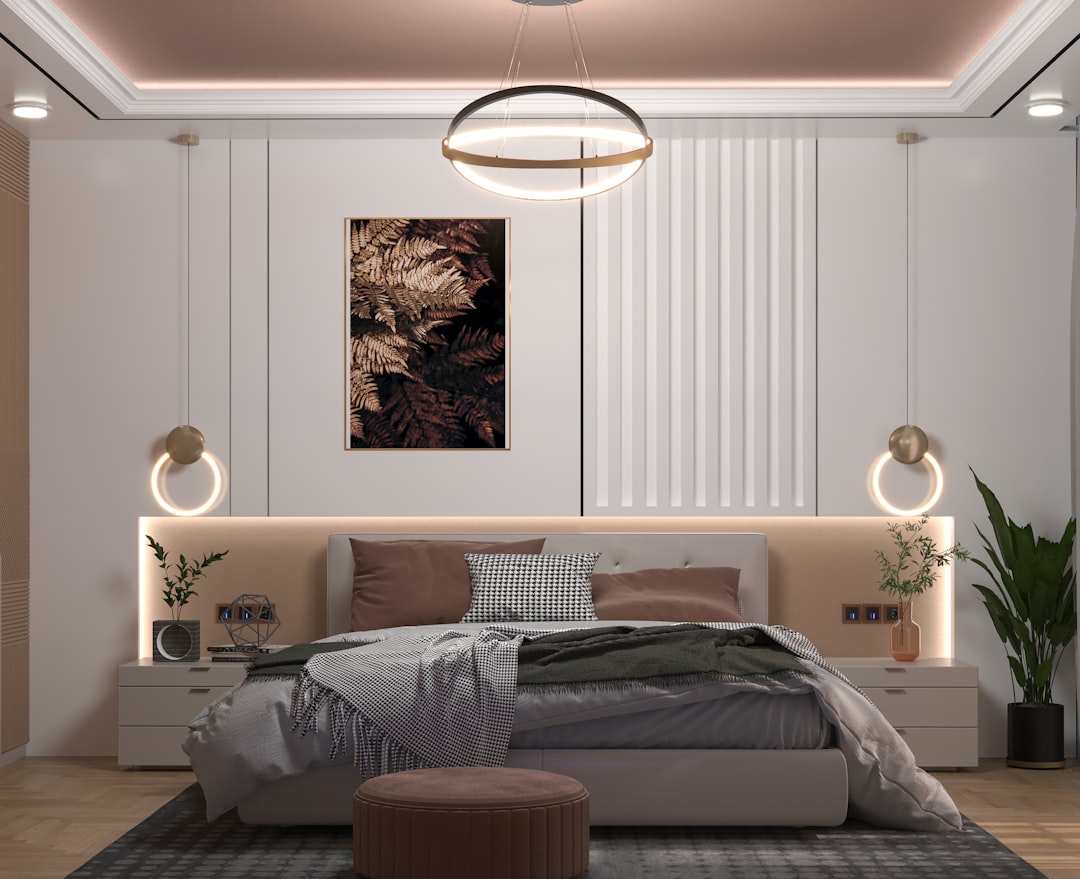
Final Thoughts from Cozy Bed Quarters

Creating a bedroom furniture layout is more than filling space—it’s designing flow, comfort, and cozy style. At Cozy Bed Quarters, we believe every room should feel like a retreat. Start with your bed choice, arrange storage wisely, light it well, and always leave breathing room. For deeper planning tips, explore our complete bedroom furniture guide.

Related reading from Cozy Bed Quarters

Other reading we found popular