Four Poster Canopy Beds: Timeless Elegance for Your Bedroom

Four Poster Canopy Beds: Timeless Elegance for Your Bedroom - Featured Image

Why Four Poster Canopy Beds Feel Timeless

Four Poster Canopy Beds offer a luxurious blend of privacy, elegance, and coziness—making them a perfect statement piece for any bedroom sanctuary.

Key Takeaways

  • Four poster canopy beds combine luxury and comfort.
  • They offer practical benefits like temperature control and privacy.
  • Available in various materials and styles to suit modern or classic decor.

Looking for more timeless styles? Check out our guide on Four Poster Beds: Design History and Modern Takes.

What Is a Four Poster Canopy Bed?

A four poster canopy bed is a bed frame that features four vertical columns, one at each corner, that support an overhead canopy structure. Originally designed for warmth and privacy in drafty castles, these beds have evolved into symbols of luxury and romance. According to The Spruce, they are now often used as focal points in bedrooms, adding grandeur and visual interest.

Today’s versions span a wide range of designs, from ornately carved wood to sleek, modern metal frames. They appeal to people looking to blend old-world charm with contemporary aesthetics. You’ll find them in luxury hotels, romantic Airbnb stays, and design-forward homes—testament to their enduring allure. Some even come with built-in lighting or minimalist canopies that highlight the structure without overwhelming a small room.

Four poster canopy beds are more than just furniture—they’re a lifestyle choice. Whether you want to feel like royalty or create a cozy nook to unwind, this bed design provides the structure and flexibility to make it happen.

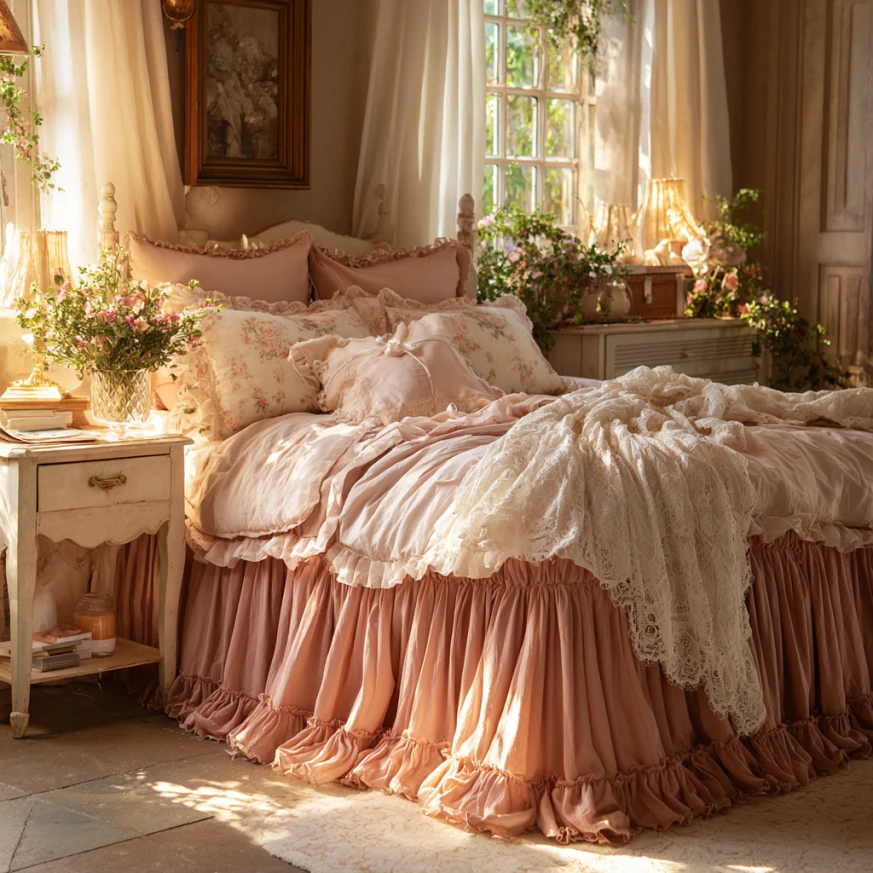
Traditional canopy bed with cozy bedding and frame

Top Benefits of Four Poster Canopy Beds

1. Elegant Aesthetic Appeal

Few bedroom pieces exude sophistication like a four poster canopy bed. Whether draped in airy linens or left bare to showcase bold architectural lines, they elevate a room instantly. They pair beautifully with high ceilings and large windows for a dramatic look. Even in smaller rooms, choosing a slender frame or transparent canopy fabric can keep things feeling open and airy while still making a bold design statement.

This type of bed also allows you to experiment with personal style. Add fairy lights, flowy curtains, or seasonal garlands to match your mood or decor. A canopy bed is like a blank canvas waiting for your creativity.

2. Enhanced Comfort and Privacy

Adding curtains or fabric around the canopy creates a cocooning effect, ideal for better sleep and noise reduction. Especially in shared rooms or urban environments, this added privacy can make a big difference in rest quality. If you’re light-sensitive or prefer a darker environment for sleep, canopy curtains help block out unwanted light, mimicking the benefits of blackout curtains without compromising style.

Some families even use them in children’s rooms as a fun and imaginative sleeping environment. The enclosed feeling often helps kids sleep more soundly, feeling safe in their “fort.”

3. Seasonal Versatility

Canopy fabric can be swapped to match the seasons—light and breezy in summer, cozy and insulating in winter. This not only helps with temperature control but also lets you update your room’s vibe throughout the year. Layering textures, like pairing velvet in colder months and linen during the warmer seasons, gives your space a dynamic and refreshed look all year long.

Seasonal styling also keeps your bedroom engaging and fun to redecorate. You’re not stuck with one aesthetic—just switch out the textiles, and you’ve transformed the entire feel of the room.

How to Choose the Right Four Poster Canopy Bed

  • Material: Choose wood for a traditional feel or metal for a sleek, contemporary look.
  • Ceiling Height: Ensure your bedroom has enough clearance to accommodate the bed’s full height.
  • Style Match: Match the bed’s design to your room’s theme—minimalist, vintage, or bohemian.
  • Curtain Type: Consider sheer vs heavy drapes based on privacy and light control needs.

For more inspiration, see Unique Canopy Bed Designs for every style and space.

Best Options Compared

ModelMaterialStyleBest For
Winston TraditionalSolid WoodClassic/VintageHeritage Decor Enthusiasts
Aria LoftMetalModern/MinimalistSmall Apartments
Boho BreezeSustainable BambooBohemianEco-Friendly Homes

Quick Answer

Four poster canopy beds combine timeless elegance and practical comfort. They’re ideal for those wanting a cozy, stylish centerpiece that also improves sleep quality and room ambiance.

Whether you’re redesigning your bedroom or simply adding a touch of romance, a four poster canopy bed offers the perfect blend of classic beauty and cozy comfort. It’s a design investment that pays off every single night.

FAQ

Are four poster canopy beds still in style?
Absolutely. They’ve evolved with modern trends and remain popular for their dramatic presence and versatility in decor.
Do I need high ceilings for a canopy bed?
While high ceilings enhance the effect, many modern designs are scaled for standard room heights—just be sure to measure.
Can I add a canopy to a regular four poster bed?
Yes, as long as the posts are structurally sound and tall enough to support a cross-frame or fabric.

Love cozy style tips? Subscribe to our newsletter for weekly bedroom inspiration!


Under Bed Storage Frames That Maximize Bedroom Space

Beds with Built-In Storage


Beds With Built-In Storage for Organized Living

If your bedroom feels cluttered or you’re looking to make the most of every square foot, Beds with Built-In Storage offer the perfect solution. These smart designs integrate drawers, shelves, or hidden compartments directly into the bed frame, combining comfort with practicality. For more ideas, explore Hidden Storage Beds: Smart Space Savers.

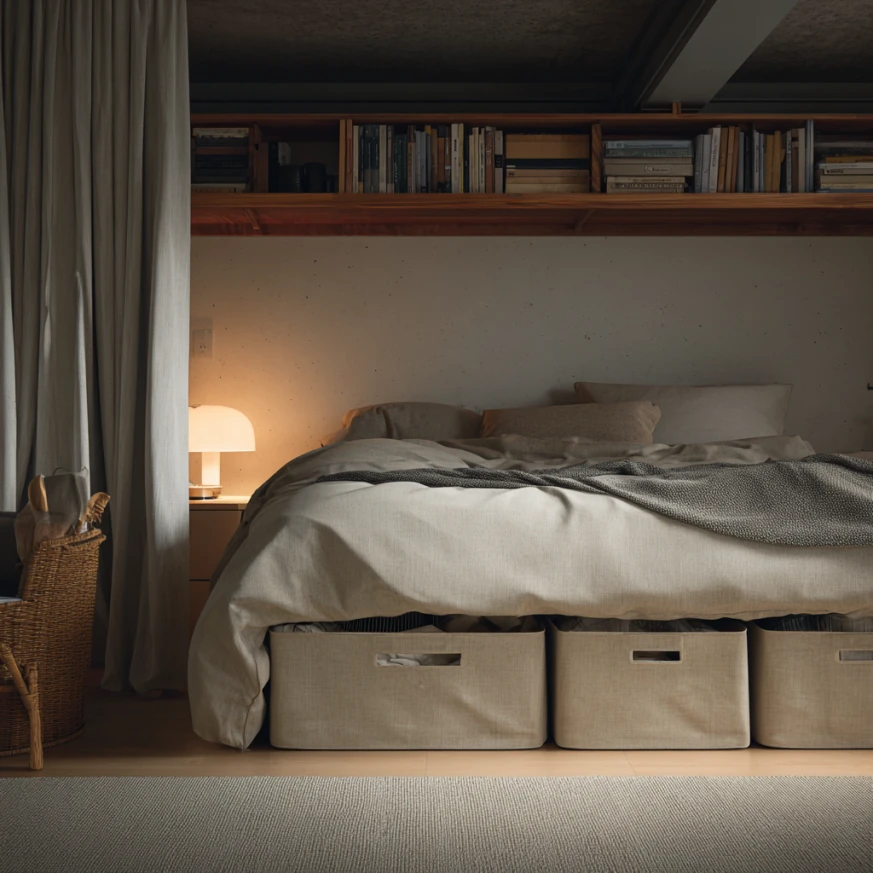
Serene modern bedroom featuring Beds with Built-In Storage to maximize floor space and organization

Key Takeaways

  • Beds with Built-In Storage help maximize bedroom space while maintaining a stylish design.
  • Popular choices include platform beds, ottoman beds, captain’s beds, and Murphy beds.
  • These designs are ideal for small apartments, guest rooms, or multipurpose spaces.
  • Choosing the right storage bed depends on accessibility, storage needs, and room layout.

Why Choose Beds with Built-In Storage?

Bedrooms often double as storage areas, leaving closets overstuffed and under-bed bins in disarray. That’s where Beds with Built-In Storage stand out. By integrating storage into the frame itself, they eliminate clutter and free up valuable floor space. Whether in a city apartment or a compact guest room, these beds make organization effortless. For further ideas, check out Better Homes & Gardens’ bedroom storage solutions.

Types of Beds with Built-In Storage

There are multiple types of Beds with Built-In Storage, each offering a different balance of convenience, accessibility, and storage capacity. From sleek drawers to hidden lift-up compartments, the right choice depends on your space and lifestyle. For guidance, see How to Choose the Right Platform Bed with Storage.

Type of Storage BedBest ForStorage CapacityKey Advantage
Platform Beds with DrawersMinimalist bedrooms, daily essentialsModerateAccessible drawers without visible clutter
Ottoman BedsSmall spaces, bulky seasonal storageHighGas-lift design reveals full under-bed space
Captain’s BedsKids’ rooms, multipurpose layoutsModerateMix of drawers and shelving
Murphy Beds with StorageStudios, guest rooms, tiny homesModerate to HighSaves floor space while adding hidden compartments

Each of these Beds with Built-In Storage caters to different needs. The best option depends on how much space you need and how you prefer to access it.

Platform Beds with Drawers

Answer first: choose platform beds if you want simple, everyday storage that blends into a minimalist design. Platform beds integrate two to four drawers into the frame, ideal for linens, shoes, or clothing. They’re especially useful in rooms with enough clearance for drawer access. Explore IKEA’s storage bed collection for affordable options.

Buyer’s tip: Opt for full-extension drawers to reach the back easily; felt-lined bottoms protect delicates. If your rug is thick, confirm the drawer height clears the pile.

Wood platform storage bed with drawers keeping a small bedroom organized and clutter-free

Ottoman Beds

Answer first: pick an ottoman base when you need maximum capacity in the same footprint as a standard bed. The mattress lifts on gas struts to reveal a single large compartment—ideal for winter duvets and gear. For complementary ideas, read Under-Bed Drawers for Small Bedroom Storage.

Buyer’s tip: Side-lift models are easier to open in tight rooms. Always match the gas-lift rating to your mattress weight, and add bins or cubes so the big cavity doesn’t become a jumble.

Space-saving ottoman bed raised to show under-bed compartment for seasonal storage

Captain’s Beds

Answer first: choose a captain’s bed for kid-friendly organization and multi-zone storage. These ship-inspired frames combine side drawers with headboard shelves, corralling toys, clothes, and books without extra furniture. See this Sleep Foundation guide to the best storage beds for inspiration.

Buyer’s tip: Prioritize soft-close drawers to protect little fingers, and look for adjustable shelving in the headboard to handle everything from picture books to baskets.

Captain’s storage bed with drawers and headboard shelves organizing a busy kids’ room

Murphy Beds with Storage

Answer first: select a Murphy bed when you need daytime floor space plus cabinetry for linens and gear. Wall-mounted designs fold away and often include side closets, cubbies, or hidden compartments. Explore more ideas in Space-Saving Bed Frame Solutions.

Buyer’s tip: Verify ceiling height, wall studs, and swing clearance before purchase. Many systems need professional installation; plan for lead times and anchoring hardware.

Murphy bed with side storage cabinets folded into a compact studio for flexible floor space

How to Choose the Right Storage Bed

Answer first: match access (drawers vs. lift) to how often you’ll use items, then confirm clearance and mattress compatibility. A quick checklist below narrows the field.

  • Measure movement: Map drawer swing, lift height, and door clearances; tape the footprint to test flow.
  • Match mattress weight: Dense foam/hybrids are heavy—verify gas-lift ratings or choose drawers instead. See Innovative Bed Frames with Storage Options.
  • Plan ventilation: Use breathable bags, cedar inserts, and avoid storing damp textiles.
  • Hardware quality: Full-extension slides, soft-close action, and reinforced corners extend lifespan.
  • Assembly needs: Murphy systems and heavy ottomans may need pros; check delivery path and stairwells.
  • Warranty & returns: Longer warranties signal durability; review weight limits and trial windows.
StyleAccessBest UseCapacityRoom Fit
Platform DrawersSide pull-out drawersDaily linens, clothingModerateNeeds 24–36″ side clearance
Ottoman LiftTop lift on gas strutsBulky/seasonal itemsHighGreat for tight rooms; plan top clearance
Captain’s BedDrawers + headboard shelvesKids’ rooms, multi-useModerateCompact footprint replaces extra furniture
Murphy + CabinetsFolds into wall unitStudios/guest roomsModerate–HighRequires wall anchoring and ceiling clearance

FAQ

Are beds with built-in storage worth it?
Yes, they maximize space, reduce clutter, and add convenience, especially in smaller bedrooms.
Which storage bed offers the most capacity?
Ottoman beds typically provide the most storage, as they use the full under-bed space.
Can storage beds support heavy mattresses?
Many can, but always check manufacturer specifications. Reinforced frames and gas-lift systems work best with dense foam or hybrid mattresses.
Do storage beds require special care?
Keep drawer tracks clean, inspect gas-lift hardware annually, and avoid overloading compartments to preserve performance.

Final Thoughts

A thoughtfully chosen Bed with Built-In Storage transforms your bedroom into an organized, clutter-free retreat. From platform drawers to wall-mounted Murphy beds, these designs enhance both function and comfort. For even more inspiration, explore the full range of ideas at Cozy Bed Quarters.

Related Reading from Cozy Bed Quarters

Other Reading We Found Popular


Mattress Firmness Levels Explained for Ideal Comfort

Mattress Firmness Levels

Mattress Firmness Levels Explained for Ideal Comfort

Mattress firmness levels determine how soft or firm your bed feels. Learn how to choose the perfect firmness for your sleep style with our detailed guide.

Key Takeaways on Mattress Firmness

  • Mattress firmness levels range from 1 (extra soft) to 10 (extra firm).
  • Side sleepers benefit from softer mattresses; back and stomach sleepers need more support.
  • Body weight and sleep position significantly affect firmness preference.
  • Testing a mattress before buying ensures better sleep comfort.

What is Mattress Firmness?

Mattress firmness refers to how soft or firm a mattress feels when you lie on it. It’s subjective, depending on factors like body weight, sleep position, and personal preferences. Mattress brands typically use a scale from 1 to 10 to categorize mattress firmness levels, making it easier for buyers to find their perfect match. For a full comparison, check our mattress types overview.

Understanding the Mattress Firmness Scale

The firmness scale ranges from extra soft to extra firm:

  • 1–3: Extra Soft to Soft
  • 4: Medium-Soft
  • 5: Medium
  • 6–7: Medium-Firm
  • 8–10: Firm to Extra Firm

1. Extra Soft to Soft (1-3)

Extra soft mattress showing the lowest mattress firmness levels for side sleepers

Extra soft mattresses feel plush and sink-in soft, offering a luxurious sleeping experience. They’re ideal for side sleepers who need extra cushioning for their shoulders and hips. However, they may lack the support necessary for proper spinal alignment, especially for back or stomach sleepers.

Soft mattresses (rated 2–3) are a step up in support but still emphasize comfort. They’re often favored by lighter individuals or those who love a “cloud-like” feel.

2. Medium-Soft (4)

Medium-soft mattress firmness levels ideal for combination sleepers

Medium-soft mattresses balance plushness and support. They cradle the body without excessive sinking, making them perfect for combination sleepers who shift between positions throughout the night. If you enjoy the softness of a mattress but need a bit more stability, medium-soft options may be your best bet.

3. Medium (5)

Medium mattress firmness levels suitable for couples and back sleepers

A medium mattress is the most versatile option on the scale. It offers a balance of softness and firmness that works well for couples with differing sleep preferences. Back sleepers often find medium mattresses supportive, as they provide enough give to contour the spine while preventing excessive sagging.

4. Medium-Firm (6-7)

 Medium-firm mattress firmness levels offering support and pressure relief

Medium-firm mattresses are the universal comfort level, recommended for most sleepers. They’re ideal for back and stomach sleepers, offering the support needed to keep the spine aligned while maintaining a touch of cushioning. Medium-firm mattresses are also a popular choice for those with back pain, as they reduce pressure points without compromising support.

5. Firm to Extra Firm (8-10)

Firm to extra firm mattress firmness levels for stomach sleepers and heavy individuals

Firm and extra firm mattresses provide maximum support, making them a top choice for stomach sleepers and individuals with higher body weights. These mattresses help distribute weight evenly and maintain a neutral spine. While they may feel too rigid for lighter sleepers, they’re excellent for those who need a solid surface to prevent sinking.

Factors That Affect Mattress Firmness Preferences

clean bed with pillows and white bedding in room

While the firmness scale is a helpful guide, personal factors influence how you perceive mattress firmness levels:

  1. Sleep Position
    • Side Sleepers: Benefit from softer mattresses to cushion pressure points.
    • Back Sleepers: Medium to medium-firm mattresses support spinal alignment.
    • Stomach Sleepers: Firmer mattresses prevent hips from sinking.
  2. Body Weight: Heavier individuals typically feel softer mattresses are too plush, while lighter individuals may find firm mattresses too rigid. Choose a firmness level that complements your weight for optimal comfort.
  3. Additional Factors: Consider health conditions like back pain, the type of materials used in the mattress, and even room temperature. Memory foam, for example, adapts to body heat, creating a softer feel. Learn the difference between memory foam and spring mattresses here.

Testing Mattress Firmness


Before committing to a mattress, test it out. Lie down in your usual sleeping position and spend at least 10–15 minutes assessing its comfort and support. Many retailers offer in-home trials, allowing you to test a mattress over several nights to ensure it’s the right fit.

FAQ

What is the best mattress firmness for side sleepers?
Soft to medium mattresses are ideal for cushioning pressure points.
Do firmer mattresses last longer?
Firm mattresses often maintain shape longer, but longevity depends on materials used.
Is memory foam always soft?
Memory foam adapts to your body but comes in different firmness levels.

Conclusion

Understanding mattress firmness levels is the first step to finding your ideal mattress. From extra soft to extra firm, each level caters to specific sleep needs and preferences. By considering factors like sleep position, body weight, and materials, you can make an informed choice that leads to restful, rejuvenating sleep every night.

Bed Risers for Storage: Maximize Your Space Today

Bed Risers for Storage

Bed Risers for Storage: How I Leveled Up My Bedroom Game (Literally!)

Living in a small space can feel like a constant game of Tetris, where every inch matters. That’s why discovering bed risers for storage was a game-changer for me. By lifting my bed, I turned wasted space into an organized storage area, freeing up my bedroom and bringing a whole new level of functionality.

Let me walk you through how bed risers transformed my bedroom—from finding the right ones to maximizing the storage potential beneath my bed. Whether you’re in a dorm, apartment, or tiny house, these tips might just change your life.


What Are Bed Risers for Storage?

Bed risers are supports that elevate your bed frame, creating additional storage space underneath. Available in various heights and materials, they’re a versatile solution for making the most out of tight spaces. The extra height lets you slide storage bins, boxes, and other items beneath your bed, keeping your floor clutter-free.


The Great Bed-Lifting Adventure

1. Setting Up Bed Risers

Installing bed risers isn’t as effortless as it looks in commercials, but with a little planning, it’s completely doable:

  • Enlist Help: Beds are heavy! I asked a friend to assist me. A promise of pizza worked wonders.
  • Slide Carefully: Lifting one corner of the bed at a time, we carefully positioned the risers. Pro tip: Do it gradually to avoid tipping over.
  • Celebrate Success: Once the bed was fully elevated, I couldn’t help but celebrate my newfound space. It felt like winning a boss fight in a video game.

2. Choosing the Best Bed Risers

Not all risers are created equal. After some trial and error, here’s what I learned:

  • Height Options: Measure the height of your bed frame and determine how much storage you need. Taller isn’t always better if it makes your bed awkwardly high.
  • Material Durability: Plastic risers are budget-friendly but may buckle under heavy weight. I switched to sturdy wooden risers for better stability.
  • Bonus Features: Some risers come with built-in power outlets or USB ports. These were a game-changer for charging my phone and laptop.

Organizing the Underbed Space

Once the risers were in place, I focused on optimizing the newly created storage space. Here’s what worked for me:

  • Storage Bins: Invest in low-profile, wide storage containers to maximize the space. I used them to store off-season clothes and extra bedding.
  • Rolling Containers: Containers with wheels make it easy to access items without pulling everything out.
  • Vacuum-Sealed Bags: These are perfect for bulky items like duvets and pillows, compressing them to save space.

Keeping It Tidy: Organization Tips

Having extra space is great, but it can quickly become chaotic without a plan. Here’s how I maintained order:

  • Label Everything: Every bin and bag got a label, so I’d know exactly where to find things.
  • Seasonal Rotation: Items I need frequently are kept near the edges, while rarely used items go towards the back.
  • Dust Prevention: Storing everything in closed containers kept dust bunnies at bay, which my allergies greatly appreciated.

Benefits of Bed Risers Beyond Storage

Using bed risers for storage didn’t just help me organize—it came with unexpected perks:

  • More Room to Move: With clutter gone, I finally had space for a morning yoga routine.
  • Cleaner Space: Fewer items on the floor meant easier cleaning.
  • Unique Uses: One storage bin became my secret snack stash. Midnight snacks, anyone?

Common Pitfalls to Avoid

While bed risers are a great solution, there are a few things to watch out for:

  • Weight Limits: Overloading the storage can cause risers to buckle. Always check the weight capacity of your risers.
  • Stability Issues: Ensure risers are positioned correctly to prevent tipping or sliding.
  • Shin Bumps: A raised bed frame is easy to bump into. Adding corner protectors saved me some bruises.

Ready to Elevate Your Bedroom Game?

Bed risers for storage are more than just a practical solution—they’re a way to transform your living space. By creating additional storage and improving organization, you can turn even the smallest bedroom into a functional, clutter-free retreat. So, are you ready to lift your bedroom game? Share your tips and experiences in the comments below

Duvet or Comforter: 7 Key Differences to Help You Decide

Duvet or Comforter: 7 Key Differences to Help You Decide - Featured Image

Key Differences Between Duvets and Comforters

Trying to decide between a duvet and a comforter? This guide compares their 7 key differences to help you find the best bedding for your sleep style and decor. Whether you prefer the adaptable features of a duvet or the simplicity of a comforter, understanding these options will guide you to a better night’s sleep.

Key Takeaways

  • Duvets have removable covers for easier cleaning and customization.
  • Comforters are all-in-one and simpler but less adaptable.
  • Duvets typically provide better warmth and seasonal flexibility.
  • Comforters are budget-friendly and ready to use out of the box.

Choosing between a duvet or comforter can be a tough decision, especially with so many options available. Both are designed to keep you warm and cozy during the night, but they differ in style, functionality, and maintenance. Understanding these differences will help you choose the best option for your needs and preferences. Let’s dive into the seven key differences to consider when deciding between a duvet or comforter.

What is a Duvet?

A duvet is a soft, flat bag filled with materials like down, feathers, or synthetic fibers. What sets a duvet apart is its removable cover, much like a pillowcase. The duvet insert itself is often plain, while the cover allows for endless design options in various colors, patterns, and textures.

This versatility makes duvets a popular choice for those who enjoy switching up their bedroom decor. white down duvet with removable cotton cover

What is a Comforter?

A comforter is a single, quilted blanket filled with down or synthetic materials. Unlike a duvet, a comforter does not require a separate cover and often comes in various colors and patterns. plush comforter in a minimalist bedroom

1. Ease of Cleaning

When it comes to cleaning, the difference between a duvet or comforter becomes evident. Duvets typically come out on top with removable, washable covers. Inserts need occasional cleaning only. Comforters must be washed whole, often needing special care.

2. Warmth and Insulation

Duvets offer superior insulation and can be adapted for warmth with different covers. Comforters provide fixed warmth levels. If you’re wondering whether a duvet or comforter is warmer, the duvet often wins in colder climates.

3. Style and Aesthetics

Duvets allow for frequent style changes with new covers. Comforters often come pre-designed for simplicity. Whether you choose a duvet or comforter, style preferences play a big role. Decor ideas here. bedroom with seasonal duvet covers and layered decor

4. Fill Types and Comfort

Duvets typically feature down or premium fill for a plush feel. Comforters usually use synthetic fill like polyester, which is affordable and hypoallergenic. When selecting a duvet or comforter, the fill type can significantly affect your comfort level.

5. Durability and Longevity

Duvets last longer due to protective covers. Comforters wear out faster due to full-unit washes. If you’re investing in quality, think about whether a duvet or comforter will hold up longer under frequent use.

6. Seasonal Versatility

Duvets adapt easily to seasons with different covers. Comforters are single-layer and less flexible. For year-round comfort, many people find a duvet or comforter with appropriate weight makes all the difference. side-by-side beds showing duvet and comforter for seasonal use

7. Personal Preference and Lifestyle

If you value ease and flexibility, go with a duvet. Prefer simplicity? A comforter is your answer. More info. Think about how a duvet or comforter fits into your daily routine and cleaning habits.

Final Thoughts

Choosing between a duvet and comforter doesn’t have to be daunting. Evaluate your lifestyle, climate, and aesthetic needs to decide. Either option can help you create a restful, cozy bedroom sanctuary. Your decision between a duvet or comforter should align with how you live, sleep, and relax.

FAQ

Which is better for allergies: duvet or comforter?
Synthetic fill duvets or comforters are hypoallergenic and best for allergy sufferers.
Can you use a duvet without a cover?
Technically yes, but it’s not recommended as it reduces durability and hygiene.
How often should I wash a duvet cover?
Wash it every 1–2 weeks, just like your bed sheets.
Are comforters good for hot sleepers?
Lightweight, breathable comforters can work, but duvets offer better seasonal control.


Under-Bed Storage Bags: Smart Tips to Declutter Your Bedroom

rolled clothes neatly packed in under-bed storage bags

Under Bed Storage Bags for Seasonal Organization

Under-Bed Storage Bags are a game-changer for maximizing bedroom space and keeping your essentials neatly organized and dust-free.

Key Takeaways

  • Under-bed storage bags free up valuable space while keeping clutter hidden.
  • Choosing the right size, type, and material ensures long-term organization.
  • Vacuum-sealed bags save even more space for bulky items.
  • Simple maintenance keeps storage fresh and practical year-round.
  • Extra benefits include dust, moisture, and pest protection.

The Great Under-Bed Excavation

Before discovering under-bed storage bags, my bedroom floor felt like a dumping ground. I unearthed forgotten treasures like a concert ticket from 2010, entire dust colonies, and, of course, the infamous odd sock graveyard. These discoveries were my wake-up call to start organizing smartly with proper storage solutions.

organized under-bed storage containers with storage bags

Choosing the Right Under-Bed Storage Bags

The key to success with under-bed storage bags is selecting the right ones. Large bags are ideal for coats and comforters, while smaller bags are perfect for accessories and seasonal clothing. Opt for transparent bags for quick visibility, and always check for durable zippers and reinforced handles to avoid frustrating mishaps.

For expert recommendations, explore Real Simple’s under-bed storage solutions or browse Better Homes & Gardens’ best picks. You can also find budget-friendly yet stylish options at IKEA.

variety of under-bed storage bags in different sizes

The Great Sort and Pack

Organization starts with categorizing items—seasonal clothing, spare bedding, and those “just in case” items. For bulky items, vacuum-sealed bags work wonders, reducing volume significantly. Rolling clothes instead of folding makes packing more efficient and even satisfying, like completing a perfect game of Tetris.

rolled clothes neatly packed in under-bed storage bags

The Tetris Challenge: Fitting It All Under the Bed

To maximize space, I place rarely used items toward the back and stack bags in an even layer. I even created a quick “storage map” to remember where everything is—no more pulling out three bags just to find a scarf!


The Maintenance Game

Every season, I rotate my under-bed storage bags to keep my wardrobe fresh and relevant. I follow a one-in-one-out rule to prevent unnecessary buildup and toss a dryer sheet inside each bag to maintain a pleasant scent. Regular checks ensure bags stay in good condition, protecting my belongings from damage.

Check out this seasonal organization guide in hidden storage beds for maximizing space.

under-bed storage bags with seasonal clothing

Unexpected Benefits of Under-Bed Storage Bags

Besides saving space, under-bed storage bags protect items from dust, moisture, and pests. No more finding sweaters with moth holes or bedding that smells musty. According to The Spruce, vacuum-sealed bags also help reduce allergens by keeping dust mites at bay.

For real-world user insights, see discussions on Reddit’s organization tips or trusted reviews on Consumer Reports.

under-bed storage bags protecting clothes from dust and moisture

The “Oops” Moments (Because We All Have Them)

From overstuffing bags (and sitting on them to zip them shut!) to crushing fragile ornaments, I’ve made all the rookie mistakes. Labeling fragile items and not overpacking has helped me refine my storage strategy.

Under-Bed Storage Bags are more than just convenient—they transform cluttered bedrooms into functional, tidy spaces. With a little effort, you can reclaim your under-bed area and make it work smarter for you.

FAQ

What are the best items to store in under-bed storage bags?
Seasonal clothing, spare linens, and rarely used items are perfect. Always ensure they are clean and dry before storing.
Do vacuum-sealed bags really save space?
Yes, vacuum-sealed bags compress bulky items like winter coats and bedding, creating significantly more room.
How do I keep stored clothes from smelling musty?
Placing dryer sheets, cedar blocks, or lavender sachets in each bag helps keep clothes fresh.
Can under-bed storage bags help with pest prevention?
Absolutely. Sealed storage bags create a protective barrier against insects, moths, and dust mites.
Where can I buy quality under-bed storage bags?
Check trusted retailers or browse The Spruce’s recommendations, Real Simple, or Better Homes & Gardens.

Learn more in hidden storage bed solutions,
space-saving bedroom ideas, and
best storage solutions for small spaces.

Best Cooling Mattresses for Hot and Sweaty Sleepers

Best Cooling Mattresses

Best Cooling Mattresses

If you’re constantly waking up sweaty or tossing off the covers, the best cooling mattresses offer a game-changing solution for hot sleepers. Discover how advanced materials and smart designs can help you sleep cool and wake up refreshed.

Key Takeaways: Best Cooling Mattresses

  • Cooling mattresses use materials like gel-infused foam and latex to reduce heat retention.
  • Options include memory foam, hybrid, and latex models tailored to different sleep styles.
  • Top models come with sleep trial periods and warranties, offering peace of mind.
  • Proper care, like rotating and using breathable protectors, maintains cooling benefits.
  • Not all cooling mattresses feel cold—many simply prevent overheating.

What Actually Makes a Mattress Cooling?

Cooling mattresses aren’t magic—they’re designed with specific features that actively regulate temperature. The key is in the materials and construction.

Materials That Keep You Cool

  • Gel-infused foam: Retains memory foam comfort while dispersing heat.
  • Breathable covers: Cotton, Tencel, or wool covers allow airflow.
  • Copper or graphite-infused foam: Adds cooling and antimicrobial benefits.

Cooling Mattress Materials and Technology

Cooling Technology That Works While You Sleep

  • Phase-change materials (PCMs): Adapt to your body temperature for consistent comfort.
  • Active cooling systems: High-end beds use fans or water-based tech to stay cool.

Traditional vs. Cooling Mattresses

Regular foam can trap heat. In contrast, cooling models use open-cell foams, coils, and breathable layers to improve airflow and heat dissipation.

Traditional vs Cooling Mattress Comparison

Top Picks: Best Cooling Mattresses for Hot Sleepers

1. Helix Midnight Luxe

Top Pick for Hot Sleepers

Features a GlacioTex™ cooling cover and copper-infused foam. This hybrid mattress balances comfort, cooling, and support—ideal for combination sleepers.

2. Brooklyn Bedding Aurora Luxe

Best for Side Sleepers

Includes phase-change technology and cooling foam layers. Plush comfort with targeted support makes it a great match for side sleepers.

3. PlushBeds Botanical Bliss

Eco-Friendly Choice

Made with organic latex and cotton. Naturally breathable and ideal for eco-conscious hot sleepers.

4. Serta iComfort Hybrid

Budget-Friendly Hybrid

Combines gel-infused foam and innerspring coils for airflow and support. An affordable, effective option for warm sleepers.

5. SweetNight CoolNest

Utilizes a 3D CoolNest cover and gel foam layers to enhance breathability and temperature control.

Best Cooling Mattresses for Hot Sleepers

Eco-Friendly vs. Conventional Cooling Mattresses

If sustainability matters, eco-friendly mattresses stand out. Conventional cooling mattresses often rely on synthetic foams and chemical gels, while organic latex and cotton models (like PlushBeds) use natural materials that are breathable and biodegradable. Eco-friendly options may cost more, but they minimize carbon footprint and off-gassing—appealing to eco-conscious sleepers.

Certifications to Look For in Cooling Mattresses

Certifications help ensure that your mattress is safe and environmentally responsible:

  • CertiPUR-US®: Foams are free from harmful chemicals and low VOCs.
  • GOTS (Global Organic Textile Standard): Ensures organic fibers and sustainable practices.
  • OEKO-TEX®: Tests for toxic substances in textiles.
  • Rainforest Alliance: Verifies sustainable latex harvesting.

How to Choose the Right Cooling Mattress for You

Finding the right mattress depends on body type, sleep style, and budget. Here’s how to match your needs:

Your Sleep Style

  • Side sleepers need pressure relief—look for soft to medium support.
  • Back and stomach sleepers benefit from firmer surfaces to maintain spinal alignment.

Your Body Type

Heavier individuals may find hybrids or latex options provide better airflow and support, preventing deep sinkage and heat retention.

Your Budget & Comfort Goals

From under $500 to $2,000+, there’s a cooling mattress for every budget. Many offer risk-free trials and long warranties for peace of mind.

Caring for Your Cooling Mattress (So It Stays Cool!)

To maximize the life and cooling performance of your mattress:

  • Rotate every 3–6 months to avoid wear and hot spots.
  • Use a breathable protector to shield from spills and sweat.
  • Spot clean only unless otherwise stated in the warranty.

💡 Myth: Cooling Mattresses Are Always Cold

They’re not ice-cold — instead, they maintain a neutral temperature and prevent heat buildup. You’ll feel comfortably cool, not chilled.

💤 Final Thoughts: Best Cooling Mattresses

From hybrid designs to all-natural latex, the best cooling mattresses are a smart way to beat the heat and sleep more soundly. With trial offers and a range of price points, your perfect cooler bed is closer than you think. Cozy Bed Quarters has tested dozens of mattresses to help you find the right fit—start exploring today.

Related Reading

How to Break In a New Mattress Naturally at Home

Break in a New Mattress - break new mattress faster - ways break new

How to Break In a New Mattress Comfortably

Break in a new mattress and you might be surprised—it can feel firmer, stiffer, or just “off” at first. That’s completely normal. With the right steps, you can speed up the process and enjoy dreamy comfort much sooner. For setup help, check out our step-by-step mattress setup guide.

Key Takeaways

  • Break in a new mattress period often lasts 2–8 weeks depending on material.
  • Consistent use, warmth, and gentle pressure help soften the surface faster.
  • Mattress toppers, rotations, and sleep trials ensure long-term comfort.

Why Breaking In a Mattress Matters

Your mattress isn’t just padding—it’s your body’s nightly support system. When it feels too stiff, your sleep quality and mood can take a hit. Think of it like breaking in a good pair of shoes: it just takes a little patience and use before it molds to you.

A freshly unboxed mattress often feels firmer before breaking in.

How to Break in a New Mattress Faster

1. Sleep on It Consistently

It may feel tempting to switch back to your old bed, but consistency is key. Nightly use allows the materials to soften naturally.

2. Walk or Roll Over It

Gently walk across the surface in socks or roll around where your body usually rests. This loosens up foam or coils without damage.

Tip: Avoid jumping on memory foam mattresses to prevent stress points.

3. Warm It Up

Memory foam mattresses respond better to warmth. A cozy, slightly warmer bedroom helps the foam flex and contour faster.

Cozy bedroom scene showing how to break in a new mattress with warmth

A new mattress softens with warmth and consistent use.

Comparison: Break-In Times by Mattress Type (Updated 2025)

Mattress TypeAverage Break-In Period
Memory Foam30–60 days
Innerspring2–4 weeks
Hybrid4–6 weeks
Latex2–3 weeks

Cross-section showing layers of a new mattress being broken in

Mattress layers influence how quickly a bed breaks in and how it feels.

When to Be Concerned About a New Mattress

If your mattress still feels like a brick after a month, revisit the steps above and check your trial period. Many brands offer 90–100 nights to test it out. If discomfort continues, it may simply not be the right fit.

Not sure? Read our guide on when to replace a mattress for red flags. If back pain is a frequent issue, explore our best mattress for back pain recommendations.

Bonus Tips to Maximize Comfort

  • Mattress topper: Adds plush softness to firm surfaces.
  • Rotate regularly: Every 2–3 weeks early on for even wear.
  • Breathable bedding: Lightweight, soft sheets make any mattress more inviting.

External Resources Worth Checking

Wrap-Up: Cozy Comfort Is Coming

Break in a new mattress with patience, warmth, and consistency, and soon it will feel tailor-made for you. If needed, toppers and trial periods ensure you end up with the comfort you deserve.

Still exploring sleep setups? Read our guide on choosing the right mattress size for a perfect fit.

FAQ

How long does it take to break in a new mattress?

It depends on the type—memory foam takes 30–60 days, while latex may only need 2–3 weeks.

Can I speed up the mattress break-in process?

Yes. Sleep on it nightly, walk gently across the surface, and keep your room warm for faster adjustment.

What if my mattress still feels uncomfortable after a month?

Check your trial policy and try a topper. If discomfort continues, it may not be the right match.

Related reading from Cozy Bed Quarters

Other reading we found popular
How a Nighttime Routine Helps You Sleep Faster & Wake Up Refreshed

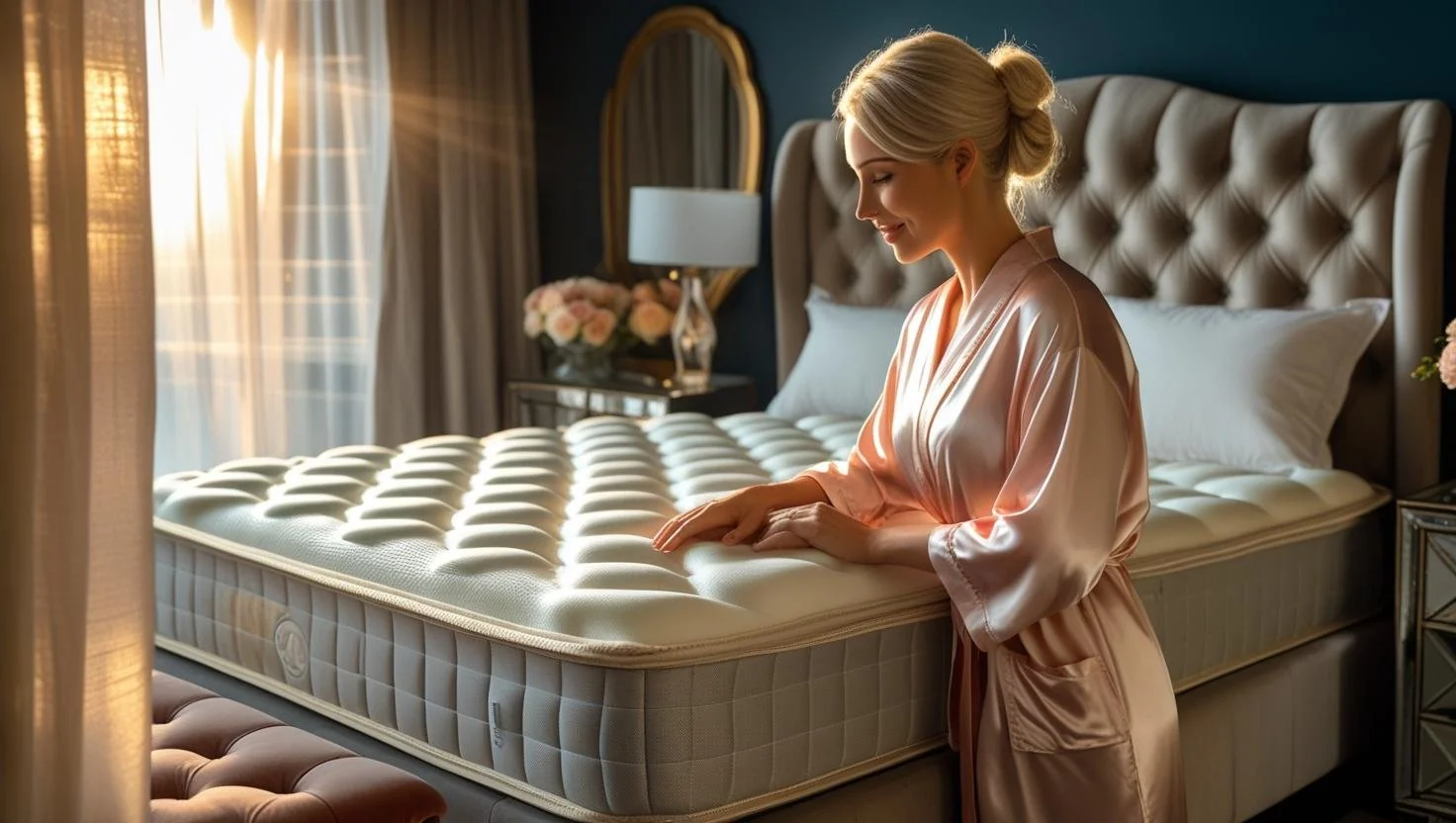
nighttime routine with herbal tea and reading before sleep


Nighttime Routine: How to Fall Asleep Faster & Wake Refreshed

Nighttime Routines That Help You Sleep Faster

A nighttime routine trains your body and brain to switch into sleep mode. Start with 3–5 simple steps (dim lights, unplug from screens, relax your body, and wind down with calm rituals) and you can fall asleep faster within days—often by the very first week.

Key Takeaways on Nighttime Routine

  • Keep a consistent nighttime routine to reinforce your circadian rhythm.
  • Dim lights and avoid blue light 60–90 minutes before bed to protect melatonin.
  • Use relaxation (breathing, stretching, warm bath) to lower cortisol and calm the mind.
  • Cool bedroom (60–67°F / 16–19°C) plus breathable bedding improves sleep quality.
  • Make it enjoyable: pair tea, journaling, or light reading to ease the transition.
  • Stick with it nightly for 2+ weeks for durable, effortless sleep.

Do you find yourself tossing and turning at night, unable to fall asleep quickly? A consistent nighttime routine might be the missing piece. Your body thrives on habit and rhythm, and a structured pre-bed routine trains your brain to recognize when it’s time to sleep.

In this guide, we’ll explore how a nighttime routine improves sleep, the best habits to include, and step-by-step strategies to help you fall asleep faster and wake up more refreshed.


Why a Nighttime Routine is Essential for Quality Sleep

Answer first: A consistent evening routine helps regulate your circadian rhythm by preparing your brain and body for sleep, so you fall asleep faster and wake fewer times overnight.

Your body has an internal clock (circadian rhythm) that signals when it’s time to be awake and when to wind down. A consistent evening routine helps regulate this rhythm by preparing your brain and body for sleep.

The Benefits of a Nighttime Routine:

✅ Reduces stress & anxiety – Helps calm racing thoughts before bed.
✅ Increases melatonin production – Supports a natural sleep cycle.
✅ Prevents sleep disruptions – Reduces nighttime wake-ups.
✅ Helps you fall asleep faster – Establishes a reliable signal for sleep.

⏳ Read More: The Ultimate Sleep Hack


The Best Nighttime Habits for Better Sleep

Answer first: Layer a few science-backed habits—light control, device curfew, body relaxation, and a cool bedroom—to get the biggest payoff with minimal effort.

1. Dim the Lights 60–90 Minutes Before Bed

💡 Why? Artificial light, especially blue light, suppresses melatonin and delays sleep.
💡 How? Use warm-toned lighting, candles, or Himalayan salt lamps to create a relaxing atmosphere.

2. Avoid Screens & Blue Light Exposure

📱 Why? Blue light from phones and TVs tricks your brain into thinking it’s still daytime.
📱 How? Use blue light filters, wear blue light-blocking glasses, or stop screen use 1 hour before bed.

🔵 Read More: How Sleep Science & Technology Can Help

3. Take a Warm Bath or Shower

🛁 Why? Helps lower your body temperature, signaling to your brain that it’s time for sleep.
🛁 How? Take a bath 90 minutes before bed to maximize relaxation benefits.

4. Practice Relaxation Techniques (Meditation, Deep Breathing, or Stretching)

🧘 Why? Reduces cortisol levels and promotes deep relaxation.
🧘 How? Try the 4-7-8 breathing technique, progressive muscle relaxation, or bedtime yoga.

🧘 Read More: Sleep Like a Pro

5. Read a Book (But Avoid Thrillers!)

📖 Why? Reading a physical book (not an e-book) helps your brain transition into sleep mode.
📖 How? Choose a light, enjoyable book rather than something too stimulating.

6. Drink a Sleep-Boosting Herbal Tea

🍵 Why? Herbal teas like chamomile, valerian root, and lemon balm promote relaxation.
🍵 How? Drink your tea 30 minutes before bed for best results.

🍵 Read More: 10 Sleep Hacks to Try Tonight

7. Keep a Gratitude or Sleep Journal

📓 Why? Writing down thoughts helps clear your mind and reduces bedtime anxiety.
📓 How? Write down three things you’re grateful for or a short reflection on your day.

8. Set Your Room to the Ideal Sleep Temperature

🌡️ Why? A cool room (60–67°F or 16–19°C) helps regulate melatonin and improve sleep quality.
🌡️ How? Use breathable bedding, a fan, or adjust your thermostat.

🌙 Read More: Genius Sleep Fixes


How to Create Your Personalized Nighttime Routine

Answer first: Build a 30–60 minute sequence of 3–5 steps you’ll actually stick with, then repeat it nightly at the same time.

A successful nighttime routine doesn’t have to be long or complicated. Start with a simple 3–5 step process that works for you.

Example Nighttime Routine (30–60 Minutes Before Bed)

🕰️ 9:00 PM – Dim the lights & reduce screen time.
🛁 9:15 PM – Take a warm shower or practice deep breathing.
📖 9:30 PM – Read a book or journal to clear your mind.
🍵 9:45 PM – Sip herbal tea while relaxing in bed.
😴 10:00 PM – Lights out, sleep time!

🔄 Read More: Why You Should Never Hit the Snooze Button


How Long Does It Take for a Nighttime Routine to Work?

Answer first: Many people feel improvements in a few nights, but consistency over 2–4 weeks locks in lasting results.

Most people see improvements in their sleep within a few nights of following a nighttime routine. However, for long-term benefits, consistency is key.

Timeline for Sleep Improvement:

📅 Week 1: You may still wake up at night but fall asleep faster.
📅 Week 2: Your sleep will feel deeper, and you’ll wake up more refreshed.
📅 Week 3–4: Your circadian rhythm fully adjusts, making sleep effortless.

⏳ Read More: Say Goodbye to Insomnia


FAQ

Quick answers to common questions about building a nighttime routine.

What is the best time to start a nighttime routine?
Begin 60–90 minutes before your target bedtime. Keeping this timing consistent helps your brain associate the sequence with sleep.
Can a nighttime routine help with insomnia?
Yes. While it’s not a cure for clinical insomnia, a predictable wind‑down reduces arousal, supports melatonin, and often shortens sleep onset latency.
Do I need to follow the same nighttime routine on weekends?
As closely as possible. A similar schedule on weekends prevents circadian drift and Monday “social jet lag.”
What if I can’t avoid screens before my nighttime routine?
Use blue-light reduction settings, enable dark modes, wear blue-light filtering glasses, and keep screens at the lowest brightness.

Final Thoughts: Stick to Your Nighttime Routine & Sleep Better Tonight

Creating a consistent nighttime routine is one of the best ways to fall asleep faster, reduce stress, and wake up feeling fully rested. Even small changes—like dimming the lights, avoiding screens, and practicing relaxation techniques—can make a big difference.

✅ Start with 3–5 simple steps that you enjoy.
✅ Stay consistent for at least two weeks to see results.
✅ Customize your routine to fit your lifestyle & needs.

🌙 Try it tonight and wake up feeling refreshed tomorrow! 😴✨


Related reading from Cozy Bed Quarters

Other reading we found popular

 

Small Bedroom Storage Solutions That Actually Work

small bedroom storage solutions


Small Bedroom Storage Solutions That Actually Work

The fastest way to declutter a tiny room is to go vertical, use under‑bed storage, and pick furniture that hides your stuff—these small bedroom storage solutions give you a place for everything without crowding your floor.

Key Takeaways on Small Bedroom Storage Solutions

  • Maximize vertical space with shelves, pegboards, and over‑the‑door organizers.
  • Use under‑bed containers, rolling bins, and vacuum‑sealed bags for off‑season items.
  • Choose multi‑functional furniture (storage beds, ottomans, foldable desks) to double storage.
  • Optimize closets with double rods, shelf dividers, and hanging organizers.
  • Activate “dead zones” like corners, wall backs, and window nooks with smart add‑ons.


small bedroom storage solutions with creative shelving and compact design

The Ultimate Guide to Small Bedroom Storage Solutions

Summary: Use your walls, the space under your bed, and multi‑purpose furniture first—then fine‑tune closets and corners so every inch works hard.

1. The Magical World of Vertical Storage

Answer first: Lifting storage onto your walls clears floors instantly and adds display space without enlarging your footprint.

  • Wall‑Mounted Shelves: Install above the bed, desk, or in corners to hold books, decor, or labeled bins; anchor properly to prevent mishaps.
  • Over‑the‑Door Organizers: Turn door backs into stash zones for shoes, accessories, and small items that tend to clutter surfaces.
  • Pegboards: Mix hooks, baskets, and cups to store jewelry, tools, or trinkets in a customizable grid.

2. Under‑Bed Storage Bonanza

Answer first: Treat the space under your bed like a hidden closet for bulky or infrequently used items.

  • Bed Risers: Add clearance and, in some styles, bonus outlets for bedside charging.
  • Rolling Storage Containers: Slide out seasonal clothing, extra bedding, or keepsakes without heavy lifting.
  • Vacuum‑Sealed Bags: Compress coats and blankets to a fraction of their size to free up room.


under-bed small bedroom storage solutions with bins and drawers

3. Multi‑Functional Furniture

Answer first: Choose pieces that do double duty so every item you bring in adds storage as well as function.

  • Storage Beds: Built‑in drawers or lift‑up platforms hide linens and out‑of‑season clothes.
  • Ottomans with Hidden Storage: Extra seating that secretly corrals blankets, games, or gear.
  • Foldable Desks and Tables: Create a workspace that tucks away when not in use.

4. Clever Closet Hacks

Answer first: Double your capacity with a second rod, then segment shelves so stacks stay neat.

Closets in small bedrooms are often tiny, but with a few tricks you can maximize their potential.

  • Double Hanging Rods: Install a second rod to instantly increase hanging space.
  • Shelf Dividers: Keep stacks of sweaters, bags, and hats upright and sorted.
  • Hanging Organizers: Fabric cubbies store shoes and folded items to free shelves.

5. Creative Small Bedroom Storage Add‑Ons

Answer first: Activate corners and nooks with purpose‑built pieces that turn “dead zones” into daily helpers.

  • Corner Shelves: Triangle shelves hold plants, books, or decor without blocking pathways.
  • Hooks and Racks: Mount on walls or furniture sides for bags, scarves, and hats.
  • Window Seat Storage: Convert a nook into a cozy bench with bins or a hinged base below.

Final Thoughts

Small bedroom storage solutions are all about thinking outside the box and squeezing value from every inch. Whether you’re going vertical, tapping under‑bed space, or investing in multi‑functional furniture, the real win is staying organized and adaptable over time.

Want more ideas? Explore small bedroom storage tips from The Spruce.

Ready to revolutionize your small bedroom? Share your creative ideas in the comments so we can build a clutter‑free community together.

FAQ

How can I maximize storage in a small bedroom without making it feel cluttered?
Use vertical storage (shelves, pegboards, over‑door units), keep the floor as open as possible, and choose furniture with hidden compartments.
What are some budget‑friendly storage solutions?
Vacuum‑sealed bags, over‑the‑door organizers, simple hooks, and DIY wall shelves are affordable, effective upgrades.
How do I choose the right furniture for small spaces?
Prioritize multi‑functional pieces like beds with storage, foldable desks, and ottomans with hidden compartments.
What are storage options for renters?
Lean into non‑permanent solutions—freestanding shelves, over‑the‑door storage, removable hooks, and portable bins—so you can take them when you move.
How do I keep my small bedroom organized long‑term?
Declutter seasonally, label bins, and create a simple “reset” habit each day to return items to their homes.

Related reading from Cozy Bed Quarters

Other reading we found popular